|
ADAM, After Robert (1728-1792)
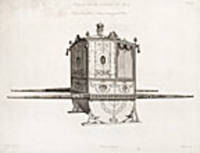
Design of a Sedan Chair as executed for Her Majesty
London 1775. Engraving by P. Begbie. In excellent condition with the exception of some paper discolouration on the upper margin. A fine engraving of the sedan chair designed for Queen Charlotte.<br/> <br/> Robert and his brother James Adam forever changed the face of British architecture by introducing innovative Classical design ideas. From 1754-57 Robert lived in Italy where he had a long productive friendship with Piranesi which was inspirational for both men. Adam's first book on Diocletian's palace in Dalmatia is clearly very like the archaeological investigations Piranesi was making at the same time of similar ruins. Piranesi's friendship and passion for Roman Classicism were seminal influences on Adam and the greatest single factor other than his own talent in the work Adam produced on his return to England. Upon his return the brothers launched their career by building the Adelphi from the Thames to the Strand in London which although not a commercial success at the time included one of London's most cherished buildings the Adlephi Theatre. Together the Adam brothers designed and built some of the most famous buildings in England including such bastions of English architecture as Kenwood House Keddlestone Manor and Syon House. To the interiors of their English country houses the Adams brought wonderful ornamental elements in niches lunettes festoons and reliefs. Their classically designed buildings were so numerous in London that they changed the prevailing feel of the city and established their brand of neo-Classicism as the model of elegance and importance. It is asserted that the brothers originated the concept of the uniform facade attached to the typical English row house an architectural device that distinguishes London buildings. This monumental contribution is evidenced in the Adams' designs for Portland Place and Fitzroy Square and these were used as architectural models for the whole city. The brothers brought their talents into other areas by designing furniture to complement their beautiful interiors and by creating and publishing a treatise of design entitled 'Works in Architecture'. The work was published in three volumes over an extended span of time beginning in 1773 with the final volume being published posthumously in 1822.<br/> <br/> Cf. Brunet I.47; cf. Lowndes I p.8; DNB; Wilton-Ely The Mind and Art of Giovanni Battista Piranesi. unknown
Referencia librero : 17100
|
|
|
ADAM, After Robert (1728-1792)
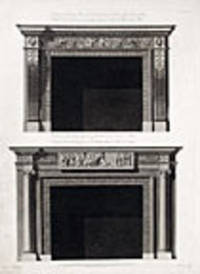
Design of a Chimney Piece executed in the Great Saloon of the Queens House / A Chimney Piece Designed for one of the Rooms in St. James's Palace
London 1775. Engraving by D. Cunego. In excellent condition with the exception of being trimmed just outside the platemark on left margin. Some paper discolouration on left margin and 1" loss lower left corner. A fine engraving of the fireplaces at St. James's Palace and the Queen's House in London.<br/> <br/> Robert and his brother James Adam forever changed the face of British architecture by introducing innovative Classical design ideas. From 1754-57 Robert lived in Italy where he had a long productive friendship with Piranesi which was inspirational for both men. Adam's first book on Diocletian's palace in Dalmatia is clearly very like the archaeological investigations Piranesi was making at the same time of similar ruins. Piranesi's friendship and passion for Roman Classicism were seminal influences on Adam and the greatest single factor other than his own talent in the work Adam produced on his return to England. Upon his return the brothers launched their career by building the Adelphi from the Thames to the Strand in London which although not a commercial success at the time included one of London's most cherished buildings the Adlephi Theatre. Together the Adam brothers designed and built some of the most famous buildings in England including such bastions of English architecture as Kenwood House Keddlestone Manor and Syon House. To the interiors of their English country houses the Adams brought wonderful ornamental elements in niches lunettes festoons and reliefs. Their classically designed buildings were so numerous in London that they changed the prevailing feel of the city and established their brand of neo-Classicism as the model of elegance and importance. It is asserted that the brothers originated the concept of the uniform facade attached to the typical English row house an architectural device that distinguishes London buildings. This monumental contribution is evidenced in the Adams' designs for Portland Place and Fitzroy Square and these were used as architectural models for the whole city. The brothers brought their talents into other areas by designing furniture to complement their beautiful interiors and by creating and publishing a treatise of design entitled 'Works in Architecture'. The work was published in three volumes over an extended span of time beginning in 1773 with the final volume being published posthumously in 1822.<br/> <br/> Cf. Brunet I.47; cf. Lowndes I p.8; DNB; Wilton-Ely The Mind and Art of Giovanni Battista Piranesi. unknown
Referencia librero : 17099
|
|
|
ADAM, After Robert (1728-1792) and James ADAM (d1794) d 1
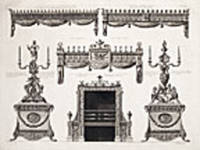
Designs for the Chimney Piece and Curtain Cornice at Sutton Park
London 1775. Engraving by B. Pastorini. In excellent condition. An elegant engraving showing the decorations of the chimney piece and curtain cornices at Sutton Park House in North Yorkshire.<br/> <br/> Robert and his brother James Adam forever changed the face of British architecture by introducing innovative Classical design ideas. From 1754-57 Robert lived in Italy where he had a long productive friendship with Piranesi which was inspirational for both men. Adam's first book on Diocletian's palace in Dalmatia is clearly very like the archaeological investigations Piranesi was making at the same time of similar ruins. Piranesi's friendship and passion for Roman Classicism were seminal influences on Adam and the greatest single factor other than his own talent in the work Adam produced on his return to England. Upon his return the brothers launched their career by building the Adelphi from the Thames to the Strand in London which although not a commercial success at the time included one of London's most cherished buildings the Adlephi Theatre. Together the Adam brothers designed and built some of the most famous buildings in England including such bastions of English architecture as Kenwood House Keddlestone Manor and Syon House. To the interiors of their English country houses the Adams brought wonderful ornamental elements in niches lunettes festoons and reliefs. Their classically designed buildings were so numerous in London that they changed the prevailing feel of the city and established their brand of neo-Classicism as the model of elegance and importance. It is asserted that the brothers originated the concept of the uniform facade attached to the typical English row house an architectural device that distinguishes London buildings. This monumental contribution is evidenced in the Adams' designs for Portland Place and Fitzroy Square and these were used as architectural models for the whole city. The brothers brought their talents into other areas by designing furniture to complement their beautiful interiors and by creating and publishing a treatise of design entitled 'Works in Architecture'. The work was published in three volumes over an extended span of time beginning in 1773 with the final volume being published posthumously in 1822.<br/> <br/> Cf. Brunet I.47; cf. Lowndes I p.8; DNB; Wilton-Ely The Mind and Art of Giovanni Battista Piranesi. unknown
Referencia librero : 17116
|
|
|
ADAM, After Robert (1728-1792)
Elevation of the North End of Luton Park House. Elevation of the South End of Luton Park House
London 1774. Engraving by T. Vivares. Neat repairs to two small marginal tears. A fine engraving of two of the exterior elevations of Luton Park House a project undertaken by Robert Adam in about 1764.<br/> <br/> Robert and his brother James Adam forever changed the face of British architecture by introducing innovative Classical design ideas. From 1754-57 Robert lived in Italy where he had a long productive friendship with Piranesi which was inspirational for both men. Adam's first book on Diocletian's palace in Dalmatia is clearly very like the archaeological investigations Piranesi was making at the same time of similar ruins. Piranesi's friendship and passion for Roman Classicism were seminal influences on Adam and the greatest single factor other than his own talent in the work Adam produced on his return to England. Upon his return the brothers launched their career by building the Adelphi from the Thames to the Strand in London which although not a commercial success at the time included one of London's most cherished buildings the Adlephi Theatre. Together the Adam brothers designed and built some of the most famous buildings in England including such bastions of English architecture as Kenwood House Keddlestone Manor and Syon House. To the interiors of their English country houses the Adams brought wonderful ornamental elements in niches lunettes festoons and reliefs. Their classically designed buildings were so numerous in London that they changed the prevailing feel of the city and established their brand of neo-Classicism as the model of elegance and importance. It is asserted that the brothers originated the concept of the uniform facade attached to the typical English row house an architectural device that distinguishes London buildings. This monumental contribution is evidenced in the Adams' designs for Portland Place and Fitzroy Square and these were used as architectural models for the whole city. The brothers brought their talents into other areas by designing furniture to complement their beautiful interiors and by creating and publishing a treatise of design entitled 'Works in Architecture'. The work was published in three volumes over an extended span of time beginning in 1773 with the final volume being published posthumously in 1822.<br/> <br/> Cf. Brunet I.47; cf. Lowndes I p.8; DNB; Wilton-Ely The Mind and Art of Giovanni Battista Piranesi. unknown
Referencia librero : 5593

|
|
|
ADAM, After Robert (1728-1792) & James (d1794) d 1
Elevation of the North Front of Kenwood towards the Court. Elevation of the South Front of Kenwood towards the Gardens
London 1774. Engraving by T. Miller expert repairs to old fold touching image area. A fine architectural engraving of Kenwood House in Hampstead London re-modelled in 1761-1773 and now home to the Iveagh Bequest picture collection.<br/> <br/> Robert and his brother James Adam forever changed the face of British architecture by introducing innovative Classical design ideas. From 1754-57 Robert lived in Italy where he had a long productive friendship with Piranesi which was inspirational for both men. Adam's first book on Diocletian's palace in Dalmatia is clearly very like the archaeological investigations Piranesi was making at the same time of similar ruins. Piranesi's friendship and passion for Roman Classicism were seminal influences on Adam and the greatest single factor other than his own talent in the work Adam produced on his return to England. Upon his return the brothers launched their career by building the Adelphi from the Thames to the Strand in London which although not a commercial success at the time included one of London's most cherished buildings the Adlephi Theatre. Together the Adam brothers designed and built some of the most famous buildings in England including such bastions of English architecture as Kenwood House Keddlestone Manor and Syon House. To the interiors of their English country houses the Adams brought wonderful ornamental elements in niches lunettes festoons and reliefs. Their classically designed buildings were so numerous in London that they changed the prevailing feel of the city and established their brand of neo-Classicism as the model of elegance and importance. It is asserted that the brothers originated the concept of the uniform facade attached to the typical English row house an architectural device that distinguishes London buildings. This monumental contribution is evidenced in the Adams' designs for Portland Place and Fitzroy Square and these were used as architectural models for the whole city. The brothers brought their talents into other areas by designing furniture to complement their beautiful interiors and by creating and publishing a treatise of design entitled 'Works in Architecture'. The work was published in three volumes over an extended span of time beginning in 1773 with the final volume being published posthumously in 1822.<br/> <br/> Cf. Brunet I.47; cf. Lowndes I p.8. unknown
Referencia librero : 5327

|
|
|
ADAM, After Robert (1728-1792) and James ADAM (d1794) d 1
Elevation of the North End of Suton Park House / Elevation of the South End of Suton Park House
London 1775. Engraving by T. Vivares. In excellent condition. An elegant elevation of the north and southe sides of Sutton Park in North Yorkshire the seat of the Earl of Bute.<br/> <br/> Robert and his brother James Adam forever changed the face of British architecture by introducing innovative Classical design ideas. From 1754-57 Robert lived in Italy where he had a long productive friendship with Piranesi which was inspirational for both men. Adam's first book on Diocletian's palace in Dalmatia is clearly very like the archaeological investigations Piranesi was making at the same time of similar ruins. Piranesi's friendship and passion for Roman Classicism were seminal influences on Adam and the greatest single factor other than his own talent in the work Adam produced on his return to England. Upon his return the brothers launched their career by building the Adelphi from the Thames to the Strand in London which although not a commercial success at the time included one of London's most cherished buildings the Adelphi Theatre. Together the Adam brothers designed and built some of the most famous buildings in England including such bastions of English architecture as Kenwood House Keddlestone Manor and Syon House. To the interiors of their English country houses the Adams brought wonderful ornamental elements in niches lunettes festoons and reliefs. Their classically designed buildings were so numerous in London that they changed the prevailing feel of the city and established their brand of neo-Classicism as the model of elegance and importance. It is asserted that the brothers originated the concept of the uniform facade attached to the typical English row house an architectural device that distinguishes London buildings. This monumental contribution is evidenced in the Adams' designs for Portland Place and Fitzroy Square and these were used as architectural models for the whole city. The brothers brought their talents into other areas by designing furniture to complement their beautiful interiors and by creating and publishing a treatise of design entitled 'Works in Architecture'. The work was published in three volumes over an extended span of time beginning in 1773 with the final volume being published posthumously in 1822.<br/> <br/> Cf. Brunet I.47; cf. Lowndes I p.8; DNB; Wilton-Ely The Mind and Art of Giovanni Battista Piranesi. unknown
Referencia librero : 17114

|
|
|
ADAM, After Robert (1728-1792)
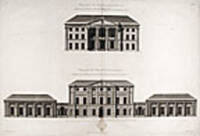
Elevation of the North Front of Kenwood towards the Court. Elevation of the South Front of Kenwood towards the Gardens
London 1775. Engraving by T. Miller. In excellent condition with the exception of a water stain at the bottom of the sheet. Top left corner of sheet is missing. A fine architectural engraving of Kenwood House in Hampstead London re-modelled in 1761-1773 and now home to the Iveagh Bequest picture collection.<br/> <br/> Robert and his brother James Adam forever changed the face of British architecture by introducing innovative Classical design ideas. From 1754-57 Robert lived in Italy where he had a long productive friendship with Piranesi which was inspirational for both men. Adam's first book on Diocletian's palace in Dalmatia is clearly very like the archaeological investigations Piranesi was making at the same time of similar ruins. Piranesi's friendship and passion for Roman Classicism were seminal influences on Adam and the greatest single factor other than his own talent in the work Adam produced on his return to England. Upon his return the brothers launched their career by building the Adelphi from the Thames to the Strand in London which although not a commercial success at the time included one of London's most cherished buildings the Adlephi Theatre. Together the Adam brothers designed and built some of the most famous buildings in England including such bastions of English architecture as Kenwood House Keddlestone Manor and Syon House. To the interiors of their English country houses the Adams brought wonderful ornamental elements in niches lunettes festoons and reliefs. Their classically designed buildings were so numerous in London that they changed the prevailing feel of the city and established their brand of neo-Classicism as the model of elegance and importance. It is asserted that the brothers originated the concept of the uniform facade attached to the typical English row house an architectural device that distinguishes London buildings. This monumental contribution is evidenced in the Adams' designs for Portland Place and Fitzroy Square and these were used as architectural models for the whole city. The brothers brought their talents into other areas by designing furniture to complement their beautiful interiors and by creating and publishing a treatise of design entitled 'Works in Architecture'. The work was published in three volumes over an extended span of time beginning in 1773 with the final volume being published posthumously in 1822.<br/> <br/> Cf. Brunet I.47; cf. Lowndes I p.8; DNB; Wilton-Ely The Mind and Art of Giovanni Battista Piranesi. unknown
Referencia librero : 17106
|
|
|
ADAM, After Robert (1728-1792) and James ADAM (d1794) d 1
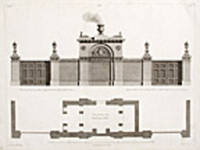
Elevation and Plans of the Gateway and Porter's Lodge of Ashburnham House in Dover Street
London 1778. Copper engraving. Engraved by Robert Blyth. In excellent condition. An elegant engraving of the gateway and porters lodge at Ashburnham House on Dover Street in London.<br/> <br/> Robert and his brother James Adam forever changed the face of British architecture by introducing innovative Classical design ideas. From 1754-57 Robert lived in Italy where he had a long productive friendship with Piranesi which was inspirational for both men. Adam's first book on Diocletian's palace in Dalmatia is clearly very like the archaeological investigations Piranesi was making at the same time of similar ruins. Piranesi's friendship and passion for Roman Classicism were seminal influences on Adam and the greatest single factor other than his own talent in the work Adam produced on his return to England. Upon his return the brothers launched their career by building the Adelphi from the Thames to the Strand in London which although not a commercial success at the time included one of London's most cherished buildings the Adlephi Theatre. Together the Adam brothers designed and built some of the most famous buildings in England including such bastions of English architecture as Kenwood House Keddlestone Manor and Syon House. To the interiors of their English country houses the Adams brought wonderful ornamental elements in niches lunettes festoons and reliefs. Their classically designed buildings were so numerous in London that they changed the prevailing feel of the city and established their brand of neo-Classicism as the model of elegance and importance. It is asserted that the brothers originated the concept of the uniform facade attached to the typical English row house an architectural device that distinguishes London buildings. This monumental contribution is evidenced in the Adams' designs for Portland Place and Fitzroy Square and these were used as architectural models for the whole city. The brothers brought their talents into other areas by designing furniture to complement their beautiful interiors and by creating and publishing a treatise of design entitled 'Works in Architecture'. The work was published in three volumes over an extended span of time beginning in 1773 with the final volume being published posthumously in 1822.<br/> <br/> Cf. Brunet I.47; cf. Lowndes I p.8; DNB; Wilton-Ely The Mind and Art of Giovanni Battista Piranesi. unknown
Referencia librero : 17144
|
|
|
ADAM, After Robert (1728-1792) and James ADAM (d1794) d 1
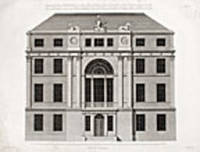
Elevation of a House at Whitehall Restore as a Board Room for the Paymaster General & Commissioners of Chelsea Hospital & Office for Invalids
London 1775. Engraving by R. Blyth. In excellent condition except for mild discolouration lower left. An elegant engraving showing the facade of a house in Whitehall used as the offices for Chelsea Hospital.<br/> <br/> Robert and his brother James Adam forever changed the face of British architecture by introducing innovative Classical design ideas. From 1754-57 Robert lived in Italy where he had a long productive friendship with Piranesi which was inspirational for both men. Adam's first book on Diocletian's palace in Dalmatia is clearly very like the archaeological investigations Piranesi was making at the same time of similar ruins. Piranesi's friendship and passion for Roman Classicism were seminal influences on Adam and the greatest single factor other than his own talent in the work Adam produced on his return to England. Upon his return the brothers launched their career by building the Adelphi from the Thames to the Strand in London which although not a commercial success at the time included one of London's most cherished buildings the Adlephi Theatre. Together the Adam brothers designed and built some of the most famous buildings in England including such bastions of English architecture as Kenwood House Keddlestone Manor and Syon House. To the interiors of their English country houses the Adams brought wonderful ornamental elements in niches lunettes festoons and reliefs. Their classically designed buildings were so numerous in London that they changed the prevailing feel of the city and established their brand of neo-Classicism as the model of elegance and importance. It is asserted that the brothers originated the concept of the uniform facade attached to the typical English row house an architectural device that distinguishes London buildings. This monumental contribution is evidenced in the Adams' designs for Portland Place and Fitzroy Square and these were used as architectural models for the whole city. The brothers brought their talents into other areas by designing furniture to complement their beautiful interiors and by creating and publishing a treatise of design entitled 'Works in Architecture'. The work was published in three volumes over an extended span of time beginning in 1773 with the final volume being published posthumously in 1822.<br/> <br/> Cf. Brunet I.47; cf. Lowndes I p.8; DNB; Wilton-Ely The Mind and Art of Giovanni Battista Piranesi. unknown
Referencia librero : 17117
|
|
|
ADAM, After Robert (1728-1792) and James ADAM (d1794) d 1
Elevation of the House of the Society for the Encouragement of Arts Manufacturers & Commerce Situated in John Street Adelphi
London 1775. Engraving by T. Vivares. In excellent condition with the exception of some paper discolouration in the bottom right corner of the sheet. A fine architectural engraving of a part of the vast Adelphi development in London; the largest project undertaken by the Adam brothers.<br/> <br/> Robert and his brother James Adam forever changed the face of British architecture by introducing innovative Classical design ideas. From 1754-57 Robert lived in Italy where he had a long productive friendship with Piranesi which was inspirational for both men. Adam's first book on Diocletian's palace in Dalmatia is clearly very like the archaeological investigations Piranesi was making at the same time of similar ruins. Piranesi's friendship and passion for Roman Classicism were seminal influences on Adam and the greatest single factor other than his own talent in the work Adam produced on his return to England. Upon his return the brothers launched their career by building the Adelphi from the Thames to the Strand in London which although not a commercial success at the time included one of London's most cherished buildings the Adelphi Theatre. Together the Adam brothers designed and built some of the most famous buildings in England including such bastions of English architecture as Kenwood House Keddlestone Manor and Syon House. To the interiors of their English country houses the Adams brought wonderful ornamental elements in niches lunettes festoons and reliefs. Their classically designed buildings were so numerous in London that they changed the prevailing feel of the city and established their brand of neo-Classicism as the model of elegance and importance. It is asserted that the brothers originated the concept of the uniform facade attached to the typical English row house an architectural device that distinguishes London buildings. This monumental contribution is evidenced in the Adams' designs for Portland Place and Fitzroy Square and these were used as architectural models for the whole city. The brothers brought their talents into other areas by designing furniture to complement their beautiful interiors and by creating and publishing a treatise of design entitled 'Works in Architecture'. The work was published in three volumes over an extended span of time beginning in 1773 with the final volume being published posthumously in 1822.<br/> <br/> Cf. Brunet I.47; cf. Lowndes I p.8; DNB; Wilton-Ely The Mind and Art of Giovanni Battista Piranesi. unknown
Referencia librero : 17118

|
|
|
ADAM, After Robert (1728-1792)
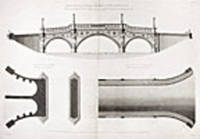
Geometrical elevation of a Bridge to be built over the River in the Garden at Sion. Plan of the Foundations of the Bridge. Plan of the Carriage and Footways of the Bridge
London 1775. Engraving by T. Miller. In excellent condition with the exception of some very faint off-setting. A fine engraving of a proposed bridge over the river at Sion House in London.<br/> <br/> Robert and his brother James Adam forever changed the face of British architecture by introducing innovative Classical design ideas. From 1754-57 Robert lived in Italy where he had a long productive friendship with Piranesi which was inspirational for both men. Adam's first book on Diocletian's palace in Dalmatia is clearly very like the archaeological investigations Piranesi was making at the same time of similar ruins. Piranesi's friendship and passion for Roman Classicism were seminal influences on Adam and the greatest single factor other than his own talent in the work Adam produced on his return to England. Upon his return the brothers launched their career by building the Adelphi from the Thames to the Strand in London which although not a commercial success at the time included one of London's most cherished buildings the Adlephi Theatre. Together the Adam brothers designed and built some of the most famous buildings in England including such bastions of English architecture as Kenwood House Keddlestone Manor and Syon House. To the interiors of their English country houses the Adams brought wonderful ornamental elements in niches lunettes festoons and reliefs. Their classically designed buildings were so numerous in London that they changed the prevailing feel of the city and established their brand of neo-Classicism as the model of elegance and importance. It is asserted that the brothers originated the concept of the uniform facade attached to the typical English row house an architectural device that distinguishes London buildings. This monumental contribution is evidenced in the Adams' designs for Portland Place and Fitzroy Square and these were used as architectural models for the whole city. The brothers brought their talents into other areas by designing furniture to complement their beautiful interiors and by creating and publishing a treatise of design entitled 'Works in Architecture'. The work was published in three volumes over an extended span of time beginning in 1773 with the final volume being published posthumously in 1822.<br/> <br/> Cf. Brunet I.47; cf. Lowndes I p.8; DNB; Wilton-Ely The Mind and Art of Giovanni Battista Piranesi. unknown
Referencia librero : 17103
|
|
|
ADAM, After Robert (1728-1792) and James ADAM (d1794) d 1
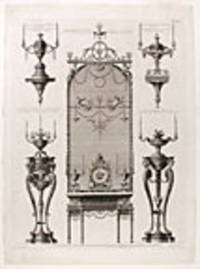
Miscellaneous Designs of Various Pieces of Furniture done for Different Persons which are here Introduced in Order to Give More Utility and Diversity to the Work and Contains as Follows
London 1775. Engraving by B. Pastorini. In excellent condition. A fine engraving of various pieces of ornate furniture from Robert Adam's seminal work on British architecture.<br/> <br/> Robert and his brother James Adam forever changed the face of British architecture by introducing innovative Classical design ideas. From 1754-57 Robert lived in Italy where he had a long productive friendship with Piranesi which was inspirational for both men. Adam's first book on Diocletian's palace in Dalmatia is clearly very like the archaeological investigations Piranesi was making at the same time of similar ruins. Piranesi's friendship and passion for Roman Classicism were seminal influences on Adam and the greatest single factor other than his own talent in the work Adam produced on his return to England. Upon his return the brothers launched their career by building the Adelphi from the Thames to the Strand in London which although not a commercial success at the time included one of London's most cherished buildings the Adlephi Theatre. Together the Adam brothers designed and built some of the most famous buildings in England including such bastions of English architecture as Kenwood House Keddlestone Manor and Syon House. To the interiors of their English country houses the Adams brought wonderful ornamental elements in niches lunettes festoons and reliefs. Their classically designed buildings were so numerous in London that they changed the prevailing feel of the city and established their brand of neo-Classicism as the model of elegance and importance. It is asserted that the brothers originated the concept of the uniform facade attached to the typical English row house an architectural device that distinguishes London buildings. This monumental contribution is evidenced in the Adams' designs for Portland Place and Fitzroy Square and these were used as architectural models for the whole city. The brothers brought their talents into other areas by designing furniture to complement their beautiful interiors and by creating and publishing a treatise of design entitled 'Works in Architecture'. The work was published in three volumes over an extended span of time beginning in 1773 with the final volume being published posthumously in 1822.<br/> <br/> Cf. Brunet I.47; cf. Lowndes I p.8; DNB; Wilton-Ely The Mind and Art of Giovanni Battista Piranesi. unknown
Referencia librero : 17575
|
|
|
ADAM, After Robert (1728-1792) & James (d1794) d 1
Original Design of an Illumination & Transparency part of which was executed by the Command of the Queen in June 1762 In honour of His Majesty's Birthday
London 1775. Engraving by D. Cunego. Adam's design for a surprise for George III's 25th birthday<br/> <br/> Robert Adam was probably introduced to the Royal Family by Lord Bute fellow Scotsman and patron. Queen Charlotte employed him to create a large temporary folly in the garden of Buckingham House. As shown here several portals held large painted linens. These were allegories showing George III as a bringer of peace and prosperity the Treaty of Paris ending the Seven Years' War had recently been signed. These painting were illuminated from behind and the overall effect must have been quite grand. Adam clearly succeeded in making a structure that was festive triumphant and regal. Robert and his brother James Adam forever changed the face of British architecture by introducing innovative Classical design ideas. From 1754-57 Robert lived in Italy where he had a long productive friendship with Piranesi which was inspirational for both men. Adam's first book on Diocletian's palace in Dalmatia is clearly very like the archaeological investigations Piranesi was making at the same time of similar ruins. Piranesi's friendship and passion for Roman Classicism were seminal influences on Adam and the greatest single factor other than his own talent in the work Adam produced on his return to England. Upon his return the brothers launched their career by building the Adelphi from the Thames to the Strand in London which although not a commercial success at the time included one of London's most cherished buildings the Adlephi Theatre. Together the Adam brothers designed and built some of the most famous buildings in England including such bastions of English architecture as Kenwood House Keddlestone Manor and Syon House. To the interiors of their English country houses the Adams brought wonderful ornamental elements in niches lunettes festoons and reliefs. Their classically designed buildings were so numerous in London that they changed the prevailing feel of the city and established their brand of neo-Classicism as the model of elegance and importance. It is asserted that the brothers originated the concept of the uniform facade attached to the typical English row house an architectural device that distinguishes London buildings. This monumental contribution is evidenced in the Adams' designs for Portland Place and Fitzroy Square and these were used as architectural models for the whole city. The brothers brought their talents into other areas by designing furniture to complement their beautiful interiors and by creating and publishing a treatise of design entitled 'Works in Architecture'. The work was published in three volumes over an extended span of time beginning in 1773 with the final volume being published posthumously in 1822.<br/> <br/> Cf. Brunet I.47; cf. Lowndes I p.8. unknown
Referencia librero : 31064

|
|
|
ADAM, After Robert (1728-1792)
Section of one End of the Hall next to the great Apartment and Section of one End of the Hall next to the private Apartment
London 1779. Engraving by T. White. A fine engraving of a grand hallway at Syon House from Robert Adam's seminal work on British architecture.<br/> <br/> Robert and his brother James Adam forever changed the face of British architecture by introducing innovative Classical design ideas. From 1754-57 Robert lived in Italy where he had a long productive friendship with Piranesi which was inspirational for both men. Adam's first book on Diocletian's palace in Dalmatia is clearly very like the archaeological investigations Piranesi was making at the same time of similar ruins. Piranesi's friendship and passion for Roman Classicism were seminal influences on Adam and the greatest single factor other than his own talent in the work Adam produced on his return to England. Upon his return the brothers launched their career by building the Adelphi from the Thames to the Strand in London which although not a commercial success at the time included one of London's most cherished buildings the Adlephi Theatre. Together the Adam brothers designed and built some of the most famous buildings in England including such bastions of English architecture as Kenwood House Keddlestone Manor and Syon House. To the interiors of their English country houses the Adams brought wonderful ornamental elements in niches lunettes festoons and reliefs. Their classically designed buildings were so numerous in London that they changed the prevailing feel of the city and established their brand of neo-Classicism as the model of elegance and importance. It is asserted that the brothers originated the concept of the uniform facade attached to the typical English row house an architectural device that distinguishes London buildings. This monumental contribution is evidenced in the Adams' designs for Portland Place and Fitzroy Square and these were used as architectural models for the whole city. The brothers brought their talents into other areas by designing furniture to complement their beautiful interiors and by creating and publishing a treatise of design entitled 'Works in Architecture'. The work was published in three volumes over an extended span of time beginning in 1773 with the final volume being published posthumously in 1822.<br/> <br/> Cf. Brunet I.47; cf. Lowndes I p.8; DNB; Wilton-Ely The Mind and Art of Giovanni Battista Piranesi. unknown
Referencia librero : 31060

|
|
|
ADAM, After Robert (1728-1792)
Section of one of the sides of the Great Room or Library at Kenwood
London 1774. Engraving by J. Zucchi. A fine architectural engraving of the interior of Kenwood House in Hampstead London re-modelled in 1761-1773 and now home to the Iveagh Bequest picture collection.<br/> <br/> Robert and his brother James Adam forever changed the face of British architecture by introducing innovative Classical design ideas. From 1754-57 Robert lived in Italy where he had a long productive friendship with Piranesi which was inspirational for both men. Adam's first book on Diocletian's palace in Dalmatia is clearly very like the archaeological investigations Piranesi was making at the same time of similar ruins. Piranesi's friendship and passion for Roman Classicism were seminal influences on Adam and the greatest single factor other than his own talent in the work Adam produced on his return to England. Upon his return the brothers launched their career by building the Adelphi from the Thames to the Strand in London which although not a commercial success at the time included one of London's most cherished buildings the Adelphi Theatre. Together the Adam brothers designed and built some of the most famous buildings in England including such bastions of English architecture as Kenwood House Keddlestone Manor and Syon House. To the interiors of their English country houses the Adams brought wonderful ornamental elements in niches lunettes festoons and reliefs. Their classically designed buildings were so numerous in London that they changed the prevailing feel of the city and established their brand of neo-Classicism as the model of elegance and importance. It is asserted that the brothers originated the concept of the uniform facade attached to the typical English row house an architectural device that distinguishes London buildings. This monumental contribution is evidenced in the Adams' designs for Portland Place and Fitzroy Square and these were used as architectural models for the whole city. The brothers brought their talents into other areas by designing furniture to complement their beautiful interiors and by creating and publishing a treatise of design entitled 'Works in Architecture'. The work was published in three volumes over an extended span of time beginning in 1773 with the final volume being published posthumously in 1822.<br/> <br/> Cf. Brunet I.47; cf. Lowndes I p.8; DNB; Wilton-Ely The Mind and Art of Giovanni Battista Piranesi. unknown
Referencia librero : 5385

|
|
|
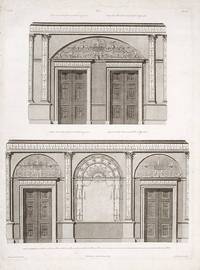
ADAM, After Robert (1728-1792) and James ADAM (d1794) d 1
Section of One end and One Side of the Second Withdrawing-room
London 1775. Engraving by Joshua Record. In excellent condition with the exception of some minor foxing across the sheet and some waterstaining along the upper margin. A decorative engraving by the celebrated architect Robert Adam depicting an elegant room in Lord Derby's house in Grosvenor Square London.<br/> <br/> Robert and his brother James Adam forever changed the face of British architecture by introducing innovative Classical design ideas. From 1754-57 Robert lived in Italy where he had a long productive friendship with Piranesi which was inspirational for both men. Adam's first book on Diocletian's palace in Dalmatia is clearly very like the archaeological investigations Piranesi was making at the same time of similar ruins. Piranesi's friendship and passion for Roman Classicism were seminal influences on Adam and the greatest single factor other than his own talent in the work Adam produced on his return to England. Upon his return the brothers launched their career by building the Adelphi from the Thames to the Strand in London which although not a commercial success at the time included one of London's most cherished buildings the Adlephi Theatre. Together the Adam brothers designed and built some of the most famous buildings in England including such bastions of English architecture as Kenwood House Keddlestone Manor and Syon House. To the interiors of their English country houses the Adams brought wonderful ornamental elements in niches lunettes festoons and reliefs. Their classically designed buildings were so numerous in London that they changed the prevailing feel of the city and established their brand of neo-Classicism as the model of elegance and importance. It is asserted that the brothers originated the concept of the uniform facade attached to the typical English row house an architectural device that distinguishes London buildings. This monumental contribution is evidenced in the Adams' designs for Portland Place and Fitzroy Square and these were used as architectural models for the whole city. The brothers brought their talents into other areas by designing furniture to complement their beautiful interiors and by creating and publishing a treatise of design entitled 'Works in Architecture'. The work was published in three volumes over an extended span of time beginning in 1773 with the final volume being published posthumously in 1822.<br/> <br/> Cf. Brunet I.47; cf. Lowndes I p.8; DNB; Wilton-Ely The Mind and Art of Giovanni Battista Piranesi. unknown
Referencia librero : 17124
|
|
|
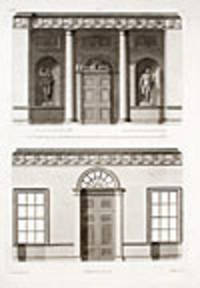
ADAM, After Robert (1728-1792) and James ADAM (d1794) d 1
Section of the Chimneyside of the Antichamber in the Principal Story
London 1775. Engraving by Joshua Record. In excellent condition. An elegant engraving showing the chimney in the anteroom of Lord Derby's house in Grosvenor Square London.<br/> <br/> Robert and his brother James Adam forever changed the face of British architecture by introducing innovative Classical design ideas. From 1754-57 Robert lived in Italy where he had a long productive friendship with Piranesi which was inspirational for both men. Adam's first book on Diocletian's palace in Dalmatia is clearly very like the archaeological investigations Piranesi was making at the same time of similar ruins. Piranesi's friendship and passion for Roman Classicism were seminal influences on Adam and the greatest single factor other than his own talent in the work Adam produced on his return to England. Upon his return the brothers launched their career by building the Adelphi from the Thames to the Strand in London which although not a commercial success at the time included one of London's most cherished buildings the Adelphi Theatre. Together the Adam brothers designed and built some of the most famous buildings in England including such bastions of English architecture as Kenwood House Keddlestone Manor and Syon House. To the interiors of their English country houses the Adams brought wonderful ornamental elements in niches lunettes festoons and reliefs. Their classically designed buildings were so numerous in London that they changed the prevailing feel of the city and established their brand of neo-Classicism as the model of elegance and importance. It is asserted that the brothers originated the concept of the uniform facade attached to the typical English row house an architectural device that distinguishes London buildings. This monumental contribution is evidenced in the Adams' designs for Portland Place and Fitzroy Square and these were used as architectural models for the whole city. The brothers brought their talents into other areas by designing furniture to complement their beautiful interiors and by creating and publishing a treatise of design entitled 'Works in Architecture'. The work was published in three volumes over an extended span of time beginning in 1773 with the final volume being published posthumously in 1822.<br/> <br/> Cf. Brunet I.47; cf. Lowndes I p.8; DNB; Wilton-Ely The Mind and Art of Giovanni Battista Piranesi. unknown
Referencia librero : 17122
|
|
|
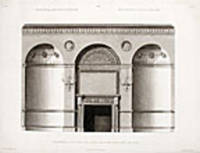
ADAM, After Robert (1728-1792) and James ADAM (d1794) d 1
Section of Two Sides of the Porter's Hall
London 1778. Copper engraving. Engraved by P. Mazell. In excellent condition. An elegant engraving the Porter's Lodge at Shelburne House in Berkeley Square in London.<br/> <br/> Robert and his brother James Adam forever changed the face of British architecture by introducing innovative Classical design ideas. From 1754-57 Robert lived in Italy where he had a long productive friendship with Piranesi which was inspirational for both men. Adam's first book on Diocletian's palace in Dalmatia is clearly very like the archaeological investigations Piranesi was making at the same time of similar ruins. Piranesi's friendship and passion for Roman Classicism were seminal influences on Adam and the greatest single factor other than his own talent in the work Adam produced on his return to England. Upon his return the brothers launched their career by building the Adelphi from the Thames to the Strand in London which although not a commercial success at the time included one of London's most cherished buildings the Adlephi Theatre. Together the Adam brothers designed and built some of the most famous buildings in England including such bastions of English architecture as Kenwood House Keddlestone Manor and Syon House. To the interiors of their English country houses the Adams brought wonderful ornamental elements in niches lunettes festoons and reliefs. Their classically designed buildings were so numerous in London that they changed the prevailing feel of the city and established their brand of neo-Classicism as the model of elegance and importance. It is asserted that the brothers originated the concept of the uniform facade attached to the typical English row house an architectural device that distinguishes London buildings. This monumental contribution is evidenced in the Adams' designs for Portland Place and Fitzroy Square and these were used as architectural models for the whole city. The brothers brought their talents into other areas by designing furniture to complement their beautiful interiors and by creating and publishing a treatise of design entitled 'Works in Architecture'. The work was published in three volumes over an extended span of time beginning in 1773 with the final volume being published posthumously in 1822.<br/> <br/> Cf. Brunet I.47; cf. Lowndes I p.8; DNB; Wilton-Ely The Mind and Art of Giovanni Battista Piranesi. unknown
Referencia librero : 17136
|
|
|
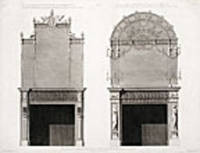
ADAM, After Robert (1728-1792) and James ADAM (d1794) d 1
Two Chimney-pieces in the First and Second Withdrawing-rooms with Glass Frames over them
London 1775. Engraving by Joshua Record. In excellent condition. An elegant engraving showing the two chimneys in Lord Derby's house in Grosvenor Square London.<br/> <br/> Robert and his brother James Adam forever changed the face of British architecture by introducing innovative Classical design ideas. From 1754-57 Robert lived in Italy where he had a long productive friendship with Piranesi which was inspirational for both men. Adam's first book on Diocletian's palace in Dalmatia is clearly very like the archaeological investigations Piranesi was making at the same time of similar ruins. Piranesi's friendship and passion for Roman Classicism were seminal influences on Adam and the greatest single factor other than his own talent in the work Adam produced on his return to England. Upon his return the brothers launched their career by building the Adelphi from the Thames to the Strand in London which although not a commercial success at the time included one of London's most cherished buildings the Adlephi Theatre. Together the Adam brothers designed and built some of the most famous buildings in England including such bastions of English architecture as Kenwood House Keddlestone Manor and Syon House. To the interiors of their English country houses the Adams brought wonderful ornamental elements in niches lunettes festoons and reliefs. Their classically designed buildings were so numerous in London that they changed the prevailing feel of the city and established their brand of neo-Classicism as the model of elegance and importance. It is asserted that the brothers originated the concept of the uniform facade attached to the typical English row house an architectural device that distinguishes London buildings. This monumental contribution is evidenced in the Adams' designs for Portland Place and Fitzroy Square and these were used as architectural models for the whole city. The brothers brought their talents into other areas by designing furniture to complement their beautiful interiors and by creating and publishing a treatise of design entitled 'Works in Architecture'. The work was published in three volumes over an extended span of time beginning in 1773 with the final volume being published posthumously in 1822.<br/> <br/> Cf. Brunet I.47; cf. Lowndes I p.8;DNB; Wilton-Ely The Mind and Art of Giovanni Battista Piranesi. unknown
Referencia librero : 17123
|
|
|
ADAM, After Robert (1728-1792) and James ADAM (d1794) d 1
Two Chimney-pieces in the Great Withdrawing-room and the Countess of Derby's Dressing-room
London 1777. Engraving by J. Zucchi. In excellent condition. An elegant engraving depicting two chimneys in Lord Derby's celebrated house in Grosvenor Square London.<br/> <br/> Robert and his brother James Adam forever changed the face of British architecture by introducing innovative Classical design ideas. From 1754-57 Robert lived in Italy where he had a long productive friendship with Piranesi which was inspirational for both men. Adam's first book on Diocletian's palace in Dalmatia is clearly very like the archaeological investigations Piranesi was making at the same time of similar ruins. Piranesi's friendship and passion for Roman Classicism were seminal influences on Adam and the greatest single factor other than his own talent in the work Adam produced on his return to England. Upon his return the brothers launched their career by building the Adelphi from the Thames to the Strand in London which although not a commercial success at the time included one of London's most cherished buildings the Adlephi Theatre. Together the Adam brothers designed and built some of the most famous buildings in England including such bastions of English architecture as Kenwood House Keddlestone Manor and Syon House. To the interiors of their English country houses the Adams brought wonderful ornamental elements in niches lunettes festoons and reliefs. Their classically designed buildings were so numerous in London that they changed the prevailing feel of the city and established their brand of neo-Classicism as the model of elegance and importance. It is asserted that the brothers originated the concept of the uniform facade attached to the typical English row house an architectural device that distinguishes London buildings. This monumental contribution is evidenced in the Adams' designs for Portland Place and Fitzroy Square and these were used as architectural models for the whole city. The brothers brought their talents into other areas by designing furniture to complement their beautiful interiors and by creating and publishing a treatise of design entitled 'Works in Architecture'. The work was published in three volumes over an extended span of time beginning in 1773 with the final volume being published posthumously in 1822.<br/> <br/> Cf. Brunet I.47; cf. Lowndes I p.8; DNB; Wilton-Ely The Mind and Art of Giovanni Battista Piranesi. unknown
Referencia librero : 17125
|
|
|
ADAM, After Robert (1728-1792) and James ADAM (d1794) d 1
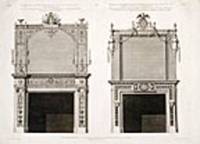
Various Furnishings Including Decorative Clocks an Ornamental Knocker and Two Hanging Lights
London 1775. Engraving by P. Begbie. In excellent condition with the exception of being trimmed just outside the platemark on the left margin. An elegant engraving depicting various furnishings designed by Robert and James Adam including decorative clocks an ornamental knocker and two elaborate hanging lights.<br/> <br/> Robert and his brother James Adam forever changed the face of British architecture by introducing innovative Classical design ideas. From 1754-57 Robert lived in Italy where he had a long productive friendship with Piranesi which was inspirational for both men. Adam's first book on Diocletian's palace in Dalmatia is clearly very like the archaeological investigations Piranesi was making at the same time of similar ruins. Piranesi's friendship and passion for Roman Classicism were seminal influences on Adam and the greatest single factor other than his own talent in the work Adam produced on his return to England. Upon his return the brothers launched their career by building the Adelphi from the Thames to the Strand in London which although not a commercial success at the time included one of London's most cherished buildings the Adlephi Theatre. Together the Adam brothers designed and built some of the most famous buildings in England including such bastions of English architecture as Kenwood House Keddlestone Manor and Syon House. To the interiors of their English country houses the Adams brought wonderful ornamental elements in niches lunettes festoons and reliefs. Their classically designed buildings were so numerous in London that they changed the prevailing feel of the city and established their brand of neo-Classicism as the model of elegance and importance. It is asserted that the brothers originated the concept of the uniform facade attached to the typical English row house an architectural device that distinguishes London buildings. This monumental contribution is evidenced in the Adams' designs for Portland Place and Fitzroy Square and these were used as architectural models for the whole city. The brothers brought their talents into other areas by designing furniture to complement their beautiful interiors and by creating and publishing a treatise of design entitled 'Works in Architecture'. The work was published in three volumes over an extended span of time beginning in 1773 with the final volume being published posthumously in 1822.<br/> <br/> Cf. Brunet I.47; cf. Lowndes I p.8; DNB; Wilton-Ely The Mind and Art of Giovanni Battista Piranesi. unknown
Referencia librero : 17121

|
|
|
ADAM, After Robert (1728-1792) and James ADAM (d1794) d 1
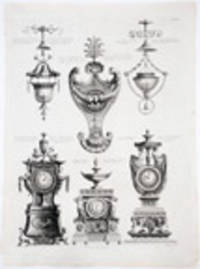
Various Furnishings Including Decorative Clocks an Ornamental Knocker and Two Hanging Lights
London 1775. Engraving by P. Begbie. In excellent condition with the exception of being trimmed just outside the platemark on the left margin. An elegant engraving depicting various furnishings designed by Robert and James Adam including decorative clocks an ornamental knocker and two elaborate hanging lights.<br/> <br/> Robert and his brother James Adam forever changed the face of British architecture by introducing innovative Classical design ideas. From 1754-57 Robert lived in Italy where he had a long productive friendship with Piranesi which was inspirational for both men. Adam's first book on Diocletian's palace in Dalmatia is clearly very like the archaeological investigations Piranesi was making at the same time of similar ruins. Piranesi's friendship and passion for Roman Classicism were seminal influences on Adam and the greatest single factor other than his own talent in the work Adam produced on his return to England. Upon his return the brothers launched their career by building the Adelphi from the Thames to the Strand in London which although not a commercial success at the time included one of London's most cherished buildings the Adlephi Theatre. Together the Adam brothers designed and built some of the most famous buildings in England including such bastions of English architecture as Kenwood House Keddlestone Manor and Syon House. To the interiors of their English country houses the Adams brought wonderful ornamental elements in niches lunettes festoons and reliefs. Their classically designed buildings were so numerous in London that they changed the prevailing feel of the city and established their brand of neo-Classicism as the model of elegance and importance. It is asserted that the brothers originated the concept of the uniform facade attached to the typical English row house an architectural device that distinguishes London buildings. This monumental contribution is evidenced in the Adams' designs for Portland Place and Fitzroy Square and these were used as architectural models for the whole city. The brothers brought their talents into other areas by designing furniture to complement their beautiful interiors and by creating and publishing a treatise of design entitled 'Works in Architecture'. The work was published in three volumes over an extended span of time beginning in 1773 with the final volume being published posthumously in 1822.<br/> <br/> Cf. Brunet I.47; cf. Lowndes I p.8; DNB; Wilton-Ely The Mind and Art of Giovanni Battista Piranesi. unknown
Referencia librero : 17574
|
|
|
Adam, Ahmat
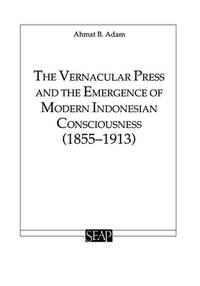
The Vernacular Press and the Emergence of Modern Indonesian Consciousness Studies on Southeast Asia
Southeast Asia Program Publications. paperback. Good. 8.6x0.5x11. Buy with confidence. Excellent Customer Service & Return policy. Southeast Asia Program Publications paperback
Referencia librero : ANAIS-0877277168 ISBN : 0877277168 9780877277163
|
|
|
Adam, Ahmat
The Vernacular Press and the Emergence of Modern Indonesian Consciousness Studies on Southeast Asia
paperback. Good. Access codes and supplements are not guaranteed with used items. May be an ex-library book. paperback
Referencia librero : 0877277168.G ISBN : 0877277168 9780877277163
|
|
|
Adam, Ahmat
The Vernacular Press and the Emergence of Modern Indonesian Consciousness Studies on Southeast Asia
Southeast Asia Program Publications 1995-01-01. paperback. Used: Good. 8.50x0.47x11.00. Buy with confidence. Excellent Customer Service & Return policy. Southeast Asia Program Publications paperback
Referencia librero : SONG0877277168 ISBN : 0877277168 9780877277163
|
|
|
Adam, Aishath Shehenaz; Lipka, Jerry; Adams, Barbara L
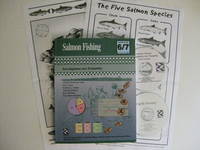
Salmon Fishing - Kit: Investigations Into Probability
Brush Education 2005. Paperback. Like New. Pages are clean and are not marred by notes or folds of any kind. ~ ThriftBooks: Read More Spend Less.Dust jacket quality is not guaranteed. Brush Education paperback
Referencia librero : G1550593056I2N00 ISBN : 1550593056 9781550593051
|
|
|
Adam, AKM A K M
A Grammar for New Testament Greek
Abingdon Press 1998-10-01. paperback. New. In shrink wrap. Looks like an interesting title! Abingdon Press paperback
Referencia librero : Q-0687016770 ISBN : 0687016770 9780687016778

|
|
|
Adam, Alastair Thomas
Wire-Drawing and the Cold Working of Steel
hardcover. Good. Access codes and supplements are not guaranteed with used items. May be an ex-library book. hardcover
Referencia librero : 1026085586.G ISBN : 1026085586 9781026085585

|
|
|
Adam, Albert Eugen
Das Untheilbarkeitsgesetz im württembergischen Fürstenhause German Edition
paperback. Good. Access codes and supplements are not guaranteed with used items. May be an ex-library book. paperback
Referencia librero : 3368534858.G ISBN : 3368534858 9783368534851

|
|
|
Adam, Albert Eugen
Das Untheilbarkeitsgesetz im württembergischen Fürstenhause German Edition
hardcover. Good. Access codes and supplements are not guaranteed with used items. May be an ex-library book. hardcover
Referencia librero : 3368534866.G ISBN : 3368534866 9783368534868

|
|
|
Adam, Albert Eugen
Das Untheilbarkeitsgesetz Im Wurttembergischen Furstenhause: Nach Seiner Geschichtlichen Entwicklung 1883 English and German Edition
hardcover. Good. Access codes and supplements are not guaranteed with used items. May be an ex-library book. hardcover
Referencia librero : 1162345241.G ISBN : 1162345241 9781162345246

|
|
|
Adam, Albert
In Vino Veritas: La science du vin pour amateurs éclairés
paperback. Good. Access codes and supplements are not guaranteed with used items. May be an ex-library book. paperback
Referencia librero : 2760627802.G ISBN : 2760627802 9782760627802
|
|
|
ADAM, Albert; ROSTAING, Jules
Jardin Des Plantes en Estampes Le
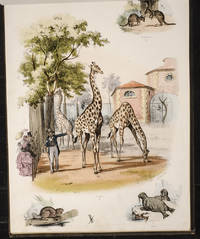
Paris: Maison Martinet - Hautecoeur Frères 1860. With Twenty-Four Superb Hand Colored Lithograph Plates<br /> Depicting All Species of Animals<br /> <br /> ADAM Albert illustrator. ROSTAING Jules. Le Jardin Des Plantes en Estampes. Dessiné et Lithographié par A. Adam. Accompagné d'une histoire De Tous Les Animaux Que Possède La Ménagerie par Jules Rostaing. Paris: Maison Martinet - Hautecoeur Frères 1860. <br /> <br /> First edition. Large oblong quarto 10 3/16 x 13 1/2 inches; 259 x 343 mm. iv 30 1 table 1 blank pp. Twenty four superb hand-colored lithograph plates heightened with gum arabic and with multiple images. Some light foxing to text leaves only the plates bright and clean.<br /> <br /> Publisher's black pebble-grain cloth front cover pictorially stamped and lettered in gilt lower cover with center blind-stamped decoration yellow coated end-papers front inner hinge expertly and almost invisibly repaired. Neat early ink inscription on front fly-leaf dated 1860. <br /> <br /> The wonderful hand-colored plates depict Bison Deer Moose Antelope Lama Goats Birds Giraffe Buffalo Elephant Hippopotomus Rhino Camel Zebra Donkey Lion Tiger Leopard Jackal Wolves Hyena Orang-Outang Monkeys Dogs Birds of Prey Crocodile Snakes Gazelle and People.<br /> <br /> Albert ADAM 1833-1900 was the son of Caricaturist and lithographer Jean-Victor Adam 1801-1867 whom he often assisted with his commissions.<br /> <br /> OCLC locates just one copy - The Morgan Libary NY Gordon Ray copy.<br /> <br /> Unknown to Denise Bibliography of the Jardin des Plantes. Paris: Maison Martinet - Hautecoeur, Frères, 1860 unknown
Referencia librero : 04374
|
|
|
Adam, Albert
Storungen Der Personlichkeitsentwicklung Bei Kindern Und Jugendlichen: Ein Integrativer Ansatz Fur Die Psychotherapeutische Und Sozialpadagogische Praxis German Edition
paperback. Good. Access codes and supplements are not guaranteed with used items. May be an ex-library book. paperback
Referencia librero : 3170175335.G ISBN : 3170175335 9783170175334
|
|
|
Adam, Albert [Albrecht]
Tribulations Parisiennes et Campagnardes 12 of 16 leaves
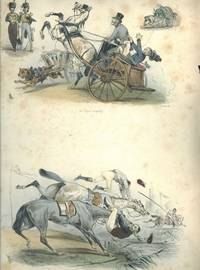
Paris: Hautecoeur Freres; lithographed by Godard 1860. No stated edition. Unbound sheets. Good many plates foxed but the coloring is bright. Adam Albert. Dozens of humorous equestrian escapades are shown in color lithographs on 12 of 16 original leaves. Each leaf contains two sets of scenes for a total of 24 of 32 scenes. Lacks title page and covers if any. Ca. 9 x 13 inches. In French. In these lithographs all kinds of hapless riders and drivers in town and country come to grief in many imaginative ways. The scenes are numbered 1 through 22 and 29-30. This is item 361 in the magnificent Dejager collection Great Books on Horsemanship. The Dejager set is lacking plate 4 scenes 7 and 8 which we believe is present in our set. Very scarce; WorldCat cites a handful of locations in great libraries. Albert Adam 1832/33-1900 was well known for his illustrations of mid-19th-century French equestrian life especially the portfolio Ecole Imperiale de Cavalerie Saumur. Shipping/handling will be extra; please keep this in mind when ordering. Sold as a group as is. Hautecoeur Freres; lithographed by Godard unknown
Referencia librero : 30420
|
|
|
ADAM, Albert
Tribulations Parisiennes et Campagnardes
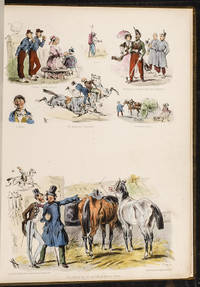
Paris: Hautecoeur Frères 1840. Parisian and Country Tribulations<br /> The Humorous Side of Distress Trouble Misery Anguish Agony Grief and Wretchedness.<br /> <br /> ADAM Albert illustrator. Tribulations Parisiennes et Campagnardes. Par Albert Adam. Paris: Hautecoeur Frères ca. 1840.<br /> <br /> First edition. Folio 12 7/8 x 9 7/8 inches; 328 x 251 mm. Lithographed pictorial title-page and Thirty-two plates hand-colored lithograph plates heightened with gum arabic on sixteen sheets. Several of the plates have more than one image depicted. Tiny piece of lower corner of title-page and plate 10 torn away small piece of lower inner margin of plate 16 torn away - nothing affecting any images. Some light marginal soiling and toning otherwise an excellent copy of this extremely scarce title.<br /> <br /> Bound to contemporary style in full dark green straight-grain morocco. Covers elaborately decorated in gilt and blind spine with five raised bands decoratively tooled and lettered in gilt in compartments decorative gilt turn-ins gold marbled end-papers. This is the first time in over fifty years that I have seen this very amusing title which depicts the humorous side of distress trouble misery anguish agony grief and wretchedness. especially plate 12 the top image "Arrcheur de Dents sans douleur" pain-free teeth remover. <br /> <br /> The Plates:<br /> 1. Un Chien emporté / Culbute à la Marche<br /> 2. Désagrément du Macdam / Le Pot de fer et le Pot de terre<br /> 3. Une Famille d'Allemands / Touché !!! / Deux blaguers / Il l'aura . il l'aura pas! / Le Repas<br /> 4. Ces Messieurs s'amusant. / C'est celle-là ! qui est une bête de premier mérite<br /> 5. Une branche de salut / Une belle Famille<br /> 6. Un accident imprévu / Marchands d'oranges etc<br /> 7. Voiture à l'usage des amateurs de culbutes / Le Dejeuner interrompu<br /> 8. Arrosement public et gratis / La Ruade<br /> 9. Gentlemans au Bois / Visite désagréable<br /> 10. Train de plaisir à l'heure / not titled<br /> 11. Départ du Roulage / Position très désagréable<br /> 12. Arrcheur de Dents sans douleur / Le bon père de Famille<br /> 13. Concurrence monstre. - Route de Passy / Cheval qui a un défaut marquant<br /> 14. Une glissade / not titled<br /> 15. L'Artiste culbuté / Cheval antropophage<br /> 16. Un Mosieur qui n'a pas l'habitude etc / Noouvelle course au Clocher<br /> <br /> Very scarce: According to OCLC there are just five copies located in libraries and institutions worldwide Morgan Library NY; UCLA CA; Library of Congress DC; Clark Art Institute MA and Harvard Univ. Houghton Library MA.<br /> <br /> Albert ADAM 1833-1900 was the son of Caricaturist and lithographer Jean-Victor Adam 1801-1867 whom he often assisted with his commissions. Paris: Hautecoeur Frères, 1840 unknown
Referencia librero : 04860
|
|
|
Adam, Albert [Albrecht]
Tribulations Parisiennes et Campagnardes.
Paris: Hautecoeur Freres, R. Vivienne 1840 In-4, toile éditeur orné d’une belle composition d’entrelacs et d’encadrements à froids, titre illustré et 32 lithographies sur 16 planches. Reliure lég. gauchie et passées, quelques rousseurs au titre et sur la première planche, par aillzurs frais. Unique édition de ce recueil souvent rehaussé en couleurs. Peu courant.
Referencia librero : 134556

|
|
|
Adam, Albrecht
Aus dem Leben eines Schlachtenmalers Großdruck: Selbstbiographie German Edition
paperback. Good. Access codes and supplements are not guaranteed with used items. May be an ex-library book. paperback
Referencia librero : 3847858459.G ISBN : 3847858459 9783847858454

|
|
|
Adam, Albrecht
Horseback soldier Museum Etching Museum Quality A2
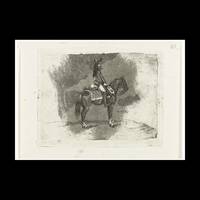
Contentum Ltd. Loose sheet. New. High-quality art print based on an original work from the Rijksmuseum. Created in the 19th century 1810. Professionally printed on premium fine-art paper Museum Etching museum quality in size A2. The artwork is printed with a white border museum-style presentation. Contentum Ltd. unknown
Referencia librero : 2085240
|
|
|
Adam, Albrecht
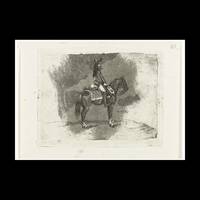
Horseback soldier Photo Matt Fibre A2
Contentum Ltd. Loose sheet. New. High-quality art print based on an original work from the Rijksmuseum. Created in the 19th century 1810. Professionally printed on premium fine-art paper Photo Matt Fibre in size A2. The artwork is printed with a white border museum-style presentation. Contentum Ltd. unknown
Referencia librero : 2085238
|
|
|
Adam, Albrecht
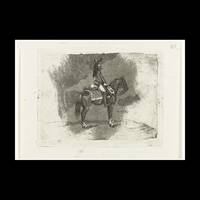
Horseback soldier Museum Etching Museum Quality A3
Contentum Ltd. Loose sheet. New. High-quality art print based on an original work from the Rijksmuseum. Created in the 19th century 1810. Professionally printed on premium fine-art paper Museum Etching museum quality in size A3. The artwork is printed with a white border museum-style presentation. Contentum Ltd. unknown
Referencia librero : 2085237
|
|
|
Adam, Albrecht
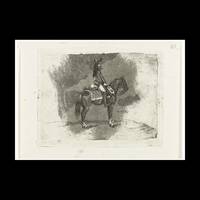
Horseback soldier Photo Rag Bright White Premium Quality A2
Contentum Ltd. Loose sheet. New. High-quality art print based on an original work from the Rijksmuseum. Created in the 19th century 1810. Professionally printed on premium fine-art paper Photo Rag Bright White premium quality in size A2. The artwork is printed with a white border museum-style presentation. Contentum Ltd. unknown
Referencia librero : 2085239
|
|
|
Adam, Albrecht & North, Jonathan (Trans)
Napoleon's Army in Russia: The Illustrated Memoirs of Albrecht Adam 1812
Barnsley UK: Pen and Sword Military 2005. 1st Edition. Hardcover. Very Good/Very Good. 8vo - over 7¾" - 9¾" tall. Adam was a Bavarian artist who was attached to the Bavarian element of Napoleon's and witnessed the horrs involved this book reproduces 72 of the 77 paintings that he produced over the following years of the campaign. Grande Armée as their war artist Includes 72full page colour plates and 4colour illustrations. 176pp. Oblong format book. Slight crimp to upper front DJ edge. . Pen and Sword Military hardcover
Referencia librero : 6080 ISBN : 1844151611 9781844151615

|
|
|
ADAM, ALEJANDRO
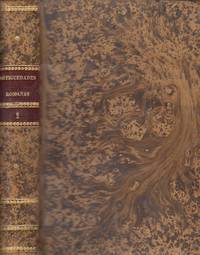
ANTIGÜEDADES ROMANAS TOMO II
Cabrerizo 1834. hardcover. Bueno. Valencia 1834. Imprenta de Cabrerizo. Pasta española. Cantos pintados. 399 pp. 18x13. Sello anterior propietario. Cabrerizo hardcover
Referencia librero : 78246
|
|
|
Adam, Alejandro
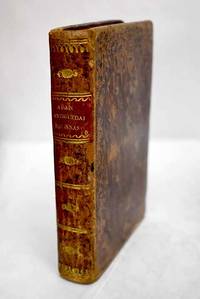
Tratado de las antigüedades romanas
Madrid.: Imprenta de Miguel de Burgos. 1828. Hardcover. Cubierta deslucida. Good. 15 cm. 406 p. Encuadernación en tapa dura artesanal en plena piel con tejuelo. "Reducido a lo mas útil para la inteligencia de los autores clásicos latinos y del derecho civil" . Cubierta deslucida. Historia.93 93 Imprenta de Miguel de Burgos. hardcover
Referencia librero : 3123508
|
|
|
Adam, Alexander
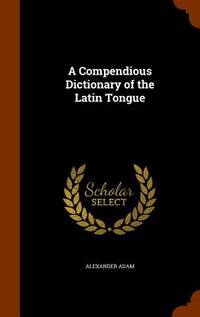
A Compendious Dictionary of the Latin Tongue
hardcover. Good. Access codes and supplements are not guaranteed with used items. May be an ex-library book. hardcover
Referencia librero : 134364867X.G ISBN : 134364867X 9781343648678
|
|
|
Adam, Alexander
A Summary of Geography and History Both Ancient and Modern .: With an Abridgement of the Fabulous History of Mythology of the Greeks. to Which Is . of Astronomy and Geography . to the Tim
paperback. Good. Access codes and supplements are not guaranteed with used items. May be an ex-library book. paperback
Referencia librero : 1174007176.G ISBN : 1174007176 9781174007170
|
|
|
Adam, Alexander
A summary of geography and history both ancient and modern; an account of the political state and principal revolutions of the most illustrious nations in ancient and modern times.
paperback. Good. Access codes and supplements are not guaranteed with used items. May be an ex-library book. paperback
Referencia librero : 1170997015.G ISBN : 1170997015 9781170997017

|
|
|
Adam, Alexander
A Summary Of Geography And History. with A Geographical Index
hardcover. Good. Access codes and supplements are not guaranteed with used items. May be an ex-library book. hardcover
Referencia librero : 1343698286.G ISBN : 1343698286 9781343698284

|
|
|
Adam, Alexander
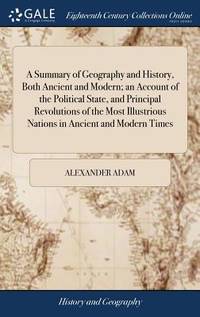
A Summary of Geography and History Both Ancient and Modern; an Account of the Political State and Principal Revolutions of the Most Illustrious Nations in Ancient and Modern Times
hardcover. Good. Access codes and supplements are not guaranteed with used items. May be an ex-library book. hardcover
Referencia librero : 1385522178.G ISBN : 1385522178 9781385522172
|
|

 Recibir por correo electrónico
 Descargar en documento PDF
 Flujo RSS
 Link permanente


