|
|
|
VIMERCATI G. -
Giambattista Belzoni e il camaleonte d'Africa.
Milano, Treves, 1871, 6 agosto, articolo e una illustrazione xilografica stralcio di "L'Universo Illustrato". - !! ATTENZIONE !!: Con il termine estratto (o stralcio) intendiamo riferirci ad un fascicolo contenente un articolo di rivista, sia che esso sia stato stampato a parte utilizzando la stessa composizione sia che provenga direttamente da una rivista. Le pagine sono indicate come "da/a", ad esempio: 229/231 significa che il testo è composto da tre pagine. Quando la rivista di provenienza non viene indicata é perchè ci è sconosciuta. - !! ATTENTION !!: : NOT A BOOK : “estratto” or “stralcio” means simply a few pages, original nonetheless, printed in a magazine. Pages are indicated as in "from” “to", for example: 229/231 means the text comprises three pages (229, 230 and 231). If the magazine that contained the pages is not mentioned, it is because it is unknown to us.

|
|
|
VINASSA DE REGNI P. -
L'acqua nella Colonia Eritrea.
Milano, 1912, 8vo stralcio con copertina posticcia muta, pp. 289/300 con 6 illustrazioni fotografiche. - !! ATTENZIONE !!: Con il termine estratto (o stralcio) intendiamo riferirci ad un fascicolo contenente un articolo, completo in se, sia che esso sia stato stampato a parte utilizzando la stessa composizione sia che provenga direttamente da una rivista. Le pagine sono indicate come "da/a", ad esempio: 229/231 significa che il testo è composto da tre pagine. Quando la rivista di provenienza non viene indicata é perché ci è sconosciuta. - !! ATTENTION !!: : NOT A BOOK : “extract” or “excerpt” means simply a few pages, original nonetheless, printed in a magazine. Pages are indicated as in "from” “to", for example: 229/231 means the text comprises three pages (229, 230 and 231). If the magazine that contained the pages is not mentioned, it is because it is unknown to us.

|
|
|
vinay ( bernard )
l'afrique commerce avec l'afrique problemes et impératifs africains de coopération économique et monétaire
1968 presses universitaires de france 1968 in 8 broché 213 pages
Referencia librero : 1783

|
|
|
VINAY, Bernard
L'Afrique commerce avec l'Afrique. Problems et imperatifs africains de cooperation economique et monetaire
213 pagine; 21 cm. Brossura editoriale
|
|
|
Vincent Monteil
L’Islam noir
Collections esprit “Frontiere ouverte”. Un volume di 368 pagine, brossura editoriale illustrata. Dimensioni: 14x20,5 cm. Tracce d’uso alla brossura, rari segni a matita sui margini delle pagine, margini delle pagine lievemente bruniti ma nel complesso buonissime condizioni. Figure in b/n nel testo e fuori testo, una cartina dell’africa nera su foglio più volte ripiegato fuori testo. In lingua francese.
|
|
|
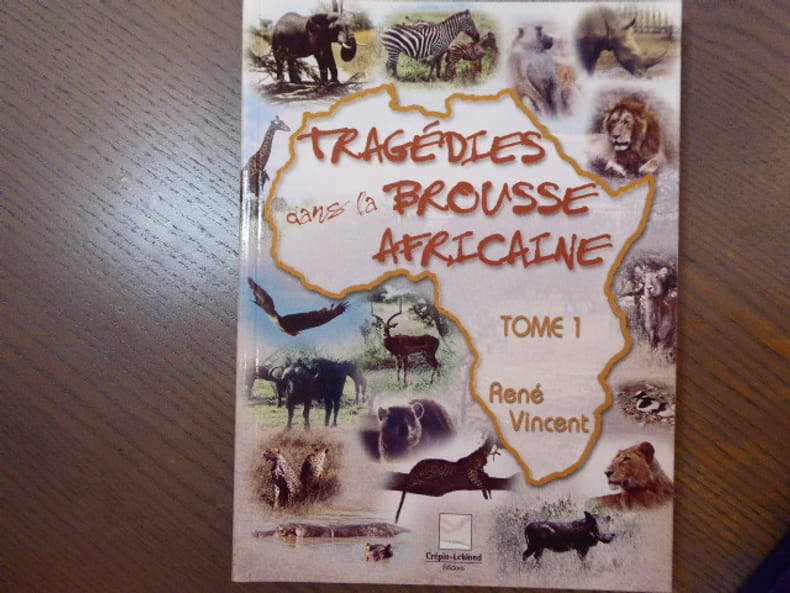
VINCENT René
Tragédies dans la brousse africaine. Tome 1.
Crépin-Leblond & Cie Editeurs Paris 2003 In-8 ( 220 X 165 mm ) de 238 pages, broché sous couverture illustrée. Illustrations hors-texte. Très bel exemplaire.
Referencia librero : 522924
|
|
|
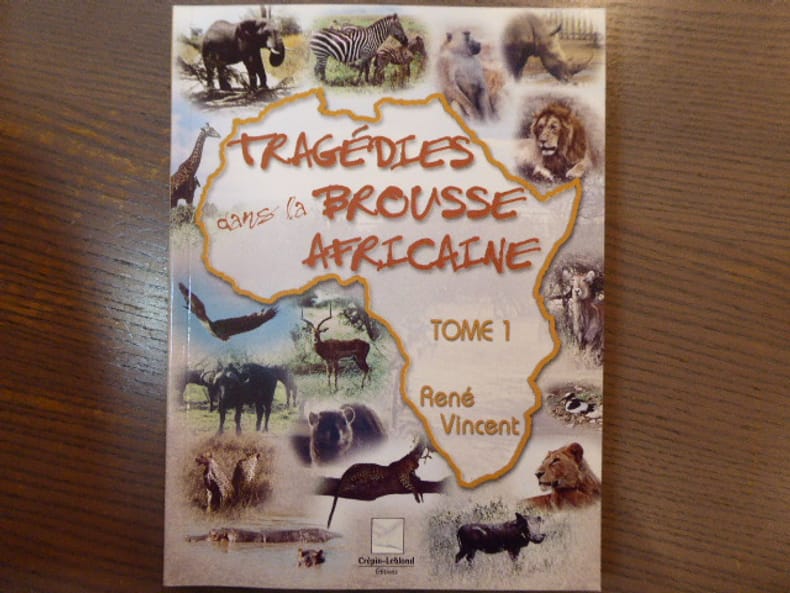
VINCENT René
Tragédies dans la Brousse Africaine. Tome I.
Crépin-Leblond,Editions Espagne 2004 In-8 ( 220 X 165 mm ) de 239 pages, broché sous couverture illustrée. Illustrations dans le texte. Très bel exemplaire.
Referencia librero : 146019
|
|
|
Vinci Alfonso.
Diamanti.(Gran Sabana- Caroni).
Bari,Da Vinci,1958.In 8°gr.pp.396n. tt.tela edit. numerose tavv. ill.f.t
|
|
|
VINCKE M
Le Saurissage Du Ndagala En Milieu Indigène
Bruxelles Bulletin Agricole Du Congo 1960 In8 20 pages environ - 8 figures in et hors texte - bon etat
Referencia librero : 89Dw
|
|
|
VINCKE M
Le Saurissage Du Ndagala En Milieu Indigène
Bruxelles Bulletin Agricole Du Congo 1960 In8 20 pages environ - 8 figures in et hors texte - bon etat
Referencia librero : 89Dw
|
|
|
Vinson Rev. TC. T. C.
William McCutchan Morrison Twenty Years in Central Africa
Richmond VA: Presbyterian Committee of Publication 1921. Soft cover. Very Good. 201 pp with illustrations and map in original printed wrappers. Spine is sunned and has one chip in the paper at the head of the spine. Binding solid text unmarked. McCutchan was sent as a missionary to the Congo Free State in 1897 where he was soon outraged by the treatment of the natives he observed. He became one of the most vocal opponents of King Leopold's regime. Presbyterian Committee of Publication paperback books
Referencia librero : 13243
|
|
|
VINSON (Julien) - DIVE (Paul).
Voyage extravagant mais véridique d'Alger au Cap exécuté par huit personnages de fantaisie et leur suite, raconté par Julien Vinson et paul Dive.
P., Maurice Dreyfous, s.d. (1890) ; in-12. 6ff.-300pp. Pleine toile écrue, pièce de titre de chagrin vert. (Reliure moderne). Quelques rousseurs.
Referencia librero : 10392
|
|
|
Viollet-Le-Duc
Histoire de une Forteresse
Paris: Hetzel. Gebunden. Hetzel unknown
Referencia librero : 79602
|
|
|
Viotti Andrea - Crociani Piero
Le uniformi coloniali Libiche 1912-1942
(Collana : Quaderni d'appunti) A cura di Intersimone G. - Viotti A.. Riccamente illustrato da disegni in b.n. n.t. f.t (63a).

|
|
|
VIRCHOW, Rudolf
Über die ethnologische Stellung der prähistorischen und protohistorischen Ägypter nebst Bemerkung über Entfärbung und Verfärbung der Haare.
Bln.,königl. Akademie der Wissenschaften 1898. kl.4°. 20 S. mit 2 farbig lithographierten Tafeln mit 20 erklärenden Abbildungen. Opbd., Einband fleckig und etwas berieben und bestoßen mit hs. Notizen, Besitzvermerk am vorderen Vorsatz, Vorsätze leicht fingerfleckig, sonst gut erhalten.
Referencia librero : 2449-N

|
|
|
Vircondelet Alain
Albert Camus et la guerre d'Algérie: Histoire d'un malentendu
DU ROCHER 2022 304 pages 15 3x23 3x2 2cm. 2022. Broché. 304 pages.
Referencia librero : 16276

|
|
|
Virginia Museum of Fine Arts
Virginia Museum of Fine Arts Publications Volume 1 1936-1938.
Virginia : Virginia Museum of Fine Arts 1938. This is a very good hardcover copy in the publisher's original royal blue moire silk cloth with gilt decorations and titles. Very clean inside and out. This is Volume 1 only in the series. This is a hand-numbered limited edition of 1000 copies. The volume consists of 11 separate softcover volumes published by the Virginia Museum of Fine Arts in the years 1936 through 1938. All covers bound in. Illustrated in black & white. 9" high X 6" wide. This book will be securely wrapped and packed in a sturdy box and shipped with tracking. . Hard Cover. Very Good. Virginia Museum of Fine Arts Hardcover
Referencia librero : 011096
|
|
|
Virnenburg
Extrait du Registre des actes de Naissances Bapteme de la .Johannes Keuler filius legitimus .Katharinee Keuler .
Virnenbourg: Maire 1807. kart. Maire unknown
Referencia librero : 80954
|
|
|
VISCHER Isabelle.
Croquis et Souvenirs de la Nigérie du Nord. Avec une carte et des illustrations dans le texte et hors texte. Paris - Neuchatel, Attinger, s.d. (1915 ca.).
8°, br. edit. (lievi mende al dorso), pp. 140 con disegni n.t., illustrazioni fotografiche su tavv. f.t. e 1 cartina geogr. f.t. Lievi, naturali fioriture ma buon es.
|
|
|
VISENTINI MARCO.
Notizie idrografiche sull'Africa Orientale Italiana.
Cm. 26,5, br. edit., pag. (4) 77 (3) più 1 carta geografica a c. rip. f.t.. Pubblicazione del Ministero dei Lavori Pubblici. Ottimo esemplare.
|
|
|
VISSER J.J.
Pokoot religion
317pp., with few bl/w ills., 21cm., softcover, text in English, Doctoral Dissertation (Rijksuniversiteit te Utrecht), stamp at verso of title page, text is clean and bright, C110021
|
|
|
VISSER J.J.
Pokoot religion
Utrecht, 1989 317pp., with few bl/w ills., 21cm., softcover, text in English, Doctoral Dissertation (Rijksuniversiteit te Utrecht), stamp at verso of title page, text is clean and bright, C110021
Referencia librero : C110021
|
|
|
Visser, Cornelia Elizabeth
Götter und Kulte im ptolemäischen Alexandrien
Amsterdam: N. v. Noord-Hollandsche Uitgeversmaatschappij 1938. 8vo pp. 12 130 2; fine in original printed wrappers. Gods and Cults in Ptolemaic Alexandria with sections on Gods and cults of Alexandria; Hellenistic poets and religion; List of Alexandrian citizen names; Phylene and Demen Alexandriens. N. v. Noord-Hollandsche Uitgeversmaatschappij unknown
Referencia librero : 61276
|
|
|
Visser, D J L;Geological Survey (South Africa)
Explanation of the 1:1 000 000 Geological Map Fourth Edition 1984: The Geology of the Republics of South Africa Transkei Bophuthatswana Venda and Ciskei and the Kingdoms of Lesotho and Swaziland
Government Printers 1989. 1st Edition. Soft cover. Fair. the wraps are worn and marked and the spine is plain possibly totally faded. there is a previous owner's name on the front wrap. internally the book is clean and well bound with no inscriptions. Our orders are shipped using tracked courier delivery services. Government Printers paperback
Referencia librero : zj5 ISBN : 0621125164 9780621125160
|
|
|
Vital Vanheule
Mijn beste jaren in Afrika belevenissen van een ingenieur in Zwart-Afrika
1991 Vital Vanheule Soft cover 1st Edition
Referencia librero : 027096

|
|
|
VITALE M.A., ANTICO A., LONGO A., MEZZA E. Testi di
L'Italia in Africa. Serie Storico Militare Volume Quarto. I corpi armati con funzioni civili
Pubblicazione a cura del "Comitato per la documentazione dell'opera dell'Italia in Africa" con 225 illustrazioni fotografiche in neo fuori testo. Buone condizioni
|
|
|
VITALE Massimo Adolfo -
L’opera dell’esercito (1885-1943). L’Italia in Africa. Serie Storico-Militare. Volume primo. Tomo III. Avvenimenti militari e impiego. Africa Settentrionale (1911-1943).
Roma, Istituto Poligrafico dello Stato, 1964, in-8vo brossura originale, pp. XXIII-414 con numerose tavole fotografiche fuori testo. (Opera completa in sè, sull'argomento specifico e facente parte di una serie prodotta dal Ministero degli Affari Esteri)

|
|
|
VITALE Massimo Adolfo - ANTICO Anceo - LONGO Angelo - MEZZA Edoardo -
L’Italia in Africa. Serie storico-Militare. Volume quarto. I corpi armati con funzioni civili.
Roma, Istituto Poligrafico dello Stato, 1962, 8vo tutta tela rossa con tassello al dorso, pp. XXIII-225 con tavole fotografiche fuori testo.

|
|
|
VITALE Massimo Adolfo . Testo di
L'Italia in Africa. Serie Storico Militare Volume Primo. L'Opera dell'Esercito. Tomo 1 Ordinamento e reclutamento - Tomo 2 Avvenimenti militari e impiego Parte Prima Africa Orientale (1868-1934) Tomo 3 Avvenimenti militari e impiego. Africa settentrionale (1911-1943)
Pubblicazione a cura del "Comitato per la documentazione dell'opera dell'Italia in Africa" opera ricca di tavole fotografiche in nero fuori testo. Laparte seconda del Tomo 2 non è mai stata edita. Buone condizioni
|
|
|
VITALI Fernando - LISI Fabio ..
Mescherem, settembre etiopico.
In-8°, legatura in brossura e sopracopertina editoriale, pp. 258, con illustrazioni su tavole fuori testo.
|
|
|
Vitali Giovanni
Le guerre italiane in Africa
Opera illustrata (43a).
|
|
|
VITALI M.
Africa (Dich-Dich). Racconti
VITALI M. Africa (Dich-Dich). Racconti. Bologna, Ponte Nuovo 1974, In 8°, bross., pp. 188, 8 ill. in 4 tav. fuori testo Buono (Good) . <br> <br> <br>
|
|
|
Viterbo E.
Vocabolario della lingua oromonica (lingua galla). In due parti: Italiano-Galla e Galla-Italiano
Coll. "Manuali Hoepli" Seconda edizione. In perfetto stato
|
|
|
VITTORIO BOTTEGO
IL GHIUBA ESPLORATO viaggi di scoperta nel cuore dell'Africa
Vol. unico- leg. in brossura ed. originale - formato in 8°- marchio a secco dorato al piatto anteriore della Società Geografica Italiana- dorso rinforzato- 537 pagine-143 illustrazioni nel testo e 4 carte geografiche ripiegate - completo- lievi tracce del tempo ma nel complesso buono stato di conservazione.

|
|
|
VITTORIO BOTTEGO
IL GIUBA ESPLORATO SOTTO GLI AUSPICI DELLA SOCIETA GEOGRAFICA ITALIANA
Edizione originale del 1895 del celebre resoconto di viaggio dell'esploratore italiano Vittorio Bottego (1860-1897). A seguito della prima esplorazione in Dancalia nel 1892-93 Bottego iniziò a risalire il fiume Giuba attraversando Etiopia, Somalia fino all'Oceano Indiano. Bottego durante questa spedizione raccolse un ampio numero di animali e specie botaniche. Il testo è impreziosito da 143 illustrazioni alcune delle quali da foto reali e quattro mappe ripiegate. Le illustrazioni mostrano persone e vedute (Areadeje, Nassa Hablod mountains, Ogaden, Archeisa, Cadigia, Uebi Ruspoli, Uarsama Matan, Uelmal, Arsi Cormoso, Bublulta, Arsi Sidama, Boran, Ganana ecc..) e oggetti di uso quotidiano. L'opera è in un volume ed è completa. Buone condizioni. Copertina coeva in mezza pelle con titolo e decorazioni in oro al dorso in buone condizioni generali con lievi usure ai margini e dorso. Legatura in buone condizioni. Pagine in buone condizioni con fioriture. In 8. Cm 25x17,5. Pp. XVIII+(2)+537. First edition of 1895 of this famous work of travel by the italian explorer Vittorio Bottego (1860-1897). After his early explorations in Dancalia during 1892-93 Bottego began to explore Jubba river beginning from Ethiopia, going through Somalia and reaching Indian Ocean. During this expedition Bottego collected a wide number of animals and botanical species. The text is enriched with 143 illustrations some of them from real photoes and four folded maps. The illustrations show people, views (Areadeje, Nassa Hablod mountains, Ogaden, Archeisa, Cadigia, Uebi Ruspoli, Uarsama Matan, Uelmal, Arsi Cormoso, Bublulta, Arsi Sidama, Boran, Ganana etc..) and items of common usage. The work is in a unique volume and it is complete. Good copy in its amazing first edition. Half leather coeval cover with gilted title and decorations in the spine in good codnitiosn lightly worn in the extremities. Binding in good conditions. Pages in good conditions with foxing. In 8. Cm 25x17,5. Pp. XVIII+(2)+537.

|
|
|
Vittorio G. Rossi
TROPICI. Dal Senegal all'Angola.
E.O. Un volume di 267 pagine. INVIO autografo dell'Autore alla pagina di occhiello. Mezza tela rossa, titolo in oro al dorso. In fine il colofon precisa che la stampa è avvenuta nel novembre 1933 (mentre sulla pagina di titolo l'anno indicato è il 1934, e come tali vengono indicate nelle bibliografie le prime edizioni. L'invio autografo di Rossi è “al Signor Generale Antonio Papaleo” da parte del “Maggiore Rossi”. Papaleo era il Comandante della Guardia di Finanza, e Rossi, subito dopo la prima guerra mondiale, era stato il primo insegnante e comandante della Scuola nautica della Guardia di Finanza a Pola. Curiosa e interessante storicamente, dunque, questa dedica autografa.
|
|
|
VITTORIO TEDESCO ZAMMARANO
ALLE SORGENTI DEL NILO AZZURRO
LEGATURA CARTONATA EDITORIALE CON ILLUSTRAZIONE SU RIQUADRO MARRONE CON IPPOPOTAMO NEL NILO. CON 208 ILLUSTRAZIONI NEL TESTO, FOTO DI ZAMMARANO ALL’ANTIPORTA. CON 5 CARTINE. NUMEROSE ILLUSTRAZIONI FOTOGRAFICHE numero pagine: 356 formato: 24.7X17.8 stato conservazione: DISCRETO, COPERTINA CON PICCOLE MACCHIE IN BASSO, RISVOLTI CON TRACCE DI COLLA ( ERA FODERATO)
|
|
|
VITTORIO TEDESCO ZAMMARANO
IL SENTIERO DELLE BELVE impressioni di caccia in Africa
1vol. leg. originale in tela editoriale con medaglione di elefante impresso al piatto-formato in 8°- costa rinforzata- lievi tracce del tempo - 228 ill. una carta geografica (mancante) e 2 itinerari. Nel complesso buon esemplare.

|
|
|
Vittur, Franz
P. Pasquale Crazzolara e la sua Africa. La storia di un missionario comboniano.
San Martin de Tor, Istitut Ladin "Micurà de Rü", 2005. zahlr. teilw. farb. Abb. u. Karten, 175 S., 8°, ill.OBr.
Referencia librero : 14543

|
|
|
VIVAN Itala
TESSERE PER UN MOSAICO AFRICANO.
In-8, brossura, pp. 235. Prima edizione. In buono stato (good copy).

|
|
|
VIVANT DENON Dominique
Voyage dans la Basse et Haute Egypte : 1. Mosquée près Rossette. 2. Calis ou canal qui conduit l'eau au Caire. 3. L'Aqueduc qui conduit l'eau du Nil au Caire. (Planche 21).
- Didot, Paris 1803, 40,5x54cm, une feuille. - Original, unshaved, full-page etching from the "Imperial edition" of the Description de l'Égypte, or 'Recueil des observations et recherches faites en Égypte pendant l'expédition française, publié par les ordres de Sa Majesté l'Empereur Napoléon le Grand [A Collection of the observations and research carried out in Egypt during the French expedition, published on the orders of his Majesty the Emperor Napoleon the Great]'. Produced between February 1802 and 1830 on the orders of Naopleon Bonaparte and published between 1809 and 1828, 1,000 copies were printed and distributed to institutions, on vergé paper with an 'Égypte ancienne et moderne' watermark, visible when held up to the light. Light marginal spotting not touching image, otherwise in very fresh, fine condition. An engraving from the Description de l'Egypte, one of the masterpieces of French printing and the birth of a new field: Egyptology. A gigantic survey of Egypt at the time of Bonaparte's conquests in 1798 and 1799, the work is divided into 13 volumes of engravings making up 892 plates, of which 72 colored, as well as presenting the splendors of the Egypt of the Pharaohs in 9 volumes. The other volumes discuss natural history and present a fascinating portrait of Coptic and Islamic Egypt as it was seen by Bonaparte's Eastern Armies. The 'Egyptian campaign', militarily a disaster, demonstrates, through the engravings of the Description d'Egypte, the scientific success it nonetheless became thanks to the 167 expert members of the Commission of the Sciences and Arts of the Institut d'Egypte [Egyptian Institute] who followed Napoleon's army. The Institut gathered together in Egypt the mathematician Monge, the chemist Berthollet, the naturalist Geoffroy Saint-Hilaire as well as numerous artists, engineers, architects and doctors. They were tasked with re-discovering modern and ancient Egypt and displaying its natural treasures as well as the know-how of its inhabitants. This edition, the so-called "Imperial" edition of the plates for the Description de l'Egypte was printed in four large formats, two of which were specially created for it and christened "Moyen-Egypte" and "Grand-Egypte". A special press was built to print it, the process extending over 20 years, from 1809 to 1829. The "Imperial" edition proved so popular that a second edition, this time in black and white and without the "Egypte ancienne et moderne" watermark - known as the "Royal Edition" - was published during the Restoration by the printing house of C.-L.-F. Panckoucke (Paris). The engravings of the Description d'Egypte owe a great deal to Baron Dominique-Vivant Denon, illustrator, diplomat, collector and later Director of the Musée Napoléon (the Louvre). His exploration of the South of Egypt gave Bonaparte the idea of sending the experts of the Institut there, thus creating a faithful and complete portrait of the area. This was the research gathered together from 1802 in the mammoth Description de L'Egypte. Denon embarked on this story of archeological exploration at the age of 51, reaching first Alexandria and then Cairo before exploring Upper Egypt. Along with the members of the Institut d'Egypte, the Natural History Museum's painter H.J. Redouté (brother of Pierre-Joseph Redouté, author of Roses), the mineralogist Dolomiue, and the draughtsman Joly, Denon then explored the Nile Delta and Lower Egypt. When, however, he joined the 21st Light Infantry Regiment as it marched across Upper Egypt in pursuit of the retreating Mameluks in November 1798, he found himself the only civilian. In the very midst of the battle itself, he reeled off sketches of the works of art that peppered his path right up to the threshold of the Sudan. He said that he had crossed "a country that is, apart from its name, entirely unknown to Europeans, and therefore everything was worth describing" (Voyages dans la Basse et la Haute Egypte pendant les campagnes de Bon

|
|
|
VIVANT DENON Dominique
Voyage dans la Basse et Haute Egypte : Manuscrit trouvé dans l'enveloppe d'une momie. (Planche 137).
- Didot, Paris 1803, 84x54cm, une feuille. - Original, unshaved, full-page etching from the "Imperial edition" of the Description de l'Égypte, or 'Recueil des observations et recherches faites en Égypte pendant l'expédition française, publié par les ordres de Sa Majesté l'Empereur Napoléon le Grand [A Collection of the observations and research carried out in Egypt during the French expedition, published on the orders of his Majesty the Emperor Napoleon the Great]'. Produced between February 1802 and 1830 on the orders of Naopleon Bonaparte and published between 1809 and 1828, 1,000 copies were printed and distributed to institutions, on vergé paper with an 'Égypte ancienne et moderne' watermark, visible when held up to the light. Light marginal spotting not touching image, otherwise in very fresh, fine condition. An engraving from the Description de l'Egypte, one of the masterpieces of French printing and the birth of a new field: Egyptology. A gigantic survey of Egypt at the time of Bonaparte's conquests in 1798 and 1799, the work is divided into 13 volumes of engravings making up 892 plates, of which 72 colored, as well as presenting the splendors of the Egypt of the Pharaohs in 9 volumes. The other volumes discuss natural history and present a fascinating portrait of Coptic and Islamic Egypt as it was seen by Bonaparte's Eastern Armies. The 'Egyptian campaign', militarily a disaster, demonstrates, through the engravings of the Description d'Egypte, the scientific success it nonetheless became thanks to the 167 expert members of the Commission of the Sciences and Arts of the Institut d'Egypte [Egyptian Institute] who followed Napoleon's army. The Institut gathered together in Egypt the mathematician Monge, the chemist Berthollet, the naturalist Geoffroy Saint-Hilaire as well as numerous artists, engineers, architects and doctors. They were tasked with re-discovering modern and ancient Egypt and displaying its natural treasures as well as the know-how of its inhabitants. This edition, the so-called "Imperial" edition of the plates for the Description de l'Egypte was printed in four large formats, two of which were specially created for it and christened "Moyen-Egypte" and "Grand-Egypte". A special press was built to print it, the process extending over 20 years, from 1809 to 1829. The "Imperial" edition proved so popular that a second edition, this time in black and white and without the "Egypte ancienne et moderne" watermark - known as the "Royal Edition" - was published during the Restoration by the printing house of C.-L.-F. Panckoucke (Paris). The engravings of the Description d'Egypte owe a great deal to Baron Dominique-Vivant Denon, illustrator, diplomat, collector and later Director of the Musée Napoléon (the Louvre). His exploration of the South of Egypt gave Bonaparte the idea of sending the experts of the Institut there, thus creating a faithful and complete portrait of the area. This was the research gathered together from 1802 in the mammoth Description de L'Egypte. Denon embarked on this story of archeological exploration at the age of 51, reaching first Alexandria and then Cairo before exploring Upper Egypt. Along with the members of the Institut d'Egypte, the Natural History Museum's painter H.J. Redouté (brother of Pierre-Joseph Redouté, author of Roses), the mineralogist Dolomiue, and the draughtsman Joly, Denon then explored the Nile Delta and Lower Egypt. When, however, he joined the 21st Light Infantry Regiment as it marched across Upper Egypt in pursuit of the retreating Mameluks in November 1798, he found himself the only civilian. In the very midst of the battle itself, he reeled off sketches of the works of art that peppered his path right up to the threshold of the Sudan. He said that he had crossed "a country that is, apart from its name, entirely unknown to Europeans, and therefore everything was worth describing" (Voyages dans la Basse et la Haute Egypte pendant les campagnes de Bonap

|
|
|
VIVANT DENON Dominique
Voyage dans la Basse et Haute Egypte : Planche 109. (Poisson du Nil, Tête de chameau Portraits).
- Didot, Paris 1803, 40,5x54cm, une feuille. - Original, unshaved, full-page etching from the "Imperial edition" of the Description de l'Égypte, or 'Recueil des observations et recherches faites en Égypte pendant l'expédition française, publié par les ordres de Sa Majesté l'Empereur Napoléon le Grand [A Collection of the observations and research carried out in Egypt during the French expedition, published on the orders of his Majesty the Emperor Napoleon the Great]'. Produced between February 1802 and 1830 on the orders of Naopleon Bonaparte and published between 1809 and 1828, 1,000 copies were printed and distributed to institutions, on vergé paper with an 'Égypte ancienne et moderne' watermark, visible when held up to the light. Light marginal spotting not touching image, otherwise in very fresh, fine condition. An engraving from the Description de l'Egypte, one of the masterpieces of French printing and the birth of a new field: Egyptology. A gigantic survey of Egypt at the time of Bonaparte's conquests in 1798 and 1799, the work is divided into 13 volumes of engravings making up 892 plates, of which 72 colored, as well as presenting the splendors of the Egypt of the Pharaohs in 9 volumes. The other volumes discuss natural history and present a fascinating portrait of Coptic and Islamic Egypt as it was seen by Bonaparte's Eastern Armies. The 'Egyptian campaign', militarily a disaster, demonstrates, through the engravings of the Description d'Egypte, the scientific success it nonetheless became thanks to the 167 expert members of the Commission of the Sciences and Arts of the Institut d'Egypte [Egyptian Institute] who followed Napoleon's army. The Institut gathered together in Egypt the mathematician Monge, the chemist Berthollet, the naturalist Geoffroy Saint-Hilaire as well as numerous artists, engineers, architects and doctors. They were tasked with re-discovering modern and ancient Egypt and displaying its natural treasures as well as the know-how of its inhabitants. This edition, the so-called "Imperial" edition of the plates for the Description de l'Egypte was printed in four large formats, two of which were specially created for it and christened "Moyen-Egypte" and "Grand-Egypte". A special press was built to print it, the process extending over 20 years, from 1809 to 1829. The "Imperial" edition proved so popular that a second edition, this time in black and white and without the "Egypte ancienne et moderne" watermark - known as the "Royal Edition" - was published during the Restoration by the printing house of C.-L.-F. Panckoucke (Paris). The engravings of the Description d'Egypte owe a great deal to Baron Dominique-Vivant Denon, illustrator, diplomat, collector and later Director of the Musée Napoléon (the Louvre). His exploration of the South of Egypt gave Bonaparte the idea of sending the experts of the Institut there, thus creating a faithful and complete portrait of the area. This was the research gathered together from 1802 in the mammoth Description de L'Egypte. Denon embarked on this story of archeological exploration at the age of 51, reaching first Alexandria and then Cairo before exploring Upper Egypt. Along with the members of the Institut d'Egypte, the Natural History Museum's painter H.J. Redouté (brother of Pierre-Joseph Redouté, author of Roses), the mineralogist Dolomiue, and the draughtsman Joly, Denon then explored the Nile Delta and Lower Egypt. When, however, he joined the 21st Light Infantry Regiment as it marched across Upper Egypt in pursuit of the retreating Mameluks in November 1798, he found himself the only civilian. In the very midst of the battle itself, he reeled off sketches of the works of art that peppered his path right up to the threshold of the Sudan. He said that he had crossed "a country that is, apart from its name, entirely unknown to Europeans, and therefore everything was worth describing" (Voyages dans la Basse et la Haute Egypte pendant les campagnes de Bon

|
|
|
VIVANT DENON Dominique
Voyage dans la Basse et Haute Egypte : Planche 111. (Sauterelle du désert, Vieillard aveugle conduit par un enfant, Portraits).
- Didot, Paris 1803, 40,5x54cm, une feuille. - Original, unshaved, full-page etching from the "Imperial edition" of the Description de l'Égypte, or 'Recueil des observations et recherches faites en Égypte pendant l'expédition française, publié par les ordres de Sa Majesté l'Empereur Napoléon le Grand [A Collection of the observations and research carried out in Egypt during the French expedition, published on the orders of his Majesty the Emperor Napoleon the Great]'. Produced between February 1802 and 1830 on the orders of Naopleon Bonaparte and published between 1809 and 1828, 1,000 copies were printed and distributed to institutions, on vergé paper with an 'Égypte ancienne et moderne' watermark, visible when held up to the light. Light marginal spotting not touching image, otherwise in very fresh, fine condition. An engraving from the Description de l'Egypte, one of the masterpieces of French printing and the birth of a new field: Egyptology. A gigantic survey of Egypt at the time of Bonaparte's conquests in 1798 and 1799, the work is divided into 13 volumes of engravings making up 892 plates, of which 72 colored, as well as presenting the splendors of the Egypt of the Pharaohs in 9 volumes. The other volumes discuss natural history and present a fascinating portrait of Coptic and Islamic Egypt as it was seen by Bonaparte's Eastern Armies. The 'Egyptian campaign', militarily a disaster, demonstrates, through the engravings of the Description d'Egypte, the scientific success it nonetheless became thanks to the 167 expert members of the Commission of the Sciences and Arts of the Institut d'Egypte [Egyptian Institute] who followed Napoleon's army. The Institut gathered together in Egypt the mathematician Monge, the chemist Berthollet, the naturalist Geoffroy Saint-Hilaire as well as numerous artists, engineers, architects and doctors. They were tasked with re-discovering modern and ancient Egypt and displaying its natural treasures as well as the know-how of its inhabitants. This edition, the so-called "Imperial" edition of the plates for the Description de l'Egypte was printed in four large formats, two of which were specially created for it and christened "Moyen-Egypte" and "Grand-Egypte". A special press was built to print it, the process extending over 20 years, from 1809 to 1829. The "Imperial" edition proved so popular that a second edition, this time in black and white and without the "Egypte ancienne et moderne" watermark - known as the "Royal Edition" - was published during the Restoration by the printing house of C.-L.-F. Panckoucke (Paris). The engravings of the Description d'Egypte owe a great deal to Baron Dominique-Vivant Denon, illustrator, diplomat, collector and later Director of the Musée Napoléon (the Louvre). His exploration of the South of Egypt gave Bonaparte the idea of sending the experts of the Institut there, thus creating a faithful and complete portrait of the area. This was the research gathered together from 1802 in the mammoth Description de L'Egypte. Denon embarked on this story of archeological exploration at the age of 51, reaching first Alexandria and then Cairo before exploring Upper Egypt. Along with the members of the Institut d'Egypte, the Natural History Museum's painter H.J. Redouté (brother of Pierre-Joseph Redouté, author of Roses), the mineralogist Dolomiue, and the draughtsman Joly, Denon then explored the Nile Delta and Lower Egypt. When, however, he joined the 21st Light Infantry Regiment as it marched across Upper Egypt in pursuit of the retreating Mameluks in November 1798, he found himself the only civilian. In the very midst of the battle itself, he reeled off sketches of the works of art that peppered his path right up to the threshold of the Sudan. He said that he had crossed "a country that is, apart from its name, entirely unknown to Europeans, and therefore everything was worth describing" (Voyages dans la Basse et la Haute Egypte pendant les campagnes de Bon

|
|
|
VIVANT DENON Dominique & BALTARD (sculpsit)
Voyage dans la Basse et Haute Egypte : 1. Le Typhonium d'Appolinopolis. 2. Intérieur du temple d'Appolinopolis à Etfoù. (Planche 57).
- Didot, Paris 1803, 40,5x54cm, une feuille. - Original, unshaved, full-page etching from the "Imperial edition" of the Description de l'Égypte, or 'Recueil des observations et recherches faites en Égypte pendant l'expédition française, publié par les ordres de Sa Majesté l'Empereur Napoléon le Grand [A Collection of the observations and research carried out in Egypt during the French expedition, published on the orders of his Majesty the Emperor Napoleon the Great]'. Produced between February 1802 and 1830 on the orders of Naopleon Bonaparte and published between 1809 and 1828, 1,000 copies were printed and distributed to institutions, on vergé paper with an 'Égypte ancienne et moderne' watermark, visible when held up to the light. Light marginal spotting not touching image, otherwise in very fresh, fine condition. An engraving from the Description de l'Egypte, one of the masterpieces of French printing and the birth of a new field: Egyptology. A gigantic survey of Egypt at the time of Bonaparte's conquests in 1798 and 1799, the work is divided into 13 volumes of engravings making up 892 plates, of which 72 colored, as well as presenting the splendors of the Egypt of the Pharaohs in 9 volumes. The other volumes discuss natural history and present a fascinating portrait of Coptic and Islamic Egypt as it was seen by Bonaparte's Eastern Armies. The 'Egyptian campaign', militarily a disaster, demonstrates, through the engravings of the Description d'Egypte, the scientific success it nonetheless became thanks to the 167 expert members of the Commission of the Sciences and Arts of the Institut d'Egypte [Egyptian Institute] who followed Napoleon's army. The Institut gathered together in Egypt the mathematician Monge, the chemist Berthollet, the naturalist Geoffroy Saint-Hilaire as well as numerous artists, engineers, architects and doctors. They were tasked with re-discovering modern and ancient Egypt and displaying its natural treasures as well as the know-how of its inhabitants. This edition, the so-called "Imperial" edition of the plates for the Description de l'Egypte was printed in four large formats, two of which were specially created for it and christened "Moyen-Egypte" and "Grand-Egypte". A special press was built to print it, the process extending over 20 years, from 1809 to 1829. The "Imperial" edition proved so popular that a second edition, this time in black and white and without the "Egypte ancienne et moderne" watermark - known as the "Royal Edition" - was published during the Restoration by the printing house of C.-L.-F. Panckoucke (Paris). The engravings of the Description d'Egypte owe a great deal to Baron Dominique-Vivant Denon, illustrator, diplomat, collector and later Director of the Musée Napoléon (the Louvre). His exploration of the South of Egypt gave Bonaparte the idea of sending the experts of the Institut there, thus creating a faithful and complete portrait of the area. This was the research gathered together from 1802 in the mammoth Description de L'Egypte. Denon embarked on this story of archeological exploration at the age of 51, reaching first Alexandria and then Cairo before exploring Upper Egypt. Along with the members of the Institut d'Egypte, the Natural History Museum's painter H.J. Redouté (brother of Pierre-Joseph Redouté, author of Roses), the mineralogist Dolomiue, and the draughtsman Joly, Denon then explored the Nile Delta and Lower Egypt. When, however, he joined the 21st Light Infantry Regiment as it marched across Upper Egypt in pursuit of the retreating Mameluks in November 1798, he found himself the only civilian. In the very midst of the battle itself, he reeled off sketches of the works of art that peppered his path right up to the threshold of the Sudan. He said that he had crossed "a country that is, apart from its name, entirely unknown to Europeans, and therefore everything was worth describing" (Voyages dans la Basse et la Haute Egypte pendant les campagnes de Bon

|
|
|
VIVANT DENON Dominique & BALTARD (sculpsit)
Voyage dans la Basse et Haute Egypte : 1. Ruines de la porte d'un temple d'Eléphantine. 2. Ruines d'un des temples d'Eléphantine. (Planche 65).
- Didot, Paris 1803, 40,5x54cm, une feuille. - Original, unshaved, full-page etching from the "Imperial edition" of the Description de l'Égypte, or 'Recueil des observations et recherches faites en Égypte pendant l'expédition française, publié par les ordres de Sa Majesté l'Empereur Napoléon le Grand [A Collection of the observations and research carried out in Egypt during the French expedition, published on the orders of his Majesty the Emperor Napoleon the Great]'. Produced between February 1802 and 1830 on the orders of Naopleon Bonaparte and published between 1809 and 1828, 1,000 copies were printed and distributed to institutions, on vergé paper with an 'Égypte ancienne et moderne' watermark, visible when held up to the light. Light marginal spotting not touching image, otherwise in very fresh, fine condition. An engraving from the Description de l'Egypte, one of the masterpieces of French printing and the birth of a new field: Egyptology. A gigantic survey of Egypt at the time of Bonaparte's conquests in 1798 and 1799, the work is divided into 13 volumes of engravings making up 892 plates, of which 72 colored, as well as presenting the splendors of the Egypt of the Pharaohs in 9 volumes. The other volumes discuss natural history and present a fascinating portrait of Coptic and Islamic Egypt as it was seen by Bonaparte's Eastern Armies. The 'Egyptian campaign', militarily a disaster, demonstrates, through the engravings of the Description d'Egypte, the scientific success it nonetheless became thanks to the 167 expert members of the Commission of the Sciences and Arts of the Institut d'Egypte [Egyptian Institute] who followed Napoleon's army. The Institut gathered together in Egypt the mathematician Monge, the chemist Berthollet, the naturalist Geoffroy Saint-Hilaire as well as numerous artists, engineers, architects and doctors. They were tasked with re-discovering modern and ancient Egypt and displaying its natural treasures as well as the know-how of its inhabitants. This edition, the so-called "Imperial" edition of the plates for the Description de l'Egypte was printed in four large formats, two of which were specially created for it and christened "Moyen-Egypte" and "Grand-Egypte". A special press was built to print it, the process extending over 20 years, from 1809 to 1829. The "Imperial" edition proved so popular that a second edition, this time in black and white and without the "Egypte ancienne et moderne" watermark - known as the "Royal Edition" - was published during the Restoration by the printing house of C.-L.-F. Panckoucke (Paris). The engravings of the Description d'Egypte owe a great deal to Baron Dominique-Vivant Denon, illustrator, diplomat, collector and later Director of the Musée Napoléon (the Louvre). His exploration of the South of Egypt gave Bonaparte the idea of sending the experts of the Institut there, thus creating a faithful and complete portrait of the area. This was the research gathered together from 1802 in the mammoth Description de L'Egypte. Denon embarked on this story of archeological exploration at the age of 51, reaching first Alexandria and then Cairo before exploring Upper Egypt. Along with the members of the Institut d'Egypte, the Natural History Museum's painter H.J. Redouté (brother of Pierre-Joseph Redouté, author of Roses), the mineralogist Dolomiue, and the draughtsman Joly, Denon then explored the Nile Delta and Lower Egypt. When, however, he joined the 21st Light Infantry Regiment as it marched across Upper Egypt in pursuit of the retreating Mameluks in November 1798, he found himself the only civilian. In the very midst of the battle itself, he reeled off sketches of the works of art that peppered his path right up to the threshold of the Sudan. He said that he had crossed "a country that is, apart from its name, entirely unknown to Europeans, and therefore everything was worth describing" (Voyages dans la Basse et la Haute Egypte pendant les campagnes de Bon

|
|
|
VIVANT DENON Dominique & BALTARD (sculpsit)
Voyage dans la Basse et Haute Egypte : 1. Réunion de divers fragments d'architecture égyptienne. 2. Plan d'un temple d'Appolinopolis. (Planche 61).
- Didot, Paris 1803, 40,5x54cm, une feuille. - Original, unshaved, full-page etching from the "Imperial edition" of the Description de l'Égypte, or 'Recueil des observations et recherches faites en Égypte pendant l'expédition française, publié par les ordres de Sa Majesté l'Empereur Napoléon le Grand [A Collection of the observations and research carried out in Egypt during the French expedition, published on the orders of his Majesty the Emperor Napoleon the Great]'. Produced between February 1802 and 1830 on the orders of Naopleon Bonaparte and published between 1809 and 1828, 1,000 copies were printed and distributed to institutions, on vergé paper with an 'Égypte ancienne et moderne' watermark, visible when held up to the light. Light marginal spotting not touching image, otherwise in very fresh, fine condition. An engraving from the Description de l'Egypte, one of the masterpieces of French printing and the birth of a new field: Egyptology. A gigantic survey of Egypt at the time of Bonaparte's conquests in 1798 and 1799, the work is divided into 13 volumes of engravings making up 892 plates, of which 72 colored, as well as presenting the splendors of the Egypt of the Pharaohs in 9 volumes. The other volumes discuss natural history and present a fascinating portrait of Coptic and Islamic Egypt as it was seen by Bonaparte's Eastern Armies. The 'Egyptian campaign', militarily a disaster, demonstrates, through the engravings of the Description d'Egypte, the scientific success it nonetheless became thanks to the 167 expert members of the Commission of the Sciences and Arts of the Institut d'Egypte [Egyptian Institute] who followed Napoleon's army. The Institut gathered together in Egypt the mathematician Monge, the chemist Berthollet, the naturalist Geoffroy Saint-Hilaire as well as numerous artists, engineers, architects and doctors. They were tasked with re-discovering modern and ancient Egypt and displaying its natural treasures as well as the know-how of its inhabitants. This edition, the so-called "Imperial" edition of the plates for the Description de l'Egypte was printed in four large formats, two of which were specially created for it and christened "Moyen-Egypte" and "Grand-Egypte". A special press was built to print it, the process extending over 20 years, from 1809 to 1829. The "Imperial" edition proved so popular that a second edition, this time in black and white and without the "Egypte ancienne et moderne" watermark - known as the "Royal Edition" - was published during the Restoration by the printing house of C.-L.-F. Panckoucke (Paris). The engravings of the Description d'Egypte owe a great deal to Baron Dominique-Vivant Denon, illustrator, diplomat, collector and later Director of the Musée Napoléon (the Louvre). His exploration of the South of Egypt gave Bonaparte the idea of sending the experts of the Institut there, thus creating a faithful and complete portrait of the area. This was the research gathered together from 1802 in the mammoth Description de L'Egypte. Denon embarked on this story of archeological exploration at the age of 51, reaching first Alexandria and then Cairo before exploring Upper Egypt. Along with the members of the Institut d'Egypte, the Natural History Museum's painter H.J. Redouté (brother of Pierre-Joseph Redouté, author of Roses), the mineralogist Dolomiue, and the draughtsman Joly, Denon then explored the Nile Delta and Lower Egypt. When, however, he joined the 21st Light Infantry Regiment as it marched across Upper Egypt in pursuit of the retreating Mameluks in November 1798, he found himself the only civilian. In the very midst of the battle itself, he reeled off sketches of the works of art that peppered his path right up to the threshold of the Sudan. He said that he had crossed "a country that is, apart from its name, entirely unknown to Europeans, and therefore everything was worth describing" (Voyages dans la Basse et la Haute Egypte pendant les campagnes de Bon

|
|
|
VIVANT DENON Dominique & BALTARD (sculpsit)
Voyage dans la Basse et Haute Egypte : 1. Tente d'Arabes. 2. Plan du Portique. 3. Portique du temple de Latopolis à Esné. (Planche 54).
- Didot, Paris 1803, 40,5x54cm, une feuille. - Original, unshaved, full-page etching from the "Imperial edition" of the Description de l'Égypte, or 'Recueil des observations et recherches faites en Égypte pendant l'expédition française, publié par les ordres de Sa Majesté l'Empereur Napoléon le Grand [A Collection of the observations and research carried out in Egypt during the French expedition, published on the orders of his Majesty the Emperor Napoleon the Great]'. Produced between February 1802 and 1830 on the orders of Naopleon Bonaparte and published between 1809 and 1828, 1,000 copies were printed and distributed to institutions, on vergé paper with an 'Égypte ancienne et moderne' watermark, visible when held up to the light. Light marginal spotting not touching image, otherwise in very fresh, fine condition. An engraving from the Description de l'Egypte, one of the masterpieces of French printing and the birth of a new field: Egyptology. A gigantic survey of Egypt at the time of Bonaparte's conquests in 1798 and 1799, the work is divided into 13 volumes of engravings making up 892 plates, of which 72 colored, as well as presenting the splendors of the Egypt of the Pharaohs in 9 volumes. The other volumes discuss natural history and present a fascinating portrait of Coptic and Islamic Egypt as it was seen by Bonaparte's Eastern Armies. The 'Egyptian campaign', militarily a disaster, demonstrates, through the engravings of the Description d'Egypte, the scientific success it nonetheless became thanks to the 167 expert members of the Commission of the Sciences and Arts of the Institut d'Egypte [Egyptian Institute] who followed Napoleon's army. The Institut gathered together in Egypt the mathematician Monge, the chemist Berthollet, the naturalist Geoffroy Saint-Hilaire as well as numerous artists, engineers, architects and doctors. They were tasked with re-discovering modern and ancient Egypt and displaying its natural treasures as well as the know-how of its inhabitants. This edition, the so-called "Imperial" edition of the plates for the Description de l'Egypte was printed in four large formats, two of which were specially created for it and christened "Moyen-Egypte" and "Grand-Egypte". A special press was built to print it, the process extending over 20 years, from 1809 to 1829. The "Imperial" edition proved so popular that a second edition, this time in black and white and without the "Egypte ancienne et moderne" watermark - known as the "Royal Edition" - was published during the Restoration by the printing house of C.-L.-F. Panckoucke (Paris). The engravings of the Description d'Egypte owe a great deal to Baron Dominique-Vivant Denon, illustrator, diplomat, collector and later Director of the Musée Napoléon (the Louvre). His exploration of the South of Egypt gave Bonaparte the idea of sending the experts of the Institut there, thus creating a faithful and complete portrait of the area. This was the research gathered together from 1802 in the mammoth Description de L'Egypte. Denon embarked on this story of archeological exploration at the age of 51, reaching first Alexandria and then Cairo before exploring Upper Egypt. Along with the members of the Institut d'Egypte, the Natural History Museum's painter H.J. Redouté (brother of Pierre-Joseph Redouté, author of Roses), the mineralogist Dolomiue, and the draughtsman Joly, Denon then explored the Nile Delta and Lower Egypt. When, however, he joined the 21st Light Infantry Regiment as it marched across Upper Egypt in pursuit of the retreating Mameluks in November 1798, he found himself the only civilian. In the very midst of the battle itself, he reeled off sketches of the works of art that peppered his path right up to the threshold of the Sudan. He said that he had crossed "a country that is, apart from its name, entirely unknown to Europeans, and therefore everything was worth describing" (Voyages dans la Basse et la Haute Egypte pendant les campagnes de Bon

|
|
|
VIVANT DENON Dominique & BALTARD (sculpsit)
Voyage dans la Basse et Haute Egypte : 1. Vue de Louqssor à la pointe du jour. 2. Vue d'un temple à Louqssor avec un ouragan. (Planche 47).
- Didot, Paris 1803, 40,5x54cm, une feuille. - Original, unshaved, full-page etching from the "Imperial edition" of the Description de l'Égypte, or 'Recueil des observations et recherches faites en Égypte pendant l'expédition française, publié par les ordres de Sa Majesté l'Empereur Napoléon le Grand [A Collection of the observations and research carried out in Egypt during the French expedition, published on the orders of his Majesty the Emperor Napoleon the Great]'. Produced between February 1802 and 1830 on the orders of Naopleon Bonaparte and published between 1809 and 1828, 1,000 copies were printed and distributed to institutions, on vergé paper with an 'Égypte ancienne et moderne' watermark, visible when held up to the light. Light marginal spotting not touching image, otherwise in very fresh, fine condition. An engraving from the Description de l'Egypte, one of the masterpieces of French printing and the birth of a new field: Egyptology. A gigantic survey of Egypt at the time of Bonaparte's conquests in 1798 and 1799, the work is divided into 13 volumes of engravings making up 892 plates, of which 72 colored, as well as presenting the splendors of the Egypt of the Pharaohs in 9 volumes. The other volumes discuss natural history and present a fascinating portrait of Coptic and Islamic Egypt as it was seen by Bonaparte's Eastern Armies. The 'Egyptian campaign', militarily a disaster, demonstrates, through the engravings of the Description d'Egypte, the scientific success it nonetheless became thanks to the 167 expert members of the Commission of the Sciences and Arts of the Institut d'Egypte [Egyptian Institute] who followed Napoleon's army. The Institut gathered together in Egypt the mathematician Monge, the chemist Berthollet, the naturalist Geoffroy Saint-Hilaire as well as numerous artists, engineers, architects and doctors. They were tasked with re-discovering modern and ancient Egypt and displaying its natural treasures as well as the know-how of its inhabitants. This edition, the so-called "Imperial" edition of the plates for the Description de l'Egypte was printed in four large formats, two of which were specially created for it and christened "Moyen-Egypte" and "Grand-Egypte". A special press was built to print it, the process extending over 20 years, from 1809 to 1829. The "Imperial" edition proved so popular that a second edition, this time in black and white and without the "Egypte ancienne et moderne" watermark - known as the "Royal Edition" - was published during the Restoration by the printing house of C.-L.-F. Panckoucke (Paris). The engravings of the Description d'Egypte owe a great deal to Baron Dominique-Vivant Denon, illustrator, diplomat, collector and later Director of the Musée Napoléon (the Louvre). His exploration of the South of Egypt gave Bonaparte the idea of sending the experts of the Institut there, thus creating a faithful and complete portrait of the area. This was the research gathered together from 1802 in the mammoth Description de L'Egypte. Denon embarked on this story of archeological exploration at the age of 51, reaching first Alexandria and then Cairo before exploring Upper Egypt. Along with the members of the Institut d'Egypte, the Natural History Museum's painter H.J. Redouté (brother of Pierre-Joseph Redouté, author of Roses), the mineralogist Dolomiue, and the draughtsman Joly, Denon then explored the Nile Delta and Lower Egypt. When, however, he joined the 21st Light Infantry Regiment as it marched across Upper Egypt in pursuit of the retreating Mameluks in November 1798, he found himself the only civilian. In the very midst of the battle itself, he reeled off sketches of the works of art that peppered his path right up to the threshold of the Sudan. He said that he had crossed "a country that is, apart from its name, entirely unknown to Europeans, and therefore everything was worth describing" (Voyages dans la Basse et la Haute Egypte pendant les campagnes de Bon

|
|
|
VIVANT DENON Dominique & BALTARD (sculpsit)
Voyage dans la Basse et Haute Egypte : 1. Vue de Louqssor. 2. Vue d'un temple de Thèbes à Louqssor. (Planche 49).
- Didot, Paris 1803, 40,5x54cm, une feuille. - Original, unshaved, full-page etching from the "Imperial edition" of the Description de l'Égypte, or 'Recueil des observations et recherches faites en Égypte pendant l'expédition française, publié par les ordres de Sa Majesté l'Empereur Napoléon le Grand [A Collection of the observations and research carried out in Egypt during the French expedition, published on the orders of his Majesty the Emperor Napoleon the Great]'. Produced between February 1802 and 1830 on the orders of Naopleon Bonaparte and published between 1809 and 1828, 1,000 copies were printed and distributed to institutions, on vergé paper with an 'Égypte ancienne et moderne' watermark, visible when held up to the light. Light marginal spotting not touching image, otherwise in very fresh, fine condition. An engraving from the Description de l'Egypte, one of the masterpieces of French printing and the birth of a new field: Egyptology. A gigantic survey of Egypt at the time of Bonaparte's conquests in 1798 and 1799, the work is divided into 13 volumes of engravings making up 892 plates, of which 72 colored, as well as presenting the splendors of the Egypt of the Pharaohs in 9 volumes. The other volumes discuss natural history and present a fascinating portrait of Coptic and Islamic Egypt as it was seen by Bonaparte's Eastern Armies. The 'Egyptian campaign', militarily a disaster, demonstrates, through the engravings of the Description d'Egypte, the scientific success it nonetheless became thanks to the 167 expert members of the Commission of the Sciences and Arts of the Institut d'Egypte [Egyptian Institute] who followed Napoleon's army. The Institut gathered together in Egypt the mathematician Monge, the chemist Berthollet, the naturalist Geoffroy Saint-Hilaire as well as numerous artists, engineers, architects and doctors. They were tasked with re-discovering modern and ancient Egypt and displaying its natural treasures as well as the know-how of its inhabitants. This edition, the so-called "Imperial" edition of the plates for the Description de l'Egypte was printed in four large formats, two of which were specially created for it and christened "Moyen-Egypte" and "Grand-Egypte". A special press was built to print it, the process extending over 20 years, from 1809 to 1829. The "Imperial" edition proved so popular that a second edition, this time in black and white and without the "Egypte ancienne et moderne" watermark - known as the "Royal Edition" - was published during the Restoration by the printing house of C.-L.-F. Panckoucke (Paris). The engravings of the Description d'Egypte owe a great deal to Baron Dominique-Vivant Denon, illustrator, diplomat, collector and later Director of the Musée Napoléon (the Louvre). His exploration of the South of Egypt gave Bonaparte the idea of sending the experts of the Institut there, thus creating a faithful and complete portrait of the area. This was the research gathered together from 1802 in the mammoth Description de L'Egypte. Denon embarked on this story of archeological exploration at the age of 51, reaching first Alexandria and then Cairo before exploring Upper Egypt. Along with the members of the Institut d'Egypte, the Natural History Museum's painter H.J. Redouté (brother of Pierre-Joseph Redouté, author of Roses), the mineralogist Dolomiue, and the draughtsman Joly, Denon then explored the Nile Delta and Lower Egypt. When, however, he joined the 21st Light Infantry Regiment as it marched across Upper Egypt in pursuit of the retreating Mameluks in November 1798, he found himself the only civilian. In the very midst of the battle itself, he reeled off sketches of the works of art that peppered his path right up to the threshold of the Sudan. He said that he had crossed "a country that is, apart from its name, entirely unknown to Europeans, and therefore everything was worth describing" (Voyages dans la Basse et la Haute Egypte pendant les campagnes de Bon

|
|
|

 Recibir por correo electrónico
 Descargar en documento PDF
 Flujo RSS
 Link permanente


