|
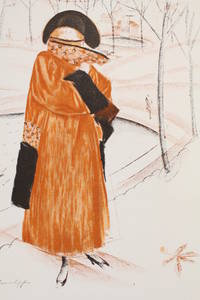
Aleksandr Yevgeniyevich YAKOVLEF - (Paul POIRET)
L'Heure du rendez-vous. Manteau d'après-midi de Paul Poiret pl.71 La Gazette du Bon ton 1920 n°9
Paris: Lucien Vogel éditeur 1920. Fine. Lucien Vogel éditeur Paris 1920 18 x 24 cm une feuille original print in color printed on laid paper signed lower left of the board. Original content produced for the illustration of The Gazette fashionable one of the finest and most influential twentieth century fashion magazines celebrating the talent of creators and artists French burgeoning art deco. Famous fashion magazine founded in 1912 by Lucien Vogel The Gazette fashionable appeared until 1925 with an interruption during the War of 1915 to 1920 due to mobilization of its editor. She is 69 Deliveries from just 2000 copies and is illustrated including 573 color plates and 148 sketches depicting models of fashion designers. Upon publication these luxury publications ""are for bibliophiles and worldly aesthetes"" Françoise Tétart-Vittu ""good Gazette of tone"" in the fashion dictionary 2016. Printed on fine laid paper they use a typeface created specifically for the magazine by Georges Peignot the Cochin character taken in 1946 by Christian Dior. The prints are made with the technique of metal stencil enhanced color and some outlined in gold or palladium. The adventure began in 1912 when Lucien Vogel man of the world and fashion - it has already participated in Femina magazine - decided to found with his wife Cosette de Brunhoff John's sister the father of Babar Gazette good tone in which the subtitle is then ""Art fashions and frivolities."" Georges Charensol quotes the editor: ""In 1910 he observed there was no truly artistic fashion magazine and representative of the spirit of his time. So I thought of making a glossy magazine with truly modern artists . I was certain of success because no country for fashion can compete with France. """" A great art editor. Lucien Vogel ""in Literary News No. 133 May 1925. The success of the magazine is immediate not only in France but also the US and South America. Originally Vogel therefore brings together a group of seven artists: André-Édouard Marty and Pierre Brissaud followed by Georges Lepape and Dammicourt; and finally his friends from the School of Fine Arts as are George Barbier Bernard Boutet de Monvel or Charles Martin. Other talents come quickly reach the equipped Guy Arnoux Léon Bakst Benito Boutet de Monvel Umberto Brunelleschi Chas Laborde Jean-Gabriel Domergue Raoul Dufy Edward Halouze Alexander Iacovleff Jean Emile Laboureur Charles Loupot Charles Martin Maggie Salcedo. These artists mostly unknown when Lucien Vogel appealed to them will eventually become iconic figures and artistic sought. These are the same illustrators who make the drawings advertisements Gazette. The boards highlight the dresses and sublime seven artists of the time: Lanvin Doeuillet Paquin Poiret Worth Vionnet and Doucet. The designers provide for each number of exclusive models. Nevertheless some of Illustrations contained no real model but only the idea that the illustrator is done in the fashion of the day. Gazette fashionable is a milestone in the history of fashion. Combining the aesthetic requirement and plastic unit it brings together for the first time the great talents of the world of arts literature and fashion and imposed by this alchemy a new image of women slender independent and bold also driven by the new generation of designers Coco Chanel Jean Patou Rochas Marcel . Recovery in 1920 by Condé Montrose Nast Gazette fashionable modeled for the new composition and the aesthetic choices of the ""little dying newspaper"" that Nast had bought a few years ago: the Vogue magazine. Lucien Vogel éditeur hardcover
Référence libraire : 57580
|
|
|
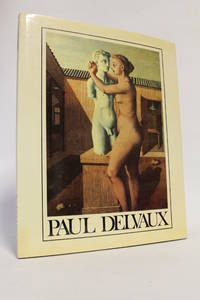
COLLECTIF
Paul Delvaux
Paris: Filipacchi 1972. Fine. Filipacchi Paris 1972 24.50 x 31.50 cm reliure de l'éditeur First edition. Publisher's full blue cloth binding smooth spine complete with illustrated dust jacket with marginal sunning. Iconography. Handsome copy. Filipacchi hardcover
Référence libraire : 57968
|
|
|
Eugene GUILLEVIC
Terraqué
Paris: Gallimard 1942. Fine. Gallimard Paris 1942 12 x 19 cm broché Edition of wich no leading copies exists third edition of mention. Signed autograph and erroneously dated 1939 Eugene Guillevic Christmas Bureau: "". the double title of poet and chain companion ."" Small tears in the top and bottom of the back. Gallimard unknown
Référence libraire : 56336

|
|
|
Armand VALLEE
Costumes parisiens. Robes de promenade pl.119 Journal des Dames et des Modes 1913 n°53
Paris: S. n. 1913. Fine. S. n. Paris 1913 14 x 22.50 cm une feuille original print in color printed on laid paper signed lower right of the board. One of the first French fashion magazines published a few days before the famous Gazette fashionable and bringing together the greatest French artists of the Art Deco movement. The Journal ladies and modes is a trimensuelle illustrated French fashion magazine created in 1797. Its publication was stopped in 1839 before being taken in June 1912 under the leadership of Tommaso Antongini secretary friend and biographer of Gabriele 'Annunzio. It will disappear in August 1914 on the eve of the First World War. The review was drawn to 1279 copies making it for the time a relatively confidential publication. The 186 plates with great finesse are engraved on strong paper and colored stencil. They represent the majority of the time women but also men and children. The models are not unlike those of the Gazette fashionable whose publication will be launched a few months later those renowned couturiers but are the fruit of the imagination of the illustrators themselves. The stencils are mostly executed by George Barbier but other artists collaborating on the magazine: Léon Bakst B. Berty Bernard Boutet de Monvel Roger Broders Jan van Brock Umberto Brunelleschi H. Robert Dammy Etienne Drian Abel Faivre Marie-Madeleine Franc-Nohain Xavier Gosé Paul Iribe Kriegck Victor Lhuer Pierre Legrain Charles Martin Fernand Simeon Ismael Smith Armand Vallee and Gerda Wegener. Many of these illustrators will also be involved in The Gazette fashionable. Their work emblematic of the Art Deco movement emphasize the influence of Orientalism and costumes of the Ballets Russes while registering in the daily activities of affluent French of the time. From the preface of the first issue of 1912 Anatole France said: ""After seventy-five years he is reborn. He is reborn through the efforts of a few ingenious minds and artists. He is reborn for the curious if there is that do not simply modes newspaper fired several thousand and illustrated by photography. And if publishers make us very exactly in its format with its paper printing its processes of etching and coloring the old classic patterns of the past is that they intend to continue the pleasantly and become charming classic fashion of today and tomorrow. "" S. n. unknown
Référence libraire : 57668

|
|
|
Roger BRODERS
Costumes parisiens. Tailleur du matin en velours de laine orné de Skungs pl.43 Journal des Dames et des Modes 1912 n°21
Paris: S. n. 1912. Fine. S. n. Paris 1912 14 x 22.50 cm une feuille original print in color printed on laid paper signed lower right of the board. One of the first French fashion magazines published a few days before the famous Gazette fashionable and bringing together the greatest French artists of the Art Deco movement. The Journal ladies and modes is a trimensuelle illustrated French fashion magazine created in 1797. Its publication was stopped in 1839 before being taken in June 1912 under the leadership of Tommaso Antongini secretary friend and biographer of Gabriele 'Annunzio. It will disappear in August 1914 on the eve of the First World War. The review was drawn to 1279 copies making it for the time a relatively confidential publication. The 186 plates with great finesse are engraved on strong paper and colored stencil. They represent the majority of the time women but also men and children. The models are not unlike those of the Gazette fashionable whose publication will be launched a few months later those renowned couturiers but are the fruit of the imagination of the illustrators themselves. The stencils are mostly executed by George Barbier but other artists collaborating on the magazine: Léon Bakst B. Berty Bernard Boutet de Monvel Roger Broders Jan van Brock Umberto Brunelleschi H. Robert Dammy Etienne Drian Abel Faivre Marie-Madeleine Franc-Nohain Xavier Gosé Paul Iribe Kriegck Victor Lhuer Pierre Legrain Charles Martin Fernand Simeon Ismael Smith Armand Vallee and Gerda Wegener. Many of these illustrators will also be involved in The Gazette fashionable. Their work emblematic of the Art Deco movement emphasize the influence of Orientalism and costumes of the Ballets Russes while registering in the daily activities of affluent French of the time. From the preface of the first issue of 1912 Anatole France said: ""After seventy-five years he is reborn. He is reborn through the efforts of a few ingenious minds and artists. He is reborn for the curious if there is that do not simply modes newspaper fired several thousand and illustrated by photography. And if publishers make us very exactly in its format with its paper printing its processes of etching and coloring the old classic patterns of the past is that they intend to continue the pleasantly and become charming classic fashion of today and tomorrow. "" S. n. unknown
Référence libraire : 57648

|
|
|
Jean BLOT
Obscur ennemi
Paris: Gallimard 1961. Fine. Gallimard Paris 1961 14.50 x 21 cm broché First edition one of 25 numbered copies on handmade paper ours unnumbered the only deluxe copies. Spine lightly sunned the first gathering was badly cut causing small angular lacks of no great consequence to the affected leaves. Gallimard unknown
Référence libraire : 58078

|
|
|
Maurice SACHS
Abracadabra
Paris: Gallimard 1952. Fine. Gallimard Paris 1952 12 x 19 cm broché First edition one of 65 numbered copies on pur fil the only deluxe copies. Spine slightly sunned otherwise a handsome copy. Gallimard unknown
Référence libraire : 57839

|
|
|
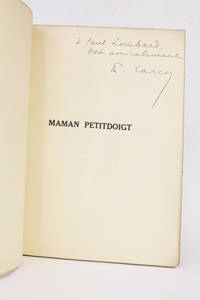
Francis CARCO - Andre DESLIGNERES
Maman Petitdoigt
Paris: Ronald Davis & Cie 1920. Fine. Ronald Davis & Cie Paris 1920 19 x 27 cm broché First edition one of 300 numbered copies pure cloth one draw after 13 Chinese and 37 Japanese. Signed autograph Francis Carco Paul Lombard. Book illustrated with 18 original woodcuts by Deslignieres. A small lack in foot of the first flat flat with slight angles. Ronald Davis & Cie hardcover
Référence libraire : 57717
|
|
|
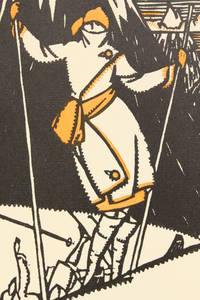
Maurice LEROY
Les Neiges. Costume pour les sports d'hiver en ""agnella"" de Rodier pl.65 La Gazette du Bon ton 1920 n°9
Paris: Lucien Vogel éditeur 1920. Fine. Lucien Vogel éditeur Paris 1920 18 x 24 cm une feuille original print in color printed on laid paper signed lower right of the board. Original content produced for the illustration of The Gazette fashionable one of the finest and most influential twentieth century fashion magazines celebrating the talent of creators and artists French burgeoning art deco. Famous fashion magazine founded in 1912 by Lucien Vogel The Gazette fashionable appeared until 1925 with an interruption during the War of 1915 to 1920 due to mobilization of its editor. She is 69 Deliveries from just 2000 copies and is illustrated including 573 color plates and 148 sketches depicting models of fashion designers. Upon publication these luxury publications ""are for bibliophiles and worldly aesthetes"" Françoise Tétart-Vittu ""good Gazette of tone"" in the fashion dictionary 2016. Printed on fine laid paper they use a typeface created specifically for the magazine by Georges Peignot the Cochin character taken in 1946 by Christian Dior. The prints are made with the technique of metal stencil enhanced color and some outlined in gold or palladium. The adventure began in 1912 when Lucien Vogel man of the world and fashion - it has already participated in Femina magazine - decided to found with his wife Cosette de Brunhoff John's sister the father of Babar Gazette good tone in which the subtitle is then ""Art fashions and frivolities."" Georges Charensol quotes the editor: ""In 1910 he observed there was no truly artistic fashion magazine and representative of the spirit of his time. So I thought of making a glossy magazine with truly modern artists . I was certain of success because no country for fashion can compete with France. """" A great art editor. Lucien Vogel ""in Literary News No. 133 May 1925. The success of the magazine is immediate not only in France but also the US and South America. Originally Vogel therefore brings together a group of seven artists: André-Édouard Marty and Pierre Brissaud followed by Georges Lepape and Dammicourt; and finally his friends from the School of Fine Arts as are George Barbier Bernard Boutet de Monvel or Charles Martin. Other talents come quickly reach the equipped Guy Arnoux Léon Bakst Benito Boutet de Monvel Umberto Brunelleschi Chas Laborde Jean-Gabriel Domergue Raoul Dufy Edward Halouze Alexander Iacovleff Jean Emile Laboureur Charles Loupot Charles Martin Maggie Salcedo. These artists mostly unknown when Lucien Vogel appealed to them will eventually become iconic figures and artistic sought. These are the same illustrators who make the drawings advertisements Gazette. The boards highlight the dresses and sublime seven artists of the time: Lanvin Doeuillet Paquin Poiret Worth Vionnet and Doucet. The designers provide for each number of exclusive models. Nevertheless some of Illustrations contained no real model but only the idea that the illustrator is done in the fashion of the day. Gazette fashionable is a milestone in the history of fashion. Combining the aesthetic requirement and plastic unit it brings together for the first time the great talents of the world of arts literature and fashion and imposed by this alchemy a new image of women slender independent and bold also driven by the new generation of designers Coco Chanel Jean Patou Rochas Marcel . Recovery in 1920 by Condé Montrose Nast Gazette fashionable modeled for the new composition and the aesthetic choices of the ""little dying newspaper"" that Nast had bought a few years ago: the Vogue magazine. Lucien Vogel éditeur hardcover
Référence libraire : 57532
|
|
|
Louis DUMUR
Dieu protège le Tsar !
Paris: les Cahiers de la Quinzaine 1927. Fine. les Cahiers de la Quinzaine Paris 1927 14 x 18.50 cm broché First edition one of 110 numbered copies on Arches laid paper deluxe copy. Handsome copy with full margins. les Cahiers de la Quinzaine unknown
Référence libraire : 57175

|
|
|
H HONORE
Costumes parisiens. Toilette de promenade pl.118 Journal des Dames et des Modes 1913 n°52
Paris: S. n. 1913. Fine. S. n. Paris 1913 14 x 22.50 cm une feuille original print in color printed on laid paper signed lower right of the board. One of the first French fashion magazines published a few days before the famous Gazette fashionable and bringing together the greatest French artists of the Art Deco movement. The Journal ladies and modes is a trimensuelle illustrated French fashion magazine created in 1797. Its publication was stopped in 1839 before being taken in June 1912 under the leadership of Tommaso Antongini secretary friend and biographer of Gabriele 'Annunzio. It will disappear in August 1914 on the eve of the First World War. The review was drawn in 1279 copies making it for the time a relatively confidential publication. The 186 plates with great finesse are engraved on strong paper and colored stencil. They represent the majority of the time women but also men and children. The models are not unlike those of the Gazette fashionable whose publication will be launched a few months later those renowned couturiers but are the fruit of the imagination of the illustrators themselves. The stencils are mostly executed by George Barbier but other artists collaborating on the magazine: Léon Bakst B. Berty Bernard Boutet de Monvel Roger Broders Jan van Brock Umberto Brunelleschi H. Robert Dammy Etienne Drian Abel Faivre Marie-Madeleine Franc-Nohain Xavier Gosé Paul Iribe Kriegck Victor Lhuer Pierre Legrain Charles Martin Fernand Simeon Ismael Smith Armand Vallee and Gerda Wegener. Many of these illustrators will also be involved in The Gazette fashionable. Their work emblematic of the Art Deco movement emphasize the influence of Orientalism and costumes of the Ballets Russes while registering in the daily activities of affluent French of the time. From the preface of the first issue of 1912 Anatole France said: ""After seventy-five years he is reborn. He is reborn through the efforts of a few ingenious minds and artists. He is reborn for the curious if there is that do not simply modes newspaper fired several thousand and illustrated by photography. And if publishers make us very exactly in its format with its paper printing its processes of etching and coloring the old classic patterns of the past is that they intend to continue the pleasantly and become charming classic fashion of today and tomorrow. "" S. n. unknown
Référence libraire : 57784

|
|
|
Yves BONNEFOY
Ce qui fut sans lumière
Paris: Mercure de France 1987. Fine. Mercure de France Paris 1987 15 x 21.50 cm broché First edition one of 45 numbered copies on vergé offset ivoire paper the only large paper copies. A very good copy. Mercure de France unknown
Référence libraire : 58132

|
|
|
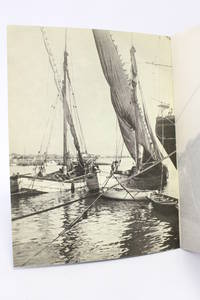
Charles KOECHLIN - Daniel BIOT - Jean de MORENE
Ports
Paris: Collection Formosa-Veritas 1933. Fine. Collection Formosa-Veritas Paris 1933 18 x 24 cm broché First edition illustrated with 33 original photographs under protective papers by Charles Koechlin Daniel Biot and Jean de Morène. Illustrated covers with photographs. A slight tear glued down to foot of upper cover small rubbing not serious on the joints. Internally good. Collection Formosa-Veritas unknown
Référence libraire : 56940
|
|
|
Roger LANNES
Appel à Paul Valéry suivi de La poésie objet de civilisation
Paris: J.B. Janin 1947. Fine. J.B. Janin Paris 1947 12 x 19 cm broché First edition one of 55 numbered copies on Alfa paper only leading copies. autograph dedication of the author autograph signed and dated by Roger Lannes Jean Delon. Book illustrated frontispiece a portrait of Paul Valéry Denise Lannes. Nice copy. J.B. Janin unknown
Référence libraire : 56461

|
|
|
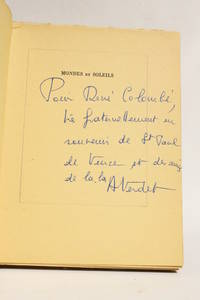
Andre VERDET
Mondes et soleils
Paris: Armand Henneuse 1954. Fine. Armand Henneuse Paris 1954 14 x 19.50 cm broché first edition on the current paper. Signed autograph Andre Verdet Rene Colombi "". fraternally in memory of Saint Paul de Vence and friends there. illustrated book of Dauphin designs. spine and boards marginally thinned otherwise nice copy. Armand Henneuse hardcover
Référence libraire : 57877
|
|
|
Noel DEVAULX
Sainte Barbegrise
Paris: Gallimard 1952. Fine. Gallimard Paris 1952 12 x 19 cm broché First edition one of 60 numbered copies on wove paper the only deluxe copies. Fine copy despite two slight traces of sunning at head and foot of spine. Gallimard unknown
Référence libraire : 56429

|
|
|
Pierre GASCAR
Auto
Paris: Gallimard 1967. Fine. Gallimard Paris 1967 12.50 x 19.50 cm broché First edition one of 70 numbered copies on pur fil paper the only large paper copies. A slight trace of an angular fold to lower cover. A good copy. Gallimard unknown
Référence libraire : 56690

|
|
|
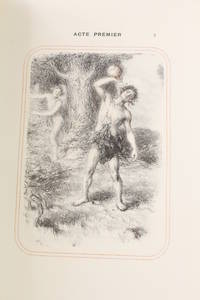
Maurice ELIOT - Theodore de BANVILLE
Diane au bois. Comédie héroïque en 2 actes en vers
Paris: L. Carteret 1911. Fine. L. Carteret Paris 1911 21.50 x 30 cm broché Edition illustrated with 14 original lithographs by Maurice Eliot and printed in 200 numbered copies on vellum. Our copy contains a triple state of lithographs. Handsome copy. L. Carteret hardcover
Référence libraire : 57060
|
|
|
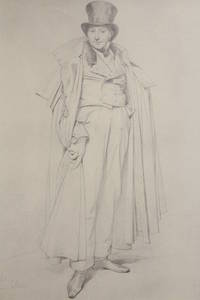
Henry LAPAUZE - Jean Auguste Dominique INGRES
Les portraits dessinés de J.-A.-D. Ingres Ingres's portraits
à Paris: Chez J.-E. Bulloz 1903. Fine. Chez J.-E. Bulloz à Paris 1903 37 x 48 cm en feuilles sous chemise Les Portraits dessinés de J.-A.-D. Ingres Ingres's portraits Chez J.-E. Bulloz à Paris 1903 37 x 48 cm loose leaves with custom slipcase The very rare first edition consisting of only 100 numbered copies the text on Arches paper with 100 charcoal portraits laid down on thick grey-blue paper margins slightly soiled gilt listel frame to each portrait Bulloz stamp to lower right. This copy has a half red morocco chemise with flaps spine soiled double gilt fillet to covers title giltstamped on upper cover cloth and paper flaps heavily damaged lower flap lacking headpieces rubbed with lacks to head and foot of joints corners rubbed ties lacking. Portraits of political and intellectual figures from the 19th century. The majority of the illustrations are signed and dated in the plate. These reproductions were mostly done after works in private collections. A noted specialist on Ingres Henry Lapauze 1867-1925 notes in his introduction «Thus these fantastic portraits most of which are jealously guarded as family heirlooms or are the pride of private collections become a national treasure that all may look upon.» Lapauze's main goal was to allow a broader public to become better acquainted with Ingres' work at a time when culture was elevated into the ranks of the French national heritage by the Third Republic. It was thus that Jean-Auguste-Dominique Ingres' 1780-1867 work once more awoke the interest of art historians and the general public at the turn of the 20th century. These one hundred portraits make up a visual gallery of Ingres' circle. Lapauze thinks it is of little importance whether or not readers are familiar with the people portrayed since the painter's genius is enough to get across the «master's glorious talent» and to ensure «the delight of people of good taste». Ingres is thus elevated into a genius of 19th century French painting. A very rare copy of the first edition of one hundred portrait drawings by Ingres. Chez J.-E. Bulloz hardcover
Référence libraire : 57259
|
|
|
Gustave FLAUBERT
Souvenirs notes et pensées intimes
Paris: Buchet-Chastel 1965. Fine. Buchet-Chastel Paris 1965 14 x 19.50 cm broché First edition one of 30 numbered copies on Hollande paper the tirage de tête. A good copy. Buchet-Chastel unknown
Référence libraire : 57091

|
|
|
Jules BOIS
Le mystère et la volupté
Paris: Paul Ollendorff 1901. Fine. Paul Ollendorff Paris 1901 11.50 x 18 cm relié First edition with statement of third edition. Bradel binding in half cardboard resembling vellum smooth spine decorated with a red and green floral frieze red shagreen title-label gilt date at foot marbled paper boards contemporary binding. First endpaper shaded otherwise handsome copy. Paul Ollendorff hardcover
Référence libraire : 57230

|
|
|
Louis GUILLOUX
Parpagnacco ou la conjuration
Paris: Gallimard 1954. Fine. Gallimard Paris 1954 12 x 19 cm broché First edition one of 20 numbered copies on Hollande tirage de tête. Spine with two slight traces of sunning not serious to head and to foot otherwise a good copy. Gallimard unknown
Référence libraire : 56302

|
|
|
Edouard FOURNIER - Louis-Edouard FOURNIER
Chroniques et légendes des rues de Paris
Paris: E. Dentu 1893. Fine. E. Dentu Paris 1893 11.50 x 17 cm broché New edition one of the copies printed on Holland paper of which no mention is made. Work illustrated with a frontispiece drawn by Louis-Edouard Fournier. Spine and boards uniformly sunned a light marginal dampstain to the front board handsome interior condition. E. Dentu hardcover
Référence libraire : 58158
|
|
|
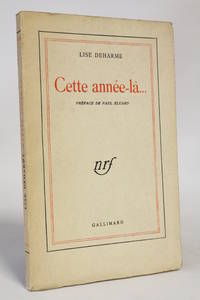
Lise DEHARME
Cette année-là.
Paris: Gallimard 1945. Fine. Gallimard Paris 1945 12 x 19 cm broché First edition one of 20 numbered copies on handmade paper the only deluxe copies. Preface by Paul Eluard. Spine lightly sunned title page shaded. Gallimard unknown
Référence libraire : 58005
|
|
|
Jacques DERRIDA
Le monolinguisme de l'autre
Paris: Galilée 1996. Fine. Galilée Paris 1996 14.50 x 22.50 cm broché Edition of wich no leading copies exists. Signed autograph of Jacques Derrida Pierre BONCENNE collaborator Bernard Pivot for the program ""Apostrophes"". Nice full copy of his prayer to insert. Galilée unknown
Référence libraire : 58131

|
|
|
Jacques BOREL
Le retour
Paris: Gallimard 1970. Fine. Gallimard Paris 1970 14.50 x 21.50 cm broché First edition one of 36 numbered copies on pur fil the only deluxe copies. Spine lightly sunned at foot handsome copy. Gallimard unknown
Référence libraire : 58082

|
|
|
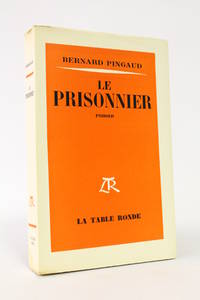
Bernard PINGAUD
Le prisonnier
Paris: La Table Ronde 1958. Fine. La Table Ronde Paris 1958 12 x 19 cm broché First edition one of 20 numbered copies on alfa paper the only large paper copies after 10 on pur fil paper. A very good copy. La Table Ronde unknown
Référence libraire : 56893
|
|
|
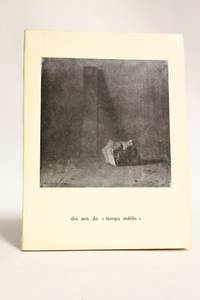
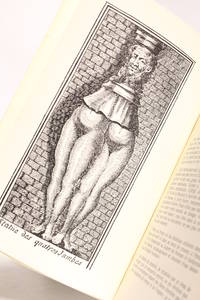
Louis SCUTENAIRE
Le monument de la guenon - In Temps mêlés N°56
Verviers: Temps mêlés 1962. Fine. Temps mêlés Verviers 1962 11.50 x 16.50 cm broché First edition one of 300 copies the only printing after 25 numbered copies. Spine faded and unlettered otherwise a handsome copy complete with its supplement leaf. Temps mêlés unknown
Référence libraire : 58163
|
|
|
Pierre BRISSAUD - (Jeanne LANVIN)
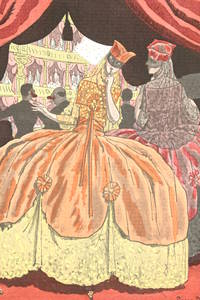
Ils ne m'ont pas reconnue. Travesti de Jeanne Lanvin pl.52 La Gazette du Bon ton 1921 n°7
Paris: Lucien Vogel éditeur 1921. Fine. Lucien Vogel éditeur Paris 1921 18 x 24 cm une feuille Pierre BRISSAUD Jeanne LANVIN Ils ne m'ont pas reconnue. Travesti de Jeanne Lanvin Original color print from La Gazette du Bon ton Lucien Vogel éditeur Paris 1921 18 x 24 cm one leaf Original print in color printed on laid paper signed lower right of the board. Original print used to illustrate the Gazette du Bon ton one of the most attractive and influential 20th century fashion magazines featuring the talents of French artists and other contributors from the burgeoning Art Deco movement. Lucien Vogel éditeur unknown
Référence libraire : 57585
|
|
|
Boris PASTERNAK
L'an 1905
Paris: Debresse 1958. Fine. Debresse Paris 1958 13.50 x 21.50 cm broché First edition of the French translation by Benjamin Goriely press service of cold buffer. autograph dedication of the author autograph signed and dated Benjamin Goriely Jean Cassou: "". for an old friendship ."" spine and boards slightly and marginally idécolorés not serious. Debresse hardcover
Référence libraire : 57738

|
|
|
Aurel DAVID
Vie et mort de Jean Giraudoux
Paris: Flammarion 1967. Fine. Flammarion Paris 1967 14 x 19.50 cm broché Edition for which he was not drawn large paper review copy. Precious autograph signed Aurel David Alexander Vialatte. Pitting on the boards nice interior state. complete copy of his prayer to insert. Flammarion hardcover
Référence libraire : 57197

|
|
|
Tigrane POLAT - Anatole FRANCE
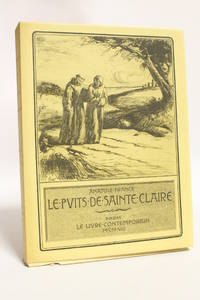
Le puits de Sainte-Claire
Paris: Le livre contemporain 1908. Fine. Le livre contemporain Paris 1908 19 x 25.50 cm broché sous chemise et étui Edition printed in 121 numbered copies on vellum and illustrated with 42 original etchings by Tigrane Polat including a frontispiece a title vignette 16 hors-texte and 24 head- and tailpieces. Our copy is expanded at the end with 5 trial plates. A pale dampstain at the foot of the slipcase. Handsome copy. Le livre contemporain hardcover
Référence libraire : 57061
|
|
|
Jean de BOURDIGNE
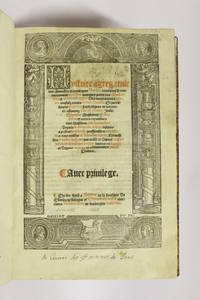
Hystoire agregative des annalles et cronicques danjou
à Paris: Chez Galliot du Pré 1529. Fine. Chez Galliot du Pré à Paris 1529 21 x 31.50 cm relié Extremely rare first edition featuring a full-page engraving on the verso of leaf aiiii showing a scene where the author kneeling offers his work to Louise de Savoie mother of François Ier in the presence of an important assembly. Title page in red and black text entirely ruled and set in 49 lines. Half brown sheep binding spine with six raised bands set with gilt fillets compartments underlined with cold-stamped fillets gilt roulette and double gilt fillet at foot brown paste-paper boards all edges speckled red. Very small wormhole on the final gatherings affecting the text in places without concern dampstain in the upper right corner throughout the work small yellow stains not affecting the text on verso of leaf vii. Manuscript ink ownership inscription in the lower portion of the title page reading ""du couvent des ff. Minimes de Paris"". Several manuscript annotations of the period as well as several marginal manicules. The first recorded history of the duchy of Anjou this work is placed under the patronage of Louise de Savoie who was its duchess. The frontispiece essentially centered on female figures shows them as veritable icons allegories of Knowledge and Wisdom. Alongside Louise de Savoie two other women dominate the crowd: Judith on the left and Esther on the right. Together they form a new trinity united under the motto from the Book of Proverbs ""the wise woman builds a house"". By furthermore nicknameing Louise de Savoie ""Pallas"" after the Greek goddess of Knowledge Jehan de Bourdigné inaugurates a history of Anjou constructed along two axes: the importance of historians' work and the place of this work in a historiography oscillating between medieval and Renaissance material. Bourdigné thus establishes himself as a true defender of historians and their work and presents them as the ""valiant and warlike knights who for renown battle continually against death and accomplish so much through their prowess that renown obtains victory"". At a time when history was part of belles-lettres and was not truly recognized as an independent discipline it is remarkable that historians should be thus considered. Bourdigné's work is rich in detail and apt to awaken the reader's interest. It is notable to observe that he borrows from the medieval historical manner by proposing a narrative in the form of chronicles: rich in novelistic details with historical precision sometimes neglected but nevertheless demonstrating true erudition. Indeed he explains in the prologue that his decision to write annals and chronicles is not insignificant this approach allowing him according to his view to ""have experience of cases that occurred in times past as if we had been present when they had produced their effect"". This book thus plays a pivotal role in Angevin and more broadly Gallican historiography by linking two historical manners: the medieval one represented by chronicles and that which was born in the Renaissance stemming from a humanist logic advocating a more linear narrative less inclined to subjectivity. A work on Angevin history but also more generally on Gallican history this work is celebrated by Bertoldi in his Angevins célèbres for its ""many precious details"" of which Bourdigné becomes the ""eyewitness"". Very rare first edition of the very first history of the duchy of Anjou. Chez Galliot du Pré hardcover
Référence libraire : 56658
|
|
|
George BARBIER
Costumes parisiens. Manteau de théâtre pl.71 Journal des Dames et des Modes 1913 n°33
Paris: S. n. 1913. Fine. S. n. Paris 1913 14 x 22.50 cm une feuille original print in color printed on laid paper signed upper right of the board. One of the first French fashion magazines published a few days before the famous Gazette fashionable and bringing together the greatest French artists of the Art Deco movement. The Journal ladies and modes is a trimensuelle illustrated French fashion magazine created in 1797. Its publication was stopped in 1839 before being taken in June 1912 under the leadership of Tommaso Antongini secretary friend and biographer of Gabriele 'Annunzio. It will disappear in August 1914 on the eve of the First World War. The review was drawn to 1279 copies making it for the time a relatively confidential publication. The 186 plates with great finesse are engraved on strong paper and colored stencil. They represent the majority of the time women but also men and children. The models are not unlike those of the Gazette fashionable whose publication will be launched a few months later those renowned couturiers but are the fruit of the imagination of the illustrators themselves. The stencils are mostly executed by George Barbier but other artists collaborating on the magazine: Léon Bakst B. Berty Bernard Boutet de Monvel Roger Broders Jan van Brock Umberto Brunelleschi H. Robert Dammy Etienne Drian Abel Faivre Marie-Madeleine Franc-Nohain Xavier Gosé Paul Iribe Kriegck Victor Lhuer Pierre Legrain Charles Martin Fernand Simeon Ismael Smith Armand Vallee and Gerda Wegener. Many of these illustrators will also be involved in The Gazette fashionable. Their work emblematic of the Art Deco movement emphasize the influence of Orientalism and costumes of the Ballets Russes while registering in the daily activities of affluent French of the time. From the preface of the first issue of 1912 Anatole France said: ""After seventy-five years he is reborn. He is reborn through the efforts of a few ingenious minds and artists. He is reborn for the curious if there is that do not simply modes newspaper fired several thousand and illustrated by photography. And if publishers make us very exactly in its format with its paper printing its processes of etching and coloring the old classic patterns of the past is that they intend to continue the pleasantly and become charming classic fashion of today and tomorrow. "" S. n. unknown
Référence libraire : 57650

|
|
|
Mario SIMON - (Gustave BEER)
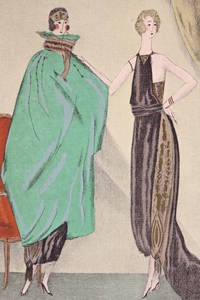
Les Deux Soeurs. Manteau et robe pour le soir de Beer pl.54 La Gazette du Bon ton 1920 n°7
Paris: Lucien Vogel éditeur 1920. Fine. Lucien Vogel éditeur Paris Septembre 1920 18 x 24 cm une feuille original print in color printed on laid paper signed enhaut left of the board. Original content produced for the illustration of The Gazette fashionable one of the finest and most influential twentieth century fashion magazines celebrating the talent of creators and artists French burgeoning art deco. Famous fashion magazine founded in 1912 by Lucien Vogel The Gazette fashionable appeared until 1925 with an interruption during the War of 1915 to 1920 due to mobilization of its editor. She is 69 Deliveries from just 2000 copies and is illustrated including 573 color plates and 148 sketches depicting models of fashion designers. Upon publication these luxury publications ""are for bibliophiles and worldly aesthetes"" Françoise Tétart-Vittu ""good Gazette of tone"" in the fashion dictionary 2016. Printed on fine laid paper they use a typeface created specifically for the magazine by Georges Peignot the Cochin character taken in 1946 by Christian Dior. The prints are made with the technique of metal stencil enhanced color and some outlined in gold or palladium. The adventure began in 1912 when Lucien Vogel man of the world and fashion - it has already participated in Femina magazine - decided to found with his wife Cosette de Brunhoff John's sister the father of Babar Gazette good tone in which the subtitle is then ""Art fashions and frivolities."" Georges Charensol quotes the editor: ""In 1910 he observed there was no truly artistic fashion magazine and representative of the spirit of his time. So I thought of making a glossy magazine with truly modern artists . I was certain of success because no country for fashion can compete with France. """" A great art editor. Lucien Vogel ""in Literary News No. 133 May 1925. The success of the magazine is immediate not only in France but also the US and South America. Originally Vogel therefore brings together a group of seven artists: André-Édouard Marty and Pierre Brissaud followed by Georges Lepape and Dammicourt; and finally his friends from the School of Fine Arts as are George Barbier Bernard Boutet de Monvel or Charles Martin. Other talents come quickly reach the equipped Guy Arnoux Léon Bakst Benito Boutet de Monvel Umberto Brunelleschi Chas Laborde Jean-Gabriel Domergue Raoul Dufy Edward Halouze Alexander Iacovleff Jean Emile Laboureur Charles Loupot Charles Martin Maggie Salcedo. These artists mostly unknown when Lucien Vogel appealed to them will eventually become iconic figures and artistic sought. These are the same illustrators who make the drawings advertisements Gazette. The boards highlight the dresses and sublime seven artists of the time: Lanvin Doeuillet Paquin Poiret Worth Vionnet and Doucet. The designers provide for each number of exclusive models. Nevertheless some of Illustrations contained no real model but only the idea that the illustrator is done in the fashion of the day. Gazette fashionable is a milestone in the history of fashion. Combining the aesthetic requirement and plastic unit it brings together for the first time the great talents of the world of arts literature and fashion and imposed by this alchemy a new image of women slender independent and bold also driven by the new generation of designers Coco Chanel Jean Patou Rochas Marcel . Recovery in 1920 by Condé Montrose Nast Gazette fashionable modeled for the new composition and the aesthetic choices of the ""little dying newspaper"" that Nast had bought a few years ago: the Vogue magazine. Lucien Vogel éditeur hardcover
Référence libraire : 57572
|
|
|
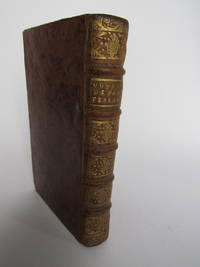
Guillaume-Hyacinthe BOUGEANT
Voyage merveilleux du prince Fan-Férédin dans la Romancie; contenant plusieurs observations historiques géographiques physiques critiques & morales
à Paris: Chez P. G. Le Mercier 1735. Fine. Chez P. G. Le Mercier à Paris 1735 10 x 17 cm relié First edition attributed to Bougeant according to Barbier IV 1091. Title page in red and black. Full speckled sheep binding. Spine with raised bands richly decorated. Tan morocco title label. One wormhole at foot. Signs of rubbing. Good copy. La Romancie is the country of novels. The prince who has been raised on reading novels since his youngest age is in search of this utopian country which he finally discovers underground. All the things described trees rocks are contaminated by what is found in novels thus the rocks are tender having listened to so many complaints from heroes. The marvelous journey is in fact a critique of very fine intelligence on the novelistic writing of the 17th century for the author never undertakes a fundamental critique he has written a travel novel about the country of novels which reveals its ridiculous aspects and excesses and it is true that a certain novelistic production of the 17th century often proves the author right with its cohort of shepherds ancient heroes and fairies. Chez P. G. Le Mercier hardcover
Référence libraire : 57557
|
|
|
Jean BLOT
Les cosmopolites
Paris: Gallimard 1976. Fine. Gallimard Paris 1976 14.50 x 21.50 cm broché First edition one of 20 numbered copies on Arches vellum the only deluxe copies. Handsome copy. Gallimard hardcover
Référence libraire : 57475

|
|
|
Felicien CHAMPSAUR - Georges BOTTINI - Auguste Francois-Marie GORGUET
Nuit de fête
Paris: Offenstadt frères 1902. Fine. Offenstadt frères Paris s. d. 1902 16.50 x 25.50 cm broché first edition on the current paper. Precious autograph signed Felicien Champsaur Auguste François-Marie Gorguet who illustrated the book: ""In the master painter Gorguet his accomplice and friend ."" Book decorated with 75 illustrations in black and watercolor stencil Georges Bottini Auguste François-Marie Gorguet and Charles Lucas. Cover art by Georges Bottini. A lack leads the second flat restored tear on the back. Offenstadt frères unknown
Référence libraire : 56775

|
|
|
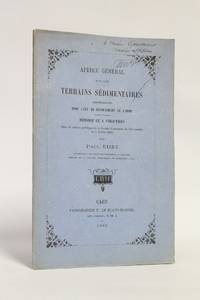
Paul BIZET
Aperçu général sur les terrains sédimentaires représentés dans l'est du département de l'Orne
Caen: Typographie F. Le Blanc-Hardel 1885. Fine. Typographie F. Le Blanc-Hardel Caen 1885 14 x 22.50 cm broché first edition printed in small number of the reprint of the bulletin of the Linnean Society of Normandy. Signed autograph of Paul Bizet head of the first flat Mr. Governor. Slight discoloration spots on boards rare and small inner minor foxing. Rare and nice brochure copy. Typographie F. Le Blanc-Hardel hardcover
Référence libraire : 58211
|
|
|
Samuel RICHARDSON
Lettres angloises ou histoire de Miss Clarisse Harlove Ensemble Supplement aux Lettres angloises
à Londres London: Chez Nourse 1751. Fine. Chez Nourse à Londres London 1751 - 1762 10 x 17.20 cm 7 volumes reliés First edition of the French translation by Abbé Prévost together with the rare supplement published in 1762 which contains Diderot's Éloge de Richardson in first edition. The illustration comprises 21 fine figures the first 13 by Eisen and the last 8 by Pasquier. Each volume contains two parts with separate title pages except for the supplement volume which contains in addition to Diderot's essay the parts of the work that had been cut by Prévost. The first complete English edition dates from 1748. Contemporary full marbled brown calf bindings. Smooth spines elegantly decorated. Red morocco title labels and tan morocco volume labels only volume VII of the supplement published in 1761 in uniform binding has a black morocco volume label. Triple gilt fillet frame on boards. A tear worming to head of volume I. A stripped lower edge to volume 1. A small lack to head of volume II. Tailcap of volume V partly missing with upper joint cracked at foot and slight lack of leather. Lower joint of volume VI split at head same for volume VII. Most corners bumped. Despite defects a handsome copy in a quality binding. Clarisse Harlove is the second great novel published by the author after the immense success of Pamela; it is again a sentimental novel whose virtuous heroine finds herself constrained by her family to marry a noble ugly and obese man against her will. She will flee with one Lovelace the very type of elegant villainous and deceitful libertine who desires to constrain her body and soul leading her into social and moral decline but this will be without counting on Clarisse's virtuous qualities. If the novel from a modern perspective suffers from sentimentalism and length it nonetheless remains true that the construction of the plot the dramatic twists and the psychology will durably mark European literature. Diderot will proclaim this in his Éloge de Richardson and numerous authors will claim it or undergo its influence: Rousseau Jane Austen Choderlos de Laclos. The work will enjoy immense success and even if due to its length the novel is little read today it remains one of the most emblematic books of 18th century literature. It should be noted that Diderot's essay in addition to the praise given to Richardson is a true plea for a new realistic literature his thesis joining that which he wrote for the theater. Chez Nourse hardcover
Référence libraire : 58092

|
|
|
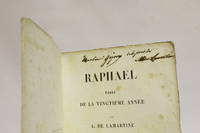
Alphonse de LAMARTINE
Raphaël
Paris: PerrotinFurne & Cie 1849. Fine. Perrotin Furne & Cie Paris 1849 15 x 23.50 cm broché sous chemise et étui First edition. Handsome autograph inscription signed by Alphonse de Lamartine to the painter Jean Gigoux. Small restored tears to head and foot of joints spotting. PerrotinFurne & Cie unknown
Référence libraire : 56960
|
|
|
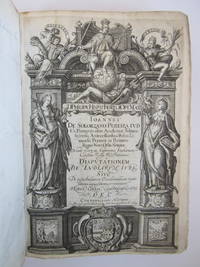
Juan de SOLORZANO PEREIRA
De iusta indiarum occidentalium inquisitione acquisitione & retentione On the fair investigation acquisition and preservation of the West Indies
Matriti Madrid Madrid: Ex typographia Francisco Martinez 1629. Fine. Ex typographia Francisco Martinez Matriti Madrid Madrid 1629 20 x 29.50 cm relié SOLÓRZANO PEREIRA Juan de De iusta indiarum occidentalium inquisitione acquisitione & retentione Ex typographia Francisco Martinez Matriti Madrid 1629 small in-folio 20 x 295 cm 6 751 pp. 100 contemporary vellum First edition very rare. A very attractive frontispiece-title by Roberto Cordier showing an altar with allegories of Faith and Religion the king of Spain with one foot on an Globe supported by Neptune. A second volume was published in 1639 on the government of the West Indies. Contemporary speckled limp vellum. Jansenist spine. Red morocco title-piece. Spine faded with black spots. Small lacks to head and foot of joints. Trace of a yellow dampstain to right-hand corner of last twenty leaves. Letter to Phillip IV of Spain and introductory portions lacking a total of 11 leaves. In 1618 Juan de Solórzano Pereira wrote the king a petition to make him part of a book project on the West Indies. King Philip IV was seduced by the general idea of legally asserting once and for all the legitimacy of the Spanish possessions in America and financed the first book on justice but not the second on the forms of government which appeared in 1639. The author had been a judge in Lima since 1609 by Royal appointment. The Viceroy of Peru appointed him Governor of Huancavelica a mining outpost of key economic importance to Spain an office he was to fill during his eighteen years in Peru as well as Procurator to the Supreme Council of the Indies Real y supremo consejo de Indias. Pereira developed an extensive and detailed knowledge of Spanish jurisprudence in the West Indies studied numerous documents and ended up with a significant wealth of knowledge especially on the ancient customs of the indigenous peoples. The first part of the book is dedicated to studying the laws that allowed the attachment of the American possessions to the crown of Castille. Here the focus is the definitive legitimation of the Spanish possessions in America. The author then looks at the question of the Church and its relations with the Spanish crown as well as laws on government in general the administration of justice and finally the laws regulating relations with the indigenous peoples and territories. The importance of Pereiras work is to be found in his relentless effort to find the history and origin of each law. 1680 saw the publication of the famous collection of the laws of the Indies the Recopilacion de las leyes des las Indias but this could not replace the excellent work of Pereira who spent a long time studying the oldest laws as well as those of the Indies. In fact all the ancient laws and their indigenous origins disappeared from the collection of the laws of the Indies and Pereiras work would remain key for the history of the West Indies and Spanish Americas. Ex typographia Francisco Martinez hardcover
Référence libraire : 57396
|
|
|
Charles MARTIN
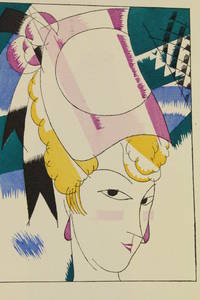
Le Chapeau en porcelaine. Modes et manières de Torquate pl.49 La Gazette du Bon ton 1920 n°7
Paris: Lucien Vogel éditeur 1920. Fine. Lucien Vogel éditeur Paris Septembre 1920 18 x 24 cm une feuille original print in color printed on laid paper signed lower left of the board. Original content produced for the illustration of The Gazette fashionable one of the finest and most influential twentieth century fashion magazines celebrating the talent of creators and artists French burgeoning art deco. Famous fashion magazine founded in 1912 by Lucien Vogel The Gazette fashionable appeared until 1925 with an interruption during the War of 1915 to 1920 due to mobilization of its editor. She is 69 Deliveries from just 2000 copies and is illustrated including 573 color plates and 148 sketches depicting models of fashion designers. Upon publication these luxury publications ""are for bibliophiles and worldly aesthetes"" Françoise Tétart-Vittu ""good Gazette of tone"" in the fashion dictionary 2016. Printed on fine laid paper they use a typeface created specifically for the magazine by Georges Peignot the Cochin character taken in 1946 by Christian Dior. The prints are made with the technique of metal stencil enhanced color and some outlined in gold or palladium. The adventure began in 1912 when Lucien Vogel man of the world and fashion - it has already participated in Femina magazine - decided to found with his wife Cosette de Brunhoff John's sister the father of Babar Gazette good tone in which the subtitle is then ""Art fashions and frivolities."" Georges Charensol quotes the editor: ""In 1910 he observed there was no truly artistic fashion magazine and representative of the spirit of his time. So I thought of making a glossy magazine with truly modern artists . I was certain of success because no country for fashion can compete with France. """" A great art editor. Lucien Vogel ""in Literary News No. 133 May 1925. The success of the magazine is immediate not only in France but also the US and South America. Originally Vogel therefore brings together a group of seven artists: André-Édouard Marty and Pierre Brissaud followed by Georges Lepape and Dammicourt; and finally his friends from the School of Fine Arts as are George Barbier Bernard Boutet de Monvel or Charles Martin. Other talents come quickly reach the equipped Guy Arnoux Léon Bakst Benito Boutet de Monvel Umberto Brunelleschi Chas Laborde Jean-Gabriel Domergue Raoul Dufy Edward Halouze Alexander Iacovleff Jean Emile Laboureur Charles Loupot Charles Martin Maggie Salcedo. These artists mostly unknown when Lucien Vogel appealed to them will eventually become iconic figures and artistic sought. These are the same illustrators who make the drawings advertisements Gazette. The boards highlight the dresses and sublime seven artists of the time: Lanvin Doeuillet Paquin Poiret Worth Vionnet and Doucet. The designers provide for each number of exclusive models. Nevertheless some of Illustrations contained no real model but only the idea that the illustrator is done in the fashion of the day. Gazette fashionable is a milestone in the history of fashion. Combining the aesthetic requirement and plastic unit it brings together for the first time the great talents of the world of arts literature and fashion and imposed by this alchemy a new image of women slender independent and bold also driven by the new generation of designers Coco Chanel Jean Patou Rochas Marcel . Recovery in 1920 by Condé Montrose Nast Gazette fashionable modeled for the new composition and the aesthetic choices of the ""little dying newspaper"" that Nast had bought a few years ago: the Vogue magazine. Lucien Vogel éditeur hardcover
Référence libraire : 57526
|
|
|
Georges COURTELINE
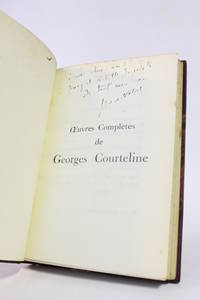
Théâtre I & II
Paris: François Bernouard 1925. Fine. François Bernouard Paris 1925 14.50 x 21.50 cm relié New edition published in the complete works of the author one of 1240 numbered copies on laid Navarre ours unjustified. Binding half morocco burgundy with corners back with four nerves set with dotted gold adorned with quintuple gilded boxes marbled paper plates guards and contreplats of handmade paper bookplate pasted on a contreplat wrappers and back preserved and bound in head golden contemporary binding signed Kauffmann & Horclais. Signed autograph of Georges Courteline to Jenny Achilles Sacerdote. Some spots affecting mainly the first guard and some margins of some leaves. Copy nicely established. François Bernouard unknown
Référence libraire : 57098
|
|
|
Antoinette DUPIN
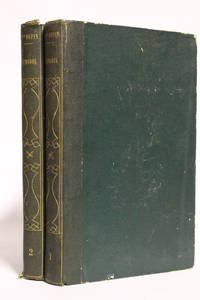
Cynodie
Paris: Urbain CanelAdolphe Guyot 1833. Fine. Urbain Canel Adolphe Guyot Paris 1833 13.50 x 21.50 cm 2 volumes reliés First edition. Half dark green shagreen bindings smooth spines decorated with gilt arabesques dark green cardboard boards with some epidermures marbled endpapers and pastedowns tears to leading edges corners slightly bumped contemporary bindings. Some foxing. Urbain CanelAdolphe Guyot hardcover
Référence libraire : 57005
|
|
|
Leon DEFFOUX - Emile ZAVIE
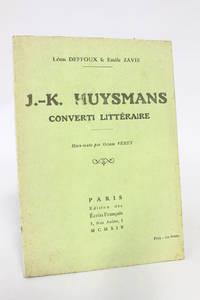
J.K. Huysmans converti littéraire
Paris: Editions des écrits français 1914. Fine. Editions des écrits français Paris 1914 13.50 x 19 cm broché first edition. Signed autograph of Leo Deffoux which also has Zavie Emile Henry Fox. Illustrated book an inset Octave Véret. spine and marginalerment discolored boards. Editions des écrits français hardcover
Référence libraire : 56912
|
|
|
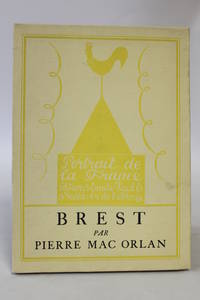
Pierre FALKE - Pierre MAC ORLAN
Brest
Paris: Emile-Paul frères 1926. Fine. Emile-Paul frères Paris 1926 14.50 x 20.50 cm broché First edition one of 1500 lettered copies on Lafuma vellum. Illustrated with a frontispiece by Pierre Falké. Handsome copy. Emile-Paul frères hardcover
Référence libraire : 56395
|
|
|
Valery LARBAUD
Ce vice impuni la lecture. domaine anglais That unpunished vice: reading
English literature
Paris: Messein 1925. Fine. Messein Paris 1925 15 x 21 cm broché First edition one of 90 numbered copies on vergé d'Arches the tirage de tête after 45 Chine. Autograph inscription signed by Valéry Larbaud : "". j'aime à considérer William-Ernest Henley surtout comme un valeureux redresseur de torts."" A nice copy with edges preserved. Messein unknown
Référence libraire : 56791

|
|
|
Bernard BOUTET DE MONVEL
Costumes parisiens. Blouse à plis en toile Kaki guêtres hautes en drap beige chapeau de feutre. Tenue de golf pl.16 Journal des Dames et des Modes 1912 n°9
Paris: S. n. 1912. Fine. S. n. Paris 1912 14 x 22.50 cm une feuille original print in color printed on laid paper signed lower left of the board. One of the first French fashion magazines published a few days before the famous Gazette fashionable and bringing together the greatest French artists of the Art Deco movement. The Journal ladies and modes is a trimensuelle illustrated French fashion magazine created in 1797. Its publication was stopped in 1839 before being taken in June 1912 under the leadership of Tommaso Antongini secretary friend and biographer of Gabriele 'Annunzio. It will disappear in August 1914 on the eve of the First World War. The review was drawn to 1279 copies making it for the time a relatively confidential publication. The 186 plates with great finesse are engraved on strong paper and colored stencil. They represent the majority of the time women but also men and children. The models are not unlike those of the Gazette fashionable whose publication will be launched a few months later those renowned couturiers but are the fruit of the imagination of the illustrators themselves. The stencils are mostly executed by George Barbier but other artists collaborating on the magazine: Léon Bakst B. Berty Bernard Boutet de Monvel Roger Broders Jan van Brock Umberto Brunelleschi H. Robert Dammy Etienne Drian Abel Faivre Marie-Madeleine Franc-Nohain Xavier Gosé Paul Iribe Kriegck Victor Lhuer Pierre Legrain Charles Martin Fernand Simeon Ismael Smith Armand Vallee and Gerda Wegener. Many of these illustrators will also be involved in The Gazette fashionable. Their work emblematic of the Art Deco movement emphasize the influence of Orientalism and costumes of the Ballets Russes while registering in the daily activities of affluent French of the time. From the preface of the first issue of 1912 Anatole France said: ""After seventy-five years he is reborn. He is reborn through the efforts of a few ingenious minds and artists. He is reborn for the curious if there is that do not simply modes newspaper fired several thousand and illustrated by photography. And if publishers make us very exactly in its format with its paper printing its processes of etching and coloring the old classic patterns of the past is that they intend to continue the pleasantly and become charming classic fashion of today and tomorrow. "" S. n. unknown
Référence libraire : 57632

|
|
|
Jacques AUDIBERTI
Les tombeaux ferment mal
Paris: Gallimard 1963. Fine. Gallimard Paris 1963 14.50 x 20.50 cm broché First edition one of 40 numbered copies on pure linen paper the only deluxe copies. Spine sunned otherwise a handsome copy. Gallimard unknown
Référence libraire : 57989

|
|

 Recevoir par e-mail
 Télécharger en PDF
 Flux RSS
 Lien permanent


