|
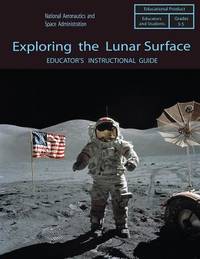
National Aeronautics and Administration
Exploring the Lunar Surface: Educator's Instructional Guide
Paperback / softback. New. paperback
Referenz des Buchhändlers : B9781493755868 ISBN : 1493755862 9781493755868
|
|
|
National Aeronautics and Administration
Middle Atmosphere Program - Handbook for Map: Volume 8
Paperback / softback. New. paperback
Referenz des Buchhändlers : B9781497483101 ISBN : 1497483107 9781497483101
|
|
|
Occupational Safety and Administration
Hand and Power Tools
Paperback / softback. New. paperback
Referenz des Buchhändlers : B9781497346826 ISBN : 1497346827 9781497346826
|
|
|
Occupational Safety and Administration
Preventing Mold-Related Problems in the Indoor Workplace: A Guide for Building Owners Managers and Occupants
Paperback / softback. New. paperback
Referenz des Buchhändlers : B9781497317550 ISBN : 149731755x 9781497317550
|
|
|
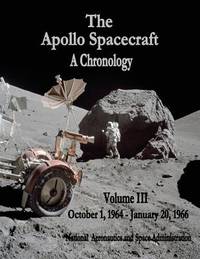
National Aeronautics and Administration
The Apollo Spacecraft - A Chronology: Volume III - October 1 1964 - January 20 1966
Paperback / softback. New. paperback
Referenz des Buchhändlers : B9781495414091 ISBN : 1495414094 9781495414091
|
|
|
National Aeronautics and Administration
Living Aloft: Human Requirements for Extended Spaceflight
Paperback / softback. New. paperback
Referenz des Buchhändlers : B9781495327483 ISBN : 1495327485 9781495327483

|
|
|
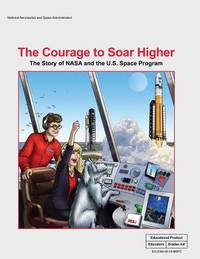
National Aeronautics and Administration
The Courage to Soar Higher: The Story of NASA and the U.S. Space Program: An Educator's Guide With Activities in Science Mathematics Language Arts and Technology
Paperback / softback. New. paperback
Referenz des Buchhändlers : B9781493744589 ISBN : 1493744585 9781493744589
|
|
|
Occupational Safety and Administration
Guidelines for Preventing Workplace Violence for Health Care & Social Service Workers
Paperback / softback. New. paperback
Referenz des Buchhändlers : B9781497317598 ISBN : 1497317592 9781497317598
|
|
|
Occupational Safety and Administration
Assigned Protection Factors for the Revised Respiratory Protection Standard
Paperback / softback. New. paperback
Referenz des Buchhändlers : B9781496081544 ISBN : 1496081544 9781496081544

|
|
|
National Aeronautics and Administration
Astronautics and Aeronautics 1978: A Chronology
Paperback / softback. New. paperback
Referenz des Buchhändlers : B9781495485817 ISBN : 1495485811 9781495485817

|
|
|
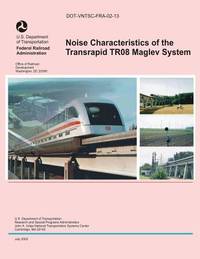
U S De Federal Railroad Administration
Noise Characteristics of the Transrapid TR08 Maglev System
Paperback / softback. New. paperback
Referenz des Buchhändlers : B9781495359262 ISBN : 1495359263 9781495359262
|
|
|
Occupational Safety and Administration
Firefighting Precautions at Facilities with Combustible Dust
Paperback / softback. New. paperback
Referenz des Buchhändlers : B9781496082374 ISBN : 1496082370 9781496082374

|
|
|
Occupational Health and Administration
Chemical Hazard Communication
Paperback / softback. New. paperback
Referenz des Buchhändlers : B9781496186843 ISBN : 1496186842 9781496186843

|
|
|
National Aeronautics and Administration
Aeronautics and Astronautics: An American Chronology of Science and Technology in the Exploration of Space 1915-1960
Paperback / softback. New. paperback
Referenz des Buchhändlers : B9781495455988 ISBN : 149545598x 9781495455988

|
|
|
National Aeronautics and Administration
EOS Science Plan: The State of Science in the EOS Program
Paperback / softback. New. paperback
Referenz des Buchhändlers : B9781494743109 ISBN : 1494743108 9781494743109

|
|
|
Occupational Safety and Administration
Small Business Handbook
Paperback / softback. New. paperback
Referenz des Buchhändlers : B9781497388048 ISBN : 149738804x 9781497388048
|
|
|
Federal Aviation Administration
Unmanned Aerial Vehicles Human Factors
Paperback / softback. New. paperback
Referenz des Buchhändlers : B9781500850913 ISBN : 1500850918 9781500850913

|
|
|
National Aeronautics and Administration
Design Development Test and Evaluation DDT&E Considerations for Safe and Reliable Human Rated Spacecraft Systems: Volume II
Paperback / softback. New. paperback
Referenz des Buchhändlers : B9781503259423 ISBN : 1503259420 9781503259423

|
|
|
National Aeronautics and Administration
Fusion Energy for Space Missions in the 21st Century
Paperback / softback. New. paperback
Referenz des Buchhändlers : B9781502903068 ISBN : 1502903067 9781502903068

|
|
|
National Aeronautics and Administration
An Overview of Climatic Elements
Paperback / softback. New. paperback
Referenz des Buchhändlers : B9781503259607 ISBN : 1503259609 9781503259607

|
|
|
National Aeronautics and Administration
Apollo 14: Preliminary Science Report
Paperback / softback. New. paperback
Referenz des Buchhändlers : B9781502726483 ISBN : 1502726483 9781502726483
|
|
|
National Aeronautics and Administration
Emerging Communication Technologies ECT Phase 2 Report: Volume 3 - Ultra Wideband UWB Technology
Paperback / softback. New. paperback
Referenz des Buchhändlers : B9781503290297 ISBN : 1503290298 9781503290297
|
|
|
National Aeronautics and Administration
Apollo 17: Preliminary Science Report
Paperback / softback. New. paperback
Referenz des Buchhändlers : B9781502728876 ISBN : 1502728877 9781502728876

|
|
|
National Aeronautics and Administration
Aeronautics and Astronautics: A Chronology: 2010
Paperback / softback. New. paperback
Referenz des Buchhändlers : B9781501082009 ISBN : 1501082000 9781501082009

|
|
|
Us Small Business Administration
How to Prepare Government Contract Proposals
Paperback / softback. New. paperback
Referenz des Buchhändlers : B9781503314689 ISBN : 1503314685 9781503314689

|
|
|
National Aeronautics and Administration
Emerging Communication Technologies ECT Phase 2 Report: Volume 2 - Appendices
Paperback / softback. New. paperback
Referenz des Buchhändlers : B9781503290167 ISBN : 1503290166 9781503290167
|
|
|
National Aeronautics and Administration
Meteoroids: The Smallest Solar System Bodies
Paperback / softback. New. paperback
Referenz des Buchhändlers : B9781503235366 ISBN : 150323536x 9781503235366
|
|
|
Federal Aviation Administration
Helicopter Instructor's Handbook
Paperback / softback. New. paperback
Referenz des Buchhändlers : B9781500869700 ISBN : 1500869708 9781500869700
|
|
|
National Aeronautics and Administration
Setting Priorities for Space Research: An Experiment in Methodology
Paperback / softback. New. paperback
Referenz des Buchhändlers : B9781502845955 ISBN : 1502845954 9781502845955

|
|
|
National Aeronautics and Administration
Survey of Technologies Relevant to Defense From Near-Earth Objects
Paperback / softback. New. paperback
Referenz des Buchhändlers : B9781503337985 ISBN : 1503337987 9781503337985

|
|
|
National Aeronautics and Administration
Aerocapture Systems Analysis for a Titan Mission
Paperback / softback. New. paperback
Referenz des Buchhändlers : B9781503339019 ISBN : 1503339017 9781503339019
|
|
|
U. S. Office of Price Administration
Application for War Ration Book No. 3; Form No. B-129 Budget Bureau No. 08-R417. 170471 BJ
Washington DC: U.S. Government Printing Office 1943. Presumed First Edition Presumed original issuance to this recipient. Single sheet printed on both sides. Good. The format is approximately 5 inches by 4 inches. This application was sent to OPA Mailing Center in Chicago IL and has a cancelled 3 cent stamp and a cancelation date of in June 1943. This apparently was returned to the applicant who was Arthur S. Galvin of Assumption IL. We believe that this belonged to Arthur Steven Galvin who was born 8 June 1915 - Assumption Christian County Illinois USA and who died 30 August 1989 - Assumption Christian County Illinois USA This RARE surviving ephemera would be appropriate for a museum exhibit or as an important artifact in a prized collection. Rationing is the controlled distribution of scarce resources goods or services or an artificial restriction of demand. Rationing controls the size of the ration which is one person's allotted portion of the resources being distributed on a particular day or at a particular time. Rationing in the United States was introduced in stages during World War II with the last of the restrictions ending in June 1947. The Office of Price Administration OPA was established within the Office for Emergency Management of the United States government by Executive Order 8875 on August 28 1941. The OPA had the power to place ceilings on all prices except agricultural commodities and to ration supplies of other items including tires automobiles shoes nylon sugar gasoline fuel oil coffee meats and processed foods. In the summer of 1941 rationing in the United Kingdom increased because of military needs and German attacks on shipping in the Battle of the Atlantic. The British government appealed to Americans to conserve food to help the UK. The Office of Price Administration OPA warned Americans of potential gasoline steel aluminum and electricity shortages. It believed that with factories converting to military production and consuming many critical supplies rationing would become necessary if the country entered the war. The OPA established a rationing system after the attack on Pearl Harbor on 7 December. The work of issuing ration books and exchanging used stamps for certificates was handled by some 5500 local ration boards of mostly volunteer workers selected by local officials. Many levels of rationing went into effect. Some items such as sugar were distributed evenly based on the number of people in a household. Other items like gasoline or fuel oil were rationed only to those who could justify a need. Restaurant owners and other merchants were accorded more availability but had to collect ration stamps to restock their supplies. In exchange for used ration stamps ration boards delivered certificates to restaurants and merchants to authorize procurement of more products. The work of issuing ration books and exchanging used stamps for certificates was handled by some 5500 local ration boards of mostly volunteer workers selected by local officials. Many levels of rationing went into effect. Some items such as sugar were distributed evenly based on the number of people in a household. Other items like gasoline or fuel oil were rationed only to those who could justify a need. Restaurant owners and other merchants were accorded more availability but had to collect ration stamps to restock their supplies. In exchange for used ration stamps ration boards delivered certificates to restaurants and merchants to authorize procurement of more products. Each ration stamp had a generic drawing of an airplane gun tank aircraft carrier ear of wheat fruit etc. and a serial number. Some stamps also had alphabetic lettering. The kind and amount of rationed commodities were not specified on most of the stamps and were not defined until later when local newspapers published for example that beginning on a specified date one airplane stamp was required in addition to cash to buy one pair of shoes and one stamp number 30 from ration book four was required to buy five pounds of sugar. The commodity amounts changed from time to time depending on availability. Red stamps were used to ration meat and butter and blue stamps were used to ration processed foods. To enable making change for ration stamps the government issued "red point" tokens to be given in change for red stamps and "blue point" tokens in change for blue stamps. The red and blue tokens were about the size of dimes 0.63 inches and were made of thin compressed wood fiber material because metals were in short supply. There was a black market in stamps. To prevent this the OPA ordered vendors not to accept stamps that they themselves did not tear out of books. Buyers however circumvented this by saying sometimes accurately as the books were not well-made that the stamps had "fallen out". In actuality they may have acquired stamps from other family members or friends or the black market. U.S. Government Printing Office unknown
Referenz des Buchhändlers : 89881
|
|
|
U. S. Office of Price Administration
Sugar Purchase Certificate; O. P. A. Form No. %R-306 Serial No. C. 27224030 Not Valid Before May 27
Washington DC: U.S. Government Printing Office 1942. Presumed First Edition Presumed original issuance to this recipient. Single sheet printed on one side. Good. The format is approximately 7 inches by 3.75 inches. Folded in half and folded again. This RARE surviving ephemera would be appropriate for a museum exhibit or as an important artifact in a prized collection. This appears to have been issued to Cathryn Graham Assumption City in Christian County in the State of Illinois. This Sugar Purchase Certificate was for 52 pounds of sugar pursuant to Rationing Order No. R. It was issued by Local Rationing Board No. 11-1. It is dated May 27 - 42 and was signed by Harold R. Horton Registrar. This copy of a triplicate document was to be retained by the original holder. Rationing is the controlled distribution of scarce resources goods or services or an artificial restriction of demand. Rationing controls the size of the ration which is one person's allotted portion of the resources being distributed on a particular day or at a particular time. Rationing in the United States was introduced in stages during World War II with the last of the restrictions ending in June 1947. The Office of Price Administration OPA was established within the Office for Emergency Management of the United States government by Executive Order 8875 on August 28 1941. The OPA had the power to place ceilings on all prices except agricultural commodities and to ration supplies of other items including tires automobiles shoes nylon sugar gasoline fuel oil coffee meats and processed foods. In the summer of 1941 rationing in the United Kingdom increased because of military needs and German attacks on shipping in the Battle of the Atlantic. The British government appealed to Americans to conserve food to help the UK. The Office of Price Administration OPA warned Americans of potential gasoline steel aluminum and electricity shortages. It believed that with factories converting to military production and consuming many critical supplies rationing would become necessary if the country entered the war. The OPA established a rationing system after the attack on Pearl Harbor on 7 December. The work of issuing ration books and exchanging used stamps for certificates was handled by some 5500 local ration boards of mostly volunteer workers selected by local officials. Many levels of rationing went into effect. Some items such as sugar were distributed evenly based on the number of people in a household. Other items like gasoline or fuel oil were rationed only to those who could justify a need. Restaurant owners and other merchants were accorded more availability but had to collect ration stamps to restock their supplies. In exchange for used ration stamps ration boards delivered certificates to restaurants and merchants to authorize procurement of more products. The work of issuing ration books and exchanging used stamps for certificates was handled by some 5500 local ration boards of mostly volunteer workers selected by local officials. Many levels of rationing went into effect. Some items such as sugar were distributed evenly based on the number of people in a household. Other items like gasoline or fuel oil were rationed only to those who could justify a need. Restaurant owners and other merchants were accorded more availability but had to collect ration stamps to restock their supplies. In exchange for used ration stamps ration boards delivered certificates to restaurants and merchants to authorize procurement of more products. Each ration stamp had a generic drawing of an airplane gun tank aircraft carrier ear of wheat fruit etc. and a serial number. Some stamps also had alphabetic lettering. The kind and amount of rationed commodities were not specified on most of the stamps and were not defined until later when local newspapers published for example that beginning on a specified date one airplane stamp was required in addition to cash to buy one pair of shoes and one stamp number 30 from ration book four was required to buy five pounds of sugar. The commodity amounts changed from time to time depending on availability. Red stamps were used to ration meat and butter and blue stamps were used to ration processed foods. To enable making change for ration stamps the government issued "red point" tokens to be given in change for red stamps and "blue point" tokens in change for blue stamps. The red and blue tokens were about the size of dimes 0.63 inches and were made of thin compressed wood fiber material because metals were in short supply. There was a black market in stamps. To prevent this the OPA ordered vendors not to accept stamps that they themselves did not tear out of books. Buyers however circumvented this by saying sometimes accurately as the books were not well-made that the stamps had "fallen out". In actuality they may have acquired stamps from other family members or friends or the black market. U.S. Government Printing Office unknown
Referenz des Buchhändlers : 89878
|
|
|
U. S. Office of Price Administration
Why Canned Fruits Vegetables and Soups Are Rationed; Consumer Instruction Sheet
Washington DC: U.S. Government Printing Office 1943. Presumed First Edition First printing. Single sheet printed on both sides. Good. The format is approximately 8 inches by 10.5 inches. Folded in half and again in half. Illustrations. Page 1 is titled Why Canned Fruits Vegetables and Soups Are Rationed and Page 2 it title How to Use Your New Ration Book To Buy Canned or Bottled Fruits Vegetables Souls and Juices; Frozen Fruits and Vegetables; Dried Fruits. Use Your OLD Ration Book for Sugar and Coffee. This discusses how items are rationed. This is specific to War Ration Book Two. It discusses BLUE stamps POINT stamps. NUMBER on the POINT stamps. Letters show when to use the stamps. It was noted that citizens "may use ALL the books of the household to buy processed foods for the household. Anyone you wish can take the ration books to the store to do the buying for you or ours household. Rationing is the controlled distribution of scarce resources goods or services or an artificial restriction of demand. Rationing controls the size of the ration which is one person's allotted portion of the resources being distributed on a particular day or at a particular time.<br /> Rationing in the United States was introduced in stages during World War II with the last of the restrictions ending in June 1947. The Office of Price Administration OPA was established within the Office for Emergency Management of the United States government by Executive Order 8875 on August 28 1941. The OPA had the power to place ceilings on all prices except agricultural commodities and to ration supplies of other items including tires automobiles shoes nylon sugar gasoline fuel oil coffee meats and processed foods. In the summer of 1941 rationing in the United Kingdom increased because of military needs and German attacks on shipping in the Battle of the Atlantic. The British government appealed to Americans to conserve food to help the UK. The Office of Price Administration OPA warned Americans of potential gasoline steel aluminum and electricity shortages. It believed that with factories converting to military production and consuming many critical supplies rationing would become necessary if the country entered the war. The OPA established a rationing system after the attack on Pearl Harbor on 7 December. The work of issuing ration books and exchanging used stamps for certificates was handled by some 5500 local ration boards of mostly volunteer workers selected by local officials. Many levels of rationing went into effect. Some items such as sugar were distributed evenly based on the number of people in a household. Other items like gasoline or fuel oil were rationed only to those who could justify a need. Restaurant owners and other merchants were accorded more availability but had to collect ration stamps to restock their supplies. In exchange for used ration stamps ration boards delivered certificates to restaurants and merchants to authorize procurement of more products. The work of issuing ration books and exchanging used stamps for certificates was handled by some 5500 local ration boards of mostly volunteer workers selected by local officials. Many levels of rationing went into effect. Some items such as sugar were distributed evenly based on the number of people in a household. Other items like gasoline or fuel oil were rationed only to those who could justify a need. Restaurant owners and other merchants were accorded more availability but had to collect ration stamps to restock their supplies. In exchange for used ration stamps ration boards delivered certificates to restaurants and merchants to authorize procurement of more products. Each ration stamp had a generic drawing of an airplane gun tank aircraft carrier ear of wheat fruit etc. and a serial number. Some stamps also had alphabetic lettering. The kind and amount of rationed commodities were not specified on most of the stamps and were not defined until later when local newspapers published for example that beginning on a specified date one airplane stamp was required in addition to cash to buy one pair of shoes and one stamp number 30 from ration book four was required to buy five pounds of sugar. The commodity amounts changed from time to time depending on availability. Red stamps were used to ration meat and butter and blue stamps were used to ration processed foods. To enable making change for ration stamps the government issued "red point" tokens to be given in change for red stamps and "blue point" tokens in change for blue stamps. The red and blue tokens were about the size of dimes 0.63 inches and were made of thin compressed wood fiber material because metals were in short supply. There was a black market in stamps. To prevent this the OPA ordered vendors not to accept stamps that they themselves did not tear out of books. Buyers however circumvented this by saying sometimes accurately as the books were not well-made that the stamps had "fallen out". In actuality they may have acquired stamps from other family members or friends or the black market. U.S. Government Printing Office unknown
Referenz des Buchhändlers : 89874
|
|
|
Office of Price Administration
War Ration Book Two; No. 495033 EX OPA Form No. R-121
Washington DC: Office of Price Administration U.S. Government Printing Office 1943. Presumed First Edition First issuance to this individual. Single sheet printed on one side. Fair. The format is approximately 11.25 inches by 4.25 inches folded in half with removable stamps originally within. No War Ration stamps remain. Issued by Local Board Wayne 1-2-28-242. This was issued by Betty Bochwood . This was issued undated. Signed by both the issuing official and Alena Alta Smith. War ration books varied in design and content throughout the war years. Some were simple booklets with basic information while others included more elaborate instructions and patriotic messages. The stamps inside were often brightly colored and featured images of everyday items like shoes and cooking oil serving as a constant reminder of the sacrifices being made for the war effort. War Ration Book Two - January 1943 was the property of the United States Government. It is unlawful to sell or give it to any other person or to use it or permit anyone else to use it except to obtain rationed goods for the person to whom it was issued. Persons who violate Rationing Regulations are subject to $10000 fine or imprisonment or both. By 1944 whisky had disappeared from liquor store shelves as distilleries converted to the production of industrial alcohol. New car production was banned beginning January 1 1942 as former auto plants switched to the production of military vehicles. Thirty percent of all cigarettes produced were allocated for service men making cigarettes a scarce commodity on the home front by 1944. By the end of the war rationing limited consumption of almost every product with the exception of eggs and dairy foods. Civilians first received ration books—War Ration Book Number One or the "Sugar Book"—on 4 May 1942 through more than 100000 schoolteachers PTA groups and other volunteers. Sugar was the first consumer commodity rationed with all sales ended on 27 April 1942 and resumed on 5 May with a ration of 1 2 pound 8 oz per person per week half of normal consumption. Bakeries ice cream makers and other commercial users received rations of about 70% of normal usage. Coffee was rationed nationally on 29 November 1942 to 1 pound every five weeks about half of normal consumption in part because of German attacks on shipping from Brazil. As of 1 March 1942 dog food could no longer be sold in tin cans and manufacturers switched to dehydrated versions. As of 1 April 1942 anyone wishing to purchase a new toothpaste tube then made from metal had to turn in an empty one. By June 1942 companies also stopped manufacturing metal office furniture radios television sets phonographs refrigerators vacuum cleaners washing machines and sewing machines for civilians. By the end of 1942 ration coupons were used for nine other items: typewriters gasoline bicycles shoes rubber footwear silk nylon fuel oil and stoves. Meat lard shortening and food oils cheese butter margarine processed foods canned bottled and frozen dried fruits canned milk firewood and coal jams jellies and fruit butter were rationed by November 1943. Many retailers welcomed rationing because they were already experiencing shortages of many items due to rumors and panics such as flashlights and batteries after Pearl Harbor. Ration Book Number Five is a very rare ration book only issued to very few people. By the end of 1942 ration coupons were used for nine other items: typewriters gasoline bicycles shoes rubber footwear silk nylon fuel oil and stoves. Meat lard shortening and food oils cheese butter margarine processed foods canned bottled and frozen dried fruits canned milk firewood and coal jams jellies and fruit butter were rationed by November 1943. Many retailers welcomed rationing because they were already experiencing shortages of many items due to rumors and panics such as flashlights and batteries after Pearl Harbor. Ration Book Number Five is a very rare ration book only issued to very few people. Office of Price Administration, U.S. Government Printing Office unknown
Referenz des Buchhändlers : 89890
|
|
|
Office of Price Administration
War Ration Book Two; No. 144930 EL OPA Form No. R-121
Washington DC: Office of Price Administration U.S. Government Printing Office 1942. Presumed First Edition First issuance to this individual. Single sheet printed on one side. Fair. The format is approximately 11.25 inches by 4.25 inches folded in half with removable stamps originally within. No War Ration stamps remain. Issued by Local Board 551 of Macon Illinois. This was issued by Robert R. Snell. This was issued undated. Signed by the issuing official and Amy Josephine Dwyer. War ration books varied in design and content throughout the war years. Some were simple booklets with basic information while others included more elaborate instructions and patriotic messages. The stamps inside were often brightly colored and featured images of everyday items like shoes and cooking oil serving as a constant reminder of the sacrifices being made for the war effort. War Ration Book Two - January 1943 was the property of the United States Government. It is unlawful to sell or give it to any other person or to use it or permit anyone else to use it except to obtain rationed goods for the person to whom it was issued. Persons who violate Rationing Regulations are subject to $10000 fine or imprisonment or both. By 1944 whisky had disappeared from liquor store shelves as distilleries converted to the production of industrial alcohol. New car production was banned beginning January 1 1942 as former auto plants switched to the production of military vehicles. Thirty percent of all cigarettes produced were allocated for service men making cigarettes a scarce commodity on the home front by 1944. By the end of the war rationing limited consumption of almost every product with the exception of eggs and dairy. The 1943 war ration book is a unique and valuable collectible item that offers a glimpse into the United States’ war effort during World War II. The 1943 war ration book was issued to the American public in 1943 as part of the United States’ war effort. It was used to allocate food fuel and other essential resources to ensure fair distribution and minimize waste. The book contained a series of coupons which could be redeemed for specific goods and services such as gasoline tires sugar and coffee. Civilians first received ration books—War Ration Book Number One or the "Sugar Book"—on 4 May 1942 through more than 100000 schoolteachers PTA groups and other volunteers. Sugar was the first consumer commodity rationed with all sales ended on 27 April 1942 and resumed on 5 May with a ration of 1 2 pound 8 oz per person per week half of normal consumption. Bakeries ice cream makers and other commercial users received rations of about 70% of normal usage. Coffee was rationed nationally on 29 November 1942 to 1 pound every five weeks about half of normal consumption in part because of German attacks on shipping from Brazil. As of 1 March 1942 dog food could no longer be sold in tin cans and manufacturers switched to dehydrated versions. As of 1 April 1942 anyone wishing to purchase a new toothpaste tube then made from metal had to turn in an empty one. By June 1942 companies also stopped manufacturing metal office furniture radios television sets phonographs refrigerators vacuum cleaners washing machines and sewing machines for civilians. By the end of 1942 ration coupons were used for nine other items: typewriters gasoline bicycles shoes rubber footwear silk nylon fuel oil and stoves. Meat lard shortening and food oils cheese butter margarine processed foods canned bottled and frozen dried fruits canned milk firewood and coal jams jellies and fruit butter were rationed by November 1943. Many retailers welcomed rationing because they were already experiencing shortages of many items due to rumors and panics such as flashlights and batteries after Pearl Harbor. Ration Book Number Five is a very rare ration book only issued to very few people. By the end of 1942 ration coupons were used for nine other items: typewriters gasoline bicycles shoes rubber footwear silk nylon fuel oil and stoves. Meat lard shortening and food oils cheese butter margarine processed foods canned bottled and frozen dried fruits canned milk firewood and coal jams jellies and fruit butter were rationed by November 1943. Many retailers welcomed rationing because they were already experiencing shortages of many items due to rumors and panics such as flashlights and batteries after Pearl Harbor. Ration Book Number Five is a very rare ration book only issued to very few people. Office of Price Administration, U.S. Government Printing Office unknown
Referenz des Buchhändlers : 89907
|
|
|
Office of Price Administration
War Ration Book One; No. 65864 - 194
Washington DC: Office of Price Administration 1942. Presumed First Edition First issuance to this individual. Single sheet printed on one side. Fair. The format is approximately 5.25 inches by 6.5 inches folded--with War Ration stamps 19 and 20 still attached. . Stamp of Christian County Illinois Board 6211-1. This includes the Certificate of Registrar made out to Cathryn Eileen Galvin of the city of Assumption. She is reported to be 5 footm 7 inches 130 pounds with blue eyes brown hair and 25 years old. She has signed the Certificate of Book Holder that is part of this sheet. This was issued on May 5 1942 by Oma Rammel of Local Board No. 11-1. This is believed to be the Cathryn E Woolard Galvin born 10 Feb 1917 died 25 Dec 1992 aged 75. who was buried in Price Cemetery Oconee Shelby County Illinois USA. This was issued on the second day of distribution! The registrar is believe to be the Oma M Allison Rammel 1895 - 1995 who was born 19 Jun 1895 in Effingham Effingham Illinois and who died 26 Jul 1995 at age 100 in Pana Christian Illinois. Civilians first received ration books—War Ration Book Number One or the "Sugar Book"—on 4 May 1942 through more than 100000 schoolteachers PTA groups and other volunteers. Sugar was the first consumer commodity rationed with all sales ended on 27 April 1942 and resumed on 5 May with a ration of 1 2 pound 8 oz per person per week half of normal consumption. Bakeries ice cream makers and other commercial users received rations of about 70% of normal usage. Coffee was rationed nationally on 29 November 1942 to 1 pound every five weeks about half of normal consumption in part because of German attacks on shipping from Brazil. As of 1 March 1942 dog food could no longer be sold in tin cans and manufacturers switched to dehydrated versions. As of 1 April 1942 anyone wishing to purchase a new toothpaste tube then made from metal had to turn in an empty one. By June 1942 companies also stopped manufacturing metal office furniture radios television sets phonographs refrigerators vacuum cleaners washing machines and sewing machines for civilians. By the end of 1942 ration coupons were used for nine other items: typewriters gasoline bicycles shoes rubber footwear silk nylon fuel oil and stoves. Meat lard shortening and food oils cheese butter margarine processed foods canned bottled and frozen dried fruits canned milk firewood and coal jams jellies and fruit butter were rationed by November 1943. Many retailers welcomed rationing because they were already experiencing shortages of many items due to rumors and panics such as flashlights and batteries after Pearl Harbor. Ration Book Number Five is a very rare ration book only issued to very few people. By the end of 1942 ration coupons were used for nine other items: typewriters gasoline bicycles shoes rubber footwear silk nylon fuel oil and stoves. Meat lard shortening and food oils cheese butter margarine processed foods canned bottled and frozen dried fruits canned milk firewood and coal jams jellies and fruit butter were rationed by November 1943. Many retailers welcomed rationing because they were already experiencing shortages of many items due to rumors and panics such as flashlights and batteries after Pearl Harbor. Ration Book Number Five is a very rare ration book only issued to very few people. Office of Price Administration unknown
Referenz des Buchhändlers : 89888
|
|
|
Office of Price Administration
War Ration Book No. 3 Book 4 written in ink at lower right front corner.; No. 853877 CS OPA Form No. R-130
Washington DC: Office of Price Administration U.S. Government Printing Office 1943. Presumed First Edition First issuance to this individual. Front and back covers printed on one side with stamp sheets inside. Fair. The format is approximately 11.5 inches by 4.25 inches This has sheets of removable stamps originally within. MANY War Ration stamps remain some with numbers and letter some with numbers and illustrations. Office of Price Administration stamp present on front with number 144930EL different from number on the booklet! This was issued undated. Signed by Arcelia C. Ditzler. War ration books varied in design and content throughout the war years. Some were simple booklets with basic information while others included more elaborate instructions and patriotic messages. The stamps inside were often brightly colored and featured images of everyday items like shoes and cooking oil serving as a constant reminder of the sacrifices being made for the war effort. War Ration Book Two - January 1943 was the property of the United States Government. It is unlawful to sell or give it to any other person or to use it or permit anyone else to use it except to obtain rationed goods for the person to whom it was issued. Persons who violate Rationing Regulations are subject to $10000 fine or imprisonment or both. By 1944 whisky had disappeared from liquor store shelves as distilleries converted to the production of industrial alcohol. New car production was banned beginning January 1 1942 as former auto plants switched to the production of military vehicles. This is believed to belong to Arcelia Ceora “Celia†Chapman Ditzler Born 8 Sep 1854 in Ohio who died Aug 1952 Shelby County Illinois. This War Ration Books listed Shelbyville Illinois as Mrs. Ditzler's city and state. The 1943 war ration book is a unique and valuable collectible item that offers a glimpse into the United States’ war effort during World War II. The 1943 war ration book was issued to the American public in 1943 as part of the United States’ war effort. It was used to allocate food fuel and other essential resources to ensure fair distribution and minimize waste. The book contained a series of coupons which could be redeemed for specific goods and services such as gasoline tires sugar and coffee. Civilians first received ration books—War Ration Book Number One or the "Sugar Book"—on 4 May 1942 through more than 100000 schoolteachers PTA groups and other volunteers. Sugar was the first consumer commodity rationed with all sales ended on 27 April 1942 and resumed on 5 May with a ration of 1 2 pound 8 oz per person per week half of normal consumption. Bakeries ice cream makers and other commercial users received rations of about 70% of normal usage. Coffee was rationed nationally on 29 November 1942 to 1 pound every five weeks about half of normal consumption in part because of German attacks on shipping from Brazil. As of 1 March 1942 dog food could no longer be sold in tin cans and manufacturers switched to dehydrated versions. As of 1 April 1942 anyone wishing to purchase a new toothpaste tube then made from metal had to turn in an empty one. By June 1942 companies also stopped manufacturing metal office furniture radios television sets phonographs refrigerators vacuum cleaners washing machines and sewing machines for civilians. By the end of 1942 ration coupons were used for nine other items: typewriters gasoline bicycles shoes rubber footwear silk nylon fuel oil and stoves. Meat lard shortening and food oils cheese butter margarine processed foods canned bottled and frozen dried fruits canned milk firewood and coal jams jellies and fruit butter were rationed by November 1943. Many retailers welcomed rationing because they were already experiencing shortages of many items due to rumors and panics such as flashlights and batteries after Pearl Harbor. Ration Book Number Five is a very rare ration book only issued to very few people. By the end of 1942 ration coupons were used for nine other items: typewriters gasoline bicycles shoes rubber footwear silk nylon fuel oil and stoves. Meat lard shortening and food oils cheese butter margarine processed foods canned bottled and frozen dried fruits canned milk firewood and coal jams jellies and fruit butter were rationed by November 1943. Many retailers welcomed rationing because they were already experiencing shortages of many items due to rumors and panics such as flashlights and batteries after Pearl Harbor. Ration Book Number Five is a very rare ration book only issued to very few people. Office of Price Administration, U.S. Government Printing Office unknown
Referenz des Buchhändlers : 89911
|
|
|
Office of Price Administration
War Ration Book Three; No. 86074 AJ OPA Form No. R-130
Washington DC: Office of Price Administration U.S. Government Printing Office 1943. Presumed First Edition First issuance to this individual. Single sheet printed on one side. Fair. The format is approximately 11.25 inches by 4.25 inches folded in half with removable stamps originally within. Many War Ration stamps remain. First sheet has ration stamps 1-48 intact with an artillery piece illustration . Sheet 2 is 1-48 with a tank illustration. Sheet 3 is 1-48 with a ship illustration. Sheet 4 has 4-48 illustrated with an airplane illustrations. Four stamps laid in G1 H 1 H2 and H3 with a torch illustration laid in may not have been part of Book Three. This was issued undated. Signed Alena A. Smith. Ms. Smith was 38 years of age a female weighing 195 pounds and standing 5 foot six inches. Her occupation was an Inspector. War ration books varied in design and content throughout the war years. Some were simple booklets with basic information while others included more elaborate instructions and patriotic messages. The stamps inside were often brightly colored and featured images of everyday items like shoes and cooking oil serving as a constant reminder of the sacrifices being made for the war effort. War Ration Book Two - January 1943 was the property of the United States Government. It is unlawful to sell or give it to any other person or to use it or permit anyone else to use it except to obtain rationed goods for the person to whom it was issued. Persons who violate Rationing Regulations are subject to $10000 fine imprisonment or both. By 1944 whisky had disappeared from stores as distilleries converted to the production of industrial alcohol. New car production was banned as of January 1 1942 as former auto plants switched to the production of military vehicles. Civilians first received ration books—War Ration Book Number One or the "Sugar Book"—on 4 May 1942 through more than 100000 schoolteachers PTA groups and other volunteers. Sugar was the first consumer commodity rationed with all sales ended on 27 April 1942 and resumed on 5 May with a ration of 1 2 pound 8 oz per person per week half of normal consumption. Bakeries ice cream makers and other commercial users received rations of about 70% of normal usage. Coffee was rationed nationally on 29 November 1942 to 1 pound every five weeks about half of normal consumption in part because of German attacks on shipping from Brazil. As of 1 March 1942 dog food could no longer be sold in tin cans and manufacturers switched to dehydrated versions. As of 1 April 1942 anyone wishing to purchase a new toothpaste tube then made from metal had to turn in an empty one. By June 1942 companies also stopped manufacturing metal office furniture radios television sets phonographs refrigerators vacuum cleaners washing machines and sewing machines for civilians. By the end of 1942 ration coupons were used for nine other items: typewriters gasoline bicycles shoes rubber footwear silk nylon fuel oil and stoves. Meat lard shortening and food oils cheese butter margarine processed foods canned bottled and frozen dried fruits canned milk firewood and coal jams jellies and fruit butter were rationed by November 1943. Many retailers welcomed rationing because they were already experiencing shortages of many items due to rumors and panics such as flashlights and batteries after Pearl Harbor. Ration Book Number Five is a very rare ration book only issued to very few people. By the end of 1942 ration coupons were used for nine other items: typewriters gasoline bicycles shoes rubber footwear silk nylon fuel oil and stoves. Meat lard shortening and food oils cheese butter margarine processed foods canned bottled and frozen dried fruits canned milk firewood and coal jams jellies and fruit butter were rationed by November 1943. Many retailers welcomed rationing because they were already experiencing shortages of many items due to rumors and panics such as flashlights and batteries after Pearl Harbor. Ration Book Number Five is a very rare ration book only issued to very few people. Office of Price Administration, U.S. Government Printing Office unknown
Referenz des Buchhändlers : 89909
|
|
|
Office of Price Administration
War Ration Book Three Ink notation at bottom front as Book 4; No. 284919 CN OPA Form No. R-130
Washington DC: Office of Price Administration U.S. Government Printing Office 1943. Presumed First Edition First issuance to this individual. Single sheet printed on one side with stamps inside. Fair. The format is approximately 11.25 inches by 4.25 inches folded in half with removable stamps originally within. Many War Ration stamps remain. First sheet has ration stamps 1-48 intact with an artillery piece illustration . Sheet 2 is 1-48 with a tank illustration. Sheet 3 is 1-48 with a ship illustration. Sheet 4 has 2-48 illustrated with an airplane. This was issued undated. Signed Elmer Schurtze. Not otherwise filled out. Ink notation at bottom front as Book 4. War ration books varied in design and content throughout the war years. Some were simple booklets with basic information while others included more elaborate instructions and patriotic messages. The stamps inside were often brightly colored and featured images of everyday items like shoes and cooking oil serving as a constant reminder of the sacrifices being made for the war effort. War Ration Book Two - January 1943 was the property of the United States Government. It is unlawful to sell or give it to any other person or to use it or permit anyone else to use it except to obtain rationed goods for the person to whom it was issued. Persons who violate Rationing Regulations are subject to $10000 fine imprisonment or both. By 1944 whisky had disappeared from stores as distilleries converted to the production of industrial alcohol. New car production was banned as of January 1 1942 as former auto plants switched to the production of military vehicles. The official War Ration book four was released in late 1943. Form No. R-145 Civilians first received ration books—War Ration Book Number One or the "Sugar Book"—on 4 May 1942 through more than 100000 schoolteachers PTA groups and other volunteers. Sugar was the first consumer commodity rationed with all sales ended on 27 April 1942 and resumed on 5 May with a ration of 1 2 pound 8 oz per person per week half of normal consumption. Bakeries ice cream makers and other commercial users received rations of about 70% of normal usage. Coffee was rationed nationally on 29 November 1942 to 1 pound every five weeks about half of normal consumption in part because of German attacks on shipping from Brazil. As of 1 March 1942 dog food could no longer be sold in tin cans and manufacturers switched to dehydrated versions. As of 1 April 1942 anyone wishing to purchase a new toothpaste tube then made from metal had to turn in an empty one. By June 1942 companies also stopped manufacturing metal office furniture radios television sets phonographs refrigerators vacuum cleaners washing machines and sewing machines for civilians. By the end of 1942 ration coupons were used for nine other items: typewriters gasoline bicycles shoes rubber footwear silk nylon fuel oil and stoves. Meat lard shortening and food oils cheese butter margarine processed foods canned bottled and frozen dried fruits canned milk firewood and coal jams jellies and fruit butter were rationed by November 1943. Many retailers welcomed rationing because they were already experiencing shortages of many items due to rumors and panics such as flashlights and batteries after Pearl Harbor. Ration Book Number Five is a very rare ration book only issued to very few people. By the end of 1942 ration coupons were used for nine other items: typewriters gasoline bicycles shoes rubber footwear silk nylon fuel oil and stoves. Meat lard shortening and food oils cheese butter margarine processed foods canned bottled and frozen dried fruits canned milk firewood and coal jams jellies and fruit butter were rationed by November 1943. Many retailers welcomed rationing because they were already experiencing shortages of many items due to rumors and panics such as flashlights and batteries after Pearl Harbor. Ration Book Number Five is a very rare ration book only issued to very few people. Office of Price Administration, U.S. Government Printing Office unknown
Referenz des Buchhändlers : 89910
|
|
|
Office of Price Administration
War Ration Book Two; No. 686366 EP OPA Form No. R-121
Washington DC: Office of Price Administration U.S. Government Printing Office 1942. Presumed First Edition First issuance to this individual. Front and back covers printed on one side staple bound. Fair. The format is approximately 5.75 inches by 4.25 inches Front and back stapled with sheets of removable stamps originally within. MANY War Ration stamps remain Red E F R S T Blue N P Q R S T E F M L K J H G Z Y X W V U Numbers include 1 2 5 and 8. One Blue 5 is detached by present! Office of Price Administration stamp present on front. . Issued by Local Board 6286-1 of Shelby Illinois. This was issued by F. E. Galbreath. This was issued undated. Signed by the issuing official and William A. Ditzler. War ration books varied in design and content throughout the war years. Some were simple booklets with basic information while others included more elaborate instructions and patriotic messages. The stamps inside were often brightly colored and featured images of everyday items like shoes and cooking oil serving as a constant reminder of the sacrifices being made for the war effort. War Ration Book Two - January 1943 was the property of the United States Government. It is unlawful to sell or give it to any other person or to use it or permit anyone else to use it except to obtain rationed goods for the person to whom it was issued. Persons who violate Rationing Regulations are subject to $10000 fine or imprisonment or both. By 1944 whisky had disappeared from liquor store shelves as distilleries converted to the production of industrial alcohol. New car production was banned beginning January 1 1942 as former auto plants switched to the production of military vehicles. The 1943 war ration book is a unique and valuable collectible item that offers a glimpse into the United States’ war effort during World War II. The 1943 war ration book was issued to the American public in 1943 as part of the United States’ war effort. It was used to allocate food fuel and other essential resources to ensure fair distribution and minimize waste. The book contained a series of coupons which could be redeemed for specific goods and services such as gasoline tires sugar and coffee. Civilians first received ration books—War Ration Book Number One or the "Sugar Book"—on 4 May 1942 through more than 100000 schoolteachers PTA groups and other volunteers. Sugar was the first consumer commodity rationed with all sales ended on 27 April 1942 and resumed on 5 May with a ration of 1 2 pound 8 oz per person per week half of normal consumption. Bakeries ice cream makers and other commercial users received rations of about 70% of normal usage. Coffee was rationed nationally on 29 November 1942 to 1 pound every five weeks about half of normal consumption in part because of German attacks on shipping from Brazil. As of 1 March 1942 dog food could no longer be sold in tin cans and manufacturers switched to dehydrated versions. As of 1 April 1942 anyone wishing to purchase a new toothpaste tube then made from metal had to turn in an empty one. By June 1942 companies also stopped manufacturing metal office furniture radios television sets phonographs refrigerators vacuum cleaners washing machines and sewing machines for civilians. By the end of 1942 ration coupons were used for nine other items: typewriters gasoline bicycles shoes rubber footwear silk nylon fuel oil and stoves. Meat lard shortening and food oils cheese butter margarine processed foods canned bottled and frozen dried fruits canned milk firewood and coal jams jellies and fruit butter were rationed by November 1943. Many retailers welcomed rationing because they were already experiencing shortages of many items due to rumors and panics such as flashlights and batteries after Pearl Harbor. Ration Book Number Five is a very rare ration book only issued to very few people. By the end of 1942 ration coupons were used for nine other items: typewriters gasoline bicycles shoes rubber footwear silk nylon fuel oil and stoves. Meat lard shortening and food oils cheese butter margarine processed foods canned bottled and frozen dried fruits canned milk firewood and coal jams jellies and fruit butter were rationed by November 1943. Many retailers welcomed rationing because they were already experiencing shortages of many items due to rumors and panics such as flashlights and batteries after Pearl Harbor. Ration Book Number Five is a very rare ration book only issued to very few people. Office of Price Administration, U.S. Government Printing Office unknown
Referenz des Buchhändlers : 89908
|
|
|
Office of Price Administration
War Ration Book One; No. 117334 - 114 OPA Form No. R-302
Washington DC: Office of Price Administration U.S. Government Printing Office 1942. Presumed First Edition First issuance to this individual. Single sheet printed on one side. Fair. The format is approximately 5.25 inches by 6.5 inches folded--with War Ration stamps 19 20 and 22 still attached. Issued by Local Board 82-82 of Wayne County Michigan. This includes the Certificate of Registrar made out to Alena Alta Smith of the city of Detroit. She is reported to be 5 foot 6 inches 190 pounds with black eyes brown hair and 36 years old. She has signed the Certificate of Book Holder that is part of this sheet. This was issued on May 4 1942 by Oscar G. Christensen of Local Board No. 82-82 This was issued on the FIRST day of distribution! Detroit and the industrial region surrounding it was plunged into semi-darkness as all except street lights and in war factories went out for fifteen minutes during a blackout drill on May 4 1942. Civilians first received ration books—War Ration Book Number One or the "Sugar Book"—on 4 May 1942 through more than 100000 schoolteachers PTA groups and other volunteers. Sugar was the first consumer commodity rationed with all sales ended on 27 April 1942 and resumed on 5 May with a ration of 1 2 pound 8 oz per person per week half of normal consumption. Bakeries ice cream makers and other commercial users received rations of about 70% of normal usage. Coffee was rationed nationally on 29 November 1942 to 1 pound every five weeks about half of normal consumption in part because of German attacks on shipping from Brazil. As of 1 March 1942 dog food could no longer be sold in tin cans and manufacturers switched to dehydrated versions. As of 1 April 1942 anyone wishing to purchase a new toothpaste tube then made from metal had to turn in an empty one. By June 1942 companies also stopped manufacturing metal office furniture radios television sets phonographs refrigerators vacuum cleaners washing machines and sewing machines for civilians. By the end of 1942 ration coupons were used for nine other items: typewriters gasoline bicycles shoes rubber footwear silk nylon fuel oil and stoves. Meat lard shortening and food oils cheese butter margarine processed foods canned bottled and frozen dried fruits canned milk firewood and coal jams jellies and fruit butter were rationed by November 1943. Many retailers welcomed rationing because they were already experiencing shortages of many items due to rumors and panics such as flashlights and batteries after Pearl Harbor. Ration Book Number Five is a very rare ration book only issued to very few people. By the end of 1942 ration coupons were used for nine other items: typewriters gasoline bicycles shoes rubber footwear silk nylon fuel oil and stoves. Meat lard shortening and food oils cheese butter margarine processed foods canned bottled and frozen dried fruits canned milk firewood and coal jams jellies and fruit butter were rationed by November 1943. Many retailers welcomed rationing because they were already experiencing shortages of many items due to rumors and panics such as flashlights and batteries after Pearl Harbor. Ration Book Number Five is a very rare ration book only issued to very few people. Office of Price Administration, U.S. Government Printing Office unknown
Referenz des Buchhändlers : 89889
|
|
|
Office of Price Administration
War Ration Book Two; No. 144929 EL OPA Form No. R-121
Washington DC: Office of Price Administration U.S. Government Printing Office 1942. Presumed First Edition First issuance to this individual. Single sheet printed on one side. Fair. The format is approximately 11.25 inches by 4.25 inches folded in half with removable stamps originally within. No War Ration stamps remain. Issued by Local Board 551 of Macon Illinois. This was issued by Robert R. Snell. This was issued undated. Signed by the issuing official and Richard Patrick Dwyer and Amy Dwyer presumed on behalf of Richard Patrick Dwyer. War ration books varied in design and content throughout the war years. Some were simple booklets with basic information while others included more elaborate instructions and patriotic messages. The stamps inside were often brightly colored and featured images of everyday items like shoes and cooking oil serving as a constant reminder of the sacrifices being made for the war effort. War Ration Book Two - January 1943 was the property of the United States Government. It is unlawful to sell or give it to any other person or to use it or permit anyone else to use it except to obtain rationed goods for the person to whom it was issued. Persons who violate Rationing Regulations are subject to $10000 fine or imprisonment or both. By 1944 whisky had disappeared from liquor store shelves as distilleries converted to the production of industrial alcohol. New car production was banned beginning January 1 1942 as former auto plants switched to the production of military vehicles. Thirty percent of all cigarettes produced were allocated for service men making cigarettes a scarce commodity on the home front by 1944. By the end of the war rationing limited consumption of almost every product with the exception of eggs and dairy. The 1943 war ration book is a unique and valuable collectible item that offers a glimpse into the United States’ war effort during World War II. The 1943 war ration book was issued to the American public in 1943 as part of the United States’ war effort. It was used to allocate food fuel and other essential resources to ensure fair distribution and minimize waste. The book contained a series of coupons which could be redeemed for specific goods and services such as gasoline tires sugar and coffee. Civilians first received ration books—War Ration Book Number One or the "Sugar Book"—on 4 May 1942 through more than 100000 schoolteachers PTA groups and other volunteers. Sugar was the first consumer commodity rationed with all sales ended on 27 April 1942 and resumed on 5 May with a ration of 1 2 pound 8 oz per person per week half of normal consumption. Bakeries ice cream makers and other commercial users received rations of about 70% of normal usage. Coffee was rationed nationally on 29 November 1942 to 1 pound every five weeks about half of normal consumption in part because of German attacks on shipping from Brazil. As of 1 March 1942 dog food could no longer be sold in tin cans and manufacturers switched to dehydrated versions. As of 1 April 1942 anyone wishing to purchase a new toothpaste tube then made from metal had to turn in an empty one. By June 1942 companies also stopped manufacturing metal office furniture radios television sets phonographs refrigerators vacuum cleaners washing machines and sewing machines for civilians. By the end of 1942 ration coupons were used for nine other items: typewriters gasoline bicycles shoes rubber footwear silk nylon fuel oil and stoves. Meat lard shortening and food oils cheese butter margarine processed foods canned bottled and frozen dried fruits canned milk firewood and coal jams jellies and fruit butter were rationed by November 1943. Many retailers welcomed rationing because they were already experiencing shortages of many items due to rumors and panics such as flashlights and batteries after Pearl Harbor. Ration Book Number Five is a very rare ration book only issued to very few people. By the end of 1942 ration coupons were used for nine other items: typewriters gasoline bicycles shoes rubber footwear silk nylon fuel oil and stoves. Meat lard shortening and food oils cheese butter margarine processed foods canned bottled and frozen dried fruits canned milk firewood and coal jams jellies and fruit butter were rationed by November 1943. Many retailers welcomed rationing because they were already experiencing shortages of many items due to rumors and panics such as flashlights and batteries after Pearl Harbor. Ration Book Number Five is a very rare ration book only issued to very few people. Office of Price Administration, U.S. Government Printing Office unknown
Referenz des Buchhändlers : 89906
|
|
|
Office of Price Administration
War Ration Book No. 3 Identification Stub; 437015 BH
Washington DC: Office of Price Administation 1942. Presumed First Edition First printing thus. Single sheet printed on both sides. Good. The format is approximately 5 inches by 1.375 inches. Rare surviving item of War Rationing ephemera. This was originally attached to an application to obtain War Ration Book No. 3. The Office of Price Administration OPA was established within the Office for Emergency Management of the United States government by Executive Order 8875 on August 28 1941. The functions of the OPA were originally to control money price controls and rents after the outbreak of World War II. President Franklin D. Roosevelt inaugurated the Council of National Defense Advisory Commission on May 29 19404 to include Price Stabilization and Consumer Protection Divisions. Both divisions merged to become the Office of Price Administration and Civilian Supply OPACS within the Office for Emergency Management by Executive Order 8734 on April 11 1941. Civil supply functions were transferred to the Office of Production Management. It became an independent agency under the Emergency Price Control Act January 30 1942. The OPA had the power to place ceilings on all prices except agricultural commodities and to ration scarce supplies of other items including tires automobiles shoes nylon sugar gasoline fuel oil coffee meats and processed foods. At the peak almost 90% of retail food prices were frozen. It could also authorize subsidies for production of some of those commodities. Rationing is the controlled distribution of scarce resources goods or services or an artificial restriction of demand. Rationing controls the size of the ration which is one person's allotted portion of the resources being distributed on a particular day or at a particular time.<br /> Rationing in the United States was introduced in stages during World War II with the last of the restrictions ending in June 1947. In the summer of 1941 rationing in the United Kingdom increased because of military needs and German attacks on shipping in the Battle of the Atlantic. The British government appealed to Americans to conserve food to help the UK. The Office of Price Administration OPA warned Americans of potential gasoline steel aluminum and electricity shortages. It believed that with factories converting to military production and consuming many critical supplies rationing would become necessary if the country entered the war. The OPA established a rationing system after the attack on Pearl Harbor on 7 December. The work of issuing ration books and exchanging used stamps for certificates was handled by some 5500 local ration boards of mostly volunteer workers selected by local officials. Many levels of rationing went into effect. Some items such as sugar were distributed evenly based on the number of people in a household. Other items like gasoline or fuel oil were rationed only to those who could justify a need. Restaurant owners and other merchants were accorded more availability but had to collect ration stamps to restock their supplies. In exchange for used ration stamps ration boards delivered certificates to restaurants and merchants to authorize procurement of more products. Each ration stamp had a generic drawing of an airplane gun tank aircraft carrier ear of wheat fruit etc. and a serial number. Some stamps also had alphabetic lettering. The kind and amount of rationed commodities were not specified on most of the stamps and were not defined until later when local newspapers published for example that beginning on a specified date one airplane stamp was required in addition to cash to buy one pair of shoes and one stamp number 30 from ration book four was required to buy five pounds of sugar. The commodity amounts changed from time to time depending on availability. Red stamps were used to ration meat and butter and blue stamps were used to ration processed foods. <br /> To enable making change for ration stamps the government issued "red point" tokens to be given in change for red stamps and "blue point" tokens in change for blue stamps. The red and blue tokens were about the size of dimes 0.63 in and were made of thin compressed wood fiber material because metals were in short supply. There was a black market in stamps. To prevent this the OPA ordered vendors not to accept stamps that they themselves did not tear out of books. Buyers however circumvented this by saying sometimes accurately as the books were not well-made that the stamps had "fallen out". In actuality they may have acquired stamps from other family members or friends or the black market. Most rationing restrictions ended in August 1945 except for sugar rationing which lasted until 1947 in some parts of the country. Office of Price Administation unknown
Referenz des Buchhändlers : 89902
|
|
|
Federal Aviation Administration (FAA)/Aviation Sup
FAR-FC 2026: Federal Aviation Regulations for Flight Crew ASA FAR/AIM Series
paperback. Good. Access codes and supplements are not guaranteed with used items. May be an ex-library book. paperback
Referenz des Buchhändlers : 1644255014.G ISBN : 1644255014 9781644255018
|
|
|
National Aeronautics and Space Administration
STS-51-D Space Shuttle patch
Washington DC: National Aeronautics and Space Administration c1985. Presumed one of initial production. Patches. Very good. The format is approximately 5 inches at its longest long and is approximately 4 inches at its maximum width. STS-51-D was the 16th flight of NASA's Space Shuttle program and the fourth flight of Space Shuttle Discovery. The launch of STS-51-D from Kennedy Space Center on April 12 1985 was delayed by 55 minutes after a boat strayed into the restricted Solid Rocket Booster recovery zone. STS-51-D was the third shuttle mission to be extended. On April 19 1985 after a week-long flight Discovery conducted the fifth shuttle landing at KSC. The shuttle suffered extensive brake damage and a ruptured tire during landing. This forced shuttle landings to be done at Edwards Air Force Base California for the next five years until the development and implementation of nose wheel steering made landings at KSC more feasible. The Space Shuttle is a retired partially reusable low Earth orbital spacecraft system operated from 1981 to 2011 by NASA as part of the Space Shuttle program. Its official name was the Space Transportation System STS taken from the 1969 plan led by U.S. vice president Spiro Agnew for a system of reusable spacecraft where it was the only item funded for development. The first STS-1 test flight occurred in 1981 leading to operational flights beginning in 1982. Five complete Space Shuttle orbiter vehicles were built and flown on a total of 135 missions from 1981 to 2011. Operational missions launched satellites probes the Hubble Space Telescope conducted science experiments in orbit and participated in the construction and servicing of the International Space Station ISS. A mission patch is a cloth reproduction of a spaceflight mission emblem worn by astronauts and other personnel affiliated with that mission. It is usually executed as an embroidered patch. The term space patch is mostly applied to an emblem designed for a crewed space mission. Traditionally the patch is worn on the space suit that astronauts and cosmonauts wear when launched into space. Mission patches have been adopted by the crew and personnel of many other space ventures public and private. The first space patch was flown by Soviet cosmonaut Valentina Tereshkova on the Vostok 6 mission in 1963; however that was hidden from public view by the bright orange coverall that was part of the space suit at the time. At the start of the human spaceflight space age as a rule astronauts were pilots from a military background. These pilots took the tradition of military shoulder patches with them; most US space missions have had dedicated designs and since the mid-1980s most Soviet/Russian flights also featured space patches. Mission patches were first sported by NASA astronauts in 1965. The idea was first introduced to NASA by Air Force pilot and astronaut Gordon Cooper. Following the loss of the Apollo 1 crew in a devastating fire embroidered patches were restricted from crew clothing. Instead astronauts in flight wore mission patches of fire-resistant Beta cloth onto which designs were silkscreened. Embroidered patches were still produced for ground side wear non-flight personnel sale to collectors and to be flown in space as souvenirs. Early crewed NASA missions lacked patches; instead the astronauts gave their spacecraft names. Alan Shepard's capsule for Mercury 3 was named Freedom 7 for instance. When Gus Grissom proposed to name his Gemini 3 capsule Molly Brown—a reference to The Unsinkable Molly Brown referring in turn to Grissom's Mercury 4 capsule which sank in the ocean shortly after splashdown – NASA officials were nonplussed and they abolished the practice of naming capsules. This prompted astronaut Gordon Cooper to propose and develop a mission patch for his and Pete Conrad's 1965 Gemini 5 flight: an embroidered cloth patch sporting the names of the two crew members a covered wagon and the slogan "8 Days or Bust" which referred to the expected mission duration. NASA administrator James E. Webb approved the design but insisted on the removal of the slogan from the official version of the patch. The so-called Cooper patch was worn on the right breast of the astronauts' uniforms below their nameplates and opposite the NASA emblems worn on the left. Since Gemini 5 patches have been created for all NASA crewed missions and many uncrewed expeditions. Patches are now created by professional graphic designers but the design is still directed by each astronaut crew. They are designed and manufactured by A-B Emblem in North Carolina. Since Gemini 5 every NASA crewed space mission had its own patch; 8 designs for Gemini 12 for Apollo 3 for Skylab 1 for the Apollo-Soyuz Test Project ASTP 135 for the Space Shuttle program and 1 for SpaceX NASA Commercial Crew Program. National Aeronautics and Space Administration unknown
Referenz des Buchhändlers : 89648
|
|
|
National Aeronautics and Space Administration
STS-61-B Space Shuttle patch
Washington DC: National Aeronautics and Space Administration c1985. Presumed one of initial production. Patches. Very good. The format is approximately 3.5 inches at its longest long and is approximately 3.125 inches long. at its maximum width. STS-61-B was the 23rd NASA Space Shuttle mission and its second using Space Shuttle Atlantis. The shuttle was launched from Kennedy Space Center Florida on November 26 1985. During STS-61-B the shuttle crew deployed three communications satellites and tested techniques of constructing structures in orbit. Atlantis landed at Edwards Air Force Base California at 16:33:49 EST on December 3 1985 after 6 days 21 hours 4 minutes and 49 seconds in orbit. STS-61-B marked the quickest turnaround of a Shuttle orbiter from launch to launch in history – just 54 days between Atlantis' launch on STS-51-J and launch on STS-61-B. The Space Shuttle is a retired partially reusable low Earth orbital spacecraft system operated from 1981 to 2011 by NASA as part of the Space Shuttle program. Its official name was the Space Transportation System STS taken from the 1969 plan led by U.S. vice president Spiro Agnew for a system of reusable spacecraft where it was the only item funded for development. The first STS-1 test flight occurred in 1981 leading to operational flights beginning in 1982. Five complete Space Shuttle orbiter vehicles were built and flown on a total of 135 missions from 1981 to 2011. Operational missions launched satellites probes the Hubble Space Telescope conducted science experiments in orbit and participated in the construction and servicing of the International Space Station ISS. The Space Shuttle fleet's total mission time was 1323 days. A mission patch is a cloth reproduction of a spaceflight mission emblem worn by astronauts and other personnel affiliated with that mission. It is usually executed as an embroidered patch. The term space patch is mostly applied to an emblem designed for a crewed space mission. Traditionally the patch is worn on the space suit that astronauts and cosmonauts wear when launched into space. Mission patches have been adopted by the crew and personnel of many other space ventures public and private. The first space patch was flown by Soviet cosmonaut Valentina Tereshkova on the Vostok 6 mission in 1963; however that was hidden from public view by the bright orange coverall that was part of the space suit at the time. At the start of the human spaceflight space age as a rule astronauts were pilots from a military background. These pilots took the tradition of military shoulder patches with them; most US space missions have had dedicated designs and since the mid-1980s most Soviet/Russian flights also featured space patches. Mission patches were first sported by NASA astronauts in 1965. The idea was first introduced to NASA by Air Force pilot and astronaut Gordon Cooper. Following the loss of the Apollo 1 crew in a devastating fire embroidered patches were restricted from crew clothing. Instead astronauts in flight wore mission patches of fire-resistant Beta cloth onto which designs were silkscreened. Embroidered patches were still produced for ground side wear non-flight personnel sale to collectors and to be flown in space as souvenirs. Early crewed NASA missions lacked patches; instead the astronauts gave their spacecraft names. Alan Shepard's capsule for Mercury 3 was named Freedom 7 for instance. When Gus Grissom proposed to name his Gemini 3 capsule Molly Brown—a reference to The Unsinkable Molly Brown referring in turn to Grissom's Mercury 4 capsule which sank in the ocean shortly after splashdown – NASA officials were nonplussed and they abolished the practice of naming capsules. This prompted astronaut Gordon Cooper to propose and develop a mission patch for his and Pete Conrad's 1965 Gemini 5 flight: an embroidered cloth patch sporting the names of the two crew members a covered wagon and the slogan "8 Days or Bust" which referred to the expected mission duration. NASA administrator James E. Webb approved the design but insisted on the removal of the slogan from the official version of the patch. The so-called Cooper patch was worn on the right breast of the astronauts' uniforms below their nameplates and opposite the NASA emblems worn on the left. Since Gemini 5 patches have been created for all NASA crewed missions and many uncrewed expeditions. Patches are now created by professional graphic designers but the design is still directed by each astronaut crew. They are designed and manufactured by A-B Emblem in North Carolina. Since Gemini 5 every NASA crewed space mission had its own patch; 8 designs for Gemini 12 for Apollo 3 for Skylab 1 for the Apollo-Soyuz Test Project ASTP 135 for the Space Shuttle program and 1 for SpaceX NASA Commercial Crew Program. National Aeronautics and Space Administration] unknown
Referenz des Buchhändlers : 89647
|
|
|
National Aeronautics and Space Administration
Ares I -X Development Flight Test Logo Sticker
Washington DC: National Aeronautics and Space Administration c2008. Presumed First Edition First printing this. Single sticker sheet printed on both sides peal line is about at the diameter line. Very good. The format is a circle with a 4 inch diameter. Sticker seam at the back is at the mid-point. Rare surviving copy. One side is a version of the ARES logo originally designed by Star Trek artist Michael Okuda with 10 stars and a rocket ascending but no image of Earth in the background. The other side has the following text: NASA's Ares I-X Flight Test Vehicle NASA's first flight test of the full rocket for the agency's next-generation spacecraft and launch vehicle systems is launching in 2009. The flight test called Ares I-X will bring NASA one step closer to its exploration goals--to return to the moon for more ambitious exploration of the lunar surface ad to travel to Mars and destinations beyond." Then two links to on-line resources. Ares I-X was the first-stage prototype and design concept demonstrator of Ares I a launch system for human spaceflight developed by the National Aeronautics and Space Administration NASA. Ares I-X was successfully launched on October 28 2009. The Ares I-X vehicle used in the test flight was similar in shape mass and size to the planned configuration of later Ares I vehicles but had largely dissimilar internal hardware consisting of only one powered stage. By flying the vehicle through first-stage separation the test flight also verified the performance and dynamics of the Ares I solid rocket booster in a "single stick" arrangement which is different from the solid rocket booster's then-current “double-booster†configuration alongside the external tank on the space shuttle. Ares I was the crew launch vehicle that was being developed by NASA as part of the Constellation program. The name "Ares" refers to the Greek deity Ares who is identified with the Roman god Mars. Ares I was originally known as the "Crew Launch Vehicle" CLV. NASA planned to use Ares I to launch Orion the spacecraft intended for NASA human spaceflight missions after the Space Shuttle was retired in 2011. Ares I was to complement the larger uncrewed Ares V which was the cargo launch vehicle for Constellation. NASA selected the Ares designs for their anticipated overall safety reliability and cost-effectiveness. However the Constellation program including Ares I was canceled by U.S. president Barack Obama in October 2010 with the passage of his 2010 NASA authorization bill. In September 2011 NASA detailed the Space Launch System as its new vehicle for human exploration beyond Earth's orbit. Unlike the Space Shuttle where both crew and cargo were launched simultaneously on the same rocket the plans for Project Constellation outlined having two separate launch vehicles the Ares I and the Ares V for crew and cargo respectively. Having two separate launch vehicles allows for more specialized designs for the crew and heavy cargo launch rockets. The Ares I rocket was specifically being designed to launch the Orion Multi-Purpose Crew Vehicle. Orion was intended as a crew capsule similar in design to the Apollo program capsule to transport astronauts to the International Space Station the Moon and eventually Mars. Ares I might have also delivered some limited resources to orbit including supplies for the International Space Station or subsequent delivery to the planned lunar base. NASA selected Alliant Techsystems the builder of the Space Shuttle Solid Rocket Boosters as the prime contractor for the Ares I first stage. NASA announced that Rocketdyne would be the main subcontractor for the J-2X rocket engine on July 16 2007. NASA selected Boeing to provide and install the avionics for the Ares I rocket on December 12 2007. On August 28 2007 NASA awarded the Ares I Upper Stage manufacturing contract to Boeing. The upper stage of Ares I was to have been built at Michoud Aerospace Factory which was used for the Space Shuttle's External Tank and the Saturn V's S-IC first stage. The Ares V formerly known as the Cargo Launch Vehicle or CaLV was the planned cargo launch component of the canceled NASA Constellation program which was to have replaced the Space Shuttle after its retirement in 2011. Ares V was also planned to carry supplies for a human presence on Mars. The Ares V was to launch the Earth Departure Stage and Altair lunar lander for NASA's return to the Moon which was planned for 2019. It would also have served as the principal launcher for missions beyond the Earth-Moon system including the program's ultimate goal a crewed mission to Mars. The uncrewed Ares V would complement the smaller and human-rated Ares I rocket for the launching of the 4–6 person Orion spacecraft. Both rockets deemed safer than the then-current Space Shuttle would have employed technologies developed for the Apollo program the Shuttle program and the Delta IV EELV program. National Aeronautics and Space Administration unknown
Referenz des Buchhändlers : 88971
|
|
|
National Aeronautics and Space Administration John F. Kennedy Space Center
Space Shuttle Launches; KSC Historical Report No. 18 KHR-18 Information Summaries IS-2004-03-003-KSC
John F. Kennedy Space Center FL: National Aeronautics and Space Administration John F. Kennedy Space Center 2004. Presumed First Edition First printing. Single sheet printed on both sides. Very good. The format is approximately 17 inches by 11 inches. The sheet has been folded in half. Other than the NASA logo on each side there are no illustrations. This report covers the 113 Space Shuttle Launches from the Kennedy Space Center between 1981 and 2003. On each slide is a chronological listing of Space Shuttle Missions Operational Test Flights and Operational Flights. There is a Legend box identical on each side. Side one goes to STS 65 with some number gaps and the second side goes from STS-64 to STS-107. The information on each mission includes Mission number/name Crew Launch Date/Landing Date Orbiter Primary Payload and Launch Pad/Runway. The Space Shuttle is a retired partially reusable low Earth orbital spacecraft system operated from 1981 to 2011 by the U.S. National Aeronautics and Space Administration NASA as part of the Space Shuttle program. Its official program name was Space Transportation System STS taken from the 1969 plan led by U.S. Vice President Spiro Agnew for a system of reusable spacecraft where it was the only item funded for development. The first STS-1 of four orbital test flights occurred in 1981 leading to operational flights STS-5 beginning in 1982. Five complete Space Shuttle orbiter vehicles were built and flown on a total of 135 missions from 1981 to 2011. They launched from the Kennedy Space Center KSC in Florida. Operational missions launched numerous satellites interplanetary probes and the Hubble Space Telescope HST conducted science experiments in orbit participated in the Shuttle-Mir program with Russia and participated in the construction and servicing of the International Space Station ISS. The Space Shuttle fleet's total mission time was 1323 days. Space Shuttle components include the Orbiter Vehicle OV with three clustered Rocketdyne RS-25 main engines a pair of recoverable solid rocket boosters SRBs and the expendable external tank ET containing liquid hydrogen and liquid oxygen. The Space Shuttle was launched vertically like a conventional rocket with the two SRBs operating in parallel with the orbiter's three main engines which were fueled from the ET. The SRBs were jettisoned before the vehicle reached orbit while the main engines continued to operate and the ET was jettisoned after main engine cutoff and just before orbit insertion which used the orbiter's two Orbital Maneuvering System OMS engines. At the conclusion of the mission the orbiter fired its OMS to deorbit and reenter the atmosphere. The orbiter was protected during reentry by its thermal protection system tiles and it glided as a spaceplane to a runway landing usually to the Shuttle Landing Facility at KSC Florida or to Rogers Dry Lake in Edwards Air Force Base California. If the landing occurred at Edwards the orbiter was flown back to the KSC atop the Shuttle Carrier Aircraft SCA a specially modified Boeing 747 designed to carry the shuttle above it. The first orbiter Enterprise was built in 1976 and used in Approach and Landing Tests ALT but had no orbital capability. Four fully operational orbiters were initially built: Columbia Challenger Discovery and Atlantis. Of these two were lost in mission accidents: Challenger in 1986 and Columbia in 2003 with a total of 14 astronauts killed. A fifth operational and sixth in total orbiter Endeavour was built in 1991 to replace Challenger. The three surviving operational vehicles were retired from service following Atlantis's final flight on July 21 2011. National Aeronautics and Space Administration, John F. Kennedy Space Center unknown
Referenz des Buchhändlers : 86125
|
|
|
National Aeronautics and Space Administration
The Ares Projects Logo Sticker
Washington DC: National Aeronautics and Space Administration c2007. Presumed First Edition First printing this. Single sticker sheet printed on both sides peal line is about one third up from the trangle's base. Very good. Michael Okuda. The format is an equilateral triangle with each side measuring approximately 5 inches. Rare surviving copy. One side is the ARES logo designed by Star Trek artist Michael Okuda. The other side has the following text: The Ares Projects The United States is leading the next phase of human Space exploration. The journey begins with two new launch vehicles--the Ares I crew launch vehicle and the Area V cargo launch vehicle--being developed by the Ares Projects managed out of NASA'a Marshall Space Flight Center in Huntsville Alabama. These launch vehicles were for missions to the International Space Station the Moon and beyond. The rockets are part of NASA's Constellation fleet which includes the Orion crew exploration vehicles a lunar lander habitats rovers and scientific equipment. Space exploration propelled by the area rockets promotes leading-edge science leads to innovative technologies and products expands economic opportunities and inspires the next generation of scientists and explorers. Star Trek artist Michael Okuda designed the Ares logo which will adorn both Ares I and Ares V. The Logo's 10 stars represent 10 NASA centers that ware working on the new vehicles. A bright star representing the Ares rocket ascends above Earth's outline depicted in the background. Michael Okuda is an American graphic designer known for his work on Star Trek including designing computer user interfaces known as "okudagrams". His work for NASA's Project Constellation subsequently canceled included logos for the Ares booster the Altair lunar lander and the Orion spacecraft. Ares I was the crew launch vehicle that was being developed by NASA as part of the Constellation program. The name "Ares" refers to the Greek deity Ares who is identified with the Roman god Mars. Ares I was originally known as the "Crew Launch Vehicle" CLV. NASA planned to use Ares I to launch Orion the spacecraft intended for NASA human spaceflight missions after the Space Shuttle was retired in 2011. Ares I was to complement the larger uncrewed Ares V which was the cargo launch vehicle for Constellation. NASA selected the Ares designs for their anticipated overall safety reliability and cost-effectiveness. However the Constellation program including Ares I was canceled by U.S. president Barack Obama in October 2010 with the passage of his 2010 NASA authorization bill. In September 2011 NASA detailed the Space Launch System as its new vehicle for human exploration beyond Earth's orbit. Unlike the Space Shuttle where both crew and cargo were launched simultaneously on the same rocket the plans for Project Constellation outlined having two separate launch vehicles the Ares I and the Ares V for crew and cargo respectively. Having two separate launch vehicles allows for more specialized designs for the crew and heavy cargo launch rockets. The Ares I rocket was specifically being designed to launch the Orion Multi-Purpose Crew Vehicle. Orion was intended as a crew capsule similar in design to the Apollo program capsule to transport astronauts to the International Space Station the Moon and eventually Mars. Ares I might have also delivered some limited resources to orbit including supplies for the International Space Station or subsequent delivery to the planned lunar base. NASA selected Alliant Techsystems the builder of the Space Shuttle Solid Rocket Boosters as the prime contractor for the Ares I first stage. NASA announced that Rocketdyne would be the main subcontractor for the J-2X rocket engine on July 16 2007. NASA selected Boeing to provide and install the avionics for the Ares I rocket on December 12 2007. On August 28 2007 NASA awarded the Ares I Upper Stage manufacturing contract to Boeing. The upper stage of Ares I was to have been built at Michoud Aerospace Factory which was used for the Space Shuttle's External Tank and the Saturn V's S-IC first stage. The Ares V formerly known as the Cargo Launch Vehicle or CaLV was the planned cargo launch component of the canceled NASA Constellation program which was to have replaced the Space Shuttle after its retirement in 2011. Ares V was also planned to carry supplies for a human presence on Mars. The Ares V was to launch the Earth Departure Stage and Altair lunar lander for NASA's return to the Moon which was planned for 2019. It would also have served as the principal launcher for missions beyond the Earth-Moon system including the program's ultimate goal a crewed mission to Mars. The uncrewed Ares V would complement the smaller and human-rated Ares I rocket for the launching of the 4–6 person Orion spacecraft. Both rockets deemed safer than the then-current Space Shuttle would have employed technologies developed for the Apollo program the Shuttle program and the Delta IV EELV program. National Aeronautics and Space Administration unknown
Referenz des Buchhändlers : 86172
|
|

 Per e-mail erhalten
 Als pdf-Dokument herunterladen
 RSS feed
 Permanenter link


