|
Shanor, Karen; Kanwal, Jagmeet
Bats Sing, Mice Giggle: The Surprising Science of Animals' Inner Lives
Book in as new condition. 294pp. The latest findings on the intimate lives of animals. The authors show how animals build, create and entertain themselves and others; how they express grief, joy, anger and fear ; how animal 'friends' keep in touch and how some animals problem-solve even more effectively than humans.
|
|
|
SHAPIRO, Arnold - Adaptation française d'Annie Blanc - Mise en page et image de Caroll Andrus - Mécanismes en papier de Tor Lokwig
Le cirque animé en lunettes magiques. A chaque page, on voit bouger les personnages
1979 Editions Fernand Nathan - 1979 - In-8, cartonnage illustré en couleurs - Sans pagination - Mécanisme pop-up en "v" horizontal et pont - Nombreuses illustrations en couleurs et effet 3D - Avec les lunettes magiques
Referenz des Buchhändlers : 106128
|
|
|
Shaun Ellis & Maggie Lofts (editor)
Wolves
No marks or inscriptions. No creasing to covers or to spine. A very clean very tight copy with bright unmarked boards, very slight traces of storage, tiny bump to spine foot and no bumping to corners. 256pp. A fascinating photographic study of wolves, capturing the natural spirit of these incredible animals.
|
|
|
Shaw, Fred. G
The science of Dry Fly Fishing and Salmon Fly Fishing.
London, John Murray, 1907. Ca. 23 x 15,5 cm. XXI S., 296 S., XXXII Seiten Werbeanhang. Mit farbigem Titelbild und zahlreichen Illustrationen im Text und fotografischen Abbildungen auf Tafeln. Illustrierter, goldgeprägter grüner Orig.-Leinenband [3 Warenabbildungen] Second Edition.
Referenz des Buchhändlers : 53264AB
|
|
|
Shaw, George, MD, FRS, and Nodder, Frederick Polydore
Plate #57. The Long-spined Chaetodon
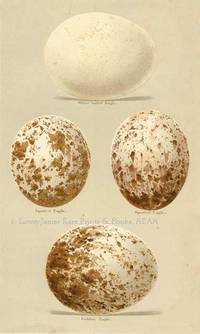
London:: G. Shaw and F.P. & E. Nodder 1790-1813. First edition. Fine in original bright hand-coloring. A Fine and rare original hand-colored copperplate engraving by Frederick Polydore Nodder and/or his son Richard Polydore Nodder from The Naturalist's Miscellany. Octavo 6 x 9.5 inches 15.24 x 24.13 cm. Includes the original text in both English and Latin by George Shaw MD FRS. The Naturalist's Miscellany distinguished by the refined hand-colored copperplate engravings and astute naturalists' observations was aptly named as a diverse naturalists' compendium of the birds mammals reptiles insects fish and crustacean identified by seventeenth and eighteenth century naturalists spanning the globe particularly around the South Seas. Many of nature's most fascinating and unusual creatures were discovered during this period several of which were introduced through The Naturalist's Miscellany. Doctor George Shaw 1751-1813 Fellow of the Royal Society cofounder of the Linnaean Society as well as Zoologist of the British Museum contributed the text. Publication of the Naturalist's Miscellany ceased with his death in 1813. Upon the death of the artist FP Nodder 1770-1800 his wife Elizabeth and their son Richard Polydore Nodder 1793-1820 contributed artistically and editorially to the publication. Indeed a family affair both Frederick Polydore Nodder and his son Richard produced every one of the plates. A gifted and distinguished naturalist Frederick P. Nodder was the preferred Botanical Painter to Her Majesty Queen Charlotte. His early skills as botanical and animal draughtsman and engraver were honed from his association with Sir Joseph Banks who employed Nodder to complete and engrave the drawings from the sketchbooks of the late Sydney Parkinson. Parkinson accompanied Banks as botanical draughtsman aboard Captain James Cook's The Endeavor in 1771. Parkinson died on the return of this South Seas Voyage. These engravings along with the natural history collections of the British Museum were the basis for the mastery of the Naturalist's Miscellany. Frederick's son Richard P. Nodder a gifted animal painter in his own right was distinguished as botanic painter to King George III. At the time of its creation The Naturalist's Miscellany was highly coveted as a definitive natural history offering and as was the custom the work was issued in installments between 1790 and 1813. Each volume was dedicated by permission and dutifully inscribed to the most devoted patrons and contributors of the natural historical pursuits of eighteenth and early nineteenth century Britain: Queen Charlotte Sir Joseph Banks Thomas Pennant Esq. The Universities of Oxford and Cambridge The Trustees of the British Museum to name a few. Andrews1986 Blunt 151Coats 25 Sitwell FBB 142 Wood 482. Copyright: Lowry-James Rare Prints & Books 1/09. Matted in Rag Board G. Shaw and F.P. & E. Nodder, unknown
Referenz des Buchhändlers : 2182
|
|
|
Shaw, George, MD, FRS, and Nodder, Frederick Polydore
Plate # 154 Clavate Ascidia
London:: G. Shaw and F.P. & E. Nodder 1790-1813. First edition. Fine in original bright hand-coloring. A Fine and rare original hand-colored copperplate engraving by Frederick Polydore Nodder and/or his son Richard Polydore Nodder from The Naturalist's Miscellany. Octavo 6 x 9.5 inches 15.24 x 24.13 cm. Includes the original text in both English and Latin by George Shaw MD FRS. The Naturalist's Miscellany distinguished by the refined hand-colored copperplate engravings and astute naturalists' observations was aptly named as a diverse naturalists' compendium of the birds mammals reptiles insects fish and crustacean identified by seventeenth and eighteenth century naturalists spanning the globe particularly around the South Seas. Many of nature's most fascinating and unusual creatures were discovered during this period several of which were introduced through The Naturalist's Miscellany. Doctor George Shaw 1751-1813 Fellow of the Royal Society cofounder of the Linnaean Society as well as Zoologist of the British Museum contributed the text. Publication of the Naturalist's Miscellany ceased with his death in 1813. Upon the death of the artist FP Nodder 1770-1800 his wife Elizabeth and their son Richard Polydore Nodder 1793-1820 contributed artistically and editorially to the publication. Indeed a family affair both Frederick Polydore Nodder and his son Richard produced every one of the plates. A gifted and distinguished naturalist Frederick P. Nodder was the preferred Botanical Painter to Her Majesty Queen Charlotte. His early skills as botanical and animal draughtsman and engraver were honed from his association with Sir Joseph Banks who employed Nodder to complete and engrave the drawings from the sketchbooks of the late Sydney Parkinson. Parkinson accompanied Banks as botanical draughtsman aboard Captain James Cook's The Endeavor in 1771. Parkinson died on the return of this South Seas Voyage. These engravings along with the natural history collections of the British Museum were the basis for the mastery of the Naturalist's Miscellany. Frederick's son Richard P. Nodder a gifted animal painter in his own right was distinguished as botanic painter to King George III. At the time of its creation The Naturalist's Miscellany was highly coveted as a definitive natural history offering and as was the custom the work was issued in installments between 1790 and 1813. Each volume was dedicated by permission and dutifully inscribed to the most devoted patrons and contributors of the natural historical pursuits of eighteenth and early nineteenth century Britain: Queen Charlotte Sir Joseph Banks Thomas Pennant Esq. The Universities of Oxford and Cambridge The Trustees of the British Museum to name a few. Andrews1986 Blunt 151Coats 25 Sitwell FBB 142 Wood 482. Copyright: Lowry-James Rare Prints & Books 1/09. G. Shaw and F.P. & E. Nodder, unknown
Referenz des Buchhändlers : 2263
|
|
|
Shaw, George, MD, FRS, and Nodder, Frederick Polydore
Plate # 191 The Duck Barnacle. Lepas Anatifera.
London:: G. Shaw and F.P. & E. Nodder 1790-1813. First edition. Fine in original bright hand-coloring. A Fine and rare original hand-colored copperplate engraving by Frederick Polydore Nodder and/or his son Richard Polydore Nodder from The Naturalist's Miscellany. Octavo 6 x 9.5 inches 15.24 x 24.13 cm. Includes the original text in both English and Latin by George Shaw MD FRS. The Naturalist's Miscellany distinguished by the refined hand-colored copperplate engravings and astute naturalists' observations was aptly named as a diverse naturalists' compendium of the birds mammals reptiles insects fish and crustacean identified by seventeenth and eighteenth century naturalists spanning the globe particularly around the South Seas. Many of nature's most fascinating and unusual creatures were discovered during this period several of which were introduced through The Naturalist's Miscellany. Doctor George Shaw 1751-1813 Fellow of the Royal Society cofounder of the Linnaean Society as well as Zoologist of the British Museum contributed the text. Publication of the Naturalist's Miscellany ceased with his death in 1813. Upon the death of the artist FP Nodder 1770-1800 his wife Elizabeth and their son Richard Polydore Nodder 1793-1820 contributed artistically and editorially to the publication. Indeed a family affair both Frederick Polydore Nodder and his son Richard produced every one of the plates. A gifted and distinguished naturalist Frederick P. Nodder was the preferred Botanical Painter to Her Majesty Queen Charlotte. His early skills as botanical and animal draughtsman and engraver were honed from his association with Sir Joseph Banks who employed Nodder to complete and engrave the drawings from the sketchbooks of the late Sydney Parkinson. Parkinson accompanied Banks as botanical draughtsman aboard Captain James Cook's The Endeavor in 1771. Parkinson died on the return of this South Seas Voyage. These engravings along with the natural history collections of the British Museum were the basis for the mastery of the Naturalist's Miscellany. Frederick's son Richard P. Nodder a gifted animal painter in his own right was distinguished as botanic painter to King George III. At the time of its creation The Naturalist's Miscellany was highly coveted as a definitive natural history offering and as was the custom the work was issued in installments between 1790 and 1813. Each volume was dedicated by permission and dutifully inscribed to the most devoted patrons and contributors of the natural historical pursuits of eighteenth and early nineteenth century Britain: Queen Charlotte Sir Joseph Banks Thomas Pennant Esq. The Universities of Oxford and Cambridge The Trustees of the British Museum to name a few. Andrews1986 Blunt 151Coats 25 Sitwell FBB 142 Wood 482. Copyright: Lowry-James Rare Prints & Books 1/09. G. Shaw and F.P. & E. Nodder, unknown
Referenz des Buchhändlers : 2262
|
|
|
Shaw, George, MD, FRS, and Nodder, Frederick Polydore
Plate # 204 Swallow-Tailed Falcon
London:: G. Shaw and F.P. & E. Nodder 1790-1813. First edition. Fine in original bright hand-coloring. A Fine and rare original hand-colored copperplate engraving by Frederick Polydore Nodder and/or his son Richard Polydore Nodder from The Naturalist's Miscellany. Octavo 6 x 9.5 inches 15.24 x 24.13 cm. Includes the original text in both English and Latin by George Shaw MD FRS. The Naturalist's Miscellany distinguished by the refined hand-colored copperplate engravings and astute naturalists' observations was aptly named as a diverse naturalists' compendium of the birds mammals reptiles insects fish and crustacean identified by seventeenth and eighteenth century naturalists spanning the globe particularly around the South Seas. Many of nature's most fascinating and unusual creatures were discovered during this period several of which were introduced through The Naturalist's Miscellany. Doctor George Shaw 1751-1813 Fellow of the Royal Society cofounder of the Linnaean Society as well as Zoologist of the British Museum contributed the text. Publication of the Naturalist's Miscellany ceased with his death in 1813. Upon the death of the artist FP Nodder 1770-1800 his wife Elizabeth and their son Richard Polydore Nodder 1793-1820 contributed artistically and editorially to the publication. Indeed a family affair both Frederick Polydore Nodder and his son Richard produced every one of the plates. A gifted and distinguished naturalist Frederick P. Nodder was the preferred Botanical Painter to Her Majesty Queen Charlotte. His early skills as botanical and animal draughtsman and engraver were honed from his association with Sir Joseph Banks who employed Nodder to complete and engrave the drawings from the sketchbooks of the late Sydney Parkinson. Parkinson accompanied Banks as botanical draughtsman aboard Captain James Cook's The Endeavor in 1771. Parkinson died on the return of this South Seas Voyage. These engravings along with the natural history collections of the British Museum were the basis for the mastery of the Naturalist's Miscellany. Frederick's son Richard P. Nodder a gifted animal painter in his own right was distinguished as botanic painter to King George III. At the time of its creation The Naturalist's Miscellany was highly coveted as a definitive natural history offering and as was the custom the work was issued in installments between 1790 and 1813. Each volume was dedicated by permission and dutifully inscribed to the most devoted patrons and contributors of the natural historical pursuits of eighteenth and early nineteenth century Britain: Queen Charlotte Sir Joseph Banks Thomas Pennant Esq. The Universities of Oxford and Cambridge The Trustees of the British Museum to name a few. Andrews1986 Blunt 151Coats 25 Sitwell FBB 142 Wood 482. Copyright: Lowry-James Rare Prints & Books 1/09. G. Shaw and F.P. & E. Nodder, unknown
Referenz des Buchhändlers : 1946
|
|
|
Shaw, George, MD, FRS, and Nodder, Frederick Polydore
Plate # 207 The White Wagtail. Motacilla alba.
London:: G. Shaw and F.P. & E. Nodder 1790-1813. First edition. Fine in original bright hand-coloring. A Fine and rare original hand-colored copperplate engraving by Frederick Polydore Nodder and/or his son Richard Polydore Nodder from The Naturalist's Miscellany. Octavo 6 x 9.5 inches 15.24 x 24.13 cm. Includes the original text in both English and Latin by George Shaw MD FRS. The Naturalist's Miscellany distinguished by the refined hand-colored copperplate engravings and astute naturalists' observations was aptly named as a diverse naturalists' compendium of the birds mammals reptiles insects fish and crustacean identified by seventeenth and eighteenth century naturalists spanning the globe particularly around the South Seas. Many of nature's most fascinating and unusual creatures were discovered during this period several of which were introduced through The Naturalist's Miscellany. Doctor George Shaw 1751-1813 Fellow of the Royal Society cofounder of the Linnaean Society as well as Zoologist of the British Museum contributed the text. Publication of the Naturalist's Miscellany ceased with his death in 1813. Upon the death of the artist FP Nodder 1770-1800 his wife Elizabeth and their son Richard Polydore Nodder 1793-1820 contributed artistically and editorially to the publication. Indeed a family affair both Frederick Polydore Nodder and his son Richard produced every one of the plates. A gifted and distinguished naturalist Frederick P. Nodder was the preferred Botanical Painter to Her Majesty Queen Charlotte. His early skills as botanical and animal draughtsman and engraver were honed from his association with Sir Joseph Banks who employed Nodder to complete and engrave the drawings from the sketchbooks of the late Sydney Parkinson. Parkinson accompanied Banks as botanical draughtsman aboard Captain James Cook's The Endeavor in 1771. Parkinson died on the return of this South Seas Voyage. These engravings along with the natural history collections of the British Museum were the basis for the mastery of the Naturalist's Miscellany. Frederick's son Richard P. Nodder a gifted animal painter in his own right was distinguished as botanic painter to King George III. At the time of its creation The Naturalist's Miscellany was highly coveted as a definitive natural history offering and as was the custom the work was issued in installments between 1790 and 1813. Each volume was dedicated by permission and dutifully inscribed to the most devoted patrons and contributors of the natural historical pursuits of eighteenth and early nineteenth century Britain: Queen Charlotte Sir Joseph Banks Thomas Pennant Esq. The Universities of Oxford and Cambridge The Trustees of the British Museum to name a few. Andrews1986 Blunt 151Coats 25 Sitwell FBB 142 Wood 482. Copyright: Lowry-James Rare Prints & Books 1/09. G. Shaw and F.P. & E. Nodder, unknown
Referenz des Buchhändlers : 1947
|
|
|
Shaw, George, MD, FRS, and Nodder, Frederick Polydore
Plate # 20. The Green Polype or Hydra.
London:: George Shaw and E. Nodder 1790. First edition. Fine in original bright hand-coloring. A Fine and rare original hand-colored copperplate engraving by Frederick Polydore Nodder and/or his son Richard Polydore Nodder from The Naturalist's Miscellany. Octavo 6 x 9.5 inches 15.24 x 24.13 cm. Includes the original text in both English and Latin by George Shaw MD FRS. The Naturalist's Miscellany distinguished by the refined hand-colored copperplate engravings and astute naturalists' observations was aptly named as a diverse naturalists' compendium of the birds mammals reptiles insects fish and crustacean identified by seventeenth and eighteenth century naturalists spanning the globe particularly around the South Seas. Many of nature's most fascinating and unusual creatures were discovered during this period several of which were introduced through The Naturalist's Miscellany. Doctor George Shaw 1751-1813 Fellow of the Royal Society cofounder of the Linnaean Society as well as Zoologist of the British Museum contributed the text. Publication of the Naturalist's Miscellany ceased with his death in 1813. Upon the death of the artist FP Nodder 1770-1800 his wife Elizabeth and their son Richard Polydore Nodder 1793-1820 contributed artistically and editorially to the publication. Indeed a family affair both Frederick Polydore Nodder and his son Richard produced every one of the plates. A gifted and distinguished naturalist Frederick P. Nodder was the preferred Botanical Painter to Her Majesty Queen Charlotte. His early skills as botanical and animal draughtsman and engraver were honed from his association with Sir Joseph Banks who employed Nodder to complete and engrave the drawings from the sketchbooks of the late Sydney Parkinson. Parkinson accompanied Banks as botanical draughtsman aboard Captain James Cook's The Endeavor in 1771. Parkinson died on the return of this South Seas Voyage. These engravings along with the natural history collections of the British Museum were the basis for the mastery of the Naturalist's Miscellany. Frederick's son Richard P. Nodder a gifted animal painter in his own right was distinguished as botanic painter to King George III. At the time of its creation The Naturalist's Miscellany was highly coveted as a definitive natural history offering and as was the custom the work was issued in installments between 1790 and 1813. Each volume was dedicated by permission and dutifully inscribed to the most devoted patrons and contributors of the natural historical pursuits of eighteenth and early nineteenth century Britain: Queen Charlotte Sir Joseph Banks Thomas Pennant Esq. The Universities of Oxford and Cambridge The Trustees of the British Museum to name a few. Andrews1986 Blunt 151Coats 25 Sitwell FBB 142 Wood 482. Copyright: Lowry-James Rare Prints & Books 1/09. George Shaw and E. Nodder, unknown
Referenz des Buchhändlers : 3245
|
|
|
Shaw, George, MD, FRS, and Nodder, Frederick Polydore
Plate # 41 The Great Hornbill. or Rhinoceros Bird. Buceros Rhinoceros
London:: G. Shaw and F.P. & E. Nodder 1790-1813. First edition. Fine in original bright hand-coloring. A Fine and rare original hand-colored copperplate engraving by Frederick Polydore Nodder and/or his son Richard Polydore Nodder from The Naturalist's Miscellany. Octavo 6 x 9.5 inches 15.24 x 24.13 cm. Includes the original text in both English and Latin by George Shaw MD FRS. The Naturalist's Miscellany distinguished by the refined hand-colored copperplate engravings and astute naturalists' observations was aptly named as a diverse naturalists' compendium of the birds mammals reptiles insects fish and crustacean identified by seventeenth and eighteenth century naturalists spanning the globe particularly around the South Seas. Many of nature's most fascinating and unusual creatures were discovered during this period several of which were introduced through The Naturalist's Miscellany. Doctor George Shaw 1751-1813 Fellow of the Royal Society cofounder of the Linnaean Society as well as Zoologist of the British Museum contributed the text. Publication of the Naturalist's Miscellany ceased with his death in 1813. Upon the death of the artist FP Nodder 1770-1800 his wife Elizabeth and their son Richard Polydore Nodder 1793-1820 contributed artistically and editorially to the publication. Indeed a family affair both Frederick Polydore Nodder and his son Richard produced every one of the plates. A gifted and distinguished naturalist Frederick P. Nodder was the preferred Botanical Painter to Her Majesty Queen Charlotte. His early skills as botanical and animal draughtsman and engraver were honed from his association with Sir Joseph Banks who employed Nodder to complete and engrave the drawings from the sketchbooks of the late Sydney Parkinson. Parkinson accompanied Banks as botanical draughtsman aboard Captain James Cook's The Endeavor in 1771. Parkinson died on the return of this South Seas Voyage. These engravings along with the natural history collections of the British Museum were the basis for the mastery of the Naturalist's Miscellany. Frederick's son Richard P. Nodder a gifted animal painter in his own right was distinguished as botanic painter to King George III. At the time of its creation The Naturalist's Miscellany was highly coveted as a definitive natural history offering and as was the custom the work was issued in installments between 1790 and 1813. Each volume was dedicated by permission and dutifully inscribed to the most devoted patrons and contributors of the natural historical pursuits of eighteenth and early nineteenth century Britain: Queen Charlotte Sir Joseph Banks Thomas Pennant Esq. The Universities of Oxford and Cambridge The Trustees of the British Museum to name a few. Andrews1986 Blunt 151Coats 25 Sitwell FBB 142 Wood 482. Copyright: Lowry-James Rare Prints & Books 1/09. G. Shaw and F.P. & E. Nodder, unknown
Referenz des Buchhändlers : 1948
|
|
|
Shaw, George, MD, FRS, and Nodder, Frederick Polydore
Plate # 645. The Red-Vented Shrike. Lanius Jocosus.
London:: G. Shaw and F.P. & E. Nodder 1790-1813. First edition. Fine in original bright hand-coloring. A Fine and rare original hand-colored copperplate engraving by Frederick Polydore Nodder and/or his son Richard Polydore Nodder from The Naturalist's Miscellany. Octavo 6 x 9.5 inches 15.24 x 24.13 cm. Includes the original text in both English and Latin by George Shaw MD FRS. The Naturalist's Miscellany distinguished by the refined hand-colored copperplate engravings and astute naturalists' observations was aptly named as a diverse naturalists' compendium of the birds mammals reptiles insects fish and crustacean identified by seventeenth and eighteenth century naturalists spanning the globe particularly around the South Seas. Many of nature's most fascinating and unusual creatures were discovered during this period several of which were introduced through The Naturalist's Miscellany. Doctor George Shaw 1751-1813 Fellow of the Royal Society cofounder of the Linnaean Society as well as Zoologist of the British Museum contributed the text. Publication of the Naturalist's Miscellany ceased with his death in 1813. Upon the death of the artist FP Nodder 1770-1800 his wife Elizabeth and their son Richard Polydore Nodder 1793-1820 contributed artistically and editorially to the publication. Indeed a family affair both Frederick Polydore Nodder and his son Richard produced every one of the plates. A gifted and distinguished naturalist Frederick P. Nodder was the preferred Botanical Painter to Her Majesty Queen Charlotte. His early skills as botanical and animal draughtsman and engraver were honed from his association with Sir Joseph Banks who employed Nodder to complete and engrave the drawings from the sketchbooks of the late Sydney Parkinson. Parkinson accompanied Banks as botanical draughtsman aboard Captain James Cook's The Endeavor in 1771. Parkinson died on the return of this South Seas Voyage. These engravings along with the natural history collections of the British Museum were the basis for the mastery of the Naturalist's Miscellany. Frederick's son Richard P. Nodder a gifted animal painter in his own right was distinguished as botanic painter to King George III. At the time of its creation The Naturalist's Miscellany was highly coveted as a definitive natural history offering and as was the custom the work was issued in installments between 1790 and 1813. Each volume was dedicated by permission and dutifully inscribed to the most devoted patrons and contributors of the natural historical pursuits of eighteenth and early nineteenth century Britain: Queen Charlotte Sir Joseph Banks Thomas Pennant Esq. The Universities of Oxford and Cambridge The Trustees of the British Museum to name a few. Andrews1986 Blunt 151Coats 25 Sitwell FBB 142 Wood 482. Copyright: Lowry-James Rare Prints & Books 1/09. G. Shaw and F.P. & E. Nodder, unknown
Referenz des Buchhändlers : 4649
|
|
|
Shaw, George, MD, FRS, and Nodder, Frederick Polydore
Plate # 649. The Russian Warbler. Motacilla Rossica.
London:: G. Shaw and F.P. & E. Nodder 1790-1813. First edition. Fine in original bright hand-coloring. A Fine and rare original hand-colored copperplate engraving by Frederick Polydore Nodder and/or his son Richard Polydore Nodder from The Naturalist's Miscellany. Octavo 6 x 9.5 inches 15.24 x 24.13 cm. Includes the original text in both English and Latin by George Shaw MD FRS. The Naturalist's Miscellany distinguished by the refined hand-colored copperplate engravings and astute naturalists' observations was aptly named as a diverse naturalists' compendium of the birds mammals reptiles insects fish and crustacean identified by seventeenth and eighteenth century naturalists spanning the globe particularly around the South Seas. Many of nature's most fascinating and unusual creatures were discovered during this period several of which were introduced through The Naturalist's Miscellany. Doctor George Shaw 1751-1813 Fellow of the Royal Society cofounder of the Linnaean Society as well as Zoologist of the British Museum contributed the text. Publication of the Naturalist's Miscellany ceased with his death in 1813. Upon the death of the artist FP Nodder 1770-1800 his wife Elizabeth and their son Richard Polydore Nodder 1793-1820 contributed artistically and editorially to the publication. Indeed a family affair both Frederick Polydore Nodder and his son Richard produced every one of the plates. A gifted and distinguished naturalist Frederick P. Nodder was the preferred Botanical Painter to Her Majesty Queen Charlotte. His early skills as botanical and animal draughtsman and engraver were honed from his association with Sir Joseph Banks who employed Nodder to complete and engrave the drawings from the sketchbooks of the late Sydney Parkinson. Parkinson accompanied Banks as botanical draughtsman aboard Captain James Cook's The Endeavor in 1771. Parkinson died on the return of this South Seas Voyage. These engravings along with the natural history collections of the British Museum were the basis for the mastery of the Naturalist's Miscellany. Frederick's son Richard P. Nodder a gifted animal painter in his own right was distinguished as botanic painter to King George III. At the time of its creation The Naturalist's Miscellany was highly coveted as a definitive natural history offering and as was the custom the work was issued in installments between 1790 and 1813. Each volume was dedicated by permission and dutifully inscribed to the most devoted patrons and contributors of the natural historical pursuits of eighteenth and early nineteenth century Britain: Queen Charlotte Sir Joseph Banks Thomas Pennant Esq. The Universities of Oxford and Cambridge The Trustees of the British Museum to name a few. Andrews1986 Blunt 151Coats 25 Sitwell FBB 142 Wood 482. Copyright: Lowry-James Rare Prints & Books 1/09. G. Shaw and F.P. & E. Nodder, unknown
Referenz des Buchhändlers : 4650
|
|
|
Shaw, George, MD, FRS, and Nodder, Frederick Polydore
Plate # 667. The Wild-vine Sphinx Sphinx Labruscæ Caterpillar and Pupa
London:: G. Shaw and F.P. & E. Nodder 1790-1813. First edition. Fine in original bright hand-coloring. A Fine and rare original hand-colored copperplate engraving by Frederick Polydore Nodder and/or his son Richard Polydore Nodder from The Naturalist's Miscellany. Octavo 6 x 9.5 inches 15.24 x 24.13 cm. Includes the original text in both English and Latin by George Shaw MD FRS. The Naturalist's Miscellany distinguished by the refined hand-colored copperplate engravings and astute naturalists' observations was aptly named as a diverse naturalists' compendium of the birds mammals reptiles insects fish and crustacean identified by seventeenth and eighteenth century naturalists spanning the globe particularly around the South Seas. Many of nature's most fascinating and unusual creatures were discovered during this period several of which were introduced through The Naturalist's Miscellany. Doctor George Shaw 1751-1813 Fellow of the Royal Society cofounder of the Linnaean Society as well as Zoologist of the British Museum contributed the text. Publication of the Naturalist's Miscellany ceased with his death in 1813. Upon the death of the artist FP Nodder 1770-1800 his wife Elizabeth and their son Richard Polydore Nodder 1793-1820 contributed artistically and editorially to the publication. Indeed a family affair both Frederick Polydore Nodder and his son Richard produced every one of the plates. A gifted and distinguished naturalist Frederick P. Nodder was the preferred Botanical Painter to Her Majesty Queen Charlotte. His early skills as botanical and animal draughtsman and engraver were honed from his association with Sir Joseph Banks who employed Nodder to complete and engrave the drawings from the sketchbooks of the late Sydney Parkinson. Parkinson accompanied Banks as botanical draughtsman aboard Captain James Cook's The Endeavor in 1771. Parkinson died on the return of this South Seas Voyage. These engravings along with the natural history collections of the British Museum were the basis for the mastery of the Naturalist's Miscellany. Frederick's son Richard P. Nodder a gifted animal painter in his own right was distinguished as botanic painter to King George III. At the time of its creation The Naturalist's Miscellany was highly coveted as a definitive natural history offering and as was the custom the work was issued in installments between 1790 and 1813. Each volume was dedicated by permission and dutifully inscribed to the most devoted patrons and contributors of the natural historical pursuits of eighteenth and early nineteenth century Britain: Queen Charlotte Sir Joseph Banks Thomas Pennant Esq. The Universities of Oxford and Cambridge The Trustees of the British Museum to name a few. Andrews1986 Blunt 151Coats 25 Sitwell FBB 142 Wood 482. Copyright: Lowry-James Rare Prints & Books 1/09. G. Shaw and F.P. & E. Nodder, unknown
Referenz des Buchhändlers : 4341
|
|
|
Shaw, George, MD, FRS, and Nodder, Frederick Polydore
Plate # 661. The Swedish Red-Breast. Motacilla Suecica.
London:: G. Shaw and F.P. & E. Nodder 1790-1813. First edition. Fine in original bright hand-coloring. A Fine and rare original hand-colored copperplate engraving by Frederick Polydore Nodder and/or his son Richard Polydore Nodder from The Naturalist's Miscellany. Octavo 6 x 9.5 inches 15.24 x 24.13 cm. Includes the original text in both English and Latin by George Shaw MD FRS. The Naturalist's Miscellany distinguished by the refined hand-colored copperplate engravings and astute naturalists' observations was aptly named as a diverse naturalists' compendium of the birds mammals reptiles insects fish and crustacean identified by seventeenth and eighteenth century naturalists spanning the globe particularly around the South Seas. Many of nature's most fascinating and unusual creatures were discovered during this period several of which were introduced through The Naturalist's Miscellany. Doctor George Shaw 1751-1813 Fellow of the Royal Society cofounder of the Linnaean Society as well as Zoologist of the British Museum contributed the text. Publication of the Naturalist's Miscellany ceased with his death in 1813. Upon the death of the artist FP Nodder 1770-1800 his wife Elizabeth and their son Richard Polydore Nodder 1793-1820 contributed artistically and editorially to the publication. Indeed a family affair both Frederick Polydore Nodder and his son Richard produced every one of the plates. A gifted and distinguished naturalist Frederick P. Nodder was the preferred Botanical Painter to Her Majesty Queen Charlotte. His early skills as botanical and animal draughtsman and engraver were honed from his association with Sir Joseph Banks who employed Nodder to complete and engrave the drawings from the sketchbooks of the late Sydney Parkinson. Parkinson accompanied Banks as botanical draughtsman aboard Captain James Cook's The Endeavor in 1771. Parkinson died on the return of this South Seas Voyage. These engravings along with the natural history collections of the British Museum were the basis for the mastery of the Naturalist's Miscellany. Frederick's son Richard P. Nodder a gifted animal painter in his own right was distinguished as botanic painter to King George III. At the time of its creation The Naturalist's Miscellany was highly coveted as a definitive natural history offering and as was the custom the work was issued in installments between 1790 and 1813. Each volume was dedicated by permission and dutifully inscribed to the most devoted patrons and contributors of the natural historical pursuits of eighteenth and early nineteenth century Britain: Queen Charlotte Sir Joseph Banks Thomas Pennant Esq. The Universities of Oxford and Cambridge The Trustees of the British Museum to name a few. Andrews1986 Blunt 151Coats 25 Sitwell FBB 142 Wood 482. Copyright: Lowry-James Rare Prints & Books 1/09. G. Shaw and F.P. & E. Nodder, unknown
Referenz des Buchhändlers : 4651
|
|
|
Shaw, George, MD, FRS, and Nodder, Frederick Polydore
Plate # 669. Black-Crowned Tanager. Tanagra Melanictera.
London:: G. Shaw and F.P. & E. Nodder 1790-1813. First edition. Fine in original bright hand-coloring. A Fine and rare original hand-colored copperplate engraving by Frederick Polydore Nodder and/or his son Richard Polydore Nodder from The Naturalist's Miscellany. Octavo 6 x 9.5 inches 15.24 x 24.13 cm. Includes the original text in both English and Latin by George Shaw MD FRS. The Naturalist's Miscellany distinguished by the refined hand-colored copperplate engravings and astute naturalists' observations was aptly named as a diverse naturalists' compendium of the birds mammals reptiles insects fish and crustacean identified by seventeenth and eighteenth century naturalists spanning the globe particularly around the South Seas. Many of nature's most fascinating and unusual creatures were discovered during this period several of which were introduced through The Naturalist's Miscellany. Doctor George Shaw 1751-1813 Fellow of the Royal Society cofounder of the Linnaean Society as well as Zoologist of the British Museum contributed the text. Publication of the Naturalist's Miscellany ceased with his death in 1813. Upon the death of the artist FP Nodder 1770-1800 his wife Elizabeth and their son Richard Polydore Nodder 1793-1820 contributed artistically and editorially to the publication. Indeed a family affair both Frederick Polydore Nodder and his son Richard produced every one of the plates. A gifted and distinguished naturalist Frederick P. Nodder was the preferred Botanical Painter to Her Majesty Queen Charlotte. His early skills as botanical and animal draughtsman and engraver were honed from his association with Sir Joseph Banks who employed Nodder to complete and engrave the drawings from the sketchbooks of the late Sydney Parkinson. Parkinson accompanied Banks as botanical draughtsman aboard Captain James Cook's The Endeavor in 1771. Parkinson died on the return of this South Seas Voyage. These engravings along with the natural history collections of the British Museum were the basis for the mastery of the Naturalist's Miscellany. Frederick's son Richard P. Nodder a gifted animal painter in his own right was distinguished as botanic painter to King George III. At the time of its creation The Naturalist's Miscellany was highly coveted as a definitive natural history offering and as was the custom the work was issued in installments between 1790 and 1813. Each volume was dedicated by permission and dutifully inscribed to the most devoted patrons and contributors of the natural historical pursuits of eighteenth and early nineteenth century Britain: Queen Charlotte Sir Joseph Banks Thomas Pennant Esq. The Universities of Oxford and Cambridge The Trustees of the British Museum to name a few. Andrews1986 Blunt 151Coats 25 Sitwell FBB 142 Wood 482. Copyright: Lowry-James Rare Prints & Books 1/09. G. Shaw and F.P. & E. Nodder, unknown
Referenz des Buchhändlers : 4647
|
|
|
Shaw, George, MD, FRS, and Nodder, Frederick Polydore
Plate # 665. Cape Swallow. Hirundo Capensis.
London:: G. Shaw and F.P. & E. Nodder 1790-1813. First edition. Fine in original bright hand-coloring. A Fine and rare original hand-colored copperplate engraving by Frederick Polydore Nodder and/or his son Richard Polydore Nodder from The Naturalist's Miscellany. Octavo 6 x 9.5 inches 15.24 x 24.13 cm. Includes the original text in both English and Latin by George Shaw MD FRS. The Naturalist's Miscellany distinguished by the refined hand-colored copperplate engravings and astute naturalists' observations was aptly named as a diverse naturalists' compendium of the birds mammals reptiles insects fish and crustacean identified by seventeenth and eighteenth century naturalists spanning the globe particularly around the South Seas. Many of nature's most fascinating and unusual creatures were discovered during this period several of which were introduced through The Naturalist's Miscellany. Doctor George Shaw 1751-1813 Fellow of the Royal Society cofounder of the Linnaean Society as well as Zoologist of the British Museum contributed the text. Publication of the Naturalist's Miscellany ceased with his death in 1813. Upon the death of the artist FP Nodder 1770-1800 his wife Elizabeth and their son Richard Polydore Nodder 1793-1820 contributed artistically and editorially to the publication. Indeed a family affair both Frederick Polydore Nodder and his son Richard produced every one of the plates. A gifted and distinguished naturalist Frederick P. Nodder was the preferred Botanical Painter to Her Majesty Queen Charlotte. His early skills as botanical and animal draughtsman and engraver were honed from his association with Sir Joseph Banks who employed Nodder to complete and engrave the drawings from the sketchbooks of the late Sydney Parkinson. Parkinson accompanied Banks as botanical draughtsman aboard Captain James Cook's The Endeavor in 1771. Parkinson died on the return of this South Seas Voyage. These engravings along with the natural history collections of the British Museum were the basis for the mastery of the Naturalist's Miscellany. Frederick's son Richard P. Nodder a gifted animal painter in his own right was distinguished as botanic painter to King George III. At the time of its creation The Naturalist's Miscellany was highly coveted as a definitive natural history offering and as was the custom the work was issued in installments between 1790 and 1813. Each volume was dedicated by permission and dutifully inscribed to the most devoted patrons and contributors of the natural historical pursuits of eighteenth and early nineteenth century Britain: Queen Charlotte Sir Joseph Banks Thomas Pennant Esq. The Universities of Oxford and Cambridge The Trustees of the British Museum to name a few. Andrews1986 Blunt 151Coats 25 Sitwell FBB 142 Wood 482. Copyright: Lowry-James Rare Prints & Books 1/09. G. Shaw and F.P. & E. Nodder, unknown
Referenz des Buchhändlers : 4646
|
|
|
Shaw, George, MD, FRS, and Nodder, Frederick Polydore
Plate # 679. Jatropha Sphinx Sphinx Jatrophæ Caterpillar and Pupa.
London:: G. Shaw and F.P. & E. Nodder 1790-1813. First edition. Fine in original bright hand-coloring. A Fine and rare original hand-colored copperplate engraving by Frederick Polydore Nodder and/or his son Richard Polydore Nodder from The Naturalist's Miscellany. Octavo 6 x 9.5 inches 15.24 x 24.13 cm. Includes the original text in both English and Latin by George Shaw MD FRS. The Naturalist's Miscellany distinguished by the refined hand-colored copperplate engravings and astute naturalists' observations was aptly named as a diverse naturalists' compendium of the birds mammals reptiles insects fish and crustacean identified by seventeenth and eighteenth century naturalists spanning the globe particularly around the South Seas. Many of nature's most fascinating and unusual creatures were discovered during this period several of which were introduced through The Naturalist's Miscellany. Doctor George Shaw 1751-1813 Fellow of the Royal Society cofounder of the Linnaean Society as well as Zoologist of the British Museum contributed the text. Publication of the Naturalist's Miscellany ceased with his death in 1813. Upon the death of the artist FP Nodder 1770-1800 his wife Elizabeth and their son Richard Polydore Nodder 1793-1820 contributed artistically and editorially to the publication. Indeed a family affair both Frederick Polydore Nodder and his son Richard produced every one of the plates. A gifted and distinguished naturalist Frederick P. Nodder was the preferred Botanical Painter to Her Majesty Queen Charlotte. His early skills as botanical and animal draughtsman and engraver were honed from his association with Sir Joseph Banks who employed Nodder to complete and engrave the drawings from the sketchbooks of the late Sydney Parkinson. Parkinson accompanied Banks as botanical draughtsman aboard Captain James Cook's The Endeavor in 1771. Parkinson died on the return of this South Seas Voyage. These engravings along with the natural history collections of the British Museum were the basis for the mastery of the Naturalist's Miscellany. Frederick's son Richard P. Nodder a gifted animal painter in his own right was distinguished as botanic painter to King George III. At the time of its creation The Naturalist's Miscellany was highly coveted as a definitive natural history offering and as was the custom the work was issued in installments between 1790 and 1813. Each volume was dedicated by permission and dutifully inscribed to the most devoted patrons and contributors of the natural historical pursuits of eighteenth and early nineteenth century Britain: Queen Charlotte Sir Joseph Banks Thomas Pennant Esq. The Universities of Oxford and Cambridge The Trustees of the British Museum to name a few. Andrews1986 Blunt 151Coats 25 Sitwell FBB 142 Wood 482. Copyright: Lowry-James Rare Prints & Books 1/09. G. Shaw and F.P. & E. Nodder, unknown
Referenz des Buchhändlers : 4336
|
|
|
Shaw, George, MD, FRS, and Nodder, Frederick Polydore
Plate # 677. The Ludovician Grossbeak. Loxia Ludoviciana.
London:: G. Shaw and F.P. & E. Nodder 1790-1813. First edition. Fine in original bright hand-coloring. A Fine and rare original hand-colored copperplate engraving by Frederick Polydore Nodder and/or his son Richard Polydore Nodder from The Naturalist's Miscellany. Octavo 6 x 9.5 inches 15.24 x 24.13 cm. Includes the original text in both English and Latin by George Shaw MD FRS. The Naturalist's Miscellany distinguished by the refined hand-colored copperplate engravings and astute naturalists' observations was aptly named as a diverse naturalists' compendium of the birds mammals reptiles insects fish and crustacean identified by seventeenth and eighteenth century naturalists spanning the globe particularly around the South Seas. Many of nature's most fascinating and unusual creatures were discovered during this period several of which were introduced through The Naturalist's Miscellany. Doctor George Shaw 1751-1813 Fellow of the Royal Society cofounder of the Linnaean Society as well as Zoologist of the British Museum contributed the text. Publication of the Naturalist's Miscellany ceased with his death in 1813. Upon the death of the artist FP Nodder 1770-1800 his wife Elizabeth and their son Richard Polydore Nodder 1793-1820 contributed artistically and editorially to the publication. Indeed a family affair both Frederick Polydore Nodder and his son Richard produced every one of the plates. A gifted and distinguished naturalist Frederick P. Nodder was the preferred Botanical Painter to Her Majesty Queen Charlotte. His early skills as botanical and animal draughtsman and engraver were honed from his association with Sir Joseph Banks who employed Nodder to complete and engrave the drawings from the sketchbooks of the late Sydney Parkinson. Parkinson accompanied Banks as botanical draughtsman aboard Captain James Cook's The Endeavor in 1771. Parkinson died on the return of this South Seas Voyage. These engravings along with the natural history collections of the British Museum were the basis for the mastery of the Naturalist's Miscellany. Frederick's son Richard P. Nodder a gifted animal painter in his own right was distinguished as botanic painter to King George III. At the time of its creation The Naturalist's Miscellany was highly coveted as a definitive natural history offering and as was the custom the work was issued in installments between 1790 and 1813. Each volume was dedicated by permission and dutifully inscribed to the most devoted patrons and contributors of the natural historical pursuits of eighteenth and early nineteenth century Britain: Queen Charlotte Sir Joseph Banks Thomas Pennant Esq. The Universities of Oxford and Cambridge The Trustees of the British Museum to name a few. Andrews1986 Blunt 151Coats 25 Sitwell FBB 142 Wood 482. Copyright: Lowry-James Rare Prints & Books 1/09. G. Shaw and F.P. & E. Nodder, unknown
Referenz des Buchhändlers : 4648
|
|
|
Shaw, George, MD, FRS, and Nodder, Frederick Polydore
Plate # 701. The Malimbic Bee-eater Merops malimbicus
London:: George Shaw and E. Nodder 1809. First edition. Fine condition with original bright hand-coloring. . A Fine and rare original hand-colored copperplate engraving by Frederick Polydore Nodder and/or his son Richard Polydore Nodder from The Naturalist's Miscellany. Octavo 6 x 9.5 inches 15.24 x 24.13 cm. Includes the original text in both English and Latin by George Shaw MD FRS. The Naturalist's Miscellany distinguished by the refined hand-colored copperplate engravings and astute naturalists' observations was aptly named as a diverse naturalists' compendium of the birds mammals reptiles insects fish and crustacean identified by seventeenth and eighteenth century naturalists spanning the globe particularly around the South Seas. Many of nature's most fascinating and unusual creatures were discovered during this period several of which were introduced through The Naturalist's Miscellany. Doctor George Shaw 1751-1813 Fellow of the Royal Society cofounder of the Linnaean Society as well as Zoologist of the British Museum contributed the text. Publication of the Naturalist's Miscellany ceased with his death in 1813. Upon the death of the artist FP Nodder 1770-1800 his wife Elizabeth and their son Richard Polydore Nodder 1793-1820 contributed artistically and editorially to the publication. Indeed a family affair both Frederick Polydore Nodder and his son Richard produced every one of the plates. A gifted and distinguished naturalist Frederick P. Nodder was the preferred Botanical Painter to Her Majesty Queen Charlotte. His early skills as botanical and animal draughtsman and engraver were honed from his association with Sir Joseph Banks who employed Nodder to complete and engrave the drawings from the sketchbooks of the late Sydney Parkinson. Parkinson accompanied Banks as botanical draughtsman aboard Captain James Cook's The Endeavor in 1771. Parkinson died on the return of this South Seas Voyage. These engravings along with the natural history collections of the British Museum were the basis for the mastery of the Naturalist's Miscellany. Frederick's son Richard P. Nodder a gifted animal painter in his own right was distinguished as botanic painter to King George III. At the time of its creation The Naturalist's Miscellany was highly coveted as a definitive natural history offering and as was the custom the work was issued in installments between 1790 and 1813. Each volume was dedicated by permission and dutifully inscribed to the most devoted patrons and contributors of the natural historical pursuits of eighteenth and early nineteenth century Britain: Queen Charlotte Sir Joseph Banks Thomas Pennant Esq. The Universities of Oxford and Cambridge The Trustees of the British Museum to name a few. Andrews1986 Blunt 151Coats 25 Sitwell FBB 142 Wood 482. Copyright: Lowry-James Rare Prints & Books 1/09. George Shaw and E. Nodder, unknown
Referenz des Buchhändlers : 4041
|
|
|
Shaw, George, MD, FRS, and Nodder, Frederick Polydore
Plate # 705 Brazilian Curlew Numenius Guarauna
London:: George Shaw and E. Nodder 1809. First edition. Fine condition with original bright hand-coloring. . A Fine and rare original hand-colored copperplate engraving by Frederick Polydore Nodder and/or his son Richard Polydore Nodder from The Naturalist's Miscellany. Octavo 6 x 9.5 inches 15.24 x 24.13 cm. Includes the original text in both English and Latin by George Shaw MD FRS. The Naturalist's Miscellany distinguished by the refined hand-colored copperplate engravings and astute naturalists' observations was aptly named as a diverse naturalists' compendium of the birds mammals reptiles insects fish and crustacean identified by seventeenth and eighteenth century naturalists spanning the globe particularly around the South Seas. Many of nature's most fascinating and unusual creatures were discovered during this period several of which were introduced through The Naturalist's Miscellany. Doctor George Shaw 1751-1813 Fellow of the Royal Society cofounder of the Linnaean Society as well as Zoologist of the British Museum contributed the text. Publication of the Naturalist's Miscellany ceased with his death in 1813. Upon the death of the artist FP Nodder 1770-1800 his wife Elizabeth and their son Richard Polydore Nodder 1793-1820 contributed artistically and editorially to the publication. Indeed a family affair both Frederick Polydore Nodder and his son Richard produced every one of the plates. A gifted and distinguished naturalist Frederick P. Nodder was the preferred Botanical Painter to Her Majesty Queen Charlotte. His early skills as botanical and animal draughtsman and engraver were honed from his association with Sir Joseph Banks who employed Nodder to complete and engrave the drawings from the sketchbooks of the late Sydney Parkinson. Parkinson accompanied Banks as botanical draughtsman aboard Captain James Cook's The Endeavor in 1771. Parkinson died on the return of this South Seas Voyage. These engravings along with the natural history collections of the British Museum were the basis for the mastery of the Naturalist's Miscellany. Frederick's son Richard P. Nodder a gifted animal painter in his own right was distinguished as botanic painter to King George III. At the time of its creation The Naturalist's Miscellany was highly coveted as a definitive natural history offering and as was the custom the work was issued in installments between 1790 and 1813. Each volume was dedicated by permission and dutifully inscribed to the most devoted patrons and contributors of the natural historical pursuits of eighteenth and early nineteenth century Britain: Queen Charlotte Sir Joseph Banks Thomas Pennant Esq. The Universities of Oxford and Cambridge The Trustees of the British Museum to name a few. Andrews1986 Blunt 151Coats 25 Sitwell FBB 142 Wood 482. Copyright: Lowry-James Rare Prints & Books 1/09. Matted in Rag Board 14.5 x 17.5 inches George Shaw and E. Nodder, unknown
Referenz des Buchhändlers : 4042
|
|
|
Shaw, George, MD, FRS, and Nodder, Frederick Polydore
Plate # 70. Animated Hedysarum or The Moving Plant
London:: G. Shaw and F.P. & E. Nodder 1790-1813. First edition. Fine in original bright hand-coloring. A Fine and rare original hand-colored copperplate engraving by Frederick Polydore Nodder and/or his son Richard Polydore Nodder from The Naturalist's Miscellany. Octavo 6 x 9.5 inches 15.24 x 24.13 cm. Includes the original text in both English and Latin by George Shaw MD FRS. The Naturalist's Miscellany distinguished by the refined hand-colored copperplate engravings and astute naturalists' observations was aptly named as a diverse naturalists' compendium of the birds mammals reptiles insects fish and crustacean identified by seventeenth and eighteenth century naturalists spanning the globe particularly around the South Seas. Many of nature's most fascinating and unusual creatures were discovered during this period several of which were introduced through The Naturalist's Miscellany. Doctor George Shaw 1751-1813 Fellow of the Royal Society cofounder of the Linnaean Society as well as Zoologist of the British Museum contributed the text. Publication of the Naturalist's Miscellany ceased with his death in 1813. Upon the death of the artist FP Nodder 1770-1800 his wife Elizabeth and their son Richard Polydore Nodder 1793-1820 contributed artistically and editorially to the publication. Indeed a family affair both Frederick Polydore Nodder and his son Richard produced every one of the plates. A gifted and distinguished naturalist Frederick P. Nodder was the preferred Botanical Painter to Her Majesty Queen Charlotte. His early skills as botanical and animal draughtsman and engraver were honed from his association with Sir Joseph Banks who employed Nodder to complete and engrave the drawings from the sketchbooks of the late Sydney Parkinson. Parkinson accompanied Banks as botanical draughtsman aboard Captain James Cook's The Endeavor in 1771. Parkinson died on the return of this South Seas Voyage. These engravings along with the natural history collections of the British Museum were the basis for the mastery of the Naturalist's Miscellany. Frederick's son Richard P. Nodder a gifted animal painter in his own right was distinguished as botanic painter to King George III. At the time of its creation The Naturalist's Miscellany was highly coveted as a definitive natural history offering and as was the custom the work was issued in installments between 1790 and 1813. Each volume was dedicated by permission and dutifully inscribed to the most devoted patrons and contributors of the natural historical pursuits of eighteenth and early nineteenth century Britain: Queen Charlotte Sir Joseph Banks Thomas Pennant Esq. The Universities of Oxford and Cambridge The Trustees of the British Museum to name a few. Andrews1986 Blunt 151Coats 25 Sitwell FBB 142 Wood 482. Copyright: Lowry-James Rare Prints & Books 1/09. G. Shaw and F.P. & E. Nodder, unknown
Referenz des Buchhändlers : 1955
|
|
|
Shaw, George, MD, FRS, and Nodder, Frederick Polydore
Plate # 713 The Boat-bill Cancroma cochlearia
London:: George Shaw and E. Nodder 1809. First edition. Fine condition with original bright hand-coloring. . A Fine and rare original hand-colored copperplate engraving by Frederick Polydore Nodder and/or his son Richard Polydore Nodder from The Naturalist's Miscellany. Octavo 6 x 9.5 inches 15.24 x 24.13 cm. Includes the original text in both English and Latin by George Shaw MD FRS. The Naturalist's Miscellany distinguished by the refined hand-colored copperplate engravings and astute naturalists' observations was aptly named as a diverse naturalists' compendium of the birds mammals reptiles insects fish and crustacean identified by seventeenth and eighteenth century naturalists spanning the globe particularly around the South Seas. Many of nature's most fascinating and unusual creatures were discovered during this period several of which were introduced through The Naturalist's Miscellany. Doctor George Shaw 1751-1813 Fellow of the Royal Society cofounder of the Linnaean Society as well as Zoologist of the British Museum contributed the text. Publication of the Naturalist's Miscellany ceased with his death in 1813. Upon the death of the artist FP Nodder 1770-1800 his wife Elizabeth and their son Richard Polydore Nodder 1793-1820 contributed artistically and editorially to the publication. Indeed a family affair both Frederick Polydore Nodder and his son Richard produced every one of the plates. A gifted and distinguished naturalist Frederick P. Nodder was the preferred Botanical Painter to Her Majesty Queen Charlotte. His early skills as botanical and animal draughtsman and engraver were honed from his association with Sir Joseph Banks who employed Nodder to complete and engrave the drawings from the sketchbooks of the late Sydney Parkinson. Parkinson accompanied Banks as botanical draughtsman aboard Captain James Cook's The Endeavor in 1771. Parkinson died on the return of this South Seas Voyage. These engravings along with the natural history collections of the British Museum were the basis for the mastery of the Naturalist's Miscellany. Frederick's son Richard P. Nodder a gifted animal painter in his own right was distinguished as botanic painter to King George III. At the time of its creation The Naturalist's Miscellany was highly coveted as a definitive natural history offering and as was the custom the work was issued in installments between 1790 and 1813. Each volume was dedicated by permission and dutifully inscribed to the most devoted patrons and contributors of the natural historical pursuits of eighteenth and early nineteenth century Britain: Queen Charlotte Sir Joseph Banks Thomas Pennant Esq. The Universities of Oxford and Cambridge The Trustees of the British Museum to name a few. Andrews1986 Blunt 151Coats 25 Sitwell FBB 142 Wood 482. Copyright: Lowry-James Rare Prints & Books 1/09. George Shaw and E. Nodder, unknown
Referenz des Buchhändlers : 4045
|
|
|
Shaw, George, MD, FRS, and Nodder, Frederick Polydore
Plate # 71 The Small Sea-bristle Coralline
London:: G. Shaw and F.P. & E. Nodder 1790-1813. First edition. Fine in original bright hand-coloring. A Fine and rare original hand-colored copperplate engraving by Frederick Polydore Nodder and/or his son Richard Polydore Nodder from The Naturalist's Miscellany. Octavo 6 x 9.5 inches 15.24 x 24.13 cm. Includes the original text in both English and Latin by George Shaw MD FRS. The Naturalist's Miscellany distinguished by the refined hand-colored copperplate engravings and astute naturalists' observations was aptly named as a diverse naturalists' compendium of the birds mammals reptiles insects fish and crustacean identified by seventeenth and eighteenth century naturalists spanning the globe particularly around the South Seas. Many of nature's most fascinating and unusual creatures were discovered during this period several of which were introduced through The Naturalist's Miscellany. Doctor George Shaw 1751-1813 Fellow of the Royal Society cofounder of the Linnaean Society as well as Zoologist of the British Museum contributed the text. Publication of the Naturalist's Miscellany ceased with his death in 1813. Upon the death of the artist FP Nodder 1770-1800 his wife Elizabeth and their son Richard Polydore Nodder 1793-1820 contributed artistically and editorially to the publication. Indeed a family affair both Frederick Polydore Nodder and his son Richard produced every one of the plates. A gifted and distinguished naturalist Frederick P. Nodder was the preferred Botanical Painter to Her Majesty Queen Charlotte. His early skills as botanical and animal draughtsman and engraver were honed from his association with Sir Joseph Banks who employed Nodder to complete and engrave the drawings from the sketchbooks of the late Sydney Parkinson. Parkinson accompanied Banks as botanical draughtsman aboard Captain James Cook's The Endeavor in 1771. Parkinson died on the return of this South Seas Voyage. These engravings along with the natural history collections of the British Museum were the basis for the mastery of the Naturalist's Miscellany. Frederick's son Richard P. Nodder a gifted animal painter in his own right was distinguished as botanic painter to King George III. At the time of its creation The Naturalist's Miscellany was highly coveted as a definitive natural history offering and as was the custom the work was issued in installments between 1790 and 1813. Each volume was dedicated by permission and dutifully inscribed to the most devoted patrons and contributors of the natural historical pursuits of eighteenth and early nineteenth century Britain: Queen Charlotte Sir Joseph Banks Thomas Pennant Esq. The Universities of Oxford and Cambridge The Trustees of the British Museum to name a few. Andrews1986 Blunt 151Coats 25 Sitwell FBB 142 Wood 482. Copyright: Lowry-James Rare Prints & Books 1/09. G. Shaw and F.P. & E. Nodder, unknown
Referenz des Buchhändlers : 2266
|
|
|
Shaw, George, MD, FRS, and Nodder, Frederick Polydore
Plate # 721 The Crested Ibis Tantalus Cristatus
London:: George Shaw and E. Nodder 1809. First edition. Fine condition with original bright hand-coloring. . A Fine and rare original hand-colored copperplate engraving by Frederick Polydore Nodder and/or his son Richard Polydore Nodder from The Naturalist's Miscellany. Octavo 6 x 9.5 inches 15.24 x 24.13 cm. Includes the original text in both English and Latin by George Shaw MD FRS. The Naturalist's Miscellany distinguished by the refined hand-colored copperplate engravings and astute naturalists' observations was aptly named as a diverse naturalists' compendium of the birds mammals reptiles insects fish and crustacean identified by seventeenth and eighteenth century naturalists spanning the globe particularly around the South Seas. Many of nature's most fascinating and unusual creatures were discovered during this period several of which were introduced through The Naturalist's Miscellany. Doctor George Shaw 1751-1813 Fellow of the Royal Society cofounder of the Linnaean Society as well as Zoologist of the British Museum contributed the text. Publication of the Naturalist's Miscellany ceased with his death in 1813. Upon the death of the artist FP Nodder 1770-1800 his wife Elizabeth and their son Richard Polydore Nodder 1793-1820 contributed artistically and editorially to the publication. Indeed a family affair both Frederick Polydore Nodder and his son Richard produced every one of the plates. A gifted and distinguished naturalist Frederick P. Nodder was the preferred Botanical Painter to Her Majesty Queen Charlotte. His early skills as botanical and animal draughtsman and engraver were honed from his association with Sir Joseph Banks who employed Nodder to complete and engrave the drawings from the sketchbooks of the late Sydney Parkinson. Parkinson accompanied Banks as botanical draughtsman aboard Captain James Cook's The Endeavor in 1771. Parkinson died on the return of this South Seas Voyage. These engravings along with the natural history collections of the British Museum were the basis for the mastery of the Naturalist's Miscellany. Frederick's son Richard P. Nodder a gifted animal painter in his own right was distinguished as botanic painter to King George III. At the time of its creation The Naturalist's Miscellany was highly coveted as a definitive natural history offering and as was the custom the work was issued in installments between 1790 and 1813. Each volume was dedicated by permission and dutifully inscribed to the most devoted patrons and contributors of the natural historical pursuits of eighteenth and early nineteenth century Britain: Queen Charlotte Sir Joseph Banks Thomas Pennant Esq. The Universities of Oxford and Cambridge The Trustees of the British Museum to name a few. Andrews1986 Blunt 151Coats 25 Sitwell FBB 142 Wood 482. Copyright: Lowry-James Rare Prints & Books 1/09. George Shaw and E. Nodder, unknown
Referenz des Buchhändlers : 4043
|
|
|
Shaw, George, MD, FRS, and Nodder, Frederick Polydore
Plate # 742 The Fish Caligus
London:: G. Shaw and F.P. & E. Nodder 1790-1813. First edition. Fine in original bright hand-coloring. A Fine and rare original hand-colored copperplate engraving by Frederick Polydore Nodder and/or his son Richard Polydore Nodder from The Naturalist's Miscellany. Octavo 6 x 9.5 inches 15.24 x 24.13 cm. Includes the original text in both English and Latin by George Shaw MD FRS. The Naturalist's Miscellany distinguished by the refined hand-colored copperplate engravings and astute naturalists' observations was aptly named as a diverse naturalists' compendium of the birds mammals reptiles insects fish and crustacean identified by seventeenth and eighteenth century naturalists spanning the globe particularly around the South Seas. Many of nature's most fascinating and unusual creatures were discovered during this period several of which were introduced through The Naturalist's Miscellany. Doctor George Shaw 1751-1813 Fellow of the Royal Society cofounder of the Linnaean Society as well as Zoologist of the British Museum contributed the text. Publication of the Naturalist's Miscellany ceased with his death in 1813. Upon the death of the artist FP Nodder 1770-1800 his wife Elizabeth and their son Richard Polydore Nodder 1793-1820 contributed artistically and editorially to the publication. Indeed a family affair both Frederick Polydore Nodder and his son Richard produced every one of the plates. A gifted and distinguished naturalist Frederick P. Nodder was the preferred Botanical Painter to Her Majesty Queen Charlotte. His early skills as botanical and animal draughtsman and engraver were honed from his association with Sir Joseph Banks who employed Nodder to complete and engrave the drawings from the sketchbooks of the late Sydney Parkinson. Parkinson accompanied Banks as botanical draughtsman aboard Captain James Cook's The Endeavor in 1771. Parkinson died on the return of this South Seas Voyage. These engravings along with the natural history collections of the British Museum were the basis for the mastery of the Naturalist's Miscellany. Frederick's son Richard P. Nodder a gifted animal painter in his own right was distinguished as botanic painter to King George III. At the time of its creation The Naturalist's Miscellany was highly coveted as a definitive natural history offering and as was the custom the work was issued in installments between 1790 and 1813. Each volume was dedicated by permission and dutifully inscribed to the most devoted patrons and contributors of the natural historical pursuits of eighteenth and early nineteenth century Britain: Queen Charlotte Sir Joseph Banks Thomas Pennant Esq. The Universities of Oxford and Cambridge The Trustees of the British Museum to name a few. Andrews1986 Blunt 151Coats 25 Sitwell FBB 142 Wood 482. Copyright: Lowry-James Rare Prints & Books 1/09. G. Shaw and F.P. & E. Nodder, unknown
Referenz des Buchhändlers : 2261
|
|
|
Shaw, George, MD, FRS, and Nodder, Frederick Polydore
Plate # 806. The Single-spotted Butterfly. Papilio Spondiae.
London:: George Shaw and E. Nodder 1809. First edition. Fine condition with original bright hand-coloring. . A Fine and rare original hand-colored copperplate engraving by Frederick Polydore Nodder and/or his son Richard Polydore Nodder from The Naturalist's Miscellany. Octavo 6 x 9.5 inches 15.24 x 24.13 cm. Includes the original text in both English and Latin by George Shaw MD FRS. The Naturalist's Miscellany distinguished by the refined hand-colored copperplate engravings and astute naturalists' observations was aptly named as a diverse naturalists' compendium of the birds mammals reptiles insects fish and crustacean identified by seventeenth and eighteenth century naturalists spanning the globe particularly around the South Seas. Many of nature's most fascinating and unusual creatures were discovered during this period several of which were introduced through The Naturalist's Miscellany. Doctor George Shaw 1751-1813 Fellow of the Royal Society cofounder of the Linnaean Society as well as Zoologist of the British Museum contributed the text. Publication of the Naturalist's Miscellany ceased with his death in 1813. Upon the death of the artist FP Nodder 1770-1800 his wife Elizabeth and their son Richard Polydore Nodder 1793-1820 contributed artistically and editorially to the publication. Indeed a family affair both Frederick Polydore Nodder and his son Richard produced every one of the plates. A gifted and distinguished naturalist Frederick P. Nodder was the preferred Botanical Painter to Her Majesty Queen Charlotte. His early skills as botanical and animal draughtsman and engraver were honed from his association with Sir Joseph Banks who employed Nodder to complete and engrave the drawings from the sketchbooks of the late Sydney Parkinson. Parkinson accompanied Banks as botanical draughtsman aboard Captain James Cook's The Endeavor in 1771. Parkinson died on the return of this South Seas Voyage. These engravings along with the natural history collections of the British Museum were the basis for the mastery of the Naturalist's Miscellany. Frederick's son Richard P. Nodder a gifted animal painter in his own right was distinguished as botanic painter to King George III. At the time of its creation The Naturalist's Miscellany was highly coveted as a definitive natural history offering and as was the custom the work was issued in installments between 1790 and 1813. Each volume was dedicated by permission and dutifully inscribed to the most devoted patrons and contributors of the natural historical pursuits of eighteenth and early nineteenth century Britain: Queen Charlotte Sir Joseph Banks Thomas Pennant Esq. The Universities of Oxford and Cambridge The Trustees of the British Museum to name a few. Andrews1986 Blunt 151Coats 25 Sitwell FBB 142 Wood 482. Copyright: Lowry-James Rare Prints & Books 1/09. George Shaw and E. Nodder, unknown
Referenz des Buchhändlers : 3176
|
|
|
Shaw, George, MD, FRS, and Nodder, Frederick Polydore
Plate # 807. The Falcated Sparus. Sparus Falcatus
London:: George Shaw and E. Nodder 1809. First edition. Fine condition with original bright hand-coloring. . A Fine and rare original hand-colored copperplate engraving by Frederick Polydore Nodder and/or his son Richard Polydore Nodder from The Naturalist's Miscellany. Octavo 6 x 9.5 inches 15.24 x 24.13 cm. Includes the original text in both English and Latin by George Shaw MD FRS. The Naturalist's Miscellany distinguished by the refined hand-colored copperplate engravings and astute naturalists' observations was aptly named as a diverse naturalists' compendium of the birds mammals reptiles insects fish and crustacean identified by seventeenth and eighteenth century naturalists spanning the globe particularly around the South Seas. Many of nature's most fascinating and unusual creatures were discovered during this period several of which were introduced through The Naturalist's Miscellany. Doctor George Shaw 1751-1813 Fellow of the Royal Society cofounder of the Linnaean Society as well as Zoologist of the British Museum contributed the text. Publication of the Naturalist's Miscellany ceased with his death in 1813. Upon the death of the artist FP Nodder 1770-1800 his wife Elizabeth and their son Richard Polydore Nodder 1793-1820 contributed artistically and editorially to the publication. Indeed a family affair both Frederick Polydore Nodder and his son Richard produced every one of the plates. A gifted and distinguished naturalist Frederick P. Nodder was the preferred Botanical Painter to Her Majesty Queen Charlotte. His early skills as botanical and animal draughtsman and engraver were honed from his association with Sir Joseph Banks who employed Nodder to complete and engrave the drawings from the sketchbooks of the late Sydney Parkinson. Parkinson accompanied Banks as botanical draughtsman aboard Captain James Cook's The Endeavor in 1771. Parkinson died on the return of this South Seas Voyage. These engravings along with the natural history collections of the British Museum were the basis for the mastery of the Naturalist's Miscellany. Frederick's son Richard P. Nodder a gifted animal painter in his own right was distinguished as botanic painter to King George III. At the time of its creation The Naturalist's Miscellany was highly coveted as a definitive natural history offering and as was the custom the work was issued in installments between 1790 and 1813. Each volume was dedicated by permission and dutifully inscribed to the most devoted patrons and contributors of the natural historical pursuits of eighteenth and early nineteenth century Britain: Queen Charlotte Sir Joseph Banks Thomas Pennant Esq. The Universities of Oxford and Cambridge The Trustees of the British Museum to name a few. Andrews1986 Blunt 151Coats 25 Sitwell FBB 142 Wood 482. Copyright: Lowry-James Rare Prints & Books 1/09. Matted in Rag Board George Shaw and E. Nodder, unknown
Referenz des Buchhändlers : 3167
|
|
|
Shaw, George, MD, FRS, and Nodder, Frederick Polydore
Plate # 810. The Boar-tusked Sparus. Sparus Verres.
London:: George Shaw and E. Nodder 1809. First edition. Fine condition with original bright hand-coloring. . A Fine and rare original hand-colored copperplate engraving by Frederick Polydore Nodder and/or his son Richard Polydore Nodder from The Naturalist's Miscellany. Octavo 6 x 9.5 inches 15.24 x 24.13 cm. Includes the original text in both English and Latin by George Shaw MD FRS. The Naturalist's Miscellany distinguished by the refined hand-colored copperplate engravings and astute naturalists' observations was aptly named as a diverse naturalists' compendium of the birds mammals reptiles insects fish and crustacean identified by seventeenth and eighteenth century naturalists spanning the globe particularly around the South Seas. Many of nature's most fascinating and unusual creatures were discovered during this period several of which were introduced through The Naturalist's Miscellany. Doctor George Shaw 1751-1813 Fellow of the Royal Society cofounder of the Linnaean Society as well as Zoologist of the British Museum contributed the text. Publication of the Naturalist's Miscellany ceased with his death in 1813. Upon the death of the artist FP Nodder 1770-1800 his wife Elizabeth and their son Richard Polydore Nodder 1793-1820 contributed artistically and editorially to the publication. Indeed a family affair both Frederick Polydore Nodder and his son Richard produced every one of the plates. A gifted and distinguished naturalist Frederick P. Nodder was the preferred Botanical Painter to Her Majesty Queen Charlotte. His early skills as botanical and animal draughtsman and engraver were honed from his association with Sir Joseph Banks who employed Nodder to complete and engrave the drawings from the sketchbooks of the late Sydney Parkinson. Parkinson accompanied Banks as botanical draughtsman aboard Captain James Cook's The Endeavor in 1771. Parkinson died on the return of this South Seas Voyage. These engravings along with the natural history collections of the British Museum were the basis for the mastery of the Naturalist's Miscellany. Frederick's son Richard P. Nodder a gifted animal painter in his own right was distinguished as botanic painter to King George III. At the time of its creation The Naturalist's Miscellany was highly coveted as a definitive natural history offering and as was the custom the work was issued in installments between 1790 and 1813. Each volume was dedicated by permission and dutifully inscribed to the most devoted patrons and contributors of the natural historical pursuits of eighteenth and early nineteenth century Britain: Queen Charlotte Sir Joseph Banks Thomas Pennant Esq. The Universities of Oxford and Cambridge The Trustees of the British Museum to name a few. Andrews1986 Blunt 151Coats 25 Sitwell FBB 142 Wood 482. Copyright: Lowry-James Rare Prints & Books 1/09. Matted in Rag Board George Shaw and E. Nodder, unknown
Referenz des Buchhändlers : 3163
|
|
|
Shaw, George, MD, FRS, and Nodder, Frederick Polydore
Plate # 818. The Surinam Sparus.
London:: George Shaw and E. Nodder 1809. First edition. Fine condition with original bright hand-coloring. . A Fine and rare original hand-colored copperplate engraving by Frederick Polydore Nodder and/or his son Richard Polydore Nodder from The Naturalist's Miscellany. Octavo 6 x 9.5 inches 15.24 x 24.13 cm. Includes the original text in both English and Latin by George Shaw MD FRS. The Naturalist's Miscellany distinguished by the refined hand-colored copperplate engravings and astute naturalists' observations was aptly named as a diverse naturalists' compendium of the birds mammals reptiles insects fish and crustacean identified by seventeenth and eighteenth century naturalists spanning the globe particularly around the South Seas. Many of nature's most fascinating and unusual creatures were discovered during this period several of which were introduced through The Naturalist's Miscellany. Doctor George Shaw 1751-1813 Fellow of the Royal Society cofounder of the Linnaean Society as well as Zoologist of the British Museum contributed the text. Publication of the Naturalist's Miscellany ceased with his death in 1813. Upon the death of the artist FP Nodder 1770-1800 his wife Elizabeth and their son Richard Polydore Nodder 1793-1820 contributed artistically and editorially to the publication. Indeed a family affair both Frederick Polydore Nodder and his son Richard produced every one of the plates. A gifted and distinguished naturalist Frederick P. Nodder was the preferred Botanical Painter to Her Majesty Queen Charlotte. His early skills as botanical and animal draughtsman and engraver were honed from his association with Sir Joseph Banks who employed Nodder to complete and engrave the drawings from the sketchbooks of the late Sydney Parkinson. Parkinson accompanied Banks as botanical draughtsman aboard Captain James Cook's The Endeavor in 1771. Parkinson died on the return of this South Seas Voyage. These engravings along with the natural history collections of the British Museum were the basis for the mastery of the Naturalist's Miscellany. Frederick's son Richard P. Nodder a gifted animal painter in his own right was distinguished as botanic painter to King George III. At the time of its creation The Naturalist's Miscellany was highly coveted as a definitive natural history offering and as was the custom the work was issued in installments between 1790 and 1813. Each volume was dedicated by permission and dutifully inscribed to the most devoted patrons and contributors of the natural historical pursuits of eighteenth and early nineteenth century Britain: Queen Charlotte Sir Joseph Banks Thomas Pennant Esq. The Universities of Oxford and Cambridge The Trustees of the British Museum to name a few. Andrews1986 Blunt 151Coats 25 Sitwell FBB 142 Wood 482. Copyright: Lowry-James Rare Prints & Books 1/09. Matted in Rag Board George Shaw and E. Nodder, unknown
Referenz des Buchhändlers : 3164
|
|
|
Shaw, George, MD, FRS, and Nodder, Frederick Polydore
Plate # 824. The Buckthorn Butterfly. Papilio Rhamni.
London:: George Shaw and E. Nodder 1809. First edition. Fine condition with original bright hand-coloring. . A Fine and rare original hand-colored copperplate engraving by Frederick Polydore Nodder and/or his son Richard Polydore Nodder from The Naturalist's Miscellany. Octavo 6 x 9.5 inches 15.24 x 24.13 cm. Includes the original text in both English and Latin by George Shaw MD FRS. The Naturalist's Miscellany distinguished by the refined hand-colored copperplate engravings and astute naturalists' observations was aptly named as a diverse naturalists' compendium of the birds mammals reptiles insects fish and crustacean identified by seventeenth and eighteenth century naturalists spanning the globe particularly around the South Seas. Many of nature's most fascinating and unusual creatures were discovered during this period several of which were introduced through The Naturalist's Miscellany. Doctor George Shaw 1751-1813 Fellow of the Royal Society cofounder of the Linnaean Society as well as Zoologist of the British Museum contributed the text. Publication of the Naturalist's Miscellany ceased with his death in 1813. Upon the death of the artist FP Nodder 1770-1800 his wife Elizabeth and their son Richard Polydore Nodder 1793-1820 contributed artistically and editorially to the publication. Indeed a family affair both Frederick Polydore Nodder and his son Richard produced every one of the plates. A gifted and distinguished naturalist Frederick P. Nodder was the preferred Botanical Painter to Her Majesty Queen Charlotte. His early skills as botanical and animal draughtsman and engraver were honed from his association with Sir Joseph Banks who employed Nodder to complete and engrave the drawings from the sketchbooks of the late Sydney Parkinson. Parkinson accompanied Banks as botanical draughtsman aboard Captain James Cook's The Endeavor in 1771. Parkinson died on the return of this South Seas Voyage. These engravings along with the natural history collections of the British Museum were the basis for the mastery of the Naturalist's Miscellany. Frederick's son Richard P. Nodder a gifted animal painter in his own right was distinguished as botanic painter to King George III. At the time of its creation The Naturalist's Miscellany was highly coveted as a definitive natural history offering and as was the custom the work was issued in installments between 1790 and 1813. Each volume was dedicated by permission and dutifully inscribed to the most devoted patrons and contributors of the natural historical pursuits of eighteenth and early nineteenth century Britain: Queen Charlotte Sir Joseph Banks Thomas Pennant Esq. The Universities of Oxford and Cambridge The Trustees of the British Museum to name a few. Andrews1986 Blunt 151Coats 25 Sitwell FBB 142 Wood 482. Copyright: Lowry-James Rare Prints & Books 1/09. George Shaw and E. Nodder, unknown
Referenz des Buchhändlers : 3175
|
|
|
Shaw, George, MD, FRS, and Nodder, Frederick Polydore
Plate #11. The Five-toed Manis.
London:: G. Shaw and F.P. & E. Nodder 1790-1813. First edition. Fine in original bright hand-coloring. A Fine and rare original hand-colored copperplate engraving by Frederick Polydore Nodder and/or his son Richard Polydore Nodder from The Naturalist's Miscellany. Octavo 6 x 9.5 inches 15.24 x 24.13 cm. Includes the original text in both English and Latin by George Shaw MD FRS. The Naturalist's Miscellany distinguished by the refined hand-colored copperplate engravings and astute naturalists' observations was aptly named as a diverse naturalists' compendium of the birds mammals reptiles insects fish and crustacean identified by seventeenth and eighteenth century naturalists spanning the globe particularly around the South Seas. Many of nature's most fascinating and unusual creatures were discovered during this period several of which were introduced through The Naturalist's Miscellany. Doctor George Shaw 1751-1813 Fellow of the Royal Society cofounder of the Linnaean Society as well as Zoologist of the British Museum contributed the text. Publication of the Naturalist's Miscellany ceased with his death in 1813. Upon the death of the artist FP Nodder 1770-1800 his wife Elizabeth and their son Richard Polydore Nodder 1793-1820 contributed artistically and editorially to the publication. Indeed a family affair both Frederick Polydore Nodder and his son Richard produced every one of the plates. A gifted and distinguished naturalist Frederick P. Nodder was the preferred Botanical Painter to Her Majesty Queen Charlotte. His early skills as botanical and animal draughtsman and engraver were honed from his association with Sir Joseph Banks who employed Nodder to complete and engrave the drawings from the sketchbooks of the late Sydney Parkinson. Parkinson accompanied Banks as botanical draughtsman aboard Captain James Cook's The Endeavor in 1771. Parkinson died on the return of this South Seas Voyage. These engravings along with the natural history collections of the British Museum were the basis for the mastery of the Naturalist's Miscellany. Frederick's son Richard P. Nodder a gifted animal painter in his own right was distinguished as botanic painter to King George III. At the time of its creation The Naturalist's Miscellany was highly coveted as a definitive natural history offering and as was the custom the work was issued in installments between 1790 and 1813. Each volume was dedicated by permission and dutifully inscribed to the most devoted patrons and contributors of the natural historical pursuits of eighteenth and early nineteenth century Britain: Queen Charlotte Sir Joseph Banks Thomas Pennant Esq. The Universities of Oxford and Cambridge The Trustees of the British Museum to name a few. Andrews1986 Blunt 151Coats 25 Sitwell FBB 142 Wood 482. Copyright: Lowry-James Rare Prints & Books 1/09. G. Shaw and F.P. & E. Nodder, unknown
Referenz des Buchhändlers : 1927
|
|
|
Shaw, George, MD, FRS, and Nodder, Frederick Polydore
Plate #117. Common Curassow.
London:: G. Shaw and F.P. & E. Nodder 1790-1813. First edition. Fine in original bright hand-coloring. A Fine and rare original hand-colored copperplate engraving by Frederick Polydore Nodder and/or his son Richard Polydore Nodder from The Naturalist's Miscellany. Octavo 6 x 9.5 inches 15.24 x 24.13 cm. Includes the original text in both English and Latin by George Shaw MD FRS. The Naturalist's Miscellany distinguished by the refined hand-colored copperplate engravings and astute naturalists' observations was aptly named as a diverse naturalists' compendium of the birds mammals reptiles insects fish and crustacean identified by seventeenth and eighteenth century naturalists spanning the globe particularly around the South Seas. Many of nature's most fascinating and unusual creatures were discovered during this period several of which were introduced through The Naturalist's Miscellany. Doctor George Shaw 1751-1813 Fellow of the Royal Society cofounder of the Linnaean Society as well as Zoologist of the British Museum contributed the text. Publication of the Naturalist's Miscellany ceased with his death in 1813. Upon the death of the artist FP Nodder 1770-1800 his wife Elizabeth and their son Richard Polydore Nodder 1793-1820 contributed artistically and editorially to the publication. Indeed a family affair both Frederick Polydore Nodder and his son Richard produced every one of the plates. A gifted and distinguished naturalist Frederick P. Nodder was the preferred Botanical Painter to Her Majesty Queen Charlotte. His early skills as botanical and animal draughtsman and engraver were honed from his association with Sir Joseph Banks who employed Nodder to complete and engrave the drawings from the sketchbooks of the late Sydney Parkinson. Parkinson accompanied Banks as botanical draughtsman aboard Captain James Cook's The Endeavor in 1771. Parkinson died on the return of this South Seas Voyage. These engravings along with the natural history collections of the British Museum were the basis for the mastery of the Naturalist's Miscellany. Frederick's son Richard P. Nodder a gifted animal painter in his own right was distinguished as botanic painter to King George III. At the time of its creation The Naturalist's Miscellany was highly coveted as a definitive natural history offering and as was the custom the work was issued in installments between 1790 and 1813. Each volume was dedicated by permission and dutifully inscribed to the most devoted patrons and contributors of the natural historical pursuits of eighteenth and early nineteenth century Britain: Queen Charlotte Sir Joseph Banks Thomas Pennant Esq. The Universities of Oxford and Cambridge The Trustees of the British Museum to name a few. Andrews1986 Blunt 151Coats 25 Sitwell FBB 142 Wood 482. Copyright: Lowry-James Rare Prints & Books 1/09. G. Shaw and F.P. & E. Nodder, unknown
Referenz des Buchhändlers : 1949
|
|
|
Shaw, George, MD, FRS, and Nodder, Frederick Polydore
Plate #119. Mantis Siccifolia or The Dry Leaf Mantis
London:: G. Shaw and F.P. & E. Nodder 1790-1813. First edition. Fine in original bright hand-coloring. A Fine and rare original hand-colored copperplate engraving by Frederick Polydore Nodder and/or his son Richard Polydore Nodder from The Naturalist's Miscellany. Octavo 6 x 9.5 inches 15.24 x 24.13 cm. Includes the original text in both English and Latin by George Shaw MD FRS. The Naturalist's Miscellany distinguished by the refined hand-colored copperplate engravings and astute naturalists' observations was aptly named as a diverse naturalists' compendium of the birds mammals reptiles insects fish and crustacean identified by seventeenth and eighteenth century naturalists spanning the globe particularly around the South Seas. Many of nature's most fascinating and unusual creatures were discovered during this period several of which were introduced through The Naturalist's Miscellany. Doctor George Shaw 1751-1813 Fellow of the Royal Society cofounder of the Linnaean Society as well as Zoologist of the British Museum contributed the text. Publication of the Naturalist's Miscellany ceased with his death in 1813. Upon the death of the artist FP Nodder 1770-1800 his wife Elizabeth and their son Richard Polydore Nodder 1793-1820 contributed artistically and editorially to the publication. Indeed a family affair both Frederick Polydore Nodder and his son Richard produced every one of the plates. A gifted and distinguished naturalist Frederick P. Nodder was the preferred Botanical Painter to Her Majesty Queen Charlotte. His early skills as botanical and animal draughtsman and engraver were honed from his association with Sir Joseph Banks who employed Nodder to complete and engrave the drawings from the sketchbooks of the late Sydney Parkinson. Parkinson accompanied Banks as botanical draughtsman aboard Captain James Cook's The Endeavor in 1771. Parkinson died on the return of this South Seas Voyage. These engravings along with the natural history collections of the British Museum were the basis for the mastery of the Naturalist's Miscellany. Frederick's son Richard P. Nodder a gifted animal painter in his own right was distinguished as botanic painter to King George III. At the time of its creation The Naturalist's Miscellany was highly coveted as a definitive natural history offering and as was the custom the work was issued in installments between 1790 and 1813. Each volume was dedicated by permission and dutifully inscribed to the most devoted patrons and contributors of the natural historical pursuits of eighteenth and early nineteenth century Britain: Queen Charlotte Sir Joseph Banks Thomas Pennant Esq. The Universities of Oxford and Cambridge The Trustees of the British Museum to name a few. Andrews1986 Blunt 151Coats 25 Sitwell FBB 142 Wood 482. Copyright: Lowry-James Rare Prints & Books 1/09. G. Shaw and F.P. & E. Nodder, unknown
Referenz des Buchhändlers : 1983
|
|
|
Shaw, George, MD, FRS, and Nodder, Frederick Polydore
Plate #12. The Bird-catching Spider Aranea avicularia
London:: G. Shaw and F.P. & E. Nodder 1790-1813. First edition. Fine in original bright hand-coloring. A Fine and rare original hand-colored copperplate engraving by Frederick Polydore Nodder and/or his son Richard Polydore Nodder from The Naturalist's Miscellany. Archivally framed in one inch walnut burl moulding. Sized to 19.5 x 17 inches. Includes the original text in both English and Latin by George Shaw MD FRS. The Naturalist's Miscellany distinguished by the refined hand-colored copperplate engravings and astute naturalists' observations was aptly named as a diverse naturalists' compendium of the birds mammals reptiles insects fish and crustacean identified by seventeenth and eighteenth century naturalists spanning the globe particularly around the South Seas. Many of nature's most fascinating and unusual creatures were discovered during this period several of which were introduced through The Naturalist's Miscellany. Doctor George Shaw 1751-1813 Fellow of the Royal Society cofounder of the Linnaean Society as well as Zoologist of the British Museum contributed the text. Publication of the Naturalist's Miscellany ceased with his death in 1813. Upon the death of the artist FP Nodder 1770-1800 his wife Elizabeth and their son Richard Polydore Nodder 1793-1820 contributed artistically and editorially to the publication. Indeed a family affair both Frederick Polydore Nodder and his son Richard produced every one of the plates. A gifted and distinguished naturalist Frederick P. Nodder was the preferred Botanical Painter to Her Majesty Queen Charlotte. His early skills as botanical and animal draughtsman and engraver were honed from his association with Sir Joseph Banks who employed Nodder to complete and engrave the drawings from the sketchbooks of the late Sydney Parkinson. Parkinson accompanied Banks as botanical draughtsman aboard Captain James Cook's The Endeavor in 1771. Parkinson died on the return of this South Seas Voyage. These engravings along with the natural history collections of the British Museum were the basis for the mastery of the Naturalist's Miscellany. Frederick's son Richard P. Nodder a gifted animal painter in his own right was distinguished as botanic painter to King George III. At the time of its creation The Naturalist's Miscellany was highly coveted as a definitive natural history offering and as was the custom the work was issued in installments between 1790 and 1813. Each volume was dedicated by permission and dutifully inscribed to the most devoted patrons and contributors of the natural historical pursuits of eighteenth and early nineteenth century Britain: Queen Charlotte Sir Joseph Banks Thomas Pennant Esq. The Universities of Oxford and Cambridge The Trustees of the British Museum to name a few. Andrews1986 Blunt 151Coats 25 Sitwell FBB 142 Wood 482. Copyright: Lowry-James Rare Prints & Books 1/09. Archivally Framed G. Shaw and F.P. & E. Nodder, unknown
Referenz des Buchhändlers : 6401
|
|
|
Shaw, George, MD, FRS, and Nodder, Frederick Polydore
Plate #141. Alpine Vulture
London:: G. Shaw and F.P. & E. Nodder 1790-1813. First edition. Fine in original bright hand-coloring. A Fine and rare original hand-colored copperplate engraving by Frederick Polydore Nodder and/or his son Richard Polydore Nodder from The Naturalist's Miscellany. Octavo 6 x 9.5 inches 15.24 x 24.13 cm. Includes the original text in both English and Latin by George Shaw MD FRS. The Naturalist's Miscellany distinguished by the refined hand-colored copperplate engravings and astute naturalists' observations was aptly named as a diverse naturalists' compendium of the birds mammals reptiles insects fish and crustacean identified by seventeenth and eighteenth century naturalists spanning the globe particularly around the South Seas. Many of nature's most fascinating and unusual creatures were discovered during this period several of which were introduced through The Naturalist's Miscellany. Doctor George Shaw 1751-1813 Fellow of the Royal Society cofounder of the Linnaean Society as well as Zoologist of the British Museum contributed the text. Publication of the Naturalist's Miscellany ceased with his death in 1813. Upon the death of the artist FP Nodder 1770-1800 his wife Elizabeth and their son Richard Polydore Nodder 1793-1820 contributed artistically and editorially to the publication. Indeed a family affair both Frederick Polydore Nodder and his son Richard produced every one of the plates. A gifted and distinguished naturalist Frederick P. Nodder was the preferred Botanical Painter to Her Majesty Queen Charlotte. His early skills as botanical and animal draughtsman and engraver were honed from his association with Sir Joseph Banks who employed Nodder to complete and engrave the drawings from the sketchbooks of the late Sydney Parkinson. Parkinson accompanied Banks as botanical draughtsman aboard Captain James Cook's The Endeavor in 1771. Parkinson died on the return of this South Seas Voyage. These engravings along with the natural history collections of the British Museum were the basis for the mastery of the Naturalist's Miscellany. Frederick's son Richard P. Nodder a gifted animal painter in his own right was distinguished as botanic painter to King George III. At the time of its creation The Naturalist's Miscellany was highly coveted as a definitive natural history offering and as was the custom the work was issued in installments between 1790 and 1813. Each volume was dedicated by permission and dutifully inscribed to the most devoted patrons and contributors of the natural historical pursuits of eighteenth and early nineteenth century Britain: Queen Charlotte Sir Joseph Banks Thomas Pennant Esq. The Universities of Oxford and Cambridge The Trustees of the British Museum to name a few. Andrews1986 Blunt 151Coats 25 Sitwell FBB 142 Wood 482. Copyright: Lowry-James Rare Prints & Books 1/09. G. Shaw and F.P. & E. Nodder, unknown
Referenz des Buchhändlers : 1944
|
|
|
Shaw, George, MD, FRS, and Nodder, Frederick Polydore
Plate #142. The Basilisk Mythological Creature.
London:: G. Shaw and F.P. & E. Nodder 1790-1813. First edition. Fine in original bright hand-coloring. A Fine and rare original hand-colored copperplate engraving by Frederick Polydore Nodder and/or his son Richard Polydore Nodder from The Naturalist's Miscellany. Octavo 6 x 9.5 inches 15.24 x 24.13 cm. Includes the original text in both English and Latin by George Shaw MD FRS. The Naturalist's Miscellany distinguished by the refined hand-colored copperplate engravings and astute naturalists' observations was aptly named as a diverse naturalists' compendium of the birds mammals reptiles insects fish and crustacean identified by seventeenth and eighteenth century naturalists spanning the globe particularly around the South Seas. Many of nature's most fascinating and unusual creatures were discovered during this period several of which were introduced through The Naturalist's Miscellany. Doctor George Shaw 1751-1813 Fellow of the Royal Society cofounder of the Linnaean Society as well as Zoologist of the British Museum contributed the text. Publication of the Naturalist's Miscellany ceased with his death in 1813. Upon the death of the artist FP Nodder 1770-1800 his wife Elizabeth and their son Richard Polydore Nodder 1793-1820 contributed artistically and editorially to the publication. Indeed a family affair both Frederick Polydore Nodder and his son Richard produced every one of the plates. A gifted and distinguished naturalist Frederick P. Nodder was the preferred Botanical Painter to Her Majesty Queen Charlotte. His early skills as botanical and animal draughtsman and engraver were honed from his association with Sir Joseph Banks who employed Nodder to complete and engrave the drawings from the sketchbooks of the late Sydney Parkinson. Parkinson accompanied Banks as botanical draughtsman aboard Captain James Cook's The Endeavor in 1771. Parkinson died on the return of this South Seas Voyage. These engravings along with the natural history collections of the British Museum were the basis for the mastery of the Naturalist's Miscellany. Frederick's son Richard P. Nodder a gifted animal painter in his own right was distinguished as botanic painter to King George III. At the time of its creation The Naturalist's Miscellany was highly coveted as a definitive natural history offering and as was the custom the work was issued in installments between 1790 and 1813. Each volume was dedicated by permission and dutifully inscribed to the most devoted patrons and contributors of the natural historical pursuits of eighteenth and early nineteenth century Britain: Queen Charlotte Sir Joseph Banks Thomas Pennant Esq. The Universities of Oxford and Cambridge The Trustees of the British Museum to name a few. Andrews1986 Blunt 151Coats 25 Sitwell FBB 142 Wood 482. Copyright: Lowry-James Rare Prints & Books 1/09. G. Shaw and F.P. & E. Nodder, unknown
Referenz des Buchhändlers : 3238
|
|
|
Shaw, George, MD, FRS, and Nodder, Frederick Polydore
Plate #163. VENUS DIONE OR THE OCCIDENTAL VENUS-SHELL
London:: G. Shaw and F.P. & E. Nodder 1790-1813. First edition. Fine in original bright hand-coloring. A Fine and rare original hand-colored copperplate engraving by Frederick Polydore Nodder and/or his son Richard Polydore Nodder from The Naturalist's Miscellany. Octavo 6 x 9.5 inches 15.24 x 24.13 cm. Includes the original text in both English and Latin by George Shaw MD FRS. The Naturalist's Miscellany distinguished by the refined hand-colored copperplate engravings and astute naturalists' observations was aptly named as a diverse naturalists' compendium of the birds mammals reptiles insects fish and crustacean identified by seventeenth and eighteenth century naturalists spanning the globe particularly around the South Seas. Many of nature's most fascinating and unusual creatures were discovered during this period several of which were introduced through The Naturalist's Miscellany. Doctor George Shaw 1751-1813 Fellow of the Royal Society cofounder of the Linnaean Society as well as Zoologist of the British Museum contributed the text. Publication of the Naturalist's Miscellany ceased with his death in 1813. Upon the death of the artist FP Nodder 1770-1800 his wife Elizabeth and their son Richard Polydore Nodder 1793-1820 contributed artistically and editorially to the publication. Indeed a family affair both Frederick Polydore Nodder and his son Richard produced every one of the plates. A gifted and distinguished naturalist Frederick P. Nodder was the preferred Botanical Painter to Her Majesty Queen Charlotte. His early skills as botanical and animal draughtsman and engraver were honed from his association with Sir Joseph Banks who employed Nodder to complete and engrave the drawings from the sketchbooks of the late Sydney Parkinson. Parkinson accompanied Banks as botanical draughtsman aboard Captain James Cook's The Endeavor in 1771. Parkinson died on the return of this South Seas Voyage. These engravings along with the natural history collections of the British Museum were the basis for the mastery of the Naturalist's Miscellany. Frederick's son Richard P. Nodder a gifted animal painter in his own right was distinguished as botanic painter to King George III. At the time of its creation The Naturalist's Miscellany was highly coveted as a definitive natural history offering and as was the custom the work was issued in installments between 1790 and 1813. Each volume was dedicated by permission and dutifully inscribed to the most devoted patrons and contributors of the natural historical pursuits of eighteenth and early nineteenth century Britain: Queen Charlotte Sir Joseph Banks Thomas Pennant Esq. The Universities of Oxford and Cambridge The Trustees of the British Museum to name a few. Andrews1986 Blunt 151Coats 25 Sitwell FBB 142 Wood 482. Copyright: Lowry-James Rare Prints & Books 1/09. G. Shaw and F.P. & E. Nodder, unknown
Referenz des Buchhändlers : 2268
|
|
|
Shaw, George, MD, FRS, and Nodder, Frederick Polydore
Plate #168. The Ruby-throated Warbler
London:: G. Shaw and F.P. & E. Nodder 1790-1813. First edition. Fine in original bright hand-coloring. A Fine and rare original hand-colored copperplate engraving by Frederick Polydore Nodder and/or his son Richard Polydore Nodder from The Naturalist's Miscellany. Octavo 6 x 9.5 inches 15.24 x 24.13 cm. Includes the original text in both English and Latin by George Shaw MD FRS. The Naturalist's Miscellany distinguished by the refined hand-colored copperplate engravings and astute naturalists' observations was aptly named as a diverse naturalists' compendium of the birds mammals reptiles insects fish and crustacean identified by seventeenth and eighteenth century naturalists spanning the globe particularly around the South Seas. Many of nature's most fascinating and unusual creatures were discovered during this period several of which were introduced through The Naturalist's Miscellany. Doctor George Shaw 1751-1813 Fellow of the Royal Society cofounder of the Linnaean Society as well as Zoologist of the British Museum contributed the text. Publication of the Naturalist's Miscellany ceased with his death in 1813. Upon the death of the artist FP Nodder 1770-1800 his wife Elizabeth and their son Richard Polydore Nodder 1793-1820 contributed artistically and editorially to the publication. Indeed a family affair both Frederick Polydore Nodder and his son Richard produced every one of the plates. A gifted and distinguished naturalist Frederick P. Nodder was the preferred Botanical Painter to Her Majesty Queen Charlotte. His early skills as botanical and animal draughtsman and engraver were honed from his association with Sir Joseph Banks who employed Nodder to complete and engrave the drawings from the sketchbooks of the late Sydney Parkinson. Parkinson accompanied Banks as botanical draughtsman aboard Captain James Cook's The Endeavor in 1771. Parkinson died on the return of this South Seas Voyage. These engravings along with the natural history collections of the British Museum were the basis for the mastery of the Naturalist's Miscellany. Frederick's son Richard P. Nodder a gifted animal painter in his own right was distinguished as botanic painter to King George III. At the time of its creation The Naturalist's Miscellany was highly coveted as a definitive natural history offering and as was the custom the work was issued in installments between 1790 and 1813. Each volume was dedicated by permission and dutifully inscribed to the most devoted patrons and contributors of the natural historical pursuits of eighteenth and early nineteenth century Britain: Queen Charlotte Sir Joseph Banks Thomas Pennant Esq. The Universities of Oxford and Cambridge The Trustees of the British Museum to name a few. Andrews1986 Blunt 151Coats 25 Sitwell FBB 142 Wood 482. Copyright: Lowry-James Rare Prints & Books 1/09. G. Shaw and F.P. & E. Nodder, unknown
Referenz des Buchhändlers : 1933
|
|
|
Shaw, George, MD, FRS, and Nodder, Frederick Polydore
Plate #17. The Pipa or Toad of Surinam
London:: G. Shaw and F.P. & E. Nodder 1790-1813. First edition. Fine in original bright hand-coloring. A Fine and rare original hand-colored copperplate engraving by Frederick Polydore Nodder and/or his son Richard Polydore Nodder from The Naturalist's Miscellany. Octavo 6 x 9.5 inches 15.24 x 24.13 cm. Includes the original text in both English and Latin by George Shaw MD FRS. The Naturalist's Miscellany distinguished by the refined hand-colored copperplate engravings and astute naturalists' observations was aptly named as a diverse naturalists' compendium of the birds mammals reptiles insects fish and crustacean identified by seventeenth and eighteenth century naturalists spanning the globe particularly around the South Seas. Many of nature's most fascinating and unusual creatures were discovered during this period several of which were introduced through The Naturalist's Miscellany. Doctor George Shaw 1751-1813 Fellow of the Royal Society cofounder of the Linnaean Society as well as Zoologist of the British Museum contributed the text. Publication of the Naturalist's Miscellany ceased with his death in 1813. Upon the death of the artist FP Nodder 1770-1800 his wife Elizabeth and their son Richard Polydore Nodder 1793-1820 contributed artistically and editorially to the publication. Indeed a family affair both Frederick Polydore Nodder and his son Richard produced every one of the plates. A gifted and distinguished naturalist Frederick P. Nodder was the preferred Botanical Painter to Her Majesty Queen Charlotte. His early skills as botanical and animal draughtsman and engraver were honed from his association with Sir Joseph Banks who employed Nodder to complete and engrave the drawings from the sketchbooks of the late Sydney Parkinson. Parkinson accompanied Banks as botanical draughtsman aboard Captain James Cook's The Endeavor in 1771. Parkinson died on the return of this South Seas Voyage. These engravings along with the natural history collections of the British Museum were the basis for the mastery of the Naturalist's Miscellany. Frederick's son Richard P. Nodder a gifted animal painter in his own right was distinguished as botanic painter to King George III. At the time of its creation The Naturalist's Miscellany was highly coveted as a definitive natural history offering and as was the custom the work was issued in installments between 1790 and 1813. Each volume was dedicated by permission and dutifully inscribed to the most devoted patrons and contributors of the natural historical pursuits of eighteenth and early nineteenth century Britain: Queen Charlotte Sir Joseph Banks Thomas Pennant Esq. The Universities of Oxford and Cambridge The Trustees of the British Museum to name a few. Andrews1986 Blunt 151Coats 25 Sitwell FBB 142 Wood 482. Copyright: Lowry-James Rare Prints & Books 1/09. G. Shaw and F.P. & E. Nodder, unknown
Referenz des Buchhändlers : 1930
|
|
|
Shaw, George, MD, FRS, and Nodder, Frederick Polydore
Plate #179. The Scincoid Lizard.
London:: G. Shaw and F.P. & E. Nodder 1790-1813. First edition. Fine in original bright hand-coloring. A Fine and rare original hand-colored copperplate engraving by Frederick Polydore Nodder and/or his son Richard Polydore Nodder from The Naturalist's Miscellany. Octavo 6 x 9.5 inches 15.24 x 24.13 cm. Includes the original text in both English and Latin by George Shaw MD FRS. The Naturalist's Miscellany distinguished by the refined hand-colored copperplate engravings and astute naturalists' observations was aptly named as a diverse naturalists' compendium of the birds mammals reptiles insects fish and crustacean identified by seventeenth and eighteenth century naturalists spanning the globe particularly around the South Seas. Many of nature's most fascinating and unusual creatures were discovered during this period several of which were introduced through The Naturalist's Miscellany. Doctor George Shaw 1751-1813 Fellow of the Royal Society cofounder of the Linnaean Society as well as Zoologist of the British Museum contributed the text. Publication of the Naturalist's Miscellany ceased with his death in 1813. Upon the death of the artist FP Nodder 1770-1800 his wife Elizabeth and their son Richard Polydore Nodder 1793-1820 contributed artistically and editorially to the publication. Indeed a family affair both Frederick Polydore Nodder and his son Richard produced every one of the plates. A gifted and distinguished naturalist Frederick P. Nodder was the preferred Botanical Painter to Her Majesty Queen Charlotte. His early skills as botanical and animal draughtsman and engraver were honed from his association with Sir Joseph Banks who employed Nodder to complete and engrave the drawings from the sketchbooks of the late Sydney Parkinson. Parkinson accompanied Banks as botanical draughtsman aboard Captain James Cook's The Endeavor in 1771. Parkinson died on the return of this South Seas Voyage. These engravings along with the natural history collections of the British Museum were the basis for the mastery of the Naturalist's Miscellany. Frederick's son Richard P. Nodder a gifted animal painter in his own right was distinguished as botanic painter to King George III. At the time of its creation The Naturalist's Miscellany was highly coveted as a definitive natural history offering and as was the custom the work was issued in installments between 1790 and 1813. Each volume was dedicated by permission and dutifully inscribed to the most devoted patrons and contributors of the natural historical pursuits of eighteenth and early nineteenth century Britain: Queen Charlotte Sir Joseph Banks Thomas Pennant Esq. The Universities of Oxford and Cambridge The Trustees of the British Museum to name a few. Andrews1986 Blunt 151Coats 25 Sitwell FBB 142 Wood 482. Copyright: Lowry-James Rare Prints & Books 1/09. G. Shaw and F.P. & E. Nodder, unknown
Referenz des Buchhändlers : 3239
|
|
|
Shaw, George, MD, FRS, and Nodder, Frederick Polydore
Plate #181. The Spectacle Snake or Cobra
London:: G. Shaw and F.P. & E. Nodder 1790-1813. First edition. Fine in original bright hand-coloring. A Fine and rare original hand-colored copperplate engraving by Frederick Polydore Nodder and/or his son Richard Polydore Nodder from The Naturalist's Miscellany. Octavo 6 x 9.5 inches 15.24 x 24.13 cm. Includes the original text in both English and Latin by George Shaw MD FRS. The Naturalist's Miscellany distinguished by the refined hand-colored copperplate engravings and astute naturalists' observations was aptly named as a diverse naturalists' compendium of the birds mammals reptiles insects fish and crustacean identified by seventeenth and eighteenth century naturalists spanning the globe particularly around the South Seas. Many of nature's most fascinating and unusual creatures were discovered during this period several of which were introduced through The Naturalist's Miscellany. Doctor George Shaw 1751-1813 Fellow of the Royal Society cofounder of the Linnaean Society as well as Zoologist of the British Museum contributed the text. Publication of the Naturalist's Miscellany ceased with his death in 1813. Upon the death of the artist FP Nodder 1770-1800 his wife Elizabeth and their son Richard Polydore Nodder 1793-1820 contributed artistically and editorially to the publication. Indeed a family affair both Frederick Polydore Nodder and his son Richard produced every one of the plates. A gifted and distinguished naturalist Frederick P. Nodder was the preferred Botanical Painter to Her Majesty Queen Charlotte. His early skills as botanical and animal draughtsman and engraver were honed from his association with Sir Joseph Banks who employed Nodder to complete and engrave the drawings from the sketchbooks of the late Sydney Parkinson. Parkinson accompanied Banks as botanical draughtsman aboard Captain James Cook's The Endeavor in 1771. Parkinson died on the return of this South Seas Voyage. These engravings along with the natural history collections of the British Museum were the basis for the mastery of the Naturalist's Miscellany. Frederick's son Richard P. Nodder a gifted animal painter in his own right was distinguished as botanic painter to King George III. At the time of its creation The Naturalist's Miscellany was highly coveted as a definitive natural history offering and as was the custom the work was issued in installments between 1790 and 1813. Each volume was dedicated by permission and dutifully inscribed to the most devoted patrons and contributors of the natural historical pursuits of eighteenth and early nineteenth century Britain: Queen Charlotte Sir Joseph Banks Thomas Pennant Esq. The Universities of Oxford and Cambridge The Trustees of the British Museum to name a few. Andrews1986 Blunt 151Coats 25 Sitwell FBB 142 Wood 482. Copyright: Lowry-James Rare Prints & Books 1/09. G. Shaw and F.P. & E. Nodder, unknown
Referenz des Buchhändlers : 1993
|
|
|
Shaw, George, MD, FRS, and Nodder, Frederick Polydore
Plate #200. The Australian Frog
London:: G. Shaw and F.P. & E. Nodder 1790-1813. First edition. Fine in original bright hand-coloring. A Fine and rare original hand-colored copperplate engraving by Frederick Polydore Nodder and/or his son Richard Polydore Nodder from The Naturalist's Miscellany. Octavo 6 x 9.5 inches 15.24 x 24.13 cm. Includes the original text in both English and Latin by George Shaw MD FRS. The Naturalist's Miscellany distinguished by the refined hand-colored copperplate engravings and astute naturalists' observations was aptly named as a diverse naturalists' compendium of the birds mammals reptiles insects fish and crustacean identified by seventeenth and eighteenth century naturalists spanning the globe particularly around the South Seas. Many of nature's most fascinating and unusual creatures were discovered during this period several of which were introduced through The Naturalist's Miscellany. Doctor George Shaw 1751-1813 Fellow of the Royal Society cofounder of the Linnaean Society as well as Zoologist of the British Museum contributed the text. Publication of the Naturalist's Miscellany ceased with his death in 1813. Upon the death of the artist FP Nodder 1770-1800 his wife Elizabeth and their son Richard Polydore Nodder 1793-1820 contributed artistically and editorially to the publication. Indeed a family affair both Frederick Polydore Nodder and his son Richard produced every one of the plates. A gifted and distinguished naturalist Frederick P. Nodder was the preferred Botanical Painter to Her Majesty Queen Charlotte. His early skills as botanical and animal draughtsman and engraver were honed from his association with Sir Joseph Banks who employed Nodder to complete and engrave the drawings from the sketchbooks of the late Sydney Parkinson. Parkinson accompanied Banks as botanical draughtsman aboard Captain James Cook's The Endeavor in 1771. Parkinson died on the return of this South Seas Voyage. These engravings along with the natural history collections of the British Museum were the basis for the mastery of the Naturalist's Miscellany. Frederick's son Richard P. Nodder a gifted animal painter in his own right was distinguished as botanic painter to King George III. At the time of its creation The Naturalist's Miscellany was highly coveted as a definitive natural history offering and as was the custom the work was issued in installments between 1790 and 1813. Each volume was dedicated by permission and dutifully inscribed to the most devoted patrons and contributors of the natural historical pursuits of eighteenth and early nineteenth century Britain: Queen Charlotte Sir Joseph Banks Thomas Pennant Esq. The Universities of Oxford and Cambridge The Trustees of the British Museum to name a few. Andrews1986 Blunt 151Coats 25 Sitwell FBB 142 Wood 482. Copyright: Lowry-James Rare Prints & Books 1/09. G. Shaw and F.P. & E. Nodder, unknown
Referenz des Buchhändlers : 1985
|
|
|
Shaw, George, MD, FRS, and Nodder, Frederick Polydore
Plate #22. The Least Horned Owl.
London:: G. Shaw and F.P. & E. Nodder 1790-1813. First edition. Fine in original bright hand-coloring. A Fine and rare original hand-colored copperplate engraving by Frederick Polydore Nodder and/or his son Richard Polydore Nodder from The Naturalist's Miscellany. Octavo 6 x 9.5 inches 15.24 x 24.13 cm. Includes the original text in both English and Latin by George Shaw MD FRS. The Naturalist's Miscellany distinguished by the refined hand-colored copperplate engravings and astute naturalists' observations was aptly named as a diverse naturalists' compendium of the birds mammals reptiles insects fish and crustacean identified by seventeenth and eighteenth century naturalists spanning the globe particularly around the South Seas. Many of nature's most fascinating and unusual creatures were discovered during this period several of which were introduced through The Naturalist's Miscellany. Doctor George Shaw 1751-1813 Fellow of the Royal Society cofounder of the Linnaean Society as well as Zoologist of the British Museum contributed the text. Publication of the Naturalist's Miscellany ceased with his death in 1813. Upon the death of the artist FP Nodder 1770-1800 his wife Elizabeth and their son Richard Polydore Nodder 1793-1820 contributed artistically and editorially to the publication. Indeed a family affair both Frederick Polydore Nodder and his son Richard produced every one of the plates. A gifted and distinguished naturalist Frederick P. Nodder was the preferred Botanical Painter to Her Majesty Queen Charlotte. His early skills as botanical and animal draughtsman and engraver were honed from his association with Sir Joseph Banks who employed Nodder to complete and engrave the drawings from the sketchbooks of the late Sydney Parkinson. Parkinson accompanied Banks as botanical draughtsman aboard Captain James Cook's The Endeavor in 1771. Parkinson died on the return of this South Seas Voyage. These engravings along with the natural history collections of the British Museum were the basis for the mastery of the Naturalist's Miscellany. Frederick's son Richard P. Nodder a gifted animal painter in his own right was distinguished as botanic painter to King George III. At the time of its creation The Naturalist's Miscellany was highly coveted as a definitive natural history offering and as was the custom the work was issued in installments between 1790 and 1813. Each volume was dedicated by permission and dutifully inscribed to the most devoted patrons and contributors of the natural historical pursuits of eighteenth and early nineteenth century Britain: Queen Charlotte Sir Joseph Banks Thomas Pennant Esq. The Universities of Oxford and Cambridge The Trustees of the British Museum to name a few. Andrews1986 Blunt 151Coats 25 Sitwell FBB 142 Wood 482. Copyright: Lowry-James Rare Prints & Books 1/09. G. Shaw and F.P. & E. Nodder, unknown
Referenz des Buchhändlers : 1953
|
|
|
Shaw, George, MD, FRS, and Nodder, Frederick Polydore
Plate #45. The Salamander.
London:: G. Shaw and F.P. & E. Nodder 1790-1813. First edition. Fine in original bright hand-coloring. A Fine and rare original hand-colored copperplate engraving by Frederick Polydore Nodder and/or his son Richard Polydore Nodder from The Naturalist's Miscellany. Octavo 6 x 9.5 inches 15.24 x 24.13 cm. Includes the original text in both English and Latin by George Shaw MD FRS. The Naturalist's Miscellany distinguished by the refined hand-colored copperplate engravings and astute naturalists' observations was aptly named as a diverse naturalists' compendium of the birds mammals reptiles insects fish and crustacean identified by seventeenth and eighteenth century naturalists spanning the globe particularly around the South Seas. Many of nature's most fascinating and unusual creatures were discovered during this period several of which were introduced through The Naturalist's Miscellany. Doctor George Shaw 1751-1813 Fellow of the Royal Society cofounder of the Linnaean Society as well as Zoologist of the British Museum contributed the text. Publication of the Naturalist's Miscellany ceased with his death in 1813. Upon the death of the artist FP Nodder 1770-1800 his wife Elizabeth and their son Richard Polydore Nodder 1793-1820 contributed artistically and editorially to the publication. Indeed a family affair both Frederick Polydore Nodder and his son Richard produced every one of the plates. A gifted and distinguished naturalist Frederick P. Nodder was the preferred Botanical Painter to Her Majesty Queen Charlotte. His early skills as botanical and animal draughtsman and engraver were honed from his association with Sir Joseph Banks who employed Nodder to complete and engrave the drawings from the sketchbooks of the late Sydney Parkinson. Parkinson accompanied Banks as botanical draughtsman aboard Captain James Cook's The Endeavor in 1771. Parkinson died on the return of this South Seas Voyage. These engravings along with the natural history collections of the British Museum were the basis for the mastery of the Naturalist's Miscellany. Frederick's son Richard P. Nodder a gifted animal painter in his own right was distinguished as botanic painter to King George III. At the time of its creation The Naturalist's Miscellany was highly coveted as a definitive natural history offering and as was the custom the work was issued in installments between 1790 and 1813. Each volume was dedicated by permission and dutifully inscribed to the most devoted patrons and contributors of the natural historical pursuits of eighteenth and early nineteenth century Britain: Queen Charlotte Sir Joseph Banks Thomas Pennant Esq. The Universities of Oxford and Cambridge The Trustees of the British Museum to name a few. Andrews1986 Blunt 151Coats 25 Sitwell FBB 142 Wood 482. Copyright: Lowry-James Rare Prints & Books 1/09. G. Shaw and F.P. & E. Nodder, unknown
Referenz des Buchhändlers : 1987
|
|
|
Shaw, George, MD, FRS, and Nodder, Frederick Polydore
Plate #54. Fetid Stapelia or the Carrion Flower.
London:: G. Shaw and F.P. & E. Nodder 1790-1813. First edition. Fine in original bright hand-coloring. A Fine and rare original hand-colored copperplate engraving by Frederick Polydore Nodder and/or his son Richard Polydore Nodder from The Naturalist's Miscellany. Octavo 6 x 9.5 inches 15.24 x 24.13 cm. Includes the original text in both English and Latin by George Shaw MD FRS. The Naturalist's Miscellany distinguished by the refined hand-colored copperplate engravings and astute naturalists' observations was aptly named as a diverse naturalists' compendium of the birds mammals reptiles insects fish and crustacean identified by seventeenth and eighteenth century naturalists spanning the globe particularly around the South Seas. Many of nature's most fascinating and unusual creatures were discovered during this period several of which were introduced through The Naturalist's Miscellany. Doctor George Shaw 1751-1813 Fellow of the Royal Society cofounder of the Linnaean Society as well as Zoologist of the British Museum contributed the text. Publication of the Naturalist's Miscellany ceased with his death in 1813. Upon the death of the artist FP Nodder 1770-1800 his wife Elizabeth and their son Richard Polydore Nodder 1793-1820 contributed artistically and editorially to the publication. Indeed a family affair both Frederick Polydore Nodder and his son Richard produced every one of the plates. A gifted and distinguished naturalist Frederick P. Nodder was the preferred Botanical Painter to Her Majesty Queen Charlotte. His early skills as botanical and animal draughtsman and engraver were honed from his association with Sir Joseph Banks who employed Nodder to complete and engrave the drawings from the sketchbooks of the late Sydney Parkinson. Parkinson accompanied Banks as botanical draughtsman aboard Captain James Cook's The Endeavor in 1771. Parkinson died on the return of this South Seas Voyage. These engravings along with the natural history collections of the British Museum were the basis for the mastery of the Naturalist's Miscellany. Frederick's son Richard P. Nodder a gifted animal painter in his own right was distinguished as botanic painter to King George III. At the time of its creation The Naturalist's Miscellany was highly coveted as a definitive natural history offering and as was the custom the work was issued in installments between 1790 and 1813. Each volume was dedicated by permission and dutifully inscribed to the most devoted patrons and contributors of the natural historical pursuits of eighteenth and early nineteenth century Britain: Queen Charlotte Sir Joseph Banks Thomas Pennant Esq. The Universities of Oxford and Cambridge The Trustees of the British Museum to name a few. Andrews1986 Blunt 151Coats 25 Sitwell FBB 142 Wood 482. Copyright: Lowry-James Rare Prints & Books 1/09. G. Shaw and F.P. & E. Nodder, unknown
Referenz des Buchhändlers : 1981
|
|
|
Shaw, George, MD, FRS, and Nodder, Frederick Polydore
Plate #632. The Speckled Aplysia Aplysia Punctata
London:: G. Shaw and F.P. & E. Nodder 1790-1813. First edition. Fine in original bright hand-coloring. A Fine and rare original hand-colored copperplate engraving by Frederick Polydore Nodder and/or his son Richard Polydore Nodder from The Naturalist's Miscellany. Octavo 6 x 9.5 inches 15.24 x 24.13 cm. Includes the original text in both English and Latin by George Shaw MD FRS. The Naturalist's Miscellany distinguished by the refined hand-colored copperplate engravings and astute naturalists' observations was aptly named as a diverse naturalists' compendium of the birds mammals reptiles insects fish and crustacean identified by seventeenth and eighteenth century naturalists spanning the globe particularly around the South Seas. Many of nature's most fascinating and unusual creatures were discovered during this period several of which were introduced through The Naturalist's Miscellany. Doctor George Shaw 1751-1813 Fellow of the Royal Society cofounder of the Linnaean Society as well as Zoologist of the British Museum contributed the text. Publication of the Naturalist's Miscellany ceased with his death in 1813. Upon the death of the artist FP Nodder 1770-1800 his wife Elizabeth and their son Richard Polydore Nodder 1793-1820 contributed artistically and editorially to the publication. Indeed a family affair both Frederick Polydore Nodder and his son Richard produced every one of the plates. A gifted and distinguished naturalist Frederick P. Nodder was the preferred Botanical Painter to Her Majesty Queen Charlotte. His early skills as botanical and animal draughtsman and engraver were honed from his association with Sir Joseph Banks who employed Nodder to complete and engrave the drawings from the sketchbooks of the late Sydney Parkinson. Parkinson accompanied Banks as botanical draughtsman aboard Captain James Cook's The Endeavor in 1771. Parkinson died on the return of this South Seas Voyage. These engravings along with the natural history collections of the British Museum were the basis for the mastery of the Naturalist's Miscellany. Frederick's son Richard P. Nodder a gifted animal painter in his own right was distinguished as botanic painter to King George III. At the time of its creation The Naturalist's Miscellany was highly coveted as a definitive natural history offering and as was the custom the work was issued in installments between 1790 and 1813. Each volume was dedicated by permission and dutifully inscribed to the most devoted patrons and contributors of the natural historical pursuits of eighteenth and early nineteenth century Britain: Queen Charlotte Sir Joseph Banks Thomas Pennant Esq. The Universities of Oxford and Cambridge The Trustees of the British Museum to name a few. Andrews1986 Blunt 151Coats 25 Sitwell FBB 142 Wood 482. Copyright: Lowry-James Rare Prints & Books 1/09. G. Shaw and F.P. & E. Nodder, unknown
Referenz des Buchhändlers : 4350
|
|
|
Shaw, George, MD, FRS, and Nodder, Frederick Polydore
Plate #642. The Long-bodied Crab Cancer Mantis
London:: G. Shaw and F.P. & E. Nodder 1790-1813. First edition. Fine in original bright hand-coloring. A Fine and rare original hand-colored copperplate engraving by Frederick Polydore Nodder and/or his son Richard Polydore Nodder from The Naturalist's Miscellany. Octavo 6 x 9.5 inches 15.24 x 24.13 cm. Includes the original text in both English and Latin by George Shaw MD FRS. The Naturalist's Miscellany distinguished by the refined hand-colored copperplate engravings and astute naturalists' observations was aptly named as a diverse naturalists' compendium of the birds mammals reptiles insects fish and crustacean identified by seventeenth and eighteenth century naturalists spanning the globe particularly around the South Seas. Many of nature's most fascinating and unusual creatures were discovered during this period several of which were introduced through The Naturalist's Miscellany. Doctor George Shaw 1751-1813 Fellow of the Royal Society cofounder of the Linnaean Society as well as Zoologist of the British Museum contributed the text. Publication of the Naturalist's Miscellany ceased with his death in 1813. Upon the death of the artist FP Nodder 1770-1800 his wife Elizabeth and their son Richard Polydore Nodder 1793-1820 contributed artistically and editorially to the publication. Indeed a family affair both Frederick Polydore Nodder and his son Richard produced every one of the plates. A gifted and distinguished naturalist Frederick P. Nodder was the preferred Botanical Painter to Her Majesty Queen Charlotte. His early skills as botanical and animal draughtsman and engraver were honed from his association with Sir Joseph Banks who employed Nodder to complete and engrave the drawings from the sketchbooks of the late Sydney Parkinson. Parkinson accompanied Banks as botanical draughtsman aboard Captain James Cook's The Endeavor in 1771. Parkinson died on the return of this South Seas Voyage. These engravings along with the natural history collections of the British Museum were the basis for the mastery of the Naturalist's Miscellany. Frederick's son Richard P. Nodder a gifted animal painter in his own right was distinguished as botanic painter to King George III. At the time of its creation The Naturalist's Miscellany was highly coveted as a definitive natural history offering and as was the custom the work was issued in installments between 1790 and 1813. Each volume was dedicated by permission and dutifully inscribed to the most devoted patrons and contributors of the natural historical pursuits of eighteenth and early nineteenth century Britain: Queen Charlotte Sir Joseph Banks Thomas Pennant Esq. The Universities of Oxford and Cambridge The Trustees of the British Museum to name a few. Andrews1986 Blunt 151Coats 25 Sitwell FBB 142 Wood 482. Copyright: Lowry-James Rare Prints & Books 1/09. G. Shaw and F.P. & E. Nodder, unknown
Referenz des Buchhändlers : 4345
|
|
|
Shaw, George, MD, FRS, and Nodder, Frederick Polydore
Plate #644 The Spike-crested Peacock Pavo Spicifer
London:: George Shaw and E. Nodder 1809. First edition. Fine condition with original bright hand-coloring. . A Fine and rare original hand-colored copperplate engraving by Frederick Polydore Nodder and/or his son Richard Polydore Nodder from The Naturalist's Miscellany. Octavo 6 x 9.5 inches 15.24 x 24.13 cm. Includes the original text in both English and Latin by George Shaw MD FRS. The Naturalist's Miscellany distinguished by the refined hand-colored copperplate engravings and astute naturalists' observations was aptly named as a diverse naturalists' compendium of the birds mammals reptiles insects fish and crustacean identified by seventeenth and eighteenth century naturalists spanning the globe particularly around the South Seas. Many of nature's most fascinating and unusual creatures were discovered during this period several of which were introduced through The Naturalist's Miscellany. Doctor George Shaw 1751-1813 Fellow of the Royal Society cofounder of the Linnaean Society as well as Zoologist of the British Museum contributed the text. Publication of the Naturalist's Miscellany ceased with his death in 1813. Upon the death of the artist FP Nodder 1770-1800 his wife Elizabeth and their son Richard Polydore Nodder 1793-1820 contributed artistically and editorially to the publication. Indeed a family affair both Frederick Polydore Nodder and his son Richard produced every one of the plates. A gifted and distinguished naturalist Frederick P. Nodder was the preferred Botanical Painter to Her Majesty Queen Charlotte. His early skills as botanical and animal draughtsman and engraver were honed from his association with Sir Joseph Banks who employed Nodder to complete and engrave the drawings from the sketchbooks of the late Sydney Parkinson. Parkinson accompanied Banks as botanical draughtsman aboard Captain James Cook's The Endeavor in 1771. Parkinson died on the return of this South Seas Voyage. These engravings along with the natural history collections of the British Museum were the basis for the mastery of the Naturalist's Miscellany. Frederick's son Richard P. Nodder a gifted animal painter in his own right was distinguished as botanic painter to King George III. At the time of its creation The Naturalist's Miscellany was highly coveted as a definitive natural history offering and as was the custom the work was issued in installments between 1790 and 1813. Each volume was dedicated by permission and dutifully inscribed to the most devoted patrons and contributors of the natural historical pursuits of eighteenth and early nineteenth century Britain: Queen Charlotte Sir Joseph Banks Thomas Pennant Esq. The Universities of Oxford and Cambridge The Trustees of the British Museum to name a few. Andrews1986 Blunt 151Coats 25 Sitwell FBB 142 Wood 482. Copyright: Lowry-James Rare Prints & Books 1/09. Archivally matted in jasmine green rag mat sized to 12 x 16 inches. George Shaw and E. Nodder, unknown
Referenz des Buchhändlers : 4805
|
|
|
Shaw, George, MD, FRS, and Nodder, Frederick Polydore
Plate #65. The Broad-tailed Lizard.
London:: G. Shaw and F.P. & E. Nodder 1790-1813. First edition. Fine in original bright hand-coloring. A Fine and rare original hand-colored copperplate engraving by Frederick Polydore Nodder and/or his son Richard Polydore Nodder from The Naturalist's Miscellany. Octavo 6 x 9.5 inches 15.24 x 24.13 cm. Includes the original text in both English and Latin by George Shaw MD FRS. The Naturalist's Miscellany distinguished by the refined hand-colored copperplate engravings and astute naturalists' observations was aptly named as a diverse naturalists' compendium of the birds mammals reptiles insects fish and crustacean identified by seventeenth and eighteenth century naturalists spanning the globe particularly around the South Seas. Many of nature's most fascinating and unusual creatures were discovered during this period several of which were introduced through The Naturalist's Miscellany. Doctor George Shaw 1751-1813 Fellow of the Royal Society cofounder of the Linnaean Society as well as Zoologist of the British Museum contributed the text. Publication of the Naturalist's Miscellany ceased with his death in 1813. Upon the death of the artist FP Nodder 1770-1800 his wife Elizabeth and their son Richard Polydore Nodder 1793-1820 contributed artistically and editorially to the publication. Indeed a family affair both Frederick Polydore Nodder and his son Richard produced every one of the plates. A gifted and distinguished naturalist Frederick P. Nodder was the preferred Botanical Painter to Her Majesty Queen Charlotte. His early skills as botanical and animal draughtsman and engraver were honed from his association with Sir Joseph Banks who employed Nodder to complete and engrave the drawings from the sketchbooks of the late Sydney Parkinson. Parkinson accompanied Banks as botanical draughtsman aboard Captain James Cook's The Endeavor in 1771. Parkinson died on the return of this South Seas Voyage. These engravings along with the natural history collections of the British Museum were the basis for the mastery of the Naturalist's Miscellany. Frederick's son Richard P. Nodder a gifted animal painter in his own right was distinguished as botanic painter to King George III. At the time of its creation The Naturalist's Miscellany was highly coveted as a definitive natural history offering and as was the custom the work was issued in installments between 1790 and 1813. Each volume was dedicated by permission and dutifully inscribed to the most devoted patrons and contributors of the natural historical pursuits of eighteenth and early nineteenth century Britain: Queen Charlotte Sir Joseph Banks Thomas Pennant Esq. The Universities of Oxford and Cambridge The Trustees of the British Museum to name a few. Andrews1986 Blunt 151Coats 25 Sitwell FBB 142 Wood 482. Copyright: Lowry-James Rare Prints & Books 1/09. G. Shaw and F.P. & E. Nodder, unknown
Referenz des Buchhändlers : 1989
|
|