|
|
|
GOYA Y Lucientes Francisco de (Fuente de Todos 1746 - Bordeaux 1828)
Estan calientes
Opera tratta dai "Los Caprichos", per la prima volta pubblicati nel 1799. Prova della quarta edizione di dodici, stampata dalla calcografia di Madrid, circa 1870. Aquaforte, acquatinta brunita e puntasecca, in perfetto stato di conservazione. La serie chiamata Los Caprichos, è composta da ottanta incisioni, la cui prima edizione [l’unica a non essere pubblicata postuma] venne alla luce ne 1799. Curata in fase d’edizione dallo stesso artista, la serie fu commercializzata e dopo poco tempo ritirata dal mercato. Infatti, a causa dei numerosi soggetti che ironizzavano sulla società spagnola di fine secolo, il Goya subì una censura. L’interpretazione dei soggetti rappresentati su queste lastre, sempre enigmatiche, è spesso controversa Etching with burnished aquatint and engraving, 1799. From the fourth edition of twelve of the so-called "Los Caprichos" series, edited by the Madrid Calcografia [circa 1870].A very good impression, with good contrast, printed on contemporary paper, customary margins, in very good conditions. The series called Los Caprichos, consists of eighty etchings. This first edition of 1799, the only one not to be published posthumously, is imprinted on soft laid pape. Cured in phase edition by the same artist, the series was marketed and before long withdrawn from the market. In fact, because of the many subjects that mocked the Spanish society of the century, Goya suffered censorship. The interpretation of the subjects represented on these plates, always enigmatic, is often controversial. Harris 48, Delteil 50

|
|
|
GOYA Y Lucientes Francisco de (Fuente de Todos 1746 - Bordeaux 1828)
Està Um..pues, Como digo..eh! Cuidado! Si nò…
Opera tratta dai "Los Caprichos", per la prima volta pubblicati nel 1799. Prova della quarta edizione di dodici, stampata dalla calcografia di Madrid, circa 1870. Aquaforte, acquatinta brunita e puntasecca, in perfetto stato di conservazione. La serie chiamata Los Caprichos, è composta da ottanta incisioni, la cui prima edizione [l’unica a non essere pubblicata postuma] venne alla luce ne 1799. Curata in fase d’edizione dallo stesso artista, la serie fu commercializzata e dopo poco tempo ritirata dal mercato. Infatti, a causa dei numerosi soggetti che ironizzavano sulla società spagnola di fine secolo, il Goya subì una censura. L’interpretazione dei soggetti rappresentati su queste lastre, sempre enigmatiche, è spesso controversa. Etching with burnished aquatint and engraving, 1799. From the fourth edition of twelve of the so-called "Los Caprichos" series, edited by the Madrid Calcografia [circa 1870].A very good impression, with good contrast, printed on contemporary paper, customary margins, in very good conditions. The series called Los Caprichos, consists of eighty etchings. This first edition of 1799, the only one not to be published posthumously, is imprinted on soft laid pape. Cured in phase edition by the same artist, the series was marketed and before long withdrawn from the market. In fact, because of the many subjects that mocked the Spanish society of the century, Goya suffered censorship. The interpretation of the subjects represented on these plates, always enigmatic, is often controversial. Harris 111

|
|
|
GOYA Y Lucientes Francisco de (Fuente de Todos 1746 - Bordeaux 1828)
Hasta la muerte
Opera tratta dai "Los Caprichos", per la prima volta pubblicati nel 1799. Prova della quarta edizione di dodici, stampata dalla calcografia di Madrid (circa 1870).Acquaforte, acquatinta brunita e puntasecca, in perfetto stato di conservazione. La serie chiamata Los Caprichos è composta da ottanta incisioni, la cui prima edizione [l’unica a non essere pubblicata postuma] venne alla luce nel 1799. Curata in fase d’edizione dallo stesso artista, la serie fu commercializzata e dopo poco tempo ritirata dal mercato. Infatti, a causa dei numerosi soggetti che ironizzavano sulla società spagnola di fine secolo, il Goya subì una censura. L’interpretazione dei soggetti rappresentati su queste lastre, sempre enigmatiche, è spesso controversa. Plate 55: old woman prettifying herself at mirror, maid and two male servants watching; from an album of the fourth edition. 1799 Etching, burnished aquatint and drypoint.From the fourth edition of twelve of the so-called "Los Caprichos" series, edited by the Madrid Calcografia.A very good impression, with good contrast, printed on contemporary paper, customary margins, in very good conditions. The series called Los Caprichos, consists of eighty etchings. This first edition of 1799, the only one not to be published posthumously, is imprinted on soft laid pape. Cured in phase edition by the same artist, the series was marketed and before long withdrawn from the market. In fact, because of the many subjects that mocked the Spanish society of the century, Goya suffered censorship. The interpretation of the subjects represented on these plates, always enigmatic, is often controversial. Harris 90; Delteil 92.

|
|
|
GOYA Y Lucientes Francisco de (Fuente de Todos 1746 - Bordeaux 1828)
No grites, tonta
Opera tratta dai "Los Caprichos", per la prima volta pubblicati nel 1799. Prova della quarta edizione di dodici, stampata dalla calcografia di Madrid, circa 1870. Aquaforte, acquatinta brunita e puntasecca, in perfetto stato di conservazione. La serie chiamata Los Caprichos, è composta da ottanta incisioni, la cui prima edizione [l’unica a non essere pubblicata postuma] venne alla luce ne 1799. Curata in fase d’edizione dallo stesso artista, la serie fu commercializzata e dopo poco tempo ritirata dal mercato. Infatti, a causa dei numerosi soggetti che ironizzavano sulla società spagnola di fine secolo, il Goya subì una censura. L’interpretazione dei soggetti rappresentati su queste lastre, sempre enigmatiche, è spesso controversa Etching with burnished aquatint and engraving, 1799. From the fourth edition of twelve of the so-called "Los Caprichos" series, edited by the Madrid Calcografia [circa 1870].A very good impression, with good contrast, printed on contemporary paper, customary margins, in very good conditions. The series called Los Caprichos, consists of eighty etchings. This first edition of 1799, the only one not to be published posthumously, is imprinted on soft laid pape. Cured in phase edition by the same artist, the series was marketed and before long withdrawn from the market. In fact, because of the many subjects that mocked the Spanish society of the century, Goya suffered censorship. The interpretation of the subjects represented on these plates, always enigmatic, is often controversial. Harris 109, Delteil 111.

|
|
|
GOYA Y Lucientes Francisco de (Fuente de Todos 1746 - Bordeaux 1828)
Obsequio à el maestro
Opera tratta dai "Los Caprichos", per la prima volta pubblicati nel 1799. Prova della quarta edizione di dodici, stampata dalla calcografia di Madrid, circa 1870. Aquaforte, acquatinta brunita e puntasecca, in perfetto stato di conservazione. La serie chiamata Los Caprichos, è composta da ottanta incisioni, la cui prima edizione [l’unica a non essere pubblicata postuma] venne alla luce ne 1799. Curata in fase d’edizione dallo stesso artista, la serie fu commercializzata e dopo poco tempo ritirata dal mercato. Infatti, a causa dei numerosi soggetti che ironizzavano sulla società spagnola di fine secolo, il Goya subì una censura. L’interpretazione dei soggetti rappresentati su queste lastre, sempre enigmatiche, è spesso controversa. Etching with burnished aquatint and engraving, 1799. From the fourth edition of twelve of the so-called "Los Caprichos" series, edited by the Madrid Calcografia [circa 1870].A very good impression, with good contrast, printed on contemporary paper, customary margins, in very good conditions. The series called Los Caprichos, consists of eighty etchings. This first edition of 1799, the only one not to be published posthumously, is imprinted on soft laid pape. Cured in phase edition by the same artist, the series was marketed and before long withdrawn from the market. In fact, because of the many subjects that mocked the Spanish society of the century, Goya suffered censorship. The interpretation of the subjects represented on these plates, always enigmatic, is often controversial. Harris 82, Delteil 84.

|
|
|
GOYA Y Lucientes Francisco de (Fuente de Todos 1746 - Bordeaux 1828)
Porque esconderlos?
Opera tratta dai "Los Caprichos", per la prima volta pubblicati nel 1799. Prova della quarta edizione di dodici, stampata dalla calcografia di Madrid, circa 1870. Aquaforte, acquatinta brunita e puntasecca, in perfetto stato di conservazione. La serie chiamata Los Caprichos, è composta da ottanta incisioni, la cui prima edizione [l’unica a non essere pubblicata postuma] venne alla luce ne 1799. Curata in fase d’edizione dallo stesso artista, la serie fu commercializzata e dopo poco tempo ritirata dal mercato. Infatti, a causa dei numerosi soggetti che ironizzavano sulla società spagnola di fine secolo, il Goya subì una censura. L’interpretazione dei soggetti rappresentati su queste lastre, sempre enigmatiche, è spesso controversa. Etching with burnished aquatint and engraving, 1799. From the fourth edition of twelve of the so-called "Los Caprichos" series, edited by the Madrid Calcografia [circa 1870].A very good impression, with good contrast, printed on contemporary paper, customary margins, in very good conditions. The series called Los Caprichos, consists of eighty etchings. This first edition of 1799, the only one not to be published posthumously, is imprinted on soft laid pape. Cured in phase edition by the same artist, the series was marketed and before long withdrawn from the market. In fact, because of the many subjects that mocked the Spanish society of the century, Goya suffered censorship. The interpretation of the subjects represented on these plates, always enigmatic, is often controversial. Harris 65

|
|
|
GOYA Y Lucientes Francisco de (Fuente de Todos 1746 - Bordeaux 1828)
Qual la descañonan!
Opera tratta dai "Los Caprichos", per la prima volta pubblicati nel 1799. Prova della quarta edizione di dodici, stampata dalla calcografia di Madrid, circa 1870. Aquaforte, acquatinta brunita e puntasecca, in perfetto stato di conservazione. La serie chiamata Los Caprichos, è composta da ottanta incisioni, la cui prima edizione [l’unica a non essere pubblicata postuma] venne alla luce ne 1799. Curata in fase d’edizione dallo stesso artista, la serie fu commercializzata e dopo poco tempo ritirata dal mercato. Infatti, a causa dei numerosi soggetti che ironizzavano sulla società spagnola di fine secolo, il Goya subì una censura. L’interpretazione dei soggetti rappresentati su queste lastre, sempre enigmatiche, è spesso controversa. Etching with burnished aquatint and engraving, 1799. From the fourth edition of twelve of the so-called "Los Caprichos" series, edited by the Madrid Calcografia [circa 1870].A very good impression, with good contrast, printed on contemporary paper, customary margins, in very good conditions. The series called Los Caprichos, consists of eighty etchings. This first edition of 1799, the only one not to be published posthumously, is imprinted on soft laid pape. Cured in phase edition by the same artist, the series was marketed and before long withdrawn from the market. In fact, because of the many subjects that mocked the Spanish society of the century, Goya suffered censorship. The interpretation of the subjects represented on these plates, always enigmatic, is often controversial. Harris 56, Delteil 78.

|
|
|
GOYA Y Lucientes Francisco de (Fuente de Todos 1746 - Bordeaux 1828)
Subir y bajar
Opera tratta dai "Los Caprichos", per la prima volta pubblicati nel 1799. Prova della seconda edizione di dodici, stampata dalla calcografia di Madrid. Acquaforte, acquatinta brunita e puntasecca, in perfetto stato di conservazione. La serie chiamata Los Caprichos è composta da ottanta incisioni, la cui prima edizione [l’unica a non essere pubblicata postuma] venne alla luce nel 1799. Curata in fase d’edizione dallo stesso artista, la serie fu commercializzata e dopo poco tempo ritirata dal mercato. Infatti, a causa dei numerosi soggetti che ironizzavano sulla società spagnola di fine secolo, il Goya subì una censura. L’interpretazione dei soggetti rappresentati su queste lastre, sempre enigmatiche, è spesso controversa. Plate 56: figures falling through air, including satyr; from a bound album of the second edition impressions. 1799 Etching and burnished aquatint.From the second edition of twelve of the so-called "Los Caprichos" series, edited by the Madrid Calcografia.A very good impression, with good contrast, printed on contemporary paper, customary margins, in very good conditions. The series called Los Caprichos, consists of eighty etchings. This first edition of 1799, the only one not to be published posthumously, is imprinted on soft laid pape. Cured in phase edition by the same artist, the series was marketed and before long withdrawn from the market. In fact, because of the many subjects that mocked the Spanish society of the century, Goya suffered censorship. The interpretation of the subjects represented on these plates, always enigmatic, is often controversial. Harris 91; Delteil 93.

|
|
|
GOYA Y Lucientes Francisco de (Fuente de Todos 1746 - Bordeaux 1828)
Tan barbara la seguridad como el delito (Il prigioniero)
Acquaforte e bulino, circa 1810/15. Il titolo dell’opera è tratto da una scrittura a mano in una prova di stampa dell’opera che Goya include nell’album dei “Disastri della guerra” che donò al suo amico Ceán Bermúdez e che ora è conservato al British Museum di Londra. Il disegno preparatorio dell’opera è conservato al Prado di Madrid. Esemplare nel terzo stato di quattro, inserito nella Gazette des Beaux-Arts (1867); si tratta della prima vera edizione dell’opera, conosciuta altrimenti solo attraverso due prove di stampa. "A seated prisoner raises his clasped hands, both fastened with chains, in a gesture of supplication. We cannot see his features since his face is hidden beneath his long, dark hair. His feet are fastened in large shackles. Both the chains and the shackles are of considerable size, underlining their importance in any interpretation of the print. In fact, just as the title of the etching shows, the painter is comparing the excessive zeal employed in preventing the prisoner from escaping to the brutality of the crime he is accused of. It is possible that the way in which the prisoner is secured in this work by Goya was habitual at the time, an idea which is supported by certain passages of Forensic Discourses (Discursos forenses), by Juan Meléndez Valdés (Ribera del Fresno, Badajoz, 1754- Montpellier, 1814), whose portrait Goya painted in 1797. This book, published in Madrid in 1821, speaks of the cumbersome chains and shackles used to hold one María Vicente, put to death on the 23rd April 1798. Goya could well have known of her story: "But it is said that Doña María Vicente must have been treated, as the noblewoman that she is, in a very different manner, and not locked in shackles; and even thus fettered it was the judge's responsibility to examine their state and quality beforehand, to order them put on correctly". The painter has made extensive use of the etching technique here, building up the background with short, horizontal lines, whilst leaving large areas on the prisoner's clothing untouched and white, underlining his innocence. This etching would have been made at the same time as two others: The custody of a prisoner does not call for torture and If he is guilty, let him die quickly. In these images, Goya openly expresses his repulsion of the way in which prisoners were treated, as well as his opposition to the death penalty, echoing the ideas of Cesare Beccaria (Milan, 1738- Milan, 1794). In the pages of the work entitled Dei deliti e delle pene, published between 1763 and 1764, the Milanese talks of the need to modify the penal system, to lessen the severity of punishments and to seek out mechanisms for preventing crime. It is possible that these etchings also contributed to the debate on the abolition of torture which was being discussed in the Courts of Cádiz. Goya reiterates this same topic in some of the prints in his Disasters of War series, such as no. 15, And it can't be helped, no. 31, That's tough!, no. 32, Why?, no. 34, On account of a knife, no. 35, One can't tell why and no. 36, Not in this case either. Despite the gritty subject matter, the figure depicted in this etching possesses great dignity, recalling some earlier precedents which Goya may have been familiar with. One of these is an anonymous print based on Interior of a Prison (16th century, Museum of Fine Arts, Boston), by Giulio Romano (Rome, 1499-Mantua, 1596). When he was making this print, Goya may also have had in mind the disturbing, gloomy ambience of the prisons of Giambattista Piranesi (Mogliano Veneto, Treviso, 1720- Roma, 1778)." (cfr. https://fundaciongoyaenaragon.es/eng/obra/tan-barbara-la-seguridad-como-el-delito/712). Tomás Harris ritiene che la matrice di rame si trovi in una collezione privata di Parigi. Bibliografia Harris 26 III/IV; Delteil 31. Etching and engraving, circa 1810/15. The title of this work is taken from the handwritten title of a state proof that Goya included in the album of his Disasters of War prints which he gave to his friend Ceán Bermúdez and which is now in the British Museum, London. The preparatory drawing for this etching is in the Prado Museum, Madrid. Example of the third state of four, form the Gazette des Beaux-Arts (1867), firts edition of this work, before known only for proof states. "A seated prisoner raises his clasped hands, both fastened with chains, in a gesture of supplication. We cannot see his features since his face is hidden beneath his long, dark hair. His feet are fastened in large shackles. Both the chains and the shackles are of considerable size, underlining their importance in any interpretation of the print. In fact, just as the title of the etching shows, the painter is comparing the excessive zeal employed in preventing the prisoner from escaping to the brutality of the crime he is accused of. It is possible that the way in which the prisoner is secured in this work by Goya was habitual at the time, an idea which is supported by certain passages of Forensic Discourses (Discursos forenses), by Juan Meléndez Valdés (Ribera del Fresno, Badajoz, 1754- Montpellier, 1814), whose portrait Goya painted in 1797. This book, published in Madrid in 1821, speaks of the cumbersome chains and shackles used to hold one María Vicente, put to death on the 23rd April 1798. Goya could well have known of her story: "But it is said that Doña María Vicente must have been treated, as the noblewoman that she is, in a very different manner, and not locked in shackles; and even thus fettered it was the judge's responsibility to examine their state and quality beforehand, to order them put on correctly". The painter has made extensive use of the etching technique here, building up the background with short, horizontal lines, whilst leaving large areas on the prisoner's clothing untouched and white, underlining his innocence. This etching would have been made at the same time as two others: The custody of a prisoner does not call for torture and If he is guilty, let him die quickly. In these images, Goya openly expresses his repulsion of the way in which prisoners were treated, as well as his opposition to the death penalty, echoing the ideas of Cesare Beccaria (Milan, 1738- Milan, 1794). In the pages of the work entitled Dei deliti e delle pene, published between 1763 and 1764, the Milanese talks of the need to modify the penal system, to lessen the severity of punishments and to seek out mechanisms for preventing crime. It is possible that these etchings also contributed to the debate on the abolition of torture which was being discussed in the Courts of Cádiz. Goya reiterates this same topic in some of the prints in his Disasters of War series, such as no. 15, And it can't be helped, no. 31, That's tough!, no. 32, Why?, no. 34, On account of a knife, no. 35, One can't tell why and no. 36, Not in this case either. Despite the gritty subject matter, the figure depicted in this etching possesses great dignity, recalling some earlier precedents which Goya may have been familiar with. One of these is an anonymous print based on Interior of a Prison (16th century, Museum of Fine Arts, Boston), by Giulio Romano (Rome, 1499-Mantua, 1596). When he was making this print, Goya may also have had in mind the disturbing, gloomy ambience of the prisons of Giambattista Piranesi (Mogliano Veneto, Treviso, 1720- Roma, 1778)." (cf. https://fundaciongoyaenaragon.es/eng/obra/tan-barbara-la-seguridad-como-el-delito/712). Tomás Harris believes that the plate for this etching may be in a private collection in Paris. Literature Harris 26 III/IV; Delteil 31. Harris 26, III/IV; Delteil 31.

|
|
|
GOYA Y Lucientes Francisco de (Fuente de Todos 1746 - Bordeaux 1828)
Y aun no se van!
Opera tratta dai "Los Caprichos", per la prima volta pubblicati nel 1799. Prova della quarta edizione di dodici, stampata dalla calcografia di Madrid, circa 1870. Aquaforte, acquatinta brunita e puntasecca, in perfetto stato di conservazione. La serie chiamata Los Caprichos, è composta da ottanta incisioni, la cui prima edizione [l’unica a non essere pubblicata postuma] venne alla luce ne 1799. Curata in fase d’edizione dallo stesso artista, la serie fu commercializzata e dopo poco tempo ritirata dal mercato. Infatti, a causa dei numerosi soggetti che ironizzavano sulla società spagnola di fine secolo, il Goya subì una censura. L’interpretazione dei soggetti rappresentati su queste lastre, sempre enigmatiche, è spesso controversa. Etching with burnished aquatint and engraving, 1799. From the fourth edition of twelve of the so-called "Los Caprichos" series, edited by the Madrid Calcografia [circa 1870].A very good impression, with good contrast, printed on contemporary paper, customary margins, in very good conditions. The series called Los Caprichos, consists of eighty etchings. This first edition of 1799, the only one not to be published posthumously, is imprinted on soft laid pape. Cured in phase edition by the same artist, the series was marketed and before long withdrawn from the market. In fact, because of the many subjects that mocked the Spanish society of the century, Goya suffered censorship. The interpretation of the subjects represented on these plates, always enigmatic, is often controversial. Harris 94, Delteil 96.

|
|
|
GOYA Y Lucientes Francisco de (Fuente de Todos 1746 - Bordeaux 1828)
Ysele quema la Casa
Opera tratta dai "Los Caprichos", per la prima volta pubblicati nel 1799. Prova della quarta edizione di dodici, stampata dalla calcografia di Madrid, circa 1870. Aquaforte, acquatinta brunita e puntasecca, in perfetto stato di conservazione. La serie chiamata Los Caprichos, è composta da ottanta incisioni, la cui prima edizione [l’unica a non essere pubblicata postuma] venne alla luce ne 1799. Curata in fase d’edizione dallo stesso artista, la serie fu commercializzata e dopo poco tempo ritirata dal mercato. Infatti, a causa dei numerosi soggetti che ironizzavano sulla società spagnola di fine secolo, il Goya subì una censura. L’interpretazione dei soggetti rappresentati su queste lastre, sempre enigmatiche, è spesso controversa. Etching with burnished aquatint and engraving, 1799. From the fourth edition of twelve of the so-called "Los Caprichos" series, edited by the Madrid Calcografia [circa 1870].A very good impression, with good contrast, printed on contemporary paper, customary margins, in very good conditions. The series called Los Caprichos, consists of eighty etchings. This first edition of 1799, the only one not to be published posthumously, is imprinted on soft laid pape. Cured in phase edition by the same artist, the series was marketed and before long withdrawn from the market. In fact, because of the many subjects that mocked the Spanish society of the century, Goya suffered censorship. The interpretation of the subjects represented on these plates, always enigmatic, is often controversial. Harris 53, Delteil 55.

|
|
|
Goyal, Sandeep (Lm Thapar School Of Management, Thapar Institute Of Engineering & Technology, Patiala) Sergi, Bruno S (Harvard U
Embracing The Circular Economy In Developing Nations: A Pathway To Sustainable Growth And Resilience
Cambridge University Press 2026. Hardcover. New. 75 pages. 6.00x0.38x9.00 inches. Cambridge University Press hardcover
Référence libraire : x-1009705717 ISBN : 1009705717 9781009705714

|
|
|
GOYTISOLO, Juan
CHRONIQUE D'UNE ILE - Gallimard 1961
París, Gallimard, 1961. Traduit de l'Espagnol par Robert Marrast. Préface de M.-E. Coindreau. 220 p. 1 h. 8º. Cubiertas originales levemente rozadas. Ejemplar levemente mareado. 1ª edición francesa. Traducción de la novela "La isla".
|
|
|
GOYTISOLO, Juan
EXAMEN DE CONCIENCIA - SPANISCHE GEWISSENS ERFOSCHUNG - 1966
Ebenhausen, Langewiesche-Brandt, 1966. 96 p. 8º menor.
|
|
|
Grace Hospital School
YEARBOOK LAVENDER AND LACE. 1968
Richmond: Grace Hospital School 1968. Hard Cover. Very Good binding. The 1968 Lavender and Lace the yearbook for the Grace Hospital School in Richmond Virginia. With no marks. Some spots of discoloration to the boards. Purple cloth printed white. Very Good. Very Good binding. Grace Hospital School unknown books
Référence libraire : 287508

|
|
|
Grace Hospital School
YEARBOOK LAVENDER AND LACE. 1975
Richmond: Grace Hospital School 1975. Hard Cover. Very Good binding. The 1975 Lavender and Lace the yearbook for the Grace Hospital School in Richmond Virginia. With no marks. Some spots of discoloration to the boards. Purple cloth printed white. Very Good. Very Good binding. Grace Hospital School unknown books
Référence libraire : 287478

|
|
|
Grace Petman:
ONLY HELEN!
Vg (clean rust-coloured cloth with black lettering and ruled borders spine and front board, stiff pages clean bright and crisp, clean Sunday School prize plated dated 1939 front free endpaper, a very clean bright copy, all colour plates are clean and bright, binding just a touch loose at central hinge and one plate partly disbound bottom 3")12mo 186pp. Colour frontis and 4 colour plates, all in orange/grey/black in distinctive 1930s style.
|
|
|
Grade 2 Students Ecole Forest Hill, Saint-Lazare Quebec
What Makes Us Happy
Scholastic Inc. Used - Good. Pages intact with minimal writing/highlighting. The binding may be loose and creased. Dust jackets/supplements are not included. Stock photo provided. Product includes identifying sticker. Better World Books: Buy Books. Do Good. Scholastic Inc unknown
Référence libraire : 9225294-6 ISBN : 0439947448 9780439947442
|
|
|
Grade 2 Students Ecole Forest Hill, Saint-Lazare Quebec
What Makes Us Happy
Scholastic Inc. Used - Very Good. Pages intact with possible writing/highlighting. Binding strong with minor wear. Dust jackets/supplements may not be included. Stock photo provided. Product includes identifying sticker. Better World Books: Buy Books. Do Good. Scholastic Inc unknown
Référence libraire : 53426508-75 ISBN : 0439947448 9780439947442
|
|
|
Graduate School of Asian and African Area Studies, Kyoto University
Asian and African Area Studies 2006 No.6-2
Do kenkyu-ka 2006. Soft Cover. Fine. Number of books: 1 Do kenkyu-ka paperback
Référence libraire : 2091502135420573
|
|
|
Graduate School Announcements, 1938-1939
Boston College Bulletin Vol. 10
paperback. Good. Access codes and supplements are not guaranteed with used items. May be an ex-library book. paperback
Référence libraire : 1390473317.G ISBN : 1390473317 9781390473315
|
|
|
Graduate School of Comparative Sociology and Culture, Kyushu University
Bulletin of the Kyushu Institute of Cultural History No. 4243
Kyushu Cultural History Reference Room 1999. Soft Cover. Fine. Size: A5 version 241 pages Number of books: 1 volume Kyushu Cultural History Reference Room paperback
Référence libraire : 2080302106806869
|
|
|
Graduate School of Literature, Meiji University
Collection of Cultural Succession Studies 1
Graduate School of Literature Meiji University 2005. Soft Cover. Fine. Page size: 196 pages Size: B5 size Graduate School of Literature, Meiji University paperback
Référence libraire : 2080202102706969
|
|
|
Graduate School of Architecture, Planning, and Preservation
Columbia University Bulletin 2003-2005: Graduate School of Architecture Planning and Preservation
New York: Columbia University 2003. Book. Very Good. Soft Cover . 8vo or 8° Medium Octavo: 7¾" x 9¾" tall. 175 pp. Solidly bound copy with moderate external wear crisp pages and clean text. Columbia University Paperback
Référence libraire : 4iCe0016
|
|
|
Graduate School of Design, Harvard University, Cambridge; George Notter, compiler
COMPARATIVE HOUSING STUDY: Analyses of Housing Types and Comparative Designs of Dense Urban Residential Sectors. May 1958
Graduate School of Design Harvard University 1958. Plastic Comb. Used - Very Good. 163 pages. Plans sections elevations perspective drawings. 11 x 14" plastic comb stiff paper covers. 'Dober' on cover Richard P. Dober. Cover rubbed soiled creased text VG. Graduate School of Design, Harvard University unknown
Référence libraire : 87084
|
|
|
Graduate School of Science and Engineering, Kyushu University
Department of High Energy Materials Science 10th Anniversary Commemorative Journal
Not Available 1994. Soft Cover. Fine. The book is in fine condition. Not Available paperback
Référence libraire : 2090502113714589
|
|
|
Graduate School of Journalism, University of California, Berkeley
En Charette/On Deadline:An Architectural History of North Gate Hall University of California Berkeley.
Berkeley: Graduate School of Journalism University of California Berkeley 1993. 8vo. circa 50 pp. Soft Cover Very Good. B&W Plates. Berkeley: Graduate School of Journalism, University of California, Berkeley, 1993. paperback
Référence libraire : 69-1967

|
|
|
GRADUATE SCHOOL OF BUSINESS ADMINISTRATION
Harvard Business Reports. Vols. 1-11 plus index to vols. 1-10.
Hardback. 1926. Large 8vo Chicago 1926-1932. 12 vols. Very good copies. . hardcover
Référence libraire : HALL508920
|
|
|
Graduate School of History and Folklore, Kanagawa University
History and Folk in Dialogue Etude of History and Folklore Materials <Japanese Version>
Not Available 2005. Soft Cover. Fine. Number of books: 1 Not Available paperback
Référence libraire : 2110502151110101
|
|
|
Graduate School of Human Environment, Kyoto University
History Culture and Society Course Bulletin No. 12 <Japanese Version>
Not Available 2005. Soft Cover. Fine. Number of books: 1 Not Available paperback
Référence libraire : 2110502151107597
|
|
|
Graduate School Issue, 1952-1953
Illinois State Normal University Bulletin; July 1952 Vol. 50
paperback. Good. Access codes and supplements are not guaranteed with used items. May be an ex-library book. paperback
Référence libraire : 1334754195.G ISBN : 1334754195 9781334754197
|
|
|
Graduate School of law and Politics
Journal of national The journal of the Association of Political and Social Sciences Volume 3 Volume 28 Volume 6 Jewish People Japanese Book
National Society 1914. Soft Cover. Fine. KOS01400305 National Society paperback
Référence libraire : KOS01400305
|
|
|
Graduate School of law and Politics
Journal of national The journal of the Association of Political and Social Sciences Volume two: Volume 32 Jewish People Japanese Book
National Society 1918. Soft Cover. Fine. KOS01400052 National Society paperback
Référence libraire : KOS01400052
|
|
|
Graduate School of law and Politics
Journal of national The journal of the Association of Political and Social Sciences Volume 3 Volume 28 Jewish People Japanese Book
National Society 1914. Soft Cover. Fine. KOS01400099 National Society paperback
Référence libraire : KOS01400099
|
|
|
Graduate School of Japanese Language / Edited by Kyushu Eigakukan
Kyushu Eigakukan Graduate School of Japanese Language Modern Japanese Language
Not Available N.A. Soft Cover. Fine. The book is in fine condition. Not Available paperback
Référence libraire : 2090502113702108
|
|
|
Graduate School of Literature, Nishogakusha University
Nimatsu University Bulletin Vol.19 <Japanese Version>
Nishogakusha University 2005. Soft Cover. Fine. Number of books: 1 Nishogakusha University paperback
Référence libraire : 2110502151107423
|
|
|
Graduate School of Literature, Nishogakusha University
Nimatsu Vol.6 Bulletin of the University <Japanese Version>
Nishogakusha University 1992. Soft Cover. Fine. Volume: 1 Nishogakusha University paperback
Référence libraire : 2110502150902977
|
|
|
Graduate School of Creative Cities, Osaka City University
Place of Creation and Urban Regeneration <Japanese Version>
Akihiro shobo 1947. Soft Cover. Fine. Number of books: 1 book Akihiro shobo paperback
Référence libraire : 2092902137404838
|
|
|
Graduate School
Plaire et instruire: Essays in Sixteenth and Seventeenth-Century French Literature in Honor of George B. Daniel Jr
Peter Lang Gmbh Internationaler Verlag Der Wissenschaften 1994-02-01. New. hardcover. Used: Good. 6.50x0.75x9.50. Buy with confidence. Excellent Customer Service & Return policy. Peter Lang Gmbh, Internationaler Verlag Der Wissenschaften hardcover
Référence libraire : SONG0820419982 ISBN : 0820419982 9780820419985

|
|
|
Graduate School of Asian and African Area Studies, Kyoto University
Practical Area Studies Attractive University Education Initiative Fostering Practical Area Researchers through On-Site Education Research : 2006-2007 Fieldwork Internship Implementa. <Japanese Version>
Not Available 2008. Soft Cover. Fine. Size: A4 size Not Available paperback
Référence libraire : 2092902143401907
|
|
|
Graduate School of Medicine, Nagoya University
Professor Kazunori Watanabe Retirement Commemorative Research Achievements <Japanese Version>
Not Available 2003. Soft Cover. Fine. Number of pages: 139 Not Available paperback
Référence libraire : 2111902160101753
|
|
|
Graduate School and University Center, The City University of New York
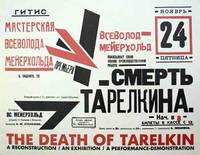
The Death of Tarelkin: A Reconstruction an Exhibition A Performance-Demonstration.
New York New York: City University of New York 1985. Folio. 56 x 43 cm. Wove Paper with B&W Photographs. Double Sided. One Side Describes the 1985 Production by the City University of New York. One Side is a Reprint of the Play's Original Release Poster. New York, New York: City University of New York, 1985. unknown
Référence libraire : 16-2635
|
|
|
Graduate School of Journalism
THE RECORD: '46 POSTWAR BABY
New York City . no date stated but 1945 from the text "Our classes oened only a few days after the end of WWII." "This is the story of our year at Columbia." Hardcover 4to. Pale blue-grey cloth. Fully bw photo illustrated; text describes a typical week - day by day. Lengthy descriptions and humorous details about each professor and all 61 students. Each teacher and each student is shown with a very professionally-drawn caricature portrait by unnamed artist. Throughout the book are very neatly rendered corrections to the text for the printer - all done in the same black ink by the same person. Good spine ends and cover tips worn; cover cloth faded. Text lightly evenly toned; binding quite secure; hinges not cracked. Rare. . hardcover
Référence libraire : a110226
|
|
|
Graduate School of Business Administration, Harvard University
The Use & Disposition of Ships & Shipyards at the End of World War II
Washington DC: Government Printing Office 1945. Book. Very Good. Soft cover. 8vo - over 7¾ - 9¾" tall. 325pp. Brown paper covers black titles on front panel. Mild wear to extremities of binding. Stamp in red reads "Compliments of American Shipping Bureau." Contents are clean and unmarked. Two fold outs are crisp and intact. June 1945 report analyzes the drawdown and adjustments in use of American sea power at the end of WWII. Uncommon title. . Government Printing Office Paperback
Référence libraire : 000677
|
|
|
Graduate School Announcement, 1947-1948
University of Illinois Departments of Urbana
paperback. Good. Access codes and supplements are not guaranteed with used items. May be an ex-library book. paperback
Référence libraire : 1528535057.G ISBN : 1528535057 9781528535052

|
|
|
Graduated from Kumamoto Normal School
Agricultural Course Professor's Proposal Showa 6 year stencil
Not Available 1931. Soft Cover. Fine. The book is in fine condition. Not Available paperback
Référence libraire : 2082402113502557
|
|
|
Graebner, Theodore
Concordia Seminary; its history, architecture, and symbolism.
Saint Louis, Concordia Pub. House 1926. 128 pages illustrations, portraits 20 cm Softcover/Paperback, book in good condition, Exemplar in gutem Erhaltungszustand
Référence libraire : 49805

|
|
|
Graewe, Herbert
Untersuchung der Entwicklung des Zeichnens nach allen seinen Komponenten bei Kindern im Alter von 3 bis 14 Jahren und Vergleich dieser Komponenten untereinander unter spezieller Berücksichtigung des Phantasiezeichnens, insbesondere auch von Hergängen ("Erzählungsbildern").
Halle (Saale), Schroedel 1932. gr.-8°, 3 Bl. Titelei, 180 S., OKart., angerändert, Rü. ausgebleicht, sonst nur geringe Gebrauchs- und Stellspuren.
Référence libraire : SBLB0317
|
|
|
Grafton Grace editor Students Grades 1 3 Lakeshore School contributors
You see me as a wolf; poems by students Grades 1-3 Lakeshore School 1998-99 San Francisco California
San Francisco: California Poets in the Schools 1999. Spiral_bound. 118p. 8.5x11 inches lots of kid-sketched illustrations spiral-bound covers. California Poets in the Schools unknown books
Référence libraire : 152144

|
|
|
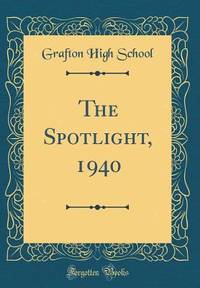
Grafton High School
The Spotlight 1940 Classic Reprint
hardcover. Good. Access codes and supplements are not guaranteed with used items. May be an ex-library book. hardcover
Référence libraire : 0260583545.G ISBN : 0260583545 9780260583543
|
|
|

 Recevoir par e-mail
 Télécharger en PDF
 Flux RSS
 Lien permanent


