|
CONTE - DELAUNAY
DESCRIPTION DE L'EGYPTE. Costumes et portraits. Costumes de femmes et de marchands, Saqqâ ou porteur d'eau, Ânier. (ETAT MODERNE, volume II, planche J)
Imprimerie Impériale | Paris 1809-1829 | 71 x 53.50 cm | une feuille
Riferimento per il libraio : 26376
|
|
|
CONTE - DELAUNAY - SCHROEDER (sculpsit)
DESCRIPTION DE L'EGYPTE. Arts et métiers. Charrue, Machine à battre les grains. (ETAT MODERNE, volume II, planche VIII)
Imprimerie Impériale | Paris 1809-1829 | 53.50 x 71 cm | une feuille
Riferimento per il libraio : 26330
|
|
|
CONTE - DELIGNON (sculpsit) - Hyacinthe LEGRAND (sculpsit)
DESCRIPTION DE L'EGYPTE. Arts et métiers. L'émouleur, Le Barbier. (ETAT MODERNE, volume II, planche XXV)
Imprimerie Impériale | Paris 1809-1829 | 53.50 x 71 cm | une feuille
Riferimento per il libraio : 26389
|
|
|
CONTE - DUTERTRE (delineavit) - BALTARD (sculpsit)
DESCRIPTION DE L'EGYPTE. Le Kaire Le Caire. Vues des tombeaux situés près de Gebel Moqattam & Vue des tombeaux situés près de la porte de Qarâfeh. ETAT MODERNE volume I planche 63
Paris: Imprimerie Impériale 1809. Fine. Imprimerie Impériale Paris 1809-1829 53.50 x 70.50 cm une feuille Original unshaved full-page etching from the Imperial edition of the Description de l'Égypte or Recueil des observations et recherches faites en Égypte pendant l'expédition française publié par les ordres de Sa Majesté l'Empereur Napoléon le Grand A Collection of the observations and research carried out in Egypt during the French expedition published on the orders of his Majesty the Emperor Napoleon the Great'.Produced between February 1802 and 1830 on the orders of Naopleon Bonaparte and published between 1809 and 1828 1000 copies were printed and distributed to institutions on vergé paper with an 'Égypte ancienne et moderne' watermark visible when held up to the light. Light marginal spotting not touching image otherwise in very fresh fine condition. An engraving from the Description de l'Egypte one of the masterpieces of French printing and the birth of a new field: Egyptology. A gigantic survey of Egypt at the time of Bonaparte's conquests in 1798 and 1799 the work is divided into 13 volumes of engravings making up 892 plates of which 72 colored as well as presenting the splendors of the Egypt of the Pharaohs in 9 volumes. The other volumes discuss natural history and present a fascinating portrait of Coptic and Islamic Egypt as it was seen by Bonaparte's Eastern Armies. The Egyptian campaign' militarily a disaster demonstrates through the engravings of the Description d'Egypte the scientific success it nonetheless became thanks to the 167 expert members of the Commission of the Sciences and Arts of the Institut d'Egypte Egyptian Institute who followed Napoleon's army. The Institut gathered together in Egypt the mathematician Monge the chemist Berthollet the naturalist Geoffroy Saint-Hilaire as well as numerous artists engineers architects and doctors. They were tasked with re-discovering modern and ancient Egypt and displaying its natural treasures as well as the know-how of its inhabitants.This edition the so-called Imperial edition of the plates for the Description de l'Egypte was printed in four large formats two of which were specially created for it and christened Moyen-Egypte and Grand-Egypte. A special press was built to print it the process extending over 20 years from 1809 to 1829. The Imperial edition proved so popular that a second edition this time in black and white and without the Egypte ancienne et moderne watermark known as the Royal Edition was published during the Restoration by the printing house of C.-L.-F. Panckoucke Paris.The engravings of the Description d'Egypte owe a great deal to Baron Dominique-Vivant Denon illustrator diplomat collector and later Director of the Musée Napoléon the Louvre. His exploration of the South of Egypt gave Bonaparte the idea of sending the experts of the Institut there thus creating a faithful and complete portrait of the area. This was the research gathered together from 1802 in the mammoth Description de L'Egypte.Denon embarked on this story of archeological exploration at the age of 51 reaching first Alexandria and then Cairo before exploring Upper Egypt. Along with the members of the Institut d'Egypte the Natural History Museum's painter H.J. Redouté brother of Pierre-Joseph Redouté author of Roses the mineralogist Dolomiue and the draughtsman Joly Denon then explored the Nile Delta and Lower Egypt. When however he joined the 21st Light Infantry Regiment as it marched across Upper Egypt in pursuit of the retreating Mameluks in November 1798 he found himself the only civilian. In the very midst of the battle itself he reeled off sketches of the works of art that peppered his path right up to the threshold of the Sudan. He said that he had crossed a country that is apart from its name entirely unknown to Europeans and therefore everything was worth describing Voyages dans la Basse et la Haute Egypte pendant les campag Imprimerie Impériale unknown
Riferimento per il libraio : 25348

|
|
|
CONTE - DUTERTRE (delineavit) - BALTARD (sculpsit)
DESCRIPTION DE L'EGYPTE. Le Kaire [Le Caire]. Vues des tombeaux situés près de Gebel Moqattam & Vue des tombeaux situés près de la porte de Qarâfeh. (ETAT MODERNE, volume I, planche 63)
Imprimerie Impériale | Paris 1809-1829 | 53.50 x 70.50 cm | une feuille
Riferimento per il libraio : 25348
|
|
|
CONTE - Edme-Francois JOMARD - BALTARD (sculpsit)
DESCRIPTION DE L'EGYPTE. Le Kaire Le Caire. Plans de plusieurs grandes mosquées Plan élévation et coupe de la mosquée appelée Gâma' el Daher Ponts situés sur le canal du Kaire. ETAT MODERNE volume I planche 27
Paris: Imprimerie Impériale 1809. Fine. Imprimerie Impériale Paris 1809-1829 70 x 53.50 cm une feuille Original unshaved full-page etching from the Imperial edition of the Description de l'Égypte or Recueil des observations et recherches faites en Égypte pendant l'expédition française publié par les ordres de Sa Majesté l'Empereur Napoléon le Grand A Collection of the observations and research carried out in Egypt during the French expedition published on the orders of his Majesty the Emperor Napoleon the Great'.Produced between February 1802 and 1830 on the orders of Naopleon Bonaparte and published between 1809 and 1828 1000 copies were printed and distributed to institutions on vergé paper with an 'Égypte ancienne et moderne' watermark visible when held up to the light. Light marginal spotting not touching image otherwise in very fresh fine condition. An engraving from the Description de l'Egypte one of the masterpieces of French printing and the birth of a new field: Egyptology. A gigantic survey of Egypt at the time of Bonaparte's conquests in 1798 and 1799 the work is divided into 13 volumes of engravings making up 892 plates of which 72 colored as well as presenting the splendors of the Egypt of the Pharaohs in 9 volumes. The other volumes discuss natural history and present a fascinating portrait of Coptic and Islamic Egypt as it was seen by Bonaparte's Eastern Armies. The Egyptian campaign' militarily a disaster demonstrates through the engravings of the Description d'Egypte the scientific success it nonetheless became thanks to the 167 expert members of the Commission of the Sciences and Arts of the Institut d'Egypte Egyptian Institute who followed Napoleon's army. The Institut gathered together in Egypt the mathematician Monge the chemist Berthollet the naturalist Geoffroy Saint-Hilaire as well as numerous artists engineers architects and doctors. They were tasked with re-discovering modern and ancient Egypt and displaying its natural treasures as well as the know-how of its inhabitants.This edition the so-called Imperial edition of the plates for the Description de l'Egypte was printed in four large formats two of which were specially created for it and christened Moyen-Egypte and Grand-Egypte. A special press was built to print it the process extending over 20 years from 1809 to 1829. The Imperial edition proved so popular that a second edition this time in black and white and without the Egypte ancienne et moderne watermark known as the Royal Edition was published during the Restoration by the printing house of C.-L.-F. Panckoucke Paris.The engravings of the Description d'Egypte owe a great deal to Baron Dominique-Vivant Denon illustrator diplomat collector and later Director of the Musée Napoléon the Louvre. His exploration of the South of Egypt gave Bonaparte the idea of sending the experts of the Institut there thus creating a faithful and complete portrait of the area. This was the research gathered together from 1802 in the mammoth Description de L'Egypte.Denon embarked on this story of archeological exploration at the age of 51 reaching first Alexandria and then Cairo before exploring Upper Egypt. Along with the members of the Institut d'Egypte the Natural History Museum's painter H.J. Redouté brother of Pierre-Joseph Redouté author of Roses the mineralogist Dolomiue and the draughtsman Joly Denon then explored the Nile Delta and Lower Egypt. When however he joined the 21st Light Infantry Regiment as it marched across Upper Egypt in pursuit of the retreating Mameluks in November 1798 he found himself the only civilian. In the very midst of the battle itself he reeled off sketches of the works of art that peppered his path right up to the threshold of the Sudan. He said that he had crossed a country that is apart from its name entirely unknown to Europeans and therefore everything was worth describing Voyages dans la Basse et la Haute Egypte pendant les campagnes Imprimerie Impériale unknown
Riferimento per il libraio : 25431

|
|
|
CONTE - Edme-Francois JOMARD - Louis-Alexandre DE BUIGNE
DESCRIPTION DE L'EGYPTE. Arts et métiers. Pressoir à huile de lin Moulin à huile de lin Moulin à huile de sésame Fourneau à torréfier la graine de sésame Four à poulets de Louqsor. ETAT MODERNE volume II planche I
Paris: Imprimerie Impériale 1809. Fine. Imprimerie Impériale Paris 1809-1829 71 x 53.50 cm une feuille Original etching in plano uncut extracted from the so-called ""Imperial"" edition of the Description de l'Égypte ou Recueil des observations et recherches faites en Égypte pendant l'expédition française publié par les ordres de Sa Majesté l'Empereur Napoléon le Grand. Executed between February 1802 and 1829 on Napoleon Bonaparte's orders and published from 1809 actually 1810 it was printed in 1000 copies on watermarked laid paper ""Égypte ancienne et moderne"" and presented to institutions. Light marginal foxing not affecting the engraving otherwise very fine condition and preservation. Volume ETAT MODERNE II : The genius of the Institute's scholars is particularly revealed through the plates of the section called Egypte Moderne. Architecture industry social structures sanitary conditions water systems music craftsmanship are presented with exceptional precision and graphic quality. The spirit of Diderot and d'Alembert's Encyclopédie remains underlying in the approach of the draughtsmen of the Description de L'Egypte who accompany the text volumes with numerous detailed plates endeavoring to create a portrait of the populations imbued with beauty and respect. Wealthy pashas or simple potter craftsmen are represented with sensitivity going about their occupations in the midst of aesthetic compositions without falling into idealism or caricature. LA DESCRIPTION DE L'EGYPTE IMPERIAL edition 1809-1829 : La Description de l'Egypte is one of the masterpieces of French publishing and the starting point of a new science: Egyptology. A titanic exposition of Egypt at the time of Bonaparte's conquests between 1798 and 1799 it is divided into 23 volumes including 13 volumes of engravings gathering nearly 1000 plates in black and 72 in color. The 6 volumes of plates entitled Antiquités are devoted to the splendors of Pharaonic Egypt. L'Histoire naturelle is divided into 3 volumes of engravings. One volume is devoted to Cartes géographiques et topographiques while the 3 volumes : Etat Moderne present a striking portrait of Coptic and Islamic Egypt as it was seen by Bonaparte's Army of the Orient. The ""Egyptian campaign"" a military disaster reveals through the engravings of the Description de l'Egypte the scientific success it became thanks to the some 167 scholars members of the Commission of Sciences and Arts of the Institute of Egypt who followed Napoleon's army. The Institute brought together in Egypt the mathematician Monge the chemist Berthollet the naturalist Geoffroy Saint-Hilaire as well as numerous artists engineers architects doctors. They were charged with rediscovering modern and ancient Egypt showing its natural riches and the know-how of its inhabitants. The first edition called ""Imperial"" of the Description de l'Egypte was executed in four large formats two of them specially created for it and named ""Moyen-Egypte"" and ""Grand-Egypte"" formats. A specific press was built for its printing which extended over twenty years between 1809 and 1829. The Imperial edition proved so popular that a second edition in 37 volumes entirely in black and without the ""Egypte ancienne et moderne"" watermark called the ""Panckoucke"" edition was published from 1821 by the C.-L.-F. Panckoucke printing house Paris. The realization of this monument of erudition owes much to Baron Dominique Vivant Denon illustrator diplomat collector and subsequently director of the Napoleon Museum at the Louvre who accompanied Napoleon to Egypt with many other scholars but decided alone to venture into the South of the country while the other invited scientists remained confined to the Cairo region. The fabulous sketches brought back by Denon during his romantic ride gave Bonaparte the idea of sending the other members of the Institute there and thus creating a faithful and complete portrait of the territory. Following Denon it was therefore the gr Imprimerie Impériale unknown
Riferimento per il libraio : 26322

|
|
|
CONTE - Edme-François JOMARD - BALTARD (sculpsit)
DESCRIPTION DE L'EGYPTE. Le Kaire [Le Caire]. Plans de plusieurs grandes mosquées, Plan, élévation et coupe de la mosquée appelée Gâma' el Daher, Ponts situés sur le canal du Kaire. (ETAT MODERNE, volume I, planche 27)
Imprimerie Impériale | Paris 1809-1829 | 70 x 53.50 cm | une feuille
Riferimento per il libraio : 25431
|
|
|
CONTE - Edme-François JOMARD - Louis-Alexandre DE BUIGNE
DESCRIPTION DE L'EGYPTE. Arts et métiers. Pressoir à huile de lin, Moulin à huile de lin, Moulin à huile de sésame, Fourneau à torréfier la graine de sésame, Four à poulets de Louqsor. (ETAT MODERNE, volume II, planche I)
Imprimerie Impériale | Paris 1809-1829 | 71 x 53.50 cm | une feuille
Riferimento per il libraio : 26322
|
|
|
CONTE - HUBERT (sculpsit)
DESCRIPTION DE L'EGYPTE. Arts et métiers. Vue intérieure du moulin à huile. ETAT MODERNE volume II planche XII
Paris: Imprimerie Impériale 1809. Fine. Imprimerie Impériale Paris 1809-1829 71 x 53.50 cm une feuille Original etching in plano untrimmed extracted from the so-called ""Imperial"" edition of the Description de l'Égypte ou Recueil des observations et recherches faites en Égypte pendant l'expédition française publié par les ordres de Sa Majesté l'Empereur Napoléon le Grand. Created between February 1802 and 1829 by order of Napoleon Bonaparte and published from 1809 actually 1810 it was printed in 1000 copies on watermarked laid paper ""Égypte ancienne et moderne"" and offered to institutions. Light and marginal foxing not affecting the engraving otherwise very fine condition and preservation. Volume ETAT MODERNE II: The genius of the Institute's scholars is particularly revealed through the plates of the section called Egypte Moderne. Architecture industry social structures health conditions water management music and craftsmanship are presented with exceptional precision and graphic quality. The spirit of Diderot and d'Alembert's L'Encyclopédie remains underlying in the approach of the Description de L'Egypte draftsmen who accompany the text volumes with numerous detailed plates endeavoring to create a portrait of the populations imbued with beauty and respect. Wealthy pashas or simple potter artisans are represented with sensitivity going about their occupations amid aesthetic compositions without falling into idealism or caricature. LA DESCRIPTION DE L'EGYPTE IMPERIAL edition 1809-1829: La Description de l'Egypte is one of the masterpieces of French publishing and the starting point of a new science: Egyptology. A titanic exposition of Egypt during Bonaparte's conquests between 1798 and 1799 it is divided into 23 volumes including 13 volumes of engravings gathering nearly 1000 plates in black and 72 in color. The 6 volumes of plates entitled Antiquités are devoted to the splendors of Pharaonic Egypt. L'Histoire naturelle is divided into 3 volumes of engravings. One volume is devoted to Cartes géographiques et topographiques while the 3 volumes : Etat Moderne present a striking portrait of Coptic and Islamic Egypt as it was seen by Bonaparte's armies of the Orient. The ""Egyptian campaign"" a military disaster reveals through the engravings of the Description de l'Egypte the scientific success it became thanks to the approximately 167 scholars members of the Commission of Sciences and Arts of the Institute of Egypt who followed Napoleon's army. The Institute brought together in Egypt the mathematician Monge the chemist Berthollet the naturalist Geoffroy Saint-Hilaire as well as numerous artists engineers architects doctors. They were charged with rediscovering modern and ancient Egypt showing its natural riches and the expertise of its inhabitants. The first edition called ""Imperial"" of the Description de l'Egypte was produced in four large formats two of them specially created for it and named ""Moyen-Egypte"" and ""Grand-Egypte"" formats. A specific press was built for its printing which stretched over twenty years between 1809 and 1829. The Imperial edition proved so popular that a second edition in 37 volumes entirely in black and without the ""Egypte ancienne et moderne"" watermark called the ""Panckoucke"" edition was published from 1821 by the C.-L.-F. Panckoucke printing house Paris. The realization of this monument of erudition owes much to Baron Dominique Vivant Denon illustrator diplomat collector and later director of the Napoleon Museum at the Louvre who accompanied Napoleon to Egypt with many other scholars but decided alone to venture into the South of the country while the other invited scientists remained confined to the Cairo region. The fabulous sketches brought back by Denon from his romantic ride gave Bonaparte the idea to send the other members of the Institute there and thus create a faithful and complete portrait of the territory. Following Denon it was therefore the greatest French scientis Imprimerie Impériale unknown
Riferimento per il libraio : 26337

|
|
|
CONTE - HUBERT (sculpsit)
DESCRIPTION DE L'EGYPTE. Arts et métiers. Vue intérieure du moulin à huile. (ETAT MODERNE, volume II, planche XII)
Imprimerie Impériale | Paris 1809-1829 | 71 x 53.50 cm | une feuille
Riferimento per il libraio : 26337
|
|
|
CONTE - INGOUF JEUNE (sculpsit)
DESCRIPTION DE L'EGYPTE. Arts et métiers. Le Brodeur au tambour Le Fabricant de feutres. ETAT MODERNE volume II planche XVII
Paris: Imprimerie Impériale 1809. Fine. Imprimerie Impériale Paris 1809-1829 53.50 x 71 cm une feuille Original etching in plano untrimmed extracted from the so-called ""Imperial"" edition of the Description de l'Égypte ou Recueil des observations et recherches faites en Égypte pendant l'expédition française publié par les ordres de Sa Majesté l'Empereur Napoléon le Grand. Produced between February 1802 and 1829 by order of Napoleon Bonaparte and published from 1809 actually 1810 it was printed in 1000 copies on watermarked laid paper ""Égypte ancienne et moderne"" and offered to institutions. Light and marginal foxing not affecting the engraving otherwise very fine state of freshness and preservation. Volume ETAT MODERNE II: The genius of the Institute's scholars is particularly revealed through the plates of the section called Egypte Moderne. Architecture industry social structures health conditions water management music craftsmanship are presented with exceptional precision and graphic quality. The spirit of Diderot and d'Alembert's L'Encyclopédie remains underlying in the approach of the draughtsmen of the Description de L'Egypte who accompany the text volumes with numerous detailed plates striving to create a portrait of the populations imbued with beauty and respect. Wealthy pashas or simple potter craftsmen are represented with sensitivity going about their occupations amid aesthetic compositions without falling into idealism or caricature. LA DESCRIPTION DE L'EGYPTE IMPERIAL edition 1809-1829: La Description de l'Egypte is one of the masterpieces of French publishing and the starting point of a new science: Egyptology. A titanic exposition of Egypt at the time of Bonaparte's conquests between 1798 and 1799 it is divided into 23 volumes including 13 volumes of engravings gathering nearly 1000 plates in black and 72 in color. The 6 volumes of plates entitled Antiquités are devoted to the splendors of pharaonic Egypt. L'Histoire naturelle is distributed across 3 volumes of engravings. One volume is devoted to Cartes géographiques et topographiques while the 3 volumes : Etat Moderne present a striking portrait of Coptic and Islamic Egypt as it was seen by Bonaparte's Oriental armies. The ""Egyptian campaign"" a military disaster reveals through the engravings of the Description de l'Egypte the scientific success it became thanks to the approximately 167 scholars members of the Commission of Sciences and Arts of the Institute of Egypt who followed Napoleon's army. The Institute brought together in Egypt the mathematician Monge the chemist Berthollet the naturalist Geoffroy Saint-Hilaire as well as numerous artists engineers architects doctors. They were charged with rediscovering modern and ancient Egypt showing its natural riches and the know-how of its inhabitants. The first edition called ""Imperial"" of the Description de l'Egypte was produced in four large formats two of them specially created for it and named ""Moyen-Egypte"" and ""Grand-Egypte"" formats. A specific press was built for its printing which stretched over twenty years between 1809 and 1829. The Imperial edition proved so popular that a second edition in 37 volumes entirely in black and without the watermark ""Egypte ancienne et moderne"" called the ""Panckoucke"" edition was published from 1821 by the C.-L.-F. Panckoucke printing house Paris. The realization of this monument of erudition owes much to Baron Dominique Vivant Denon illustrator diplomat collector and subsequently director of the Napoleon Museum of the Louvre who accompanied Napoleon to Egypt with numerous other scholars but decided alone to venture into the South of the country while the other invited scientists remained confined to the Cairo region. The fabulous sketches brought back by Denon during his romantic ride gave Bonaparte the idea to send the other members of the Institute there and thus draw a faithful and complete portrait of the territory. Following Denon it was there Imprimerie Impériale unknown
Riferimento per il libraio : 26344

|
|
|
CONTE - INGOUF JEUNE (sculpsit)
DESCRIPTION DE L'EGYPTE. Arts et métiers. Le Brodeur au tambour, Le Fabricant de feutres. (ETAT MODERNE, volume II, planche XVII)
Imprimerie Impériale | Paris 1809-1829 | 53.50 x 71 cm | une feuille
Riferimento per il libraio : 26344
|
|
|
CONTE - Louis-Alexandre DE BUIGNE
DESCRIPTION DE L'EGYPTE. Arts et métiers. Four à poulets du Kaire Four à chaux Four à plâtre Four à poteries Tour du potier Four à verrerie Four à verrerie pour le sel ammoniaque Four à sel ammoniaque. ETAT MODERNE volume II planche II
Paris: Imprimerie Impériale 1809. Fine. Imprimerie Impériale Paris 1809-1829 71 x 53.50 cm une feuille Original etching in plano uncut extracted from the so-called ""Imperial"" edition of the Description de l'Égypte ou Recueil des observations et recherches faites en Égypte pendant l'expédition française publié par les ordres de Sa Majesté l'Empereur Napoléon le Grand. Executed between February 1802 and 1829 on Napoleon Bonaparte's orders and published from 1809 actually 1810 it was printed in 1000 copies on watermarked laid paper ""Égypte ancienne et moderne"" and presented to institutions. Light marginal foxing not affecting the engraving otherwise very fine condition and preservation. ISLAMIC ARCHITECTURE OF CAIRO : The set of engravings to which this plate belongs constitutes one of the first reasoned studies of the monuments of Islamic Egypt in Cairo gathering plans sections and elevations of mosques mausoleums and fortifications from the 9th century Tulunid period to the Mamluk constructions contemporary with the arrival of Bonaparte's troops. Furthermore the architects and engineers of the Institute of Egypt realized a large series of plates devoted to dwellings and civil constructions whether of grand or more modest execution providing precious testimony on the life of Cairenes at the end of the 19th century. The few ancient vestiges remaining in the city were also immortalized by the scholars of the Institute who had established their quarters in the capital. Volume ETAT MODERNE II : The genius of the Institute's scholars is particularly revealed through the plates of the section called Egypte Moderne. Architecture industry social structures sanitary conditions water systems music craftsmanship are presented with exceptional precision and graphic quality. The spirit of Diderot and d'Alembert's Encyclopédie remains underlying in the approach of the draughtsmen of the Description de L'Egypte who accompany the text volumes with numerous detailed plates endeavoring to create a portrait of the populations imbued with beauty and respect. Wealthy pashas or simple potter craftsmen are represented with sensitivity going about their occupations in the midst of aesthetic compositions without falling into idealism or caricature. LA DESCRIPTION DE L'EGYPTE IMPERIAL edition 1809-1829 : La Description de l'Egypte is one of the masterpieces of French publishing and the starting point of a new science: Egyptology. A titanic exposition of Egypt at the time of Bonaparte's conquests between 1798 and 1799 it is divided into 23 volumes including 13 volumes of engravings gathering nearly 1000 plates in black and 72 in color. The 6 volumes of plates entitled Antiquités are devoted to the splendors of Pharaonic Egypt. L'Histoire naturelle is divided into 3 volumes of engravings. One volume is devoted to Cartes géographiques et topographiques while the 3 volumes : Etat Moderne present a striking portrait of Coptic and Islamic Egypt as it was seen by Bonaparte's Army of the Orient. The ""Egyptian campaign"" a military disaster reveals through the engravings of the Description de l'Egypte the scientific success it became thanks to the some 167 scholars members of the Commission of Sciences and Arts of the Institute of Egypt who followed Napoleon's army. The Institute brought together in Egypt the mathematician Monge the chemist Berthollet the naturalist Geoffroy Saint-Hilaire as well as numerous artists engineers architects doctors. They were charged with rediscovering modern and ancient Egypt showing its natural riches and the know-how of its inhabitants. The first edition called ""Imperial"" of the Description de l'Egypte was executed in four large formats two of them specially created for it and named ""Moyen-Egypte"" and ""Grand-Egypte"" formats. A specific press was built for its printing which extended over twenty years between 1809 and 1829. The Imperial edition proved so popular that a second edition in 37 volumes entirely in Imprimerie Impériale unknown
Riferimento per il libraio : 26321

|
|
|
CONTE - Louis-Alexandre DE BUIGNE
DESCRIPTION DE L'EGYPTE. Arts et métiers. Four à poulets du Kaire, Four à chaux, Four à plâtre, Four à poteries, Tour du potier, Four à verrerie, Four à verrerie pour le sel ammoniaque, Four à sel ammoniaque. (ETAT MODERNE, volume II, planche II)
Imprimerie Impériale | Paris 1809-1829 | 71 x 53.50 cm | une feuille
Riferimento per il libraio : 26321
|
|
|
CONTE - MALBESTE (sculpsit)
DESCRIPTION DE L'EGYPTE. Arts et métiers. L'Arçonneur de coton Le Fileur et la dévideuse de laine Le Tourneur et le serrurier en bois. ETAT MODERNE volume II planche XV
Paris: Imprimerie Impériale 1809. Fine. Imprimerie Impériale Paris 1809-1829 53.50 x 71 cm une feuille Original etching in plano untrimmed extracted from the so-called ""Imperial"" edition of the Description de l'Égypte ou Recueil des observations et recherches faites en Égypte pendant l'expédition française publié par les ordres de Sa Majesté l'Empereur Napoléon le Grand. Executed between February 1802 and 1829 by order of Napoleon Bonaparte and published from 1809 actually 1810 it was printed in 1000 copies on laid paper watermarked ""Égypte ancienne et moderne"" and presented to institutions. Slight and marginal foxing not affecting the engraving otherwise very fine condition and preservation. Volume ETAT MODERNE II: The genius of the Institute's scholars is particularly revealed through the plates of the section called Egypte Moderne. Architecture industry social structures sanitary conditions water systems music craftsmanship are presented with exceptional precision and graphic quality. The spirit of Diderot and d'Alembert's Encyclopédie remains underlying in the approach of the draughtsmen of the Description de L'Egypte who accompany the text volumes with numerous detailed plates endeavoring to create a portrait of the populations imbued with beauty and respect. Rich pashas or simple potter craftsmen are represented with sensitivity going about their occupations amid aesthetic compositions without falling into idealism or caricature. LA DESCRIPTION DE L'EGYPTE IMPERIAL edition 1809-1829: La Description de l'Egypte is one of the masterpieces of French publishing and the starting point of a new science: Egyptology. A titanic exposition of Egypt at the time of Bonaparte's conquests between 1798 and 1799 it is divided into 23 volumes including 13 volumes of engravings gathering nearly 1000 plates in black and 72 in color. The 6 volumes of plates entitled Antiquités are devoted to the splendors of pharaonic Egypt. L'Histoire naturelle is distributed across 3 volumes of engravings. One volume is devoted to Cartes géographiques et topographiques while the 3 volumes : Etat Moderne present a striking portrait of Coptic and Islamic Egypt as it was seen by Bonaparte's armies of the Orient. The ""Egyptian campaign"" a military disaster reveals through the engravings of the Description de l'Egypte the scientific success it became thanks to the some 167 scholars members of the Commission of Sciences and Arts of the Institute of Egypt who followed Napoleon's army. The Institute brought together in Egypt the mathematician Monge the chemist Berthollet the naturalist Geoffroy Saint-Hilaire as well as numerous artists engineers architects physicians. They were charged with rediscovering modern and ancient Egypt showing its natural riches and the know-how of its inhabitants. The first edition called ""Imperial"" of the Description de l'Egypte was produced in four large formats two of them specially created for it and named ""Moyen-Egypte"" and ""Grand-Egypte"" formats. A specific press was built for its printing which stretched over twenty years between 1809 and 1829. The Imperial edition proved so popular that a second edition in 37 volumes entirely in black and without the watermark ""Egypte ancienne et moderne"" called the ""Panckoucke"" edition was published from 1821 by the C.-L.-F. Panckoucke printing house Paris. The realization of this monument of erudition owes much to Baron Dominique Vivant Denon illustrator diplomat collector and subsequently director of the Napoleon museum at the Louvre who accompanied Napoleon to Egypt with numerous other scholars but decided alone to venture into the South of the country while the other invited scientists remained confined to the Cairo region. The fabulous sketches brought back by Denon during his romantic ride gave Bonaparte the idea to send the other members of the Institute there and thus draw a faithful and complete portrait of the territory. Following Denon it was therefore the g Imprimerie Impériale unknown
Riferimento per il libraio : 26342

|
|
|
CONTE - MALBESTE (sculpsit)
DESCRIPTION DE L'EGYPTE. Arts et métiers. L'Arçonneur de coton, Le Fileur et la dévideuse de laine, Le Tourneur et le serrurier en bois. (ETAT MODERNE, volume II, planche XV)
Imprimerie Impériale | Paris 1809-1829 | 53.50 x 71 cm | une feuille
Riferimento per il libraio : 26342
|
|
|
CONTE - REDOUTE (delineavit) - COUCHE (sculpsit)
DESCRIPTION DE L'EGYPTE. Basse Egypte. Vues de Beny-Salâmeh et d'un puits sur la branche de Rosette & Vue d'Omm-Dynâr prise du côté de l'est. ETAT MODERNE volume I planche 78
Paris: Imprimerie Impériale 1809. Fine. Imprimerie Impériale Paris 1809-1829 53.50 x 70 cm une feuille Original unshaved full-page etching from the Imperial edition of the Description de l'Égypte or Recueil des observations et recherches faites en Égypte pendant l'expédition française publié par les ordres de Sa Majesté l'Empereur Napoléon le Grand A Collection of the observations and research carried out in Egypt during the French expedition published on the orders of his Majesty the Emperor Napoleon the Great'.Produced between February 1802 and 1830 on the orders of Naopleon Bonaparte and published between 1809 and 1828 1000 copies were printed and distributed to institutions on vergé paper with an 'Égypte ancienne et moderne' watermark visible when held up to the light. Light marginal spotting not touching image otherwise in very fresh fine condition. An engraving from the Description de l'Egypte one of the masterpieces of French printing and the birth of a new field: Egyptology. A gigantic survey of Egypt at the time of Bonaparte's conquests in 1798 and 1799 the work is divided into 13 volumes of engravings making up 892 plates of which 72 colored as well as presenting the splendors of the Egypt of the Pharaohs in 9 volumes. The other volumes discuss natural history and present a fascinating portrait of Coptic and Islamic Egypt as it was seen by Bonaparte's Eastern Armies. The Egyptian campaign' militarily a disaster demonstrates through the engravings of the Description d'Egypte the scientific success it nonetheless became thanks to the 167 expert members of the Commission of the Sciences and Arts of the Institut d'Egypte Egyptian Institute who followed Napoleon's army. The Institut gathered together in Egypt the mathematician Monge the chemist Berthollet the naturalist Geoffroy Saint-Hilaire as well as numerous artists engineers architects and doctors. They were tasked with re-discovering modern and ancient Egypt and displaying its natural treasures as well as the know-how of its inhabitants.This edition the so-called Imperial edition of the plates for the Description de l'Egypte was printed in four large formats two of which were specially created for it and christened Moyen-Egypte and Grand-Egypte. A special press was built to print it the process extending over 20 years from 1809 to 1829. The Imperial edition proved so popular that a second edition this time in black and white and without the Egypte ancienne et moderne watermark known as the Royal Edition was published during the Restoration by the printing house of C.-L.-F. Panckoucke Paris.The engravings of the Description d'Egypte owe a great deal to Baron Dominique-Vivant Denon illustrator diplomat collector and later Director of the Musée Napoléon the Louvre. His exploration of the South of Egypt gave Bonaparte the idea of sending the experts of the Institut there thus creating a faithful and complete portrait of the area. This was the research gathered together from 1802 in the mammoth Description de L'Egypte.Denon embarked on this story of archeological exploration at the age of 51 reaching first Alexandria and then Cairo before exploring Upper Egypt. Along with the members of the Institut d'Egypte the Natural History Museum's painter H.J. Redouté brother of Pierre-Joseph Redouté author of Roses the mineralogist Dolomiue and the draughtsman Joly Denon then explored the Nile Delta and Lower Egypt. When however he joined the 21st Light Infantry Regiment as it marched across Upper Egypt in pursuit of the retreating Mameluks in November 1798 he found himself the only civilian. In the very midst of the battle itself he reeled off sketches of the works of art that peppered his path right up to the threshold of the Sudan. He said that he had crossed a country that is apart from its name entirely unknown to Europeans and therefore everything was worth describing Voyages dans la Basse et la Haute Egypte pendant les campagnes Imprimerie Impériale unknown
Riferimento per il libraio : 25376

|
|
|
CONTE - REDOUTE (delineavit) - COUCHE (sculpsit)
DESCRIPTION DE L'EGYPTE. Basse Egypte. Vues de Beny-Salâmeh et d'un puits sur la branche de Rosette & Vue d'Omm-Dynâr prise du côté de l'est. (ETAT MODERNE, volume I, planche 78)
Imprimerie Impériale | Paris 1809-1829 | 53.50 x 70 cm | une feuille
Riferimento per il libraio : 25376
|
|
|
CONTE - SCHROEDER (sculpsit) - VOYSARD (sculpsit)
DESCRIPTION DE L'EGYPTE. Arts et métiers. Vue intérieure de l'atelier du tisserand. ETAT MODERNE volume II planche XIII
Paris: Imprimerie Impériale 1809. Fine. Imprimerie Impériale Paris 1809-1829 71 x 53.50 cm une feuille Original etching in plano untrimmed extracted from the so-called ""Imperial"" edition of the Description de l'Égypte ou Recueil des observations et recherches faites en Égypte pendant l'expédition française publié par les ordres de Sa Majesté l'Empereur Napoléon le Grand. Created between February 1802 and 1829 by order of Napoleon Bonaparte and published from 1809 actually 1810 it was printed in 1000 copies on watermarked laid paper ""Égypte ancienne et moderne"" and offered to institutions. Light and marginal foxing not affecting the engraving otherwise very fine condition and preservation. Volume ETAT MODERNE II: The genius of the Institute's scholars is particularly revealed through the plates of the section called Egypte Moderne. Architecture industry social structures health conditions water management music and craftsmanship are presented with exceptional precision and graphic quality. The spirit of Diderot and d'Alembert's L'Encyclopédie remains underlying in the approach of the Description de L'Egypte draftsmen who accompany the text volumes with numerous detailed plates endeavoring to create a portrait of the populations imbued with beauty and respect. Wealthy pashas or simple potter artisans are represented with sensitivity going about their occupations amid aesthetic compositions without falling into idealism or caricature. LA DESCRIPTION DE L'EGYPTE IMPERIAL edition 1809-1829: La Description de l'Egypte is one of the masterpieces of French publishing and the starting point of a new science: Egyptology. A titanic exposition of Egypt during Bonaparte's conquests between 1798 and 1799 it is divided into 23 volumes including 13 volumes of engravings gathering nearly 1000 plates in black and 72 in color. The 6 volumes of plates entitled Antiquités are devoted to the splendors of Pharaonic Egypt. L'Histoire naturelle is divided into 3 volumes of engravings. One volume is devoted to Cartes géographiques et topographiques while the 3 volumes : Etat Moderne present a striking portrait of Coptic and Islamic Egypt as it was seen by Bonaparte's armies of the Orient. The ""Egyptian campaign"" a military disaster reveals through the engravings of the Description de l'Egypte the scientific success it became thanks to the approximately 167 scholars members of the Commission of Sciences and Arts of the Institute of Egypt who followed Napoleon's army. The Institute brought together in Egypt the mathematician Monge the chemist Berthollet the naturalist Geoffroy Saint-Hilaire as well as numerous artists engineers architects doctors. They were charged with rediscovering modern and ancient Egypt showing its natural riches and the expertise of its inhabitants. The first edition called ""Imperial"" of the Description de l'Egypte was produced in four large formats two of them specially created for it and named ""Moyen-Egypte"" and ""Grand-Egypte"" formats. A specific press was built for its printing which stretched over twenty years between 1809 and 1829. The Imperial edition proved so popular that a second edition in 37 volumes entirely in black and without the ""Egypte ancienne et moderne"" watermark called the ""Panckoucke"" edition was published from 1821 by the C.-L.-F. Panckoucke printing house Paris. The realization of this monument of erudition owes much to Baron Dominique Vivant Denon illustrator diplomat collector and later director of the Napoleon Museum at the Louvre who accompanied Napoleon to Egypt with many other scholars but decided alone to venture into the South of the country while the other invited scientists remained confined to the Cairo region. The fabulous sketches brought back by Denon from his romantic ride gave Bonaparte the idea to send the other members of the Institute there and thus create a faithful and complete portrait of the territory. Following Denon it was therefore the greatest French scientis Imprimerie Impériale unknown
Riferimento per il libraio : 26339

|
|
|
CONTE - SCHROEDER (sculpsit)
DESCRIPTION DE L'EGYPTE. Arts et métiers. Le Faiseur de nattes Le Faiseur de couffes. ETAT MODERNE volume II planche XX
Paris: Imprimerie Impériale 1809. Fine. Imprimerie Impériale Paris 1809-1829 53.50 x 71 cm une feuille Original etching in plano format untrimmed extracted from the so-called ""Imperial"" edition of the Description de l'Égypte ou Recueil des observations et recherches faites en Égypte pendant l'expédition française publié par les ordres de Sa Majesté l'Empereur Napoléon le Grand. Produced between February 1802 and 1829 by order of Napoleon Bonaparte and published from 1809 actually 1810 it was printed in 1000 copies on laid paper watermarked ""Égypte ancienne et moderne"" and presented to institutions. Light and marginal foxing not affecting the engraving otherwise very fine state of freshness and preservation. VOLUME ETAT MODERNE II: The genius of the scholars of the Institute is particularly revealed through the plates of the section called Egypte Moderne. Architecture industry social structures health conditions water management music craftsmanship are presented with exceptional precision and graphic quality. The spirit of L'Encyclopédie by Diderot and d'Alembert remains underlying in the approach of the draftsmen of the Description de L'Egypte who accompany the text volumes with numerous detailed plates endeavoring to create a portrait of the populations imbued with beauty and respect. Rich pashas or simple potter craftsmen are represented with sensitivity going about their occupations in the midst of aesthetic compositions without falling into idealism or caricature. LA DESCRIPTION DE L'EGYPTE IMPERIAL edition 1809-1829: La Description de l'Egypte is one of the masterpieces of French publishing and the starting point of a new science: Egyptology. A titanic exposition of Egypt at the time of Bonaparte's conquests between 1798 and 1799 it is divided into 23 volumes including 13 volumes of engravings gathering nearly 1000 black plates and 72 in color. The 6 volumes of plates entitled Antiquités are devoted to the splendors of pharaonic Egypt. L'Histoire naturelle is divided into 3 volumes of engravings. One volume is devoted to Cartes géographiques et topographiques while the 3 volumes : Etat Moderne present a striking portrait of Coptic and Islamic Egypt as it was seen by Bonaparte's Army of the Orient. The ""Egyptian campaign"" a military disaster reveals through the engravings of the Description de l'Egypte the scientific success it became thanks to the some 167 scholars members of the Commission of Sciences and Arts of the Institute of Egypt who followed Napoleon's army. The Institute brought together in Egypt the mathematician Monge the chemist Berthollet the naturalist Geoffroy Saint-Hilaire as well as numerous artists engineers architects doctors. They were charged with rediscovering modern and ancient Egypt showing its natural riches and the know-how of its inhabitants. The first edition called ""Imperial"" of the Description de l'Egypte was produced in four large formats two of them specially created for it and named ""Moyen-Egypte"" and ""Grand-Egypte"" formats. A specific press was built for its printing which extended over twenty years between 1809 and 1829. The Imperial edition proved so popular that a second edition in 37 volumes entirely in black and without the watermark ""Égypte ancienne et moderne"" called the ""Panckoucke"" edition was published from 1821 by the C.-L.-F. Panckoucke printing house Paris. The realization of this monument of erudition owes much to Baron Dominique Vivant Denon illustrator diplomat collector and subsequently director of the Napoleon Museum at the Louvre who accompanied Napoleon to Egypt with numerous other scholars but decided alone to venture into the South of the country while the other invited scientists remained confined to the Cairo region. The fabulous sketches brought back by Denon from his romantic ride gave Bonaparte the idea to send the other members of the Institute there and thus create a faithful and complete portrait of the territory. Following Denon it Imprimerie Impériale unknown
Riferimento per il libraio : 26348

|
|
|
CONTE - SCHROEDER (sculpsit)
DESCRIPTION DE L'EGYPTE. Arts et métiers. Le Faiseur de nattes, Le Faiseur de couffes. (ETAT MODERNE, volume II, planche XX)
Imprimerie Impériale | Paris 1809-1829 | 53.50 x 71 cm | une feuille
Riferimento per il libraio : 26348
|
|
|
CONTE - SCHROEDER (sculpsit) - VOYSARD (sculpsit)
DESCRIPTION DE L'EGYPTE. Arts et métiers. Vue intérieure de l'atelier du tisserand. (ETAT MODERNE, volume II, planche XIII)
Imprimerie Impériale | Paris 1809-1829 | 71 x 53.50 cm | une feuille
Riferimento per il libraio : 26339
|
|
|
CONTE - TEXIER
DESCRIPTION DE L'EGYPTE. Arts et métiers. Le Fabricant de sel ammoniaque. ETAT MODERNE volume II planche XXIV
Paris: Imprimerie Impériale 1809. Fine. Imprimerie Impériale Paris 1809-1829 71 x 53.50 cm une feuille Original etching in plano untrimmed extracted from the so-called ""Imperial"" edition of the Description de l'Égypte ou Recueil des observations et recherches faites en Égypte pendant l'expédition française publié par les ordres de Sa Majesté l'Empereur Napoléon le Grand. Executed between February 1802 and 1829 by order of Napoleon Bonaparte and published from 1809 actually 1810 it was printed in 1000 copies on watermarked laid paper ""Égypte ancienne et moderne"" and offered to institutions. Light and marginal foxing not affecting the engraving otherwise in very fine fresh condition and preservation. Volume MODERN STATE II: The genius of the scholars of the Institute is particularly revealed through the plates of the section called Modern Egypt. Architecture industry social structures health conditions water systems music crafts are displayed with exceptional precision and graphic quality. The spirit of Diderot and d'Alembert's Encyclopédie remains underlying in the approach of the draftsmen of the Description de L'Egypte who accompany the text volumes with numerous detailed plates endeavoring to create a portrait of the populations imbued with beauty and respect. Wealthy pachas or simple potter craftsmen are represented with sensitivity going about their occupations amid aesthetic compositions without falling into idealism or caricature. THE DESCRIPTION DE L'EGYPTE IMPERIAL edition 1809-1829: La Description de l'Egypte is one of the masterpieces of French publishing and the starting point of a new science: Egyptology. A titanic exposition of Egypt at the time of Bonaparte's conquests between 1798 and 1799 it is divided into 23 volumes including 13 volumes of engravings gathering nearly 1000 plates in black and 72 in color. The 6 volumes of plates titled Antiquités are devoted to the splendors of Pharaonic Egypt. Natural History is divided into 3 volumes of engravings. One volume is devoted to Geographic and topographic maps while the 3 volumes : Modern State present a striking portrait of Coptic and Islamic Egypt as it was seen by Bonaparte's Army of the Orient. The ""Egyptian campaign"" a military disaster reveals through the engravings of the Description de l'Egypte the scientific success it became thanks to the some 167 scholars members of the Commission of Sciences and Arts of the Institute of Egypt who followed Napoleon's army. The Institute brought together in Egypt the mathematician Monge the chemist Berthollet the naturalist Geoffroy Saint-Hilaire as well as numerous artists engineers architects physicians. They were charged with rediscovering modern and ancient Egypt showing its natural riches and the know-how of its inhabitants. The first edition called ""Imperial"" of the Description de l'Egypte was executed in four large formats two of them specially created for it and named ""Middle-Egypt"" and ""Grand-Egypt"" formats. A specific press was built for its printing which extended over twenty years between 1809 and 1829. The Imperial edition proved so popular that a second edition in 37 volumes entirely in black and without the ""Ancient and modern Egypt"" watermark called the ""Panckoucke"" edition was published from 1821 by the C.-L.-F. Panckoucke printing house Paris. The realization of this monument of erudition owes much to Baron Dominique Vivant Denon illustrator diplomat collector and subsequently director of the Napoléon Museum at the Louvre who accompanied Napoleon to Egypt with numerous other scholars but decided alone to venture into the South of the country while the other invited scientists remained confined to the Cairo region. The fabulous sketches brought back by Denon from his romantic ride gave Bonaparte the idea to send the other members of the Institute there and thus create a faithful and complete portrait of the territory. Following Denon it was therefore the greatest French scientis Imprimerie Impériale unknown
Riferimento per il libraio : 26388

|
|
|
CONTE - TEXIER
DESCRIPTION DE L'EGYPTE. Arts et métiers. Le Fabricant de sel ammoniaque. (ETAT MODERNE, volume II, planche XXIV)
Imprimerie Impériale | Paris 1809-1829 | 71 x 53.50 cm | une feuille
Riferimento per il libraio : 26388
|
|
|
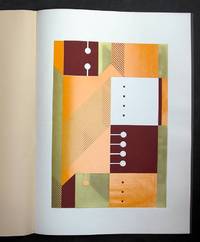
CONTE - UNGARETTI, Giuseppe (Alessandria d'Egitto, 1888 - Milano, 1970)
Michelangelo Conte
Macerata - Roma: Foglio Editrice Serigrafia d'Arte 1969. Rilegato mezza tela half-cloth binding. Ottimo Fine. Un testo di Michelangelo Conte e 5 proverbi di Giuseppe Ungaretti. Con 16 serigrafie originali a colori su carta pesante di Conte cm 68x48. Folio cm 68x48. pp. 48. Ottimo Fine. Edizione numerata Numbered Edition. Foglio Editrice, Serigrafia d'Arte hardcover
Riferimento per il libraio : 94422
|
|
|
CONTE - VOYEZ (sculpsit)
DESCRIPTION DE L'EGYPTE. Costumes et portraits. Sâys ou palefrenier Femme du peuple. ETAT MODERNE volume II planche A
Paris: Imprimerie Impériale 1809. Fine. Imprimerie Impériale Paris 1809-1829 71 x 53.50 cm une feuille Original unshaved full-page etching from the Imperial edition of the Description de l'Égypte or Recueil des observations et recherches faites en Égypte pendant l'expédition française publié par les ordres de Sa Majesté l'Empereur Napoléon le Grand A Collection of the observations and research carried out in Egypt during the French expedition published on the orders of his Majesty the Emperor Napoleon the Great'.Produced between February 1802 and 1830 on the orders of Naopleon Bonaparte and published between 1809 and 1828 1000 copies were printed and distributed to institutions on vergé paper with an 'Égypte ancienne et moderne' watermark visible when held up to the light. Light marginal spotting not touching image otherwise in very fresh fine condition. An engraving from the Description de l'Egypte one of the masterpieces of French printing and the birth of a new field: Egyptology. A gigantic survey of Egypt at the time of Bonaparte's conquests in 1798 and 1799 the work is divided into 13 volumes of engravings making up 892 plates of which 72 colored as well as presenting the splendors of the Egypt of the Pharaohs in 9 volumes. The other volumes discuss natural history and present a fascinating portrait of Coptic and Islamic Egypt as it was seen by Bonaparte's Eastern Armies. The Egyptian campaign' militarily a disaster demonstrates through the engravings of the Description d'Egypte the scientific success it nonetheless became thanks to the 167 expert members of the Commission of the Sciences and Arts of the Institut d'Egypte Egyptian Institute who followed Napoleon's army. The Institut gathered together in Egypt the mathematician Monge the chemist Berthollet the naturalist Geoffroy Saint-Hilaire as well as numerous artists engineers architects and doctors. They were tasked with re-discovering modern and ancient Egypt and displaying its natural treasures as well as the know-how of its inhabitants.This edition the so-called Imperial edition of the plates for the Description de l'Egypte was printed in four large formats two of which were specially created for it and christened Moyen-Egypte and Grand-Egypte. A special press was built to print it the process extending over 20 years from 1809 to 1829. The Imperial edition proved so popular that a second edition this time in black and white and without the Egypte ancienne et moderne watermark known as the Royal Edition was published during the Restoration by the printing house of C.-L.-F. Panckoucke Paris.The engravings of the Description d'Egypte owe a great deal to Baron Dominique-Vivant Denon illustrator diplomat collector and later Director of the Musée Napoléon the Louvre. His exploration of the South of Egypt gave Bonaparte the idea of sending the experts of the Institut there thus creating a faithful and complete portrait of the area. This was the research gathered together from 1802 in the mammoth Description de L'Egypte.Denon embarked on this story of archeological exploration at the age of 51 reaching first Alexandria and then Cairo before exploring Upper Egypt. Along with the members of the Institut d'Egypte the Natural History Museum's painter H.J. Redouté brother of Pierre-Joseph Redouté author of Roses the mineralogist Dolomiue and the draughtsman Joly Denon then explored the Nile Delta and Lower Egypt. When however he joined the 21st Light Infantry Regiment as it marched across Upper Egypt in pursuit of the retreating Mameluks in November 1798 he found himself the only civilian. In the very midst of the battle itself he reeled off sketches of the works of art that peppered his path right up to the threshold of the Sudan. He said that he had crossed a country that is apart from its name entirely unknown to Europeans and therefore everything was worth describing Voyages dans la Basse et la Haute Egypte pendant les campagnes Imprimerie Impériale unknown
Riferimento per il libraio : 26393

|
|
|
CONTE - VOYEZ (sculpsit)
DESCRIPTION DE L'EGYPTE. Costumes et portraits. Sâys ou palefrenier, Femme du peuple. (ETAT MODERNE, volume II, planche A)
Imprimerie Impériale | Paris 1809-1829 | 71 x 53.50 cm | une feuille
Riferimento per il libraio : 26393
|
|
|
CONTE ; TARDIEU
Carte du Département de la Savoie. 1869 [ Echelle 1/150.000 ]
1 carte dépliante lithographiée en couleurs entoilée format 89 x 67,8 cm, Chambéry, 1869, Carte du Département de la Savoie par M. Conte, Ingénieur en Chef des Ponts et Chaussées, Officier des Ordres de la Légion d'Honneur, des SS. Maurice et Lazare, etc. etc. avec le Concours de Mr. Tardieu, Agent-Voyer Chef, Par Jh. Perrin, Libraire Editeur et Lithographe
Riferimento per il libraio : 55592

|
|
|
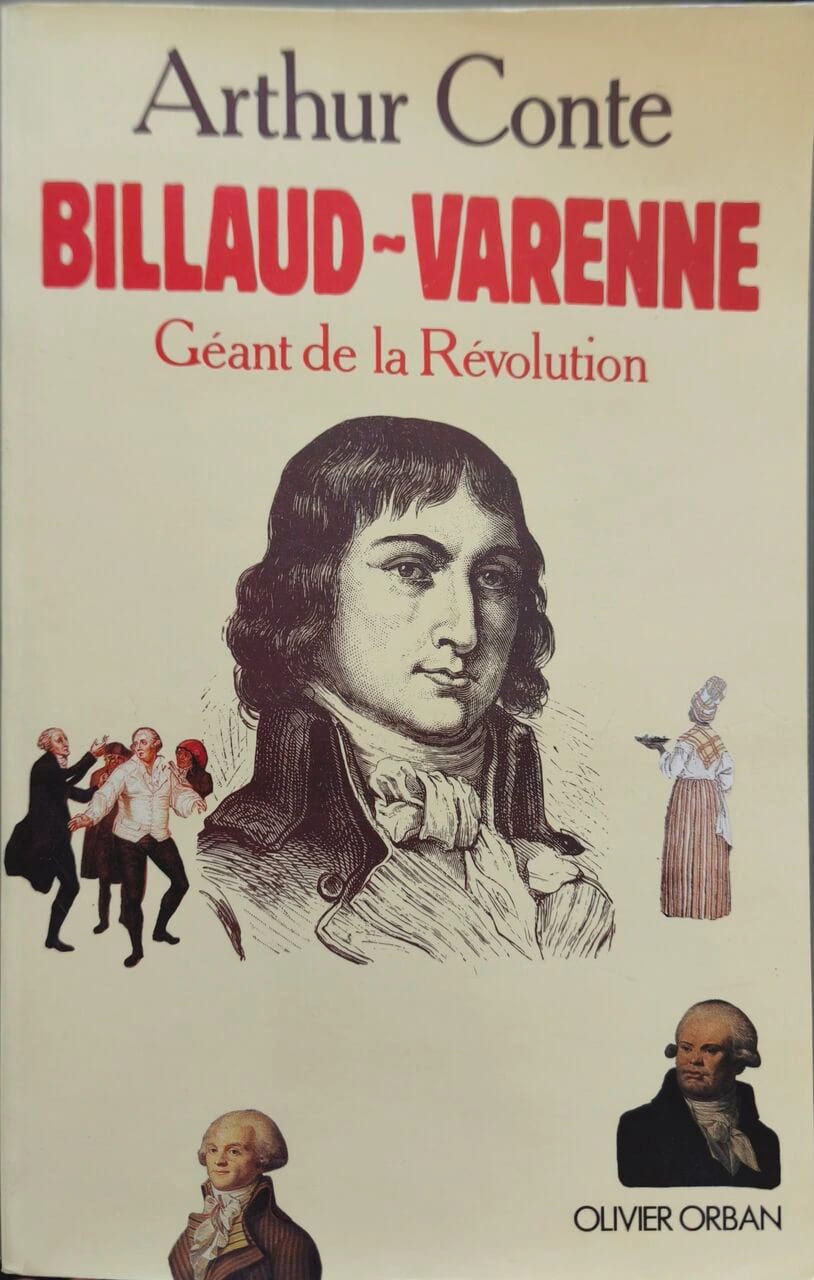
Conte a
Billaud-varenne : géant de la revolution
Olivier Orban 1989 525 pages 15x23x3cm. 1989. broché. 525 pages.
Riferimento per il libraio : 18614
|
|
|
Conte A
Premier janvier 1940
Plon 1977 435 pages in8. 1977. Broché. 435 pages.
Riferimento per il libraio : 142620

|
|
|
CONTE A CORONATA P. MATTHAEUS, O. F. M. Cap.
COMPENDIUM IURIS CANONICI AD USUM SCHOLARUM, VOLUMEN I, INTRODUCTIO, IUS PUBLICUM, NORMAE GENERALES, DE CLERICIS, DE RELIGIOSIS, DE LAICIS
Marietti. 1937. In-8. Broché. Bon état, Couv. convenable, Dos satisfaisant, Intérieur acceptable. 675 pages. Etiquette de code sur le dos. Tampon de bibliothèque en page de titre.. . . . Classification Dewey : 470-Langues italiques. Latin
Riferimento per il libraio : RO40238407
|
|
|
CONTE A CORONATA P. MATTHAEUS, O. F. M. Cap.
INSTITUTIONES IURIS CANONICI AD USUM SCHOLARUM, VOLUMEN V, INDEX RERUM ET APPENDICES
Marietti. 1947. In-8. Broché. Bon état, Couv. convenable, Dos satisfaisant, Intérieur acceptable. 333 pages. Etiquette de code sur le dos. Tampon de bibliothèque en page de titre. Premier cahier détachés.. . . . Classification Dewey : 470-Langues italiques. Latin
Riferimento per il libraio : RO40238410
|
|
|
CONTE A CORONATA P. MATTHAEUS, O. F. M. Cap.
INSTITUTIONES IURIS CANONICI, INTRODUCTIO IUS PUBLICUM ECCLESIASTICUM
Marietti. 1948. In-8. Broché. Bon état, Couv. convenable, Dos satisfaisant, Non coupé. 327 pages. Etiquette de code sur le dos. Tampons de bibliothèque en page de titre. Spécimen (1er plat perforé).. . . . Classification Dewey : 470-Langues italiques. Latin
Riferimento per il libraio : RO40238404
|
|
|
CONTE A CORONATA P. MATTHAEUS, O. F. M. Cap.
IUS PUBLICUM ECCLESIASTICUM, INTRODUCTIO AD INSTITUTIONES CANONICAS AD USUM SCHOLARUM
Domus 'Pietro Marietti'. 1924. In-8. Broché. Bon état, Couv. légèrement passée, Dos frotté, Non coupé. 268 pages. Etiquettes de code et annotations sur le dos et le 1er plat. Tampon de bibliothèque en page de titre.. . . . Classification Dewey : 470-Langues italiques. Latin
Riferimento per il libraio : RO40141584

|
|
|
CONTE A CORONATA P. MATTHAEUS, O. F. M. Cap.
MANUALE PRACTICUM IURIS DISCIPLINARIS ET CRIMINALIS REGULARIUM
Domus Editorialis Marietti. 1938. In-8. Broché. Etat d'usage, Couv. légèrement passée, Dos satisfaisant, Non coupé. 274 pages. Etiquette de code sur le dos. Tampon de bibliothèque en page de titre.. . . . Classification Dewey : 470-Langues italiques. Latin
Riferimento per il libraio : RO40144487

|
|
|
CONTE A.
Bandoung tournant de l'Histoire (18 avril 1955)
LAFFONT Robert. 1965. In-8. Relié toilé. Bon état, Couv. convenable, Dos satisfaisant, Intérieur frais. 322 pages. Quelques planches de photos noir et blanc, hors texte. Rhodoïd. . . . Classification Dewey : 950-Histoire générale de l'Asie
Riferimento per il libraio : RO20033572
|
|
|
CONTE A.
JURISPRUDENCE VETERINAIRE
J.B. BAILLIERE ET FILS. 1897. In-12. Relié. Bon état, Coins frottés, Dos satisfaisant, Intérieur frais. 553 pages. . . . Classification Dewey : 636.089-Art vétérinaire
Riferimento per il libraio : R240114281
|
|
|
CONTE A.
Police sanitaire des Animaux
J.B. Baillière et fils. 1906. In-12. Cartonnage d'éditeurs. Bon état, Couv. convenable, Dos satisfaisant, Intérieur frais. 532 pp. . . . Classification Dewey : 636.089-Art vétérinaire
Riferimento per il libraio : RO20023213
|
|
|
CONTE A.
Police sanitaire des animaux
,Paris, J.-B. Baillière et fils 'Encyclopédie Cadéac' 1895, VIII-515 pp., 1 vol. in 12 relié pleine percaline éditeur
Riferimento per il libraio : 17741
|
|
|
Conte a. .
Le premier janvier 1920. [Unknown Binding]
Plon, 1976, usure d'usage, pliure au dos et au coin supérieur de la couverture recto, intérieur propre.
Riferimento per il libraio : 31744A ISBN : 4
|
|
|
Conte A. de Puységur
Les Sangsues de Marianne - Nos parlementaires
Editions Baudinière. Non daté. In-12. Broché. Etat d'usage, Livré sans Couverture, Dos abîmé, Papier jauni. 254 pages. Non daté. Plats et dos manquants.. . . . Classification Dewey : 840-Littératures des langues romanes. Littérature française
Riferimento per il libraio : R240151376

|
|
|
Conte Aguero, Dr Luis
Mis Memorias Cuba y America Luis Conte Agüero - Colección Histórica Spanish Edition
paperback. Good. Access codes and supplements are not guaranteed with used items. May be an ex-library book. paperback
Riferimento per il libraio : 1499512201.G ISBN : 1499512201 9781499512205
|
|
|
CONTE Aimé
FILS DE PALADIN
1944 album (hard-back editor) grand in-octavo oblong, illustration du premier plat et illustrations intérieures en couleurs de Saint Marc (illustration of the front cover and interior illustrations colors of Saint Marc) - premier plat légèrement taché en lisière (front cover slightly stained in margin), sans pagination (unpagnited) - 24 pages, 1944 Volumétrix sans lieu (no place),
Riferimento per il libraio : 12168
|
|
|
Conte Alessandro Magnaguti
COLLECTIBLES EX NUMMIS HISTORIA IX LE MEDAGLIE DEI GONZAGA
Roma: P. & P. Santamaria 1965. Soft Cover. Very Good binding. Quarto; in paper boards; 168 pages with 38 plates in the rear; trivial loss ot one corner of the upper board; a few light marks; a bit of loss to the top of the spine; a bit of scattered foxing particularly to the edges. Very Good binding. P. & P. Santamaria unknown
Riferimento per il libraio : 299545
|
|
|
Conte Alessandro Volta
Collezione Dell' Opere Del Cavaliere Conte Alessandro Volta Patrizio Comasco Tomo I Parte I-Ii
Firenze: Nella Stamperia Di Guglielmo Piatti 1816. Ex-Library. Poor. Half-Leather. 8vo - over 7" - 9" tall. 1816. Ex-Library Book In Brown Boards With Leather Spine. In Poor Condition. Rub Wear On Boards. Wear On Hinges Front Hinge Cracked Front Board Loose From Binding. Wrap On Spine Loose From Front Hinge. Dust On Top Edge Of Pages. Edge Wear On Spine. Light Foxing Throughout Interior Light Wrinkling On Pages. Front End Page Loose From Bidning. Size 8Vo. 277 Pages In Part 1 505 Pages In Part 2. Text Is In Italian. Includes Fold Out Figures. This Book Is Part Of The Archibald Church Library Collection Northwestern University Medical School. . Nella Stamperia Di Guglielmo Piatti Hardcover
Riferimento per il libraio : L764bx51
|
|
|
Conte Alessandro Volta
Collezione Dell' Opere Del Cavaliere Conte Alessandro Volta Patrizio Comasco Tomo Ii Parte I-Ii.
Firenze: Nella Stamperia Di Guglielmo Piatti 1816. Ex-Library. Fair. Half-Leather. 8vo - over 7" - 9" tall. 1816. Ex-Library Book In Brown Boards With Leather Spine. In Fair Condition. Rub Wear On Boards. Wear On Hinges Front Board Loosening From Binding. Dust On Top Edge Of Pages. Top Edge Of Front Board Nicked. Edge Wear On Spine. Light Foxing Throughout Interior Light Wrinkling On Pages Otherwise Tight Clean Copy And Very Good Condition. Size 8Vo. 268 Pages In Part 1 302 Pages In Part 2. Volume 2. Text Is In Italian. Includes Fold Out Figures. This Book Is Part Of The Archibald Church Library Collection Northwestern University Medical School. . Nella Stamperia Di Guglielmo Piatti Hardcover
Riferimento per il libraio : L762bx51
|
|
|
Conte Alessandro Volta
Collezione Dell' Opere Del Cavaliere Conte Alessandro Volta Patrizio Comasco Tomo Iii
Firenze: Nella Stamperia Di Guglielmo Piatti 1816. Ex-Library. Good. Half-Leather. 8vo - over 7" - 9" tall. 1816. Ex-Library Book In Brown Boards With Leather Spine. In Good Condition. Rub Wear On Boards. Wear On Hinges. Dust On Top Edge Of Pages. Edge Wear On Spine. Light Foxing Throughout Interior Light Wrinkling On Pages Otherwise Tight Clean Copy And Very Good Condition. Size 8Vo. 387 Pages. Text Is In Italian. Includes Fold Out Figures. Volume 3. This Book Is Part Of The Archibald Church Library Collection Northwestern University Medical School. . Nella Stamperia Di Guglielmo Piatti Hardcover
Riferimento per il libraio : L763bx51
|
|
|
Conte Alessandro Magnaguti
EX NUMMIS HISTORIA IX LE MEDAGLIE DEI GONZAGA
Roma: P. & P. Santamaria 1965. Soft Cover. Very Good binding. With 38 plates in rear; digital images can be made available upon request. Very Good binding. P. & P. Santamaria unknown books
Riferimento per il libraio : 254440
|
|
|
conte Amedeo di Castellamonte
Venaria Reale. Palazzo Di Piacere E Di Caccia Ideato Dall'altezza Reale Di Carlo Emanuele Ii Duca Di Savoia Re Di Cipro & C. Disegnato E Descritto Dal Conte Amedeo Di Castellamonte L'anno 1672
Torino: Regione Piemonte:Fond. Antonio Maria/Mariella Marocco 2004. Hardcover. Like New. 36 99 p. XXVII i.e. 43 35 leaves of plates some folded : ill. plans ; 29 cm. Facsimile reprint with a new introduction. Bound in red leather. Gilt spine and boards. Marbled end pages. Fine binding and cover. Light wear. Some of the numbered plates are bound out of order e.g. IV VI V. Clean unmarked pages. <br><br>The book one of the most prestigious publishing initiatives of 1600s Turin describes in detail the magnificent Royal Palace historically artistically and traditionally. Beautiful illustrations and engraved plates from Tasna are reproduced here in the original complex foliation. Includes an introduction by Andreina Griseri followed by the facsimile edition of Bartholomew Zapatta in Turin in 1674. The care taken with its presentation as well as the dozens and dozens of plates within text make this volume a true work of art.<br><br> Torino: Regione Piemonte:Fond. Antonio Maria/Mariella Marocco hardcover
Riferimento per il libraio : 1107050106
|
|

 Ricevere i risultati per e-mail
 Scaricare i risultati in PDF
 RSS feed
 Link
Link


