|
|
|
STELLER W
SUDETENSCHLESISCHE VOLKSLIEDER
IN TEDESCO

|
|
|
Stephen Ree
Gordon Ballads
Norwood PA: Norwood Editions 1974. Book. Fine. Cloth. Limited Edition. 8vo - over 7¾" - 9¾" tall. A limited edition of 100 copies. SCARCE. Fine in blue cloth gilt title at spine. Reprinted from v.2 of the 1903-07 ed. of "The House of Gordon" edited by J.M. Bulloch printed for the New Spalding Club Aberdeen Scotland which was issued as no. 26 and 33 of the New Spalding Club publications. Pages numbered 3-101 at top also paginated 513-611 at bottom contains 22 songs. Norwood Editions Hardcover
Referentie van de boekhandelaar : 006590 ISBN : 0883055708 9780883055700

|
|
|
Stephen Ree
Gordon Ballads
Norwood PA: Norwood Editions 1974. A limited edition of 100 copies. SCARCE. Fine in blue cloth gilt title at spine. Reprinted from v.2 of the 1903-07 ed. of "The House of Gordon" edited by J.M. Bulloch printed for the New Spalding Club Aberdeen Scotland which was issued as no. 26 and 33 of the New Spalding Club publications. Pages numbered 3-101 at top also paginated 513-611 at bottom contains 22 songs. . Limited Edition. Cloth. Fine/No Jacket As Issued. 8vo - over 7¾" - 9¾" tall. Norwood Editions Hardcover books
Referentie van de boekhandelaar : 006590 ISBN : 0883055708 9780883055700
|
|
|
Stephens, James.
A POETRY RECITAL.
pp. vi, 36, (1)[Publisher's catalogue]. Uncut. Endpapers age stained. Small 8vo. Original full paper binding. Hardbound. First Edition. Very Good plus. James Stephens (1882-1950) was left fatherless in the Dublin slums at the age of two. His mother remarried or took up with another man when James was about six years of age. She abandoned her young son and he was forced to go to the Meath Protestant Industrial School for Boys. The Meath School was cruel and harsh and he ran away to live in the streets or live with families that took to the likely boy. In 1905 'The Greatest Miracle' was published by Arthur Griffith in The United Irishman. Griffith became good friends with Stephens and published his works in his magazine know as the Sinn Fein. From 1905-1910, Stephens attended Gaelic League classes and become involved with political meetings. During this time he published several pieces which focused on Irish national pride, the importance of learning one's Irish language and customs, and remembering the ancient saga heroes. Stephens met many of his great contemporaries during this period including George Russell (AE), George Moore, W.B. Yeats, Lady Gregory, etc. In the year 1912, Stephens published The Charwoman's Daughter and later in the same year his noted work The Crock of Gold. The Crock of Gold was a great success and Stephens moved to Paris so he could concentrate on writing full time. Cynthia Kavanagh who had been his lover since 1907 accompanied him. He later married her in 1919. The Demi-Gods was published in 1914 and in 1915 he moved back to Dublin to become the Registrar of the National Gallery of Ireland (and stayed in that position till 1924). Stephens witnessed the shooting of a man as a result of the Easter Uprising in Dublin in 1916. This became a turning point for him as the event intensified his patriotic feelings and renewed his interest in old Irish literature. Stephens moved to London in the year 1925. He began a series of lecture tours which extended to the United States. In 1935 Stephens began a literary and personal friendship with James Joyce. His colleagues considered Stephens to be a genius who easily embraced fantasy, philosophy, and comedy - those who read him today will still be struck by his genius. **PRICE JUST REDUCED! STEPHENS/W77
|
|
|
Stephens, James.
COLLECTED POEMS.
pp. xxii, 260. Uncut. Fore-edge age stained. Endpapers foxed. 8vo. Original full green cloth binding, gold lettered spine. Hardbound. First Trade Edition. James Stephens (1882-1950) was left fatherless in the Dublin slums at the age of two. His mother remarried or took up with another man when James was about six years of age. She abandoned her young son and he was forced to go to the Meath Protestant Industrial School for Boys. The Meath School was cruel and harsh and he ran away to live in the streets or live with families that took to the likely boy. In 1905 'The Greatest Miracle' was published by Arthur Griffith in The United Irishman. Griffith became good friends with Stephens and published his works in his magazine know as the Sinn Fein. From 1905-1910, Stephens attended Gaelic League classes and become involved with political meetings. During this time he published several pieces which focused on Irish national pride, the importance of learning one's Irish language and customs, and remembering the ancient saga heroes. Stephens met many of his great contemporaries during this period including George Russell (AE), George Moore, W.B. Yeats, Lady Gregory, etc. In the year 1912, Stephens published The Charwoman's Daughter and later in the same year his noted work The Crock of Gold. The Crock of Gold was a great success and Stephens moved to Paris so he could concentrate on writing full time. Cynthia Kavanagh who had been his lover since 1907 accompanied him. He later married her in 1919. The Demi-Gods was published in 1914 and in 1915 he moved back to Dublin to become the Registrar of the National Gallery of Ireland (and stayed in that position till 1924). Stephens witnessed the shooting of a man as a result of the Easter Uprising in Dublin in 1916. This became a turning point for him as the event intensified his patriotic feelings and renewed his interest in old Irish literature. Stephens moved to London in the year 1925. He began a series of lecture tours which extended to the United States. In 1935 Stephens began a literary and personal friendship with James Joyce. His colleagues considered Stephens to be a genius who easily embraced fantasy, philosophy, and comedy - those who read him today will still be struck by his genius. **PRICE JUST REDUCED! STEPHENS/W77
|
|
|
Stephens, James.
ETCHED IN MOONLIGHT.
pp. v, 199. Top edge decorated green. 8vo. Original full cloth binding, decorated and lettered in brown. Spine faded. Hardbound. First Edition. James Stephens (1882-1950) was left fatherless in the Dublin slums at the age of two. His mother remarried or took up with another man when James was about six years of age. She abandoned her young son and he was forced to go to the Meath Protestant Industrial School for Boys. The Meath School was cruel and harsh and he ran away to live in the streets or live with families that took to the likely boy. In 1905 'The Greatest Miracle' was published by Arthur Griffith in The United Irishman. Griffith became good friends with Stephens and published his works in his magazine know as the Sinn Fein. From 1905-1910, Stephens attended Gaelic League classes and become involved with political meetings. During this time he published several pieces which focused on Irish national pride, the importance of learning one's Irish language and customs, and remembering the ancient saga heroes. Stephens met many of his great contemporaries during this period including George Russell (AE), George Moore, W.B. Yeats, Lady Gregory, etc. In the year 1912, Stephens published The Charwoman's Daughter and later in the same year his noted work The Crock of Gold. The Crock of Gold was a great success and Stephens moved to Paris so he could concentrate on writing full time. Cynthia Kavanagh who had been his lover since 1907 accompanied him. He later married her in 1919. The Demi-Gods was published in 1914 and in 1915 he moved back to Dublin to become the Registrar of the National Gallery of Ireland (and stayed in that position till 1924). Stephens witnessed the shooting of a man as a result of the Easter Uprising in Dublin in 1916. This became a turning point for him as the event intensified his patriotic feelings and renewed his interest in old Irish literature. Stephens moved to London in the year 1925. He began a series of lecture tours which extended to the United States. In 1935 Stephens began a literary and personal friendship with James Joyce. His colleagues considered Stephens to be a genius who easily embraced fantasy, philosophy, and comedy - those who read him today will still be struck by his genius. **PRICE JUST REDUCED! STEPHENS/W77
|
|
|
Stephens, James.
HERE ARE LADIES.
pp. 345, (4)[Publisher's catalogue]. Endpapers foxed. Bookseller's label. 8vo. Original full purple cloth binding, gold lettered and decorated. Spine very faded. Hardbound. First American Edition. James Stephens (1882-1950) was left fatherless in the Dublin slums at the age of two. His mother remarried or took up with another man when James was about six years of age. She abandoned her young son and he was forced to go to the Meath Protestant Industrial School for Boys. The Meath School was cruel and harsh and he ran away to live in the streets or live with families that took to the likely boy. In 1905 'The Greatest Miracle' was published by Arthur Griffith in The United Irishman. Griffith became good friends with Stephens and published his works in his magazine know as the Sinn Fein. From 1905-1910, Stephens attended Gaelic League classes and become involved with political meetings. During this time he published several pieces which focused on Irish national pride, the importance of learning one's Irish language and customs, and remembering the ancient saga heroes. Stephens met many of his great contemporaries during this period including George Russell (AE), George Moore, W.B. Yeats, Lady Gregory, etc. In the year 1912, Stephens published The Charwoman's Daughter and later in the same year his noted work The Crock of Gold. The Crock of Gold was a great success and Stephens moved to Paris so he could concentrate on writing full time. Cynthia Kavanagh who had been his lover since 1907 accompanied him. He later married her in 1919. The Demi-Gods was published in 1914 and in 1915 he moved back to Dublin to become the Registrar of the National Gallery of Ireland (and stayed in that position till 1924). Stephens witnessed the shooting of a man as a result of the Easter Uprising in Dublin in 1916. This became a turning point for him as the event intensified his patriotic feelings and renewed his interest in old Irish literature. Stephens moved to London in the year 1925. He began a series of lecture tours which extended to the United States. In 1935 Stephens began a literary and personal friendship with James Joyce. His colleagues considered Stephens to be a genius who easily embraced fantasy, philosophy, and comedy - those who read him today will still be struck by his genius. **PRICE JUST REDUCED! STEPHENS/W77
|
|
|
Stephens, James.
HERE ARE LADIES.
345p. 8vo. Original full purple cloth binding, embossed in blind and gold lettered. Spine faded. Covers spotted. Hardbound. James Stephens (1882-1950) was left fatherless in the Dublin slums at the age of two. His mother remarried or took up with another man when James was about six years of age. She abandoned her young son and he was forced to go to the Meath Protestant Industrial School for Boys. The Meath School was cruel and harsh and he ran away to live in the streets or live with families that took to the likely boy. In 1905 'The Greatest Miracle' was published by Arthur Griffith in The United Irishman. Griffith became good friends with Stephens and published his works in his magazine know as the Sinn Fein. From 1905-1910, Stephens attended Gaelic League classes and become involved with political meetings. During this time he published several pieces which focused on Irish national pride, the importance of learning one's Irish language and customs, and remembering the ancient saga heroes. Stephens met many of his great contemporaries during this period including George Russell (AE), George Moore, W.B. Yeats, Lady Gregory, etc. In the year 1912, Stephens published The Charwoman's Daughter and later in the same year his noted work The Crock of Gold. The Crock of Gold was a great success and Stephens moved to Paris so he could concentrate on writing full time. Cynthia Kavanagh who had been his lover since 1907 accompanied him. He later married her in 1919. The Demi-Gods was published in 1914 and in 1915 he moved back to Dublin to become the Registrar of the National Gallery of Ireland (and stayed in that position till 1924). Stephens witnessed the shooting of a man as a result of the Easter Uprising in Dublin in 1916. This became a turning point for him as the event intensified his patriotic feelings and renewed his interest in old Irish literature. Stephens moved to London in the year 1925. He began a series of lecture tours which extended to the United States. In 1935 Stephens began a literary and personal friendship with James Joyce. His colleagues considered Stephens to be a genius who easily embraced fantasy, philosophy, and comedy - those who read him today will still be struck by his genius. **PRICE JUST REDUCED! STEPHENS/W77
|
|
|
Stephens, James.
IN THE LAND OF YOUTH.
304p. 8vo. Original full green cloth binding, gold decorated and lettered. Spine faded. Hardbound. First Edition. James Stephens (1882-1950) was left fatherless in the Dublin slums at the age of two. His mother remarried or took up with another man when James was about six years of age. She abandoned her young son and he was forced to go to the Meath Protestant Industrial School for Boys. The Meath School was cruel and harsh and he ran away to live in the streets or live with families that took to the likely boy. In 1905 'The Greatest Miracle' was published by Arthur Griffith in The United Irishman. Griffith became good friends with Stephens and published his works in his magazine know as the Sinn Fein. From 1905-1910, Stephens attended Gaelic League classes and become involved with political meetings. During this time he published several pieces which focused on Irish national pride, the importance of learning one's Irish language and customs, and remembering the ancient saga heroes. Stephens met many of his great contemporaries during this period including George Russell (AE), George Moore, W.B. Yeats, Lady Gregory, etc. In the year 1912, Stephens published The Charwoman's Daughter and later in the same year his noted work The Crock of Gold. The Crock of Gold was a great success and Stephens moved to Paris so he could concentrate on writing full time. Cynthia Kavanagh who had been his lover since 1907 accompanied him. He later married her in 1919. The Demi-Gods was published in 1914 and in 1915 he moved back to Dublin to become the Registrar of the National Gallery of Ireland (and stayed in that position till 1924). Stephens witnessed the shooting of a man as a result of the Easter Uprising in Dublin in 1916. This became a turning point for him as the event intensified his patriotic feelings and renewed his interest in old Irish literature. Stephens moved to London in the year 1925. He began a series of lecture tours which extended to the United States. In 1935 Stephens began a literary and personal friendship with James Joyce. His colleagues considered Stephens to be a genius who easily embraced fantasy, philosophy, and comedy - those who read him today will still be struck by his genius. **PRICE JUST REDUCED! STEPHENS/W77
|
|
|
Stephens, James.
MARY, MARY.
263p. 8vo. Original full green cloth binding, gold decorated and lettered. Binding has some old spotting and bits of wear. Hardbound. First U.S. Edition. Stephen's important first book, a novel of the Dublin slums that was published in Britain as 'The Charwoman's Daughter'. James Stephens (1882-1950) was left fatherless in the Dublin slums at the age of two. His mother remarried or took up with another man when James was about six years of age. She abandoned her young son and he was forced to go to the Meath Protestant Industrial School for Boys. The Meath School was cruel and harsh and he ran away to live in the streets or live with families that took to the likely boy. In 1905 'The Greatest Miracle' was published by Arthur Griffith in The United Irishman. Griffith became good friends with Stephens and published his works in his magazine know as the Sinn Fein. From 1905-1910, Stephens attended Gaelic League classes and become involved with political meetings. During this time he published several pieces which focused on Irish national pride, the importance of learning one's Irish language and customs, and remembering the ancient saga heroes. Stephens met many of his great contemporaries during this period including George Russell (AE), George Moore, W.B. Yeats, Lady Gregory, etc. In the year 1912, Stephens published The Charwoman's Daughter and later in the same year his noted work The Crock of Gold. The Crock of Gold was a great success and Stephens moved to Paris so he could concentrate on writing full time. Cynthia Kavanagh who had been his lover since 1907 accompanied him. He later married her in 1919. The Demi-Gods was published in 1914 and in 1915 he moved back to Dublin to become the Registrar of the National Gallery of Ireland (and stayed in that position till 1924). Stephens witnessed the shooting of a man as a result of the Easter Uprising in Dublin in 1916. This became a turning point for him as the event intensified his patriotic feelings and renewed his interest in old Irish literature. Stephens moved to London in the year 1925. He began a series of lecture tours which extended to the United States. In 1935 Stephens began a literary and personal friendship with James Joyce. His colleagues considered Stephens to be a genius who easily embraced fantasy, philosophy, and comedy - those who read him today will still be struck by his genius. **PRICE JUST REDUCED! STEPHENS/W77
|
|
|
Stephens, James.
ON PROSE AND VERSE.
41p. Uncut. Endpapers paste stained. Printed by William Edwin Rudge. Typography by Frederic Warde. Small 8vo. Attractive original full paper binding with color cloud like design. Original gold paper spine label. Hardbound. Limited to only 1,000 copies. Very good. James Stephens (1882-1950) was left fatherless in the Dublin slums at the age of two. His mother remarried or took up with another man when James was about six years of age. She abandoned her young son and he was forced to go to the Meath Protestant Industrial School for Boys. The Meath School was cruel and harsh and he ran away to live in the streets or live with families that took to the likely boy. In 1905 'The Greatest Miracle' was published by Arthur Griffith in The United Irishman. Griffith became good friends with Stephens and published his works in his magazine know as the Sinn Fein. From 1905-1910, Stephens attended Gaelic League classes and become involved with political meetings. During this time he published several pieces which focused on Irish national pride, the importance of learning one's Irish language and customs, and remembering the ancient saga heroes. Stephens met many of his great contemporaries during this period including George Russell (AE), George Moore, W.B. Yeats, Lady Gregory, etc. In the year 1912, Stephens published The Charwoman's Daughter and later in the same year his noted work The Crock of Gold. The Crock of Gold was a great success and Stephens moved to Paris so he could concentrate on writing full time. Cynthia Kavanagh who had been his lover since 1907 accompanied him. He later married her in 1919. The Demi-Gods was published in 1914 and in 1915 he moved back to Dublin to become the Registrar of the National Gallery of Ireland (and stayed in that position till 1924). Stephens witnessed the shooting of a man as a result of the Easter Uprising in Dublin in 1916. This became a turning point for him as the event intensified his patriotic feelings and renewed his interest in old Irish literature. Stephens moved to London in the year 1925. He began a series of lecture tours which extended to the United States. In 1935 Stephens began a literary and personal friendship with James Joyce. His colleagues considered Stephens to be a genius who easily embraced fantasy, philosophy, and comedy - those who read him today will still be struck by his genius. **PRICE JUST REDUCED! STEPHENS/W77
|
|
|
Stephens, James.
REINCARNATIONS.
pp. viii, 66, (1)[Publisher's catalogue]. Uncut. A few leaves age stained. Inked ownership of E.G. Craddock? Small 8vo. Original full blue cloth binding, gold lettered. Spine worn and darkened. Binding worn. Hardbound. First Edition. James Stephens (1882-1950) was left fatherless in the Dublin slums at the age of two. His mother remarried or took up with another man when James was about six years of age. She abandoned her young son and he was forced to go to the Meath Protestant Industrial School for Boys. The Meath School was cruel and harsh and he ran away to live in the streets or live with families that took to the likely boy. In 1905 'The Greatest Miracle' was published by Arthur Griffith in The United Irishman. Griffith became good friends with Stephens and published his works in his magazine know as the Sinn Fein. From 1905-1910, Stephens attended Gaelic League classes and become involved with political meetings. During this time he published several pieces which focused on Irish national pride, the importance of learning one's Irish language and customs, and remembering the ancient saga heroes. Stephens met many of his great contemporaries during this period including George Russell (AE), George Moore, W.B. Yeats, Lady Gregory, etc. In the year 1912, Stephens published The Charwoman's Daughter and later in the same year his noted work The Crock of Gold. The Crock of Gold was a great success and Stephens moved to Paris so he could concentrate on writing full time. Cynthia Kavanagh who had been his lover since 1907 accompanied him. He later married her in 1919. The Demi-Gods was published in 1914 and in 1915 he moved back to Dublin to become the Registrar of the National Gallery of Ireland (and stayed in that position till 1924). Stephens witnessed the shooting of a man as a result of the Easter Uprising in Dublin in 1916. This became a turning point for him as the event intensified his patriotic feelings and renewed his interest in old Irish literature. Stephens moved to London in the year 1925. He began a series of lecture tours which extended to the United States. In 1935 Stephens began a literary and personal friendship with James Joyce. His colleagues considered Stephens to be a genius who easily embraced fantasy, philosophy, and comedy - those who read him today will still be struck by his genius. **PRICE JUST REDUCED! STEPHENS/W77
|
|
|
Stephens, James.
REINCARNATIONS.
pp. 76, (6)[Publisher's catalogue]. Uncut. Text very slightly beginning to brown. Top edge gold. Inked ownership of Wilson Beall Vance (who was the only son of the prolific author - Louis Joseph Vance). Small 8vo. Original cloth backed binding. Original front cover paper label. Spine darkened. Hardbound. First American Edition. Nice example. James Stephens (1882-1950) was left fatherless in the Dublin slums at the age of two. His mother remarried or took up with another man when James was about six years of age. She abandoned her young son and he was forced to go to the Meath Protestant Industrial School for Boys. The Meath School was cruel and harsh and he ran away to live in the streets or live with families that took to the likely boy. In 1905 'The Greatest Miracle' was published by Arthur Griffith in The United Irishman. Griffith became good friends with Stephens and published his works in his magazine know as the Sinn Fein. From 1905-1910, Stephens attended Gaelic League classes and become involved with political meetings. During this time he published several pieces which focused on Irish national pride, the importance of learning one's Irish language and customs, and remembering the ancient saga heroes. Stephens met many of his great contemporaries during this period including George Russell (AE), George Moore, W.B. Yeats, Lady Gregory, etc. In the year 1912, Stephens published The Charwoman's Daughter and later in the same year his noted work The Crock of Gold. The Crock of Gold was a great success and Stephens moved to Paris so he could concentrate on writing full time. Cynthia Kavanagh who had been his lover since 1907 accompanied him. He later married her in 1919. The Demi-Gods was published in 1914 and in 1915 he moved back to Dublin to become the Registrar of the National Gallery of Ireland (and stayed in that position till 1924). Stephens witnessed the shooting of a man as a result of the Easter Uprising in Dublin in 1916. This became a turning point for him as the event intensified his patriotic feelings and renewed his interest in old Irish literature. Stephens moved to London in the year 1925. He began a series of lecture tours which extended to the United States. In 1935 Stephens began a literary and personal friendship with James Joyce. His colleagues considered Stephens to be a genius who easily embraced fantasy, philosophy, and comedy - those who read him today will still be struck by his genius. **PRICE JUST REDUCED! STEPHENS/W77
|
|
|
Stephens, James.
SONGS FROM THE CLAY.
pp. vi, 106 (1)[Publisher's catalogue]. Uncut. Endpapers beginning to brown. Small 8vo. Original full blue cloth binding, gold lettered. Binding slightly worn. Hardbound. First Edition. James Stephens (1882-1950) was left fatherless in the Dublin slums at the age of two. His mother remarried or took up with another man when James was about six years of age. She abandoned her young son and he was forced to go to the Meath Protestant Industrial School for Boys. The Meath School was cruel and harsh and he ran away to live in the streets or live with families that took to the likely boy. In 1905 'The Greatest Miracle' was published by Arthur Griffith in The United Irishman. Griffith became good friends with Stephens and published his works in his magazine know as the Sinn Fein. From 1905-1910, Stephens attended Gaelic League classes and become involved with political meetings. During this time he published several pieces which focused on Irish national pride, the importance of learning one's Irish language and customs, and remembering the ancient saga heroes. Stephens met many of his great contemporaries during this period including George Russell (AE), George Moore, W.B. Yeats, Lady Gregory, etc. In the year 1912, Stephens published The Charwoman's Daughter and later in the same year his noted work The Crock of Gold. The Crock of Gold was a great success and Stephens moved to Paris so he could concentrate on writing full time. Cynthia Kavanagh who had been his lover since 1907 accompanied him. He later married her in 1919. The Demi-Gods was published in 1914 and in 1915 he moved back to Dublin to become the Registrar of the National Gallery of Ireland (and stayed in that position till 1924). Stephens witnessed the shooting of a man as a result of the Easter Uprising in Dublin in 1916. This became a turning point for him as the event intensified his patriotic feelings and renewed his interest in old Irish literature. Stephens moved to London in the year 1925. He began a series of lecture tours which extended to the United States. In 1935 Stephens began a literary and personal friendship with James Joyce. His colleagues considered Stephens to be a genius who easily embraced fantasy, philosophy, and comedy - those who read him today will still be struck by his genius. ! STEPHENS/W77
|
|
|
Stephens, James.
THE DEMI-GODS.
pp. 279, (3)[Publisher's catalogue]. Age stained. Inked ownership of Bobby As. Aplin, August 12, 1916. 8vo. Original full green cloth binding, gold lettered and decorated. Worn with stain on front cover. Hardbound. First Edition. James Stephens (1882-1950) was left fatherless in the Dublin slums at the age of two. His mother remarried or took up with another man when James was about six years of age. She abandoned her young son and he was forced to go to the Meath Protestant Industrial School for Boys. The Meath School was cruel and harsh and he ran away to live in the streets or live with families that took to the likely boy. In 1905 'The Greatest Miracle' was published by Arthur Griffith in The United Irishman. Griffith became good friends with Stephens and published his works in his magazine know as the Sinn Fein. From 1905-1910, Stephens attended Gaelic League classes and become involved with political meetings. During this time he published several pieces which focused on Irish national pride, the importance of learning one's Irish language and customs, and remembering the ancient saga heroes. Stephens met many of his great contemporaries during this period including George Russell (AE), George Moore, W.B. Yeats, Lady Gregory, etc. In the year 1912, Stephens published The Charwoman's Daughter and later in the same year his noted work The Crock of Gold. The Crock of Gold was a great success and Stephens moved to Paris so he could concentrate on writing full time. Cynthia Kavanagh who had been his lover since 1907 accompanied him. He later married her in 1919. The Demi-Gods was published in 1914 and in 1915 he moved back to Dublin to become the Registrar of the National Gallery of Ireland (and stayed in that position till 1924). Stephens witnessed the shooting of a man as a result of the Easter Uprising in Dublin in 1916. This became a turning point for him as the event intensified his patriotic feelings and renewed his interest in old Irish literature. Stephens moved to London in the year 1925. He began a series of lecture tours which extended to the United States. In 1935 Stephens began a literary and personal friendship with James Joyce. His colleagues considered Stephens to be a genius who easily embraced fantasy, philosophy, and comedy - those who read him today will still be struck by his genius. **PRICE JUST REDUCED! STEPHENS/W77
|
|
|
STERKENS-CIETERS Paula
Volkskleederdrachten in Vlaanderen
75pp.met 34 zw/w illustraties (foto's), 24cm., linnen uitgeversband (enkele roestplekjes), goede staat, B89340
|
|
|
STERNBERG (Thomas)
The Dialect and Folk-Lore of Northamptonshire.
First edition, 8vo, xvi, 200pp., + errata slip, orig. embossed cloth, joints and head and foot of spine a little frayed otherwise a very good copy.
|
|
|
Sternhagen, Hein
"Ut Vadders Tiden!". Leben und Treiben im alten Hamburg. 4. Aufl.
Hamburg, Th. Nielsen, [ca. 1895]. 271 S. Mit 4 HolzstichTaf. Kl.-8vo. OHLn.
Referentie van de boekhandelaar : 2159
|
|
|
STEVEN [= WILSENS Steven] & WEYNS Jef (voorwoord)
Den geleerden man
[140]pp., 29cm., linnen band met goudopdruk, op luxe-papier, goede staat, zeldzaam, [Kijk- en prentenboek over heem- en volkskundige curiosa in Vlaanderen, rijkelijk geïllustreerd door tekenaar Steven Wilsens], B80124
|
|
|
Stevens James
The Saginaw Paul Bunyan
New York: Alfred A. Knopf 1932. First Edition stated. Very Good no jacket small sticker shadow bottom edge of spine stamp and blindstamp of Folklore Institute Indiana University front end page and title page respectively. light soiling to cloth. . First Edition. Cloth. Very Good/No Jacket. Illus. by Woodcuts by Richard Bennett. 8vo - over 7¾" - 9¾" tall. Alfred A. Knopf Hardcover books
Referentie van de boekhandelaar : 006650

|
|
|
Stevens, Cat
Remember [K2HD, Numbered, Limited Edition]
Island, 2011. 5334175 CD Digipak
Referentie van de boekhandelaar : 54836
|
|
|
Stevenson, Robert Louis
Child's Garden of Verses
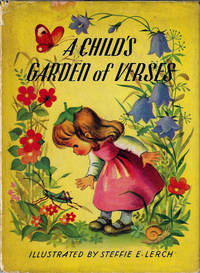
Chicago: Wilcox & Follett Co 1948 Unpaginated. Pictorial boards with a small break at top of spine light shelf wear; matching dust jacket with dust soil small edge tears and wear no printed price. A selection of poems from Child's Garden of Verses illustrated in alternating color and b&w. A charming lovely and uncommon edition of Stevenson's Child's Garden of Verses. First Thus. Pictorial Boards. Very Good/Good. Illus. by Steffie E Lerch. 8vo. Wilcox & Follett Co unknown
Referentie van de boekhandelaar : 011066
|
|
|
Stevenson, Robert Louis
Child's Garden of Verses
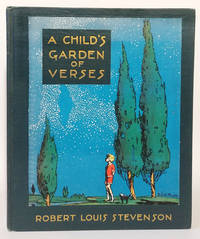
Newark NJ: Charles E Graham & Co 1930 Blue-green cloth with color pastedown titled in gilt mild external wear gift inscription and some offsetting to pages opposite color artwork. An extremely lovely edition of Child's Garden of Verses with full color map endpapers based on the various verses 16 full page color plates plus vertical color artwork on every page. . First Thus. Pictorial Cloth. Near Fine/No Jacket. Illus. by Julie C. Pratt. 4to. Charles E Graham & Co hardcover
Referentie van de boekhandelaar : 009269
|
|
|
Stevenson, Jocelyn
Robin Hood : A High-Spirited Tale of Adventure, Starring Jim Henson's Muppets
Unpaginated. Traditional tales of Robin Hood, Maid Marian, and the merry outlaws, as depicted by the Muppet Characters. Abundant illustrations throughout. Book
|
|
|
STEVENSON, MATILDA COXE.
The Zuni Indians. Their Mythology, Esoteric Fraternities, and Ceremonies. Washington, 1904.
Royal8vo. Orig. pictorial cloth, gilt. A little dampstaining to margins of first ab. 50 pp. and some spots to frontcover. XLV,634 pp., 139 plates, some in chromolithography, 34 textfigs. (23rd Annual Report of the Bureau of American Ethnology).
|
|
|
Stewart,Mary
Frost on the Window and Other Poems
London: Hodder & Stoughton 1990 Book. As New. Hardcover. 1st UK Edition. "Classical legend and location myth and magic birds and animals and the love of natural beauty" ExceptionaL copy dj is price clipped else as new. Hodder & Stoughton hardcover
Referentie van de boekhandelaar : 31838 ISBN : 0340537736 9780340537732
|
|
|
Stieler, Karl
Ein Winter-Idyll.
Stuttgart, Bonz, 1891. Orig Leineband, 47 Seiten, Kl.-8°. Elfte Auflage (1891). Sauberes und sehr gut erhaltenes Exemplar. Sehr schöne Ausgabe mit Goldprägung, dreiseitigem Goldschnitt und einem Frontispiz-Portrait des Verfassers.
Referentie van de boekhandelaar : 007650

|
|
|
Stillman, Yedida K. ; Zucker, George K. [Eds.]
New Horizons in Sephardic Studies
23.5x15.5 cm. X+309 pages. Hardcover. Cover edges rubbed. Sticker on spine. Spine edges slightly bumped. Stamp on first white page. Else in good condition.
|
|
|
Stith Thompson
La fiaba nella tradizione popolare
Ottimo, bross. ill., in-8, 740 pp, timbro

|
|
|
Stith Thompson
La fiaba nella tradizione popolare
Stith Thompson La fiaba nella tradizione popolare. , Il Saggiatore 1994, Volume in buone condizioni con pagine ingiallite ai margini e lievemente imbarcate. La copertina è appena usurata ai margini, presenta una scoloritura in costa e piccole macchie in quarta Molto buono (Very Good) . <br> <br> Copertina flessibile <br> 752<br> 8842801577

|
|
|
STITH Thomson
La FIABA nella TRADIZIONE POPOLARE.
In-8° (cm. 21x15,5), pp. 740, (11). Bross. edit. Solido, minime scoloriture ai bordi dei piatti.
|
|
|
STOCCHIERO FìGiuseppe, sac. dott. cav.
LEGGENDE FIORITE sulle orme dei SANTI. Per i piccoli e pei grandi. Seconda serie.
In-16° (cm. 14,8x8,7), pp. 150, (3) + 14 TAVOLE seppia di riprod. o foto di opere d'arte fuori testo. I "masiere di Vedana" tra Mis e Mas presso Balluno; Maria Maddalena e Marta, le Sante del mare; san Marco Evangelista e le sue reliquie; S. Agnese; San Giorgio; le rose di S. Dorotea; ilbastone di San Cristoforo; San'Alessio sotto la scala; il ciabattino Sorore di Siena; S. Eufrosina; S. Giovanni Gualberto di Firenze; S. Caterina da Siena; Musa, una ballerina in Paradiso.
|
|
|
Stoeffler, E. Ernest.
MYSTICISM IN THE GERMAN DEVOTIONAL LITERATURE OF COLONIAL PENNSYLVANIA.
195p. 8vo. Original full cloth binding. Limited edition. Pennsylvania German Folklore Society. Volume XIV. **PRICE JUST REDUCED! BEFORE ORDERING PLEASE Email to RareBooks@POBox.com so that we can CONFIRM AVAILABILITY
|
|
|
Stolle, Walter (Red.)
Liebe, Lust & Frust / Hessisches Landesmuseum Darmstadt ; Volkskundliche Sammlungen im Museumszentrum Lorsch. [Hrsg. Hessisches Landesmuseum Darmstadt. Katalog Walter Stolle. Mit Beitr. von Johannes J. Ahrens, Oswalt Kolle, Mechthild Haas, Christoph Daxelmüller u.a.]
Darmstadt : Hessisches Landesmuseum Darmstadt 2008. 403 S. : zahlr. Ill. ; + 1 Bl. Errata. Ill. OPappband (Hardcover), wie neu
Referentie van de boekhandelaar : VKSK0999
|
|
|
Stoneman, Richard
Greek Mythology: an Encyclopedia of Myth and Legend
192p. SOFTCOVER. Paperback Very good condition
|
|
|
Stonner, Anton
Die deutsche Volksseele im christliche-deutschen Volksbrauch.
Mchn., Kösel & Pustet 1935. gr.-8°, 235 S., mit 31 Bildtaf., OKart. m. farb. (leicht läd.) OU., angestaubt, geringe Stellspuren.
Referentie van de boekhandelaar : VKSK0361
|
|
|
Stopani Renato e Carnasciali Maurizio (testi di)
Antichi mulini nel Chianti. Mostra fotografica.
pp. 83, cm 21x21, brossura, illustrazioni d'epoca in seppia.
|
|
|
Stora-Sandor, Judith
L'humour juif dans la littérature: de Job à Woody Allen
150X215mm. 349 pages. Soft cover. Soft cover. Cover and spine edges slightly worn. Small sticker on rear cover. Cover corners slightly wrinkled. Pages slightly yellowing. Otherwise the book is in good condition.
|
|
|
Storace Erasmo Silvio
Filosofia del presepe. Manuale laico per la costruzione del presepio perfetto
brossura

|
|
|
Storia delle tradizioni popolari
Aspetti di dibattito sul folklore in Italia nel I° decennio del II°dopo guerrra
Materiale e prime valutazioni. In 4° br edit pp 240 circa. Movimento operaio, cultura di sinistra e folklore. Difesa della letteratura dialettale. Il caso Scotellaro… bibliografia.
|
|
|
Stoudt, John Baer.
FOLKLORE OF THE PENNSYLVANIA GERMAN.
155p. 8vo. Original printed wraps. Limited Edition. Also issued as a Supplement to: Pennsylvania German Society. Volume XXIII. Scarce and important. **PRICE JUST REDUCED!
|
|
|
Stoudt, John Bear.
CONSIDER THE LILIES HOW THEY GROW. AN INTERPRETATION OF THE SYMBOLISM OF PENNSYLVANIA GERMAN ART.
333p. + Illustrations. 8vo. Original full cloth binding. Limited edition. Significant and articulate work on fraktur and other German-American folk arts. Also issued as: Pennsylvania German Folklore Society. Volume II. Scarce and desirable. **PRICE JUST REDUCED! BEFORE ORDERING PLEASE Email to RareBooks@POBox.com so that we can CONFIRM AVAILABILITY
|
|
|
Stoudt, John Joseph.
PENNSYLVANIA FOLK-ART. An Interpretation.
403p. With over 400 illustrations. With the rarely seen Dust Jacket. Scarce. "Second Edition" of "Consider the Lillies" which was published for the Pennsylvania German Folklore Society.
|
|
|
Stoudt, John Joseph.
PENNSYLVANIA GERMAN FOLK ART, An Interpretation.
pp. xx, 386 + Illustrations, many in color. Tall 8vo. Original coarse linen cloth binding. An important reference guide to the wonderful world of Pennsylvania 'Dutch' folk art. Pennsylvania German Folklore Society, Volume XXVIII. This was the last publication of the Pennsylvania German Folklore Society. PA **PRICE JUST REDUCED! GER SOC. BOX 6
|
|
|
Stoudt, John Joseph.
PENNSYLVANIA GERMAN POETRY, 1685-1830.
380 p. Illustrated. 8vo. Original coarse linen cloth binding. Issued as Pennsylvania German Folklore Society, Volume XX. **PRICE JUST REDUCED!
|
|
|
Stoudt, Rev. John Baer.
THE FOLKLORE OF THE PENNSYLVANIA GERMANS.
155 p. Photo frontis. Illustrated. Top edge gold. Small 4to. Gilt decorated brown cloth binding. Top & bottom of spine rubbed. Author's off-print from PGS Vol. 23, Pt. II. William S. Troxell's copy. Very scarce in this form. **PRICE JUST REDUCED! PA 04A
|
|
|
STROOBANT Louis
Léau légendaire et folklorique
Léau, Impr. Ch.Peeters 1938 59pp. avec qqs. illustrations, 23cm., br.orig., extrait du "Folklore brabançon" nos.103-104, bon état, B92658
Referentie van de boekhandelaar : B92658
|
|
|
STREUVELS Stijn
Op de Vlaamsche binnenwateren
Thielt [Tielt], J. Lannoo s.d. [1925] 168pp. met talrijke zw/w illustraties (foto's en tekeningen), 1e uitgave, band- en boekversiering van Karel Noppe, geïllustreerde omslag (rug bovenaan licht geraakt), 20cm., goede staat, T92601
Referentie van de boekhandelaar : T92601
|
|
|
STRAUVEN Mieke (& JUDO Pieter, voorw.)
Soo schoon opgetooid. De versieringen van de Hasseltse rotten tijdens de Zevenjaarlijkse Virga Jessefeesten (1863-2024)
Hasselt, Pieter Judo 2024 896pp., geïllustreerd met meer dan 2.000 foto's in kleur en zw/w, 34x24cm., gecart. uitgeversband, nieuwe staat, gewicht: 5.2kg., L118097
Referentie van de boekhandelaar : L118097
|
|
|
STREUVELS Stijn
Tieghem, het Vlaamsche lustoord
Tielt, Lannoo s.d. [ca. 1932] 176pp.+ frontispice, 2e bijgewerkte uitgave, originele geïllustreerde omslag, 19cm., goede staat, B31583
Referentie van de boekhandelaar : B31583
|
|
|

 De zoekresultaten per email ontvangen
 Zoekresultaten downloaden als PDF
 RSS feed
 Permanente link


