|
|
|
BIBLIOPHILE JACOB (Paul LACROIX)
Iconographie moliéresque contenant la liste générale et complète des portraits de Molière, et celle des suites de vignettes publiées jusqu'aujourd h'ui pour les oeuvres de cet auteur.
1872 Nice, chez J. Gay et Fils Editeurs, 1872, 37 p., demi-toile, environ 22x14cm, édition originale numérotée 32/100, 2 frontispices, un ex-libris sur le premier contreplat, dos sali et insolé, des frottements sur la reliure, quelques annotations au crayon à papier dans les marges, bon état pour le reste.
Riferimento per il libraio : 97595

|
|
|
Biccius, Gregor (1603 Bautzen - 1657 Straßburg), Jurist, Gelehrter
Brustbild im Oval. Kupferstich von P. Aubry, um 1640. 18 x 11,5 cm.
o.J. Hardcover
Riferimento per il libraio : 9504
|
|
|
Bier, August Karl Gustav (1861-1949)
Deutscher Chirurg.
O.J. Radierung. Bildgrösse: 17,8 x 14,7 cm. Blattgrösse: 30 x 23,5 cm. + Wichtig: Für unsere Kunden in der EU erfolgt der Versand alle 14 Tage verzollt ab Deutschland / Postbank-Konto in Deutschland vorhanden +, bild
Riferimento per il libraio : 81CG

|
|
|
Bier, August Karl Gustav (1861-1949):
Deutscher Chirurg.
O.J. Radierung. Bildgrösse: 17,8 x 14,7 cm. Blattgrösse: 30 x 23,5 cm.
Riferimento per il libraio : 81CG

|
|
|
Bignon, Jerome (1589-1656):
Portrait. Brustbild nach halblinks in einem achteckigen Rahmen und vierzeiliger Bildunterschrift. Kupferstich von Balthazar Moncornet (ca. 1600-1668).
Format (Platte): 230 x 170 mm, bis an die Plattenkante beschnitten. *Jérôme Bignon (1589-1656) war ein französischer Jurist, Generalanwalt des Pariser Parlaments und Verwalter der königl. Bibliothek. - Sauber und gut erhalten. Graphiken de
|
|
|
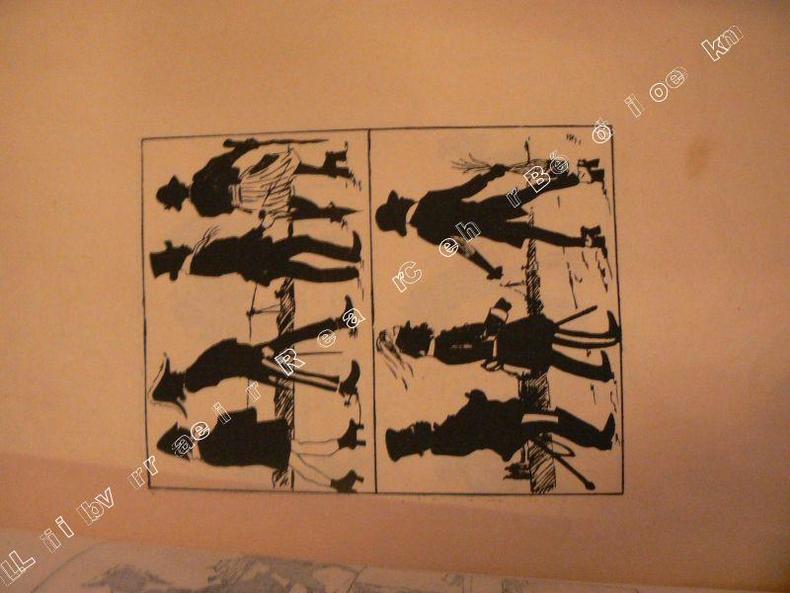
BIGOT (Georges).
Croquis Japonais. Suivi de : Le Jour de l'an au Japon.
1886 Tokio, chez l'auteur, 1886, 2 albums en un volume in-folio, couverture muette damassée vert tilleul , cahiers cousus à la Japonaise. Croquis Japonais, suite de 19 eaux-fortes, sur papier Japon -certaines signées dans la planche ; Le Jour de l'an, suite de 10 eaux-fortes sur papier Japon.
Riferimento per il libraio : 17701
|
|
|
Bilbo, Jack
Rebell aus Leidenschaft : Abenteurer - Maler - Philosoph. Bilbo, Jack (eig. Hugo Cyrill Kulp Baruch) - Bilbo. [Buchbearb. durch Friedrich Forrer] Martin (Mitwirkender) Pfeideler
[Herrenalb/Schwarzw.] : Erdmann, Verl. f. Internat. Kulturaustasuch 1963. 424 S. : mit Abb. ; 8°, mit Schutzumschlag Lw., gebundene Ausgabe, Leinen, Exemplar in gutem Erhaltungszustand
Riferimento per il libraio : 54531

|
|
|
Bilio, Luigi Maria (1826-1884):
Portrait. Halbfigur in Kardinalstracht. Lithographie auf Chinapapier von Bornemann.
Bildformat ca. 27 x 21 cm. Blattgröße: 45 x 30 cm. *Schönes Porträt des französischen Kardinals Bilio aus dem seltenen Prachtwerk "Actes et Histoire du Concile Oecumenique de Rome 1869". - Luigi Maria Bilio B (* 25. März 1826 in Alessandria; † 30. Januar 1884 in Rom) war ein Kurienkardinal der römisch-katholischen Kirche. - Sauber und sehr gut erhalten. Graphiken de
|
|
|
Billiet, Alexis (1783-1873):
Portrait. Halbfigur in Kardinalstracht. Lithographie auf Chinapapier.
Bildformat ca. 27 x 21 cm. Blattgröße: 45 x 30 cm. *Schönes Porträt des französischen Kardinals Billiet aus dem seltenen Prachtwerk "Actes et Histoire du Concile Oecumenique de Rome 1869". - Alexis Billiet, geboren am 28. Februar 1783 zu den Kapellen und gestorben am 30. April 1873 in Chambéry, war Erzbischof und später dann Kardinal Savoisien. - Sauber und sehr gut erhalten. Graphiken de
|
|
|
BILLY Nicolò (attivo a Roma tra il 1680 e il 1720)
Carolus II Hispaniarium Rex Catholicus
Ritratto di Carlo II di Spagna, firmato da Nicolò Billy “il vecchio”. L’opera appartiene ad una rarissima serie di incisioni di personaggi illustri, probabilmente mai pubblicata come raccolta. Non è noto sapere il numero delle incisioni che compongono la raccolta; sicuramente molto più delle 8 tavole - tra l’altro, erroneamente attribuite a Nicolò Billy “il giovane” - nel catalogo dell’Istituto d'Arte "Duccio di Buoninsegna" di Siena, che apparentemente possiede la collezione più grande di questi bellissimi ritratti. Solo uno dei ritratti è tra gli 11 in nostro possesso. Pertanto, il numero delle lastre conosciute sale, quantomeno, a 18. Nicolò o Nicola Billy “il vecchio” fu incisore, calcografo e mercante di stampe, occasionalmente anche disegnatore. Di origine francese, legato a Giacomo (Jacques Belly) e Vincenzo Billy, a lui affini per attività, fu attivo a Roma dalla fine del Seicento alla prima metà del Settecento. Apparentemente il primo della dinastia; poco chiari i repertori tanto sul genere e sugli estremi cronologici della sua attività, quanto sui rapporti che lo legarono ai figli Antonio e Nicola. Quale "intagliatore e mercante di stampe" sottoscrisse "vicino all'Orologgio della Chiesa Nuova", "a San Salvatore di Lavoro" e "vicino a Pasquino". Quale incisore lavorò per i più abili mercanti di stampe romani, da Giovanni Marco Paluzzi a Vincenzo Billy "alla Chiesa Nuova", dal Komarek ai molti membri della calcografia De Rossi "alla Pace": vasta fu la produzione incisoria, talora dai repertori ignorata o talora (tranne le generiche assegnazioni del Gori Gandellini, 1771, che gli dà come collaboratore il figlio Antonio) confusa con quella del figlio Nicola, anche per l'identità di firma. Il carattere più artigianale che artistico, la resa diseguale, l'incisione a tratti spesso rozzi e sbrigativi, può far attribuire al Billy un gruppo di stampe: soggetti religiosi e ritratti in specie. Come editore ristampò molte delle opere di Pietro Testa. Acquaforte e bulino, 1685 circa firmata in lastra in basso. Magnifica prova, ricca di toni, impressa su carta vergata coeva, con margini, in perfetto stato di conservazione. Molto rara. Bibliografia Fabia Borroni, BILLY, Nicola, il Vecchio in “Dizionario Biografico degli Italiani” - Volume 10 (1968); Ch. Le Blanc, Manuel de l'amateur d'estampes, I, Paris 1854, p. 340, con un elenco di 47 pezzi ascrivibili ai due Nicola Billy. Portrait of Charles II of Spain, signed by Nicolò Billy "the elder". The work belongs to a very rare series of engravings of famous people, probably never published as a collection. It is not known how many engravings compose the collection; certainly, far more than the 8 plates -among other things, erroneously attributed to Nicolò Billy "the younger" - in the catalog of the "Duccio di Buoninsegna" Art Institute in Siena, which apparently own the largest collection of these beautiful portraits. Only one of the portraits is among the 11 in our possession. Therefore, the number of known plates rises, at the very least, to 18. Nicolò or Nicola Billy “the elder” was an engraver, publisher and print dealer, occasionally also a draughtsman. Of French origin, related to Giacomo (Jacques Belly) and Vincenzo Billy, who were related to him in activity, he was active in Rome from the late seventeenth Century to the first half of the eighteenth Century. Apparently the first of the dynasty; unclear repertoires as much on the genre and chronological extremes of his activity as on the relations that bound him to his sons Antonio and Nicola. As an "engraver and merchant of prints," he subscribed near the “Orologgio della Chiesa Nuova”, “in San Salvatore di Lavoro” and “vicino a Pasquino”. As an engraver he worked for the most skilled Roman print dealers, from Giovanni Marco Paluzzi to Vincenzo Billy “alla Chiesa Nuova”, from Komarek to many members of the De Rossi Family “alla Pace”: vast was his engraving production, sometimes ignored by the repertories or sometimes (except for the generic assignments of Gori Gandellini, 1771, which gives him as collaborator his son Antonio) confused with that of his son Nicola, also because of the identity of signature. The more artisanal than artistic character, the uneven rendering, the engraving with often crude and hasty strokes, may attribute a group of prints to Billy: religious subjects and portraits in particular. As a publisher he reprinted many of Pietro Testa's works. Etching and engraving, 1685 circa, signed in plate at the bottom. Magnificent proof, rich in tone, impressed on contemporary laid paper, with margins, in perfect condition. Very rare. Bibliografia Fabia Borroni, BILLY, Nicola, il Vecchio in “Dizionario Biografico degli Italiani” - Volume 10 (1968); Ch. Le Blanc, Manuel de l'amateur d'estampes, I, Paris 1854, p. 340, con un elenco di 47 pezzi ascrivibili ai due Nicola Billy.

|
|
|
BILLY Nicolò (attivo a Roma tra il 1680 e il 1720)
Ernesto Rudgero Conte di Staremberg
Ritratto di Ernst Rüdiger von Starhemberg, firmato da Nicolò Billy “il vecchio”. L’opera appartiene ad una rarissima serie di incisioni di personaggi illustri, probabilmente mai pubblicata come raccolta. Non è noto sapere il numero delle incisioni che compongono la raccolta; sicuramente molto più delle 8 tavole - tra l’altro, erroneamente attribuite a Nicolò Billy “il giovane” - nel catalogo dell’Istituto d'Arte "Duccio di Buoninsegna" di Siena, che apparentemente possiede la collezione più grande di questi bellissimi ritratti. Solo uno dei ritratti è tra gli 11 in nostro possesso. Pertanto, il numero delle lastre conosciute sale, quantomeno, a 18. Nicolò o Nicola Billy “il vecchio” fu incisore, calcografo e mercante di stampe, occasionalmente anche disegnatore. Di origine francese, legato a Giacomo (Jacques Belly) e Vincenzo Billy, a lui affini per attività, fu attivo a Roma dalla fine del Seicento alla prima metà del Settecento. Apparentemente il primo della dinastia; poco chiari i repertori tanto sul genere e sugli estremi cronologici della sua attività, quanto sui rapporti che lo legarono ai figli Antonio e Nicola. Quale "intagliatore e mercante di stampe" sottoscrisse "vicino all'Orologgio della Chiesa Nuova", "a San Salvatore di Lavoro" e "vicino a Pasquino". Quale incisore lavorò per i più abili mercanti di stampe romani, da Giovanni Marco Paluzzi a Vincenzo Billy "alla Chiesa Nuova", dal Komarek ai molti membri della calcografia De Rossi "alla Pace": vasta fu la produzione incisoria, talora dai repertori ignorata o talora (tranne le generiche assegnazioni del Gori Gandellini, 1771, che gli dà come collaboratore il figlio Antonio) confusa con quella del figlio Nicola, anche per l'identità di firma. Il carattere più artigianale che artistico, la resa diseguale, l'incisione a tratti spesso rozzi e sbrigativi, può far attribuire al Billy un gruppo di stampe: soggetti religiosi e ritratti in specie. Come editore ristampò molte delle opere di Pietro Testa. Acquaforte e bulino, 1685 circa, firmata in lastra in basso. Magnifica prova, ricca di toni, impressa su carta vergata coeva, con margini, in perfetto stato di conservazione. Molto rara. Bibliografia Fabia Borroni, BILLY, Nicola, il Vecchio in “Dizionario Biografico degli Italiani” - Volume 10 (1968); Ch. Le Blanc, Manuel de l'amateur d'estampes, I, Paris 1854, p. 340, con un elenco di 47 pezzi ascrivibili ai due Nicola Billy. Portrait of Ernst Rüdiger von Starhemberg, signed by Nicolò Billy "the elder". The work belongs to a very rare series of engravings of famous people, probably never published as a collection. It is not known how many engravings compose the collection; certainly, far more than the 8 plates -among other things, erroneously attributed to Nicolò Billy "the younger" - in the catalog of the "Duccio di Buoninsegna" Art Institute in Siena, which apparently own the largest collection of these beautiful portraits. Only one of the portraits is among the 11 in our possession. Therefore, the number of known plates rises, at the very least, to 18. Nicolò or Nicola Billy “the elder” was an engraver, publisher and print dealer, occasionally also a draughtsman. Of French origin, related to Giacomo (Jacques Belly) and Vincenzo Billy, who were related to him in activity, he was active in Rome from the late seventeenth Century to the first half of the eighteenth Century. Apparently the first of the dynasty; unclear repertoires as much on the genre and chronological extremes of his activity as on the relations that bound him to his sons Antonio and Nicola. As an "engraver and merchant of prints," he subscribed near the “Orologgio della Chiesa Nuova”, “in San Salvatore di Lavoro” and “vicino a Pasquino”. As an engraver he worked for the most skilled Roman print dealers, from Giovanni Marco Paluzzi to Vincenzo Billy “alla Chiesa Nuova”, from Komarek to many members of the De Rossi Family “alla Pace”: vast was his engraving production, sometimes ignored by the repertories or sometimes (except for the generic assignments of Gori Gandellini, 1771, which gives him as collaborator his son Antonio) confused with that of his son Nicola, also because of the identity of signature. The more artisanal than artistic character, the uneven rendering, the engraving with often crude and hasty strokes, may attribute a group of prints to Billy: religious subjects and portraits in particular. As a publisher he reprinted many of Pietro Testa's works. Etching and engraving, 1685 circa, signed in plate at the bottom. Magnificent proof, rich in tone, impressed on contemporary laid paper, with margins, in perfect condition. Very rare. Bibliografia Fabia Borroni, BILLY, Nicola, il Vecchio in “Dizionario Biografico degli Italiani” - Volume 10 (1968); Ch. Le Blanc, Manuel de l'amateur d'estampes, I, Paris 1854, p. 340, con un elenco di 47 pezzi ascrivibili ai due Nicola Billy.

|
|
|
BILLY Nicolò (attivo a Roma tra il 1680 e il 1720)
Iacobus Secundus Rex Angliae e Defensor Fidei
Ritratto di Giacomo II Stuart, firmato da Nicolò Billy “il vecchio”. L’opera appartiene ad una rarissima serie di incisioni di personaggi illustri, probabilmente mai pubblicata come raccolta. Non è noto sapere il numero delle incisioni che compongono la raccolta; sicuramente molto più delle 8 tavole - tra l’altro, erroneamente attribuite a Nicolò Billy “il giovane” - nel catalogo dell’Istituto d'Arte "Duccio di Buoninsegna" di Siena, che apparentemente possiede la collezione più grande di questi bellissimi ritratti. Solo uno dei ritratti è tra gli 11 in nostro possesso. Pertanto, il numero delle lastre conosciute sale, quantomeno, a 18. Nicolò o Nicola Billy “il vecchio” fu incisore, calcografo e mercante di stampe, occasionalmente anche disegnatore. Di origine francese, legato a Giacomo (Jacques Belly) e Vincenzo Billy, a lui affini per attività, fu attivo a Roma dalla fine del Seicento alla prima metà del Settecento. Apparentemente il primo della dinastia; poco chiari i repertori tanto sul genere e sugli estremi cronologici della sua attività, quanto sui rapporti che lo legarono ai figli Antonio e Nicola. Quale "intagliatore e mercante di stampe" sottoscrisse "vicino all'Orologgio della Chiesa Nuova", "a San Salvatore di Lavoro" e "vicino a Pasquino". Quale incisore lavorò per i più abili mercanti di stampe romani, da Giovanni Marco Paluzzi a Vincenzo Billy "alla Chiesa Nuova", dal Komarek ai molti membri della calcografia De Rossi "alla Pace": vasta fu la produzione incisoria, talora dai repertori ignorata o talora (tranne le generiche assegnazioni del Gori Gandellini, 1771, che gli dà come collaboratore il figlio Antonio) confusa con quella del figlio Nicola, anche per l'identità di firma. Il carattere più artigianale che artistico, la resa diseguale, l'incisione a tratti spesso rozzi e sbrigativi, può far attribuire al Billy un gruppo di stampe: soggetti religiosi e ritratti in specie. Come editore ristampò molte delle opere di Pietro Testa. Acquaforte e bulino, 1685 circa, firmata in lastra in basso. Magnifica prova, ricca di toni, impressa su carta vergata coeva, con margini, in perfetto stato di conservazione. Molto rara. Bibliografia Fabia Borroni, BILLY, Nicola, il Vecchio in “Dizionario Biografico degli Italiani” - Volume 10 (1968); Ch. Le Blanc, Manuel de l'amateur d'estampes, I, Paris 1854, p. 340, con un elenco di 47 pezzi ascrivibili ai due Nicola Billy. Portrait of James II of England, signed by Nicolò Billy "the elder". The work belongs to a very rare series of engravings of famous people, probably never published as a collection. It is not known how many engravings compose the collection; certainly, far more than the 8 plates -among other things, erroneously attributed to Nicolò Billy "the younger" - in the catalog of the "Duccio di Buoninsegna" Art Institute in Siena, which apparently own the largest collection of these beautiful portraits. Only one of the portraits is among the 11 in our possession. Therefore, the number of known plates rises, at the very least, to 18. Nicolò or Nicola Billy “the elder” was an engraver, publisher and print dealer, occasionally also a draughtsman. Of French origin, related to Giacomo (Jacques Belly) and Vincenzo Billy, who were related to him in activity, he was active in Rome from the late seventeenth Century to the first half of the eighteenth Century. Apparently the first of the dynasty; unclear repertoires as much on the genre and chronological extremes of his activity as on the relations that bound him to his sons Antonio and Nicola. As an "engraver and merchant of prints," he subscribed near the “Orologgio della Chiesa Nuova”, “in San Salvatore di Lavoro” and “vicino a Pasquino”. As an engraver he worked for the most skilled Roman print dealers, from Giovanni Marco Paluzzi to Vincenzo Billy “alla Chiesa Nuova”, from Komarek to many members of the De Rossi Family “alla Pace”: vast was his engraving production, sometimes ignored by the repertories or sometimes (except for the generic assignments of Gori Gandellini, 1771, which gives him as collaborator his son Antonio) confused with that of his son Nicola, also because of the identity of signature. The more artisanal than artistic character, the uneven rendering, the engraving with often crude and hasty strokes, may attribute a group of prints to Billy: religious subjects and portraits in particular. As a publisher he reprinted many of Pietro Testa's works. Etching and engraving, 1685 circa, signed in plate at the bottom. Magnificent proof, rich in tone, impressed on contemporary laid paper, with margins, in perfect condition. Very rare. Bibliografia Fabia Borroni, BILLY, Nicola, il Vecchio in “Dizionario Biografico degli Italiani” - Volume 10 (1968); Ch. Le Blanc, Manuel de l'amateur d'estampes, I, Paris 1854, p. 340, con un elenco di 47 pezzi ascrivibili ai due Nicola Billy.

|
|
|
BILLY Nicolò (attivo a Roma tra il 1680 e il 1720)
Innocentius XI Odescalchus Pont Max
Ritratto di Papa Innocenzo XI, firmato da Nicolò Billy “il vecchio”. L’opera appartiene ad una rarissima serie di incisioni di personaggi illustri, probabilmente mai pubblicata come raccolta. Non è noto sapere il numero delle incisioni che compongono la raccolta; sicuramente molto più delle 8 tavole - tra l’altro, erroneamente attribuite a Nicolò Billy “il giovane” - nel catalogo dell’Istituto d'Arte "Duccio di Buoninsegna" di Siena, che apparentemente possiede la collezione più grande di questi bellissimi ritratti. Solo uno dei ritratti è tra gli 11 in nostro possesso. Pertanto, il numero delle lastre conosciute sale, quantomeno, a 18. Nicolò o Nicola Billy “il vecchio” fu incisore, calcografo e mercante di stampe, occasionalmente anche disegnatore. Di origine francese, legato a Giacomo (Jacques Belly) e Vincenzo Billy, a lui affini per attività, fu attivo a Roma dalla fine del Seicento alla prima metà del Settecento. Apparentemente il primo della dinastia; poco chiari i repertori tanto sul genere e sugli estremi cronologici della sua attività, quanto sui rapporti che lo legarono ai figli Antonio e Nicola. Quale "intagliatore e mercante di stampe" sottoscrisse "vicino all'Orologgio della Chiesa Nuova", "a San Salvatore di Lavoro" e "vicino a Pasquino". Quale incisore lavorò per i più abili mercanti di stampe romani, da Giovanni Marco Paluzzi a Vincenzo Billy "alla Chiesa Nuova", dal Komarek ai molti membri della calcografia De Rossi "alla Pace": vasta fu la produzione incisoria, talora dai repertori ignorata o talora (tranne le generiche assegnazioni del Gori Gandellini, 1771, che gli dà come collaboratore il figlio Antonio) confusa con quella del figlio Nicola, anche per l'identità di firma. Il carattere più artigianale che artistico, la resa diseguale, l'incisione a tratti spesso rozzi e sbrigativi, può far attribuire al Billy un gruppo di stampe: soggetti religiosi e ritratti in specie. Come editore ristampò molte delle opere di Pietro Testa. Acquaforte e bulino, 1685 circa, firmata in lastra in basso. Magnifica prova, ricca di toni, impressa su carta vergata coeva, con margini, in perfetto stato di conservazione. Molto rara. Bibliografia Fabia Borroni, BILLY, Nicola, il Vecchio in “Dizionario Biografico degli Italiani” - Volume 10 (1968); Ch. Le Blanc, Manuel de l'amateur d'estampes, I, Paris 1854, p. 340, con un elenco di 47 pezzi ascrivibili ai due Nicola Billy. Portrait of Pope Innocent XI, signed by Nicolò Billy "the elder". The work belongs to a very rare series of engravings of famous people, probably never published as a collection. It is not known how many engravings compose the collection; certainly, far more than the 8 plates -among other things, erroneously attributed to Nicolò Billy "the younger" - in the catalog of the "Duccio di Buoninsegna" Art Institute in Siena, which apparently own the largest collection of these beautiful portraits. Only one of the portraits is among the 11 in our possession. Therefore, the number of known plates rises, at the very least, to 18. Nicolò or Nicola Billy “the elder” was an engraver, publisher and print dealer, occasionally also a draughtsman. Of French origin, related to Giacomo (Jacques Belly) and Vincenzo Billy, who were related to him in activity, he was active in Rome from the late seventeenth Century to the first half of the eighteenth Century. Apparently the first of the dynasty; unclear repertoires as much on the genre and chronological extremes of his activity as on the relations that bound him to his sons Antonio and Nicola. As an "engraver and merchant of prints," he subscribed near the “Orologgio della Chiesa Nuova”, “in San Salvatore di Lavoro” and “vicino a Pasquino”. As an engraver he worked for the most skilled Roman print dealers, from Giovanni Marco Paluzzi to Vincenzo Billy “alla Chiesa Nuova”, from Komarek to many members of the De Rossi Family “alla Pace”: vast was his engraving production, sometimes ignored by the repertories or sometimes (except for the generic assignments of Gori Gandellini, 1771, which gives him as collaborator his son Antonio) confused with that of his son Nicola, also because of the identity of signature. The more artisanal than artistic character, the uneven rendering, the engraving with often crude and hasty strokes, may attribute a group of prints to Billy: religious subjects and portraits in particular. As a publisher he reprinted many of Pietro Testa's works. Etching and engraving, 1683 circa, signed in plate at the bottom. Magnificent proof, rich in tone, impressed on contemporary laid paper, with margins, in perfect condition. Very rare. Bibliografia Fabia Borroni, BILLY, Nicola, il Vecchio in “Dizionario Biografico degli Italiani” - Volume 10 (1968); Ch. Le Blanc, Manuel de l'amateur d'estampes, I, Paris 1854, p. 340, con un elenco di 47 pezzi ascrivibili ai due Nicola Billy.

|
|
|
BILLY Nicolò (attivo a Roma tra il 1680 e il 1720)
Ioannes III Rex Poloniae
Ritratto di Giovanni III Sobieski, Re di Polonia, firmato da Nicolò Billy “il vecchio”. L’opera appartiene ad una rarissima serie di incisioni di personaggi illustri, probabilmente mai pubblicata come raccolta. Non è noto sapere il numero delle incisioni che compongono la raccolta; sicuramente molto più delle 8 tavole - tra l’altro, erroneamente attribuite a Nicolò Billy “il giovane” - nel catalogo dell’Istituto d'Arte "Duccio di Buoninsegna" di Siena, che apparentemente possiede la collezione più grande di questi bellissimi ritratti. Solo uno dei ritratti è tra gli 11 in nostro possesso. Pertanto, il numero delle lastre conosciute sale, quantomeno, a 18. Nicolò o Nicola Billy “il vecchio” fu incisore, calcografo e mercante di stampe, occasionalmente anche disegnatore. Di origine francese, legato a Giacomo (Jacques Belly) e Vincenzo Billy, a lui affini per attività, fu attivo a Roma dalla fine del Seicento alla prima metà del Settecento. Apparentemente il primo della dinastia; poco chiari i repertori tanto sul genere e sugli estremi cronologici della sua attività, quanto sui rapporti che lo legarono ai figli Antonio e Nicola. Quale "intagliatore e mercante di stampe" sottoscrisse "vicino all'Orologgio della Chiesa Nuova", "a San Salvatore di Lavoro" e "vicino a Pasquino". Quale incisore lavorò per i più abili mercanti di stampe romani, da Giovanni Marco Paluzzi a Vincenzo Billy "alla Chiesa Nuova", dal Komarek ai molti membri della calcografia De Rossi "alla Pace": vasta fu la produzione incisoria, talora dai repertori ignorata o talora (tranne le generiche assegnazioni del Gori Gandellini, 1771, che gli dà come collaboratore il figlio Antonio) confusa con quella del figlio Nicola, anche per l'identità di firma. Il carattere più artigianale che artistico, la resa diseguale, l'incisione a tratti spesso rozzi e sbrigativi, può far attribuire al Billy un gruppo di stampe: soggetti religiosi e ritratti in specie. Come editore ristampò molte delle opere di Pietro Testa. Acquaforte e bulino, 1685 circa, firmata in lastra in basso. Magnifica prova, ricca di toni, impressa su carta vergata coeva, con margini, in perfetto stato di conservazione. Molto rara. Bibliografia Fabia Borroni, BILLY, Nicola, il Vecchio in “Dizionario Biografico degli Italiani” - Volume 10 (1968); Ch. Le Blanc, Manuel de l'amateur d'estampes, I, Paris 1854, p. 340, con un elenco di 47 pezzi ascrivibili ai due Nicola Billy. Portrait of John III Sobieski, King of Poland, signed by Nicolò Billy "the elder". The work belongs to a very rare series of engravings of famous people, probably never published as a collection. It is not known how many engravings compose the collection; certainly, far more than the 8 plates -among other things, erroneously attributed to Nicolò Billy "the younger" - in the catalog of the "Duccio di Buoninsegna" Art Institute in Siena, which apparently own the largest collection of these beautiful portraits. Only one of the portraits is among the 11 in our possession. Therefore, the number of known plates rises, at the very least, to 18. Nicolò or Nicola Billy “the elder” was an engraver, publisher and print dealer, occasionally also a draughtsman. Of French origin, related to Giacomo (Jacques Belly) and Vincenzo Billy, who were related to him in activity, he was active in Rome from the late seventeenth Century to the first half of the eighteenth Century. Apparently the first of the dynasty; unclear repertoires as much on the genre and chronological extremes of his activity as on the relations that bound him to his sons Antonio and Nicola. As an "engraver and merchant of prints," he subscribed near the “Orologgio della Chiesa Nuova”, “in San Salvatore di Lavoro” and “vicino a Pasquino”. As an engraver he worked for the most skilled Roman print dealers, from Giovanni Marco Paluzzi to Vincenzo Billy “alla Chiesa Nuova”, from Komarek to many members of the De Rossi Family “alla Pace”: vast was his engraving production, sometimes ignored by the repertories or sometimes (except for the generic assignments of Gori Gandellini, 1771, which gives him as collaborator his son Antonio) confused with that of his son Nicola, also because of the identity of signature. The more artisanal than artistic character, the uneven rendering, the engraving with often crude and hasty strokes, may attribute a group of prints to Billy: religious subjects and portraits in particular. As a publisher he reprinted many of Pietro Testa's works. Etching and engraving, 1685 circa, signed in plate at the bottom. Magnificent proof, rich in tone, impressed on contemporary laid paper, with margins, in perfect condition. Very rare. Bibliografia Fabia Borroni, BILLY, Nicola, il Vecchio in “Dizionario Biografico degli Italiani” - Volume 10 (1968); Ch. Le Blanc, Manuel de l'amateur d'estampes, I, Paris 1854, p. 340, con un elenco di 47 pezzi ascrivibili ai due Nicola Billy.

|
|
|
BILLY Nicolò (attivo a Roma tra il 1680 e il 1720)
Leopoldus I Dei Gratia Romanorum Imperator Semper Augustus
Ritratto di Leopoldo I d'Asburgo, firmato da Nicolò Billy “il vecchio”. L’opera appartiene ad una rarissima serie di incisioni di personaggi illustri, probabilmente mai pubblicata come raccolta. Non è noto sapere il numero delle incisioni che compongono la raccolta; sicuramente molto più delle 8 tavole - tra l’altro, erroneamente attribuite a Nicolò Billy “il giovane” - nel catalogo dell’Istituto d'Arte "Duccio di Buoninsegna" di Siena, che apparentemente possiede la collezione più grande di questi bellissimi ritratti. Solo uno dei ritratti è tra gli 11 in nostro possesso. Pertanto, il numero delle lastre conosciute sale, quantomeno, a 18. Nicolò o Nicola Billy “il vecchio” fu incisore, calcografo e mercante di stampe, occasionalmente anche disegnatore. Di origine francese, legato a Giacomo (Jacques Belly) e Vincenzo Billy, a lui affini per attività, fu attivo a Roma dalla fine del Seicento alla prima metà del Settecento. Apparentemente il primo della dinastia; poco chiari i repertori tanto sul genere e sugli estremi cronologici della sua attività, quanto sui rapporti che lo legarono ai figli Antonio e Nicola. Quale "intagliatore e mercante di stampe" sottoscrisse "vicino all'Orologgio della Chiesa Nuova", "a San Salvatore di Lavoro" e "vicino a Pasquino". Quale incisore lavorò per i più abili mercanti di stampe romani, da Giovanni Marco Paluzzi a Vincenzo Billy "alla Chiesa Nuova", dal Komarek ai molti membri della calcografia De Rossi "alla Pace": vasta fu la produzione incisoria, talora dai repertori ignorata o talora (tranne le generiche assegnazioni del Gori Gandellini, 1771, che gli dà come collaboratore il figlio Antonio) confusa con quella del figlio Nicola, anche per l'identità di firma. Il carattere più artigianale che artistico, la resa diseguale, l'incisione a tratti spesso rozzi e sbrigativi, può far attribuire al Billy un gruppo di stampe: soggetti religiosi e ritratti in specie. Come editore ristampò molte delle opere di Pietro Testa. Acquaforte e bulino, 1685 circa, firmata in lastra in basso. Magnifica prova, ricca di toni, impressa su carta vergata coeva, rifilata al rame, in perfetto stato di conservazione. Molto rara. Bibliografia Fabia Borroni, BILLY, Nicola, il Vecchio in “Dizionario Biografico degli Italiani” - Volume 10 (1968); Ch. Le Blanc, Manuel de l'amateur d'estampes, I, Paris 1854, p. 340, con un elenco di 47 pezzi ascrivibili ai due Nicola Billy. Portrait of Leopold I, Holy Roman Emperor, signed by Nicolò Billy "the elder". The work belongs to a very rare series of engravings of famous people, probably never published as a collection. It is not known how many engravings compose the collection; certainly, far more than the 8 plates -among other things, erroneously attributed to Nicolò Billy "the younger" - in the catalog of the "Duccio di Buoninsegna" Art Institute in Siena, which apparently own the largest collection of these beautiful portraits. Only one of the portraits is among the 11 in our possession. Therefore, the number of known plates rises, at the very least, to 18. Nicolò or Nicola Billy “the elder” was an engraver, publisher and print dealer, occasionally also a draughtsman. Of French origin, related to Giacomo (Jacques Belly) and Vincenzo Billy, who were related to him in activity, he was active in Rome from the late seventeenth Century to the first half of the eighteenth Century. Apparently the first of the dynasty; unclear repertoires as much on the genre and chronological extremes of his activity as on the relations that bound him to his sons Antonio and Nicola. As an "engraver and merchant of prints," he subscribed near the “Orologgio della Chiesa Nuova”, “in San Salvatore di Lavoro” and “vicino a Pasquino”. As an engraver he worked for the most skilled Roman print dealers, from Giovanni Marco Paluzzi to Vincenzo Billy “alla Chiesa Nuova”, from Komarek to many members of the De Rossi Family “alla Pace”: vast was his engraving production, sometimes ignored by the repertories or sometimes (except for the generic assignments of Gori Gandellini, 1771, which gives him as collaborator his son Antonio) confused with that of his son Nicola, also because of the identity of signature. The more artisanal than artistic character, the uneven rendering, the engraving with often crude and hasty strokes, may attribute a group of prints to Billy: religious subjects and portraits in particular. As a publisher he reprinted many of Pietro Testa's works. Etching and engraving, 1685 circa, signed in plate at the bottom. Magnificent proof, rich in tone, impressed on contemporary laid paper, trimmed to the platemark, in perfect condition. Very rare. Bibliografia Fabia Borroni, BILLY, Nicola, il Vecchio in “Dizionario Biografico degli Italiani” - Volume 10 (1968); Ch. Le Blanc, Manuel de l'amateur d'estampes, I, Paris 1854, p. 340, con un elenco di 47 pezzi ascrivibili ai due Nicola Billy.

|
|
|
BILLY Nicolò (attivo a Roma tra il 1680 e il 1720)
Ludovicus XIIII
Ritratto di Luigi XIV di Francia, il Re Sole, firmato da Nicolò Billy “il vecchio”. L’opera appartiene ad una rarissima serie di incisioni di personaggi illustri, probabilmente mai pubblicata come raccolta. Non è noto sapere il numero delle incisioni che compongono la raccolta; sicuramente molto più delle 8 tavole - tra l’altro, erroneamente attribuite a Nicolò Billy “il giovane” - nel catalogo dell’Istituto d'Arte "Duccio di Buoninsegna" di Siena, che apparentemente possiede la collezione più grande di questi bellissimi ritratti. Solo uno dei ritratti è tra gli 11 in nostro possesso. Pertanto, il numero delle lastre conosciute sale, quantomeno, a 18. Nicolò o Nicola Billy “il vecchio” fu incisore, calcografo e mercante di stampe, occasionalmente anche disegnatore. Di origine francese, legato a Giacomo (Jacques Belly) e Vincenzo Billy, a lui affini per attività, fu attivo a Roma dalla fine del Seicento alla prima metà del Settecento. Apparentemente il primo della dinastia; poco chiari i repertori tanto sul genere e sugli estremi cronologici della sua attività, quanto sui rapporti che lo legarono ai figli Antonio e Nicola. Quale "intagliatore e mercante di stampe" sottoscrisse "vicino all'Orologgio della Chiesa Nuova", "a San Salvatore di Lavoro" e "vicino a Pasquino". Quale incisore lavorò per i più abili mercanti di stampe romani, da Giovanni Marco Paluzzi a Vincenzo Billy "alla Chiesa Nuova", dal Komarek ai molti membri della calcografia De Rossi "alla Pace": vasta fu la produzione incisoria, talora dai repertori ignorata o talora (tranne le generiche assegnazioni del Gori Gandellini, 1771, che gli dà come collaboratore il figlio Antonio) confusa con quella del figlio Nicola, anche per l'identità di firma. Il carattere più artigianale che artistico, la resa diseguale, l'incisione a tratti spesso rozzi e sbrigativi, può far attribuire al Billy un gruppo di stampe: soggetti religiosi e ritratti in specie. Come editore ristampò molte delle opere di Pietro Testa. Acquaforte e bulino, 1685 circa, firmata in lastra in basso. Magnifica prova, ricca di toni, impressa su carta vergata coeva, con margini, in perfetto stato di conservazione. Molto rara. Bibliografia Fabia Borroni, BILLY, Nicola, il Vecchio in “Dizionario Biografico degli Italiani” - Volume 10 (1968); Ch. Le Blanc, Manuel de l'amateur d'estampes, I, Paris 1854, p. 340, con un elenco di 47 pezzi ascrivibili ai due Nicola Billy. Portrait of Louis XIV, le Roi Soleil, signed by Nicolò Billy "the elder". The work belongs to a very rare series of engravings of famous people, probably never published as a collection. It is not known how many engravings compose the collection; certainly, far more than the 8 plates -among other things, erroneously attributed to Nicolò Billy "the younger" - in the catalog of the "Duccio di Buoninsegna" Art Institute in Siena, which apparently own the largest collection of these beautiful portraits. Only one of the portraits is among the 11 in our possession. Therefore, the number of known plates rises, at the very least, to 18. Nicolò or Nicola Billy “the elder” was an engraver, publisher and print dealer, occasionally also a draughtsman. Of French origin, related to Giacomo (Jacques Belly) and Vincenzo Billy, who were related to him in activity, he was active in Rome from the late seventeenth Century to the first half of the eighteenth Century. Apparently the first of the dynasty; unclear repertoires as much on the genre and chronological extremes of his activity as on the relations that bound him to his sons Antonio and Nicola. As an "engraver and merchant of prints," he subscribed near the “Orologgio della Chiesa Nuova”, “in San Salvatore di Lavoro” and “vicino a Pasquino”. As an engraver he worked for the most skilled Roman print dealers, from Giovanni Marco Paluzzi to Vincenzo Billy “alla Chiesa Nuova”, from Komarek to many members of the De Rossi Family “alla Pace”: vast was his engraving production, sometimes ignored by the repertories or sometimes (except for the generic assignments of Gori Gandellini, 1771, which gives him as collaborator his son Antonio) confused with that of his son Nicola, also because of the identity of signature. The more artisanal than artistic character, the uneven rendering, the engraving with often crude and hasty strokes, may attribute a group of prints to Billy: religious subjects and portraits in particular. As a publisher he reprinted many of Pietro Testa's works. Etching and engraving, 1685 circa, signed in plate at the bottom. Magnificent proof, rich in tone, impressed on contemporary laid paper, with margins, in perfect condition. Very rare. Bibliografia Fabia Borroni, BILLY, Nicola, il Vecchio in “Dizionario Biografico degli Italiani” - Volume 10 (1968); Ch. Le Blanc, Manuel de l'amateur d'estampes, I, Paris 1854, p. 340, con un elenco di 47 pezzi ascrivibili ai due Nicola Billy.

|
|
|
BILLY Nicolò (attivo a Roma tra il 1680 e il 1720)
Marcus Antonius Iustinianus Veneti Arv Dux
Ritratto del Doge Marcantonio Giustinian, firmato da Nicolò Billy “il vecchio”. L’opera appartiene ad una rarissima serie di incisioni di personaggi illustri, probabilmente mai pubblicata come raccolta. Non è noto sapere il numero delle incisioni che compongono la raccolta; sicuramente molto più delle 8 tavole - tra l’altro, erroneamente attribuite a Nicolò Billy “il giovane” - nel catalogo dell’Istituto d'Arte "Duccio di Buoninsegna" di Siena, che apparentemente possiede la collezione più grande di questi bellissimi ritratti. Solo uno dei ritratti è tra gli 11 in nostro possesso. Pertanto, il numero delle lastre conosciute sale, quantomeno, a 18. Nicolò o Nicola Billy “il vecchio” fu incisore, calcografo e mercante di stampe, occasionalmente anche disegnatore. Di origine francese, legato a Giacomo (Jacques Belly) e Vincenzo Billy, a lui affini per attività, fu attivo a Roma dalla fine del Seicento alla prima metà del Settecento. Apparentemente il primo della dinastia; poco chiari i repertori tanto sul genere e sugli estremi cronologici della sua attività, quanto sui rapporti che lo legarono ai figli Antonio e Nicola. Quale "intagliatore e mercante di stampe" sottoscrisse "vicino all'Orologgio della Chiesa Nuova", "a San Salvatore di Lavoro" e "vicino a Pasquino". Quale incisore lavorò per i più abili mercanti di stampe romani, da Giovanni Marco Paluzzi a Vincenzo Billy "alla Chiesa Nuova", dal Komarek ai molti membri della calcografia De Rossi "alla Pace": vasta fu la produzione incisoria, talora dai repertori ignorata o talora (tranne le generiche assegnazioni del Gori Gandellini, 1771, che gli dà come collaboratore il figlio Antonio) confusa con quella del figlio Nicola, anche per l'identità di firma. Il carattere più artigianale che artistico, la resa diseguale, l'incisione a tratti spesso rozzi e sbrigativi, può far attribuire al Billy un gruppo di stampe: soggetti religiosi e ritratti in specie. Come editore ristampò molte delle opere di Pietro Testa. Acquaforte e bulino, 1685 circa, firmata in lastra in basso. Magnifica prova, ricca di toni, impressa su carta vergata coeva, con margini, in perfetto stato di conservazione. Molto rara. Bibliografia Fabia Borroni, BILLY, Nicola, il Vecchio in “Dizionario Biografico degli Italiani” - Volume 10 (1968); Ch. Le Blanc, Manuel de l'amateur d'estampes, I, Paris 1854, p. 340, con un elenco di 47 pezzi ascrivibili ai due Nicola Billy. Portrait of Marcantonio Giustinian, Doge of Venice, signed by Nicolò Billy "the elder". The work belongs to a very rare series of engravings of famous people, probably never published as a collection. It is not known how many engravings compose the collection; certainly, far more than the 8 plates -among other things, erroneously attributed to Nicolò Billy "the younger" - in the catalog of the "Duccio di Buoninsegna" Art Institute in Siena, which apparently own the largest collection of these beautiful portraits. Only one of the portraits is among the 11 in our possession. Therefore, the number of known plates rises, at the very least, to 18. Nicolò or Nicola Billy “the elder” was an engraver, publisher and print dealer, occasionally also a draughtsman. Of French origin, related to Giacomo (Jacques Belly) and Vincenzo Billy, who were related to him in activity, he was active in Rome from the late seventeenth Century to the first half of the eighteenth Century. Apparently the first of the dynasty; unclear repertoires as much on the genre and chronological extremes of his activity as on the relations that bound him to his sons Antonio and Nicola. As an "engraver and merchant of prints," he subscribed near the “Orologgio della Chiesa Nuova”, “in San Salvatore di Lavoro” and “vicino a Pasquino”. As an engraver he worked for the most skilled Roman print dealers, from Giovanni Marco Paluzzi to Vincenzo Billy “alla Chiesa Nuova”, from Komarek to many members of the De Rossi Family “alla Pace”: vast was his engraving production, sometimes ignored by the repertories or sometimes (except for the generic assignments of Gori Gandellini, 1771, which gives him as collaborator his son Antonio) confused with that of his son Nicola, also because of the identity of signature. The more artisanal than artistic character, the uneven rendering, the engraving with often crude and hasty strokes, may attribute a group of prints to Billy: religious subjects and portraits in particular. As a publisher he reprinted many of Pietro Testa's works. Etching and engraving, 1685 circa, signed in plate at the bottom. Magnificent proof, rich in tone, impressed on contemporary laid paper, with margins, in perfect condition. Very rare. Bibliografia Fabia Borroni, BILLY, Nicola, il Vecchio in “Dizionario Biografico degli Italiani” - Volume 10 (1968); Ch. Le Blanc, Manuel de l'amateur d'estampes, I, Paris 1854, p. 340, con un elenco di 47 pezzi ascrivibili ai due Nicola Billy.

|
|
|
BILLY Nicolò (attivo a Roma tra il 1680 e il 1720)
Maximilianus Emanuel DG Utriusque Bavariae et Superioris Palatinatus Dux...
Ritratto di Massimiliano II Emanuele di Baviera, firmato da Nicolò Billy “il vecchio”. L’opera appartiene ad una rarissima serie di incisioni di personaggi illustri, probabilmente mai pubblicata come raccolta. Non è noto sapere il numero delle incisioni che compongono la raccolta; sicuramente molto più delle 8 tavole - tra l’altro, erroneamente attribuite a Nicolò Billy “il giovane” - nel catalogo dell’Istituto d'Arte "Duccio di Buoninsegna" di Siena, che apparentemente possiede la collezione più grande di questi bellissimi ritratti. Solo uno dei ritratti è tra gli 11 in nostro possesso. Pertanto, il numero delle lastre conosciute sale, quantomeno, a 18. Nicolò o Nicola Billy “il vecchio” fu incisore, calcografo e mercante di stampe, occasionalmente anche disegnatore. Di origine francese, legato a Giacomo (Jacques Belly) e Vincenzo Billy, a lui affini per attività, fu attivo a Roma dalla fine del Seicento alla prima metà del Settecento. Apparentemente il primo della dinastia; poco chiari i repertori tanto sul genere e sugli estremi cronologici della sua attività, quanto sui rapporti che lo legarono ai figli Antonio e Nicola. Quale "intagliatore e mercante di stampe" sottoscrisse "vicino all'Orologgio della Chiesa Nuova", "a San Salvatore di Lavoro" e "vicino a Pasquino". Quale incisore lavorò per i più abili mercanti di stampe romani, da Giovanni Marco Paluzzi a Vincenzo Billy "alla Chiesa Nuova", dal Komarek ai molti membri della calcografia De Rossi "alla Pace": vasta fu la produzione incisoria, talora dai repertori ignorata o talora (tranne le generiche assegnazioni del Gori Gandellini, 1771, che gli dà come collaboratore il figlio Antonio) confusa con quella del figlio Nicola, anche per l'identità di firma. Il carattere più artigianale che artistico, la resa diseguale, l'incisione a tratti spesso rozzi e sbrigativi, può far attribuire al Billy un gruppo di stampe: soggetti religiosi e ritratti in specie. Come editore ristampò molte delle opere di Pietro Testa. Acquaforte e bulino, 1685, firmata in lastra in basso. Magnifica prova, ricca di toni, impressa su carta vergata coeva, con margini, in perfetto stato di conservazione. Molto rara. Bibliografia Fabia Borroni, BILLY, Nicola, il Vecchio in “Dizionario Biografico degli Italiani” - Volume 10 (1968); Ch. Le Blanc, Manuel de l'amateur d'estampes, I, Paris 1854, p. 340, con un elenco di 47 pezzi ascrivibili ai due Nicola Billy. Portrait of Maximilian II Emanuel, Elector of Bavaria, signed by Nicolò Billy "the elder". The work belongs to a very rare series of engravings of famous people, probably never published as a collection. It is not known how many engravings compose the collection; certainly, far more than the 8 plates -among other things, erroneously attributed to Nicolò Billy "the younger" - in the catalog of the "Duccio di Buoninsegna" Art Institute in Siena, which apparently own the largest collection of these beautiful portraits. Only one of the portraits is among the 11 in our possession. Therefore, the number of known plates rises, at the very least, to 18. Nicolò or Nicola Billy “the elder” was an engraver, publisher and print dealer, occasionally also a draughtsman. Of French origin, related to Giacomo (Jacques Belly) and Vincenzo Billy, who were related to him in activity, he was active in Rome from the late seventeenth Century to the first half of the eighteenth Century. Apparently the first of the dynasty; unclear repertoires as much on the genre and chronological extremes of his activity as on the relations that bound him to his sons Antonio and Nicola. As an "engraver and merchant of prints," he subscribed near the “Orologgio della Chiesa Nuova”, “in San Salvatore di Lavoro” and “vicino a Pasquino”. As an engraver he worked for the most skilled Roman print dealers, from Giovanni Marco Paluzzi to Vincenzo Billy “alla Chiesa Nuova”, from Komarek to many members of the De Rossi Family “alla Pace”: vast was his engraving production, sometimes ignored by the repertories or sometimes (except for the generic assignments of Gori Gandellini, 1771, which gives him as collaborator his son Antonio) confused with that of his son Nicola, also because of the identity of signature. The more artisanal than artistic character, the uneven rendering, the engraving with often crude and hasty strokes, may attribute a group of prints to Billy: religious subjects and portraits in particular. As a publisher he reprinted many of Pietro Testa's works. Etching and engraving, 1685, signed in plate at the bottom. Magnificent proof, rich in tone, impressed on contemporary laid paper, with margins, in perfect condition. Very rare. Bibliografia Fabia Borroni, BILLY, Nicola, il Vecchio in “Dizionario Biografico degli Italiani” - Volume 10 (1968); Ch. Le Blanc, Manuel de l'amateur d'estampes, I, Paris 1854, p. 340, con un elenco di 47 pezzi ascrivibili ai due Nicola Billy.

|
|
|
Bilse, Benjamin (1816-1902)
Deutscher Dirigent.
Verlag der Dürschen Buchh., o.J. (um 1900). Stahlstich von Weger in Leipzig nach einer Photographie (Brustbild). Bildgrösse: 7 x 6 cm. Blattgrösse: 30 x 22 cm. + Wichtig: Für unsere Kunden in der EU erfolgt der Versand alle 14 Tage verzollt ab Deutschland / Postbank-Konto in Deutschland vorhanden +
Riferimento per il libraio : 1218AG
|
|
|
Bilse, Benjamin (1816-1902):
Deutscher Dirigent.
Verlag der Dürschen Buchh., o.J. (um 1900). Stahlstich von Weger in Leipzig nach einer Photographie (Brustbild). Bildgrösse: 7 x 6 cm. Blattgrösse: 30 x 22 cm.
Riferimento per il libraio : 1218AG
|
|
|
Binder von Krieglstein, Friedrich Freiherr von (1708-1782):
Portrait. Dreiviertelfigur nach halblinks mit einem Schriftstück, stehend vor einem Vorhang, links eine Kommode mit Büchern. Unten mit Wappen und Schrift. Kupferstich von Johann Ernst Mansfeld (1738-1796) nach dem Gemälde von Weikert.
Format (Platte): 36,4 x 23,7 cm. Blattgröße: 41 x 28,5 cm. *Friedrich Freiherr Binder von Krieglstein (1708-1782), Reichshofrat und kaiserlicher Minister im niederrheinisch-westfälischen Kreise, Mitarbeiter des Staatskanzlers Kaunitz, Hofrat und Referent der Staatskanzlei, 1762 Staatsrat und 1772, bereits als Commandeur des Stephansordens. - Minimal angestaubt, insgesamt sehr gut erhalten. Graphiken de
|
|
|
Binder, Matthäus Josef (1822-1893):
Portrait. Brustfigur nach viertellinks. Lithographie von Dauthage aus der seltenen Porträtfolge "Das Parlament".
Format (Bildbereich): 175 x 185 mm. Blattgröße: 405 x 280 mm. *Matthäus Josef Binder (1822-1893) war ein katholischer Theologe, Bischof der österreichischen Diözese St. Pölten und Mitglied des niederösterreichischen Landtages. - Leicht gebräunt, insgesamt gut erhalten. Graphiken de
|
|
|
Biographical Encyclopedia of Pennsylvania.
THE BIOGRAPHICAL ENCYCLOPAEDIA OF PENNSYLVANIA OF THE NINETEENTH CENTURY.
pp. 672 + 216 Engraved Plates - bust portraits of the subjects of the biographies. Most of the plates are toned, and many have a damp mark on the top edge. These is also some offsetting from the plates to the text in a few instances. Some pin holes through the later part of the text, and a few of the engravings. Thick 4to. 285 mm. All edges gilt. Original full morocco leather binding; tooled in blind and lettered in gilt. Front board detached. The biographical sketches include a few that are retrospective, but most deal with prominent Pennsylvanians (mainly Philadelphians) in the era before the Centennial. A remarkable biographical and pictorial resource. PA 2x2(poor c)
|
|
|
Biographie Sans Nom; Portraits de Mes Connaissance
Les Masques Vol. 2 of 2
paperback. Good. Access codes and supplements are not guaranteed with used items. May be an ex-library book. paperback
Riferimento per il libraio : 1332678076.G ISBN : 1332678076 9781332678075
|
|
|
BION Nicolas
BION Nicolas
Ingénieur du Roi pour les instruments de mathématique. Beau portrait. Beau tirage XVIIIè sur vergé. en feuille Très bon 22 x 15,5 cm
Riferimento per il libraio : 15584
|
|
|
Biot, Jean Baptiste (1774-1862)
Franz. Physiker.
Paris, (ca. 1840). Lithographie (Brustbild) von Lemercier nach Aug. Lemoine auf Japanpier, montiert. Bildformat:19,5 x 25 cm. Blattgrösse: 27 x 39 cm. + Wichtig: Für unsere Kunden in der EU erfolgt der Versand alle 14 Tage verzollt ab Deutschland / Postbank-Konto in Deutschland vorhanden +, 387DG
Riferimento per il libraio : 387DG

|
|
|
Biot, Jean Baptiste (1774-1862):
Franz. Physiker.
Paris, (ca. 1840). Lithographie (Brustbild) von Lemercier nach Aug. Lemoine auf Japanpier, montiert. Bildformat:19,5 x 25 cm. Blattgrösse: 27 x 39 cm.
Riferimento per il libraio : 387DG

|
|
|
Birch, Wilhelmine (1836-1916):
Portrait. Ganzfigur in weißem Kleid in der Rolle als Julie. Stahlstich aus dem Pracht-Album für Theater und Musik.
Format (Bildbereich): 170 x 130 mm, Blattgröße: 330 x 250 mm. *Wilhelmine Birch hatte als Schauspielerin mit 17 Jahren ihr Debut als Julie am Gothaer Hoftheater. Nach ihrer Heirat widmete sie sich ganz der Schriftstellerei. Ihr durchschlagender Erfolg als Dichterin war der Roman „Die Geyer-Wally" (1875). - Sauber und gut erhalten. Graphiken de
|
|
|
Biron, Armand Louis de Gontaut, Duc de (1747-1793):
Porträt. Brustfigur. Lithographie von Grevedon.
Blattgröße ca. 50 x 33 cm - Bildgröße ca. 23 x 20 cm. *Armand-Louis de Gontaut, duc de Biron, bis 1788 duc de Lauzun (geb.13. April 1747 in Paris; gest. 31. Dezember 1793 ebenda) war ein französischer General. Er wurde vom Revolutionstribunal zum Tod verurteilt und am 31. Dezember 1793 guillotiniert. - Großes vollrandiges Bildnis, minimale Braunfleckchen, insgesamt sehr gut erhalten. Graphiken fr
|
|
|
Bismarck, Otto Fürst von (1815 - 1898)
Prince Bismarck. Brustbild nach halbrechts. Stahlstich bei Hagger, 1872. 17 x 13,5 cm.
o.J. Hardcover
Riferimento per il libraio : 8002
|
|
|
Bizzarri, Giuseppe Andrea (1802-1877):
Portrait. Halbfigur in Kardinalstracht. Lithographie auf Chinapapier von Lafosse.
Bildformat ca. 27 x 21 cm. Blattgröße: 45 x 30 cm. *Schönes Porträt des französischen Kardinals Bizzarri aus dem seltenen Prachtwerk "Actes et Histoire du Concile Oecumenique de Rome 1869". - Giuseppe Andrea Bizzarri (* 11. Mai 1802 in Paliano; † 26. August 1877 in Rom) war ein italienischer Kurienkardinal. - Sauber und sehr gut erhalten. Graphiken de
|
|
|
Black, Mary
Erastus Salisbury Field: 1805-1900
Wear, small tears, and scuff marks to cover. 8 1/2"w x 11"h. 116 pages. Catalog of an exhibit of Field's work at Museum of Fine Arts, Springfield, MA, February 5 - April 1, 1984; National Museum of American Art and National Portrait Gallery, Washington, D.C., June 10 - September 4, 1984; Museum of American Folk Art and The Metropolitan Museum of Art, New York, NY, November - December, 1984; Marion Koogeler McNay Art Institute, San Antonio, TX, January - February 1985.

|
|
|
BLAISE CENDRARS
La main coupée
in 12 broché, faux-titre, portrait de l’auteur en frontispice, titre, 226 pages, non coupé, Denoël Paris 15 novembre 1946. Couverture légèrement frottée .Edition originale, Exemplaire du tirage courant
Riferimento per il libraio : 11919

|
|
|
Blake, Robert
PORTRAIT Robert Blake. (1599 Bridgwater, Somerset - 1657 bei Plymouth, britischer Admiral). Schulterstück im Halbprofil. Stahlstich.
[Ca 1850]. 4 x 4 cm. (Blattgröße 5 x 4,5). Feinkartonpassepartout.
Riferimento per il libraio : 60910

|
|
|
Blampignon, Nicolas (1640 oder 1642-1710):
Portrait. Brustfigur nach halblinks. Kupferstich von Jaquemot (nach dem Gemälde des Joseph Vivien).
Format (Platte): 227 x 200 mm. Blattgröße: 330 x 245 mm. *Blampigon war Pfarrer von Saint-Médéric in Paris. - Gérard Edelinck hat bereits 1702 ein Portrait nach Vivien gestochen. - Außenränder angestaubt. Graphiken de
|
|
|
Blarer (Blaurer) von Giersberg, Ambrosius (1992-1564)
Dt. Reformator.
O.J. (um 1650). Kupferstich (Brustbild im Profil). Bildgrösse: 16,5 x 12 cm. Blattgrösse: 23 x 16 cm. + Wichtig: Für unsere Kunden in der EU erfolgt der Versand alle 14 Tage verzollt ab Deutschland / Postbank-Konto in Deutschland vorhanden +
Riferimento per il libraio : 349CG
|
|
|
Blarer (Blaurer) von Giersberg, Ambrosius (1992-1564):
Dt. Reformator.
O.J. (um 1650). Kupferstich (Brustbild im Profil). Bildgrösse: 16,5 x 12 cm. Blattgrösse: 23 x 16 cm.
Riferimento per il libraio : 349CG
|
|
|
Blarer, Abrosius (1492-1564)
Konstanzer Reformator.
O.O., um 1580. Kupferstich. Bild- und Blattgrösse: 16,6 x 12 cm. + Wichtig: Für unsere Kunden in der EU erfolgt der Versand alle 14 Tage verzollt ab Deutschland / Postbank-Konto in Deutschland vorhanden +, 1635AG
Riferimento per il libraio : 1635AG

|
|
|
Blarer, Abrosius (1492-1564):
Konstanzer Reformator.
O.O., um 1580. Kupferstich. Bild- und Blattgrösse: 16,6 x 12 cm.
Riferimento per il libraio : 1635AG

|
|
|
Blaschka, Anton und Kaiser Römisch-Deutsches Reich Karl IV
Selbstbiographie. - ( latein-deutsch) - Vita Karoli Quarti Karl IV. [Übers. d. lat. Orig. von Ludwig Ölsner in d. Bearb. von Anton Blaschka. Übers. d. tschech. Texte: Dagmar Bilková] 9783872302014
Hanau : Dausien 1979. 224 S. : 38 Abb. (farb.) ; 29 cm, mit Schutzumschlag Lw., gebundene Ausgabe, Leinen im Schuber, Exemplar in gutem Erhaltungszustand
Riferimento per il libraio : 56866

|
|
|
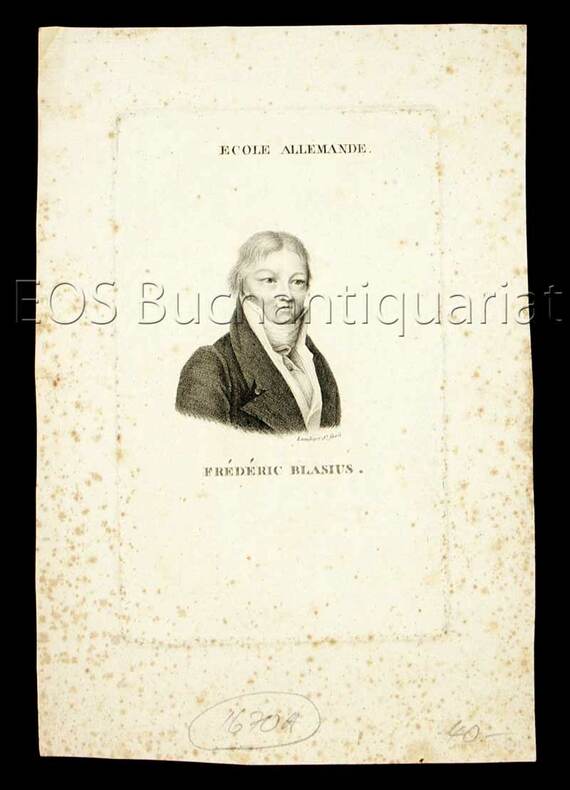
Blasius, Frédéric (1758-1829)
Französischer Violinist und Komponist.
O.O., um 1830. Kupferstich von Lambert. Plattengrösse: 17 x 10,5 cm. Blattgrösse: 24 x 15,8 cm. + Wichtig: Für unsere Kunden in der EU erfolgt der Versand alle 14 Tage verzollt ab Deutschland / Postbank-Konto in Deutschland vorhanden +, 1670AG
Riferimento per il libraio : 1670AG

|
|
|
Blasius, Frédéric (1758-1829):
Französischer Violinist und Komponist.
O.O., um 1830. Kupferstich von Lambert. Plattengrösse: 17 x 10,5 cm. Blattgrösse: 24 x 15,8 cm.
Riferimento per il libraio : 1670AG
|
|
|
BLATAS, Arbit
Arbit Blatas. Portraits de Montparnasse
Somogy Editions d’Art 1998 Lisez avec attention : Petit in-4, cartonnage noir, sous jaquette illustrée, photographies pleines pages en couleurs, 156 pp. Très bon état, jaquette légèrement abîmée.
Riferimento per il libraio : 20288
|
|
|
BLATAS, Arbit
Arbit Blatas. Portraits de Montparnasse - Broché
Editions de l’Albaron 1991 Lisez avec attention : Première édition. Donation au musée municipal de Boulogne-Billancourt. Traduit de l’anglais par Isabelle Glasberg. In-8, broché, couv. illustrée, photographies pleines pages en noir et en couleurs, 165 pp. Bon état.
Riferimento per il libraio : 21550
|
|
|
Bleiweis, Jan (1808-1881):
Portrait. Brustfigur nach dreiviertelrechts. Lithographie von Würbel, aus der seltenen Porträtfolge "Das Parlament".
Format (Bildbereich): 175 x 160 mm. Blattgröße: 405 x 295 mm. *Jan(ez) Bleiweis (1808-1881) war ein österreichischer Vetreinär, Politiker und Landtagsabgeordneter (Slovenien). - Leicht gebräunt, insgesamt gut erhalten. Graphiken de
|
|
|
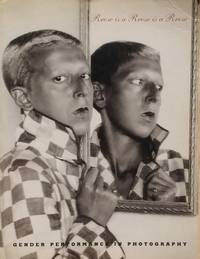
Blessing, Jennifer (Curated by); Halberstam, Judith, and Harris, Lyle Ashton, and Spector, Nancy, and Tyler, Carole-Anne, and Wi
Rrose is a Rrose is a Rrose: Gender Performance in Photography
New York: Guggenheim Museum Publications 1997. viii 223 pages illustrations some colour portraits some colour; 34 cm. Catalogue of an exhibition held at the Museum January 17 to April 27 1997. BRAND NEW. A fine copy. Still in publisher's shrinkwrap. OVERSIZE! Additional shipping charges may be requested for international & priority orders. Richly illustrated with colour plates. Includes: Janine Antoni - Matthew Barney - Cecil Beaton - Brassai - Claude Cahun - Marcel Duchamp - Nan Goldin - Lyle Ashton Harris - Hannah Hoch - Jurgen Klauke - George Platt Lynes - Man Ray - Robert Mapplethorpe - Christian Marclay - Annette Messager - Pierre Molinier - Yasumasa Morimura - Catherine Opie - Lucas Samaras - Cindy Sherman - Katharina Sieverding - Inez van Lamsweerde - Andy Warhol - Madame Yevonde. 1st. Hardcover. NEW/NEW. Folio. Collectible. Guggenheim Museum Publications Hardcover
Riferimento per il libraio : 124142 ISBN : 0810969017 9780810969018
|
|
|
Blodig, Carl (1820-1891):
Portrait. Brustfigur nach halblinks. Lithographie von Würbel aus der seltenen Porträtfolge "Das Parlament".
Format (Bildbereich): 180 x 190 mm. Blattgröße: 405 x 280 mm. *Carl Blodig (1820-1891 ) war ein österreichischer Ophthalmologe, Botaniker und Landtagsabgeordneter. - Leicht gebräunt, insgesamt gut erhalten. Graphiken de
|
|
|
Blum Robert, Friedrich (1807-1848):
und Wenzel Messenhauser (1813-1848). Doppelporträt. Lithographie von F. Randel.
Blattgröße (Querformat): 31,5 x 39 cm - Bildgröße: 15,5 x 22 cm. *Sehr seltenes Doppelporträt nach der Hinrichtung von Robert Blum und Messenhauser. - Diepenbroick, Porträt-Katalog Nr. 2372. - Robert Blum war ein deutscher Politiker, Publizist, Verleger und Dichter in den Jahren vor und während der Märzrevolution von 1848, bedeutendes Mitglied der Frankfurter Nationalversammlung. Wenzel Messenhauser war ein österreichischer Offizier und Schriftsteller böhmischer Herkunft. Nachdem er im Wiener Oktoberaufstand 1848 zusammen mit anderen Aufständischen (u.a. Alfred Julius Becher, Robert Blum, Hermann Jellinek etc.) vergeblich die Stadt Wien verteidigt hatte, ergab er sich am 30. Oktober 1848 den angreifenden Truppen des Feldmarschalls Windisch-Graetz. Als er danach den Kampf trotzdem wieder aufnahm, wurde er wegen Bruch der Kapitulation zusammen mit Robert Blum standrechtlich erschossen. - Die weißen Außenränder leicht gebräunt und etwas angestaubt, insgesamt gut erhalten. Graphiken de
|
|
|
Blum, Heiko R. und Katharina Blum
Gesichter des neuen deutschen Films. Unter Mitarb. von Sigrid Schmitt.
Berlin : Parthas, 1997. 192 S. Pp.
Riferimento per il libraio : 123326

|
|
|
Blum, Robert (1807-1848):
Portrait. Brustbild en face. Lithographie von Schertle.
Format (Darstellung): 10 x 10,5 cm. Blattgröße: 30,5 x 22 cm. An den Rändern etwas fingerfleckig. Insgesamt gut erhalten. *Der deutsche Politiker und Abgeordnete der Frankfurter Nationalversammlung Robert Blum (1807-1848) war Publizist, Verleger und Dichter. Er setzte sich, als einer der führenden Demokraten, für eine republikanische Verfassung des deutschen Nationalstaates ein. Nach der Niederschlagung des Oktoberaufstandes in Wien, an dem er auf der Seite der Revolutionäre gegen die kaiserlich-österreichischen Truppen teilnahm, wurde er wegen aufrührerischer Reden und Teilnahme an der Verteidigung Wiens zum Tode verurteilt und am 9. November 1848 hingerichtet. Graphiken de
|
|
|

 Ricevere i risultati per e-mail
 Scaricare i risultati in PDF
 RSS feed
 Link
Link


