|
|
|
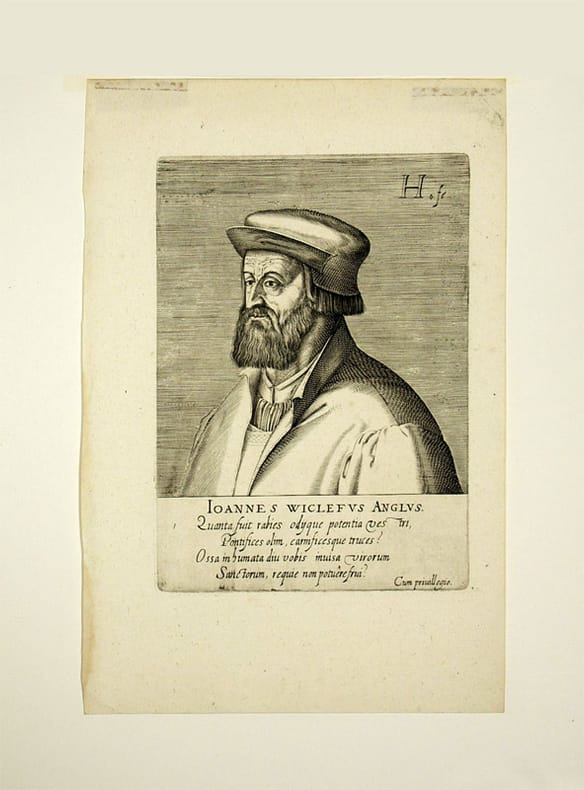
Wiclefus, Jo(h)annes
Methodist.
O.J. (um 1680). Kupferstich. Bildgrösse: 17 x 12 cm. Blattgrösse: 24.5 x 16 cm + Wichtig: Für unsere Kunden in der EU erfolgt der Versand alle 14 Tage verzollt ab Deutschland / Postbank-Konto in Deutschland vorhanden +, 1091AG
Riferimento per il libraio : 1091AG

|
|
|
Wiclefus, Jo(h)annes:
Methodist.
O.J. (um 1680). Kupferstich. Bildgrösse: 17 x 12 cm. Blattgrösse: 24.5 x 16 cm
Riferimento per il libraio : 1091AG
|
|
|
Widmann, Adalbert Freihher von (1804-1888):
Portrait. Brustfigur nach halbrechts. Lithographie von Würbel, aus der seltenen Porträtfolge "Das Parlament".
Format (Bildbereich): 180 x 175 mm. Blattgröße: 405 x 295 mm. *Adalbert Freiherr von Widmann (1804-1888) war Landeshauptmann von Mähren. - Leicht gebräunt, insgesamt gut erhalten. Graphiken de
|
|
|
Wieland, Christoph Martin (1733 - 1813), Dichter
Portrait. Brustbild. Halbprofil nach links. Stahlstich bei Breitkopf u. Härtel von Fr. Wagner nach Jagemann, um 1850. 14,2 x 12 cm (Darstellung). 37 x 31 cm (Blattgröße).
o.J. Hardcover
Riferimento per il libraio : 9073
|
|
|
Wieland, Christoph Martin (1733-1813)
Brustbild. Halbprofil nach links. Orig.-Kupferstich in Punktiermanier, um 1820. 6 x 6,5 cm.
o.J. Hardcover
Riferimento per il libraio : 8416
|
|
|
Wieland, Christoph Martin (1733-1813):
Portrait. Bildnis in Halbfigur in einem Sessel, Hintergrund mit einer Tapisserieszene. Kupferstich in Punktiermanier von Carl Hermann Pfeiffer nach dem Gemälde von Friedrich Tischbein.
Format (Platte): 387 x 278 mm. Blattgröße: 47,5 x 34,5 mm. *Nagler 71. Eines der schönsten graphischen Bildnisse des großen deutschen Dichters der Aufklärung Christoph Martin Wieland nach dem Gemälde von Tischbein. - Der Kupferstecher Carl Pfeiffer (1769-1829) war ein in Frankfurt geborener Kupferstecher, tätig in Wien, er fertigte eine große Zahl von Blättern, hauptsächlich in der beliebten englischen Punktiermanier. "Sehr zahlreich sind seine Bildnisse, die teilweise in grossem Formate dargestellt und sehr schätzbar sind ... Von einigen gibt es Abdrücke ohne Schrift und solche mit Nadelunterschrift (Nagler, Bd. 12, S. 359). - Ganz kleiner Randeinriss am oberen Außenrand, insgesamt ein schöner Abzug in sehr guter Erhaltung. Graphiken de
|
|
|
Wieland, Johann Jakob (1783-1848):
Portrait. Brustfigur nach viertellinks. Lithographie auf gewalztem China (wohl von Irminger). Abzug vor aller Schrift.
Format (Bildbereich): 20 x 16,5 cm. Blattgröße: 38,5 x 31 cm. Mit kleinem Einriss am rechten Blattrand, insgesamt gut erhalten. *Johann Jakob Wieland (1783-1848) war ein Schweizer Politiker und Industrieller. Von 1845 bis 1847 war er Regierungsrat des Kantons Zürich. 1848 gehörte er dem Nationalrat an. Graphiken de
|
|
|
Wiener, Jean (1896-1987)
Franz. Komponist u. Pianist.
Pairs, Max Eschig, o.J. (um 1930). Photographie (Portrait). Format: Postkarte. + Wichtig: Für unsere Kunden in der EU erfolgt der Versand alle 14 Tage verzollt ab Deutschland / Postbank-Konto in Deutschland vorhanden +
Riferimento per il libraio : 413CG
|
|
|
Wiener, Jean (1896-1987):
Franz. Komponist u. Pianist.
Pairs, Max Eschig, o.J. (um 1930). Photographie (Portrait). Format: Postkarte.
Riferimento per il libraio : 413CG
|
|
|
WIERIX Hieronimus (Anversa, 1549 - Bruxelles, 1618 o poco dopo)
Bernard van Orley
Bulino, 1572 circa, tratta da Pictorum Aliquot Celebrium Germaniae Inferioris Effigies. Primo stato. La prima edizione viene pubblicata dalla vedova di Hieronymus Cock ad Anversa nel 1572.Pictorum aliquot celebrium Germaniae inferioris effiges, una serie di 23 ritratti di artisti dei Paesi Bassi, è pubblicato nel 1575 con imprint “In de Vier Winden”, una delle principali stamperie di Amsterdam. Sebbene alcuni abbiano suggerito che la serie è stata concepita dall'umanista Dominicus Lampsonius, che ha composto versi per accompagnare i ritratti, è più probabile che l'autore sia stato Hieronymus Cock, il fondatore della tipografia con sede “In de Vier Winden”. La serie è apparsa in un momento in cui l'interesse per la vita degli artisti stava crescendo e di conseguenza ha attraversato diverse edizioni e interpretazioni di altri editori. Ottime condizioni. Engraving, 1572 circa, from Pictorum Aliquot Celebrium Germaniae Inferioris Effigies. First state. The first edition published by the widow of Hieronymus Cock in Antwerp in 1572. The Pictorum aliquot celebrium Germaniae inferioris effiges, a series of 23 portraits of artists from the Low Countries, published in 1575 by In de Vier Winden, a leading Amsterdam printing house. Although some have suggested that the series was conceived by the humanist Dominicus Lampsonius, who composed verses to accompany the portraits, the author is more likely to have been Hieronymus Cock, the founder of In de Vier Winden. The series appeared at a time when interest in the lives of artists was growing and consequently went through multiple editions and reinventions by other publishers. Very good condition.

|
|
|
WIERIX Hieronimus (Anversa, 1549 - Bruxelles, 1618 o poco dopo)
Dirk Bouts
Bulino, 1572 circa, tratta da Pictorum Aliquot Celebrium Germaniae Inferioris Effigies. Primo stato. La prima edizione viene pubblicata dalla vedova di Hieronymus Cock ad Anversa nel 1572. Pictorum aliquot celebrium Germaniae inferioris effiges, una serie di 23 ritratti di artisti dei Paesi Bassi, è pubblicato nel 1575 con imprint “In de Vier Winden”, una delle principali stamperie di Amsterdam. Sebbene alcuni abbiano suggerito che la serie è stata concepita dall'umanista Dominicus Lampsonius, che ha composto versi per accompagnare i ritratti, è più probabile che l'autore sia stato Hieronymus Cock, il fondatore della tipografia con sede “In de Vier Winden”. La serie è apparsa in un momento in cui l'interesse per la vita degli artisti stava crescendo e di conseguenza ha attraversato diverse edizioni e interpretazioni di altri editori. Ottime condizioni. Engraving, 1572 circa, from Pictorum Aliquot Celebrium Germaniae Inferioris Effigies. First state. The first edition published by the widow of Hieronymus Cock in Antwerp in 1572. The Pictorum aliquot celebrium Germaniae inferioris effiges, a series of 23 portraits of artists from the Low Countries, published in 1575 by In de Vier Winden, a leading Amsterdam printing house. Although some have suggested that the series was conceived by the humanist Dominicus Lampsonius, who composed verses to accompany the portraits, the author is more likely to have been Hieronymus Cock, the founder of In de Vier Winden. The series appeared at a time when interest in the lives of artists was growing and consequently went through multiple editions and reinventions by other publishers. Very good condition.

|
|
|
WIERIX Hieronimus (Anversa, 1549 - Bruxelles, 1618 o poco dopo)
Frans Floris
Bulino, 1572 circa, tratta da Pictorum Aliquot Celebrium Germaniae Inferioris Effigies. Primo stato. La prima edizione viene pubblicata dalla vedova di Hieronymus Cock ad Anversa nel 1572. Pictorum aliquot celebrium Germaniae inferioris effiges, una serie di 23 ritratti di artisti dei Paesi Bassi, è pubblicato nel 1575 con imprint “In de Vier Winden”, una delle principali stamperie di Amsterdam. Sebbene alcuni abbiano suggerito che la serie è stata concepita dall'umanista Dominicus Lampsonius, che ha composto versi per accompagnare i ritratti, è più probabile che l'autore sia stato Hieronymus Cock, il fondatore della tipografia con sede “In de Vier Winden”. La serie è apparsa in un momento in cui l'interesse per la vita degli artisti stava crescendo e di conseguenza ha attraversato diverse edizioni e interpretazioni di altri editori. Ottime condizioni. Engraving, 1572 circa, from Pictorum Aliquot Celebrium Germaniae Inferioris Effigies. First state. The first edition published by the widow of Hieronymus Cock in Antwerp in 1572. The Pictorum aliquot celebrium Germaniae inferioris effiges, a series of 23 portraits of artists from the Low Countries, published in 1575 by In de Vier Winden, a leading Amsterdam printing house. Although some have suggested that the series was conceived by the humanist Dominicus Lampsonius, who composed verses to accompany the portraits, the author is more likely to have been Hieronymus Cock, the founder of In de Vier Winden. The series appeared at a time when interest in the lives of artists was growing and consequently went through multiple editions and reinventions by other publishers. Very good condition.

|
|
|
WIERIX Hieronimus (Anversa, 1549 - Bruxelles, 1618 o poco dopo)
Herri met de Bles
Bulino, 1572 circa, tratta da Pictorum Aliquot Celebrium Germaniae Inferioris Effigies. Primo stato. La prima edizione viene pubblicata dalla vedova di Hieronymus Cock ad Anversa nel 1572. Pictorum aliquot celebrium Germaniae inferioris effiges, una serie di 23 ritratti di artisti dei Paesi Bassi, è pubblicato nel 1575 con imprint “In de Vier Winden”, una delle principali stamperie di Amsterdam. Sebbene alcuni abbiano suggerito che la serie è stata concepita dall'umanista Dominicus Lampsonius, che ha composto versi per accompagnare i ritratti, è più probabile che l'autore sia stato Hieronymus Cock, il fondatore della tipografia con sede “In de Vier Winden”. La serie è apparsa in un momento in cui l'interesse per la vita degli artisti stava crescendo e di conseguenza ha attraversato diverse edizioni e interpretazioni di altri editori. Ottime condizioni. Engraving, 1572 circa, from Pictorum Aliquot Celebrium Germaniae Inferioris Effigies. First state. The first edition published by the widow of Hieronymus Cock in Antwerp in 1572. The Pictorum aliquot celebrium Germaniae inferioris effiges, a series of 23 portraits of artists from the Low Countries, published in 1575 by In de Vier Winden, a leading Amsterdam printing house. Although some have suggested that the series was conceived by the humanist Dominicus Lampsonius, who composed verses to accompany the portraits, the author is more likely to have been Hieronymus Cock, the founder of In de Vier Winden. The series appeared at a time when interest in the lives of artists was growing and consequently went through multiple editions and reinventions by other publishers. Very good condition.

|
|
|
WIERIX Hieronimus (Anversa, 1549 - Bruxelles, 1618 o poco dopo)
Hubert van Eyck
Bulino, 1572 circa, tratta da Pictorum Aliquot Celebrium Germaniae Inferioris Effigies. Primo stato. La prima edizione viene pubblicata dalla vedova di Hieronymus Cock ad Anversa nel 1572. Pictorum aliquot celebrium Germaniae inferioris effiges, una serie di 23 ritratti di artisti dei Paesi Bassi, è pubblicato nel 1575 con imprint “In de Vier Winden”, una delle principali stamperie di Amsterdam. Sebbene alcuni abbiano suggerito che la serie è stata concepita dall'umanista Dominicus Lampsonius, che ha composto versi per accompagnare i ritratti, è più probabile che l'autore sia stato Hieronymus Cock, il fondatore della tipografia con sede “In de Vier Winden”. La serie è apparsa in un momento in cui l'interesse per la vita degli artisti stava crescendo e di conseguenza ha attraversato diverse edizioni e interpretazioni di altri editori. Ottime condizioni. Engraving, 1572 circa, from Pictorum Aliquot Celebrium Germaniae Inferioris Effigies. First state. The first edition published by the widow of Hieronymus Cock in Antwerp in 1572. The Pictorum aliquot celebrium Germaniae inferioris effiges, a series of 23 portraits of artists from the Low Countries, published in 1575 by In de Vier Winden, a leading Amsterdam printing house. Although some have suggested that the series was conceived by the humanist Dominicus Lampsonius, who composed verses to accompany the portraits, the author is more likely to have been Hieronymus Cock, the founder of In de Vier Winden. The series appeared at a time when interest in the lives of artists was growing and consequently went through multiple editions and reinventions by other publishers. Very good condition.

|
|
|
WIERIX Hieronimus (Anversa, 1549 - Bruxelles, 1618 o poco dopo)
Jan Cornelisz Vermeyen
Bulino, 1572 circa, tratta da Pictorum Aliquot Celebrium Germaniae Inferioris Effigies. Primo stato. La prima edizione viene pubblicata dalla vedova di Hieronymus Cock ad Anversa nel 1572. Pictorum aliquot celebrium Germaniae inferioris effiges, una serie di 23 ritratti di artisti dei Paesi Bassi, è pubblicato nel 1575 con imprint “In de Vier Winden”, una delle principali stamperie di Amsterdam. Sebbene alcuni abbiano suggerito che la serie è stata concepita dall'umanista Dominicus Lampsonius, che ha composto versi per accompagnare i ritratti, è più probabile che l'autore sia stato Hieronymus Cock, il fondatore della tipografia con sede “In de Vier Winden”. La serie è apparsa in un momento in cui l'interesse per la vita degli artisti stava crescendo e di conseguenza ha attraversato diverse edizioni e interpretazioni di altri editori. Ottime condizioni. Engraving, 1572 circa, from Pictorum Aliquot Celebrium Germaniae Inferioris Effigies. First state. The first edition published by the widow of Hieronymus Cock in Antwerp in 1572. The Pictorum aliquot celebrium Germaniae inferioris effiges, a series of 23 portraits of artists from the Low Countries, published in 1575 by In de Vier Winden, a leading Amsterdam printing house. Although some have suggested that the series was conceived by the humanist Dominicus Lampsonius, who composed verses to accompany the portraits, the author is more likely to have been Hieronymus Cock, the founder of In de Vier Winden. The series appeared at a time when interest in the lives of artists was growing and consequently went through multiple editions and reinventions by other publishers. Very good condition.

|
|
|
WIERIX Hieronimus (Anversa, 1549 - Bruxelles, 1618 o poco dopo)
Jan Mabuse
Bulino, 1572 circa, tratta da Pictorum Aliquot Celebrium Germaniae Inferioris Effigies. Primo stato. La prima edizione viene pubblicata dalla vedova di Hieronymus Cock ad Anversa nel 1572. Pictorum aliquot celebrium Germaniae inferioris effiges, una serie di 23 ritratti di artisti dei Paesi Bassi, è pubblicato nel 1575 con imprint “In de Vier Winden”, una delle principali stamperie di Amsterdam. Sebbene alcuni abbiano suggerito che la serie è stata concepita dall'umanista Dominicus Lampsonius, che ha composto versi per accompagnare i ritratti, è più probabile che l'autore sia stato Hieronymus Cock, il fondatore della tipografia con sede “In de Vier Winden”. La serie è apparsa in un momento in cui l'interesse per la vita degli artisti stava crescendo e di conseguenza ha attraversato diverse edizioni e interpretazioni di altri editori. Ottime condizioni. Engraving, 1572 circa, from Pictorum Aliquot Celebrium Germaniae Inferioris Effigies. First state. The first edition published by the widow of Hieronymus Cock in Antwerp in 1572. The Pictorum aliquot celebrium Germaniae inferioris effiges, a series of 23 portraits of artists from the Low Countries, published in 1575 by In de Vier Winden, a leading Amsterdam printing house. Although some have suggested that the series was conceived by the humanist Dominicus Lampsonius, who composed verses to accompany the portraits, the author is more likely to have been Hieronymus Cock, the founder of In de Vier Winden. The series appeared at a time when interest in the lives of artists was growing and consequently went through multiple editions and reinventions by other publishers. Very good condition.

|
|
|
WIERIX Hieronimus (Anversa, 1549 - Bruxelles, 1618 o poco dopo)
Jan van Amstel
Bulino, 1572 circa, tratta da Pictorum Aliquot Celebrium Germaniae Inferioris Effigies. Primo stato. La prima edizione viene pubblicata dalla vedova di Hieronymus Cock ad Anversa nel 1572. Pictorum aliquot celebrium Germaniae inferioris effiges, una serie di 23 ritratti di artisti dei Paesi Bassi, è pubblicato nel 1575 con imprint “In de Vier Winden”, una delle principali stamperie di Amsterdam. Sebbene alcuni abbiano suggerito che la serie è stata concepita dall'umanista Dominicus Lampsonius, che ha composto versi per accompagnare i ritratti, è più probabile che l'autore sia stato Hieronymus Cock, il fondatore della tipografia con sede “In de Vier Winden”. La serie è apparsa in un momento in cui l'interesse per la vita degli artisti stava crescendo e di conseguenza ha attraversato diverse edizioni e interpretazioni di altri editori. Ottime condizioni. Engraving, 1572 circa, from Pictorum Aliquot Celebrium Germaniae Inferioris Effigies. First state. The first edition published by the widow of Hieronymus Cock in Antwerp in 1572. The Pictorum aliquot celebrium Germaniae inferioris effiges, a series of 23 portraits of artists from the Low Countries, published in 1575 by In de Vier Winden, a leading Amsterdam printing house. Although some have suggested that the series was conceived by the humanist Dominicus Lampsonius, who composed verses to accompany the portraits, the author is more likely to have been Hieronymus Cock, the founder of In de Vier Winden. The series appeared at a time when interest in the lives of artists was growing and consequently went through multiple editions and reinventions by other publishers. Very good condition.

|
|
|
WIERIX Hieronimus (Anversa, 1549 - Bruxelles, 1618 o poco dopo)
Jan van Eyck
Bulino, 1572 circa, tratta da Pictorum Aliquot Celebrium Germaniae Inferioris Effigies. Primo stato. La prima edizione viene pubblicata dalla vedova di Hieronymus Cock ad Anversa nel 1572. Pictorum aliquot celebrium Germaniae inferioris effiges, una serie di 23 ritratti di artisti dei Paesi Bassi, è pubblicato nel 1575 con imprint “In de Vier Winden”, una delle principali stamperie di Amsterdam. Sebbene alcuni abbiano suggerito che la serie è stata concepita dall'umanista Dominicus Lampsonius, che ha composto versi per accompagnare i ritratti, è più probabile che l'autore sia stato Hieronymus Cock, il fondatore della tipografia con sede “In de Vier Winden”. La serie è apparsa in un momento in cui l'interesse per la vita degli artisti stava crescendo e di conseguenza ha attraversato diverse edizioni e interpretazioni di altri editori. Ottime condizioni. Engraving, 1572 circa, from Pictorum Aliquot Celebrium Germaniae Inferioris Effigies. First state. The first edition published by the widow of Hieronymus Cock in Antwerp in 1572. The Pictorum aliquot celebrium Germaniae inferioris effiges, a series of 23 portraits of artists from the Low Countries, published in 1575 by In de Vier Winden, a leading Amsterdam printing house. Although some have suggested that the series was conceived by the humanist Dominicus Lampsonius, who composed verses to accompany the portraits, the author is more likely to have been Hieronymus Cock, the founder of In de Vier Winden. The series appeared at a time when interest in the lives of artists was growing and consequently went through multiple editions and reinventions by other publishers. Very good condition.

|
|
|
WIERIX Hieronimus (Anversa, 1549 - Bruxelles, 1618 o poco dopo)
Jan van Scorel
Bulino, 1572 circa, tratta da Pictorum Aliquot Celebrium Germaniae Inferioris Effigies. Primo stato. La prima edizione viene pubblicata dalla vedova di Hieronymus Cock ad Anversa nel 1572. Pictorum aliquot celebrium Germaniae inferioris effiges, una serie di 23 ritratti di artisti dei Paesi Bassi, è pubblicato nel 1575 con imprint “In de Vier Winden”, una delle principali stamperie di Amsterdam. Sebbene alcuni abbiano suggerito che la serie è stata concepita dall'umanista Dominicus Lampsonius, che ha composto versi per accompagnare i ritratti, è più probabile che l'autore sia stato Hieronymus Cock, il fondatore della tipografia con sede “In de Vier Winden”. La serie è apparsa in un momento in cui l'interesse per la vita degli artisti stava crescendo e di conseguenza ha attraversato diverse edizioni e interpretazioni di altri editori. Ottime condizioni. Engraving, 1572 circa, from Pictorum Aliquot Celebrium Germaniae Inferioris Effigies. First state. The first edition published by the widow of Hieronymus Cock in Antwerp in 1572. The Pictorum aliquot celebrium Germaniae inferioris effiges, a series of 23 portraits of artists from the Low Countries, published in 1575 by In de Vier Winden, a leading Amsterdam printing house. Although some have suggested that the series was conceived by the humanist Dominicus Lampsonius, who composed verses to accompany the portraits, the author is more likely to have been Hieronymus Cock, the founder of In de Vier Winden. The series appeared at a time when interest in the lives of artists was growing and consequently went through multiple editions and reinventions by other publishers. Very good condition.

|
|
|
WIERIX Hieronimus (Anversa, 1549 - Bruxelles, 1618 o poco dopo)
Joachim Patinir
Bulino, 1572 circa, tratta da Pictorum Aliquot Celebrium Germaniae Inferioris Effigies. Primo stato. La prima edizione viene pubblicata dalla vedova di Hieronymus Cock ad Anversa nel 1572. Pictorum aliquot celebrium Germaniae inferioris effiges, una serie di 23 ritratti di artisti dei Paesi Bassi, è pubblicato nel 1575 con imprint “In de Vier Winden”, una delle principali stamperie di Amsterdam. Sebbene alcuni abbiano suggerito che la serie è stata concepita dall'umanista Dominicus Lampsonius, che ha composto versi per accompagnare i ritratti, è più probabile che l'autore sia stato Hieronymus Cock, il fondatore della tipografia con sede “In de Vier Winden”. La serie è apparsa in un momento in cui l'interesse per la vita degli artisti stava crescendo e di conseguenza ha attraversato diverse edizioni e interpretazioni di altri editori. Ottime condizioni. Engraving, 1572 circa, from Pictorum Aliquot Celebrium Germaniae Inferioris Effigies. First state. The first edition published by the widow of Hieronymus Cock in Antwerp in 1572. The Pictorum aliquot celebrium Germaniae inferioris effiges, a series of 23 portraits of artists from the Low Countries, published in 1575 by In de Vier Winden, a leading Amsterdam printing house. Although some have suggested that the series was conceived by the humanist Dominicus Lampsonius, who composed verses to accompany the portraits, the author is more likely to have been Hieronymus Cock, the founder of In de Vier Winden. The series appeared at a time when interest in the lives of artists was growing and consequently went through multiple editions and reinventions by other publishers. Very good condition.

|
|
|
WIERIX Hieronimus (Anversa, 1549 - Bruxelles, 1618 o poco dopo)
Joost van Cleve
Bulino, 1572 circa, tratta da Pictorum Aliquot Celebrium Germaniae Inferioris Effigies. Primo stato. La prima edizione viene pubblicata dalla vedova di Hieronymus Cock ad Anversa nel 1572. Pictorum aliquot celebrium Germaniae inferioris effiges, una serie di 23 ritratti di artisti dei Paesi Bassi, è pubblicato nel 1575 con imprint “In de Vier Winden”, una delle principali stamperie di Amsterdam. Sebbene alcuni abbiano suggerito che la serie è stata concepita dall'umanista Dominicus Lampsonius, che ha composto versi per accompagnare i ritratti, è più probabile che l'autore sia stato Hieronymus Cock, il fondatore della tipografia con sede “In de Vier Winden”. La serie è apparsa in un momento in cui l'interesse per la vita degli artisti stava crescendo e di conseguenza ha attraversato diverse edizioni e interpretazioni di altri editori. Ottime condizioni. Engraving, 1572 circa, from Pictorum Aliquot Celebrium Germaniae Inferioris Effigies. First state. The first edition published by the widow of Hieronymus Cock in Antwerp in 1572. The Pictorum aliquot celebrium Germaniae inferioris effiges, a series of 23 portraits of artists from the Low Countries, published in 1575 by In de Vier Winden, a leading Amsterdam printing house. Although some have suggested that the series was conceived by the humanist Dominicus Lampsonius, who composed verses to accompany the portraits, the author is more likely to have been Hieronymus Cock, the founder of In de Vier Winden. The series appeared at a time when interest in the lives of artists was growing and consequently went through multiple editions and reinventions by other publishers. Very good condition.

|
|
|
WIERIX Hieronimus (Anversa, 1549 - Bruxelles, 1618 o poco dopo)
Luca Gassel
Bulino, 1572 circa, tratta da Pictorum Aliquot Celebrium Germaniae Inferioris Effigies. Primo stato. La prima edizione viene pubblicata dalla vedova di Hieronymus Cock ad Anversa nel 1572. Pictorum aliquot celebrium Germaniae inferioris effiges, una serie di 23 ritratti di artisti dei Paesi Bassi, è pubblicato nel 1575 con imprint “In de Vier Winden”, una delle principali stamperie di Amsterdam. Sebbene alcuni abbiano suggerito che la serie è stata concepita dall'umanista Dominicus Lampsonius, che ha composto versi per accompagnare i ritratti, è più probabile che l'autore sia stato Hieronymus Cock, il fondatore della tipografia con sede “In de Vier Winden”. La serie è apparsa in un momento in cui l'interesse per la vita degli artisti stava crescendo e di conseguenza ha attraversato diverse edizioni e interpretazioni di altri editori. Ottime condizioni. Engraving, 1572 circa, from Pictorum Aliquot Celebrium Germaniae Inferioris Effigies. First state. The first edition published by the widow of Hieronymus Cock in Antwerp in 1572. The Pictorum aliquot celebrium Germaniae inferioris effiges, a series of 23 portraits of artists from the Low Countries, published in 1575 by In de Vier Winden, a leading Amsterdam printing house. Although some have suggested that the series was conceived by the humanist Dominicus Lampsonius, who composed verses to accompany the portraits, the author is more likely to have been Hieronymus Cock, the founder of In de Vier Winden. The series appeared at a time when interest in the lives of artists was growing and consequently went through multiple editions and reinventions by other publishers. Very good condition.

|
|
|
WIERIX Hieronimus (Anversa, 1549 - Bruxelles, 1618 o poco dopo)
Lucas van Leyden
Bulino, 1572 circa, tratta da Pictorum Aliquot Celebrium Germaniae Inferioris Effigies. Primo stato. La prima edizione viene pubblicata dalla vedova di Hieronymus Cock ad Anversa nel 1572. Pictorum aliquot celebrium Germaniae inferioris effiges, una serie di 23 ritratti di artisti dei Paesi Bassi, è pubblicato nel 1575 con imprint “In de Vier Winden”, una delle principali stamperie di Amsterdam. Sebbene alcuni abbiano suggerito che la serie è stata concepita dall'umanista Dominicus Lampsonius, che ha composto versi per accompagnare i ritratti, è più probabile che l'autore sia stato Hieronymus Cock, il fondatore della tipografia con sede “In de Vier Winden”. La serie è apparsa in un momento in cui l'interesse per la vita degli artisti stava crescendo e di conseguenza ha attraversato diverse edizioni e interpretazioni di altri editori. Ottime condizioni. Engraving, 1572 circa, from Pictorum Aliquot Celebrium Germaniae Inferioris Effigies. First state. The first edition published by the widow of Hieronymus Cock in Antwerp in 1572. The Pictorum aliquot celebrium Germaniae inferioris effiges, a series of 23 portraits of artists from the Low Countries, published in 1575 by In de Vier Winden, a leading Amsterdam printing house. Although some have suggested that the series was conceived by the humanist Dominicus Lampsonius, who composed verses to accompany the portraits, the author is more likely to have been Hieronymus Cock, the founder of In de Vier Winden. The series appeared at a time when interest in the lives of artists was growing and consequently went through multiple editions and reinventions by other publishers. Very good condition.

|
|
|
WIERIX Hieronimus (Anversa, 1549 - Bruxelles, 1618 o poco dopo)
Mathias Cock
Bulino, 1572 circa, tratta da Pictorum Aliquot Celebrium Germaniae Inferioris Effigies. Primo stato. La prima edizione viene pubblicata dalla vedova di Hieronymus Cock ad Anversa nel 1572. Pictorum aliquot celebrium Germaniae inferioris effiges, una serie di 23 ritratti di artisti dei Paesi Bassi, è pubblicato nel 1575 con imprint “In de Vier Winden”, una delle principali stamperie di Amsterdam. Sebbene alcuni abbiano suggerito che la serie è stata concepita dall'umanista Dominicus Lampsonius, che ha composto versi per accompagnare i ritratti, è più probabile che l'autore sia stato Hieronymus Cock, il fondatore della tipografia con sede “In de Vier Winden”. La serie è apparsa in un momento in cui l'interesse per la vita degli artisti stava crescendo e di conseguenza ha attraversato diverse edizioni e interpretazioni di altri editori. Ottime condizioni. Engraving, 1572 circa, from Pictorum Aliquot Celebrium Germaniae Inferioris Effigies. First state. The first edition published by the widow of Hieronymus Cock in Antwerp in 1572. The Pictorum aliquot celebrium Germaniae inferioris effiges, a series of 23 portraits of artists from the Low Countries, published in 1575 by In de Vier Winden, a leading Amsterdam printing house. Although some have suggested that the series was conceived by the humanist Dominicus Lampsonius, who composed verses to accompany the portraits, the author is more likely to have been Hieronymus Cock, the founder of In de Vier Winden. The series appeared at a time when interest in the lives of artists was growing and consequently went through multiple editions and reinventions by other publishers. Very good condition.

|
|
|
WIERIX Hieronimus (Anversa, 1549 - Bruxelles, 1618 o poco dopo)
Quinten Metsys
Bulino, 1572 circa, tratta da Pictorum Aliquot Celebrium Germaniae Inferioris Effigies. Primo stato. La prima edizione viene pubblicata dalla vedova di Hieronymus Cock ad Anversa nel 1572. Pictorum aliquot celebrium Germaniae inferioris effiges, una serie di 23 ritratti di artisti dei Paesi Bassi, è pubblicato nel 1575 con imprint “In de Vier Winden”, una delle principali stamperie di Amsterdam. Sebbene alcuni abbiano suggerito che la serie è stata concepita dall'umanista Dominicus Lampsonius, che ha composto versi per accompagnare i ritratti, è più probabile che l'autore sia stato Hieronymus Cock, il fondatore della tipografia con sede “In de Vier Winden”. La serie è apparsa in un momento in cui l'interesse per la vita degli artisti stava crescendo e di conseguenza ha attraversato diverse edizioni e interpretazioni di altri editori. Ottime condizioni. Engraving, 1572 circa, from Pictorum Aliquot Celebrium Germaniae Inferioris Effigies. First state. The first edition published by the widow of Hieronymus Cock in Antwerp in 1572. The Pictorum aliquot celebrium Germaniae inferioris effiges, a series of 23 portraits of artists from the Low Countries, published in 1575 by In de Vier Winden, a leading Amsterdam printing house. Although some have suggested that the series was conceived by the humanist Dominicus Lampsonius, who composed verses to accompany the portraits, the author is more likely to have been Hieronymus Cock, the founder of In de Vier Winden. The series appeared at a time when interest in the lives of artists was growing and consequently went through multiple editions and reinventions by other publishers. Very good condition.

|
|
|
WIERIX Hieronimus (Anversa, 1549 - Bruxelles, 1618 o poco dopo)
Rogier van der Weyden
Bulino, 1572 circa, tratta da Pictorum Aliquot Celebrium Germaniae Inferioris Effigies. Primo stato. La prima edizione viene pubblicata dalla vedova di Hieronymus Cock ad Anversa nel 1572. Pictorum aliquot celebrium Germaniae inferioris effiges, una serie di 23 ritratti di artisti dei Paesi Bassi, è pubblicato nel 1575 con imprint “In de Vier Winden”, una delle principali stamperie di Amsterdam. Sebbene alcuni abbiano suggerito che la serie è stata concepita dall'umanista Dominicus Lampsonius, che ha composto versi per accompagnare i ritratti, è più probabile che l'autore sia stato Hieronymus Cock, il fondatore della tipografia con sede “In de Vier Winden”. La serie è apparsa in un momento in cui l'interesse per la vita degli artisti stava crescendo e di conseguenza ha attraversato diverse edizioni e interpretazioni di altri editori. Ottime condizioni. Engraving, 1572 circa, from Pictorum Aliquot Celebrium Germaniae Inferioris Effigies. First state. The first edition published by the widow of Hieronymus Cock in Antwerp in 1572. The Pictorum aliquot celebrium Germaniae inferioris effiges, a series of 23 portraits of artists from the Low Countries, published in 1575 by In de Vier Winden, a leading Amsterdam printing house. Although some have suggested that the series was conceived by the humanist Dominicus Lampsonius, who composed verses to accompany the portraits, the author is more likely to have been Hieronymus Cock, the founder of In de Vier Winden. The series appeared at a time when interest in the lives of artists was growing and consequently went through multiple editions and reinventions by other publishers. Very good condition.

|
|
|
WIERIX Hieronimus (Anversa, 1549 - Bruxelles, 1618 o poco dopo)
Willem Key
Bulino, 1572 circa, tratta da Pictorum Aliquot Celebrium Germaniae Inferioris Effigies. Primo stato. La prima edizione viene pubblicata dalla vedova di Hieronymus Cock ad Anversa nel 1572. Pictorum aliquot celebrium Germaniae inferioris effiges, una serie di 23 ritratti di artisti dei Paesi Bassi, è pubblicato nel 1575 con imprint “In de Vier Winden”, una delle principali stamperie di Amsterdam. Sebbene alcuni abbiano suggerito che la serie è stata concepita dall'umanista Dominicus Lampsonius, che ha composto versi per accompagnare i ritratti, è più probabile che l'autore sia stato Hieronymus Cock, il fondatore della tipografia con sede “In de Vier Winden”. La serie è apparsa in un momento in cui l'interesse per la vita degli artisti stava crescendo e di conseguenza ha attraversato diverse edizioni e interpretazioni di altri editori. Ottime condizioni. Engraving, 1572 circa, from Pictorum Aliquot Celebrium Germaniae Inferioris Effigies. First state. The first edition published by the widow of Hieronymus Cock in Antwerp in 1572. The Pictorum aliquot celebrium Germaniae inferioris effiges, a series of 23 portraits of artists from the Low Countries, published in 1575 by In de Vier Winden, a leading Amsterdam printing house. Although some have suggested that the series was conceived by the humanist Dominicus Lampsonius, who composed verses to accompany the portraits, the author is more likely to have been Hieronymus Cock, the founder of In de Vier Winden. The series appeared at a time when interest in the lives of artists was growing and consequently went through multiple editions and reinventions by other publishers. Very good condition.

|
|
|
Wiese, Hinrich Diederich (1676 Hamburg - 1726 ebda.)
PORTRAIT "Henricus Dietericus Wiese Ltus. Senator Hamburgensis Anno 1716. Consul 1720, Obiit 1728". Kupferstich von J. C. G. Fritzsch.
1775. Ovales Bruststück im Dreiviertelprofil, nach rechts gewandt, mit Wappenkartusche. 12,5 x 11,5 cm. (Blattgröße 22 x 18 cm). Passepartout mit Farblinieneinfassung.
Riferimento per il libraio : 86291

|
|
|
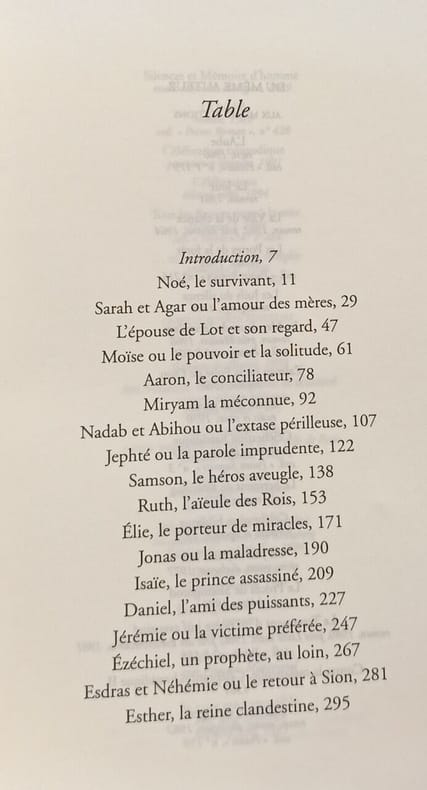
Wiesel elie
Célébration prophétique: Portraits et légendes
Seuil 1998 320 pages 22x2x13 6cm. 1998. Broché. 320 pages. Elie Wiesel propose une exploration des figures prophétiques bibliques (Noé Moïse Samson Ruth Daniel Jérémie Ézéchiel Esther) à travers des portraits et légendes s'appuyant sur les sources bibliques et midrashiques. L'ouvrage examine l'expérience prophétique la relation complexe entre Dieu et son peuple et le rôle de ces personnages dans l'histoire du peuple juif
Riferimento per il libraio : 100145814 ISBN : 2020332841
|
|
|
Wiesel, Elie
Die Weisheit des Talmud. Geschichten und Portraits. [Von Elie Wiesel]. 2. Auflage.
Freiburg, Basel & Wien: Herder 1996. 360 Seiten. 8° (17,5-22,5 cm). Illustrierte Orig.-Broschur. [Softcover / Paperback].
Riferimento per il libraio : 3131104

|
|
|
Wiesenburg, Adolf (1838-1920):
Portrait. Brustfigur nach halblinks. Lithographie von Appelrath, aus der seltenen Porträtfolge "Das Parlament".
Format (Bildbereich): 185 x 190 mm. Blattgröße: 405 x 295 mm. *Adolf Wiesenburg (1838-1920) war ein österreichischer Unternehmer und Reichsratsabgeordneter. - Leicht gebräunt, insgesamt gut erhalten. Graphiken de
|
|
|
Wieser, Joseph (1828-1899):
Portrait. Brustfigur nach viertellinks. Lithographie von Dauthage, aus der seltenen Porträtfolge "Das Parlament".
Format (Bildbereich): 190 x 190 mm. Blattgröße: 405 x 295 mm. *Joseph Wieser (1828-1899) war ein österreichischer Geistlicher, Politiker und Reichsratsabgeordneter. - Leicht gebräunt, insgesamt gut erhalten. Graphiken de
|
|
|
Wieskerstrauch, Liz
Schreiben zwischen Unbehagen und Aufklärung. Literarische Portraits der Gegenwart. Mit Fotografien von Isolde Ohlbaum.
Weinheim u. Berlin, Quadriga 1988. 177, (3) S., OKt. Tadelloses Exemplar. EA. OKt. Tadelloses Exemplar. EA.
Riferimento per il libraio : 87225AB
|
|
|
Wiggin, Kate Douglas
My Garden of Memory: An Autobiography
465p., illus. Hardcover Very good condition
|
|
|
Wilbrandt-Baudius, Auguste, Schauspielerin, 1844-1937
Fotoportrait mit eigenh. Widmung u.U.
(Wien), 17.I.1918. Kabinett.
Riferimento per il libraio : 702BB
|
|
|
Wilczek, Friedrich Graf von (1790-1861):
Portrait. Brustigur, Kopf nach halblinks gewandt. Stahlstich auf augewalztem Chinapapier von J. Krepp nach Kriehuber.
Format (Bildbereich): 16 x 14 cm. Blattgröße: 38 x 29 cm. *Friedrich Graf von Wilczek (geb. 19. Juli 1790 in Wien; gest. 3. Februar 1861 ebenda) war ein österreichischer Beamter und Politiker. 1825–1837 Gouverneur und Landeshauptmann von Tirol und Vorarlberg. 1840 Präsident des General-Rechnungsdirektoriums in Wien, hier machte er sich vor allem um die statistische Erfassung der Monarchie verdient. - Sauber und sehr gut erhalten. Graphiken de
|
|
|
Wilczek, Friedrich Graf von (1790-1861):
Portrait. Brustigur, Kopf nach halblinks gewandt. Stahlstich von J. Krepp nach Kriehuber.
Format (Bildbereich): 16 x 14 cm. Blattgröße: 49 x 33,5 cm. *Friedrich Graf von Wilczek (geb. 19. Juli 1790 in Wien; gest. 3. Februar 1861 ebenda) war ein österreichischer Beamter und Politiker. 1825–1837 Gouverneur und Landeshauptmann von Tirol und Vorarlberg. 1840 Präsident des General-Rechnungsdirektoriums in Wien, hier machte er sich vor allem um die statistische Erfassung der Monarchie verdient. - Minimal gebräunt. Graphiken de
|
|
|
Wilczek, Friedrich Graf von (1790-1861):
Portrait. Halbfigur nach halblinks, sitzend in einem Lehnstuhl. Lithographie von Kriehuber.
Format (Bildbereich): 200 x 215 mm. Blattgröße: 300 x 240 mm. *Friedrich Graf von Wilczek (geb. 19. Juli 1790 in Wien; gest. 3. Februar 1861 ebenda) war ein österreichischer Beamter und Politiker. 1825–1837 Gouverneur und Landeshauptmann von Tirol und Vorarlberg. 1840 Präsident des General-Rechnungsdirektoriums in Wien, hier machte er sich vor allem um die statistische Erfassung der Monarchie verdient. - Ränder leicht gebräunt, insgesamt gut erhalten. Graphiken de
|
|
|
Wilczek, Friedrich Graf von (1790-1861):
Portrait. Halbfigur nach halblinks, sitzend in einem Lehnstuhl. Lithographie von Kriehuber.
Format (Bildbereich): 200 x 215 mm. Blattgröße: 470 x 330 mm. *Friedrich Graf von Wilczek (geb. 19. Juli 1790 in Wien; gest. 3. Februar 1861 ebenda) war ein österreichischer Beamter und Politiker. 1825–1837 Gouverneur und Landeshauptmann von Tirol und Vorarlberg. 1840 Präsident des General-Rechnungsdirektoriums in Wien, hier machte er sich vor allem um die statistische Erfassung der Monarchie verdient. - Breitrandiges Exemplar in sehr guter Erhaltung. Graphiken de
|
|
|
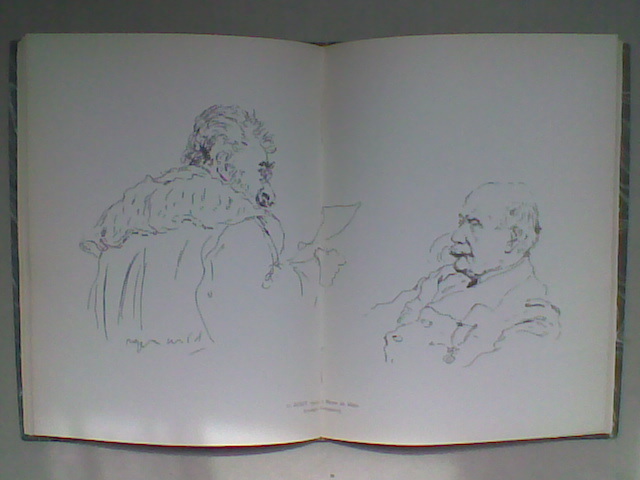
WILD Roger
Galerie contemporaine - Vingt-six Dessins de Roger Wild
Editions du Tambourinaire, 1953, n.p., in-8 cartonnage 1/2 toile (28 x21), un des 998 exemplaires numérotés sur vélin d'alfa, 26 planches de portraits, cartonnage récent, couverture conservée, dos muet, très bon état
Riferimento per il libraio : QWA-3044
|
|
|
Wildauer, Mathilde (1820 - 1878):
Porträt. Dreiviertelfigur, sitzend nach rechts in der Theaterrolle als Nandl im "Versprechen hinterm Herd". Lithographie von Kriehuber.
Bildbereich: 290 x 250 mm (Blattgröße: 505 x 335 mm). Leicht angestaubt und mit leichter Knickspur an der rechten unteren Ecke. Insgesamt ordentlich erhalten *Mathilde Wildauer (1820-1878) war eine österreichische Schauspielerin und Sängerin. Wildauer machte sich bald als naive Liebhaberin, Salondame und Soubrette durch ihre köstliche Laune und ihr komisches Talent zum Liebling des Publikums. Der österreichische Dialektdichter Alexander Baumann schrieb für sie das „Nanderl“, das ihre berühmteste Rolle wurde und dem Dichter seine Popularität verschaffte. Seit 1850 gehörte sie nicht nur dem Burg-, sondern zugleich dem Hofoperntheater an und widmete sich fortan dem Gesang. Ihr ehrenhalber gewidmetes Grab befindet sich auf dem Hietzinger Friedhof (Gruppe 11, Nummer 9) in Wien. 1930 wurde die Wildauergasse in Wien-Meidling nach ihr benannt. - Hier das Bildnis in der auf sie personifizierten Hauptrolle als Nanderl. Graphiken de
|
|
|
Wildens, Jan (1586 - 1653):
Halbfigur. Kupferstich von Paul Pontius nach dem Gemälde des Anthonis van Dyck. Unten mit Inschrift: "Ioannes Wildens Pictor Ruralium Prospectuum Antverpiae".
Format (Platte): 238 x 176 mm. Blattgröße: 375 x 235 mm. *Blatt aus der berühmten "Iconographia" oder Iconographie, einer Sammelausgabe von ca. 100 der gemalten Bildnisse des Anthonis van Dyck (1599-1641) in Kupferstich. - Wibiral 70, V. - Jan Wildens (geb. 1586 in Antwerpen; gest. 1653 ebenda) war ein flämischer Maler. Wildens war Schüler von Peter Verhulst und wurde 1604 Meister der Malergilde seiner Heimatstadt. Von 1613 bis 1618 wohnte er in Italien, nach seiner Rückkehr kam er in Kontakt mit Peter Paul Rubens. Wildens gestaltete in vielen Gemälden von Rubens die Landschaften mit breitem Pinsel und dekorativer Auffassung. Es gibt nur wenige selbständige Arbeiten. - Ränder minimal gebräunt, insgesamt gut erhalten. Graphiken de
|
|
|
Wildenstein, Ernst Heinrich Graf von (1708-1768):
Portrait. Ganzfigur in einem Sessel vor einem Sammlerkabinett mit Bücherwand, Globus und Kabinettschränken. Lithographie von J. Bauer
Format (Bildbereich): 37 x 29 cm. Blattgröße: 55 x 35 cm. *Wildenstein war Landrat in Steiermark, Genealoge, Sammler von Urkunden etc. Nach seiner Kavalierstour mit 21 Jahren "trat er bei dem steiermärkischen Landrecht in den öffentlichen Dienst und wurde Landrath. Sein Beruf ließ ihm aber genügende Muße, seine Zeit in geschichtlicher und vornehmlich genealogischer Richtung zu verwerthen. So ward er, während er seine Besitzungen selbst verwaltete, ein eifriger Geschichtsforscher, ein emsiger Urkundensammler und war überhaupt ein Freund und Förderer der Wissenschaften" (BLKÖ). Graphiken de
|
|
|
Wildgans, Anton (1881-1932)
Österreichischer Schriftsteller.
Wien, Fayer, (um 1930). Photographie (Portrait). Format: 17,7 x 12,8 cm. + Wichtig: Für unsere Kunden in der EU erfolgt der Versand alle 14 Tage verzollt ab Deutschland / Postbank-Konto in Deutschland vorhanden +, 654AG
Riferimento per il libraio : 654AG

|
|
|
Wildgans, Anton (1881-1932):
Österreichischer Schriftsteller.
Wien, Fayer, (um 1930). Photographie (Portrait). Format: 17,7 x 12,8 cm.
Riferimento per il libraio : 654AG

|
|
|
Wilhelm Franz Karl, Erzherzog von Habsburg-Lothringen (1827-1894):
Portrait. Brustfigur nach viertellinks. Lithographie von A. Schubert aus der seltenen Porträtfolge "Das Parlament".
Format (Bildbereich): 180 x 170 mm. Blattgröße: 415 x 295 mm. *Erzherzog Wilhelm Franz Karl von Habsburg-Lothringen, vierter Sohn Erzherzog Karls, war seit 1863 Hoch- und Deutschmeister des Deutschen Ordens. - Minimal gebräunt, sonst sehr gut erhalten. Graphiken de
|
|
|
Wilhelm Friedrich Ludwig von Preußen (1797-1888):
Portrait. Brustfigur en face in Uniform in Oval mit Randverzierung. Getönte Lithographie von Bülow.
Format (Bildbereich): 400 x 330 mm. Blattgröße: 500 x 405 mm. *Unten mit Bezeichnung "Wilhelm I, König von Preussen". - Wilhelm I. (* 22. März 1797; † 9. März 1888 ebenda) aus dem Haus Hohenzollern war seit 1858 Regent und seit 1861 König von Preußen, ab 1866 Präsident des Norddeutschen Bundes sowie ab 1871 erster Deutscher Kaiser. Heirat 1829 mit der Prinzessin Augusta von Sachsen-Weimar-Eisenach. - Oberrand mit geklebtem Einriß bis zum Bildrand, im Bildbereich der Uniform mit mehreren kleinen Wurmlöchlein. Graphiken de
|
|
|
Wilhelm Friedrich Ludwig von Preußen (1797-1888):
Portrait. Brustfigur in Uniform nach halblinks in Oval mit Randverzierung. Getönte Lithographie von Bülow.
Format (Bildbereich): 400 x 330 mm. Blattgröße: 540 x 405 mm. *Unten mit Bezeichnung "Friedrich Wilhelm, Kronprinz von Preussen". - Wilhelm I. (* 22. März 1797; † 9. März 1888 ebenda) aus dem Haus Hohenzollern war seit 1858 Regent und seit 1861 König von Preußen, ab 1866 Präsident des Norddeutschen Bundes sowie ab 1871 erster Deutscher Kaiser. Heirat 1829 mit der Prinzessin Augusta von Sachsen-Weimar-Eisenach. Geringfügige Alters- und Gebrauchsspuren, insgesamt gut erhalten. Graphiken de
|
|
|
Wilhelm Georg Friedrich (1774 -1799) Prinz von Oranien:
Portrait. Brustfigur, unten mit Schrift: "William George Frederick". Mezzotinto (Schabkunstblatt) engraved by F. Green after J.C. Jones.
Format (Platte): 25,3 x 20,7 cm. Blattgröße: 36,5 x 29 cm. Gedruckt auf kräftigem Bütten, Unterrand mit kleinem Fleckchen, insgesamt sehr gut erhalten. *"Wilhelm Georg Friedrich, Prinz von Oranien-Nassau (* 15. Februar 1774 in Den Haag; † 6. Januar 1799 in Padua) war der zweite Sohn des Erbstatthalters Wilhelm V. der Niederlande und der Prinzessin Friederike Sophie Wilhelmine von Preußen. Er trat früh in Kriegsdienste der niederländischen Republik der Sieben Vereinigten Provinzen, nahm 1793, als Holland von Dumouriez angegriffen wurde, mit einem aus zerstreut liegenden Truppen zusammengerafften Korps den Franzosen Geertruidenberg und Klundert wieder ab und drängte den Feind über die Lys zurück. 1794 kämpfte er mit seiner Division in der Schlacht bei Fleurus auf Seite der Österreicher, legte aber nach der Eroberung der Provinz Utrecht 1795 seine Befehlshaberstelle nieder und folgte seinem Vater nach England. 1796 trat er als Generalmajor bei der Armee am Niederrhein in kaiserliche (österreichische) Dienste und zeichnete sich mit seiner Brigade besonders vor Kehl aus, dessen Übergabe durch seine Erstürmung der Schwabenschanze erfolgte. Im Februar 1797 kam er zur Armee des Erzherzogs Karl nach Italien, wurde Feldmarschallleutnant und erhielt im November 1798 den Oberbefehl über das ganze österreichische Heer in Italien als Feldzeugmeister, starb aber schon am 6. Januar 1799 in Padua. Er war nicht verheiratet und hatte keine Nachkommen" (Wikipedia). Graphiken de
|
|
|
Wilhelm I, Kurfürst von Hessen (1743-1821):
Portrait. Brustfigur in Oval, im Revers zahlreiche Orden. Kupferstich von C.L. Ritter nach W. Böttner, datiert
Format (Platte): 34,5 x 26 cm. Blattgröße: 36 x 28 cm. *Wilhelm IX., Landgraf von Hessen-Kassel (als Kurfürst Wilhelm I.), geboren am 3. Juni 1743 zu Kassel, † am 27. Februar 1821 ebenda, ist eine der berüchtigtsten Fürstengestalten der deutschen Geschichte. Er war der Sohn des schwachen und prunkliebenden Landgrafen Friedrich`s II. und der schönen, edlen, willensstarken und hochgebildeten Maria von England, einer Tochter König Georg`s II. Wilhelm war ein Landesherr, der zeit seines Lebens den Maßstäben des fürstlichen „Absolutismus“ des Ancien Régime verhaftet blieb – in seiner Politik, in seiner „Mätressenwirtschaft“ und in seinem umstrittenen Soldatenhandel, der finanziell sehr ertragreich war und auch von anderen Fürsten betrieben wurde. Wilhelm galt als einer der reichsten deutschen Fürsten seiner Zeit, und es gelang ihm mit Hilfe des Frankfurter Bankiers Mayer Amschel Rothschild, dieses Vermögen auch über die napoleonische Zeit hinweg zu retten. - Leichte Alters- und Gebrauchsspuren. Graphiken de
|
|
|

 Ricevere i risultati per e-mail
 Scaricare i risultati in PDF
 RSS feed
 Link
Link


