|
|
|
Anthony van Dyck
National Gallery of Art.Washington.1990.Gd.in-4,couverture souple illustrée en couleurs.Exhibition dates: 11 November.1990-24 February 1991.383 pages.Très nombreuses reproductions de tableaux,pleine page, en noir et en couleurs.En langue anglaise.TBE,malgré des soulignures au stylo au chapitre " Van Dyck's Painting Technique ".
Bookseller reference : 39589
|
|
|
Van Dick. Zwoelf gravueren des grossen meisters.
In 4°, br. edit., 12 belle riproduzioni di opere del pittore.
|
|
|
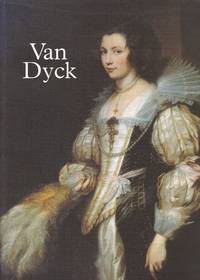
(Van Dyck, Anthony) Christopher Brown & Hans Vlieghe:
Anthony Van Dyck 1599-1641
-Royal Academy Publications / Antwerpen Open 1999-. Exhibition catalogue. First edition 1999. 300x245mm 360 pages with index. Illustrated in colour and black and white. Paperback. Very good indeed. We are specialists in Artists Monographs Catalogues and Illustrated items. All items are as described and dispatched within 24 hours in a secure package. We are professional booksellers with over 38 years experience you may order with confidence. Other titles by this artist maybe in stock please ask for our list or link. Anthony Van Dyck 1599-1641. Flemish artist -Royal Academy Publications / Antwerpen Open (1999)- paperback
Bookseller reference : 30026
|
|
|
(Van Dyck, Anthony) Christopher Brown & Hans Vlieghe:
Anthony Van Dyck 1599-1641
-Royal Academy Publications / Antwerpen Open 1999-. Exhibition catalogue. First edition 1999. 300x245mm 360 pages with index. Illustrated in colour and black and white. Paperback. Very good indeed. We are specialists in Artists Monographs Catalogues and Illustrated items. All items are as described and dispatched within 24 hours in a secure package. We are professional booksellers with over 38 years experience you may order with confidence. Other titles by this artist maybe in stock please ask for our list or link. Anthony Van Dyck 1599-1641. -Royal Academy Publications / Antwerpen Open, 1999- paperback
Bookseller reference : 28142
|
|
|
(Van Dyck, Anthony) Christopher Brown & Hans Vlieghe:
Anthony Van Dyck 1599-1641
-Royal Academy Publications / Antwerpen Open 1999-. Exhibition catalogue. First edition 1999. 300x245mm 360 pages with index. Illustrated in colour and black and white. Paperback. Very good indeed. We are specialists in Artists Monographs Catalogues and Illustrated items. All items are as described and dispatched within 24 hours in a secure package. We are professional booksellers with over 38 years experience you may order with confidence. Other titles by this artist maybe in stock please ask for our list or link. Anthony Van Dyck 1599-1641. Flemish artist -Royal Academy Publications / Antwerpen Open, 1999- paperback
Bookseller reference : 20608

|
|
|
(Van Dyck, Anthony) Brown, Christopher
Van Dyck
Ithaca NY: Cornell University Press 1983. 234 plates. 1 vols. 4to. Brown cloth. Fine in dust jacket. 234 plates. 1 vols. 4to. <br/><br/> Cornell University Press hardcover
Bookseller reference : 46078
|
|
|
[VAN DYCK Antoine] GUIFFREY Jules
ANTOINE VAN DYCK. SA VIE ET SON OEUVRE.
1882 Paris, chez A. Quantin, 1882. Ouvrage in-folio relié pleine toile de percaline beige, encadrements rouges sur les plats, 297 pages. Illustré de28 gravures hors-texte sous serpentes. ill in texteet nombreuses, eaux-fortes, hélogravuresavec un catalogue des oeuvres
Bookseller reference : 7824
|
|
|
[VAN DYCK, Henry]. Weinberg, Dolores. ed.
Other Voices 4.
Highland Park: Other Voices 1986. 189 pp. Near fine in with glossy illustrated wrappers with a bump to back lower corner. INSCRIBED by contributor Henry Van Dyck to author Clarence Major and bears a correction to the author's bio section in his hand. Highland Park: Other Voices unknown
Bookseller reference : 35045
|
|
|
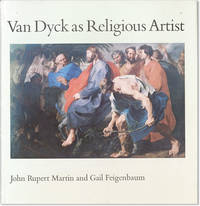
[VAN DYCK, ANTHONY] MARTIN, John Rupert and Gail Feigenbaum
Van Dyck as Religious Artist
Princeton: Princeton University Press 1979. First Edition. Quarto 28.5cm x 28cm. Dark blue cloth boards hardcover with titling embossed in gold on spine; pictorial dustjacket; 180pp; illus. Near Fine copy; slight shelf wear to extremities slight soiling to bottom textblock corner else clean and tight. Very Good dustwrapper; fading/discoloration to spine; slight shelf wear to extremities else clean and sound. Catalogue published in conjunction with the exhibition "Van Dyck as Religious Artist" held at the Art Museum Princeton University April 7-May 20 1979. Princeton University Press unknown
Bookseller reference : 44338
|
|
|
A. Van Dyck.
Ruhe Auf Der Flucht.
Munich: Franz Hanfstaengl ca. 1940s. Large format color reproduction print poster 25†x 20â€. Very Good. Printed in Germany. Munich: Franz Hanfstaengl, [ca. 1940s?]. unknown
Bookseller reference : 19-8482

|
|
|
Alfred N. Goldsmith, Arthur F. Van Dyck, Robert S. Burnap, Edwart T. Dickey, George M. K. Baker (editors)
Electron Tubes. Volume I: 1935-1941
RCA 1949-03-01. Hardcover. Good. Hardcover. Good no dust jacket blue boards. Sunned cover. Name inside else Interior clean and unmarked. Tight binding. Dampstain to corner of the volume. RCA hardcover
Bookseller reference : 887915
|
|
|
Alfred N. Goldsmith, Arthur F. Van Dyck, Robert S. Burnap, Edward T. Dickey, George MK. Baker M. K.
Frequency Modulation Volume I 1st Edition
Radio Corporation of America RCA 1948-Jan-01. Hardcover. Very Good. 9x6x1. Hardcover. Very Good no dust jacket. Sunned spine. Interior clean and unmarked. Tight binding. Radio Corporation of America (RCA) hardcover
Bookseller reference : UT1577003
|
|
|
Anghelaki-Rooke, Katerina; Van Dyck, Karen [Editor]
The Scattered Papers of Penelope: New and Selected Poems Lannan Translation Selection Graywolf Paperback
Graywolf Press 2009-03-03. Paperback. New. In shrink wrap. Looks like an interesting title! Graywolf Press paperback
Bookseller reference : Q-1555975194 ISBN : 1555975194 9781555975197
|
|
|
Anon
Old Master Paintings and Drawings
Exhibition catalogue. 90 pages. Well illustrated, mostly in colour. 90 pages. Surface of back cover scratched and rubbed, less so front cover. Cover corners with small creases, wear to extremities.
|
|
|
Barnes Jean S. Van Dyck
Wise Woman Within: Living from the Wisdom Within
NEW. unknown
Bookseller reference : BIB-NOV-14-2025-645034 ISBN : 1649495005 9781649495006
|
|
|
BAZIN Germain
Les grands maîtres hollandais
notice de Suzanne GERMAIN BAZIN,in 8 demi cuir foncé à 4 nerfs,titre,filets dorés,titre,188 pages 1 feuillet de table des matières,127 illustrations en hélio.Fernand Nathan 1950 collection Merveilles de l’Art
Bookseller reference : 6288
|
|
|
Bible. Arabic. Van Dyck. 1913.
four lines in Arabic romanized as al-Kitab al-Muqaddas ay Kutub al-Ahd al-Qadim wa-al-Ahd al-Jadid. Wa-qad turjima min al-lughat al-asliyah wa-hiya al-lughah al-Ibraniyah wa-al-lughah al-Kaldaniyah wa-al-lughah al-Yunaniyah.
in Arabic: Beirut: The American Printing Press 1913. 8vo 18.5 cm 7.5" 920 295 pp. <br><br>The Van Dyck translation of the Bible into Arabic first appeared in 1865 and remained the standard version used by Arabs for a century. This edition from the American Printing Press is => an all-Arabic production with the only English appearing in it being a small-print line "Bible Third Font 282" on the title-page at "rear".<br>Â Â Â Â Cornelius Van Alen Van Dyck 181895 was born at Kinderhook NY and educated at Jefferson Medical College Philadelphia receiving his M.D. in 1839. The following year the American Board of Commissioners for Foreign Missions sent him to Lebanon as a medical missionary for the Dutch Reformed Church and he remained in the Middle East for the rest of his life with only an occasional trip to the U.S.<br>Â Â Â Â Van Dyck became fluent in Arabic wrote extensively in that language and taught medicine and other subjects: "He was professor of pathology and internal medicine in the medical school of the newly founded Syrian Protestant College which later became the American University of Beirut. He also taught astronomy in its literary section directed its observatory and meteorological station as well as the mission press and edited its weekly journal al-Nashran. He wrote Arabic textbooks on chemistry internal medicine physical diagnosis and astronomy publishing some of them at his own expense" Wikipedia.<br>Â Â Â Â WorldCat records at least three editions of the Arabic Bible from the American Printing Press in 1913 each with a different pagination. Publisher's brown cloth spine stamped in gilt with title in Arabic and with blind stamping to covers and spine; some chipping to cloth around spine and at edges. Printed on very thin paper occasionally showing a short tear or a crease but clean and untattered. A very good copy. The American Printing Press hardcover books
Bookseller reference : 41439

|
|
|
Boissieu, Jean Jacques de - 1736 - Lyon - 1810
Portrait; d?après Van Dyck. Männliches Porträt nach Antony van Dyck.
1770. Radierung, 1770, auf grau-grünlichem Bütten mit undeutl. Wasserzeichen. 24:18 cm. Provenienz: Sammlung Franz von Hagens, Dresden, Lugt. Suppl. 1052a. Literatur: Le Blanc 53; Perez 43, II (von V) mit den zwei Punkten nach dem Monogramm . - Vorzüglicher Abdruck mit ca. 1-1,5 cm breitem Rand um die Plattenkante. Linke untere Ecke etwas quetschfaltig.
Bookseller reference : 0218-B

|
|
|
BOLSWERT Schelte Adam (Bolswert 1586 – Anversa 1659)
Adriaen van Ertvelt
Incisione tratta dalla celebre raccolta Icones principum, virorum, doctorum, pictorum, chalcographorum, di Anton van Dyck, edita per la prima volta ad Anversa verso il 1640. Opera celebre ed importante, vero monumento dell’arte incisoria fiamminga del sec. XVIII, contiene le biografie ed i ritratti degli uomini illustri che Van Dyck aveva conosciuto e con i quali aveva avuto importanti rapporti. L’artista ne eseguì le effigi in numerosi dipinti e disegni che poi decise di pubblicare, affidandone la trasposizione calcografica ai migliori incisori del suo tempo, come Bolswert, Pontius, Vorsterman, de Jode, Hollar, molti dei quali aveva avuto come condiscepoli nell’atelier di Rubens. "Sir Anthony Van Dyck stands out as the solitary great etcher of the school. Portrait etching had scarcely had an existence before his time, and in his work it suddenly appears at the highest point ever reached in the art" (Hind, p. 165). "The plan of this publication took shape after Van Dyck returned from Italy (1626) and before he went to England (1632). He made careful preparatory drawings in chalk and brush for the publication. He directed and revised the work of the engravers, the best of the Rubens circle; he collaborated with his etching needle in some of the plates and himself etched the most beautiful set, mainly portraits of artists. One of the most brilliant in human characterization is the portrait of Peter Brueghel the Younger, son of the great Peasant Brueghel. It is remarkable that the etching appeared in this sketchy form in the book, proving that the master regarded it as finished. All interest is focussed on the wonderful had. The first edition was published in Antwerp in 1635-1636. Yet it was not complete, and the title-page did not appear before the Gillis Hendricx edition of 1645, engraved by Jacob Neels" (Benesch, Artistic and Intellectual Trends, p. 32.) Hofer, Baroque Book Illustrations 132. Acquaforte con ritocchi al bulino, stampata su carta vergata coeva, filigrana del “giullare”, con margini, in ottimo stato di conservazione. Etching and engraving, circa 1645, signed on plate at lower edge. A fine impression, printed on contemporary laid paper, with margins, very good condition. From Icones principum, virorum, doctorum, pictorum, chalcographorum by Anton van Dyck, printed for the first time in Antwerp, 1645. A famous and important work, a real monument of the Flemish engraving art of the XVIII century, containing the biographies and portraits of the famous artists Van Dyck had met and with whom he had worked. Following the success of his portrait paintings and in the tradition of Italian and Flemish portrait series, Van Dyck decided to organise a print publication containing portraits of the most prominent men during his lifetime, divided into three categories: princes, politicians and soldiers (16), statesmen and scholars (12), artists and art connoisseurs (52). The initial idea could have been that Van Dyck would etch the faces (a process possibly learnt from Vorsterman) while others would finish the plates in engraving. Designs were needed for the plates and several drawings and oil sketches (grisailles, sometimes in different versions) have survived. Van Dyck only etched 17 plates himself, while he commissioned others to complete the set, overseen by Lucas Vorsterman I (especially after Van Dyck settled in England in the Spring of 1632). Although this project was started by Van Dyck around 1630, he never saw it completed. The Antwerp publisher Maarten van den Enden may have been involved from the start as eighty early impressions bear Van den Enden's address. They are engraved by Paulus Pontius (30 plates), Lucas Vorsterman I (22), Pieter de Jode II (12), Schelte a Bolswert (7), Robert van Voerst (4), Willem Hondius (2), Willem Jacobsz Delff (1), Cornelis Galle (1), and Nicolaes Lauwers (1). It is known that Van den Enden was in debt to Gillis Hendricx around 1644, the Antwerp publisher who must have obtained Van den Enden's plates which he published in 1645 in the first edition of these plates (containing between 100 and 104 portrait plates). Hendricx continued to publish these plates until his death in 1677 when they were auctioned off by the St Luke guild (keeping the Iconography plates together). It is not clear who bought these plates but they re-appeared around 1720 when they were published by Hendrick and Cornelis Verdussen in Antwerp.

|
|
|
BOLSWERT Schelte Adam (Bolswert 1586 – Anversa 1659)
Joannes Baptista Barbé
Incisione tratta dalla celebre raccolta Icones principum, virorum, doctorum, pictorum, chalcographorum, di Anton van Dyck, edita per la prima volta ad Anversa verso il 1640. Opera celebre ed importante, vero monumento dell’arte incisoria fiamminga del sec. XVIII, contiene le biografie ed i ritratti degli uomini illustri che Van Dyck aveva conosciuto e con i quali aveva avuto importanti rapporti. L’artista ne eseguì le effigi in numerosi dipinti e disegni che poi decise di pubblicare, affidandone la trasposizione calcografica ai migliori incisori del suo tempo, come Bolswert, Pontius, Vorsterman, de Jode, Hollar, molti dei quali aveva avuto come condiscepoli nell’atelier di Rubens. "Sir Anthony Van Dyck stands out as the solitary great etcher of the school. Portrait etching had scarcely had an existence before his time, and in his work it suddenly appears at the highest point ever reached in the art" (Hind, p. 165). "The plan of this publication took shape after Van Dyck returned from Italy (1626) and before he went to England (1632). He made careful preparatory drawings in chalk and brush for the publication. He directed and revised the work of the engravers, the best of the Rubens circle; he collaborated with his etching needle in some of the plates and himself etched the most beautiful set, mainly portraits of artists. One of the most brilliant in human characterization is the portrait of Peter Brueghel the Younger, son of the great Peasant Brueghel. It is remarkable that the etching appeared in this sketchy form in the book, proving that the master regarded it as finished. All interest is focussed on the wonderful had. The first edition was published in Antwerp in 1635-1636. Yet it was not complete, and the title-page did not appear before the Gillis Hendricx edition of 1645, engraved by Jacob Neels" (Benesch, Artistic and Intellectual Trends, p. 32.) Hofer, Baroque Book Illustrations 132. Acquaforte con ritocchi al bulino, stampata su carta vergata coeva, filigrana del “giullare”, con margini, in ottimo stato di conservazione. Etching and engraving, circa 1645, signed on plate at lower edge. A fine impression, printed on contemporary laid paper, with margins, very good condition. From Icones principum, virorum, doctorum, pictorum, chalcographorum by Anton van Dyck, printed for the first time in Antwerp, 1645. A famous and important work, a real monument of the Flemish engraving art of the XVIII century, containing the biographies and portraits of the famous artists Van Dyck had met and with whom he had worked. Following the success of his portrait paintings and in the tradition of Italian and Flemish portrait series, Van Dyck decided to organise a print publication containing portraits of the most prominent men during his lifetime, divided into three categories: princes, politicians and soldiers (16), statesmen and scholars (12), artists and art connoisseurs (52). The initial idea could have been that Van Dyck would etch the faces (a process possibly learnt from Vorsterman) while others would finish the plates in engraving. Designs were needed for the plates and several drawings and oil sketches (grisailles, sometimes in different versions) have survived. Van Dyck only etched 17 plates himself, while he commissioned others to complete the set, overseen by Lucas Vorsterman I (especially after Van Dyck settled in England in the Spring of 1632). Although this project was started by Van Dyck around 1630, he never saw it completed. The Antwerp publisher Maarten van den Enden may have been involved from the start as eighty early impressions bear Van den Enden's address. They are engraved by Paulus Pontius (30 plates), Lucas Vorsterman I (22), Pieter de Jode II (12), Schelte a Bolswert (7), Robert van Voerst (4), Willem Hondius (2), Willem Jacobsz Delff (1), Cornelis Galle (1), and Nicolaes Lauwers (1). It is known that Van den Enden was in debt to Gillis Hendricx around 1644, the Antwerp publisher who must have obtained Van den Enden's plates which he published in 1645 in the first edition of these plates (containing between 100 and 104 portrait plates). Hendricx continued to publish these plates until his death in 1677 when they were auctioned off by the St Luke guild (keeping the Iconography plates together). It is not clear who bought these plates but they re-appeared around 1720 when they were published by Hendrick and Cornelis Verdussen in Antwerp.

|
|
|
BOLSWERT Schelte Adam (Bolswert 1586 – Anversa 1659)
Ritratto di Willelm de Vos
Incisione tratta dalla celebre raccolta Icones principum, virorum, doctorum, pictorum, chalcographorum, di Anton van Dyck, edita per la prima volta ad Anversa verso il 1640. Opera celebre ed importante, vero monumento dell’arte incisoria fiamminga del sec. XVIII, contiene le biografie ed i ritratti degli uomini illustri che Van Dyck aveva conosciuto e con i quali aveva avuto importanti rapporti. L’artista ne eseguì le effigi in numerosi dipinti e disegni che poi decise di pubblicare, affidandone la trasposizione calcografica ai migliori incisori del suo tempo, come Bolswert, Pontius, Vorsterman, de Jode, Hollar, molti dei quali aveva avuto come condiscepoli nell’atelier di Rubens. "Sir Anthony Van Dyck stands out as the solitary great etcher of the school. Portrait etching had scarcely had an existence before his time, and in his work it suddenly appears at the highest point ever reached in the art" (Hind, p. 165). "The plan of this publication took shape after Van Dyck returned from Italy (1626) and before he went to England (1632). He made careful preparatory drawings in chalk and brush for the publication. He directed and revised the work of the engravers, the best of the Rubens circle; he collaborated with his etching needle in some of the plates and himself etched the most beautiful set, mainly portraits of artists. One of the most brilliant in human characterization is the portrait of Peter Brueghel the Younger, son of the great Peasant Brueghel. It is remarkable that the etching appeared in this sketchy form in the book, proving that the master regarded it as finished. All interest is focussed on the wonderful had. The first edition was published in Antwerp in 1635-1636. Yet it was not complete, and the title-page did not appear before the Gillis Hendricx edition of 1645, engraved by Jacob Neels" (Benesch, Artistic and Intellectual Trends, p. 32.) Hofer, Baroque Book Illustrations 132. Acquaforte con ritocchi al bulino, stampata su carta vergata coeva, filigrana del “giullare”, con margini, in ottimo stato di conservazione. Etching and engraving, circa 1645, signed on plate at lower edge. A fine impression, printed on contemporary laid paper, with margins, very good condition. From the Icones principum, virorum, doctorum, pictorum, chalcographorum by Anton van Dyck, printed for the first time in Antwerp, 1645. A famous and important work, a real monument of the Flemish engraving art of the XVIII century, containing the biographies and portraits of the famous artists Van Dyck had met and with whom he had worked. Following the success of his portrait paintings and in the tradition of Italian and Flemish portrait series, Van Dyck decided to organise a print publication containing portraits of the most prominent men during his lifetime, divided into three categories: princes, politicians and soldiers (16), statesmen and scholars (12), artists and art connoisseurs (52). The initial idea could have been that Van Dyck would etch the faces (a process possibly learnt from Vorsterman) while others would finish the plates in engraving. Designs were needed for the plates and several drawings and oil sketches (grisailles, sometimes in different versions) have survived. Van Dyck only etched 17 plates himself, while he commissioned others to complete the set, overseen by Lucas Vorsterman I (especially after Van Dyck settled in England in the Spring of 1632). Although this project was started by Van Dyck around 1630, he never saw it completed. The Antwerp publisher Maarten van den Enden may have been involved from the start as eighty early impressions bear Van den Enden's address. They are engraved by Paulus Pontius (30 plates), Lucas Vorsterman I (22), Pieter de Jode II (12), Schelte a Bolswert (7), Robert van Voerst (4), Willem Hondius (2), Willem Jacobsz Delff (1), Cornelis Galle (1), and Nicolaes Lauwers (1). It is known that Van den Enden was in debt to Gillis Hendricx around 1644, the Antwerp publisher who must have obtained Van den Enden's plates which he published in 1645 in the first edition of these plates (containing between 100 and 104 portrait plates). Hendricx continued to publish these plates until his death in 1677 when they were auctioned off by the St Luke guild (keeping the Iconography plates together). It is not clear who bought these plates but they re-appeared around 1720 when they were published by Hendrick and Cornelis Verdussen in Antwerp. "Sir Anthony Van Dyck stands out as the solitary great etcher of the school. Portrait etching had scarcely had an existence before his time, and in his work it suddenly appears at the highest point ever reached in the art" (Hind, p. 165). "The plan of this publication took shape after Van Dyck returned from Italy (1626) and before he went to England (1632). He made careful preparatory drawings in chalk and brush for the publication. He directed and revised the work of the engravers, the best of the Rubens circle; he collaborated with his etching needle in some of the plates and himself etched the most beautiful set, mainly portraits of artists. One of the most brilliant in human characterization is the portrait of Peter Brueghel the Younger, son of the great Peasant Brueghel. It is remarkable that the etching appeared in this sketchy form in the book, proving that the master regarded it as finished. All interest is focussed on the wonderful had. The first edition was published in Antwerp in 1635-1636. Yet it was not complete, and the title-page did not appear before the Gillis Hendricx edition of 1645, engraved by Jacob Neels" (Benesch, Artistic and Intellectual Trends, p. 32.) Hofer, Baroque Book Illustrations 132.

|
|
|
BOLSWERT Schelte Adam (Bolswert 1586 – Anversa 1659)
Sebastian Vrancx
Incisione tratta dalla celebre raccolta Icones principum, virorum, doctorum, pictorum, chalcographorum, di Anton van Dyck, edita per la prima volta ad Anversa verso il 1640. Opera celebre ed importante, vero monumento dell’arte incisoria fiamminga del sec. XVIII, contiene le biografie ed i ritratti degli uomini illustri che Van Dyck aveva conosciuto e con i quali aveva avuto importanti rapporti. L’artista ne eseguì le effigi in numerosi dipinti e disegni che poi decise di pubblicare, affidandone la trasposizione calcografica ai migliori incisori del suo tempo, come Bolswert, Pontius, Vorsterman, de Jode, Hollar, molti dei quali aveva avuto come condiscepoli nell’atelier di Rubens. "Sir Anthony Van Dyck stands out as the solitary great etcher of the school. Portrait etching had scarcely had an existence before his time, and in his work it suddenly appears at the highest point ever reached in the art" (Hind, p. 165). "The plan of this publication took shape after Van Dyck returned from Italy (1626) and before he went to England (1632). He made careful preparatory drawings in chalk and brush for the publication. He directed and revised the work of the engravers, the best of the Rubens circle; he collaborated with his etching needle in some of the plates and himself etched the most beautiful set, mainly portraits of artists. One of the most brilliant in human characterization is the portrait of Peter Brueghel the Younger, son of the great Peasant Brueghel. It is remarkable that the etching appeared in this sketchy form in the book, proving that the master regarded it as finished. All interest is focussed on the wonderful had. The first edition was published in Antwerp in 1635-1636. Yet it was not complete, and the title-page did not appear before the Gillis Hendricx edition of 1645, engraved by Jacob Neels" (Benesch, Artistic and Intellectual Trends, p. 32.) Hofer, Baroque Book Illustrations 132. Acquaforte con ritocchi al bulino, stampata su carta vergata coeva, filigrana del “giullare”, con margini, in ottimo stato di conservazione. Etching and engraving, circa 1645, signed on plate at lower edge. A fine impression, printed on contemporary laid paper, with margins, very good condition. From the Icones principum, virorum, doctorum, pictorum, chalcographorum by Anton van Dyck, printed for the first time in Antwerp, 1645. A famous and important work, a real monument of the Flemish engraving art of the XVIII century, containing the biographies and portraits of the famous artists Van Dyck had met and with whom he had worked. Following the success of his portrait paintings and in the tradition of Italian and Flemish portrait series, Van Dyck decided to organise a print publication containing portraits of the most prominent men during his lifetime, divided into three categories: princes, politicians and soldiers (16), statesmen and scholars (12), artists and art connoisseurs (52). The initial idea could have been that Van Dyck would etch the faces (a process possibly learnt from Vorsterman) while others would finish the plates in engraving. Designs were needed for the plates and several drawings and oil sketches (grisailles, sometimes in different versions) have survived. Van Dyck only etched 17 plates himself, while he commissioned others to complete the set, overseen by Lucas Vorsterman I (especially after Van Dyck settled in England in the Spring of 1632). Although this project was started by Van Dyck around 1630, he never saw it completed. The Antwerp publisher Maarten van den Enden may have been involved from the start as eighty early impressions bear Van den Enden's address. They are engraved by Paulus Pontius (30 plates), Lucas Vorsterman I (22), Pieter de Jode II (12), Schelte a Bolswert (7), Robert van Voerst (4), Willem Hondius (2), Willem Jacobsz Delff (1), Cornelis Galle (1), and Nicolaes Lauwers (1). It is known that Van den Enden was in debt to Gillis Hendricx around 1644, the Antwerp publisher who must have obtained Van den Enden's plates which he published in 1645 in the first edition of these plates (containing between 100 and 104 portrait plates). Hendricx continued to publish these plates until his death in 1677 when they were auctioned off by the St Luke guild (keeping the Iconography plates together). It is not clear who bought these plates but they re-appeared around 1720 when they were published by Hendrick and Cornelis Verdussen in Antwerp.

|
|
|
Capenberghs, Joris et al.
En dialogue avecVAN DYCK
Antwerpen Open vzw, Antwerpen, 1999. In-8, broché 56 pp. Un joyau - Joost van den Vondel (1587-1679) - Marie Mercier-Nizet (1859-1922): Sosie - Abraham Cowley (1616-1667) : On the Death of Sir Anthony Vandike, The famous Painter - Joris Capenberghs : Antoine van Dyck et Christopher Brown. Portrait d'une ...
Bookseller reference : 7442
|
|
|
CATALOGUS.
DE GENERATIE VAN 1900. SURREALISTEN, ANIMISTEN.
, Antwerpen, Koninklijke Museum voor Schone Kunsten, 1966, 1966 Originele uitgeversomslag in kleur, 27.5x21.5 cm., 278 pp., geillustreerd z/w.
Bookseller reference : 13146
|
|
|
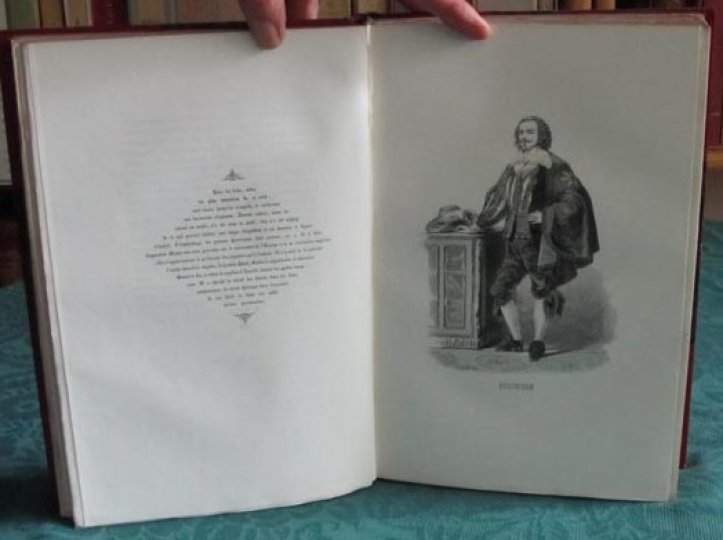
CHASLES Philarète Euphemon
Charles 1er - Sa cour, son Peuple et son Parlement 1630-1660.
Histoire anecdotique et pittoresque du mouvement social et de la guerre civile en Angleterre au XVIIe siècle. Par Philarète Chasles (1798-1873).Homme de lettres et journaliste français, auteur de nombreuses études littéraires, il a beaucoup contribué à faire connaître en France la littérature de langue anglaise.18 gravures sur acier d'après Van Dyck, Rubens et Cattermole.Paris, Madame Ve. Louis Janet - non daté (1890) - 262 pages. 24 hors texte (noté 18 sur le titre) et 25 dans le texte.Belle reliure demi-maroquin rouge à coins de l'époque. Dos lisse aux titre et auteur dorés. Couverture conservée. Non rogné. Pas de rousseur. Très bon état. Format in-4°(28x20).
Bookseller reference : 15401
|
|
|
Charles Van-Dyck
The Financial Prison Break: How to Free Yourself from the 9-to-5 Grind for Financial Freedom and Abundance
Hardcover. NEW/NEW. <br/> <br/> hardcover
Bookseller reference : Pazz94296 ISBN : 979828125222x 9798281252
|
|
|
Chiarini Marco (a cura di) REMBRANDT - RUBENS - VAN DYCK - Ember Ildiko
Rembrandt Rubens Van Dyck e il Seicento dei Paesi Bassi
Leonardo Arte January 1995. Trade Paperback. VG. used trade paperback edition. lightly shelfworn corners perhaps slightly bumped. pages and binding are clean straight and tight. there are no marks to the text or other serious flaws. Leonardo Arte paperback
Bookseller reference : 1289089 ISBN : 8878135356 9788878135352
|
|
|
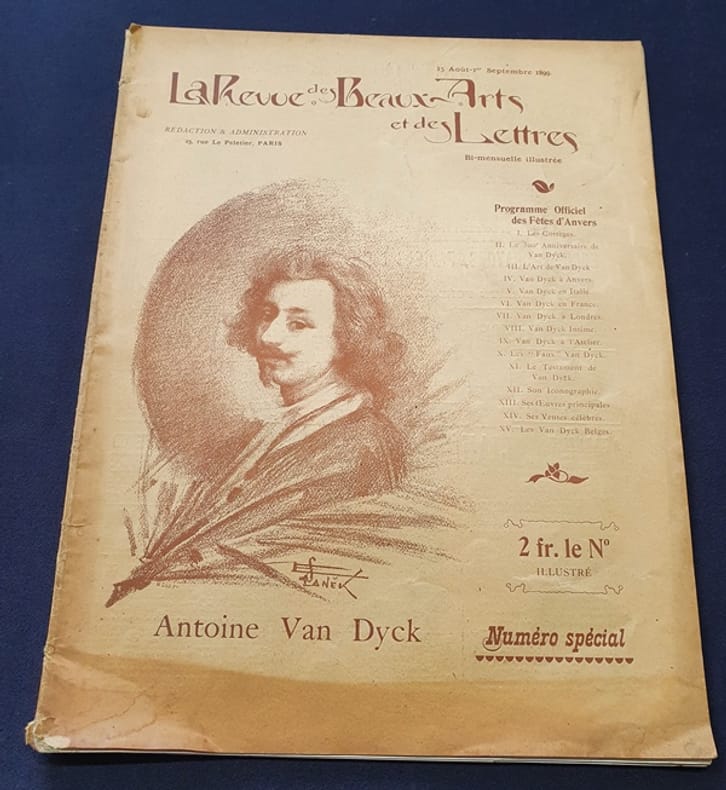
Collectif
La revue des Beaux Arts et des Lettres - Aout / Septembre 1899 Spécial Van Dyck
1899 Grand In4 - broché - pagination continue de 389 à 419 - coins rognés - couverture brunie - Spécial Antoine Van Dyck
Bookseller reference : Zf253
|
|
|
Collectif
La revue des Beaux Arts et des Lettres - Aout / Septembre 1899 Spécial Van Dyck
1899 Grand In4 - broché - pagination continue de 389 à 419 - coins rognés - couverture brunie - Spécial Antoine Van Dyck
Bookseller reference : Zf253
|
|
|
Cole, Timothy; Van Dyck, John C.
Old English Masters Engraved By Timothy Cole With Historical Notes By John C. Van Dyck and Comments By the Engraver
New York: The Century Co. As New. 1902. Hardcover. FREE UPGRADE to Courier/Priority Shipping Upon Request - IN STOCK AND IMMEDIATELY AVAILABLE FOR SHIPMENT - 223 pages; 48 illustrations of works by artists such as Turner Gainsborough Constable and Romney among others. -- with a bonus offer-- . The Century Co. hardcover
Bookseller reference : 31477
|
|
|
COLLECTIF
CHEFS D'OEUVRE DE L'ART. GRANDS PEINTRES. VAN DYCK
Hachette 1967. In-Folio broché couverture illustrée rempliée de 16 planches + texte .Bon état
|
|
|
Constantine, Peter; Hadas, Rachel; Keeley, Edmund; Van Dyck, Karen
The Greek Poets: Homer to the Present
W. W. Norton & Company. First Edition. Good. It's a preowned item in good condition and includes all the pages. It may have some general signs of wear and tear such as markings highlighting slight damage to the cover minimal wear to the binding etc. but they will not affect the overall reading experience. W. W. Norton & Company unknown
Bookseller reference : 0393060837-11-1 ISBN : 0393060837 9780393060836
|
|
|
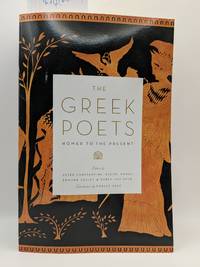
Constantine, Peter (Editor); Hadas, Rachel (Editor); Keeley, Edmund (Editor); Van Dyck, Karen (Editor); Hass, Robert (Introducti
The Greek Poets: Homer to the Present
New York NY USA: W. W. Norton & Company 2010. Good. Good condition. Light wear. Binding tight pages age toned. Pictures available upon request. . AP. W. W. Norton & Company unknown
Bookseller reference : 125981 ISBN : 1616645210 9781616645212
|
|
|
D'Azeglio Roberto
Notizie Estetiche e Biografiche Su Alcune Precipue Opere Oltramontane Nel Muso Torinese
Mm 120x180 Volume cartonato di pp. 450, rilegatura posticcia, dorso in pelle, 4 nervature, titolo in oro. Qualche ingiallimento e fioritura. Opera in buone condizioni. SPEDIZIONE IN 24 ORE DALLA CONFERMA DELL'ORDINE.
|
|
|
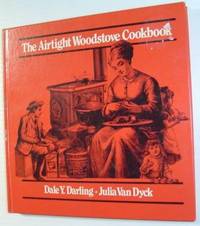
Darling, Dale Y.; Van Dyck, Julia
The Airtight Woodstove Cookbook
USA: Brick House 1981. Book. Good. Hardcover. Reprint. 8vo - over 7¾" - 9¾" tall. 124 pages. Index. Illustrated. Includes recipes for unpretentious yet delicious family fare shuch as apple pancakes and special popcorn mixes as well as recipes for gourmet dishes like stuffed veal. Information about stoves and wood storage. Moderate wear. Unmarked. Brick House Hardcover
Bookseller reference : 755a6826 ISBN : 0931790344 9780931790348
|
|
|
De JODE Pieter (1572/3-1634)
Adam De Coster
Incisione tratta dalla celebre raccolta Icones principum, virorum, doctorum, pictorum, chalcographorum, di Anton van Dyck, edita per la prima volta ad Anversa verso il 1640. Opera celebre ed importante, vero monumento dell’arte incisoria fiamminga del sec. XVIII, contiene le biografie ed i ritratti degli uomini illustri che Van Dyck aveva conosciuto e con i quali aveva avuto importanti rapporti. L’artista ne eseguì le effigi in numerosi dipinti e disegni che poi decise di pubblicare, affidandone la trasposizione calcografica ai migliori incisori del suo tempo, come Bolswert, Pontius, Vorsterman, de Jode, Hollar, molti dei quali aveva avuto come condiscepoli nell’atelier di Rubens. "Sir Anthony Van Dyck stands out as the solitary great etcher of the school. Portrait etching had scarcely had an existence before his time, and in his work it suddenly appears at the highest point ever reached in the art" (Hind, p. 165). "The plan of this publication took shape after Van Dyck returned from Italy (1626) and before he went to England (1632). He made careful preparatory drawings in chalk and brush for the publication. He directed and revised the work of the engravers, the best of the Rubens circle; he collaborated with his etching needle in some of the plates and himself etched the most beautiful set, mainly portraits of artists. One of the most brilliant in human characterization is the portrait of Peter Brueghel the Younger, son of the great Peasant Brueghel. It is remarkable that the etching appeared in this sketchy form in the book, proving that the master regarded it as finished. All interest is focussed on the wonderful had. The first edition was published in Antwerp in 1635-1636. Yet it was not complete, and the title-page did not appear before the Gillis Hendricx edition of 1645, engraved by Jacob Neels" (Benesch, Artistic and Intellectual Trends, p. 32.) Hofer, Baroque Book Illustrations 132. Acquaforte con ritocchi al bulino, stampata su carta vergata coeva, filigrana del “giullare”, con margini, in ottimo stato di conservazione. Etching and engraving, circa 1645, signed on plate at lower edge. A fine impression, printed on contemporary laid paper, with margins, very good condition. From Icones principum, virorum, doctorum, pictorum, chalcographorum by Anton van Dyck, printed for the first time in Antwerp, 1645. A famous and important work, a real monument of the Flemish engraving art of the XVIII century, containing the biographies and portraits of the famous artists Van Dyck had met and with whom he had worked. Following the success of his portrait paintings and in the tradition of Italian and Flemish portrait series, Van Dyck decided to organise a print publication containing portraits of the most prominent men during his lifetime, divided into three categories: princes, politicians and soldiers (16), statesmen and scholars (12), artists and art connoisseurs (52). The initial idea could have been that Van Dyck would etch the faces (a process possibly learnt from Vorsterman) while others would finish the plates in engraving. Designs were needed for the plates and several drawings and oil sketches (grisailles, sometimes in different versions) have survived. Van Dyck only etched 17 plates himself, while he commissioned others to complete the set, overseen by Lucas Vorsterman I (especially after Van Dyck settled in England in the Spring of 1632). Although this project was started by Van Dyck around 1630, he never saw it completed. The Antwerp publisher Maarten van den Enden may have been involved from the start as eighty early impressions bear Van den Enden's address. They are engraved by Paulus Pontius (30 plates), Lucas Vorsterman I (22), Pieter de Jode II (12), Schelte a Bolswert (7), Robert van Voerst (4), Willem Hondius (2), Willem Jacobsz Delff (1), Cornelis Galle (1), and Nicolaes Lauwers (1). It is known that Van den Enden was in debt to Gillis Hendricx around 1644, the Antwerp publisher who must have obtained Van den Enden's plates which he published in 1645 in the first edition of these plates (containing between 100 and 104 portrait plates). Hendricx continued to publish these plates until his death in 1677 when they were auctioned off by the St Luke guild (keeping the Iconography plates together). It is not clear who bought these plates but they re-appeared around 1720 when they were published by Hendrick and Cornelis Verdussen in Antwerp.

|
|
|
De JODE Pieter (1572/3-1634)
Adriaen de Noel
Incisione tratta dalla celebre raccolta Icones principum, virorum, doctorum, pictorum, chalcographorum, di Anton van Dyck, edita per la prima volta ad Anversa verso il 1640. Opera celebre ed importante, vero monumento dell’arte incisoria fiamminga del sec. XVIII, contiene le biografie ed i ritratti degli uomini illustri che Van Dyck aveva conosciuto e con i quali aveva avuto importanti rapporti. L’artista ne eseguì le effigi in numerosi dipinti e disegni che poi decise di pubblicare, affidandone la trasposizione calcografica ai migliori incisori del suo tempo, come Bolswert, Pontius, Vorsterman, de Jode, Hollar, molti dei quali aveva avuto come condiscepoli nell’atelier di Rubens. Acquaforte con ritocchi al bulino, stampata su carta vergata coeva, filigrana del “giullare” con margini, in ottimo stato di conservazione. Etching and engraving, circa 1645, signed on plate at lower edge. A fine impression, printed on contemporary laid paper, with margins, very good condition. From Icones principum, virorum, doctorum, pictorum, chalcographorum by Anton van Dyck, printed for the first time in Antwerp, 1645. A famous and important work, a real monument of the Flemish engraving art of the XVIII century, containing the biographies and portraits of the famous artists Van Dyck had met and with whom he had worked. Following the success of his portrait paintings and in the tradition of Italian and Flemish portrait series, Van Dyck decided to organise a print publication containing portraits of the most prominent men during his lifetime, divided into three categories: princes, politicians and soldiers (16), statesmen and scholars (12), artists and art connoisseurs (52). The initial idea could have been that Van Dyck would etch the faces (a process possibly learnt from Vorsterman) while others would finish the plates in engraving. Designs were needed for the plates and several drawings and oil sketches (grisailles, sometimes in different versions) have survived. Van Dyck only etched 17 plates himself, while he commissioned others to complete the set, overseen by Lucas Vorsterman I (especially after Van Dyck settled in England in the Spring of 1632). Although this project was started by Van Dyck around 1630, he never saw it completed. The Antwerp publisher Maarten van den Enden may have been involved from the start as eighty early impressions bear Van den Enden's address. They are engraved by Paulus Pontius (30 plates), Lucas Vorsterman I (22), Pieter de Jode II (12), Schelte a Bolswert (7), Robert van Voerst (4), Willem Hondius (2), Willem Jacobsz Delff (1), Cornelis Galle (1), and Nicolaes Lauwers (1). It is known that Van den Enden was in debt to Gillis Hendricx around 1644, the Antwerp publisher who must have obtained Van den Enden's plates which he published in 1645 in the first edition of these plates (containing between 100 and 104 portrait plates). Hendricx continued to publish these plates until his death in 1677 when they were auctioned off by the St Luke guild (keeping the Iconography plates together). It is not clear who bought these plates but they re-appeared around 1720 when they were published by Hendrick and Cornelis Verdussen in Antwerp.

|
|
|
De JODE Pieter (1572/3-1634)
Albert. Dux. Fritland…
Incisione tratta dalla celebre raccolta Icones principum, virorum, doctorum, pictorum, chalcographorum, di Anton van Dyck, edita per la prima volta ad Anversa verso il 1640. Opera celebre ed importante, vero monumento dell’arte incisoria fiamminga del sec. XVIII, contiene le biografie ed i ritratti degli uomini illustri che Van Dyck aveva conosciuto e con i quali aveva avuto importanti rapporti. L’artista ne eseguì le effigi in numerosi dipinti e disegni che poi decise di pubblicare, affidandone la trasposizione calcografica ai migliori incisori del suo tempo, come Bolswert, Pontius, Vorsterman, de Jode, Hollar, molti dei quali aveva avuto come condiscepoli nell’atelier di Rubens. "Sir Anthony Van Dyck stands out as the solitary great etcher of the school. Portrait etching had scarcely had an existence before his time, and in his work it suddenly appears at the highest point ever reached in the art" (Hind, p. 165). "The plan of this publication took shape after Van Dyck returned from Italy (1626) and before he went to England (1632). He made careful preparatory drawings in chalk and brush for the publication. He directed and revised the work of the engravers, the best of the Rubens circle; he collaborated with his etching needle in some of the plates and himself etched the most beautiful set, mainly portraits of artists. One of the most brilliant in human characterization is the portrait of Peter Brueghel the Younger, son of the great Peasant Brueghel. It is remarkable that the etching appeared in this sketchy form in the book, proving that the master regarded it as finished. All interest is focussed on the wonderful had. The first edition was published in Antwerp in 1635-1636. Yet it was not complete, and the title-page did not appear before the Gillis Hendricx edition of 1645, engraved by Jacob Neels" (Benesch, Artistic and Intellectual Trends, p. 32.) Hofer, Baroque Book Illustrations 132. Acquaforte con ritocchi al bulino, stampata su carta vergata coeva, filigrana del “giullare”, con margini, in ottimo stato di conservazione. Etching and engraving, circa 1645, signed on plate at lower edge. A fine impression, printed on contemporary laid paper, with margins, very good condition. From Icones principum, virorum, doctorum, pictorum, chalcographorum by Anton van Dyck, printed for the first time in Antwerp, 1645. A famous and important work, a real monument of the Flemish engraving art of the XVIII century, containing the biographies and portraits of the famous artists Van Dyck had met and with whom he had worked. Following the success of his portrait paintings and in the tradition of Italian and Flemish portrait series, Van Dyck decided to organise a print publication containing portraits of the most prominent men during his lifetime, divided into three categories: princes, politicians and soldiers (16), statesmen and scholars (12), artists and art connoisseurs (52). The initial idea could have been that Van Dyck would etch the faces (a process possibly learnt from Vorsterman) while others would finish the plates in engraving. Designs were needed for the plates and several drawings and oil sketches (grisailles, sometimes in different versions) have survived. Van Dyck only etched 17 plates himself, while he commissioned others to complete the set, overseen by Lucas Vorsterman I (especially after Van Dyck settled in England in the Spring of 1632). Although this project was started by Van Dyck around 1630, he never saw it completed. The Antwerp publisher Maarten van den Enden may have been involved from the start as eighty early impressions bear Van den Enden's address. They are engraved by Paulus Pontius (30 plates), Lucas Vorsterman I (22), Pieter de Jode II (12), Schelte a Bolswert (7), Robert van Voerst (4), Willem Hondius (2), Willem Jacobsz Delff (1), Cornelis Galle (1), and Nicolaes Lauwers (1). It is known that Van den Enden was in debt to Gillis Hendricx around 1644, the Antwerp publisher who must have obtained Van den Enden's plates which he published in 1645 in the first edition of these plates (containing between 100 and 104 portrait plates). Hendricx continued to publish these plates until his death in 1677 when they were auctioned off by the St Luke guild (keeping the Iconography plates together). It is not clear who bought these plates but they re-appeared around 1720 when they were published by Hendrick and Cornelis Verdussen in Antwerp.

|
|
|
De JODE Pieter (1572/3-1634)
Antonius Triest
Incisione tratta dalla celebre raccolta Icones principum, virorum, doctorum, pictorum, chalcographorum, di Anton van Dyck, edita per la prima volta ad Anversa verso il 1640. Opera celebre ed importante, vero monumento dell’arte incisoria fiamminga del sec. XVIII, contiene le biografie ed i ritratti degli uomini illustri che Van Dyck aveva conosciuto e con i quali aveva avuto importanti rapporti. L’artista ne eseguì le effigi in numerosi dipinti e disegni che poi decise di pubblicare, affidandone la trasposizione calcografica ai migliori incisori del suo tempo, come Bolswert, Pontius, Vorsterman, de Jode, Hollar, molti dei quali aveva avuto come condiscepoli nell’atelier di Rubens. "Sir Anthony Van Dyck stands out as the solitary great etcher of the school. Portrait etching had scarcely had an existence before his time, and in his work it suddenly appears at the highest point ever reached in the art" (Hind, p. 165). "The plan of this publication took shape after Van Dyck returned from Italy (1626) and before he went to England (1632). He made careful preparatory drawings in chalk and brush for the publication. He directed and revised the work of the engravers, the best of the Rubens circle; he collaborated with his etching needle in some of the plates and himself etched the most beautiful set, mainly portraits of artists. One of the most brilliant in human characterization is the portrait of Peter Brueghel the Younger, son of the great Peasant Brueghel. It is remarkable that the etching appeared in this sketchy form in the book, proving that the master regarded it as finished. All interest is focussed on the wonderful had. The first edition was published in Antwerp in 1635-1636. Yet it was not complete, and the title-page did not appear before the Gillis Hendricx edition of 1645, engraved by Jacob Neels" (Benesch, Artistic and Intellectual Trends, p. 32.) Hofer, Baroque Book Illustrations 132. Acquaforte con ritocchi al bulino, stampata su carta vergata coeva, filigrana del “giullare”, con margini, in ottimo stato di conservazione. Etching and engraving, circa 1645, signed on plate at lower edge. A fine impression, printed on contemporary laid paper, with margins, very good condition. From Icones principum, virorum, doctorum, pictorum, chalcographorum by Anton van Dyck, printed for the first time in Antwerp, 1645. A famous and important work, a real monument of the Flemish engraving art of the XVIII century, containing the biographies and portraits of the famous artists Van Dyck had met and with whom he had worked. Following the success of his portrait paintings and in the tradition of Italian and Flemish portrait series, Van Dyck decided to organise a print publication containing portraits of the most prominent men during his lifetime, divided into three categories: princes, politicians and soldiers (16), statesmen and scholars (12), artists and art connoisseurs (52). The initial idea could have been that Van Dyck would etch the faces (a process possibly learnt from Vorsterman) while others would finish the plates in engraving. Designs were needed for the plates and several drawings and oil sketches (grisailles, sometimes in different versions) have survived. Van Dyck only etched 17 plates himself, while he commissioned others to complete the set, overseen by Lucas Vorsterman I (especially after Van Dyck settled in England in the Spring of 1632). Although this project was started by Van Dyck around 1630, he never saw it completed. The Antwerp publisher Maarten van den Enden may have been involved from the start as eighty early impressions bear Van den Enden's address. They are engraved by Paulus Pontius (30 plates), Lucas Vorsterman I (22), Pieter de Jode II (12), Schelte a Bolswert (7), Robert van Voerst (4), Willem Hondius (2), Willem Jacobsz Delff (1), Cornelis Galle (1), and Nicolaes Lauwers (1). It is known that Van den Enden was in debt to Gillis Hendricx around 1644, the Antwerp publisher who must have obtained Van den Enden's plates which he published in 1645 in the first edition of these plates (containing between 100 and 104 portrait plates). Hendricx continued to publish these plates until his death in 1677 when they were auctioned off by the St Luke guild (keeping the Iconography plates together). It is not clear who bought these plates but they re-appeared around 1720 when they were published by Hendrick and Cornelis Verdussen in Antwerp.

|
|
|
De JODE Pieter (1572/3-1634)
Henricus Liberti
Incisione tratta dalla celebre raccolta Icones principum, virorum, doctorum, pictorum, chalcographorum, di Anton van Dyck, edita per la prima volta ad Anversa verso il 1640. Opera celebre ed importante, vero monumento dell’arte incisoria fiamminga del sec. XVIII, contiene le biografie ed i ritratti degli uomini illustri che Van Dyck aveva conosciuto e con i quali aveva avuto importanti rapporti. L’artista ne eseguì le effigi in numerosi dipinti e disegni che poi decise di pubblicare, affidandone la trasposizione calcografica ai migliori incisori del suo tempo, come Bolswert, Pontius, Vorsterman, de Jode, Hollar, molti dei quali aveva avuto come condiscepoli nell’atelier di Rubens. "Sir Anthony Van Dyck stands out as the solitary great etcher of the school. Portrait etching had scarcely had an existence before his time, and in his work it suddenly appears at the highest point ever reached in the art" (Hind, p. 165). "The plan of this publication took shape after Van Dyck returned from Italy (1626) and before he went to England (1632). He made careful preparatory drawings in chalk and brush for the publication. He directed and revised the work of the engravers, the best of the Rubens circle; he collaborated with his etching needle in some of the plates and himself etched the most beautiful set, mainly portraits of artists. One of the most brilliant in human characterization is the portrait of Peter Brueghel the Younger, son of the great Peasant Brueghel. It is remarkable that the etching appeared in this sketchy form in the book, proving that the master regarded it as finished. All interest is focussed on the wonderful had. The first edition was published in Antwerp in 1635-1636. Yet it was not complete, and the title-page did not appear before the Gillis Hendricx edition of 1645, engraved by Jacob Neels" (Benesch, Artistic and Intellectual Trends, p. 32.) Hofer, Baroque Book Illustrations 132. Acquaforte con ritocchi al bulino, stampata su carta vergata coeva, filigrana del “giullare”, con margini, in ottimo stato di conservazione. Etching and engraving, circa 1645, signed on plate at lower edge. A fine impression, printed on contemporary laid paper, with margins, very good condition. From Icones principum, virorum, doctorum, pictorum, chalcographorum by Anton van Dyck, printed for the first time in Antwerp, 1645. A famous and important work, a real monument of the Flemish engraving art of the XVIII century, containing the biographies and portraits of the famous artists Van Dyck had met and with whom he had worked. Following the success of his portrait paintings and in the tradition of Italian and Flemish portrait series, Van Dyck decided to organise a print publication containing portraits of the most prominent men during his lifetime, divided into three categories: princes, politicians and soldiers (16), statesmen and scholars (12), artists and art connoisseurs (52). The initial idea could have been that Van Dyck would etch the faces (a process possibly learnt from Vorsterman) while others would finish the plates in engraving. Designs were needed for the plates and several drawings and oil sketches (grisailles, sometimes in different versions) have survived. Van Dyck only etched 17 plates himself, while he commissioned others to complete the set, overseen by Lucas Vorsterman I (especially after Van Dyck settled in England in the Spring of 1632). Although this project was started by Van Dyck around 1630, he never saw it completed. The Antwerp publisher Maarten van den Enden may have been involved from the start as eighty early impressions bear Van den Enden's address. They are engraved by Paulus Pontius (30 plates), Lucas Vorsterman I (22), Pieter de Jode II (12), Schelte a Bolswert (7), Robert van Voerst (4), Willem Hondius (2), Willem Jacobsz Delff (1), Cornelis Galle (1), and Nicolaes Lauwers (1). It is known that Van den Enden was in debt to Gillis Hendricx around 1644, the Antwerp publisher who must have obtained Van den Enden's plates which he published in 1645 in the first edition of these plates (containing between 100 and 104 portrait plates). Hendricx continued to publish these plates until his death in 1677 when they were auctioned off by the St Luke guild (keeping the Iconography plates together). It is not clear who bought these plates but they re-appeared around 1720 when they were published by Hendrick and Cornelis Verdussen in Antwerp.

|
|
|
De JODE Pieter (1572/3-1634)
Iohannes Snellincx
Incisione tratta dalla celebre raccolta Icones principum, virorum, doctorum, pictorum, chalcographorum, di Anton van Dyck, edita per la prima volta ad Anversa verso il 1640. Opera celebre ed importante, vero monumento dell’arte incisoria fiamminga del sec. XVIII, contiene le biografie ed i ritratti degli uomini illustri che Van Dyck aveva conosciuto e con i quali aveva avuto importanti rapporti. L’artista ne eseguì le effigi in numerosi dipinti e disegni che poi decise di pubblicare, affidandone la trasposizione calcografica ai migliori incisori del suo tempo, come Bolswert, Pontius, Vorsterman, de Jode, Hollar, molti dei quali aveva avuto come condiscepoli nell’atelier di Rubens. "Sir Anthony Van Dyck stands out as the solitary great etcher of the school. Portrait etching had scarcely had an existence before his time, and in his work it suddenly appears at the highest point ever reached in the art" (Hind, p. 165). "The plan of this publication took shape after Van Dyck returned from Italy (1626) and before he went to England (1632). He made careful preparatory drawings in chalk and brush for the publication. He directed and revised the work of the engravers, the best of the Rubens circle; he collaborated with his etching needle in some of the plates and himself etched the most beautiful set, mainly portraits of artists. One of the most brilliant in human characterization is the portrait of Peter Brueghel the Younger, son of the great Peasant Brueghel. It is remarkable that the etching appeared in this sketchy form in the book, proving that the master regarded it as finished. All interest is focussed on the wonderful had. The first edition was published in Antwerp in 1635-1636. Yet it was not complete, and the title-page did not appear before the Gillis Hendricx edition of 1645, engraved by Jacob Neels" (Benesch, Artistic and Intellectual Trends, p. 32.) Hofer, Baroque Book Illustrations 132. Acquaforte con ritocchi al bulino, stampata su carta vergata coeva, filigrana del “giullare”, con margini, in ottimo stato di conservazione. Etching and engraving, circa 1645, signed on plate at lower edge. A fine impression, printed on contemporary laid paper, with margins, very good condition. From Icones principum, virorum, doctorum, pictorum, chalcographorum by Anton van Dyck, printed for the first time in Antwerp, 1645. A famous and important work, a real monument of the Flemish engraving art of the XVIII century, containing the biographies and portraits of the famous artists Van Dyck had met and with whom he had worked. Following the success of his portrait paintings and in the tradition of Italian and Flemish portrait series, Van Dyck decided to organise a print publication containing portraits of the most prominent men during his lifetime, divided into three categories: princes, politicians and soldiers (16), statesmen and scholars (12), artists and art connoisseurs (52). The initial idea could have been that Van Dyck would etch the faces (a process possibly learnt from Vorsterman) while others would finish the plates in engraving. Designs were needed for the plates and several drawings and oil sketches (grisailles, sometimes in different versions) have survived. Van Dyck only etched 17 plates himself, while he commissioned others to complete the set, overseen by Lucas Vorsterman I (especially after Van Dyck settled in England in the Spring of 1632). Although this project was started by Van Dyck around 1630, he never saw it completed. The Antwerp publisher Maarten van den Enden may have been involved from the start as eighty early impressions bear Van den Enden's address. They are engraved by Paulus Pontius (30 plates), Lucas Vorsterman I (22), Pieter de Jode II (12), Schelte a Bolswert (7), Robert van Voerst (4), Willem Hondius (2), Willem Jacobsz Delff (1), Cornelis Galle (1), and Nicolaes Lauwers (1). It is known that Van den Enden was in debt to Gillis Hendricx around 1644, the Antwerp publisher who must have obtained Van den Enden's plates which he published in 1645 in the first edition of these plates (containing between 100 and 104 portrait plates). Hendricx continued to publish these plates until his death in 1677 when they were auctioned off by the St Luke guild (keeping the Iconography plates together). It is not clear who bought these plates but they re-appeared around 1720 when they were published by Hendrick and Cornelis Verdussen in Antwerp.

|
|
|
DE VESME Alex.
VAN DYCK peintre de PORTRAITS des PRINCES de SAVOIE avec le FAC-SIMILé d'un AUTOGRAPHE inédit de l'Artiste. Corposi stralcio dalla Misc. di St. Ital., t. XXIV, 1885.
In-8° (cm. 25x16,6), pp. 55 (da p. 99 a p. 153) + FAC-SIMILE dal manoscritto f.t. Bross. recente muta, interno in carta pregiata nelle sue barbe. Non ci sono figure, ma parla dei ritratti dipinti durante i soggiorni italiani da Van Dyck 1) a TORINO (nov. 1623-primavera 1624), Carlo Emanuele I, Vittorio Amedeo principe di Piemonte, Tommaso di Savoia principe di Carignano, "la duchessa" (Madama Cristina), Francesco Giacinto duca di Savoia, giovane principessa in piedi (sorella di carlo Em. II?), 6 teste di bambini, il Card. Maurizio da piccolo; 2) in SICILIA: Filiberto Emanuele, il principe Tommaso di Carignano e famiglia. 3) Caterina di Spagna, Amedeo e Luisa figli di Tommaso di Carignano, Isabella di Spagna e i figli del re Carlo I d'Inghilterra.
|
|
|
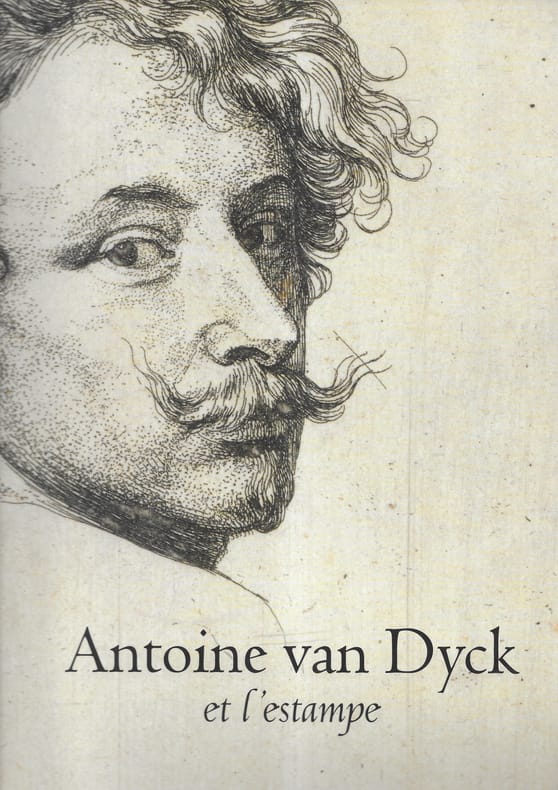
DEPAUW et LUIJTEN
Antoine Van Dyck et l’estampe
Broché sous couvertures illustrées. Anvers, Amsterdam Open, Rijksmuseum 1999 1 volume in-4°
Bookseller reference : 3176
|
|
|
DEPAUW Carl - LUIJTEN Ger
Anthony Van Dyck as a printmaker
Amsterdam 1999. Grand in-4 broché; couverture souple illustrée. 400 pages. Texte et reproductions à chaque page ,en noir et couleurs.T.B.E. Langue anglaise.
Bookseller reference : 39035
|
|
|
Depauw, Carl. Luijten, Ger. Van Dyck, Anthony (1599-1641)
Anthony van Dyck as a printmaker / Carl Depauw & Ger Luijten ; with contributions by Erik Duverger . et al. ; translation Beverley Jackson . et al.
New York : Antwerpen Open ; Rijksmuseum Amsterdam 1999. 1st edition. Softcover. Near fine paperback copy; edges very slightly dust-dulled. Remains particularly well-preserved overall; tight bright clean and especially sharp-cornered. Physical description; 400 p. : ill. ; 31 cm. Notes; ""Published on the occasion of the exhibition Van Dyck-a gifted engraver Museum Plantin-Moretus/Stedelijk Prentenkabinet Antwerp 15 May-22 August 1999; Antoon van Dyck en de prentkunst Rijksmuseum Rijksprentenkabinet Amsterdam 9 October 1999-9 January 2000""--P. 2. Includes bibliographical references p. 391-400. Subjects; Van Dyck Anthony 1599-1641 Exhibitions. Van Dyck Anthony 1599-1641 Influence ; Exhibitions. Prints 17th century Belgium Flanders ; Exhibitions. Prints 17th century Netherlands Exhibitions. Prints Dutch ; Exhibitions. Prints Flemish Exhibitions. New York : Antwerpen Open ; Rijksmuseum Amsterdam paperback
Bookseller reference : 408579 ISBN : 9058460150 9789058460158
|
|
|
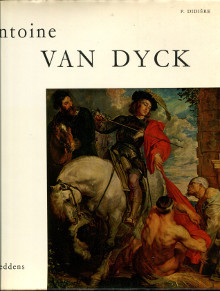
Didière, Pierre
Antoine Van Dyck
Editions Meddens, Bruxelles, 1969. In-4, reliure pleine toile éditeur sous jaquette illustrée en couleur, titre doré sur le dos, 63 pp. I. Légende et vérité - II. Esquisse biographique - III. Les oeuvres de jeunesse - IV. Les oeuvres peintes en Italie - V. Les deuxième et troisième périodes flamandes - VI. Antoine Van Dyck à la cour de Charles Ier ...
Bookseller reference : 2576
|
|
|
Dr. CS. Van-Dyck
Fatebreakers: Mortal Bounds of Eden-Hills
Hardcover. NEW/NEW. <br/> <br/> hardcover
Bookseller reference : Pazz82190 ISBN : 9798294816965 9798294816
|
|
|
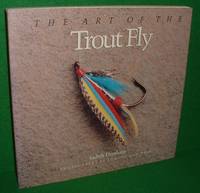
DUNHAM , Judith , Avid Fly-Fisher , VAN DYCK , Egmont , Professional Photographer
THE ART of the TROUT FLY
San Francisco USA: Chronicle Books 1988 Near FINE P/b.1st ed.1st print.10987654321. Large Square.J Durham an avid fly-fisher writer & exhibition curator etc.Brilliant wonderful Full-page glossy photographic plates by Professional Photographer E Van Dyck who specializes in High-tech advertising photography styling & manipulation intricate lighting etc.The Life Cycle of the fly the subsurface fly the dry fly the terrestrial. Reference & Resource:- materials flies to scale Flytier's library & address book.Entertaining & beautiful book - valuable source of information & inspiration for both novice & experienced. tight binding Fine throughout No inscsp light spine fade with small col/ru/loss spine top/tail. Please see our images of the actual book offered for sale. Chronicle Books paperback
Bookseller reference : 123054 ISBN : 0877014744 9780877014744
|
|
|
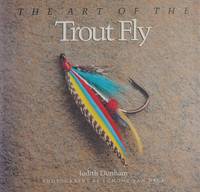
Dunham, J., van Dyck, E.
Art of the Trout Fly
Chronicle Books. Used - Very Good. Very Good condition. Very Good dust jacket. A copy that may have a few cosmetic defects. May also contain light spine creasing or a few markings such as an owner’s name short gifter’s inscription or light stamp. Chronicle Books unknown
Bookseller reference : L06F-00541 ISBN : 0877015287 9780877015284
|
|
|
Dunham, J.; van Dyck, E
Art of the Trout Fly
Chronicle Books 1988-08-31. hardcover. New. In shrink wrap. Chronicle Books hardcover
Bookseller reference : 100-29418 ISBN : 0877015287 9780877015284
|
|
|

 Receive by email
 Download as PDF document
 RSS feed
 Permanent link