|
Gustav Doré / Spanien - Davillier, Jean Charles and Gustave Dore
Spain. - Illustrated by Gustave Dore. Translated by J./ .John Thomson 1st American Edition
London, Sampson Low Marston, Low and searle 1876. 512 Seiten, Folio (13 1/2 x 9 7/8 inches; 341 x 250 mm.). 236 illustrations by the incomparable Gustave Dore. 112 Full-Page And 124 Pages Smaller Illustrations. Kaliko - Einband, gebundene Ausgabe, Leinen, goldgeprägter Deckel und Rücken, Vollgoldschnitt, vorderes Gelenk eingerissen, Ecken angestossen, sonst gut
Bookseller reference : 20673

|
|
|
Gustave DORÉ
La Bible
Sous jaquette illustrée. Avec 230 illustrations de Gustave DORÉ.
Bookseller reference : 43655
|
|
|
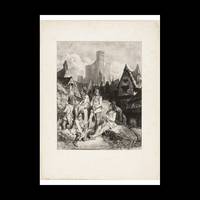
Gustave Dore
A Group of Austrian Guards Photo Matt Fibre A2
Contentum Ltd. Loose sheet. New. High-quality art print based on an original work from the Artic. Created in the 19th century 1859. Professionally printed on premium fine-art paper Photo Matt Fibre in size A2. The artwork is printed with a white border museum-style presentation. Contentum Ltd. unknown
Bookseller reference : 98079
|
|
|
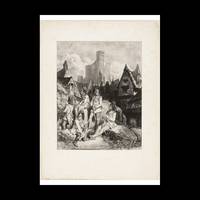
Gustave Dore
A Group of Austrian Guards Photo Rag Bright White Premium Quality A2
Contentum Ltd. Loose sheet. New. High-quality art print based on an original work from the Artic. Created in the 19th century 1859. Professionally printed on premium fine-art paper Photo Rag Bright White premium quality in size A2. The artwork is printed with a white border museum-style presentation. Contentum Ltd. unknown
Bookseller reference : 98080
|
|
|
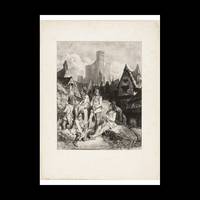
Gustave Dore
A Group of Austrian Guards Museum Etching Museum Quality A3
Contentum Ltd. Loose sheet. New. High-quality art print based on an original work from the Artic. Created in the 19th century 1859. Professionally printed on premium fine-art paper Museum Etching museum quality in size A3. The artwork is printed with a white border museum-style presentation. Contentum Ltd. unknown
Bookseller reference : 98078
|
|
|
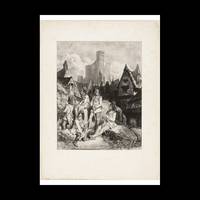
Gustave Dore
A Group of Austrian Guards Museum Etching Museum Quality A2
Contentum Ltd. Loose sheet. New. High-quality art print based on an original work from the Artic. Created in the 19th century 1859. Professionally printed on premium fine-art paper Museum Etching museum quality in size A2. The artwork is printed with a white border museum-style presentation. Contentum Ltd. unknown
Bookseller reference : 98081
|
|
|
Gustave Dore
Adventures of Don Quixote de La Mancha 1880
New. unknown
Bookseller reference : A9781168168023 ISBN : 1168168023 9781168168023
|
|
|
Gustave Dore
Adventures of Don Quixote de La Mancha 1880
New. unknown
Bookseller reference : A9781169151000 ISBN : 1169151000 9781169151000
|
|
|
Gustave Dore
Adventures of Don Quixote de la Mancha 1875
Facsimile Publisher pp. 829 . Hardback. New. Facsimile Publisher hardcover
Bookseller reference : 6398726901 ISBN : 9361417223 9789361417221
|
|
|
Gustave Dore
Adventures of Don Quixote de La Mancha 1880
New. unknown
Bookseller reference : B9781168168023 ISBN : 1168168023 9781168168023
|
|
|
Gustave Dore
Adventures of Don Quixote de La Mancha 1880
New. unknown
Bookseller reference : B9781169151000 ISBN : 1169151000 9781169151000
|
|
|
Gustave Dore
American Poetry Anthology Nos. 1-2
hardcover. Good. Access codes and supplements are not guaranteed with used items. May be an ex-library book. hardcover
Bookseller reference : 088147004X.G ISBN : 088147004X 9780881470048
|
|
|
Gustave Dore
Balzac's Contes Drolatiques; Droll Stories Collected From the Abbeys of Touraine
Hardback. New. hardcover
Bookseller reference : B9781019575765 ISBN : 101957576x 9781019575765

|
|
|
Gustave Dore
Balzac's Contes Drolatiques; Droll Stories Collected From the Abbeys of Touraine
like new. unknown
Bookseller reference : 47074817 ISBN : 101957576x 9781019575765
|
|
|
Gustave Dore
Balzac's Contes Drolatiques; Droll Stories Collected From the Abbeys of Touraine
Hardcover. New. New Book; Fast Shipping from UK; Not signed; Not First Edition; N/A hardcover
Bookseller reference : ria9781019575765_inp ISBN : 101957576x 9781019575765

|
|
|
Gustave Dore
Bible svatá Gustave Doré
Kniní klub 2007. 2007. Hardcover. Bible svatá <br/><br/>Bible svatá Kniní klub hardcover
Bookseller reference : BN109022 ISBN : 8024216949 9788024216942
|
|
|
Gustave Dore
Biblical Illustrations in Russian
Symposium 1997. Hardcover. Very Good/Very Good. Trivial surface wear. Pages are clean and unmarked. Binding tight and square Symposium hardcover
Bookseller reference : 20110317125349 ISBN : 9110077391 9789110077393
|
|
|
Gustave Dore
Big Book Of Fairy Tales
like new. unknown
Bookseller reference : 46443258 ISBN : 1019422580 9781019422588

|
|
|
Gustave Dore
Catalogue des Dessins Aquarelles Et Estampes de Gustave Doré Exposés dans les Salons du Cercle de la Librairie Mars 1885: Avec une Notice Biographique Classic Reprint French Edition
paperback. Good. Access codes and supplements are not guaranteed with used items. May be an ex-library book. paperback
Bookseller reference : 0282467947.G ISBN : 0282467947 9780282467944

|
|
|
Gustave Dore
Catalogue des Dessins Aquarelles Et Estampes de Gustave Doré Exposés dans les Salons du Cercle de la Librairie Mars 1885: Avec une Notice Biographique Classic Reprint French Edition
hardcover. Good. Access codes and supplements are not guaranteed with used items. May be an ex-library book. hardcover
Bookseller reference : 0656834935.G ISBN : 0656834935 9780656834938

|
|
|
Gustave Dore
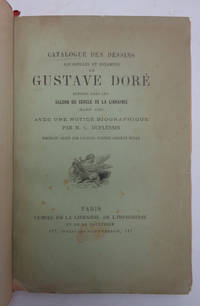
CATALOGUE DES DESSINS ACQUARELLES ET ESTAMPES DE GUSTAVE DORÉ exposes dans les salons du Cercle de la Librairie mars 1885. Avec une notice biographique par M. G. Duplessis
<p>Paris: Cercle de la Librairie de l'Imprimerie et de la Papeterie 1885. E.O. Un volume 14x21 cm di 218 pagine con ritratto di Dorè inciso da Lalauze in antiporta. In barbe. In lingua francese. Legatura in mezza pelle rossa qualche usura al dorso con copertina della brossura originale conservata all'interno. Condizioni molto buone.</p> Cercle de la Librairie, de l'Imprimerie et de la Papeterie
Bookseller reference : 034744
|
|
|
Gustave DORE - Heliodore PISAN
Cervantès Don Quichotte Il ne fut pas moins ravi d'un autre choeur de danse qui entra bientôt après. Gravure originale sur bois debout. Tome 2 ch.20
Paris: Hetzel 1863. Fine. Hetzel Paris 1863 43 x 21 cm une feuille First edition. Wood engraving signed in the plate by the artist. Plate created specifically for the illustration of Cervantes' Don Quixote for the 1863 Hachette edition. Gustave Doré first traveled to Spain in 1855 in the company of Théophile Gautier and publisher Paul Dalloz. In 1861 responding to a commission from the journal Le Tour du monde he returned there with Baron Jean Charles Davillier a knowledgeable Hispanophile who would recount their journey in his Voyage en Espagne. Doré went there primarily with a view to illustrating Don Quixote: ""Je me rends donc dans la patrie de cet illustre hidalgo pour étudier tous les lieux qu'il a parcourus et remplis de ses exploits et faire ainsi une chose qui aura son parfum local"" ""I am therefore going to the homeland of this illustrious hidalgo to study all the places he has traveled through and filled with his exploits and thus create something that will have its local flavor"". Gustave Doré would thus conduct several working sessions with Louis Viardot translator of Cervantes' text. Cervantes' novel ranks among the most illustrated narratives in European literature but Doré wanted to surpass his predecessors Tony Johannot Grandville Daumier. Upon its publication in 1863 the work would be the subject of unanimous praise notably from Emile Zola: ""On appelle ça illustrer un ouvrage : moi je prétends que c'est le refaire. Au lieu d'un chef-d'oeuvre l'esprit humain en compte deux"" ""They call that illustrating a work: I claim that it's remaking it. Instead of one masterpiece the human spirit now counts two"". See our other engravings by Gustave Doré Gustave Doré L'Imaginaire au pouvoir Musée d'Orsay 2014 Virtual exhibition on Gustave Doré on the Gallica website Hetzel unknown
Bookseller reference : 47269

|
|
|
Gustave DORE - Heliodore PISAN
Cervantès Don Quichotte Les meuniers les tirèrent l'un l'autre par les pieds par la tête. Gravure originale sur bois debout. Tome 2 ch.29
Paris: Hetzel 1863. Fine. Hetzel Paris 1863 31 x 43 cm une feuille First edition. Wood engraving signed in the plate by the artist. Plate specially created for the illustration of Cervantes' Don Quixote for the 1863 Hachette edition. Gustave Doré first traveled to Spain in 1855 in the company of Théophile Gautier and publisher Paul Dalloz. In 1861 responding to a commission from the journal Le Tour du monde he returned there with Baron Jean Charles Davillier an avid hispanophile who would recount their journey in his Voyage en Espagne. Doré went there primarily with a view to illustrating Don Quixote: ""I am therefore going to the homeland of this illustrious hidalgo to study all the places he traveled through and filled with his exploits and thus create something that will have its local flavor"". Gustave Doré would thus conduct several work sessions with Louis Viardot translator of Cervantes' text. Cervantes' novel is among the most illustrated stories in European literature but Doré wanted to surpass his predecessors Tony Johannot Grandville Daumier. Upon its publication in 1863 the work would be the subject of unanimous praise notably from Emile Zola: ""They call that illustrating a work: I maintain that it is remaking it. Instead of one masterpiece the human spirit now counts two"". See our other engravings by Gustave Doré Gustave Doré L'Imaginaire au pouvoir Musée d'Orsay 2014 Virtual exhibition around Gustave Doré on the Gallica website Hetzel unknown
Bookseller reference : 47258

|
|
|
Gustave DORE - Heliodore PISAN
Cervantès Don Quichotte Voilà comme je châtie les insolents qui ne savent pas retenir leur langue. Tome 2 ch. 60
Paris: Hetzel 1863. Fine. Hetzel Paris 1863 21 x 43 cm une feuille First edition. Wood engraving signed in the plate by the artist. Plate created specifically for the illustration of Cervantes' Don Quixote for the Hachette edition of 1863. Gustave Doré first traveled to Spain in 1855 in the company of Théophile Gautier and publisher Paul Dalloz. In 1861 responding to a commission from the journal Le Tour du monde he returned there with Baron Jean Charles Davillier an experienced hispanophile who would recount their journey in his Voyage en Espagne. Doré went there primarily with a view to illustrating Don Quixote: ""I am therefore going to the homeland of this illustrious hidalgo to study all the places he traveled through and filled with his exploits and thus create something that will have its local flavor"". Gustave Doré would thus conduct several working sessions with Louis Viardot translator of Cervantes' text. Cervantes' novel is among the most illustrated stories in European literature but Doré wanted to surpass his predecessors Tony Johannot Grandville Daumier. When it appeared in 1863 the work received unanimous praise notably from Emile Zola: ""They call that illustrating a work: I contend that it is remaking it. Instead of one masterpiece the human spirit counts two"". See our other engravings by Gustave Doré Gustave Doré L'Imaginaire au pouvoir Musée d'Orsay 2014 Virtual exhibition on Gustave Doré on the Gallica website Hetzel unknown
Bookseller reference : 47313

|
|
|
Gustave DORE - Heliodore PISAN
Cervantès Don Quichotte Finalement maître et valet restèrent trois jours chez les mariés où ils furent traités comme des rois. Gravure originale sur bois debout. Tome 2 ch.22
Paris: Hetzel 1863. Fine. Hetzel Paris 1863 31 x 43 cm une feuille First edition. Wood engraving signed in the plate by the artist. Plate created specifically for the illustration of Cervantes' Don Quixote for the 1863 Hachette edition. Gustave Doré first traveled to Spain in 1855 in the company of Théophile Gautier and publisher Paul Dalloz. In 1861 responding to a commission from the journal Le Tour du monde he returned there with Baron Jean Charles Davillier an avid hispanophile who would recount their journey in his Voyage en Espagne. Doré went there primarily with a view to illustrating Don Quixote: ""Je me rends donc dans la patrie de cet illustre hidalgo pour étudier tous les lieux qu'il a parcourus et remplis de ses exploits et faire ainsi une chose qui aura son parfum local"" ""I am therefore going to the homeland of this illustrious hidalgo to study all the places he traveled through and filled with his exploits and thus create something that will have its local flavor"". Gustave Doré would thus hold several working sessions with Louis Viardot translator of Cervantes' text. Cervantes' novel is among the most illustrated stories in European literature but Doré wanted to surpass his predecessors Tony Johannot Grandville Daumier. Upon its publication in 1863 the work would be the object of unanimous praise notably from Emile Zola: ""On appelle ça illustrer un ouvrage : moi je prétends que c'est le refaire. Au lieu d'un chef-d'oeuvre l'esprit humain en compte deux"" ""They call that illustrating a work: I maintain that it's remaking it. Instead of one masterpiece the human spirit now counts two"". See our other engravings by Gustave Doré Gustave Doré L'Imaginaire au pouvoir Musée d'Orsay 2014 Virtual exhibition on Gustave Doré on the Gallica website Hetzel unknown
Bookseller reference : 47266

|
|
|
Gustave DORE - Heliodore PISAN
Cervantès Don Quichotte Mort de Don Quichotte.
Paris: Hetzel 1863. Fine. Hetzel Paris 1863 21 x 43 cm une feuille First edition. Wood engraving signed in the plate by the artist. Plate created specifically for the illustration of Cervantes' Don Quixote for the 1863 Hachette edition. Gustave Doré first traveled to Spain in 1855 accompanied by Théophile Gautier and publisher Paul Dalloz. In 1861 responding to a commission from the journal Le Tour du monde he returned there with Baron Jean Charles Davillier an informed hispanophile who would recount their journey in his Voyage en Espagne. Doré went there primarily with a view to illustrating Don Quixote: ""Je me rends donc dans la patrie de cet illustre hidalgo pour étudier tous les lieux qu'il a parcourus et remplis de ses exploits et faire ainsi une chose qui aura son parfum local"" ""I am therefore going to the homeland of this illustrious hidalgo to study all the places he traveled through and filled with his exploits and thus create something that will have its local flavor"". Gustave Doré would thus conduct several working sessions with Louis Viardot translator of Cervantes' text. Cervantes' novel is among the most illustrated narratives in European literature but Doré wanted to surpass his predecessors Tony Johannot Grandville Daumier. Upon its publication in 1863 the work would receive unanimous praise notably from Emile Zola: ""On appelle ça illustrer un ouvrage : moi je prétends que c'est le refaire. Au lieu d'un chef-d'oeuvre l'esprit humain en compte deux"" ""They call that illustrating a work: I maintain that it is remaking it. Instead of one masterpiece the human spirit now counts two"". See our other engravings by Gustave Doré Gustave Doré L'Imaginaire au pouvoir Musée d'Orsay 2014 Virtual exhibition on Gustave Doré on the Gallica website Hetzel unknown
Bookseller reference : 47301

|
|
|
Gustave DORE - Heliodore PISAN
Cervantès Don Quichotte Là se termine le chant de l'amoureuse Altisidore. Tome 2 ch.44
Paris: Hetzel 1863. Fine. Hetzel Paris 1863 21 x 43 cm une feuille First edition. Wood engraving signed in the plate by the artist. Some very discreet worming. Plate created specifically for the illustration of Cervantes' Don Quixote in the Hachette edition of 1863. Gustave Doré first travelled to Spain in 1855 in the company of Théophile Gautier and the publisher Paul Dalloz. In 1861 responding to a commission from the journal Le Tour du monde he returned there with Baron Jean Charles Davillier a learned hispanophile who would recount their journey in his Voyage en Espagne. Doré went there primarily with a view to illustrating Don Quixote: ""Je me rends donc dans la patrie de cet illustre hidalgo pour étudier tous les lieux qu'il a parcourus et remplis de ses exploits et faire ainsi une chose qui aura son parfum local"" ""I am therefore going to the homeland of this illustrious hidalgo to study all the places he traversed and filled with his exploits and thus create something that will have its local flavour"". Gustave Doré would thus undertake several working sessions with Louis Viardot translator of Cervantes' text. Cervantes' novel ranks among the most illustrated narratives in European literature but Doré wanted to surpass his predecessors Tony Johannot Grandville Daumier. Upon its publication in 1863 the work would receive unanimous praise notably from Emile Zola: ""On appelle ça illustrer un ouvrage : moi je prétends que c'est le refaire. Au lieu d'un chef-d'oeuvre l'esprit humain en compte deux"" ""They call that illustrating a work: I maintain that it is remaking it. Instead of one masterpiece the human spirit now counts two"". See our other engravings by Gustave Doré Gustave Doré L'Imaginaire au pouvoir Musée d'Orsay 2014 Virtual exhibition on Gustave Doré on the Gallica website Hetzel unknown
Bookseller reference : 47294

|
|
|
Gustave DORE - Heliodore PISAN
Cervantès Don Quichotte L'on regarda la maison où il y eut grande assemblée de dames. Tome 2 ch. 62
Paris: Hetzel 1863. Fine. Hetzel Paris 1863 21 x 43 cm une feuille First edition. Wood engraving signed in the plate by the artist. Plate created specifically for the illustration of Cervantes' Don Quixote for the Hachette edition of 1863. Gustave Doré first traveled to Spain in 1855 in the company of Théophile Gautier and publisher Paul Dalloz. In 1861 responding to a commission from the journal Le Tour du monde he returned there with Baron Jean Charles Davillier a knowledgeable hispanophile who would recount their journey in his Voyage en Espagne. Doré went there primarily with a view to illustrating Don Quixote: ""I am therefore going to the homeland of this illustrious hidalgo to study all the places he traveled through and filled with his exploits and thus create something that will have its local flavor"". Gustave Doré would thus conduct several working sessions with Louis Viardot translator of Cervantes' text. Cervantes' novel ranks among the most illustrated stories in European literature but Doré wanted to surpass his predecessors Tony Johannot Grandville Daumier. Upon its publication in 1863 the work would be the subject of unanimous praise notably from Émile Zola: ""They call that illustrating a work: I maintain that it's remaking it. Instead of one masterpiece the human spirit now counts two"". See our other engravings by Gustave Doré Gustave Doré L'Imaginaire au pouvoir Musée d'Orsay 2014 Virtual exhibition on Gustave Doré on the Gallica website Hetzel unknown
Bookseller reference : 47310

|
|
|
Gustave DORE - Heliodore PISAN
Cervantès Don Quichotte Celui-ci répondit pour le singe. Gravure originale sur bois debout. Tome 2 ch.25
Paris: Hetzel 1863. Fine. Hetzel Paris 1863 31 x 43 cm une feuille First edition. Wood engraving signed in the plate by the artist. Plate specially created for the illustration of Cervantes' Don Quixote for the Hachette edition of 1863. Gustave Doré first traveled to Spain in 1855 in the company of Théophile Gautier and publisher Paul Dalloz. In 1861 responding to a commission from the journal Le Tour du monde he returned there with Baron Jean Charles Davillier a knowledgeable hispanophile who would recount their journey in his Voyage en Espagne. Doré went there primarily with a view to illustrating Don Quichotte: ""Je me rends donc dans la patrie de cet illustre hidalgo pour étudier tous les lieux qu'il a parcourus et remplis de ses exploits et faire ainsi une chose qui aura son parfum local"" ""I am therefore going to the homeland of this illustrious hidalgo to study all the places he traveled through and filled with his exploits and thus create something that will have its local flavor"". Gustave Doré would thus hold several working sessions with Louis Viardot translator of Cervantes' text. Cervantes' novel ranks among the most illustrated stories in European literature but Doré wanted to surpass his predecessors Tony Johannot Grandville Daumier. Upon its publication in 1863 the work would be the subject of unanimous praise notably from Emile Zola: ""On appelle ça illustrer un ouvrage : moi je prétends que c'est le refaire. Au lieu d'un chef-d'oeuvre l'esprit humain en compte deux"" ""They call that illustrating a work: I claim it's remaking it. Instead of one masterpiece the human mind now counts two"". See our other engravings by Gustave Doré Gustave Doré L'Imaginaire au pouvoir Musée d'Orsay 2014 Virtual exhibition on Gustave Doré on the Gallica website Hetzel unknown
Bookseller reference : 47261

|
|
|
Gustave DORE - Heliodore PISAN
Cervantès Don Quichotte Un jour donc il demanda au duc et à la duchesse la permission de prendre congé d'eux. Tome 2 ch.57
Paris: Hetzel 1863. Fine. Hetzel Paris 1863 21 x 43 cm une feuille First edition. Wood engraving signed in the plate by the artist. Some pale spotting in the margin of the plate. Plate created specifically for the illustration of Don Quixote by Cervantes for the Hachette edition of 1863. Gustave Doré first traveled to Spain in 1855 in the company of Théophile Gautier and publisher Paul Dalloz. In 1861 responding to a commission from the journal Le Tour du monde he returned there with Baron Jean Charles Davillier a knowledgeable Hispanophile who would recount their journey in his Voyage en Espagne. Doré went there primarily with a view to illustrating Don Quixote: ""Je me rends donc dans la patrie de cet illustre hidalgo pour étudier tous les lieux qu'il a parcourus et remplis de ses exploits et faire ainsi une chose qui aura son parfum local"" ""I am therefore going to the homeland of this illustrious hidalgo to study all the places he traveled through and filled with his exploits and thus create something that will have its local flavor"". Gustave Doré would thus conduct several working sessions with Louis Viardot translator of Cervantes' text. Cervantes' novel counts among the most illustrated stories in European literature but Doré wanted to surpass his predecessors Tony Johannot Grandville Daumier. When it appeared in 1863 the work would be the subject of unanimous praise notably from Émile Zola: ""On appelle ça illustrer un ouvrage : moi je prétends que c'est le refaire. Au lieu d'un chef-d'oeuvre l'esprit humain en compte deux"" ""They call that illustrating a work: I maintain that it is remaking it. Instead of one masterpiece the human spirit counts two"". See our other engravings by Gustave Doré Gustave Doré L'Imaginaire au pouvoir Musée d'Orsay 2014 Virtual exhibition on Gustave Doré on the Gallica website Hetzel unknown
Bookseller reference : 47283

|
|
|
Gustave DORE - Heliodore PISAN
Cervantès Don Quichotte Puis il alla prendre la bénédiction de son seigneur. Tome 2 ch.44
Paris: Hetzel 1863. Fine. Hetzel Paris 1863 21 x 43 cm une feuille First edition. Wood engraving signed in the plate by the artist. Plate created specifically for the illustration of Cervantes' Don Quixote in the Hachette edition of 1863. Gustave Doré first travelled to Spain in 1855 in the company of Théophile Gautier and the publisher Paul Dalloz. In 1861 responding to a commission from the journal Le Tour du monde he returned there with Baron Jean Charles Davillier a learned hispanophile who would recount their journey in his Voyage en Espagne. Doré went there primarily with a view to illustrating Don Quixote: ""Je me rends donc dans la patrie de cet illustre hidalgo pour étudier tous les lieux qu'il a parcourus et remplis de ses exploits et faire ainsi une chose qui aura son parfum local"" ""I am therefore going to the homeland of this illustrious hidalgo to study all the places he traversed and filled with his exploits and thus create something that will have its local flavour"". Gustave Doré would thus undertake several working sessions with Louis Viardot translator of Cervantes' text. Cervantes' novel ranks among the most illustrated narratives in European literature but Doré wanted to surpass his predecessors Tony Johannot Grandville Daumier. Upon its publication in 1863 the work would receive unanimous praise notably from Emile Zola: ""On appelle ça illustrer un ouvrage : moi je prétends que c'est le refaire. Au lieu d'un chef-d'oeuvre l'esprit humain en compte deux"" ""They call that illustrating a work: I maintain that it is remaking it. Instead of one masterpiece the human spirit now counts two"". See our other engravings by Gustave Doré Gustave Doré L'Imaginaire au pouvoir Musée d'Orsay 2014 Virtual exhibition on Gustave Doré on the Gallica website Hetzel unknown
Bookseller reference : 47295

|
|
|
Gustave DORE - Heliodore PISAN
Cervantès Don Quichotte On releva Don Quichotte et on lui découvrit le visage qu'on trouva pâle inanimé et inondé de sueur. Tome 2 ch. 64
Paris: Hetzel 1863. Fine. Hetzel Paris 1863 21 x 43 cm une feuille First edition. Wood engraving signed in the plate by the artist. A long tear without loss to the left margin of the plate. Plate created specifically for the illustration of Cervantes' Don Quixote for the 1863 Hachette edition. Gustave Doré first traveled to Spain in 1855 accompanied by Théophile Gautier and publisher Paul Dalloz. In 1861 responding to a commission from the journal Le Tour du monde he returned there with Baron Jean Charles Davillier an informed hispanophile who would recount their journey in his Voyage en Espagne. Doré went there primarily with a view to illustrating Don Quixote: ""Je me rends donc dans la patrie de cet illustre hidalgo pour étudier tous les lieux qu'il a parcourus et remplis de ses exploits et faire ainsi une chose qui aura son parfum local"" ""I am therefore going to the homeland of this illustrious hidalgo to study all the places he traveled through and filled with his exploits and thus create something that will have its local flavor"". Gustave Doré would thus conduct several working sessions with Louis Viardot translator of Cervantes' text. Cervantes' novel is among the most illustrated narratives in European literature but Doré wanted to surpass his predecessors Tony Johannot Grandville Daumier. Upon its publication in 1863 the work would receive unanimous praise notably from Emile Zola: ""On appelle ça illustrer un ouvrage : moi je prétends que c'est le refaire. Au lieu d'un chef-d'oeuvre l'esprit humain en compte deux"" ""They call that illustrating a work: I maintain that it is remaking it. Instead of one masterpiece the human spirit now counts two"". See our other engravings by Gustave Doré Gustave Doré L'Imaginaire au pouvoir Musée d'Orsay 2014 Virtual exhibition on Gustave Doré on the Gallica website Hetzel unknown
Bookseller reference : 47307

|
|
|
Gustave DORE - Heliodore PISAN
Cervantès Don Quichotte Pour être si grièvement blessé dit Sancho ce garçon-là jase beaucoup. Gravure originale sur bois debout. Tome 2 ch.21
Paris: Hetzel 1863. Fine. Hetzel Paris 1863 43 x 21 cm une feuille First edition. Wood engraving signed in the plate by the artist. Plate created specifically for the illustration of Cervantes' Don Quixote for the 1863 Hachette edition. Gustave Doré first traveled to Spain in 1855 in the company of Théophile Gautier and publisher Paul Dalloz. In 1861 responding to a commission from the journal Le Tour du monde he returned there with Baron Jean Charles Davillier a knowledgeable Hispanophile who would recount their journey in his Voyage en Espagne. Doré went there primarily with a view to illustrating Don Quixote: ""Je me rends donc dans la patrie de cet illustre hidalgo pour étudier tous les lieux qu'il a parcourus et remplis de ses exploits et faire ainsi une chose qui aura son parfum local"" ""I am therefore going to the homeland of this illustrious hidalgo to study all the places he has traveled through and filled with his exploits and thus create something that will have its local flavor"". Gustave Doré would thus conduct several working sessions with Louis Viardot translator of Cervantes' text. Cervantes' novel ranks among the most illustrated narratives in European literature but Doré wanted to surpass his predecessors Tony Johannot Grandville Daumier. Upon its publication in 1863 the work would be the subject of unanimous praise notably from Emile Zola: ""On appelle ça illustrer un ouvrage : moi je prétends que c'est le refaire. Au lieu d'un chef-d'oeuvre l'esprit humain en compte deux"" ""They call that illustrating a work: I claim that it's remaking it. Instead of one masterpiece the human spirit now counts two"". See our other engravings by Gustave Doré Gustave Doré L'Imaginaire au pouvoir Musée d'Orsay 2014 Virtual exhibition on Gustave Doré on the Gallica website Hetzel unknown
Bookseller reference : 47267

|
|
|
Gustave DORE - Heliodore PISAN
Cervantès Don Quichotte Montésinos me dit que tous ces gens de la procession étaient les serviteurs de Durandart et de Bélerme. Gravure originale sur bois debout. Tome 2 ch.23
Paris: Hetzel 1863. Fine. Hetzel Paris 1863 31 x 43 cm une feuille First edition. Wood engraving signed in the plate by the artist. Plate specially created for the illustration of Cervantes' Don Quixote for the Hachette edition of 1863. Gustave Doré first traveled to Spain in 1855 in the company of Théophile Gautier and publisher Paul Dalloz. In 1861 responding to a commission from the journal Le Tour du monde he returned there with Baron Jean Charles Davillier a knowledgeable hispanophile who would recount their journey in his Voyage en Espagne. Doré went there primarily with a view to illustrating Don Quichotte: ""Je me rends donc dans la patrie de cet illustre hidalgo pour étudier tous les lieux qu'il a parcourus et remplis de ses exploits et faire ainsi une chose qui aura son parfum local"" ""I am therefore going to the homeland of this illustrious hidalgo to study all the places he traveled through and filled with his exploits and thus create something that will have its local flavor"". Gustave Doré would thus hold several working sessions with Louis Viardot translator of Cervantes' text. Cervantes' novel ranks among the most illustrated stories in European literature but Doré wanted to surpass his predecessors Tony Johannot Grandville Daumier. Upon its publication in 1863 the work would be the subject of unanimous praise notably from Emile Zola: ""On appelle ça illustrer un ouvrage : moi je prétends que c'est le refaire. Au lieu d'un chef-d'oeuvre l'esprit humain en compte deux"" ""They call that illustrating a work: I claim it's remaking it. Instead of one masterpiece the human mind now counts two"". See our other engravings by Gustave Doré Gustave Doré L'Imaginaire au pouvoir Musée d'Orsay 2014 Virtual exhibition on Gustave Doré on the Gallica website Hetzel unknown
Bookseller reference : 47262

|
|
|
Gustave DORE - Heliodore PISAN
Cervantès Don Quichotte Retirez-vous Seigneur Don Quichotte ; la pauvre enfant ne reviendra point à elle tant que votre grâce restera là. Tome 2 ch.46
Paris: Hetzel 1863. Fine. Hetzel Paris 1863 21 x 43 cm une feuille First edition. Wood engraving signed on the plate by the artist. Plate created specifically for the illustration of Cervantes' Don Quixote for the Hachette edition of 1863. Gustave Doré first traveled to Spain in 1855 accompanied by Théophile Gautier and publisher Paul Dalloz. In 1861 responding to a commission from the journal Le Tour du monde he returned there with Baron Jean Charles Davillier an avid hispanophile who would recount their journey in his Voyage en Espagne. Doré went there primarily for the illustration of Don Quixote: ""I am therefore going to the homeland of this illustrious hidalgo to study all the places he traveled through and filled with his exploits and thus create something that will have its local flavor"". Gustave Doré would thus conduct several working sessions with Louis Viardot translator of Cervantes' text. Cervantes' novel is among the most illustrated narratives in European literature but Doré wanted to surpass his predecessors Tony Johannot Grandville Daumier. Upon its publication in 1863 the work would receive unanimous praise notably from Emile Zola: ""They call that illustrating a work: I maintain that it's remaking it. Instead of one masterpiece the human spirit now counts two"". See our other engravings by Gustave Doré Gustave Doré L'Imaginaire au pouvoir Musée d'Orsay 2014 Virtual exhibition about Gustave Doré on the Gallica website Hetzel unknown
Bookseller reference : 47291

|
|
|
Gustave DORE - Heliodore PISAN
Cervantès Don Quichotte S'il vous plaît seigneur de devenir notre hôte vous serez accueilli avec courtoisie et libéralité. Tome 2 ch.58
Paris: Hetzel 1863. Fine. Hetzel Paris 1863 43 x 21 cm une feuille First edition. Wood engraving signed in the plate by the artist. Pale foxing in the upper margin not affecting the engraving. Plate created specifically for the illustration of Don Quixote by Cervantes for the Hachette edition of 1863. Gustave Doré first traveled to Spain in 1855 in the company of Théophile Gautier and publisher Paul Dalloz. In 1861 responding to a commission from the journal Le Tour du monde he returned there with Baron Jean Charles Davillier a knowledgeable Hispanophile who would recount their journey in his Voyage en Espagne. Doré went there primarily with a view to illustrating Don Quixote: ""Je me rends donc dans la patrie de cet illustre hidalgo pour étudier tous les lieux qu'il a parcourus et remplis de ses exploits et faire ainsi une chose qui aura son parfum local"" ""I am therefore going to the homeland of this illustrious hidalgo to study all the places he traveled through and filled with his exploits and thus create something that will have its local flavor"". Gustave Doré would thus conduct several working sessions with Louis Viardot translator of Cervantes' text. Cervantes' novel counts among the most illustrated stories in European literature but Doré wanted to surpass his predecessors Tony Johannot Grandville Daumier. When it appeared in 1863 the work would be the subject of unanimous praise notably from Émile Zola: ""On appelle ça illustrer un ouvrage : moi je prétends que c'est le refaire. Au lieu d'un chef-d'oeuvre l'esprit humain en compte deux"" ""They call that illustrating a work: I maintain that it is remaking it. Instead of one masterpiece the human spirit counts two"". See our other engravings by Gustave Doré Gustave Doré L'Imaginaire au pouvoir Musée d'Orsay 2014 Virtual exhibition on Gustave Doré on the Gallica website Hetzel unknown
Bookseller reference : 47282

|
|
|
Gustave DORE - Heliodore PISAN
Cervantès Don Quichotte Le gouverneur Sancho Panza rendant la justice. Tome 2 ch.45
Paris: Hetzel 1863. Fine. Hetzel Paris 1863 21 x 43 cm une feuille First edition. Wood engraving signed in the plate by the artist. A small foxing spot in the upper margin not touching the engraving. Plate created specifically for the illustration of Cervantes' Don Quixote for the Hachette edition of 1863. Gustave Doré traveled to Spain first in 1855 in the company of Théophile Gautier and publisher Paul Dalloz. In 1861 responding to a commission from the journal Le Tour du monde he returned there with Baron Jean Charles Davillier a knowledgeable hispanophile who would recount their journey in his Voyage en Espagne. Doré went there mainly with a view to illustrating Don Quixote: ""I am therefore going to the homeland of this illustrious hidalgo to study all the places he traveled through and filled with his exploits and thus create something that will have its local flavor"". Gustave Doré would thus conduct several working sessions with Louis Viardot translator of Cervantes' text. Cervantes' novel is among the most illustrated narratives in European literature but Doré wanted to surpass his predecessors Tony Johannot Grandville Daumier. Upon its publication in 1863 the work would be the subject of unanimous praise notably from Émile Zola: ""They call that illustrating a work: I maintain that it's remaking it. Instead of one masterpiece the human spirit counts two"". See our other engravings by Gustave Doré Gustave Doré L'Imaginaire au pouvoir Musée d'Orsay 2014 Virtual exhibition about Gustave Doré on the Gallica website Hetzel unknown
Bookseller reference : 47292

|
|
|
Gustave DORE - Heliodore PISAN
Cervantès Don Quichotte Ils virent qu'il avait les yeux fermés comme un homme endormi. Gravure originale sur bois debout. Tome 2 ch.22
Paris: Hetzel 1863. Fine. Hetzel Paris 1863 31 x 43 cm une feuille First edition. Wood engraving signed in the plate by the artist. Plate created specifically for the illustration of Cervantes' Don Quixote for the 1863 Hachette edition. Gustave Doré first traveled to Spain in 1855 in the company of Théophile Gautier and publisher Paul Dalloz. In 1861 responding to a commission from the journal Le Tour du monde he returned there with Baron Jean Charles Davillier an avid hispanophile who would recount their journey in his Voyage en Espagne. Doré went there primarily with a view to illustrating Don Quixote: ""Je me rends donc dans la patrie de cet illustre hidalgo pour étudier tous les lieux qu'il a parcourus et remplis de ses exploits et faire ainsi une chose qui aura son parfum local"" ""I am therefore going to the homeland of this illustrious hidalgo to study all the places he traveled through and filled with his exploits and thus create something that will have its local flavor"". Gustave Doré would thus hold several working sessions with Louis Viardot translator of Cervantes' text. Cervantes' novel is among the most illustrated stories in European literature but Doré wanted to surpass his predecessors Tony Johannot Grandville Daumier. Upon its publication in 1863 the work would be the object of unanimous praise notably from Emile Zola: ""On appelle ça illustrer un ouvrage : moi je prétends que c'est le refaire. Au lieu d'un chef-d'oeuvre l'esprit humain en compte deux"" ""They call that illustrating a work: I maintain that it's remaking it. Instead of one masterpiece the human spirit now counts two"". See our other engravings by Gustave Doré Gustave Doré L'Imaginaire au pouvoir Musée d'Orsay 2014 Virtual exhibition on Gustave Doré on the Gallica website Hetzel unknown
Bookseller reference : 47264

|
|
|
Gustave DORE - Heliodore PISAN
Cervantès Don Quichotte L'hidalgo se décida à piquer sa jument. Gravure originale sur bois debout. Tome 2 ch.17
Paris: Hetzel 1863. Fine. Hetzel Paris 1863 21 x 43 cm une feuille First edition. Wood engraving signed in the plate by the artist. Light foxing to lower right margin not touching the plate. Plate created specifically for the illustration of Cervantes' Don Quixote for the Hachette edition of 1863. Gustave Doré first travelled to Spain in 1855 accompanied by Théophile Gautier and the publisher Paul Dalloz. In 1861 fulfilling a commission from the journal Le Tour du monde he returned there with Baron Jean Charles Davillier an experienced hispanophile who would recount their journey in his Voyage en Espagne. Doré went there primarily with a view to illustrating Don Quixote: ""I am therefore going to the homeland of this illustrious hidalgo to study all the places he travelled through and filled with his exploits and thus create something which will have its local flavour"". Gustave Doré would thus hold several working sessions with Louis Viardot translator of Cervantes' text. Cervantes' novel is among the most illustrated stories in European literature but Doré wanted to surpass his predecessors Tony Johannot Grandville Daumier. When it appeared in 1863 the work was the subject of unanimous praise notably from Emile Zola: ""They call that illustrating a work: I maintain that it's remaking it. Instead of one masterpiece the human spirit now counts two"". See our other engravings by Gustave Doré Gustave Doré L'Imaginaire au pouvoir Musée d'Orsay 2014 Virtual exhibition on Gustave Doré on the Gallica website Hetzel unknown
Bookseller reference : 47274

|
|
|
Gustave DORE - Heliodore PISAN
Cervantès Don Quichotte Dis-moi toi qui réponds était-ce la vérit était-ce un songe . Tome 2 ch. 62
Paris: Hetzel 1863. Fine. Hetzel Paris 1863 21 x 43 cm une feuille First edition. Wood engraving signed in the plate by the artist. Some light foxing. Plate specially created for the illustration of Cervantes' Don Quixote for the Hachette edition of 1863. Gustave Doré first traveled to Spain in 1855 in the company of Théophile Gautier and publisher Paul Dalloz. In 1861 responding to a commission from the journal Le Tour du monde he returned there with Baron Jean Charles Davillier a knowledgeable hispanophile who would recount their journey in his Voyage en Espagne. Doré went there primarily with a view to illustrating Don Quixote: ""I am therefore going to the homeland of this illustrious hidalgo to study all the places he traveled through and filled with his exploits and thus create something that will have its local flavor"". Gustave Doré would thus conduct several work sessions with Louis Viardot translator of Cervantes' text. Cervantes' novel ranks among the most illustrated narratives in European literature but Doré wanted to surpass his predecessors Tony Johannot Grandville Daumier. When it was published in 1863 the work would be the object of unanimous praise notably from Emile Zola: ""They call that illustrating a work: I maintain that it's recreating it. Instead of one masterpiece the human spirit now counts two"". See our other engravings by Gustave Doré Gustave Doré L'Imaginaire au pouvoir Musée d'Orsay 2014 Virtual exhibition on Gustave Doré on the Gallica website Hetzel unknown
Bookseller reference : 47309

|
|
|
Gustave DORE - Heliodore PISAN
Cervantès Don QuichotteDon Quichotte qui s'était déjà jeté à genoux au côté de Sancho. Gravure originale sur bois debout. Tome 2 ch.10
Paris: Hetzel 1863. Fine. Hetzel Paris 1863 43 x 21 cm une feuille First edition. Wood engraving signed on the plate by the artist. Light foxing not affecting the engraving. Plate created specifically for the illustration of Cervantes' Don Quixote in the Hachette edition of 1863. Gustave Doré first traveled to Spain in 1855 in the company of Théophile Gautier and publisher Paul Dalloz. In 1861 responding to a commission from the journal Le Tour du monde he returned there with Baron Jean Charles Davillier a knowledgeable hispanophile who would recount their journey in his Voyage en Espagne. Doré went there primarily with a view to illustrating Don Quixote: ""I am therefore going to the homeland of this illustrious hidalgo to study all the places he traveled through and filled with his exploits and thus create something that will have its local flavor"". Gustave Doré would thus conduct several working sessions with Louis Viardot translator of Cervantes' text. Cervantes' novel is among the most illustrated stories in European literature but Doré wanted to surpass his predecessors Tony Johannot Grandville Daumier. Upon its publication in 1863 the work would be the subject of unanimous praise notably from Emile Zola: ""They call that illustrating a work: I maintain that it is remaking it. Instead of one masterpiece the human spirit counts two"". See our other engravings by Gustave Doré Gustave Doré L'Imaginaire au pouvoir Musée d'Orsay 2014 Virtual exhibition about Gustave Doré on the Gallica website Hetzel unknown
Bookseller reference : 47278

|
|
|
Gustave DORE - Heliodore PISAN
Cervantès Don Quichotte De l'aventure Sancho resta moulu Don Quichotte épouvanté le grison meurtri de coups et rossinante fort peu catholique. Gravure originale sur bois debout. Tome 2 ch.58
Paris: Hetzel 1863. Fine. Hetzel Paris 1863 43 x 21 cm une feuille First edition. Wood engraving signed on the plate by the artist. Plate created specifically for the illustration of Cervantes' Don Quixote in the Hachette edition of 1863. Gustave Doré first traveled to Spain in 1855 in the company of Théophile Gautier and publisher Paul Dalloz. In 1861 responding to a commission from the journal Le Tour du monde he returned there with Baron Jean Charles Davillier a knowledgeable hispanophile who would recount their journey in his Voyage en Espagne. Doré went there primarily with a view to illustrating Don Quixote: ""I am therefore going to the homeland of this illustrious hidalgo to study all the places he traveled through and filled with his exploits and thus create something that will have its local flavor"". Gustave Doré would thus conduct several working sessions with Louis Viardot translator of Cervantes' text. Cervantes' novel is among the most illustrated stories in European literature but Doré wanted to surpass his predecessors Tony Johannot Grandville Daumier. Upon its publication in 1863 the work would be the subject of unanimous praise notably from Emile Zola: ""They call that illustrating a work: I maintain that it is remaking it. Instead of one masterpiece the human spirit counts two"". See our other engravings by Gustave Doré Gustave Doré L'Imaginaire au pouvoir Musée d'Orsay 2014 Virtual exhibition about Gustave Doré on the Gallica website Hetzel unknown
Bookseller reference : 47281

|
|
|
Gustave DORE
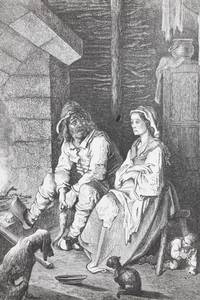
Charles Perrault Contes Le Petit Poucet ""Tu vois bien que nous ne pouvons plus nourrir nos enfants"" - Gravure originale sur bois debout tirée sur chine et contrecollée sur vergé de Hollande
Paris: Hetzel 1862. Fine. Hetzel Paris 1862 29.90 x 42.10 cm une feuille Original wood engraving on end-grain wood signed in the plate by the artist and engraver. Composition created by Gustave Doré and engraved on China paper and mounted on Holland laid paper at the request of publisher Hetzel to illustrate his folio edition of Perrault's Contes in 1862. A pale marginal dampstain not touching the image as well as a discreet black spot in the center of the engraving. These illustrations of the Contes are considered the most successful of this text: Gustave Doré offers an unprecedented dramatic vision. With him everything contributes to the dramatization of the tale from the theatrical staging of the tableau to the smallest details that generate terrifying realism through the technique known as ""tinted wood"". He uses India ink or gouache previously diluted as required by the ""wash"" technique. For Perrault's tales the eleven finest engravers of the period were enlisted to engrave with burin the forty wood blocks: Pannemaker Pisan Pierdon Maurand Boetzel Brevière Hébert Deschamps Dumont Delduc and Fagnon. Gustave Doré's work in the context of illustrating the Contes is paramount; he does not reduce engraving to its ornamental function but transforms it into a true object of narration. These illustrations are Doré's most famous works and immediately received enthusiastic reviews notably that of Sainte-Beuve in Les Nouveaux lundis 23 December 1861: ""Un Perrault comme il n'y en eut jamais jusqu'ici et comme il ne s'en verra plus. . Je ne puis que dire que ces dessins me semblent fort beaux d'un tour riche et opulent qu'ils ont un caractère grandiose qui renouvelle l'aspect de ces humbles contes et leur rend de leur premier merveilleux antérieur à Perrault même."" ""A Perrault such as there never was until now and such as there will never be again. . I can only say that these drawings seem very beautiful to me of a rich and opulent turn that they have a grandiose character that renews the aspect of these humble tales and restores to them their original wonder that predates Perrault himself."" Hetzel unknown
Bookseller reference : 79636
|
|
|
Gustave DORE
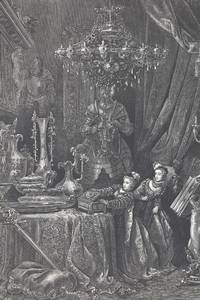
Charles Perrault Contes La Barbe bleue ""Les voisines & les amies tant elles avaient d'impatience de voir toutes les richesses de sa maison"" - Gravure originale sur bois debout tirée sur chine et contrecollée sur vergé de Hollande
Paris: Hetzel 1862. Fine. Hetzel Paris 1862 29.90 x 42.10 cm une feuille Original wood engraving signed on the plate by the artist and engraver. Composition created by Gustave Doré and engraved on China paper and mounted on laid Holland paper at the request of publisher Hetzel to illustrate his folio edition of Perrault's Contes in 1862. Small fold to lower right corner not affecting the engraving and occasional light worming to margin. These illustrations of the Contes are considered the most successful of this text: Gustave Doré presents an unprecedented dramatic vision. With him everything contributes to the dramatization of the tale from the theatrical staging of the scene to the smallest details that generate terrifying realism through the technique known as ""tinted wood"". He uses India ink or gouache previously diluted as required by the ""wash"" technique. For Perrault's tales the eleven best engravers of the time were employed to engrave with burin the forty wooden plates: Pannemaker Pisan Pierdon Maurand Boetzel Brevière Hébert Deschamps Dumont Delduc and Fagnon. Gustave Doré's work in illustrating the Contes is paramount; he does not reduce engraving to its ornamental function but transforms it into a true object of narration. These illustrations are Doré's most famous works and immediately received enthusiastic criticism notably that of Sainte-Beuve in Les Nouveaux lundis December 23 1861: ""Un Perrault comme il n'y en eut jamais jusqu'ici et comme il ne s'en verra plus. . Je ne puis que dire que ces dessins me semblent fort beaux d'un tour riche et opulent qu'ils ont un caractère grandiose qui renouvelle l'aspect de ces humbles contes et leur rend de leur premier merveilleux antérieur à Perrault même."" ""A Perrault like there never was before and as will never be seen again. . I can only say that these drawings seem very beautiful to me of a rich and opulent turn that they have a grandiose character that renews the aspect of these humble tales and restores to them their original marvelous quality that existed before Perrault himself."" Hetzel unknown
Bookseller reference : 79671
|
|
|
Gustave DORE
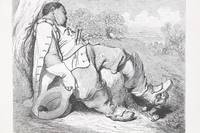
Charles Perrault Contes Le Petit Poucet ""Le Petit Poucet s'étant approché de l'ogre lui tira doucement ses bottes"" - Gravure originale sur bois debout tirée sur chine et contrecollée sur vergé de Hollande
Paris: Hetzel 1862. Fine. Hetzel Paris 1862 29.90 x 42.10 cm une feuille Original wood engraving signed in the plate by the artist and engraver. Composition created by Gustave Doré and engraved on China paper and mounted on Dutch laid paper at the request of publisher Hetzel to illustrate his folio edition of Perrault's Contes in 1862. A light marginal dampstain not affecting the design as well as some foxing in the margin. These illustrations of the Contes are considered the most successful of this text: Gustave Doré offers an unprecedented dramatic vision. With him everything contributes to the dramatization of the tale from the theatrical staging of the tableau to the smallest details that generate terrifying realism through the technique known as ""tinted wood."" He uses India ink or gouache previously diluted as required by the ""wash"" technique. For Perrault's tales the eleven best engravers of the time were enlisted to engrave the forty wood plates with the burin: Pannemaker Pisan Pierdon Maurand Boetzel Brevière Hébert Deschamps Dumont Delduc and Fagnon. Gustave Doré's work in illustrating the Contes is essential; he does not reduce engraving to its ornamental function but transforms it into a true object of narration. These illustrations are Doré's most famous works and immediately received enthusiastic reviews notably that of Sainte-Beuve in Les Nouveaux lundis December 23 1861: ""Un Perrault comme il n'y en eut jamais jusqu'ici et comme il ne s'en verra plus. . Je ne puis que dire que ces dessins me semblent fort beaux d'un tour riche et opulent qu'ils ont un caractère grandiose qui renouvelle l'aspect de ces humbles contes et leur rend de leur premier merveilleux antérieur à Perrault même."" ""A Perrault the likes of which has never existed until now and the likes of which will never be seen again. . I can only say that these drawings seem very beautiful to me of a rich and opulent style that they have a grandiose character that renews the aspect of these humble tales and restores to them their first marvelous quality that preceded Perrault himself."" Hetzel unknown
Bookseller reference : 79645
|
|
|
Gustave Dore; Dante Translated By Rev Henry Francis Cary; Dante Alighieri
Dante's Inferno Gustave Dore
Cassell and Company. Hardcover. Good. 0x0x0. Cassell and Company ca 1900. 183 pp. Folio illustrated with Gustave Dore's pictures. Gilt illustrated boards. Hardcover. Some rubbing/loss of gilt to cover. Gutters starting/cracking. Internally good with clean unmarked pages. This is an oversized or heavy book which requires additional postage for international delivery outside the US. Cassell and Company hardcover
Bookseller reference : 1102110112
|
|
|
Gustave Dore
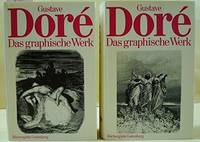
Das graphische Werk. in zwei Bänden. Ausgewählt von Gabriele Forberg. Nachwort von Günter Metken. Gustave Doré
Rogner & Bernhard München. Das graphische Werk. in zwei Bänden. Ausgewählt von Gabriele Forberg. Nachwort von Günter Metken. <br/><br/> Rogner & Bernhard, München unknown
Bookseller reference : BN87215 ISBN : 3807700471 9783807700472
|
|
|
Gustave Dore
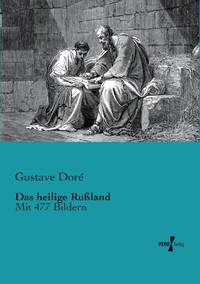
Das heilige Rußland:Mit 477 Bildern
Paperback. New. New Book; Fast Shipping from UK; Not signed; Not First Edition; N/A paperback
Bookseller reference : ria9783956105647_inp ISBN : 3956105648 9783956105647
|
|
|
Gustave Dore
Das heilige Russland
2015. Paperback. Good. Different cover. Different publisher. Ammareal gives back up to 15% of this item's net price to charity organizations. paperback
Bookseller reference : H-346-949 ISBN : 3957702569 9783957702562
|
|
|
Gustave Dore
Das Heilige Russland Classic Reprint German Edition
hardcover. Good. Access codes and supplements are not guaranteed with used items. May be an ex-library book. hardcover
Bookseller reference : 1391913027.G ISBN : 1391913027 9781391913025

|
|

 Receive by email
 Download as PDF document
 RSS feed
 Permanent link


