|
|
|
Benoît Ted:
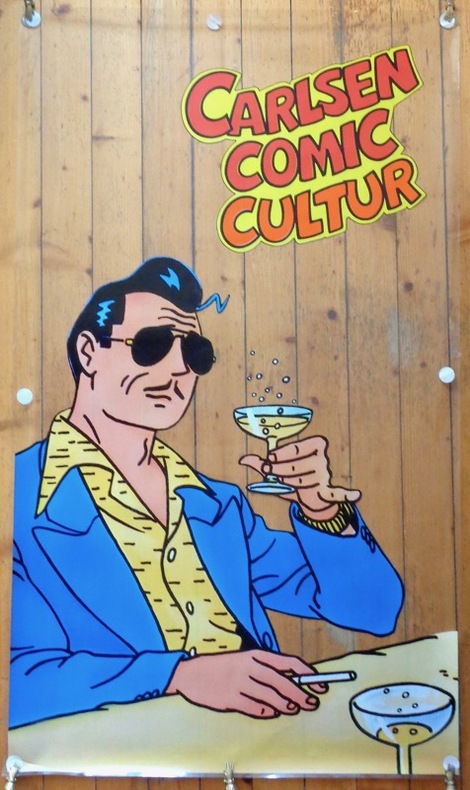
Ray Banana - Carlsen Comic Cultur.
Transparent à coller à l'intérieur d'une vitre (pastilles à coller intactes), au format de 88 x 150 cm. Petit pli au coin inférieur, pour le reste en très bon état.
書籍販売業者の参照番号
: 3510
|
|
|
Benoît Ted:
Trocadero Café.
Affiche au format 50 x 35 cm, tirage limité à 350 exemplaires numérotés et signés. A l'état de neuf.
書籍販売業者の参照番号
: 2960

|
|
|
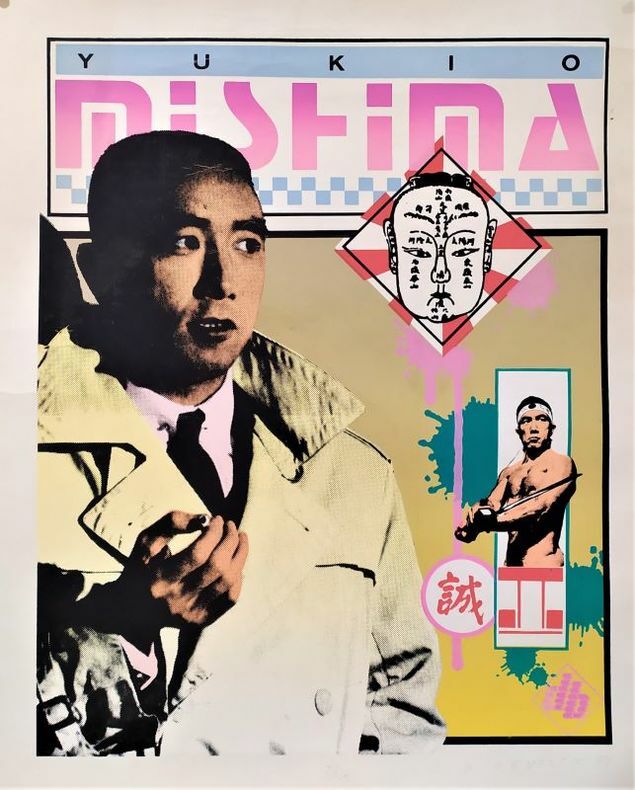
BENESCH (Dan)
Yukio Mishima
Sérigraphie originale sur papier fort. 1985. Dim: 58 x 46,8 cm. Signée et justifiée par l'artiste.
書籍販売業者の参照番号
: 1860
|
|
|
BENESCH (Dan)
Yukio Mishima
Sérigraphie originale sur papier fort. 1985. Dim: 58 x 46,8 cm. Signée et justifiée par l'artiste.
書籍販売業者の参照番号
: 1860
|
|
|
Bence
Vue de l'Arc d'Orange.
français Gravure originale d'après Bence par Baltard, sans date (circa 1800). 42x53 cm - 57x76 cm. 8 trous de punaises dans les marges, petites coupures et restaurations sur les bords, légers plis de la feuille en quatre.
|
|
|
Bence
Vue de la face opposée au Péristyle de la Maison Carrée à Nimes.
français Gravure originale d'après Bence par Baltard, sans date (début XIXe siècle). 30x45 cm - 39,5x57 cm. 6 trous de punaises dans les marges, petites coupures et restaurations sur les bords, petit accroc dans le coin inférieur droit.
|
|
|
Bence
Vue du village de Vaucluse.
français Gravure originale d'après Bence par Ad. Pillement et Lorieux, sans date (circa 1800). 39x29 cm - 57x40,5 cm. 6 trous de punaises dans les marges, petites coupures et restaurations sur les bords.
|
|
|
Bence
Vue extérieure de l'arc de Carpentras.
français Gravure originale en couleurs d'après Bence par Réville et Lorieux, sans date (circa 1800). 32,5x45 cm - 42x57 cm. 8 trous de punaises dans les marges, petites coupures et restaurations sur les bords, petit accroc dans le coin inférieur droit.
|
|
|
BENITO
C'est l'aurore d'un beau jour. Robe de mariée (pl.11, La Gazette du Bon ton, 1921 n°2)
- Lucien Vogel éditeur, Paris 1921, 18x24cm, une feuille. - Original color print, printed on vergé paper, signed in the plate. An original print used to illustrate the Gazette du bon ton, one of the most attractive and influential 20th century fashion magazines, featuring the talents of French artists and other contributors from the burgeoning Art Deco movement. A celebrated fashion magazine established in 1912 by Lucien Vogel, La Gazette du bon ton appeared until 1925, with a hiatus from 1915 to 1920 due to the war (the editor-in-chief having been called up for service). It consisted of 69 issues printed in only 2,000 copies each and notably illustrated with 573 color plates and 148 sketches of the models of the great designers. Right from the start, this sumptuous publication "was aimed at bibliophiles and fashionable society," (Françoise Tétart-Vittu, "La Gazette du bon ton", in Dictionnaire de la mode, 2016) and was printed on fine vergé paper using a type cut specially for the magazine by Georges Peignot, known as Cochin, later used (in 1946) by Christian Dior. The prints were made using stencils, heightened in colors, some highlighted in gold or palladium. The story began in 1912, when Lucien Vogel, a man of the world involved in fashion (he had already been part of the fashion magazine Femina) decided, with his wife Cosette de Brunhoff - the sister of Jean, creator of Babar - to set up the Gazette du bon ton, subtitled at the time: "Art, fashion, frivolities." Georges Charensol noted the reasoning of the editor-in-chief: "'In 1910,' he observed, 'there was no really artistic fashion magazine, nothing representative of the spirit of the time. My dream was therefore to make a luxury magazine with truly modern artists...I was assured of success, because when it comes to fashion, no country on earth can compete with France.'" ("Un grand éditeur d'art. Lucien Vogel" in Les Nouvelles littéraires, no. 133, May 1925). The magazine was immediately successful, not only in France but also in the United States and Latin America. At first, Vogel put together a team of seven artists: André-Édouard Marty and Pierre Brissaud, followed by Georges Lepape and Dammicourt, as well as eventually his friends from school and the School of Fine Arts, like George Barbier, Bernard Boutet de Monvel and Charles Martin. Other talented people soon came flocking to join the team: Guy Arnoux, Léon Bakst, Benito, Boutet de Monvel, Umberto Brunelleschi, Chas Laborde, Jean-Gabriel Domergue, Raoul Dufy, Édouard Halouze, Alexandre Iacovleff, Jean Émile Laboureur, Charles Loupot, Chalres Martin, Maggie Salcedo. These artist, mostly unknown when Lucien Vogel sought them out, later became emblematic and sought-after artistic figures. It was also they who worked on the advertising drawings for the Gazette. The plates put the spotlight on, and celebrate, dresses by seven designers of the age: Lanvin, Doeuillet, Paquin, Poiret, Worth, Vionnet and Doucet. The designers provided exclusive models for each issue. Nonetheless, some of the illustrations are not based on real models, but simply on the illustrator's conception of the fashion of the day. The Gazette du bon ton was an important step in the history of fashion. Combining aesthetic demands with the physical whole, it brought together - for the first time - the great talents of the artistic, literary, and fashion worlds; and imposed, through this alchemy, a completely new image of women: slender, independent and daring, which was shared by the new generation of designers, including Coco Chanel, Jean Patou, Marcel Rochas, and so on... Taken over in 1920 by Condé Montrose Nast, the Gazette du bon ton was an important influence on the new layout and aesthetics of that "little dying paper" that Nast had bought a few years earlier: Vogue. [FRENCH VERSION FOLLOWS] Estampe originale en couleur, tirée sur papier vergé, signée en bas à gauche de la planche. Gravure originale réalisée pour l'illustration de La

|
|
|
BENITO
Enfin le voici ! (La Gazette du Bon ton, n°3. Année 1921 - Planche 20 )
- Lucien Vogel éditeur, Paris 1921, 19,5x25cm, une feuille. - Original color print, printed on vergé paper, signed in the plate. An original print used to illustrate the Gazette du bon ton, one of the most attractive and influential 20th century fashion magazines, featuring the talents of French artists and other contributors from the burgeoning Art Deco movement. A celebrated fashion magazine established in 1912 by Lucien Vogel, La Gazette du bon ton appeared until 1925, with a hiatus from 1915 to 1920 due to the war (the editor-in-chief having been called up for service). It consisted of 69 issues printed in only 2,000 copies each and notably illustrated with 573 color plates and 148 sketches of the models of the great designers. Right from the start, this sumptuous publication "was aimed at bibliophiles and fashionable society," (Françoise Tétart-Vittu, "La Gazette du bon ton", in Dictionnaire de la mode, 2016) and was printed on fine vergé paper using a type cut specially for the magazine by Georges Peignot, known as Cochin, later used (in 1946) by Christian Dior. The prints were made using stencils, heightened in colors, some highlighted in gold or palladium. The story began in 1912, when Lucien Vogel, a man of the world involved in fashion (he had already been part of the fashion magazine Femina) decided, with his wife Cosette de Brunhoff - the sister of Jean, creator of Babar - to set up the Gazette du bon ton, subtitled at the time: "Art, fashion, frivolities." Georges Charensol noted the reasoning of the editor-in-chief: "'In 1910,' he observed, 'there was no really artistic fashion magazine, nothing representative of the spirit of the time. My dream was therefore to make a luxury magazine with truly modern artists...I was assured of success, because when it comes to fashion, no country on earth can compete with France.'" ("Un grand éditeur d'art. Lucien Vogel" in Les Nouvelles littéraires, no. 133, May 1925). The magazine was immediately successful, not only in France but also in the United States and Latin America. At first, Vogel put together a team of seven artists: André-Édouard Marty and Pierre Brissaud, followed by Georges Lepape and Dammicourt, as well as eventually his friends from school and the School of Fine Arts, like George Barbier, Bernard Boutet de Monvel and Charles Martin. Other talented people soon came flocking to join the team: Guy Arnoux, Léon Bakst, Benito, Boutet de Monvel, Umberto Brunelleschi, Chas Laborde, Jean-Gabriel Domergue, Raoul Dufy, Édouard Halouze, Alexandre Iacovleff, Jean Émile Laboureur, Charles Loupot, Chalres Martin, Maggie Salcedo. These artist, mostly unknown when Lucien Vogel sought them out, later became emblematic and sought-after artistic figures. It was also they who worked on the advertising drawings for the Gazette. The plates put the spotlight on, and celebrate, dresses by seven designers of the age: Lanvin, Doeuillet, Paquin, Poiret, Worth, Vionnet and Doucet. The designers provided exclusive models for each issue. Nonetheless, some of the illustrations are not based on real models, but simply on the illustrator's conception of the fashion of the day. The Gazette du bon ton was an important step in the history of fashion. Combining aesthetic demands with the physical whole, it brought together - for the first time - the great talents of the artistic, literary, and fashion worlds; and imposed, through this alchemy, a completely new image of women: slender, independent and daring, which was shared by the new generation of designers, including Coco Chanel, Jean Patou, Marcel Rochas, and so on... Taken over in 1920 by Condé Montrose Nast, the Gazette du bon ton was an important influence on the new layout and aesthetics of that "little dying paper" that Nast had bought a few years earlier: Vogue. [FRENCH VERSION FOLLOWS] Estampe originale en couleurs tirée sur papier vergé, signée en bas à droite dans la planche. Gravure originale réalisée pour l'illus

|
|
|
BENITO
Enfin le voici ! (pl.20, La Gazette du Bon ton, 1921 n°3)
- Lucien Vogel éditeur, Paris 1921, 18x24cm, une feuille. - Original color print heightened with gold, printed on vergé paper, signed in plate. An original print used to illustrate the Gazette du bon ton, one of the most attractive and influential 20th century fashion magazines, featuring the talents of French artists and other contributors from the burgeoning Art Deco movement. A celebrated fashion magazine established in 1912 by Lucien Vogel, La Gazette du bon ton appeared until 1925, with a hiatus from 1915 to 1920 due to the war (the editor-in-chief having been called up for service). It consisted of 69 issues printed in only 2,000 copies each and notably illustrated with 573 color plates and 148 sketches of the models of the great designers. Right from the start, this sumptuous publication "was aimed at bibliophiles and fashionable society," (Françoise Tétart-Vittu, "La Gazette du bon ton", in Dictionnaire de la mode, 2016) and was printed on fine vergé paper using a type cut specially for the magazine by Georges Peignot, known as Cochin, later used (in 1946) by Christian Dior. The prints were made using stencils, heightened in colors, some highlighted in gold or palladium. The story began in 1912, when Lucien Vogel, a man of the world involved in fashion (he had already been part of the fashion magazine Femina) decided, with his wife Cosette de Brunhoff - the sister of Jean, creator of Babar - to set up the Gazette du bon ton, subtitled at the time: "Art, fashion, frivolities." Georges Charensol noted the reasoning of the editor-in-chief: "'In 1910,' he observed, 'there was no really artistic fashion magazine, nothing representative of the spirit of the time. My dream was therefore to make a luxury magazine with truly modern artists...I was assured of success, because when it comes to fashion, no country on earth can compete with France.'" ("Un grand éditeur d'art. Lucien Vogel" in Les Nouvelles littéraires, no. 133, May 1925). The magazine was immediately successful, not only in France but also in the United States and Latin America. At first, Vogel put together a team of seven artists: André-Édouard Marty and Pierre Brissaud, followed by Georges Lepape and Dammicourt, as well as eventually his friends from school and the School of Fine Arts, like George Barbier, Bernard Boutet de Monvel and Charles Martin. Other talented people soon came flocking to join the team: Guy Arnoux, Léon Bakst, Benito, Boutet de Monvel, Umberto Brunelleschi, Chas Laborde, Jean-Gabriel Domergue, Raoul Dufy, Édouard Halouze, Alexandre Iacovleff, Jean Émile Laboureur, Charles Loupot, Chalres Martin, Maggie Salcedo. These artist, mostly unknown when Lucien Vogel sought them out, later became emblematic and sought-after artistic figures. It was also they who worked on the advertising drawings for the Gazette. The plates put the spotlight on, and celebrate, dresses by seven designers of the age: Lanvin, Doeuillet, Paquin, Poiret, Worth, Vionnet and Doucet. The designers provided exclusive models for each issue. Nonetheless, some of the illustrations are not based on real models, but simply on the illustrator's conception of the fashion of the day. The Gazette du bon ton was an important step in the history of fashion. Combining aesthetic demands with the physical whole, it brought together - for the first time - the great talents of the artistic, literary, and fashion worlds; and imposed, through this alchemy, a completely new image of women: slender, independent and daring, which was shared by the new generation of designers, including Coco Chanel, Jean Patou, Marcel Rochas, and so on... Taken over in 1920 by Condé Montrose Nast, the Gazette du bon ton was an important influence on the new layout and aesthetics of that "little dying paper" that Nast had bought a few years earlier: Vogue. [FRENCH VERSION FOLLOWS] Estampe originale en couleur finement rehaussée à l'or, tirée sur papier vergé, signée en bas à droite de la planche. Gravure ori

|
|
|
BENITO
Enfin le voici ! (pl.20, La Gazette du Bon ton, 1921 n°3)
- Lucien Vogel éditeur, Paris 1921, 18x24cm, une feuille. - Estampe originale en couleur finement rehaussée à l'or, tirée sur papier vergé, signée en bas à droite de la planche. Gravure originale réalisée pour l'illustration de La Gazette du bon ton, l'une des plus belles et des plus influentes revues de mode du XXème siècle, célébrant le talent des créateurs et des artistes français en plein essor de l'art déco. Célèbre revue de mode fondée en 1912 par Lucien Vogel, La Gazette du bon ton a paru jusqu'en 1925 avec une interruption durant la Guerre de 1915 à 1920, pour cause de mobilisation de son rédacteur en chef. Elle se constitue de 69 livraisons tirées à seulement 2000 exemplaires et est illustrée notamment de 573 planches en couleurs et de 148 croquis représentant des modèles de grands couturiers. Dès leur parution, ces luxueuses publications « s'adressent aux bibliophiles et aux mondains esthètes » (Françoise Tétart-Vittu « La Gazette du bon ton » in Dictionnaire de la mode, 2016). Imprimées sur beau papier vergé, elles utilisent une police typographique spécialement créée pour la revue par Georges Peignot, le caractère Cochin, repris en 1946 par Christian Dior. Les estampes sont réalisées grâce à la technique du pochoir métallique, rehaussées en couleurs et pour certaines soulignées à l'or ou au palladium. L'aventure commence en 1912 lorsque Lucien Vogel, homme du monde et de la mode - il a déjà participé à la revue Femina - décide de fonder avec sa femme Cosette de Brunhoff (sur de Jean, le père de Babar) la Gazette du bon ton dont le sous-titre est alors « Art, modes et frivolités ». Georges Charensol rapporte les propos du rédacteur en chef : « En 1910, observe-t-il, il n'existait aucun journal de mode véritablement artistique et représentatif de l'esprit de son époque. Je songeais donc à faire un magazine de luxe avec des artistes véritablement modernes [...] J'étais certain du succès car pour la mode aucun pays ne peut rivaliser avec la France. » (« Un grand éditeur d'art. Lucien Vogel » in Les Nouvelles littéraires, n°133, mai 1925). Le succès de la revue est immédiat, non seulement en France, mais aussi aux Etats-Unis et en Amérique du Sud. À l'origine, Vogel réunit donc un groupe de sept artistes : André-Édouard Marty et Pierre Brissaud, suivis de Georges Lepape et Dammicourt ; et enfin ses amis de l'École des beaux-arts que sont George Barbier, Bernard Boutet de Monvel, ou Charles Martin. D'autres talents viennent rapidement rejoindre l'équipée : Guy Arnoux, Léon Bakst, Benito, Boutet de Monvel, Umberto Brunelleschi, Chas Laborde, Jean-Gabriel Domergue, Raoul Dufy, Édouard Halouze, Alexandre Iacovleff, Jean Émile Laboureur, Charles Loupot, Charles Martin, Maggie Salcedo. Ces artistes, inconnus pour la plupart lorsque Lucien Vogel fait appel à eux, deviendront par la suite des figures artistiques emblématiques et recherchées. Ce sont ces mêmes illustrateurs qui réalisent les dessins des publicités de la Gazette. Les planches mettent en lumière et subliment les robes de sept créateurs de l'époque : Lanvin, Doeuillet, Paquin, Poiret, Worth, Vionnet et Doucet. Les couturiers fournissent pour chaque numéro des modèles exclusifs. Néanmoins, certaines des illustrations ne figurent aucun modèle réel, mais seulement l'idée que l'illustrateur se fait de la mode du jour. La Gazette du bon ton est une étape décisive dans l'histoire de la mode. Alliant l'exigence esthétique et l'unité plastique, elle réunit pour la première fois les grands talents du monde des arts, des lettres et de la mode et impose, par cette alchimie, une toute nouvelle image de la femme, élancée, indépendante et audacieuse, également portée par la nouvelle génération de couturiers Coco Chanel, Jean Patou, Marcel Rochas... Reprise en 1920 par Condé Montrose Nast, la Gazette du bon ton inspirera largement la nouvelle composition et les choix esthétiques du « petit journal mourant » que Nast avait racheté quelques années auparavant : le magazine Vogue.

|
|
|
BENITO
Enfin le voici ! (pl.20, La Gazette du Bon ton, 1921 n°3)
- Lucien Vogel éditeur, Paris 1921, 18x24cm, une feuille. - Estampe originale en couleur finement rehaussée à l'or, tirée sur papier vergé, signée en bas à droite de la planche. Gravure originale réalisée pour l'illustration de La Gazette du bon ton, l'une des plus belles et des plus influentes revues de mode du XXème siècle, célébrant le talent des créateurs et des artistes français en plein essor de l'art déco. Célèbre revue de mode fondée en 1912 par Lucien Vogel, La Gazette du bon ton a paru jusqu'en 1925 avec une interruption durant la Guerre de 1915 à 1920, pour cause de mobilisation de son rédacteur en chef. Elle se constitue de 69 livraisons tirées à seulement 2000 exemplaires et est illustrée notamment de 573 planches en couleurs et de 148 croquis représentant des modèles de grands couturiers. Dès leur parution, ces luxueuses publications « s'adressent aux bibliophiles et aux mondains esthètes » (Françoise Tétart-Vittu « La Gazette du bon ton » in Dictionnaire de la mode, 2016). Imprimées sur beau papier vergé, elles utilisent une police typographique spécialement créée pour la revue par Georges Peignot, le caractère Cochin, repris en 1946 par Christian Dior. Les estampes sont réalisées grâce à la technique du pochoir métallique, rehaussées en couleurs et pour certaines soulignées à l'or ou au palladium. L'aventure commence en 1912 lorsque Lucien Vogel, homme du monde et de la mode - il a déjà participé à la revue Femina - décide de fonder avec sa femme Cosette de Brunhoff (sur de Jean, le père de Babar) la Gazette du bon ton dont le sous-titre est alors « Art, modes et frivolités ». Georges Charensol rapporte les propos du rédacteur en chef : « En 1910, observe-t-il, il n'existait aucun journal de mode véritablement artistique et représentatif de l'esprit de son époque. Je songeais donc à faire un magazine de luxe avec des artistes véritablement modernes [...] J'étais certain du succès car pour la mode aucun pays ne peut rivaliser avec la France. » (« Un grand éditeur d'art. Lucien Vogel » in Les Nouvelles littéraires, n°133, mai 1925). Le succès de la revue est immédiat, non seulement en France, mais aussi aux Etats-Unis et en Amérique du Sud. À l'origine, Vogel réunit donc un groupe de sept artistes : André-Édouard Marty et Pierre Brissaud, suivis de Georges Lepape et Dammicourt ; et enfin ses amis de l'École des beaux-arts que sont George Barbier, Bernard Boutet de Monvel, ou Charles Martin. D'autres talents viennent rapidement rejoindre l'équipée : Guy Arnoux, Léon Bakst, Benito, Boutet de Monvel, Umberto Brunelleschi, Chas Laborde, Jean-Gabriel Domergue, Raoul Dufy, Édouard Halouze, Alexandre Iacovleff, Jean Émile Laboureur, Charles Loupot, Charles Martin, Maggie Salcedo. Ces artistes, inconnus pour la plupart lorsque Lucien Vogel fait appel à eux, deviendront par la suite des figures artistiques emblématiques et recherchées. Ce sont ces mêmes illustrateurs qui réalisent les dessins des publicités de la Gazette. Les planches mettent en lumière et subliment les robes de sept créateurs de l'époque : Lanvin, Doeuillet, Paquin, Poiret, Worth, Vionnet et Doucet. Les couturiers fournissent pour chaque numéro des modèles exclusifs. Néanmoins, certaines des illustrations ne figurent aucun modèle réel, mais seulement l'idée que l'illustrateur se fait de la mode du jour. La Gazette du bon ton est une étape décisive dans l'histoire de la mode. Alliant l'exigence esthétique et l'unité plastique, elle réunit pour la première fois les grands talents du monde des arts, des lettres et de la mode et impose, par cette alchimie, une toute nouvelle image de la femme, élancée, indépendante et audacieuse, également portée par la nouvelle génération de couturiers Coco Chanel, Jean Patou, Marcel Rochas... Reprise en 1920 par Condé Montrose Nast, la Gazette du bon ton inspirera largement la nouvelle composition et les choix esthétiques du « petit journal mourant » que Nast avait racheté quelques années auparavant : le magazine Vogue.

|
|
|
BENITO
La Fourrure blanche. Manteau pour la Côte d'Azur (pl.10, La Gazette du Bon ton, 1922 n°2)
- Lucien Vogel éditeur, Paris 1922, 18x24cm, une feuille. - Original color print, printed on vergé paper, signed in the plate. An original print used to illustrate the Gazette du bon ton, one of the most attractive and influential 20th century fashion magazines, featuring the talents of French artists and other contributors from the burgeoning Art Deco movement. A celebrated fashion magazine established in 1912 by Lucien Vogel, La Gazette du bon ton appeared until 1925, with a hiatus from 1915 to 1920 due to the war (the editor-in-chief having been called up for service). It consisted of 69 issues printed in only 2,000 copies each and notably illustrated with 573 color plates and 148 sketches of the models of the great designers. Right from the start, this sumptuous publication "was aimed at bibliophiles and fashionable society," (Françoise Tétart-Vittu, "La Gazette du bon ton", in Dictionnaire de la mode, 2016) and was printed on fine vergé paper using a type cut specially for the magazine by Georges Peignot, known as Cochin, later used (in 1946) by Christian Dior. The prints were made using stencils, heightened in colors, some highlighted in gold or palladium. The story began in 1912, when Lucien Vogel, a man of the world involved in fashion (he had already been part of the fashion magazine Femina) decided, with his wife Cosette de Brunhoff - the sister of Jean, creator of Babar - to set up the Gazette du bon ton, subtitled at the time: "Art, fashion, frivolities." Georges Charensol noted the reasoning of the editor-in-chief: "'In 1910,' he observed, 'there was no really artistic fashion magazine, nothing representative of the spirit of the time. My dream was therefore to make a luxury magazine with truly modern artists...I was assured of success, because when it comes to fashion, no country on earth can compete with France.'" ("Un grand éditeur d'art. Lucien Vogel" in Les Nouvelles littéraires, no. 133, May 1925). The magazine was immediately successful, not only in France but also in the United States and Latin America. At first, Vogel put together a team of seven artists: André-Édouard Marty and Pierre Brissaud, followed by Georges Lepape and Dammicourt, as well as eventually his friends from school and the School of Fine Arts, like George Barbier, Bernard Boutet de Monvel and Charles Martin. Other talented people soon came flocking to join the team: Guy Arnoux, Léon Bakst, Benito, Boutet de Monvel, Umberto Brunelleschi, Chas Laborde, Jean-Gabriel Domergue, Raoul Dufy, Édouard Halouze, Alexandre Iacovleff, Jean Émile Laboureur, Charles Loupot, Chalres Martin, Maggie Salcedo. These artist, mostly unknown when Lucien Vogel sought them out, later became emblematic and sought-after artistic figures. It was also they who worked on the advertising drawings for the Gazette. The plates put the spotlight on, and celebrate, dresses by seven designers of the age: Lanvin, Doeuillet, Paquin, Poiret, Worth, Vionnet and Doucet. The designers provided exclusive models for each issue. Nonetheless, some of the illustrations are not based on real models, but simply on the illustrator's conception of the fashion of the day. The Gazette du bon ton was an important step in the history of fashion. Combining aesthetic demands with the physical whole, it brought together - for the first time - the great talents of the artistic, literary, and fashion worlds; and imposed, through this alchemy, a completely new image of women: slender, independent and daring, which was shared by the new generation of designers, including Coco Chanel, Jean Patou, Marcel Rochas, and so on... Taken over in 1920 by Condé Montrose Nast, the Gazette du bon ton was an important influence on the new layout and aesthetics of that "little dying paper" that Nast had bought a few years earlier: Vogue. [FRENCH VERSION FOLLOWS] Estampe originale en couleur, tirée sur papier vergé, signée en bas à droite de la planche. La Gazette du bon ton, l'une des plus belle

|
|
|
BENITO
Les Quatre bouquets. Robe du soir garnie de fleurs. (La Gazette du Bon ton, n°7 - Année 1920. Planche 50 )
- Lucien Vogel éditeur, Paris [circa 1920], 19,5x25cm, une feuille. - Original color print, printed on vergé paper, signed in the plate. An original print used to illustrate the Gazette du bon ton, one of the most attractive and influential 20th century fashion magazines, featuring the talents of French artists and other contributors from the burgeoning Art Deco movement. A celebrated fashion magazine established in 1912 by Lucien Vogel, La Gazette du bon ton appeared until 1925, with a hiatus from 1915 to 1920 due to the war (the editor-in-chief having been called up for service). It consisted of 69 issues printed in only 2,000 copies each and notably illustrated with 573 color plates and 148 sketches of the models of the great designers. Right from the start, this sumptuous publication "was aimed at bibliophiles and fashionable society," (Françoise Tétart-Vittu, "La Gazette du bon ton", in Dictionnaire de la mode, 2016) and was printed on fine vergé paper using a type cut specially for the magazine by Georges Peignot, known as Cochin, later used (in 1946) by Christian Dior. The prints were made using stencils, heightened in colors, some highlighted in gold or palladium. The story began in 1912, when Lucien Vogel, a man of the world involved in fashion (he had already been part of the fashion magazine Femina) decided, with his wife Cosette de Brunhoff - the sister of Jean, creator of Babar - to set up the Gazette du bon ton, subtitled at the time: "Art, fashion, frivolities." Georges Charensol noted the reasoning of the editor-in-chief: "'In 1910,' he observed, 'there was no really artistic fashion magazine, nothing representative of the spirit of the time. My dream was therefore to make a luxury magazine with truly modern artists...I was assured of success, because when it comes to fashion, no country on earth can compete with France.'" ("Un grand éditeur d'art. Lucien Vogel" in Les Nouvelles littéraires, no. 133, May 1925). The magazine was immediately successful, not only in France but also in the United States and Latin America. At first, Vogel put together a team of seven artists: André-Édouard Marty and Pierre Brissaud, followed by Georges Lepape and Dammicourt, as well as eventually his friends from school and the School of Fine Arts, like George Barbier, Bernard Boutet de Monvel and Charles Martin. Other talented people soon came flocking to join the team: Guy Arnoux, Léon Bakst, Benito, Boutet de Monvel, Umberto Brunelleschi, Chas Laborde, Jean-Gabriel Domergue, Raoul Dufy, Édouard Halouze, Alexandre Iacovleff, Jean Émile Laboureur, Charles Loupot, Chalres Martin, Maggie Salcedo. These artist, mostly unknown when Lucien Vogel sought them out, later became emblematic and sought-after artistic figures. It was also they who worked on the advertising drawings for the Gazette. The plates put the spotlight on, and celebrate, dresses by seven designers of the age: Lanvin, Doeuillet, Paquin, Poiret, Worth, Vionnet and Doucet. The designers provided exclusive models for each issue. Nonetheless, some of the illustrations are not based on real models, but simply on the illustrator's conception of the fashion of the day. The Gazette du bon ton was an important step in the history of fashion. Combining aesthetic demands with the physical whole, it brought together - for the first time - the great talents of the artistic, literary, and fashion worlds; and imposed, through this alchemy, a completely new image of women: slender, independent and daring, which was shared by the new generation of designers, including Coco Chanel, Jean Patou, Marcel Rochas, and so on... Taken over in 1920 by Condé Montrose Nast, the Gazette du bon ton was an important influence on the new layout and aesthetics of that "little dying paper" that Nast had bought a few years earlier: Vogue. [FRENCH VERSION FOLLOWS] Estampe originale en couleur tirée sur papier vergé, signée en haut à gauche dans la planche. Gravure originale réalisée pour l'illustr

|
|
|
Benoit Philippe & Jean Marc - Jean March Lech
La politique a l'affiche. Preface de Rene Remond. Affiche electorales & publicité politique 1965-1986
In 4°, pp. 222. Cartonato con relativa sovraccoperta. Ricco corredo illustrativo.
|
|
|
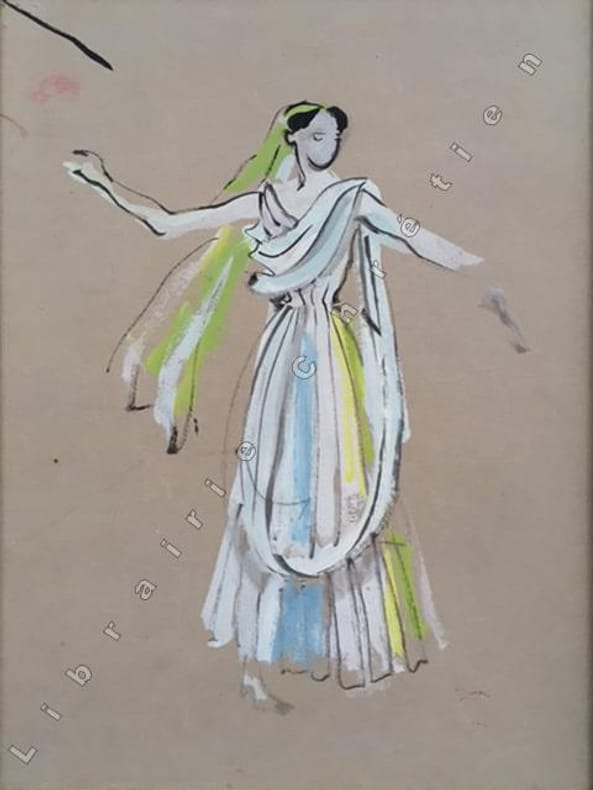
BERARD (Christian).
" La Septième symphonie ".
1938 Gouache sur papier, 1938, 22 x 14 cm (format à vue), encadrée.
書籍販売業者の参照番号
: 21902
|
|
|
BERENGUIER Pierre
69ème RALLYE MONTE-CARLO
Date : 17-21 Janvier 2001 Dimensions : 40x61,2cm Condition : entoilée A
書籍販売業者の参照番号
: 00399

|
|
|
Bertrand Philippe:
[Fumeuse].
Sérigraphie au format 50 x 70 cm. Petit pli au coin supérieur.
書籍販売業者の参照番号
: 3652
|
|
|
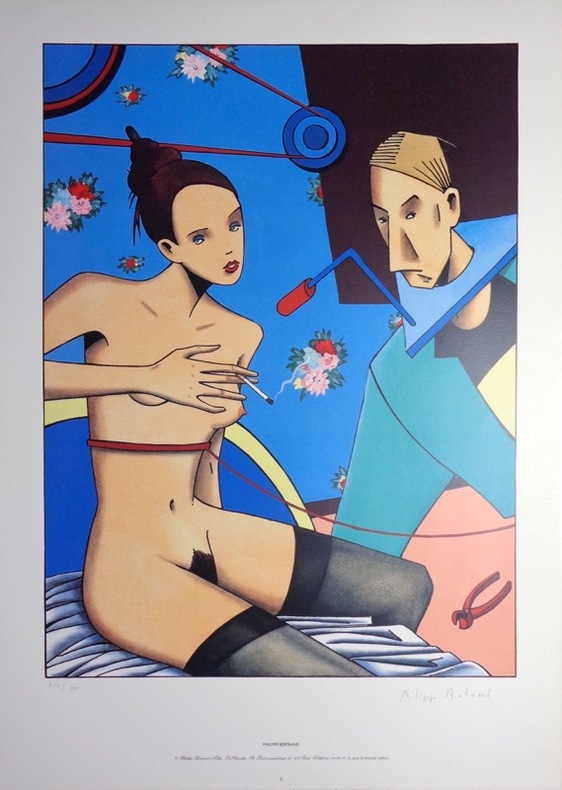
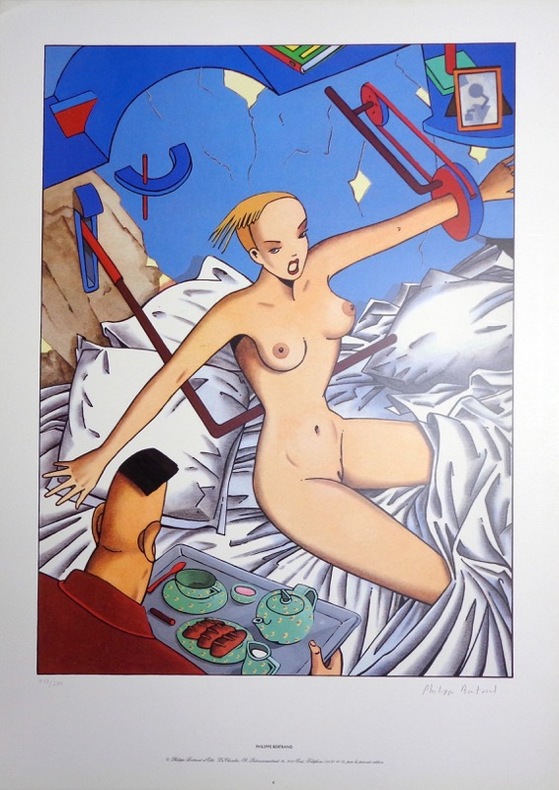
Bertrand Philippe:
[Petit déjeuner].
Sérigraphie au format 50 x 70 cm. Petit pli au coin supérieur.
書籍販売業者の参照番号
: 3651
|
|
|
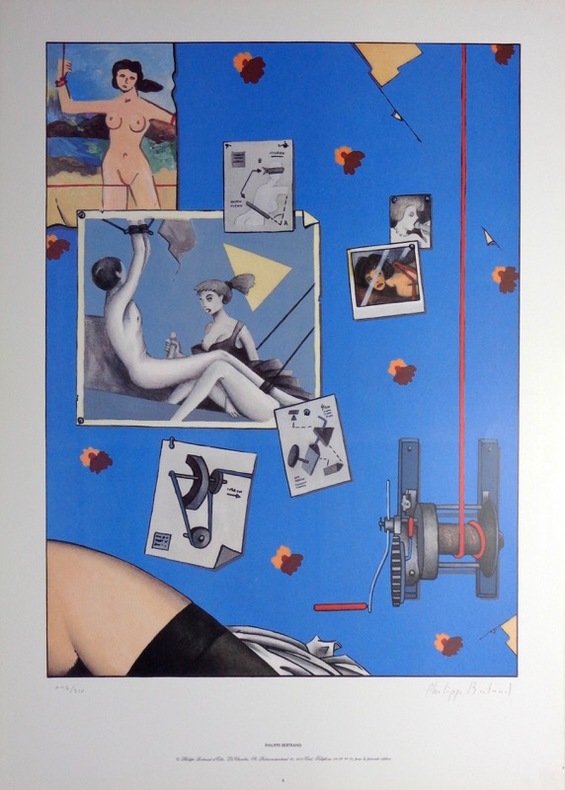
Bertrand Philippe:
[Sans titre].
Sérigraphie au format 50 x 70 cm.
書籍販売業者の参照番号
: 3653
|
|
|
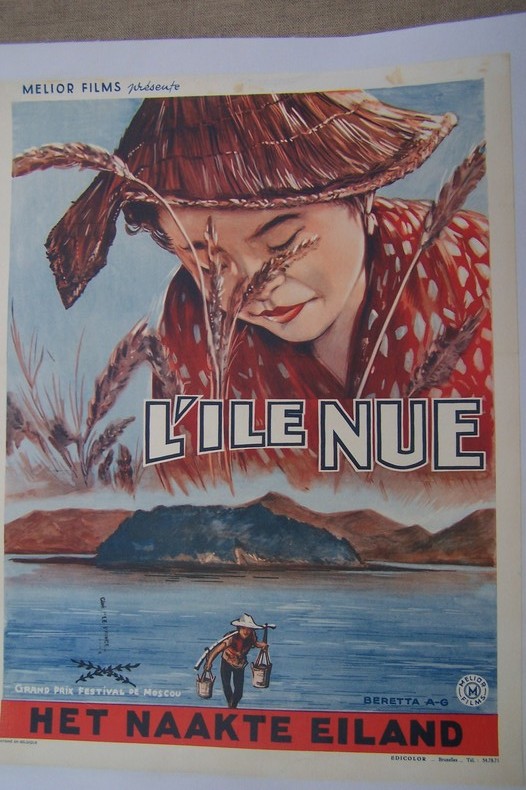
BERETTA A-G
AFFICHETTE: MELIOR FILMS présente: L'Ile nue. Grand Prix Festival de Moscou. HET NAAKTE EILAND.
Affichette entoilée 34x47 cm. Imprimerie EDICOLOR, Bruxelles.
書籍販売業者の参照番号
: AFF28
|
|
|
BERTRAND
AFFICHE DE CINEMA - LA TOUR , PRENDS GARDE !
EASTMANCOLOR. Non daté. In-12. Broché. Bon état, Couv. convenable, Dos satisfaisant, Intérieur frais. Affiche de cinéma 120 cm x160 cm Signé Bertrand , Représentant Jean MARAIS , Eléonora ROSSI DRAGO , Georges LAMPIN , Nadja TILLER , Cathia CARO.. . . . Classification : 0-Affiches Cinéma
書籍販売業者の参照番号
: R100000002

|
|
|
Bernard, Francis (1900-1979) [Illustrateur]
AFFICHE ORIGINALE : Arts ménagers, 28 février-17 mars (1963), Palais de la Défense ... Centre national de la recherche scientifique, Ministère de l'éducation nationale... : [affiche], par Francis Bernard
Toulouse Chabrillac imp. 1963 Une affiche Originale en couleurs, Format : 53 centimètres de haut par 39 centimètres de large, Signée en bas à droite : Francis Bernard1963 Toulouse : Chabrillac imp. pour le Salon des arts ménagers1963. Paris [Instigateur],
書籍販売業者の参照番号
: 28189
|
|
|
BERMOND André
affiche ancienne : BANDOL LE CASINO MUNICIPAL
1930 1930 Dimensions : 62x100cm Imp : MOULLOT – MARSEILLE Condition : A Affiche originale en parfait état
書籍販売業者の参照番号
: 23085
|
|
|
BERNARD FRANCIS (1900-1979)
Arts Ménagers 1930 Affiche
1930 Lithographie en couleurs 1520x1130 mm.Imprimerie Paul Martial, entoilée. Exemplaire non entoilé disponible. (104469)
書籍販売業者の参照番号
: 104469

|
|
|
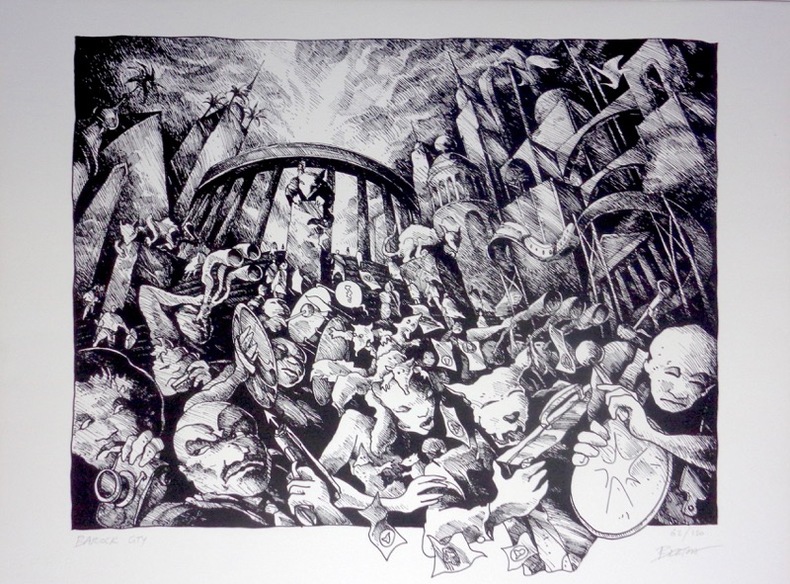
Bertola Pierre-Alain:
Barock City.
Sérigraphie au format 57 x 75 cm., à l'état de neuf.
書籍販売業者の参照番号
: 3695
|
|
|
BERTHET Philippe
BERTHET : Pin-Up. Sérigraphie sur plexiglas.
50x70cm, Tiré à 60 ex. Hormis trois petits manques de couleur dans la piscine, plaque en très bon état.
書籍販売業者の参照番号
: 80443

|
|
|
Bernard Lignon.
Bernard Lignon. Affiche éditée à l'occasion de l'exposition à la Galerie Paul Pétridès du 16 mars au 2 avril 1966.
Paris à la Galerie 1966 1 Une affiche de dimensions 47 x 68 cm; "Entrée du Port d'Honfleur" ; impression offset de Arts Graphiques d'Aquitaines.
書籍販売業者の参照番号
: 15843

|
|
|
BERNARD FRANCIS (1900-1979)
Black et Decker Affiche
Paris Paul Martial 1930 1593x1208 mm. Lithographie en couleurs,1593x1208 mm.Imprimerie Paul Martial, version italienne, entoilée. Exemplaire non entoilé disponible.(104470)
書籍販売業者の参照番号
: 104470

|
|
|
Bernard CHAMPELOVIER
CHANTONS l'AFFICHE
Un ouvrage de 348 pages, format 215 x 305 mm, illustré, relié cartonnage couleurs, publié en 1996, Librairie Jean-Jacques Rousseau, bon état, peu courant
書籍販売業者の参照番号
: LFA-126742760
|
|
|
Bernard, e.a.
CHOCOLADE, van drank voor edelman tot reep voor alleman 16de-20ste eeuw.
, Brussel, ASLK, 1996., softcover , in-4 , 275 pagina's
書籍販売業者の参照番号
: 3244
|
|
|
BERNARD FRANCIS (1900-1979)
Croisière en Bretagne Affiche
Paris Paul Martial 1004x628 mm Lithographie en couleurs 1004x628 mm.Imprimerie Paul Martial, entoilée. Exemplaire non entoilé disponible. (104471)
書籍販売業者の参照番号
: 104471

|
|
|
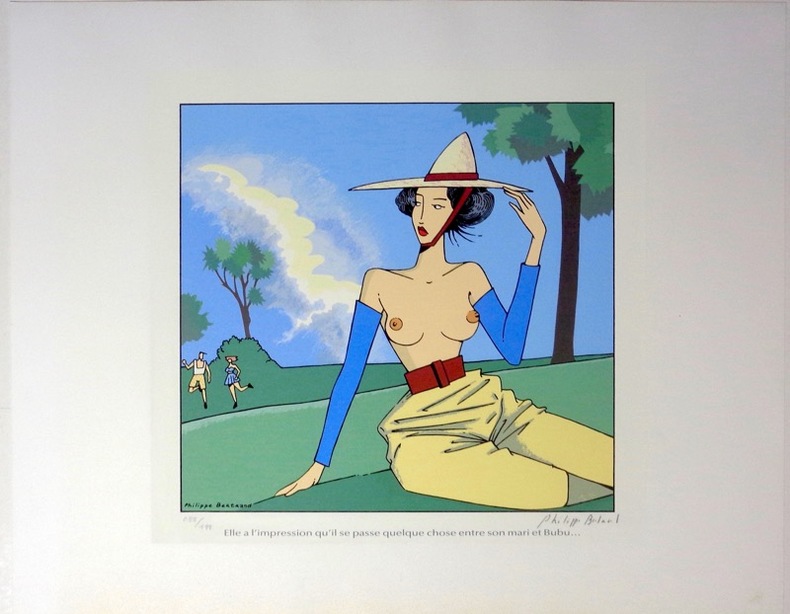
Bertrand Philippe:
Elle a l'impression qu'il se passe quelque chose entre son mari et Bubu.
Rare sérigraphie au format 50 x 40 (feuille), légèrement jaunie au bord inférieur.
書籍販売業者の参照番号
: 2853
|
|
|
Bernard Soulié
Erotisme japonais album
Solar 1989 in4. 1989. cartonné jaquette.
書籍販売業者の参照番号
: 500317395

|
|
|
Bernard Francis Alain Weill Merril Berman
Francis Bernard Affichiste
Paris Librairie Ozanne 1997 Peigne métallique Paris, Librairie Ozanne, 1997, 22x166mm, 8 pages de texte et 24 planches en couleurs dont une dépliante, reliure peigne métallique, plats imprimés en sérigraphie en couleurs. Maquette de Sketch Studio Paris, imprimé à Montreuil par Alba Graphic.
書籍販売業者の参照番号
: 105674

|
|
|
BERNARD FRANCIS (1900-1979)
Gaz Affiche
Paris Paul Martial 1930 1582x1188 mm. Lithographie en couleurs 1930, 1582x1188 mm.Imprimerie Paul Martial, entoilée. Exemplaire non entoilé disponible. (104472)
書籍販売業者の参照番号
: 104472

|
|
|
BERTINI, Jean-Luc:
Harley Davidson. Grandeur nature. “Des images au mur” XXL.
Tana editions, 2002, gr. in-4to, 8 p. de texte + 4 poster dépliants en couleurs à 1.60 x 2,40 metre, emboîttage cartonnée orig ill. aen couleurs.
書籍販売業者の参照番号
: 89375aaf
|
|
|
BERTINI Gianni
Identikit 2
Nansola 1984 In-4 Cartonnage de L'éditeur Dédicacé par l'auteur
書籍販売業者の参照番号
: 013617
|
|
|
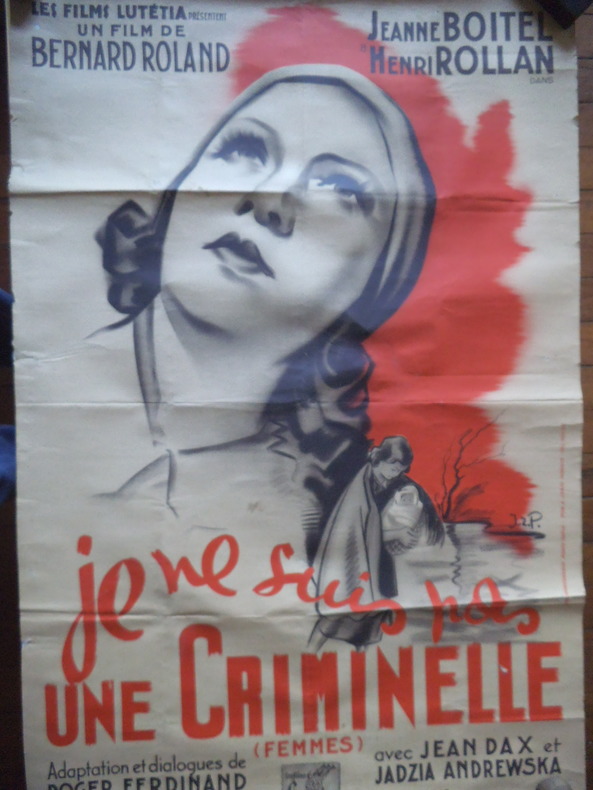
BERNARD-ROLAND
Je ne suis pas une criminelle.
Affiche de J.Z.P, du Film sorti en 1936, avec jeanne BOITEL-Henri ROLLAN, Jean DAX et Jadzia ANDREWSKA . Adaptation et dialogues de Roger FERDINAND. Les films LUTECIA imprimerie Monégasque Monte-Carlo Pub. A. JORIO Monaco. Format 80x118 cm. Papier très fragile avec des pliures renforcées.Le réalisateur BERNARD-ROLAND est né à Moulins dans l’allier le 22 novembre 1910 décédé le 10 novembre 1987 à Canicatini en Italie. Il s’agirait en fait d’un film polonais dans lequel BERNARD ROLAND aurait pratiqué quelques coupures et ajouté des séquences tournées en France
書籍販売業者の参照番号
: 11667
|
|
|
BERTRAND (Aloysius).
La Tour de Nesle. Poème affiche.
La Chaux (Suisse) Parisod 1976 1 vol. Broché un feuillet in-folio (50 x 35 cm) sous chemise imprimée. Poème affiche imprimé en rouge et vert sur papier turquoise, conservé sous chemise de papier brun imprimée en noir et rouge. Belle impression du poète et typographe suisse Fernand-André Parisod. En bonne condition.
書籍販売業者の参照番号
: 24923
|
|
|
BERTRAND (Aloysius).
La Tour de Nesle. Poème affiche.
La Chaux (Suisse) Parisod 1976 1 vol. Broché un feuillet in-folio (50 x 35 cm) sous chemise imprimée. Poème affiche imprimé en rouge et vert sur papier turquoise, conservé sous chemise de papier brun imprimée en noir et rouge. Belle impression du poète et typographe suisse Fernand-André Parisod. En bonne condition.
書籍販売業者の参照番号
: 24923
|
|
|
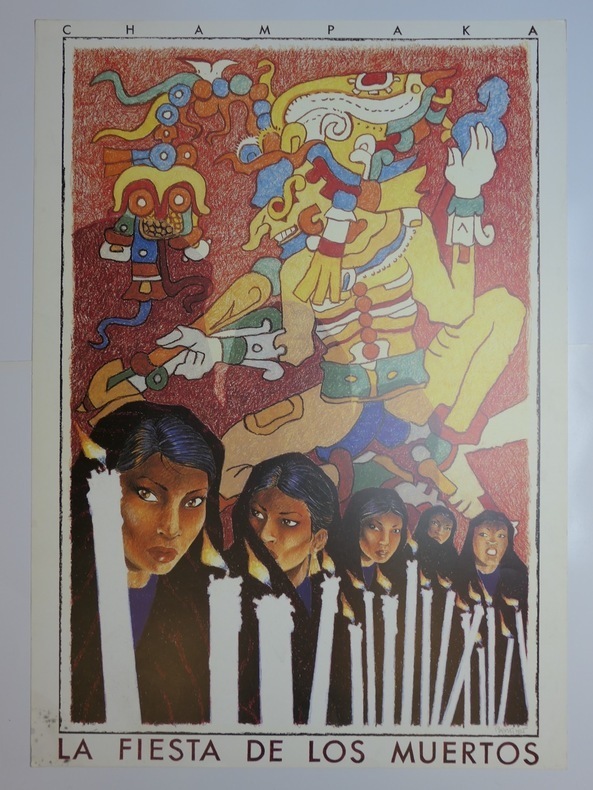
BERTHET Philippe
La Fiesta de Los Muertos par Berthet, signée.
Édité par Champaka, 1989, 50x70cm, Petites tâches dans le coin inférieur gauche, sinon très bon état. Imprimé en offset sur papier fort.
書籍販売業者の参照番号
: 80440
|
|
|
Berthet Philippe:
La fiesta de los Muertos (grande).
Bruxelles, Champaka, 1989. Affiche, au format 50 x 70 cm., en belle condition.
書籍販売業者の参照番号
: 7002

|
|
|
BERSTEIN (Richard)
Mick Jagger / Interview revue
PLV (publicité sur Lieu de Vente). Affichette originale. février 1985. Impression en offset. Dim: 432 x 280 mm. Une ancienne restauration au dos, sinon bon état. Rare.
書籍販売業者の参照番号
: 3409

|
|
|
BERSTEIN (Richard)
Mick Jagger / Interview revue
PLV (publicité sur Lieu de Vente). Affichette originale. février 1985. Impression en offset. Dim: 432 x 280 mm. Une ancienne restauration au dos, sinon bon état. Rare.
書籍販売業者の参照番号
: 3409
|
|
|
BERNARD FRANCIS (1900-1979)
Nicolas fines bouteilles Affiche
Paris Paul Martial 2263x1442 mm Lithographie en couleurs en deux parties, 2263x1442 mm.Imprimerie Paul Martial, non entoilée. (104468)
書籍販売業者の参照番号
: 104468

|
|
|
BERNAGE (Louis-Basile de)
Ordonnance portant règlement pour la fabrique des draps Mahoux seconds, Nims, & Londres ordinaires. façon d'Angleterre, destinés pour les Echelles du Levant
Montpellier, Imprimerie d'Augustin F. Rochard, 1741 placard in-folio (55 x 38 cm), texte sur deux colonnes, en feuille, une petite déchirure latérale.
書籍販売業者の参照番号
: 204626
|
|
|
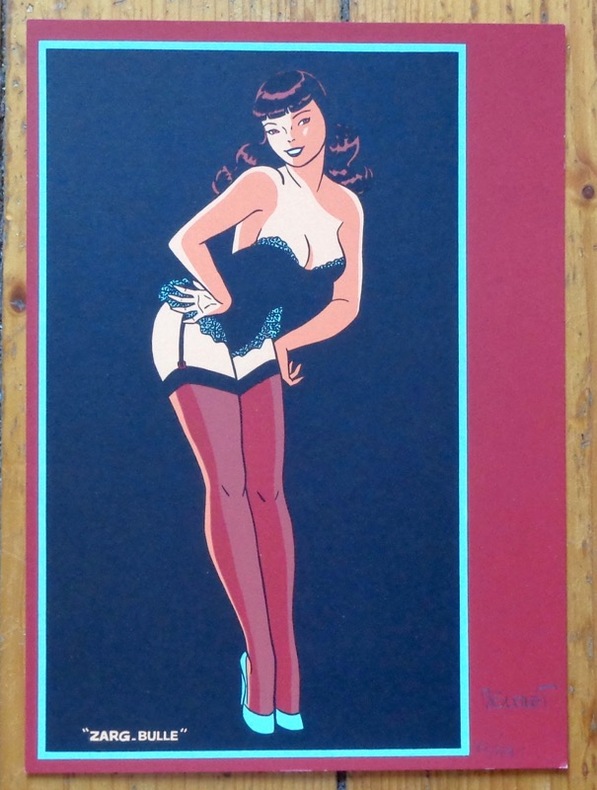
Berthet Philippe:
Pin-up.
Zarg-bulle. Ex-libris au format 15,5 x 22 cm.
書籍販売業者の参照番号
: 8460
|
|
|
BERCHMANS Émile.-
Planche 108 des Maîtres de l'Affiche. Association pour lEncouragement des Beaux-Arts. Salon de 1896. Ville de Liège.
Imprimerie Chaix. Vers 1896. Lithographie couleurs de 328 x 220 mm, hors marges, dimensions totales 291 x 400 mm. Petit trou d'aiguille dans le coin inférieur gauche, loin de l'affiche. Bel exemplaire. Photo sur demande.
書籍販売業者の参照番号
: ORD-15786

|
|
|

 検索結果のメールを受信する
 PDFファイルの検索結果をダウンロード
 RSSフィード
 パーマネントリンク


