|
|
|
BALLANDRAS (J.).
LA GROTTE LUMINEUSE. Aventures de cinq éclaireurs de France.
Paris, Delagrave, 1941, 1 br., couverture illustrée par G. Grellet. in-8 de 125-(2) pp., illustrations de G. Grellet ;
Référence libraire : 10612
|
|
|
Ballantyne, RM R M
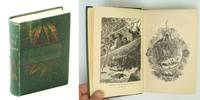
Black Ivory - A Tale of Adventure Among the Slavers of East Africa
Toronto: A.G. Watson Toronto Willard Tract Depository Limited. Good. 1891. Reprint. Hardcover. "In writing this book my aim has been to give a true picture in outline of the Slave-Trade as it exists at the present time on the east coast of Africa. I have selected from the most trustworthy sources what I believe to be the most telling points of 'the trade' and have woven these together into a tale the warp of which is composed of thick cords of fact; the woof of slight lines of fiction just sufficient to hold the fabric together. Exaggeration has easily been avoided because - as Dr. Livingstone says in regard to the slave-trade - 'exaggeration is imossible.'" - Preface. Early reprint of this title which may have been first published in 1873. pp. vi 2 416 8 ads. Complete with six black and white illustrations. Undated but gift greetings upon front free endpaper are dated 1891. No other markings. Back hinge mostly open. Attractively decorated original forest green cloth. Rubbing to gilt backstrip lettering. A worthy vintage copy.; 12mo . A.G. Watson, Toronto Willard Tract Depository, Limited hardcover
Référence libraire : 241j0391
|
|
|
BALLANTYNE R. M.
The gorilla hunters. (Roman en anglais). Sans date. Illustrations de W. M. Bowles.
Cartonnage de l'?diteur. 255 pages. L?g?res rousseurs.
|
|
|
Ballantyne R.M.
The Gorilla Hunters. A Tale of the Wilds of Africa. New Edition.
London, T. Nelson, 1901, in-16, br., pp. 224. Copertina tematica a col. Privo della copertina posteriore e di parte del dorso.
|
|
|
BALLARD J.G.
Le jour de la création. The day of creation.
Couverture souple. Broché. 285 pages. Marques de bibliothèque. Couverture plastifiée.
Référence libraire : 207369

|
|
|
Ballario Giorgio.
MORIRE E' UN ATTIMO. L'indagine del maggiore Aldo Morosini nell'Eritrea italiana.
(Codice VF/1571) In 8° (21 cm) 332 pp. Prima edizione. Prefazione di Domenico Quirico. Brossura editoriale a risvolti, come nuovo. ~~~ SPEDIZIONE IN ITALIA SEMPRE TRACCIATA

|
|
|
Ballester -
La fuga miracolosa del Padre Rossignoli dopo 13 anni di prigionia fra i Dervisci.
Roma, 1895, 16 giugno, La Tribuna illustrata della Domenica, fasc. di pp. 8 con due cop. lit. ill. a colori.

|
|
|
Ballesteros Y barette D A
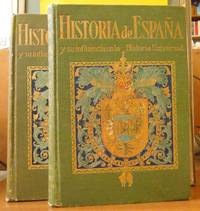
Historia de espana y su influencia en la Historia Universal
Barcelona: Salvat 1920. Gebunden. Salvat unknown
Référence libraire : 81233
|
|
|
BALLICO Pietro -
Tendenze e prospettive dell'economia agraria dell'Africa con riferimento alla posizione e all'azione europea e in particolare dell'Italia.
Firenze, 1955, 8vo stralcio con copertina posticcia muta, pp. 87/104 con 8 tavole fotografiche fuori testo. - !! ATTENZIONE !!: Con il termine estratto (o stralcio) intendiamo riferirci ad un fascicolo contenente un articolo, completo in se, sia che esso sia stato stampato a parte utilizzando la stessa composizione sia che provenga direttamente da una rivista. Le pagine sono indicate come "da/a", ad esempio: 229/231 significa che il testo è composto da tre pagine. Quando la rivista di provenienza non viene indicata é perché ci è sconosciuta. - !! ATTENTION !!: : NOT A BOOK : “extract” or “excerpt” means simply a few pages, original nonetheless, printed in a magazine. Pages are indicated as in "from” “to", for example: 229/231 means the text comprises three pages (229, 230 and 231). If the magazine that contained the pages is not mentioned, it is because it is unknown to us.

|
|
|
Ballico Pietro et altri
Brevi note illustrative sulla Libia per i partecipanti all'VIII congresso int.le di agricoltura tropicale e subtropicale. Tripoli 13-17 marzo 1939
buono stato
|
|
|
Balling, Adalbert Ludwig
Der braune Abt von Mariannhill
Nivad Georg Streicher (1854-1927), Architekt am Kap der guten Hoffnung. Spuren-Suche: Ein Genie in der Mönchskutte. Würzburg, Missionsverlag Mariannhill, 2003. Mit zahlreichen Abbildungen. 330 S., 2 Bl. Or.-Pp. [3 Warenabbildungen]
Référence libraire : 157568

|
|
|
Balling, Adalbert Ludwig
Er war für Nägel mit Köpfen. Herausgegeben von Arnold Brack 1. Auflage.,
Leipzig, Verlag St. Benno 1979. Mit Abbildungen., 151 Seiten., 8°. illustrierte OPappe.,
Référence libraire : 86202

|
|
|
Ballot, Frank
Politische Herrschaft in Kenia. Der neo-patriomoniale Staat 1963-1978.
Schäuble Verlag, Rheinfelden 1986. 319 S., 8°, Original-Karton (Softcover), Vorderdeckel gering fleckig, insgesamt gutes Exemplar,
Référence libraire : 42249

|
|
|
BALOUT (Lionel) ed. / Gouvernement général de l'Algérie. Direction de l'Intérieur et des Beaux-Arts, service des antioquités.
Congrès panafricain de préhistoire. Actes de la IIe session. Alger - 1952.
Arts et Métiers Graphiques, Paris, 1955. 21 x 27 cm. Broché, couverture crème. 793 pages. Nombreuses figures, planches et photographies dans et hors texte. Exemplaire numéroté 261 / 500.
Référence libraire : 1118
|
|
|
BALSAN (François)
Le Capricorne noir - Connaissance de l'Afrique
1968 Paris, Société Continentale d'Editions Modernes Illustrées, 1968. In-4 relié toile, sous jaquette illustrée 360 p. Coll. "Connaissance de l'Afrique". Photos et dessins de l'auteur : 64 photos h.-t., 8 planches h.-t. en couleurs, 21 cartes et croquis in-t. Edition originale, tirage h.c. exclusivement réservé aux Bibliophiles de l'Aventure. Bon état.
Référence libraire : 10173
|
|
|
BALSAN (François).
Chez les femmes à crinières du Sud-Angola.
Fayard, 1963, in-8°, 204 pp, 17 photos sur 8 pl. hors texte, une carte, broché, couv. illustrée lég. défraîchie, bon état. Edition originale, ex. du SP
Référence libraire : 124564
|
|
|
Balsan (François).
L'étreinte du Kalahari.
Un fort volume broché de format in 8° de 304 pp.; nombreuses illustrations en noir et quelques reproductions de dessins de l'auteur en couleurs sur papier glacé. Couverture illustrée, à rabats. Parfait état.
|
|
|
BALSAN (François).-
L'expédition Panhard-Capricorne.
1952 Paris, Amiot-Dumont, 1952, in 8° broché, 260 pages ; cachets ; traces de ruban adhésif sur les gardes ; exemplaire sans la jaquette.
Référence libraire : 28952
|
|
|
BALSAN (François).-
Nouvelles aventures au Kalahari. Avec 2 illustrations et 3 cartes dans le texte et 43 photographies de lauteur hors-texte.
P., Plon, 1959, in 8° broché, 240 pages ; couverture illustrée (légèrement fanée).
Référence libraire : 29614
|
|
|
BALSAN FRANCOIS
L'ETREINTE DU KALAHARI - PREMIERE EXPEDITION FRANCAISE AU DESERT ROUGE 1948 / Première partie - Raid au Sud : I. Impérial Reserve et Réserves impériales, II. Le phénomène de Werda, III. Le saut des springboks ... ; Deuxième partie - Vers le centre ...
HATIER-BOIVIN. 1953. In-8. Cartonné. Etat d'usage, Coins frottés, Dos frotté, Rousseurs. 254 pages - Nombreuses photographies et cartes en noir et blanc hors le texte - Rousseurs naturelles. . . . Classification Dewey : 967-Afrique centrale
Référence libraire : R160201213
|
|
|
BALSAN François
Chez les femmes à crinières du Sud-Angola
Fayard. 1963. In-8. Broché. Etat passable, Couv. légèrement passée, Dos abîmé, Intérieur frais. 205p, illustré de photos noir et blanc hors texte, coiffes frottées, mors fendu au niveau des coiffes, , plats cornés. . . . Classification Dewey : 967-Afrique centrale
Référence libraire : RO20014950
|
|
|
BALSAN François
Chez les femmes à crinières du Sud-Angola
P, Fayard, 1963 ; in-8, br, couverture illustrée, 203 pp. Langue: Français
Référence libraire : M5480
|
|
|
Balsan François
François Balsan. Terres vierges du Mozambique
Plon impr. Plon 1960 In-8 relié. 311 pages. Très bon état d’occasion.
Référence libraire : 69805
|
|
|
BALSAN François
L ' ETREINTE DU KALAHRI. Première expédition française au Désert Rouge 1948
1950 1950 P, Editions contemporaines 1950, in8br, 254pp, 53 photos en 32 planches hors texte Couverture légèrement défraichie .
Référence libraire : ML533
|
|
|
BALSAN François
Nouvelles aventures au Kalahari
Broché, 20X14 cm, 240 pages, 1959, photos et cartes en noir, éditions Plon. Légères rousseurs, bon exemplaire.
Référence libraire : 23550

|
|
|
Balsan François
Poursuite vers le Nil blanc
Editions J. Susse Relié 1947 In-8 (17,5 x 23 cm), reliure demi-toile, dos lisse, pièce de titre, couverture conservée, 278 pages, photographies en noir et blanc ; papier bruni, rousseurs sur la couverture conservée, ex-libris manuscrit, par ailleurs bon état général. Livraison a domicile (La Poste) ou en Mondial Relay sur simple demande.
Référence libraire : sb603

|
|
|
BALSAN François.
A pied au Nord Somali, grenier d'aromates des Pharaons.
La Palatine 1965, in-12 br., couv. illustrée, 217 p., carte et photos.
Référence libraire : 334
|
|
|
Balsan François.
POURSUITE VERS LE NIL BLANC.
(Codice VF/0627) In 8° (21,5 cm) 278 pp. Avec 64 planches de photos en noir et blanc hors-texte. Broché, jaquette illustrée en couleurs. Pages non coupées. Très bon état. ~~~ SPEDIZIONE IN ITALIA SEMPRE TRACCIATA

|
|
|
BALSAN, François.
L'EXPEDITION PANHARD-CAPRICORNE.
in-8, 255 p., nombreuses illustrations n&b, carte en frontispice, broché, couverture, jaquette illustrée.— Première édition. Bel exemplaire en partie non coupé [OM-1]
|
|
|
BALSAN, François.
Nouvelles aventures au Kalahari.
in-12 (14x20), 240 pages, illustrations n&b, carte en frontispice, broche, couverture, jaquette illustree.— Première edition. Bon etat. [NV-12]
|
|
|
BALSIGER, Rudolf
Goeie-more! Mit Reck und Barren durch Südafrika.
Bern,Friedli (1948). gr.8°. 195 S. Mit 40 Phototaf. u. zahlr. Zeichng. Illustr. Oln., gering berieben u. bestoßen, innen ganz vereinzelt min. fingerfleckig, sonst gut erh. - Mit eh. Widmung des Verf. a.d. Vors.
Référence libraire : R1573-01

|
|
|
Balsiger, Rudolf
Goeie-môre
Mit Reck und Barren durch Südafrika. Bern, Friedli, 1948. Mit zahlreichen Tafelabbildungen u. einigen Illustrationen im Text. 194 S., 1 Bl. Or.-Lwd. mit Schutzumschlag. [5 Warenabbildungen]
Référence libraire : 46563

|
|
|
Balta P., Rulleau C.
L'IRAN INSURGE'. 1789 en Islam? Un tournant du monde.
(Codice MD/1512) In 8° 310 pp. Cachet ex libris. Broché, très bon état. ~~~ SPEDIZIONE IN ITALIA SEMPRE TRACCIATA

|
|
|
BALTARD
DESCRIPTION DE L'EGYPTE. Arts et métiers. Serrure égyptienne, Autre serrure en bois, Qaddoum ou essette, Bec d'âne, Feuilleret, Deux rabots, Foret, Machine à forer les tuyaux de pipe, Outils du maçon, Outils du chaudronnier et du ferblantier. (ETAT MODERNE, volume II, planche XXX)
- Imprimerie Impériale, Paris 1809-1829, 71x53,5cm, une feuille. - Gravure originale à l'eau-forte in plano, non rognée, extraite de l'édition dite « Impériale » de la Description de l'Égypte ou Recueil des observations et recherches faites en Égypte pendant l'expédition française, publié par les ordres de Sa Majesté l'Empereur Napoléon le Grand. Réalisée entre février 1802 et 1829 sur ordre de Napoléon Bonaparte et publiée à partir de 1809 [en réalité 1810], elle fut tirée à 1000 exemplaires sur Vergé filigrané « Égypte ancienne et moderne » et offerte aux institutions. Légères et marginales rousseurs sans atteinte à la gravure, sinon très bel état de fraîcheur et de conservation. Volume ETAT MODERNE, II : Le génie des savants de l'Institut se révèle particulièrement à travers les planches de la section dite Egypte Moderne. Architecture, industrie, structures sociales, état sanitaire, régime des eaux, musique, artisanat, sont exposés avec une précision et une qualité graphique exceptionnelle. L'esprit de L'Encyclopédie de Diderot et d'Alembert reste sous-jacent dans la démarche des dessinateurs de la Description de L'Egypte, qui accompagnent les volumes de textes de nombreuses planches détaillées, s'employant à dresser un portrait des populations empreint de beauté et de respect. Riches pachas ou simples artisans potiers sont représentés avec sensibilité, vaquant à leurs occupations au milieu de compositions esthétiques, sans pour autant tomber dans l'idéalisme ou la caricature. LA DESCRIPTION DE L'EGYPTE, édition IMPERIALE (1809-1829) : La Description de l'Egypte est un des chefs d'uvre de l'édition française et le point de départ d'une nouvelle science : l'égyptologie. Titanesque exposé de l'Egypte au temps des conquêtes de Bonaparte entre 1798 et 1799, elle est répartie en 23 volumes dont 13 volumes de gravures rassemblant près de 1000 planches en noir et 72 en couleur. Les 6 volumes de planches intitulées Antiquités sont consacrés aux splendeurs de l'Egypte pharaonique. L'Histoire naturelle est répartie en 3 volumes de gravures. Un volume est consacré aux Cartes géographiques et topographiques tandis que les 3 volumes : Etat Moderne dressent un portrait saisissant de l'Egypte copte et islamique telle qu'elle était vue par les armées d'Orient de Bonaparte. La « campagne d'Egypte », désastre militaire, dévoile à travers les gravures de la Description de l'Egypte la réussite scientifique qu'elle est devenue, grâce aux quelques 167 savants membres de la Commission des sciences et des arts de l'Institut d'Egypte qui suivaient l'armée de Napoléon. L'Institut a réuni en Egypte le mathématicien Monge, le chimiste Berthollet, le naturaliste Geoffroy Saint-Hilaire, ainsi que de nombreux artistes, ingénieurs, architectes, médecins... Ils eurent la charge de redécouvrir l'Egypte moderne et antique, d'en montrer les richesses naturelles, et le savoir-faire de ses habitants. L'édition originale, dite « Impériale », de la Description de l'Egypte fut réalisée sur quatre formats de grande taille, deux d'entre eux spécialement créés pour elle et baptisés formats « Moyen-Egypte » et « Grand-Egypte ». On construisit une presse spécifique pour son impression, qui s'étala sur vingt ans, entre 1809 et 1829. L'édition Impériale s'avéra si populaire qu'une deuxième édition en 37 volumes entièrement en noir et sans le filigrane « Egypte ancienne et moderne », dite édition « Panckoucke », fut publiée à partir de 1821 par l'imprimerie C.-L.-F. Panckoucke (Paris). La réalisation de ce monument d'érudition doit beaucoup au baron Dominique Vivant Denon, illustrateur, diplomate, collectionneur et par la suite directeur du musée Napoléon du Louvre qui accompagna Napoléon en Egypte avec de nombreux autres savants mais décida seul de s'aventurer dans le Sud du pays, alors que les autres scientifiques conviés restaient confinés dans la région du Caire. Les fabuleux croquis rapportés par Denon lors de sa romanesque chevauchée donnèrent l'idée à Bon

|
|
|
Baltes, H.L. (Red.) / Freiherr von Gagern (Text)
Kongo. Gestalten und Zeiten. Ausstellung im Reiß-Museum Mannheim vom 27.3. Bis 30.5.1971, (MIT der Karte),
Mannheim, Reiß-Museum, 1971. gr.8°, 55 S. mit zahlr. s/w und Farbabbildungen und einer Faltkarte, farbig illustr. original Kartonage (Paperback), Erstausgabe gutes, sauberes Exemplar
Référence libraire : 14273CB

|
|
|
Baltzer, Franz
Die Kolonialbahnen mit besonderer Berücksichtigung Afrikas.
Holzminden, Reprint-Verlag-Leipzig um, 2008.
Référence libraire : 55218

|
|
|
Baltzer, Franz
Die Kolonialbahnen mit besonderer Berücksichtigung Afrikas.
Holzminden, Reprint-Verlag-Leipzig um, 2008.
Référence libraire : 250029

|
|
|
Balz, Heinrich
Where the Faith has to Live. Studies in Bakossi Society and Religion. Part I. Living together.
Stuttgart, Association of Churches and Missions in South Western Germany (Hg), 1984. 4°, 404 S., Bezahlung per PayPal möglich , we accept PayPal, Regalspuren am Fußschnitt, Einband ger. beschabt und ger. bestoßen, vereinzelte Unterstreichungen und Randnotate, lose Blätter, Name a. Titel, altersbedingte Bräunungen, sonst ger. Gebr.sp., kartoniert
Référence libraire : 22826
|
|
|
Balz, Heinrich
Where the Faith has to Live. Studies in Bakossi Society and Religion. Part II. The Living, the Dead and God. II,1: Chapters I and II. II,2: Chapters III and IV.
Berlin, Dietrich Reimer Verlag, 1995. 4°, 851 S., mit Karten im Text, Bezahlung per PayPal möglich , we accept PayPal, Regalspuren am Fußschnitt, Einband ger. beschabt und ger. bestoßen, vereinzelte Unterstreichungen und Randnotate, altersbedingte Bräunungen, sonst ger. Gebr.sp., Pappband, gebunden
Référence libraire : 22825
|
|
|
Balz, Heinrich und Helgard Cochois (Hrsg.) u.a
Umwege und Weggefährten : Festschrift ; Heinrich Balz zum 65. Geburtstag. Hrsg. von Jürgen Thiesbonenkamp und Helgard Cochois.
Neuendettelsau : Erlanger Verlag für Mission und Ökumene, 2003. 548 S. : Illustr. ; 21 cm; kart.
Référence libraire : 1209483

|
|
|
Balz, Heinrich und Helgard Cochois (Hrsg.) u.a.:
Umwege und Weggefährten : Festschrift ; Heinrich Balz zum 65. Geburtstag. Hrsg. von Jürgen Thiesbonenkamp und Helgard Cochois.
Gutes Ex. - ... Auf dem Lebensweg von Heinrich Balz als Lehrer und Forscher, als Christ im Dialog mit anderen Religionen, als Theologe unter Afrikanisten und Ethnologen und als Sprachwissenschaftler im Bemühen um Verstehen und Verständigung lassen sich Wege und Umwege nachzeichnen. Die Stationen seines Lebens in Tübingen und Basel, Kamerun und Heidelberg, Berlin und Tansania kann man fast nicht in einem Atemzug nennen, doch gehören sie in der je eignenen Akzentuierung zusammen. Sie benennen Orte und Jahre, hinter denen das reiche Wirken und Schaffen von Heinrich Balz steht. ... (Verlagstext) / INHALT : Vorwort. --- Word of Greeting. --- I. --- Tübingen, Basel, Heidelberg --- Otto Betz --- Der Rückweg der eigenen Erinnerung: Wege und Weggenossen im Pietismus Württembergs. --- Peter P. J. Beyerhaus --- Das Dilemma der afro-asiatischen Missionskirchen in der Überschneidung der Weltbilder. --- Faul Jenkitts --- Photographs, engravings, half-tone plates: documenting and evaluating Autenrieths rare images of Bakossi in 1893. --- Theo Sundermeier --- Das Geheimnis des Glaubens. --- II. --- Kamerun - Westafrika --- Samuel Ngome Ejedepang-Koge --- Professor Heinrich Balz - Researcher, Translator-Interpreter, Writer and Teacher --- Jonas N. Dah --- Witchcraft Belief in Africa. --- Armin Zimmermann --- Traditional Harvest Feasts and Rituals among the Nyakyusa in South-West Tanzania A Presentation and Analysis of Oral Traditions. --- Jürgen Thiesbonenkamp --- Die Anfänge der Partnerschaft zwischen der Evangelischen Kirche von Kamerun und der Evangelischen Kirche von Westfalen. --- Helgard Cochois --- Desdemonas nachkoloniale Schwestern. Bezauberung und Kulturwandel. --- III. Religions- und Missionswissenschaft --- Klauspeter Blaser --- Vom Ackerfeld zur neuen Welt. --- Olaf Schumann --- Ethnizität und Religiosität in Indonesien. Hintergründe für die Konflikte im indonesischen Einheitsstaat. --- Johannes Triebet --- Fundamentalismus - Wahrheitsansprüche - Lebenszeugnisse - Dialog der Religionen. und dann noch Mission?. --- Ulrich Dehn --- Wanderungen durch Tokyo. --- Friedrich Huber --- Teilnahme und Kritik - Bischof K. H. Tings Theologie im Kontext der kommunistischen Revolution in China. --- IV. --- Berlin I: Afrikawissenschaft, Ägyptologie, Mission --- Karola Elwert-Kretschtner --- Ernährungswandel und Liebe. --- Ulrich van der Hey den --- Undank oder Emanzipation? Der Beitrag Martinus Sewushans zur Entstehung der Lutheran Bapedi Church in Südafrika am Ende des 19. Jahrhunderts. --- Martin Fitzenreiter --- Ahnen an der Ostwand. Notizen zum Grab des Pennut Teil III. --- Hans Luther --- Das Berliner Missionswerk vor und nach der Wende. --- Hans-Georg Filker --- Mission in Berlin und Brandenburg - Erfahrungen und Perspektiven. - (u.v.a.) ISBN 9783872146052
|
|
|
BALZAC Charles-Louis & BALTARD (sculpsit)
DESCRIPTION DE L'EGYPTE. Erment (Hermonthis). Vue du temple prise au nord-ouest. (ANTIQUITES, volume I, planche 93)
- Imprimerie Impériale, Paris 1809-1829, 71x54cm, une feuille. - Original, unshaved, full-page etching from the "Imperial edition" of the Description de l'Égypte, or 'Recueil des observations et recherches faites en Égypte pendant l'expédition française, publié par les ordres de Sa Majesté l'Empereur Napoléon le Grand [A Collection of the observations and research carried out in Egypt during the French expedition, published on the orders of his Majesty the Emperor Napoleon the Great]'. Produced between February 1802 and 1830 on the orders of Naopleon Bonaparte and published between 1809 and 1828, 1,000 copies were printed and distributed to institutions, on vergé paper with an 'Égypte ancienne et moderne' watermark, visible when held up to the light. Light marginal spotting not touching image, otherwise in very fresh, fine condition. An engraving from the Description de l'Egypte, one of the masterpieces of French printing and the birth of a new field: Egyptology. A gigantic survey of Egypt at the time of Bonaparte's conquests in 1798 and 1799, the work is divided into 13 volumes of engravings making up 892 plates, of which 72 colored, as well as presenting the splendors of the Egypt of the Pharaohs in 9 volumes. The other volumes discuss natural history and present a fascinating portrait of Coptic and Islamic Egypt as it was seen by Bonaparte's Eastern Armies. The 'Egyptian campaign', militarily a disaster, demonstrates, through the engravings of the Description d'Egypte, the scientific success it nonetheless became thanks to the 167 expert members of the Commission of the Sciences and Arts of the Institut d'Egypte [Egyptian Institute] who followed Napoleon's army. The Institut gathered together in Egypt the mathematician Monge, the chemist Berthollet, the naturalist Geoffroy Saint-Hilaire as well as numerous artists, engineers, architects and doctors. They were tasked with re-discovering modern and ancient Egypt and displaying its natural treasures as well as the know-how of its inhabitants. This edition, the so-called "Imperial" edition of the plates for the Description de l'Egypte was printed in four large formats, two of which were specially created for it and christened "Moyen-Egypte" and "Grand-Egypte". A special press was built to print it, the process extending over 20 years, from 1809 to 1829. The "Imperial" edition proved so popular that a second edition, this time in black and white and without the "Egypte ancienne et moderne" watermark - known as the "Royal Edition" - was published during the Restoration by the printing house of C.-L.-F. Panckoucke (Paris). The engravings of the Description d'Egypte owe a great deal to Baron Dominique-Vivant Denon, illustrator, diplomat, collector and later Director of the Musée Napoléon (the Louvre). His exploration of the South of Egypt gave Bonaparte the idea of sending the experts of the Institut there, thus creating a faithful and complete portrait of the area. This was the research gathered together from 1802 in the mammoth Description de L'Egypte. Denon embarked on this story of archeological exploration at the age of 51, reaching first Alexandria and then Cairo before exploring Upper Egypt. Along with the members of the Institut d'Egypte, the Natural History Museum's painter H.J. Redouté (brother of Pierre-Joseph Redouté, author of Roses), the mineralogist Dolomiue, and the draughtsman Joly, Denon then explored the Nile Delta and Lower Egypt. When, however, he joined the 21st Light Infantry Regiment as it marched across Upper Egypt in pursuit of the retreating Mameluks in November 1798, he found himself the only civilian. In the very midst of the battle itself, he reeled off sketches of the works of art that peppered his path right up to the threshold of the Sudan. He said that he had crossed "a country that is, apart from its name, entirely unknown to Europeans, and therefore everything was worth describing" (Voyages dans la Basse et la Haute Egypte pendant le

|
|
|
BALZAC Charles-Louis & BALTARD (sculpsit) & GIRAUD (sculpsit) & SEMEN (sculpsit)
DESCRIPTION DE L'EGYPTE. Alexandrie. Plan et coupe d'un stade situé au sud-ouest de la Colonne dite de Pompée, Vue intérieure d'une ancienne basilique, vulgairement nommée Mosquée de St Athanase. (ANTIQUITES, volume V, planche 39)
- Imprimerie Impériale, Paris 1809-1829, 53,5x71cm, une feuille. - Original, unshaved, full-page etching from the "Imperial edition" of the Description de l'Égypte, or 'Recueil des observations et recherches faites en Égypte pendant l'expédition française, publié par les ordres de Sa Majesté l'Empereur Napoléon le Grand [A Collection of the observations and research carried out in Egypt during the French expedition, published on the orders of his Majesty the Emperor Napoleon the Great]'. Produced between February 1802 and 1830 on the orders of Naopleon Bonaparte and published between 1809 and 1828, 1,000 copies were printed and distributed to institutions, on vergé paper with an 'Égypte ancienne et moderne' watermark, visible when held up to the light. Light marginal spotting not touching image, otherwise in very fresh, fine condition. An engraving from the Description de l'Egypte, one of the masterpieces of French printing and the birth of a new field: Egyptology. A gigantic survey of Egypt at the time of Bonaparte's conquests in 1798 and 1799, the work is divided into 13 volumes of engravings making up 892 plates, of which 72 colored, as well as presenting the splendors of the Egypt of the Pharaohs in 9 volumes. The other volumes discuss natural history and present a fascinating portrait of Coptic and Islamic Egypt as it was seen by Bonaparte's Eastern Armies. The 'Egyptian campaign', militarily a disaster, demonstrates, through the engravings of the Description d'Egypte, the scientific success it nonetheless became thanks to the 167 expert members of the Commission of the Sciences and Arts of the Institut d'Egypte [Egyptian Institute] who followed Napoleon's army. The Institut gathered together in Egypt the mathematician Monge, the chemist Berthollet, the naturalist Geoffroy Saint-Hilaire as well as numerous artists, engineers, architects and doctors. They were tasked with re-discovering modern and ancient Egypt and displaying its natural treasures as well as the know-how of its inhabitants. This edition, the so-called "Imperial" edition of the plates for the Description de l'Egypte was printed in four large formats, two of which were specially created for it and christened "Moyen-Egypte" and "Grand-Egypte". A special press was built to print it, the process extending over 20 years, from 1809 to 1829. The "Imperial" edition proved so popular that a second edition, this time in black and white and without the "Egypte ancienne et moderne" watermark - known as the "Royal Edition" - was published during the Restoration by the printing house of C.-L.-F. Panckoucke (Paris). The engravings of the Description d'Egypte owe a great deal to Baron Dominique-Vivant Denon, illustrator, diplomat, collector and later Director of the Musée Napoléon (the Louvre). His exploration of the South of Egypt gave Bonaparte the idea of sending the experts of the Institut there, thus creating a faithful and complete portrait of the area. This was the research gathered together from 1802 in the mammoth Description de L'Egypte. Denon embarked on this story of archeological exploration at the age of 51, reaching first Alexandria and then Cairo before exploring Upper Egypt. Along with the members of the Institut d'Egypte, the Natural History Museum's painter H.J. Redouté (brother of Pierre-Joseph Redouté, author of Roses), the mineralogist Dolomiue, and the draughtsman Joly, Denon then explored the Nile Delta and Lower Egypt. When, however, he joined the 21st Light Infantry Regiment as it marched across Upper Egypt in pursuit of the retreating Mameluks in November 1798, he found himself the only civilian. In the very midst of the battle itself, he reeled off sketches of the works of art that peppered his path right up to the threshold of the Sudan. He said that he had crossed "a country that is, apart from its name, entirely unknown to Europeans, and therefore everything was worth describing" (Voyages dans la Basse et la Haute Egypte pendant

|
|
|
BALZAC Charles-Louis & BALTARD Pierre-Louis
DESCRIPTION DE L'EGYPTE. Thèbes. Karnak. Vue de deux colosses situés au devant de l'un des pylônes des propylées, trois fragments de colosses trouvées dans l'enceinte du sud. (ANTIQUITES, volume III, planche 45)
- Imprimerie Impériale, Paris 1809-1829, 71x54cm, une feuille. - Original, unshaved, full-page etching from the "Imperial edition" of the Description de l'Égypte, or 'Recueil des observations et recherches faites en Égypte pendant l'expédition française, publié par les ordres de Sa Majesté l'Empereur Napoléon le Grand [A Collection of the observations and research carried out in Egypt during the French expedition, published on the orders of his Majesty the Emperor Napoleon the Great]'. Produced between February 1802 and 1830 on the orders of Naopleon Bonaparte and published between 1809 and 1828, 1,000 copies were printed and distributed to institutions, on vergé paper with an 'Égypte ancienne et moderne' watermark, visible when held up to the light. Light marginal spotting not touching image, otherwise in very fresh, fine condition. An engraving from the Description de l'Egypte, one of the masterpieces of French printing and the birth of a new field: Egyptology. A gigantic survey of Egypt at the time of Bonaparte's conquests in 1798 and 1799, the work is divided into 13 volumes of engravings making up 892 plates, of which 72 colored, as well as presenting the splendors of the Egypt of the Pharaohs in 9 volumes. The other volumes discuss natural history and present a fascinating portrait of Coptic and Islamic Egypt as it was seen by Bonaparte's Eastern Armies. The 'Egyptian campaign', militarily a disaster, demonstrates, through the engravings of the Description d'Egypte, the scientific success it nonetheless became thanks to the 167 expert members of the Commission of the Sciences and Arts of the Institut d'Egypte [Egyptian Institute] who followed Napoleon's army. The Institut gathered together in Egypt the mathematician Monge, the chemist Berthollet, the naturalist Geoffroy Saint-Hilaire as well as numerous artists, engineers, architects and doctors. They were tasked with re-discovering modern and ancient Egypt and displaying its natural treasures as well as the know-how of its inhabitants. This edition, the so-called "Imperial" edition of the plates for the Description de l'Egypte was printed in four large formats, two of which were specially created for it and christened "Moyen-Egypte" and "Grand-Egypte". A special press was built to print it, the process extending over 20 years, from 1809 to 1829. The "Imperial" edition proved so popular that a second edition, this time in black and white and without the "Egypte ancienne et moderne" watermark - known as the "Royal Edition" - was published during the Restoration by the printing house of C.-L.-F. Panckoucke (Paris). The engravings of the Description d'Egypte owe a great deal to Baron Dominique-Vivant Denon, illustrator, diplomat, collector and later Director of the Musée Napoléon (the Louvre). His exploration of the South of Egypt gave Bonaparte the idea of sending the experts of the Institut there, thus creating a faithful and complete portrait of the area. This was the research gathered together from 1802 in the mammoth Description de L'Egypte. Denon embarked on this story of archeological exploration at the age of 51, reaching first Alexandria and then Cairo before exploring Upper Egypt. Along with the members of the Institut d'Egypte, the Natural History Museum's painter H.J. Redouté (brother of Pierre-Joseph Redouté, author of Roses), the mineralogist Dolomiue, and the draughtsman Joly, Denon then explored the Nile Delta and Lower Egypt. When, however, he joined the 21st Light Infantry Regiment as it marched across Upper Egypt in pursuit of the retreating Mameluks in November 1798, he found himself the only civilian. In the very midst of the battle itself, he reeled off sketches of the works of art that peppered his path right up to the threshold of the Sudan. He said that he had crossed "a country that is, apart from its name, entirely unknown to Europeans, and therefore everything was worth describing" (Voyages dans la Basse et la Haute Egypte pendant le

|
|
|
BALZAC Charles-Louis & BERTHAULT (sculpsit)
DESCRIPTION DE L'EGYPTE. Alexandrie. Vue du pont de l'aqueduc sur le canal d'Alexandrie, Vue du débarquement de l'Armée française en Égypte à la tour dite du Marabou. (ETAT MODERNE, volume II, planche 99)
- Imprimerie Impériale, Paris 1809-1829, 53,5x71cm, une feuille. - Original, unshaved, full-page etching from the "Imperial edition" of the Description de l'Égypte, or 'Recueil des observations et recherches faites en Égypte pendant l'expédition française, publié par les ordres de Sa Majesté l'Empereur Napoléon le Grand [A Collection of the observations and research carried out in Egypt during the French expedition, published on the orders of his Majesty the Emperor Napoleon the Great]'. Produced between February 1802 and 1830 on the orders of Naopleon Bonaparte and published between 1809 and 1828, 1,000 copies were printed and distributed to institutions, on vergé paper with an 'Égypte ancienne et moderne' watermark, visible when held up to the light. Light marginal spotting not touching image, otherwise in very fresh, fine condition. An engraving from the Description de l'Egypte, one of the masterpieces of French printing and the birth of a new field: Egyptology. A gigantic survey of Egypt at the time of Bonaparte's conquests in 1798 and 1799, the work is divided into 13 volumes of engravings making up 892 plates, of which 72 colored, as well as presenting the splendors of the Egypt of the Pharaohs in 9 volumes. The other volumes discuss natural history and present a fascinating portrait of Coptic and Islamic Egypt as it was seen by Bonaparte's Eastern Armies. The 'Egyptian campaign', militarily a disaster, demonstrates, through the engravings of the Description d'Egypte, the scientific success it nonetheless became thanks to the 167 expert members of the Commission of the Sciences and Arts of the Institut d'Egypte [Egyptian Institute] who followed Napoleon's army. The Institut gathered together in Egypt the mathematician Monge, the chemist Berthollet, the naturalist Geoffroy Saint-Hilaire as well as numerous artists, engineers, architects and doctors. They were tasked with re-discovering modern and ancient Egypt and displaying its natural treasures as well as the know-how of its inhabitants. This edition, the so-called "Imperial" edition of the plates for the Description de l'Egypte was printed in four large formats, two of which were specially created for it and christened "Moyen-Egypte" and "Grand-Egypte". A special press was built to print it, the process extending over 20 years, from 1809 to 1829. The "Imperial" edition proved so popular that a second edition, this time in black and white and without the "Egypte ancienne et moderne" watermark - known as the "Royal Edition" - was published during the Restoration by the printing house of C.-L.-F. Panckoucke (Paris). The engravings of the Description d'Egypte owe a great deal to Baron Dominique-Vivant Denon, illustrator, diplomat, collector and later Director of the Musée Napoléon (the Louvre). His exploration of the South of Egypt gave Bonaparte the idea of sending the experts of the Institut there, thus creating a faithful and complete portrait of the area. This was the research gathered together from 1802 in the mammoth Description de L'Egypte. Denon embarked on this story of archeological exploration at the age of 51, reaching first Alexandria and then Cairo before exploring Upper Egypt. Along with the members of the Institut d'Egypte, the Natural History Museum's painter H.J. Redouté (brother of Pierre-Joseph Redouté, author of Roses), the mineralogist Dolomiue, and the draughtsman Joly, Denon then explored the Nile Delta and Lower Egypt. When, however, he joined the 21st Light Infantry Regiment as it marched across Upper Egypt in pursuit of the retreating Mameluks in November 1798, he found himself the only civilian. In the very midst of the battle itself, he reeled off sketches of the works of art that peppered his path right up to the threshold of the Sudan. He said that he had crossed "a country that is, apart from its name, entirely unknown to Europeans, and therefore everything was worth describing" (Voyages dans la Basse et la Haute Egypte pendant

|
|
|
BALZAC Charles-Louis & BERTHAULT (sculpsit)
DESCRIPTION DE L'EGYPTE. Ile d'Eléphantine. Vue du temple du sud. (ANTIQUITES, volume I, planche 34)
- Imprimerie Impériale, Paris 1809-1829, 71x54cm, une feuille. - Original, unshaved, full-page etching from the "Imperial edition" of the Description de l'Égypte, or 'Recueil des observations et recherches faites en Égypte pendant l'expédition française, publié par les ordres de Sa Majesté l'Empereur Napoléon le Grand [A Collection of the observations and research carried out in Egypt during the French expedition, published on the orders of his Majesty the Emperor Napoleon the Great]'. Produced between February 1802 and 1830 on the orders of Naopleon Bonaparte and published between 1809 and 1828, 1,000 copies were printed and distributed to institutions, on vergé paper with an 'Égypte ancienne et moderne' watermark, visible when held up to the light. Light marginal spotting not touching image, otherwise in very fresh, fine condition. An engraving from the Description de l'Egypte, one of the masterpieces of French printing and the birth of a new field: Egyptology. A gigantic survey of Egypt at the time of Bonaparte's conquests in 1798 and 1799, the work is divided into 13 volumes of engravings making up 892 plates, of which 72 colored, as well as presenting the splendors of the Egypt of the Pharaohs in 9 volumes. The other volumes discuss natural history and present a fascinating portrait of Coptic and Islamic Egypt as it was seen by Bonaparte's Eastern Armies. The 'Egyptian campaign', militarily a disaster, demonstrates, through the engravings of the Description d'Egypte, the scientific success it nonetheless became thanks to the 167 expert members of the Commission of the Sciences and Arts of the Institut d'Egypte [Egyptian Institute] who followed Napoleon's army. The Institut gathered together in Egypt the mathematician Monge, the chemist Berthollet, the naturalist Geoffroy Saint-Hilaire as well as numerous artists, engineers, architects and doctors. They were tasked with re-discovering modern and ancient Egypt and displaying its natural treasures as well as the know-how of its inhabitants. This edition, the so-called "Imperial" edition of the plates for the Description de l'Egypte was printed in four large formats, two of which were specially created for it and christened "Moyen-Egypte" and "Grand-Egypte". A special press was built to print it, the process extending over 20 years, from 1809 to 1829. The "Imperial" edition proved so popular that a second edition, this time in black and white and without the "Egypte ancienne et moderne" watermark - known as the "Royal Edition" - was published during the Restoration by the printing house of C.-L.-F. Panckoucke (Paris). The engravings of the Description d'Egypte owe a great deal to Baron Dominique-Vivant Denon, illustrator, diplomat, collector and later Director of the Musée Napoléon (the Louvre). His exploration of the South of Egypt gave Bonaparte the idea of sending the experts of the Institut there, thus creating a faithful and complete portrait of the area. This was the research gathered together from 1802 in the mammoth Description de L'Egypte. Denon embarked on this story of archeological exploration at the age of 51, reaching first Alexandria and then Cairo before exploring Upper Egypt. Along with the members of the Institut d'Egypte, the Natural History Museum's painter H.J. Redouté (brother of Pierre-Joseph Redouté, author of Roses), the mineralogist Dolomiue, and the draughtsman Joly, Denon then explored the Nile Delta and Lower Egypt. When, however, he joined the 21st Light Infantry Regiment as it marched across Upper Egypt in pursuit of the retreating Mameluks in November 1798, he found himself the only civilian. In the very midst of the battle itself, he reeled off sketches of the works of art that peppered his path right up to the threshold of the Sudan. He said that he had crossed "a country that is, apart from its name, entirely unknown to Europeans, and therefore everything was worth describing" (Voyages dans la Basse et la Haute Egypte pendant le

|
|
|
BALZAC Charles-Louis & BERTHAULT (sculpsit)
DESCRIPTION DE L'EGYPTE. Selseleh (Silsilis). Vue des grottes taillées à l'entrée des anciennes carrières. (ANTIQUITES, volume I, planche 47)
- Imprimerie Impériale, Paris 1809-1829, 71x54cm, une feuille. - Original, unshaved, full-page etching from the "Imperial edition" of the Description de l'Égypte, or 'Recueil des observations et recherches faites en Égypte pendant l'expédition française, publié par les ordres de Sa Majesté l'Empereur Napoléon le Grand [A Collection of the observations and research carried out in Egypt during the French expedition, published on the orders of his Majesty the Emperor Napoleon the Great]'. Produced between February 1802 and 1830 on the orders of Naopleon Bonaparte and published between 1809 and 1828, 1,000 copies were printed and distributed to institutions, on vergé paper with an 'Égypte ancienne et moderne' watermark, visible when held up to the light. Light marginal spotting not touching image, otherwise in very fresh, fine condition. An engraving from the Description de l'Egypte, one of the masterpieces of French printing and the birth of a new field: Egyptology. A gigantic survey of Egypt at the time of Bonaparte's conquests in 1798 and 1799, the work is divided into 13 volumes of engravings making up 892 plates, of which 72 colored, as well as presenting the splendors of the Egypt of the Pharaohs in 9 volumes. The other volumes discuss natural history and present a fascinating portrait of Coptic and Islamic Egypt as it was seen by Bonaparte's Eastern Armies. The 'Egyptian campaign', militarily a disaster, demonstrates, through the engravings of the Description d'Egypte, the scientific success it nonetheless became thanks to the 167 expert members of the Commission of the Sciences and Arts of the Institut d'Egypte [Egyptian Institute] who followed Napoleon's army. The Institut gathered together in Egypt the mathematician Monge, the chemist Berthollet, the naturalist Geoffroy Saint-Hilaire as well as numerous artists, engineers, architects and doctors. They were tasked with re-discovering modern and ancient Egypt and displaying its natural treasures as well as the know-how of its inhabitants. This edition, the so-called "Imperial" edition of the plates for the Description de l'Egypte was printed in four large formats, two of which were specially created for it and christened "Moyen-Egypte" and "Grand-Egypte". A special press was built to print it, the process extending over 20 years, from 1809 to 1829. The "Imperial" edition proved so popular that a second edition, this time in black and white and without the "Egypte ancienne et moderne" watermark - known as the "Royal Edition" - was published during the Restoration by the printing house of C.-L.-F. Panckoucke (Paris). The engravings of the Description d'Egypte owe a great deal to Baron Dominique-Vivant Denon, illustrator, diplomat, collector and later Director of the Musée Napoléon (the Louvre). His exploration of the South of Egypt gave Bonaparte the idea of sending the experts of the Institut there, thus creating a faithful and complete portrait of the area. This was the research gathered together from 1802 in the mammoth Description de L'Egypte. Denon embarked on this story of archeological exploration at the age of 51, reaching first Alexandria and then Cairo before exploring Upper Egypt. Along with the members of the Institut d'Egypte, the Natural History Museum's painter H.J. Redouté (brother of Pierre-Joseph Redouté, author of Roses), the mineralogist Dolomiue, and the draughtsman Joly, Denon then explored the Nile Delta and Lower Egypt. When, however, he joined the 21st Light Infantry Regiment as it marched across Upper Egypt in pursuit of the retreating Mameluks in November 1798, he found himself the only civilian. In the very midst of the battle itself, he reeled off sketches of the works of art that peppered his path right up to the threshold of the Sudan. He said that he had crossed "a country that is, apart from its name, entirely unknown to Europeans, and therefore everything was worth describing" (Voyages dans la Basse et la Haute Egypte pendant le

|
|
|
BALZAC Charles-Louis & CECILE (delineavit) & CONTE (delineavit) & DEQUEVAUVILLIER PèRE (sculpsit) & BALTARD (sculpsit)
DESCRIPTION DE L'EGYPTE. Egypte Moyenne. Vue de Beny-Soueyf & Vue de Myt-Rahyneh et de plusieurs points des bords du Nil. (ETAT MODERNE, volume I, planche 9)
- Imprimerie Impériale, Paris 1809-1829, 53,5x70cm, une feuille. - Original, unshaved, full-page etching from the "Imperial edition" of the Description de l'Égypte, or 'Recueil des observations et recherches faites en Égypte pendant l'expédition française, publié par les ordres de Sa Majesté l'Empereur Napoléon le Grand [A Collection of the observations and research carried out in Egypt during the French expedition, published on the orders of his Majesty the Emperor Napoleon the Great]'. Produced between February 1802 and 1830 on the orders of Naopleon Bonaparte and published between 1809 and 1828, 1,000 copies were printed and distributed to institutions, on vergé paper with an 'Égypte ancienne et moderne' watermark, visible when held up to the light. Light marginal spotting not touching image, otherwise in very fresh, fine condition. An engraving from the Description de l'Egypte, one of the masterpieces of French printing and the birth of a new field: Egyptology. A gigantic survey of Egypt at the time of Bonaparte's conquests in 1798 and 1799, the work is divided into 13 volumes of engravings making up 892 plates, of which 72 colored, as well as presenting the splendors of the Egypt of the Pharaohs in 9 volumes. The other volumes discuss natural history and present a fascinating portrait of Coptic and Islamic Egypt as it was seen by Bonaparte's Eastern Armies. The 'Egyptian campaign', militarily a disaster, demonstrates, through the engravings of the Description d'Egypte, the scientific success it nonetheless became thanks to the 167 expert members of the Commission of the Sciences and Arts of the Institut d'Egypte [Egyptian Institute] who followed Napoleon's army. The Institut gathered together in Egypt the mathematician Monge, the chemist Berthollet, the naturalist Geoffroy Saint-Hilaire as well as numerous artists, engineers, architects and doctors. They were tasked with re-discovering modern and ancient Egypt and displaying its natural treasures as well as the know-how of its inhabitants. This edition, the so-called "Imperial" edition of the plates for the Description de l'Egypte was printed in four large formats, two of which were specially created for it and christened "Moyen-Egypte" and "Grand-Egypte". A special press was built to print it, the process extending over 20 years, from 1809 to 1829. The "Imperial" edition proved so popular that a second edition, this time in black and white and without the "Egypte ancienne et moderne" watermark - known as the "Royal Edition" - was published during the Restoration by the printing house of C.-L.-F. Panckoucke (Paris). The engravings of the Description d'Egypte owe a great deal to Baron Dominique-Vivant Denon, illustrator, diplomat, collector and later Director of the Musée Napoléon (the Louvre). His exploration of the South of Egypt gave Bonaparte the idea of sending the experts of the Institut there, thus creating a faithful and complete portrait of the area. This was the research gathered together from 1802 in the mammoth Description de L'Egypte. Denon embarked on this story of archeological exploration at the age of 51, reaching first Alexandria and then Cairo before exploring Upper Egypt. Along with the members of the Institut d'Egypte, the Natural History Museum's painter H.J. Redouté (brother of Pierre-Joseph Redouté, author of Roses), the mineralogist Dolomiue, and the draughtsman Joly, Denon then explored the Nile Delta and Lower Egypt. When, however, he joined the 21st Light Infantry Regiment as it marched across Upper Egypt in pursuit of the retreating Mameluks in November 1798, he found himself the only civilian. In the very midst of the battle itself, he reeled off sketches of the works of art that peppered his path right up to the threshold of the Sudan. He said that he had crossed "a country that is, apart from its name, entirely unknown to Europeans, and therefore everything was worth describing" (Voyages dans la Basse et la Haute Egypte pendant

|
|
|
BALZAC Charles-Louis & CECILE (delineavit) & HULK (sculpsit)
DESCRIPTION DE L'EGYPTE. Thèbes. Karnak. Statues de granit noir trouvées dans l'enceinte du sud, vue du colosse placé à l'entrée de la salle hypostyle du palais. (ANTIQUITES, volume III, planche 48)
- Imprimerie Impériale, Paris 1809-1829, 71x54cm, une feuille. - Original, unshaved, full-page etching from the "Imperial edition" of the Description de l'Égypte, or 'Recueil des observations et recherches faites en Égypte pendant l'expédition française, publié par les ordres de Sa Majesté l'Empereur Napoléon le Grand [A Collection of the observations and research carried out in Egypt during the French expedition, published on the orders of his Majesty the Emperor Napoleon the Great]'. Produced between February 1802 and 1830 on the orders of Naopleon Bonaparte and published between 1809 and 1828, 1,000 copies were printed and distributed to institutions, on vergé paper with an 'Égypte ancienne et moderne' watermark, visible when held up to the light. Light marginal spotting not touching image, otherwise in very fresh, fine condition. An engraving from the Description de l'Egypte, one of the masterpieces of French printing and the birth of a new field: Egyptology. A gigantic survey of Egypt at the time of Bonaparte's conquests in 1798 and 1799, the work is divided into 13 volumes of engravings making up 892 plates, of which 72 colored, as well as presenting the splendors of the Egypt of the Pharaohs in 9 volumes. The other volumes discuss natural history and present a fascinating portrait of Coptic and Islamic Egypt as it was seen by Bonaparte's Eastern Armies. The 'Egyptian campaign', militarily a disaster, demonstrates, through the engravings of the Description d'Egypte, the scientific success it nonetheless became thanks to the 167 expert members of the Commission of the Sciences and Arts of the Institut d'Egypte [Egyptian Institute] who followed Napoleon's army. The Institut gathered together in Egypt the mathematician Monge, the chemist Berthollet, the naturalist Geoffroy Saint-Hilaire as well as numerous artists, engineers, architects and doctors. They were tasked with re-discovering modern and ancient Egypt and displaying its natural treasures as well as the know-how of its inhabitants. This edition, the so-called "Imperial" edition of the plates for the Description de l'Egypte was printed in four large formats, two of which were specially created for it and christened "Moyen-Egypte" and "Grand-Egypte". A special press was built to print it, the process extending over 20 years, from 1809 to 1829. The "Imperial" edition proved so popular that a second edition, this time in black and white and without the "Egypte ancienne et moderne" watermark - known as the "Royal Edition" - was published during the Restoration by the printing house of C.-L.-F. Panckoucke (Paris). The engravings of the Description d'Egypte owe a great deal to Baron Dominique-Vivant Denon, illustrator, diplomat, collector and later Director of the Musée Napoléon (the Louvre). His exploration of the South of Egypt gave Bonaparte the idea of sending the experts of the Institut there, thus creating a faithful and complete portrait of the area. This was the research gathered together from 1802 in the mammoth Description de L'Egypte. Denon embarked on this story of archeological exploration at the age of 51, reaching first Alexandria and then Cairo before exploring Upper Egypt. Along with the members of the Institut d'Egypte, the Natural History Museum's painter H.J. Redouté (brother of Pierre-Joseph Redouté, author of Roses), the mineralogist Dolomiue, and the draughtsman Joly, Denon then explored the Nile Delta and Lower Egypt. When, however, he joined the 21st Light Infantry Regiment as it marched across Upper Egypt in pursuit of the retreating Mameluks in November 1798, he found himself the only civilian. In the very midst of the battle itself, he reeled off sketches of the works of art that peppered his path right up to the threshold of the Sudan. He said that he had crossed "a country that is, apart from its name, entirely unknown to Europeans, and therefore everything was worth describing" (Voyages dans la Basse et la Haute Egypte pendant le

|
|
|
BALZAC Charles-Louis & CHABROL & JOMARD Edme-François & LANDELLE (sculpsit)
DESCRIPTION DE L'EGYPTE. Edfou (Apollinopolis magna). Frises et autres sculptures du petit temple. (ANTIQUITES, volume I, planche 63)
- Imprimerie Impériale, Paris 1809-1829, 71x54cm, une feuille. - Original, unshaved, full-page etching from the "Imperial edition" of the Description de l'Égypte, or 'Recueil des observations et recherches faites en Égypte pendant l'expédition française, publié par les ordres de Sa Majesté l'Empereur Napoléon le Grand [A Collection of the observations and research carried out in Egypt during the French expedition, published on the orders of his Majesty the Emperor Napoleon the Great]'. Produced between February 1802 and 1830 on the orders of Naopleon Bonaparte and published between 1809 and 1828, 1,000 copies were printed and distributed to institutions, on vergé paper with an 'Égypte ancienne et moderne' watermark, visible when held up to the light. Light marginal spotting not touching image, otherwise in very fresh, fine condition. An engraving from the Description de l'Egypte, one of the masterpieces of French printing and the birth of a new field: Egyptology. A gigantic survey of Egypt at the time of Bonaparte's conquests in 1798 and 1799, the work is divided into 13 volumes of engravings making up 892 plates, of which 72 colored, as well as presenting the splendors of the Egypt of the Pharaohs in 9 volumes. The other volumes discuss natural history and present a fascinating portrait of Coptic and Islamic Egypt as it was seen by Bonaparte's Eastern Armies. The 'Egyptian campaign', militarily a disaster, demonstrates, through the engravings of the Description d'Egypte, the scientific success it nonetheless became thanks to the 167 expert members of the Commission of the Sciences and Arts of the Institut d'Egypte [Egyptian Institute] who followed Napoleon's army. The Institut gathered together in Egypt the mathematician Monge, the chemist Berthollet, the naturalist Geoffroy Saint-Hilaire as well as numerous artists, engineers, architects and doctors. They were tasked with re-discovering modern and ancient Egypt and displaying its natural treasures as well as the know-how of its inhabitants. This edition, the so-called "Imperial" edition of the plates for the Description de l'Egypte was printed in four large formats, two of which were specially created for it and christened "Moyen-Egypte" and "Grand-Egypte". A special press was built to print it, the process extending over 20 years, from 1809 to 1829. The "Imperial" edition proved so popular that a second edition, this time in black and white and without the "Egypte ancienne et moderne" watermark - known as the "Royal Edition" - was published during the Restoration by the printing house of C.-L.-F. Panckoucke (Paris). The engravings of the Description d'Egypte owe a great deal to Baron Dominique-Vivant Denon, illustrator, diplomat, collector and later Director of the Musée Napoléon (the Louvre). His exploration of the South of Egypt gave Bonaparte the idea of sending the experts of the Institut there, thus creating a faithful and complete portrait of the area. This was the research gathered together from 1802 in the mammoth Description de L'Egypte. Denon embarked on this story of archeological exploration at the age of 51, reaching first Alexandria and then Cairo before exploring Upper Egypt. Along with the members of the Institut d'Egypte, the Natural History Museum's painter H.J. Redouté (brother of Pierre-Joseph Redouté, author of Roses), the mineralogist Dolomiue, and the draughtsman Joly, Denon then explored the Nile Delta and Lower Egypt. When, however, he joined the 21st Light Infantry Regiment as it marched across Upper Egypt in pursuit of the retreating Mameluks in November 1798, he found himself the only civilian. In the very midst of the battle itself, he reeled off sketches of the works of art that peppered his path right up to the threshold of the Sudan. He said that he had crossed "a country that is, apart from its name, entirely unknown to Europeans, and therefore everything was worth describing" (Voyages dans la Basse et la Haute Egypte pendant le

|
|
|

 Recevoir par e-mail
 Télécharger en PDF
 Flux RSS
 Lien permanent


