|
|
|
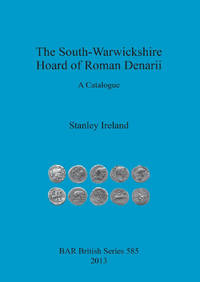
Stanley Ireland
The South-Warwickshire Hoard of Roman Denarii: A Catalogue
Paperback / softback. New. paperback
Referenz des Buchhändlers : B9781407311593 ISBN : 140731159x 9781407311593
|
|
|
Stanley Ireland
The South-Warwickshire Hoard of Roman Denarii
British Archaeological Reports Limited pp. ii 82 . Papeback. New. British Archaeological Reports Limited unknown
Referenz des Buchhändlers : 697487714 ISBN : 140731159X 9781407311593
|
|
|
STARKIE, Walter (1894-1976).
O Grande Inquisidor. Versão portuguesa de Manuel Vieira e J. Silva Godinho.
Lisboa, Edições Gama, 1945. Dos volúmenes en 4to. mayor; XVIII-266 pp. + 390 pp., 1 h. Cubiertas originales.

|
|
|
Starkie, Walter (1894-1976).
SCHOLARS AND GYPSIES. An Autobiography.
pp. xi, 324. 8vo. Original full yellow cloth binding. Dust Jacket. Starkie's autobiography gives an personal description of his childhood in Ireland, his years at Trinity College, Dublin, and his young manhood during World War I. His travels on the Continent as a virtual Gypsy and his acquaintance with scores of artists, writers, and political figures - all mingled with the excitement of Irish Nationalism and the literary movements of the period. **PRICE JUST REDUCED! GYPSY 1
|
|
|
STARKIE, Walter.
La España de Cisneros. Versión castellana de Alberto de Mestas.
Barcelona, Editorial Juventud, 1943. 4to. mayor; 516 pp. y 13 láminas con reproducciones fotográficas. Encuadernación original en tela.

|
|
|
STATE OF IRELAND
Remarks by a Junior to his Senior on an article in the Edinburgh Review of January 1844 on the State of Ireland and the Measures for its Improvement
London: James Ridgway 1844. First Edition 83 1 pp. disbound. An attack on an article in the Edinburgh Review which purported to deal with the debates in the House of Commons on the state of Ireland and the Irish Arms Bill. The stated object of this reply was "to point to the public the difficulty and impolicy of an attempt to force the Irish Catholics a provision for their clergy; at the same time to draw public attention to some measures of a plain and practical kind which may enlist the attention perhaps the support of men of all parties." Among other subjects the writer deals with the state of landed property the administration of justice to the poor the established church education the Irish Poor Law and the repeal of the Union London: James Ridgway, 1844 unknown
Referenz des Buchhändlers : 33064
|
|
|
STATE OF IRELAND.
Remarks by a Junior to his Senior, on an article in the Edinburgh Review of January, 1844, on the State of Ireland, and the Measures for its Improvement.
First Edition, 83, [1] pp., disbound. An attack on an article in the Edinburgh Review which purported to deal with the debates in the House of Commons on the state of Ireland, and the Irish Arms Bill. The stated object of this reply was "to point to the public the difficulty and impolicy of an attempt to force the Irish Catholics a provision for their clergy; at the same time to draw public attention to some measures of a plain, and practical, kind, which may enlist the attention, perhaps the support, of men of all parties." Among other subjects, the writer deals with the state of landed property, the administration of justice to the poor, the established church, education, the Irish Poor Law, and the repeal of the Union
|
|
|
Statistical Society of Ireland
Journal of the Statistical and Social Inquiry Society of Ireland 1866 Vol. 31 Classic Reprint
hardcover. Good. Access codes and supplements are not guaranteed with used items. May be an ex-library book. hardcover
Referenz des Buchhändlers : 026005660X.G ISBN : 026005660X 9780260056603
|
|
|
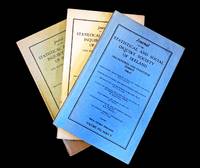
Statistical and Social Inquiry Society of Ireland
Journal of the Statistical and Social Inquiry Society of Ireland 3 issues
Dublin : E. Ponsonby 1959. First Edition. Softcover. Very good paperback copies all in their original wrappers now slightly edgeworn and dust-dulled. Remains a well-preserved set overall; internally tight bright and clean. Physical description; 3 issues : illustrations ; 25 cm. Contents; Vol. 20 Pt. 3 and 5. Vol. 21 Pt. 5. Notes; Continues: Journal of the Dublin Statistical Society. Subjects; Social surveys – Periodicals. Statistics – Periodicals. Social conditions. Economic conditions. 19th century. 20th century. 21st century. Ireland. Periodicals. Dublin : E. Ponsonby paperback
Referenz des Buchhändlers : 471386
|
|
|
Statutory Publications Office (Northern Ireland)
Nos.1-150 Pages 1-880 Pt. 1 Statutory Rules of Northern Ireland
Apr 01 2003. Hardcover. Fine. hardcover
Referenz des Buchhändlers : 71-DODT-5UM3 ISBN : 0337094802 9780337094804
|
|
|
Statutory Publications Office (Northern Ireland)
Nos.1-150 Pt. 1 Statutory Rules of Northern Ireland
Aug 01 2003. Hardcover. Fine. hardcover
Referenz des Buchhändlers : 9U-C344-YJHQ ISBN : 0337094837 9780337094835
|
|
|
Statutory Publications Office (Northern Ireland)
Nos.151-300 Pages 881-1551 Pt. 2 Statutory Rules of Northern Ireland
Jun 01 2003. Hardcover. Fine. hardcover
Referenz des Buchhändlers : HU-323S-FCPP ISBN : 0337094810 9780337094811
|
|
|
Statutory Publications Office (Northern Ireland)
Nos.301-414 Pt. 3 Statutory Rules of Northern Ireland
Jul 01 2003. Hardcover. Fine. hardcover
Referenz des Buchhändlers : PH-1RPX-WHFY ISBN : 0337094829 9780337094828
|
|
|
Stawell Ball Robert (Sir)
Star-Land being talks with young people about the wonders of the Heavens
Stawell, Royal Astronomer of Ireland, Author of " The story of the Heavens" - Illustrated - Thirteenth Thousand 1 18,5x12 cm., legatura in piena tela, titoli in oro al piatto e al dorso, pagg. XII, 376 (16), 92 figure nel testo, alcune a piena pagina, in antiporta tavola in nero "A Juvenile Lecture at the Royal Institution", protetta da velina, in lingua inglese, piccola scollatura all'interno del piatto anteriore, ma bell'esemplare, interessante e raro. Timbro di Libreria di Aberdeen. Firma di appartenenza
|
|
|
STEELE (William E.)
A Handbook of Field Botany, comprising the flowering plants and ferns indigenous to the British Isles, arranged according to the natural system ; the orders, genera, and species carefully analyzed, so as to facilitate their discrimination; with a synoptical table of the genera according to the the Linn?an classification; and a glossary of those terms most commonly in use.
First edition, 8vo (195 x 122mm), xxix, 249pp., engraved frontis., text lightly browned, orig. green embossed cloth, spine faded and lettered in gilt, joints worn with a couple of tears.
|
|
|
STEELE (William Edward)
A Handbook of Field Botany, comprising the flowering plants and ferns indigenous to the British Isles arranged according to the Natural System: the Orders, Genera, and Species carefully analyzed, so as to facilitate their discrimination; with a Synoptical Table of the Genera according to the Linn?an Classification; and a glossary of terms.
First edition, 8vo, [2], xxix, 249, [1]pp., frontispiece showing 73 plates and ferns, orig. green blind-stamped cloth, spine gilt, a nice copy. Provenance: Armorial bookplate of Thomas Martin.
|
|
|
Stein, Heinz
Irisches Szizzenbuch. [Mit 12 Original-Holzschnitten und 5 Original-Zeichnungen.]
Gelsenkirchen, Jeunesse - Edition für Buchkunst/Heinz Stein, [1993]. 4°. 30 cm. 23 Blatt. Original-Leinenband mit Original-Deckelholzschnitt. [7 Warenabbildungen]
Referenz des Buchhändlers : 7031EB

|
|
|
Stein, Heinz - Kaschnitz, Marie Luise
Asklepios. [Mit 5 signierten Original-Holzschnitten].
Gelsenkirchen, Jeunesse - Edition für Buchkunst/Heinz Stein, [1979]. 4°. 30 cm. 10 Blatt, 4 lose Blatt Holzschnitte. Original-Leinenband mit Original-Deckelholzschnitt. [4 Warenabbildungen]
Referenz des Buchhändlers : 13620DB

|
|
|
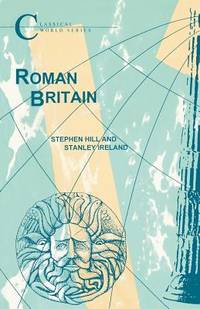
Stephen J Hill/ Stanley Ireland
Roman Britain Classical World
Duckworth Publishing 1998. Paperback. New. 96 pages. 8.43x5.20x0.39 inches. Duckworth Publishing paperback
Referenz des Buchhändlers : x-1853991406 ISBN : 1853991406 9781853991400
|
|
|
Stephen T. Driscoll, Margaret N. Nieke
POWER AND POLITICS IN EARLY MEDIEVAL BRITAIN AND IRELAND.
Un volume (24 cm) di (6)-218 pagine, alcune illustrazioni nel testo. In lingua inglese. Tela editoriale con sovracoperta illustrata. Ottime condizioni.
|
|
|
Stephens James
La figlia della donna a ore (stampa 1993)
trad. di Silvia Gariglio bross. edit. ill. con bandelle, rare sottolineature a matita
|
|
|
Stephens James
La pentola dell'oro
trad. di Adriana Motti n. 28 bross. edit. ill. con bandelle, ex libris

|
|
|
Stephens, James.
A POETRY RECITAL.
pp. vi, 36, (1)[Publisher's catalogue]. Uncut. Endpapers age stained. Small 8vo. Original full paper binding. Hardbound. First Edition. Very Good plus. James Stephens (1882-1950) was left fatherless in the Dublin slums at the age of two. His mother remarried or took up with another man when James was about six years of age. She abandoned her young son and he was forced to go to the Meath Protestant Industrial School for Boys. The Meath School was cruel and harsh and he ran away to live in the streets or live with families that took to the likely boy. In 1905 'The Greatest Miracle' was published by Arthur Griffith in The United Irishman. Griffith became good friends with Stephens and published his works in his magazine know as the Sinn Fein. From 1905-1910, Stephens attended Gaelic League classes and become involved with political meetings. During this time he published several pieces which focused on Irish national pride, the importance of learning one's Irish language and customs, and remembering the ancient saga heroes. Stephens met many of his great contemporaries during this period including George Russell (AE), George Moore, W.B. Yeats, Lady Gregory, etc. In the year 1912, Stephens published The Charwoman's Daughter and later in the same year his noted work The Crock of Gold. The Crock of Gold was a great success and Stephens moved to Paris so he could concentrate on writing full time. Cynthia Kavanagh who had been his lover since 1907 accompanied him. He later married her in 1919. The Demi-Gods was published in 1914 and in 1915 he moved back to Dublin to become the Registrar of the National Gallery of Ireland (and stayed in that position till 1924). Stephens witnessed the shooting of a man as a result of the Easter Uprising in Dublin in 1916. This became a turning point for him as the event intensified his patriotic feelings and renewed his interest in old Irish literature. Stephens moved to London in the year 1925. He began a series of lecture tours which extended to the United States. In 1935 Stephens began a literary and personal friendship with James Joyce. His colleagues considered Stephens to be a genius who easily embraced fantasy, philosophy, and comedy - those who read him today will still be struck by his genius. **PRICE JUST REDUCED! STEPHENS/W77
|
|
|
Stephens, James.
COLLECTED POEMS.
pp. xxii, 260. Uncut. Fore-edge age stained. Endpapers foxed. 8vo. Original full green cloth binding, gold lettered spine. Hardbound. First Trade Edition. James Stephens (1882-1950) was left fatherless in the Dublin slums at the age of two. His mother remarried or took up with another man when James was about six years of age. She abandoned her young son and he was forced to go to the Meath Protestant Industrial School for Boys. The Meath School was cruel and harsh and he ran away to live in the streets or live with families that took to the likely boy. In 1905 'The Greatest Miracle' was published by Arthur Griffith in The United Irishman. Griffith became good friends with Stephens and published his works in his magazine know as the Sinn Fein. From 1905-1910, Stephens attended Gaelic League classes and become involved with political meetings. During this time he published several pieces which focused on Irish national pride, the importance of learning one's Irish language and customs, and remembering the ancient saga heroes. Stephens met many of his great contemporaries during this period including George Russell (AE), George Moore, W.B. Yeats, Lady Gregory, etc. In the year 1912, Stephens published The Charwoman's Daughter and later in the same year his noted work The Crock of Gold. The Crock of Gold was a great success and Stephens moved to Paris so he could concentrate on writing full time. Cynthia Kavanagh who had been his lover since 1907 accompanied him. He later married her in 1919. The Demi-Gods was published in 1914 and in 1915 he moved back to Dublin to become the Registrar of the National Gallery of Ireland (and stayed in that position till 1924). Stephens witnessed the shooting of a man as a result of the Easter Uprising in Dublin in 1916. This became a turning point for him as the event intensified his patriotic feelings and renewed his interest in old Irish literature. Stephens moved to London in the year 1925. He began a series of lecture tours which extended to the United States. In 1935 Stephens began a literary and personal friendship with James Joyce. His colleagues considered Stephens to be a genius who easily embraced fantasy, philosophy, and comedy - those who read him today will still be struck by his genius. **PRICE JUST REDUCED! STEPHENS/W77
|
|
|
Stephens, James.
ETCHED IN MOONLIGHT.
pp. v, 199. Top edge decorated green. 8vo. Original full cloth binding, decorated and lettered in brown. Spine faded. Hardbound. First Edition. James Stephens (1882-1950) was left fatherless in the Dublin slums at the age of two. His mother remarried or took up with another man when James was about six years of age. She abandoned her young son and he was forced to go to the Meath Protestant Industrial School for Boys. The Meath School was cruel and harsh and he ran away to live in the streets or live with families that took to the likely boy. In 1905 'The Greatest Miracle' was published by Arthur Griffith in The United Irishman. Griffith became good friends with Stephens and published his works in his magazine know as the Sinn Fein. From 1905-1910, Stephens attended Gaelic League classes and become involved with political meetings. During this time he published several pieces which focused on Irish national pride, the importance of learning one's Irish language and customs, and remembering the ancient saga heroes. Stephens met many of his great contemporaries during this period including George Russell (AE), George Moore, W.B. Yeats, Lady Gregory, etc. In the year 1912, Stephens published The Charwoman's Daughter and later in the same year his noted work The Crock of Gold. The Crock of Gold was a great success and Stephens moved to Paris so he could concentrate on writing full time. Cynthia Kavanagh who had been his lover since 1907 accompanied him. He later married her in 1919. The Demi-Gods was published in 1914 and in 1915 he moved back to Dublin to become the Registrar of the National Gallery of Ireland (and stayed in that position till 1924). Stephens witnessed the shooting of a man as a result of the Easter Uprising in Dublin in 1916. This became a turning point for him as the event intensified his patriotic feelings and renewed his interest in old Irish literature. Stephens moved to London in the year 1925. He began a series of lecture tours which extended to the United States. In 1935 Stephens began a literary and personal friendship with James Joyce. His colleagues considered Stephens to be a genius who easily embraced fantasy, philosophy, and comedy - those who read him today will still be struck by his genius. **PRICE JUST REDUCED! STEPHENS/W77
|
|
|
Stephens, James.
HERE ARE LADIES.
pp. 345, (4)[Publisher's catalogue]. Endpapers foxed. Bookseller's label. 8vo. Original full purple cloth binding, gold lettered and decorated. Spine very faded. Hardbound. First American Edition. James Stephens (1882-1950) was left fatherless in the Dublin slums at the age of two. His mother remarried or took up with another man when James was about six years of age. She abandoned her young son and he was forced to go to the Meath Protestant Industrial School for Boys. The Meath School was cruel and harsh and he ran away to live in the streets or live with families that took to the likely boy. In 1905 'The Greatest Miracle' was published by Arthur Griffith in The United Irishman. Griffith became good friends with Stephens and published his works in his magazine know as the Sinn Fein. From 1905-1910, Stephens attended Gaelic League classes and become involved with political meetings. During this time he published several pieces which focused on Irish national pride, the importance of learning one's Irish language and customs, and remembering the ancient saga heroes. Stephens met many of his great contemporaries during this period including George Russell (AE), George Moore, W.B. Yeats, Lady Gregory, etc. In the year 1912, Stephens published The Charwoman's Daughter and later in the same year his noted work The Crock of Gold. The Crock of Gold was a great success and Stephens moved to Paris so he could concentrate on writing full time. Cynthia Kavanagh who had been his lover since 1907 accompanied him. He later married her in 1919. The Demi-Gods was published in 1914 and in 1915 he moved back to Dublin to become the Registrar of the National Gallery of Ireland (and stayed in that position till 1924). Stephens witnessed the shooting of a man as a result of the Easter Uprising in Dublin in 1916. This became a turning point for him as the event intensified his patriotic feelings and renewed his interest in old Irish literature. Stephens moved to London in the year 1925. He began a series of lecture tours which extended to the United States. In 1935 Stephens began a literary and personal friendship with James Joyce. His colleagues considered Stephens to be a genius who easily embraced fantasy, philosophy, and comedy - those who read him today will still be struck by his genius. **PRICE JUST REDUCED! STEPHENS/W77
|
|
|
Stephens, James.
HERE ARE LADIES.
345p. 8vo. Original full purple cloth binding, embossed in blind and gold lettered. Spine faded. Covers spotted. Hardbound. James Stephens (1882-1950) was left fatherless in the Dublin slums at the age of two. His mother remarried or took up with another man when James was about six years of age. She abandoned her young son and he was forced to go to the Meath Protestant Industrial School for Boys. The Meath School was cruel and harsh and he ran away to live in the streets or live with families that took to the likely boy. In 1905 'The Greatest Miracle' was published by Arthur Griffith in The United Irishman. Griffith became good friends with Stephens and published his works in his magazine know as the Sinn Fein. From 1905-1910, Stephens attended Gaelic League classes and become involved with political meetings. During this time he published several pieces which focused on Irish national pride, the importance of learning one's Irish language and customs, and remembering the ancient saga heroes. Stephens met many of his great contemporaries during this period including George Russell (AE), George Moore, W.B. Yeats, Lady Gregory, etc. In the year 1912, Stephens published The Charwoman's Daughter and later in the same year his noted work The Crock of Gold. The Crock of Gold was a great success and Stephens moved to Paris so he could concentrate on writing full time. Cynthia Kavanagh who had been his lover since 1907 accompanied him. He later married her in 1919. The Demi-Gods was published in 1914 and in 1915 he moved back to Dublin to become the Registrar of the National Gallery of Ireland (and stayed in that position till 1924). Stephens witnessed the shooting of a man as a result of the Easter Uprising in Dublin in 1916. This became a turning point for him as the event intensified his patriotic feelings and renewed his interest in old Irish literature. Stephens moved to London in the year 1925. He began a series of lecture tours which extended to the United States. In 1935 Stephens began a literary and personal friendship with James Joyce. His colleagues considered Stephens to be a genius who easily embraced fantasy, philosophy, and comedy - those who read him today will still be struck by his genius. **PRICE JUST REDUCED! STEPHENS/W77
|
|
|
Stephens, James.
IN THE LAND OF YOUTH.
304p. 8vo. Original full green cloth binding, gold decorated and lettered. Spine faded. Hardbound. First Edition. James Stephens (1882-1950) was left fatherless in the Dublin slums at the age of two. His mother remarried or took up with another man when James was about six years of age. She abandoned her young son and he was forced to go to the Meath Protestant Industrial School for Boys. The Meath School was cruel and harsh and he ran away to live in the streets or live with families that took to the likely boy. In 1905 'The Greatest Miracle' was published by Arthur Griffith in The United Irishman. Griffith became good friends with Stephens and published his works in his magazine know as the Sinn Fein. From 1905-1910, Stephens attended Gaelic League classes and become involved with political meetings. During this time he published several pieces which focused on Irish national pride, the importance of learning one's Irish language and customs, and remembering the ancient saga heroes. Stephens met many of his great contemporaries during this period including George Russell (AE), George Moore, W.B. Yeats, Lady Gregory, etc. In the year 1912, Stephens published The Charwoman's Daughter and later in the same year his noted work The Crock of Gold. The Crock of Gold was a great success and Stephens moved to Paris so he could concentrate on writing full time. Cynthia Kavanagh who had been his lover since 1907 accompanied him. He later married her in 1919. The Demi-Gods was published in 1914 and in 1915 he moved back to Dublin to become the Registrar of the National Gallery of Ireland (and stayed in that position till 1924). Stephens witnessed the shooting of a man as a result of the Easter Uprising in Dublin in 1916. This became a turning point for him as the event intensified his patriotic feelings and renewed his interest in old Irish literature. Stephens moved to London in the year 1925. He began a series of lecture tours which extended to the United States. In 1935 Stephens began a literary and personal friendship with James Joyce. His colleagues considered Stephens to be a genius who easily embraced fantasy, philosophy, and comedy - those who read him today will still be struck by his genius. **PRICE JUST REDUCED! STEPHENS/W77
|
|
|
Stephens, James.
MARY, MARY.
263p. 8vo. Original full green cloth binding, gold decorated and lettered. Binding has some old spotting and bits of wear. Hardbound. First U.S. Edition. Stephen's important first book, a novel of the Dublin slums that was published in Britain as 'The Charwoman's Daughter'. James Stephens (1882-1950) was left fatherless in the Dublin slums at the age of two. His mother remarried or took up with another man when James was about six years of age. She abandoned her young son and he was forced to go to the Meath Protestant Industrial School for Boys. The Meath School was cruel and harsh and he ran away to live in the streets or live with families that took to the likely boy. In 1905 'The Greatest Miracle' was published by Arthur Griffith in The United Irishman. Griffith became good friends with Stephens and published his works in his magazine know as the Sinn Fein. From 1905-1910, Stephens attended Gaelic League classes and become involved with political meetings. During this time he published several pieces which focused on Irish national pride, the importance of learning one's Irish language and customs, and remembering the ancient saga heroes. Stephens met many of his great contemporaries during this period including George Russell (AE), George Moore, W.B. Yeats, Lady Gregory, etc. In the year 1912, Stephens published The Charwoman's Daughter and later in the same year his noted work The Crock of Gold. The Crock of Gold was a great success and Stephens moved to Paris so he could concentrate on writing full time. Cynthia Kavanagh who had been his lover since 1907 accompanied him. He later married her in 1919. The Demi-Gods was published in 1914 and in 1915 he moved back to Dublin to become the Registrar of the National Gallery of Ireland (and stayed in that position till 1924). Stephens witnessed the shooting of a man as a result of the Easter Uprising in Dublin in 1916. This became a turning point for him as the event intensified his patriotic feelings and renewed his interest in old Irish literature. Stephens moved to London in the year 1925. He began a series of lecture tours which extended to the United States. In 1935 Stephens began a literary and personal friendship with James Joyce. His colleagues considered Stephens to be a genius who easily embraced fantasy, philosophy, and comedy - those who read him today will still be struck by his genius. **PRICE JUST REDUCED! STEPHENS/W77
|
|
|
Stephens, James.
ON PROSE AND VERSE.
41p. Uncut. Endpapers paste stained. Printed by William Edwin Rudge. Typography by Frederic Warde. Small 8vo. Attractive original full paper binding with color cloud like design. Original gold paper spine label. Hardbound. Limited to only 1,000 copies. Very good. James Stephens (1882-1950) was left fatherless in the Dublin slums at the age of two. His mother remarried or took up with another man when James was about six years of age. She abandoned her young son and he was forced to go to the Meath Protestant Industrial School for Boys. The Meath School was cruel and harsh and he ran away to live in the streets or live with families that took to the likely boy. In 1905 'The Greatest Miracle' was published by Arthur Griffith in The United Irishman. Griffith became good friends with Stephens and published his works in his magazine know as the Sinn Fein. From 1905-1910, Stephens attended Gaelic League classes and become involved with political meetings. During this time he published several pieces which focused on Irish national pride, the importance of learning one's Irish language and customs, and remembering the ancient saga heroes. Stephens met many of his great contemporaries during this period including George Russell (AE), George Moore, W.B. Yeats, Lady Gregory, etc. In the year 1912, Stephens published The Charwoman's Daughter and later in the same year his noted work The Crock of Gold. The Crock of Gold was a great success and Stephens moved to Paris so he could concentrate on writing full time. Cynthia Kavanagh who had been his lover since 1907 accompanied him. He later married her in 1919. The Demi-Gods was published in 1914 and in 1915 he moved back to Dublin to become the Registrar of the National Gallery of Ireland (and stayed in that position till 1924). Stephens witnessed the shooting of a man as a result of the Easter Uprising in Dublin in 1916. This became a turning point for him as the event intensified his patriotic feelings and renewed his interest in old Irish literature. Stephens moved to London in the year 1925. He began a series of lecture tours which extended to the United States. In 1935 Stephens began a literary and personal friendship with James Joyce. His colleagues considered Stephens to be a genius who easily embraced fantasy, philosophy, and comedy - those who read him today will still be struck by his genius. **PRICE JUST REDUCED! STEPHENS/W77
|
|
|
Stephens, James.
REINCARNATIONS.
pp. viii, 66, (1)[Publisher's catalogue]. Uncut. A few leaves age stained. Inked ownership of E.G. Craddock? Small 8vo. Original full blue cloth binding, gold lettered. Spine worn and darkened. Binding worn. Hardbound. First Edition. James Stephens (1882-1950) was left fatherless in the Dublin slums at the age of two. His mother remarried or took up with another man when James was about six years of age. She abandoned her young son and he was forced to go to the Meath Protestant Industrial School for Boys. The Meath School was cruel and harsh and he ran away to live in the streets or live with families that took to the likely boy. In 1905 'The Greatest Miracle' was published by Arthur Griffith in The United Irishman. Griffith became good friends with Stephens and published his works in his magazine know as the Sinn Fein. From 1905-1910, Stephens attended Gaelic League classes and become involved with political meetings. During this time he published several pieces which focused on Irish national pride, the importance of learning one's Irish language and customs, and remembering the ancient saga heroes. Stephens met many of his great contemporaries during this period including George Russell (AE), George Moore, W.B. Yeats, Lady Gregory, etc. In the year 1912, Stephens published The Charwoman's Daughter and later in the same year his noted work The Crock of Gold. The Crock of Gold was a great success and Stephens moved to Paris so he could concentrate on writing full time. Cynthia Kavanagh who had been his lover since 1907 accompanied him. He later married her in 1919. The Demi-Gods was published in 1914 and in 1915 he moved back to Dublin to become the Registrar of the National Gallery of Ireland (and stayed in that position till 1924). Stephens witnessed the shooting of a man as a result of the Easter Uprising in Dublin in 1916. This became a turning point for him as the event intensified his patriotic feelings and renewed his interest in old Irish literature. Stephens moved to London in the year 1925. He began a series of lecture tours which extended to the United States. In 1935 Stephens began a literary and personal friendship with James Joyce. His colleagues considered Stephens to be a genius who easily embraced fantasy, philosophy, and comedy - those who read him today will still be struck by his genius. **PRICE JUST REDUCED! STEPHENS/W77
|
|
|
Stephens, James.
REINCARNATIONS.
pp. 76, (6)[Publisher's catalogue]. Uncut. Text very slightly beginning to brown. Top edge gold. Inked ownership of Wilson Beall Vance (who was the only son of the prolific author - Louis Joseph Vance). Small 8vo. Original cloth backed binding. Original front cover paper label. Spine darkened. Hardbound. First American Edition. Nice example. James Stephens (1882-1950) was left fatherless in the Dublin slums at the age of two. His mother remarried or took up with another man when James was about six years of age. She abandoned her young son and he was forced to go to the Meath Protestant Industrial School for Boys. The Meath School was cruel and harsh and he ran away to live in the streets or live with families that took to the likely boy. In 1905 'The Greatest Miracle' was published by Arthur Griffith in The United Irishman. Griffith became good friends with Stephens and published his works in his magazine know as the Sinn Fein. From 1905-1910, Stephens attended Gaelic League classes and become involved with political meetings. During this time he published several pieces which focused on Irish national pride, the importance of learning one's Irish language and customs, and remembering the ancient saga heroes. Stephens met many of his great contemporaries during this period including George Russell (AE), George Moore, W.B. Yeats, Lady Gregory, etc. In the year 1912, Stephens published The Charwoman's Daughter and later in the same year his noted work The Crock of Gold. The Crock of Gold was a great success and Stephens moved to Paris so he could concentrate on writing full time. Cynthia Kavanagh who had been his lover since 1907 accompanied him. He later married her in 1919. The Demi-Gods was published in 1914 and in 1915 he moved back to Dublin to become the Registrar of the National Gallery of Ireland (and stayed in that position till 1924). Stephens witnessed the shooting of a man as a result of the Easter Uprising in Dublin in 1916. This became a turning point for him as the event intensified his patriotic feelings and renewed his interest in old Irish literature. Stephens moved to London in the year 1925. He began a series of lecture tours which extended to the United States. In 1935 Stephens began a literary and personal friendship with James Joyce. His colleagues considered Stephens to be a genius who easily embraced fantasy, philosophy, and comedy - those who read him today will still be struck by his genius. **PRICE JUST REDUCED! STEPHENS/W77
|
|
|
Stephens, James.
SONGS FROM THE CLAY.
pp. vi, 106 (1)[Publisher's catalogue]. Uncut. Endpapers beginning to brown. Small 8vo. Original full blue cloth binding, gold lettered. Binding slightly worn. Hardbound. First Edition. James Stephens (1882-1950) was left fatherless in the Dublin slums at the age of two. His mother remarried or took up with another man when James was about six years of age. She abandoned her young son and he was forced to go to the Meath Protestant Industrial School for Boys. The Meath School was cruel and harsh and he ran away to live in the streets or live with families that took to the likely boy. In 1905 'The Greatest Miracle' was published by Arthur Griffith in The United Irishman. Griffith became good friends with Stephens and published his works in his magazine know as the Sinn Fein. From 1905-1910, Stephens attended Gaelic League classes and become involved with political meetings. During this time he published several pieces which focused on Irish national pride, the importance of learning one's Irish language and customs, and remembering the ancient saga heroes. Stephens met many of his great contemporaries during this period including George Russell (AE), George Moore, W.B. Yeats, Lady Gregory, etc. In the year 1912, Stephens published The Charwoman's Daughter and later in the same year his noted work The Crock of Gold. The Crock of Gold was a great success and Stephens moved to Paris so he could concentrate on writing full time. Cynthia Kavanagh who had been his lover since 1907 accompanied him. He later married her in 1919. The Demi-Gods was published in 1914 and in 1915 he moved back to Dublin to become the Registrar of the National Gallery of Ireland (and stayed in that position till 1924). Stephens witnessed the shooting of a man as a result of the Easter Uprising in Dublin in 1916. This became a turning point for him as the event intensified his patriotic feelings and renewed his interest in old Irish literature. Stephens moved to London in the year 1925. He began a series of lecture tours which extended to the United States. In 1935 Stephens began a literary and personal friendship with James Joyce. His colleagues considered Stephens to be a genius who easily embraced fantasy, philosophy, and comedy - those who read him today will still be struck by his genius. ! STEPHENS/W77
|
|
|
Stephens, James.
THE DEMI-GODS.
pp. 279, (3)[Publisher's catalogue]. Age stained. Inked ownership of Bobby As. Aplin, August 12, 1916. 8vo. Original full green cloth binding, gold lettered and decorated. Worn with stain on front cover. Hardbound. First Edition. James Stephens (1882-1950) was left fatherless in the Dublin slums at the age of two. His mother remarried or took up with another man when James was about six years of age. She abandoned her young son and he was forced to go to the Meath Protestant Industrial School for Boys. The Meath School was cruel and harsh and he ran away to live in the streets or live with families that took to the likely boy. In 1905 'The Greatest Miracle' was published by Arthur Griffith in The United Irishman. Griffith became good friends with Stephens and published his works in his magazine know as the Sinn Fein. From 1905-1910, Stephens attended Gaelic League classes and become involved with political meetings. During this time he published several pieces which focused on Irish national pride, the importance of learning one's Irish language and customs, and remembering the ancient saga heroes. Stephens met many of his great contemporaries during this period including George Russell (AE), George Moore, W.B. Yeats, Lady Gregory, etc. In the year 1912, Stephens published The Charwoman's Daughter and later in the same year his noted work The Crock of Gold. The Crock of Gold was a great success and Stephens moved to Paris so he could concentrate on writing full time. Cynthia Kavanagh who had been his lover since 1907 accompanied him. He later married her in 1919. The Demi-Gods was published in 1914 and in 1915 he moved back to Dublin to become the Registrar of the National Gallery of Ireland (and stayed in that position till 1924). Stephens witnessed the shooting of a man as a result of the Easter Uprising in Dublin in 1916. This became a turning point for him as the event intensified his patriotic feelings and renewed his interest in old Irish literature. Stephens moved to London in the year 1925. He began a series of lecture tours which extended to the United States. In 1935 Stephens began a literary and personal friendship with James Joyce. His colleagues considered Stephens to be a genius who easily embraced fantasy, philosophy, and comedy - those who read him today will still be struck by his genius. **PRICE JUST REDUCED! STEPHENS/W77
|
|
|
STERNE
Histoire de Lefèvre. Marie. Mon oncle Tobie. Impressions de voyage. Avec étude sur la vie et l'oeuvre de Sterne.
Broché. 32 pages. Manque important au premier plat.
|
|
|
STERNE
Vie et opinions de Tristram Shandy gentilhomme. Suivies du Voyage sentimental et des lettres d'Yorick a Eliza. Traductions nouvelles de Léon de Wailly.
Deux volumes. Reliures demi-basanes. 468 + 472 pages. Rousseurs. Dos et titres dorés.
|
|
|
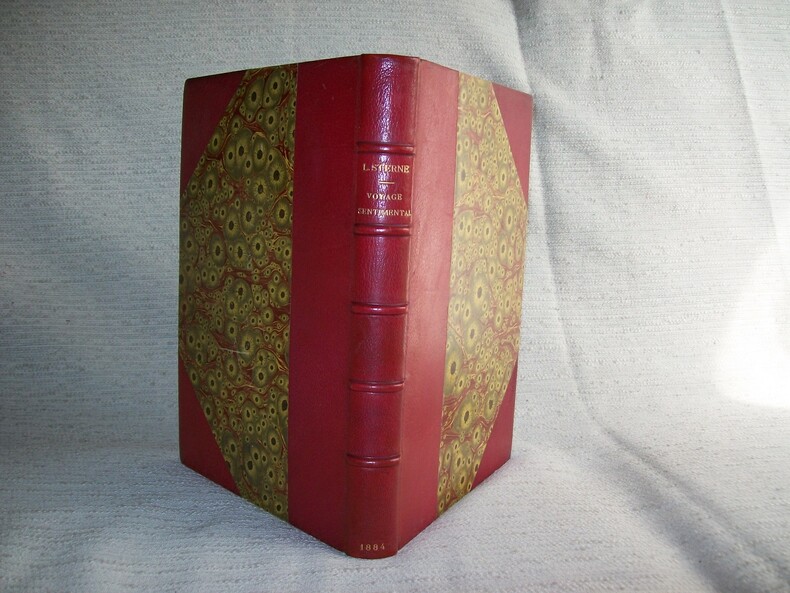
STERNE Laurence
VOYAGE SENTIMENTAL EN FRANCE ET EN ITALIE. traduction nouvelle et notice par M Emile Blémont.
Paris Librairie Artistique H Launette 1884. In-4 2 feuillets non chiffrés (faux-titre, titre) XII 212pp 2 feuillets non chiffrés dont table des gravures hors texte. Demi maroquin rouge à coins, dos à nerfs saillants, tête dorée, non rogné, dos et plats de la jolie couverture illustrée conservés, reliure de l'époque (Bretault). Orné de 232 belles illustrations d'après les dessins de Maurice Leloir: 220 vignettes en tête de chapitre, culs de lampe, dans le texte et 12 grandes compositions hors texte reproduites en photogravure y compris le portrait de Sterne en frontispice. Très bel exemplaire imprimé sur papier fort, de la plus grande fraîcheur. Edition joliment illustrée par Maurice Leloir, proposée ici dans une reliure sobre soignée, signée par Joseph Bretault (1856-1903), ancien ouvrier de Champs établi à Paris (Fléty page33).
Referenz des Buchhändlers : GITk186
|
|
|
STERNE Laurence
Voyage sentimental en France. Traduit par Léon de Wailly.
Cartonnage de l'éditeur. 231 pages.
|
|
|
STEVENSON J.
Two Centuries of Life in Down 1600-1800. THE ORIGINAL EDITION
8vo., First Edition, with 17 plates, 13 maps (one folding and 7 double page) and illustrations in the text, free endpapers mildly browned; original tan cloth, upper board and backstrip lettered in black, edges lightly spotted else a very good, bright, clean copy. EXTREMELY SCARCE
|
|
|
Stevenson, Burton E.
The Charm of Ireland
576p. Hardcover Very good condition, edges lightly soiled
|
|
|
STEWART (Samuel Alexander) & CORRY (Thomas Hughes)
A Flora of the North-East of Ireland. Flowering Plants, Vascular Cryptogams and Charophytes.
Second edition, 8vo (220x 145 mm), lix, 472pp., maps, a very good ex-library copy, orig. cloth.
|
|
|
STEWART (Samuel Alexander) & CORRY (Thomas Hughes)
A Flora of the North-East of Ireland. Including the Phanerogamia, the Cryptogamia Vascularia, and the Musineae.
First edition, 8vo (190 x 130 mm), a very good ex-library copy, orig. cloth, gilt.
|
|
|
Stewart, Samuel Alexander and Thomas Hughes Corry
A Flora of the North-East of Ireland Including the Phanerogamia the Cryptogamia Vascularia and the Muscineae
Cambridge: The Belfast Naturalists' Field Club and Macmillan & Bowes. Very Good. 1888. 1st Edition. Hardcover. Hardcover first printing no dustjacket forest green cloth binding with an illustration of Rosa Hibernica in bright gold on the front cover 331 pages top edge gilt a sound copy of this scarce original edition there is a dark stain to the bottom portion of the already dark front cover see our photo and a small area of wear at top edge of spine the binding is tight and clean and the contents are clean and fine with one exception: a small black smudge could be printer's ink at the top of page 130 which does affect a few words of text this copy bears an interesting inscription: "To Captain Wm. Tate with kind regards Ronald Corry 8 Aug. 1888." Co-author Thomas Hughes Corry was deceased at this time but we suspect a relative wrote this presentation please note that although "Corry" is legible it is difficult to tell if the first name is Ronald and the Captain's last name is also open to interpretation . The Belfast Naturalists' Field Club and Macmillan & Bowes hardcover
Referenz des Buchhändlers : 036507
|
|
|
Stewig, Reinhard
Dublin. Funktionen und Entwicklung. (= Schriften des Geographischen Instituts der Universität Kiel - Band 18/Heft 2).
Kiel 1959. 254 S. mit Karten und Grafiken im Text, Gr.-8°, Original-Karton (Softcover), Einband leicht lichtrandig und nachgedunkelt, Name auf Vorsatz, insgesamt gutes und innen sauberes Exemplar,
Referenz des Buchhändlers : 53920

|
|
|
Stieler, A
Grenzkolorierte gestochene Landkarte Die britischen Inseln 1862 Aus Stielers Hand-Atlas
Gotha, Justus Perthes, 1862. Ansichtsgröße 21 x 18 cm (HxB) Blattgröße 22,5 x 30 cm (HxB)
Referenz des Buchhändlers : 145644

|
|
|
STOELTIE BARBARA & RENÉ
Living in Ireland. Vivir en Irlanda. Vivere in Irlanda. Viver na Irlanda
4° carton. edit. sovrac. figur. pp. 200, molte belle fotogr. a colori. Testo in spagnolo, italiano e portoghese.
|
|
|
STOELTIE Barbara et René
Vivre en Irlande/Living in Ireland.
Köln (Cologne), Taschen, 2002. 25 x 31, 9 pp., très nombreuses illustrations en couleurs, reliure d'édition + jaquette, très bon état.
Referenz des Buchhändlers : 77568
|
|
|
STOKER, Bram
HISTÒRIES DE TERROR. La casa del jutge - L'enterrament de les rates- La dama de ferro - Almansa 2010
Almansa, Edit. El Toll, 2010. 112p. 8è major. Rústica editorial il·lustrada. Molt bon exemplar
|
|
|
STOKER, Bram
LA DAMA DEL SUDARIO - Madrid 1997
Madrid, Valdemar, 1997. El Club Diógenes nº 71. 511p. 8º menor. Rústica editorial ilustrada. Muy buen ejemplar. 1ª edición en la editorial.
|
|
|
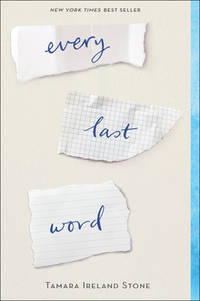
Stone, Tamara Ireland
Every Last Word
library. Good. Access codes and supplements are not guaranteed with used items. May be an ex-library book. unknown
Referenz des Buchhändlers : 0606398856.G ISBN : 0606398856 9780606398855
|
|
|

 Per e-mail erhalten
 Als pdf-Dokument herunterladen
 RSS feed
 Permanenter link


