|
|
|
Hubbard, Elbert (1856-1915)
LITTLE JOURNEYS TO THE HOMES OF GREAT BUSINESS MEN. JOHN J. ASTOR: Vol. 24,June. 1909. No. 6.
The original individual volumes. Each volume usually consists of: at least a 26 page text; frequently enhanced with woodcut devices and ornaments (many designed by Samuel Warner), and portraits and plates; and often with ads for the products of the Roycroft Shop (furniture, brass, books, bindings, etc.); as well as some commercial ads (like Pears' Soap). Some printing in red and black. 8vo. 15.5 x 20. 5 cm. Uncut. Sewn into original printed wraps, as issued. Fine condition. Hubbard (1856-1915), was a prolific writer and a tireless entrepreneur who is most famous today as the founder and guiding lig h t of the Roycroft printing and craft shops. These were based on the Hammersmith arts and crafts complex of William Morris, but with many American and Hubbard-ian twists and turns. Until his death on t he S.S. Lusitania, he was one of the most dynamic and famous men in the world. On his first trip abroad his letters home were mostly travelogue, and they became the basis for his first magazine eff ort . He sold Putnam's the idea of putting out a brief 'Little Journey' biographical sketch on a monthly basis. Later, when he established his own print shop, he took over the whole project. He also p rint ed and published two national opinion magazines, the 'Fra' and the 'Philistine'. He was also responsible for the famed 'A Message to Garcia'. "The graveyards are full of people the World could no t do without" -- Elbert Hubbard, 'Epigrams' (1911)
|
|
|
Hubbard, Elbert (1856-1915)
LITTLE JOURNEYS TO THE HOMES OF GREAT BUSINESS MEN. ANDREW CARNEGIE: Vol. 25, August. 1909. No. 2.
The original individual volumes. Each volume usually consists of: at least a 26 page text; frequently enhanced with woodcut devices and ornaments (many designed by Samuel Warner), and portraits and plates; and often with ads for the products of the Roycroft Shop (furniture, brass, books, bindings, etc.); as well as some commercial ads (like Pears' Soap). Some printing in red and black. 8vo. 15.5 x 20. 5 cm. Uncut. Sewn into original printed wraps, as issued. Fine condition. Hubbard (1856-1915), was a prolific writer and a tireless entrepreneur who is most famous today as the founder and guiding lig h t of the Roycroft printing and craft shops. These were based on the Hammersmith arts and crafts complex of William Morris, but with many American and Hubbard-ian twists and turns. Until his death on t he S.S. Lusitania, he was one of the most dynamic and famous men in the world. On his first trip abroad his letters home were mostly travelogue, and they became the basis for his first magazine eff ort . He sold Putnam's the idea of putting out a brief 'Little Journey' biographical sketch on a monthly basis. Later, when he established his own print shop, he took over the whole project. He also p rint ed and published two national opinion magazines, the 'Fra' and the 'Philistine'. He was also responsible for the famed 'A Message to Garcia'. "The graveyards are full of people the World could no t do without" -- Elbert Hubbard, 'Epigrams' (1911)
|
|
|
Hubbard, Elbert (1856-1915)
LITTLE JOURNEYS TO THE HOMES OF GREAT BUSINESS MEN. GEORGE PEABODY: Vol. 25, Sept. 1909. No. 3.
The original individual volumes. Each volume usually consists of: at least a 26 page text; frequently enhanced with woodcut devices and ornaments (many designed by Samuel Warner), and portraits and plates; and often with ads for the products of the Roycroft Shop (furniture, brass, books, bindings, etc.); as well as some commercial ads (like Pears' Soap). Some printing in red and black. 8vo. 15.5 x 20. 5 cm. Uncut. Sewn into original printed wraps, as issued. Fine condition. Hubbard (1856-1915), was a prolific writer and a tireless entrepreneur who is most famous today as the founder and guiding lig h t of the Roycroft printing and craft shops. These were based on the Hammersmith arts and crafts complex of William Morris, but with many American and Hubbard-ian twists and turns. Until his death on t he S.S. Lusitania, he was one of the most dynamic and famous men in the world. On his first trip abroad his letters home were mostly travelogue, and they became the basis for his first magazine eff ort . He sold Putnam's the idea of putting out a brief 'Little Journey' biographical sketch on a monthly basis. Later, when he established his own print shop, he took over the whole project. He also p rint ed and published two national opinion magazines, the 'Fra' and the 'Philistine'. He was also responsible for the famed 'A Message to Garcia'. "The graveyards are full of people the World could no t do without" -- Elbert Hubbard, 'Epigrams' (1911)
|
|
|
Hubbard, Elbert (1856-1915)
LITTLE JOURNEYS TO THE HOMES OF GREAT BUSINESS MEN. A. T. STEWART: Vol. 25, Oct. 1909. No. 4.
The original individual volumes. Each volume usually consists of: at least a 26 page text; frequently enhanced with woodcut devices and ornaments (many designed by Samuel Warner), and portraits and plates; and often with ads for the products of the Roycroft Shop (furniture, brass, books, bindings, etc.); as well as some commercial ads (like Pears' Soap). Some printing in red and black. 8vo. 15.5 x 20. 5 cm. Uncut. Sewn into original printed wraps, as issued. Fine condition. Hubbard (1856-1915), was a prolific writer and a tireless entrepreneur who is most famous today as the founder and guiding lig h t of the Roycroft printing and craft shops. These were based on the Hammersmith arts and crafts complex of William Morris, but with many American and Hubbard-ian twists and turns. Until his death on t he S.S. Lusitania, he was one of the most dynamic and famous men in the world. On his first trip abroad his letters home were mostly travelogue, and they became the basis for his first magazine eff ort . He sold Putnam's the idea of putting out a brief 'Little Journey' biographical sketch on a monthly basis. Later, when he established his own print shop, he took over the whole project. He also p rint ed and published two national opinion magazines, the 'Fra' and the 'Philistine'. He was also responsible for the famed 'A Message to Garcia'. "The graveyards are full of people the World could no t do without" -- Elbert Hubbard, 'Epigrams' (1911)
|
|
|
Hubbard, Elbert (1856-1915)
LITTLE JOURNEYS TO THE HOMES OF GREAT LOVERS. FERDINAND LASSALLE & HELENE VON DONNIGES: Vol. XIX, Oct. 1906. No. 4.
The original individual volumes. Each volume usually consists of: at least a 26 page text; frequently enhanced with woodcut devices and ornaments (many designed by Samuel Warner), and portraits and pl ates; and often with ads for the products of the Roycroft Shop (furniture, brass, books, bindings, etc.); as well as some commercial ads (Pears' Soap). Some printing in red and black. 8vo. 15.5 x 20. 5 cm. Uncut. Sewn into original printed wraps, as issued. Fine condition. Hubbard (1856-1915), was a prolific writer and a tireless entrepreneur who is most famous today as the founder and guiding lig h t of the Roycroft printing and craft shops. These were based on the Hammersmith arts and crafts complex of William Morris, but with many American and Hubbard-ian twists and turns. Until his death on t he S.S. Lusitania, he was one of the most dynamic and famous men in the world. On his first trip abroad his letters home were mostly travelogue, and they became the basis for his first magazine eff ort . He sold Putnam's the idea of putting out a brief 'Little Journey' biographical sketch on a monthly basis. Later, when he established his own print shop, he took over the whole project. He also printed and published two national opinion magazines, the 'Fra' and the 'Philistine'. He was also responsible for the famed 'A Message to Garcia'. "The graveyards are full of people the World could not do without" -- Elbert Hubbard, 'Epigrams' (1911)
|
|
|
Hubbard, Elbert (1856-1915)
LITTLE JOURNEYS TO THE HOMES OF GREAT PHILOSOPHERS. SWEDENBORG: Vol. XIV, June. 1904. No. 6.
The original individual volumes. Each volume usually consists of: at least a 26 page text; frequently enhanced with woodcut devices and ornaments (many designed by Samuel Warner), and portraits and plates; and often with ads for the products of the Roycroft Shop (furniture, brass, books, bindings, etc.); as well as some commercial ads (like Pears' Soap). Some printing in red and black. 8vo. 15.5 x 20. 5 cm. Uncut. Sewn into original printed wraps, as issued. Fine condition. Hubbard (1856-1915), was a prolific writer and a tireless entrepreneur who is most famous today as the founder and guiding lig h t of the Roycroft printing and craft shops. These were based on the Hammersmith arts and crafts complex of William Morris, but with many American and Hubbard-ian twists and turns. Until his death on t he S.S. Lusitania, he was one of the most dynamic and famous men in the world. On his first trip abroad his letters home were mostly travelogue, and they became the basis for his first magazine eff ort . He sold Putnam's the idea of putting out a brief 'Little Journey' biographical sketch on a monthly basis. Later, when he established his own print shop, he took over the whole project. He also p rint ed and published two national opinion magazines, the 'Fra' and the 'Philistine'. He was also responsible for the famed 'A Message to Garcia'. "The graveyards are full of people the World could no t do without" -- Elbert Hubbard, 'Epigrams' (1911)
|
|
|
Hubbard, Elbert (1856-1915)
LITTLE JOURNEYS TO THE HOMES OF GREAT PHILOSOPHERS. SOCRATES: Vol. XIV, Jan. 1904. No. 1.
The original individual volumes. Each volume usually consists of: at least a 26 page text; frequently enhanced with woodcut devices and ornaments (many designed by Samuel Warner), and portraits and plates; and often with ads for the products of the Roycroft Shop (furniture, brass, books, bindings, etc.); as well as some commercial ads (like Pears' Soap). Some printing in red and black. 8vo. 15.5 x 20. 5 cm. Uncut. Sewn into original printed wraps, as issued. Fine condition. Hubbard (1856-1915), was a prolific writer and a tireless entrepreneur who is most famous today as the founder and guiding lig h t of the Roycroft printing and craft shops. These were based on the Hammersmith arts and crafts complex of William Morris, but with many American and Hubbard-ian twists and turns. Until his death on t he S.S. Lusitania, he was one of the most dynamic and famous men in the world. On his first trip abroad his letters home were mostly travelogue, and they became the basis for his first magazine eff ort . He sold Putnam's the idea of putting out a brief 'Little Journey' biographical sketch on a monthly basis. Later, when he established his own print shop, he took over the whole project. He also p rint ed and published two national opinion magazines, the 'Fra' and the 'Philistine'. He was also responsible for the famed 'A Message to Garcia'. "The graveyards are full of people the World could no t do without" -- Elbert Hubbard, 'Epigrams' (1911)BOOE
|
|
|
Hubbard, Elbert (1856-1915)
LITTLE JOURNEYS TO THE HOMES OF GREAT PHILOSOPHERS. AUGUSTE COMTE: Vol. XV,August. 1904. No. 2.
The original individual volumes. Each volume usually consists of: at least a 26 page text; frequently enhanced with woodcut devices and ornaments (many designed by Samuel Warner), and portraits and plates; and often with ads for the products of the Roycroft Shop (furniture, brass, books, bindings, etc.); as well as some commercial ads (like Pears' Soap). Some printing in red and black. 8vo. 15.5 x 20. 5 cm. Uncut. Sewn into original printed wraps, as issued. Fine condition. Hubbard (1856-1915), was a prolific writer and a tireless entrepreneur who is most famous today as the founder and guiding lig h t of the Roycroft printing and craft shops. These were based on the Hammersmith arts and crafts complex of William Morris, but with many American and Hubbard-ian twists and turns. Until his death on t he S.S. Lusitania, he was one of the most dynamic and famous men in the world. On his first trip abroad his letters home were mostly travelogue, and they became the basis for his first magazine eff ort . He sold Putnam's the idea of putting out a brief 'Little Journey' biographical sketch on a monthly basis. Later, when he established his own print shop, he took over the whole project. He also p rint ed and published two national opinion magazines, the 'Fra' and the 'Philistine'. He was also responsible for the famed 'A Message to Garcia'. "The graveyards are full of people the World could no t do without" -- Elbert Hubbard, 'Epigrams' (1911)BOOE
|
|
|
Hubbard, Elbert (1856-1915)
LITTLE JOURNEYS TO THE HOMES OF GREAT PHILOSOPHERS. SPENCER: Vol. XV, Oct. 1904. No. 4.
The original individual volumes. Each volume usually consists of: at least a 26 page text; frequently enhanced with woodcut devices and ornaments (many designed by Samuel Warner), and portraits and plates; and often with ads for the products of the Roycroft Shop (furniture, brass, books, bindings, etc.); as well as some commercial ads (like Pears' Soap). Some printing in red and black. 8vo. 15.5 x 20. 5 cm. Uncut. Sewn into original printed wraps, as issued. Fine condition. Hubbard (1856-1915), was a prolific writer and a tireless entrepreneur who is most famous today as the founder and guiding lig h t of the Roycroft printing and craft shops. These were based on the Hammersmith arts and crafts complex of William Morris, but with many American and Hubbard-ian twists and turns. Until his death on t he S.S. Lusitania, he was one of the most dynamic and famous men in the world. On his first trip abroad his letters home were mostly travelogue, and they became the basis for his first magazine eff ort . He sold Putnam's the idea of putting out a brief 'Little Journey' biographical sketch on a monthly basis. Later, when he established his own print shop, he took over the whole project. He also p rint ed and published two national opinion magazines, the 'Fra' and the 'Philistine'. He was also responsible for the famed 'A Message to Garcia'. "The graveyards are full of people the World could no t do without" -- Elbert Hubbard, 'Epigrams' (1911)BOOE
|
|
|
Hubbard, Elbert (1856-1915)
LITTLE JOURNEYS TO THE HOMES OF GREAT SCIENTISTS. JOHN FISKE: Vol. XVII, Dec. 1905. No. 6.
The original individual volumes. Each volume usually consists of: at least a 26 page text; frequently enhanced with woodcut devices and ornaments (many designed by Samuel Warner), and portraits and plates; and often with ads for the products of the Roycroft Shop (furniture, brass, books, bindings, etc.); as well as some commercial ads (like Pears' Soap). Some printing in red and black. 8vo. 15.5 x 20. 5 cm. Uncut. Sewn into original printed wraps, as issued. Fine condition. Hubbard (1856-1915), was a prolific writer and a tireless entrepreneur who is most famous today as the founder and guiding lig h t of the Roycroft printing and craft shops. These were based on the Hammersmith arts and crafts complex of William Morris, but with many American and Hubbard-ian twists and turns. Until his death on t he S.S. Lusitania, he was one of the most dynamic and famous men in the world. On his first trip abroad his letters home were mostly travelogue, and they became the basis for his first magazine eff ort . He sold Putnam's the idea of putting out a brief 'Little Journey' biographical sketch on a monthly basis. Later, when he established his own print shop, he took over the whole project. He also p rint ed and published two national opinion magazines, the 'Fra' and the 'Philistine'. He was also responsible for the famed 'A Message to Garcia'. "The graveyards are full of people the World could no t do without" -- Elbert Hubbard, 'Epigrams' (1911)
|
|
|
Hubbard, Elbert (1856-1915)
LITTLE JOURNEYS TO THE HOMES OF GREAT TEACHERS. KING ALFRED: Vol. 22, May. 1908. No. 5.
The original individual volumes. Each volume usually consists of: at least a 26 page text; frequently enhanced with woodcut devices and ornaments (many designed by Samuel Warner), and portraits and pl ates; and often with ads for the products of the Roycroft Shop (furniture, brass, books, bindings, etc.); as well as some commercial ads (Pears' Soap). Some printing in red and black. 8vo. 15.5 x 20. 5 cm. Uncut. Sewn into original printed wraps, as issued. Fine condition. Hubbard (1856-1915), was a prolific writer and a tireless entrepreneur who is most famous today as the founder and guiding light of the Roycroft printing and craft shops. These were based on the Hammersmith arts and crafts complex of William Morris, but with many American and Hubbard-ian twists and turns. Until his death on the S.S. Lusitania, he was one of the most dynamic and famous men in the world. On his first trip abroad his letters home were mostly travelogue, and they became the basis for his first magazine eff ort . He sold Putnam's the idea of putting out a brief 'Little Journey' biographical sketch on a monthly basis. Later, when he established his own print shop, he took over the whole project. He also printed and published two national opinion magazines, the 'Fra' and the 'Philistine'. He was also responsible for the famed 'A Message to Garcia'. "The graveyards are full of people the World could not do without" -- Elbert Hubbard, 'Epigrams' (1911)
|
|
|
Hubbard, Elbert (1856-1915)
LITTLE JOURNEYS TO THE HOMES OF REFORMERS. BRADLAUGH: Vol. XXI, August. 1907. No. 2.
The original individual volumes. Each volume usually consists of: at least a 26 page text; frequently enhanced with woodcut devices and ornaments (many designed by Samuel Warner), and portraits and plates; and often with ads for the products of the Roycroft Shop (furniture, brass, books, bindings, etc.); as well as some commercial ads (like Pears' Soap). Some printing in red and black. 8vo. 15.5 x 20. 5 cm. Uncut. Sewn into original printed wraps, as issued. Fine condition. Hubbard (1856-1915), was a prolific writer and a tireless entrepreneur who is most famous today as the founder and guiding lig h t of the Roycroft printing and craft shops. These were based on the Hammersmith arts and crafts complex of William Morris, but with many American and Hubbard-ian twists and turns. Until his death on t he S.S. Lusitania, he was one of the most dynamic and famous men in the world. On his first trip abroad his letters home were mostly travelogue, and they became the basis for his first magazine eff ort . He sold Putnam's the idea of putting out a brief 'Little Journey' biographical sketch on a monthly basis. Later, when he established his own print shop, he took over the whole project. He also p rint ed and published two national opinion magazines, the 'Fra' and the 'Philistine'. He was also responsible for the famed 'A Message to Garcia'. "The graveyards are full of people the World could no t do without" -- Elbert Hubbard, 'Epigrams' (1911)
|
|
|
Hubbard, Elbert (1856-1915)
LITTLE JOURNEYS TO THE HOMES OF REFORMERS. HENRY GEORGE: Vol. XX, Feb. 1907. No. 2.
The original individual volumes. Each volume usually consists of: at least a 26 page text; frequently enhanced with woodcut devices and ornaments (many designed by Samuel Warner), and portraits and pl ates; and often with ads for the products of the Roycroft Shop (furniture, brass, books, bindings, etc.); as well as some commercial ads (Pears' Soap). Some printing in red and black. 8vo. 15.5 x 20. 5 cm. Uncut. Sewn into original printed wraps, as issued. Fine condition. Hubbard (1856-1915), was a prolific writer and a tireless entrepreneur who is most famous today as the founder and guiding light of the Roycroft printing and craft shops. These were based on the Hammersmith arts and crafts complex of William Morris, but with many American and Hubbard-ian twists and turns. Until his death on t he S.S. Lusitania, he was one of the most dynamic and famous men in the world. On his first trip abroad his letters home were mostly travelogue, and they became the basis for his first magazine eff ort . He sold Putnam's the idea of putting out a brief 'Little Journey' biographical sketch on a monthly basis. Later, when he established his own print shop, he took over the whole project. He also printed and published two national opinion magazines, the 'Fra' and the 'Philistine'. He was also responsible for the famed 'A Message to Garcia'. "The graveyards are full of people the World could not do without" -- Elbert Hubbard, 'Epigrams' (1911)
|
|
|
Hubbard, Elbert (1856-1915)
LITTLE JOURNEYS TO THE HOMES OF REFORMERS. JOHN BRIGHT: Vol. XXI, July. 1907. No. 1.
The original individual volumes. Each volume usually consists of: at least a 26 page text; frequently enhanced with woodcut devices and ornaments (many designed by Samuel Warner), and portraits and plates; and often with ads for the products of the Roycroft Shop (furniture, brass, books, bindings, etc.); as well as some commercial ads like (Pears' Soap). Some printing in red and black. 8vo. 15.5 x 20. 5 cm. Uncut. Sewn into original printed wraps, as issued. Fine condition. Hubbard (1856-1915), was a prolific writer and a tireless entrepreneur who is most famous today as the founder and guiding lig h t of the Roycroft printing and craft shops. These were based on the Hammersmith arts and crafts complex of William Morris, but with many American and Hubbard-ian twists and turns. Until his death on t he S.S. Lusitania, he was one of the most dynamic and famous men in the world. On his first trip abroad his letters home were mostly travelogue, and they became the basis for his first magazine eff ort . He sold Putnam's the idea of putting out a brief 'Little Journey' biographical sketch on a monthly basis. Later, when he established his own print shop, he took over the whole project. He also p rint ed and published two national opinion magazines, the 'Fra' and the 'Philistine'. He was also responsible for the famed 'A Message to Garcia'. "The graveyards are full of people the World could no t do without" -- Elbert Hubbard, 'Epigrams' (1911)
|
|
|
Hubbard, Elbert (1856-1915)
LITTLE JOURNEYS TO THE HOMES OF REFORMERS. OLIVER CROMWELL: Vol. XXI, Oct. 1907. No. 4.
The original individual volumes. Each volume usually consists of: at least a 26 page text; frequently enhanced with woodcut devices and ornaments (many designed by Samuel Warner), and portraits and plates; and often with ads for the products of the Roycroft Shop (furniture, brass, books, bindings, etc.); as well as some commercial ads (like Pears' Soap). Some printing in red and black. 8vo. 15.5 x 20. 5 cm. Uncut. Sewn into original printed wraps, as issued. Fine condition. Hubbard (1856-1915), was a prolific writer and a tireless entrepreneur who is most famous today as the founder and guiding lig h t of the Roycroft printing and craft shops. These were based on the Hammersmith arts and crafts complex of William Morris, but with many American and Hubbard-ian twists and turns. Until his death on t he S.S. Lusitania, he was one of the most dynamic and famous men in the world. On his first trip abroad his letters home were mostly travelogue, and they became the basis for his first magazine eff ort . He sold Putnam's the idea of putting out a brief 'Little Journey' biographical sketch on a monthly basis. Later, when he established his own print shop, he took over the whole project. He also p rint ed and published two national opinion magazines, the 'Fra' and the 'Philistine'. He was also responsible for the famed 'A Message to Garcia'. "The graveyards are full of people the World could no t do without" -- Elbert Hubbard, 'Epigrams' (1911)
|
|
|
Hubbard, Elbert (1856-1915)
LITTLE JOURNEYS TO THE HOMES OF REFORMERS. RICHARD COBDEN: Vol. XX, April. 1907. No. 4.
The original individual volumes. Each volume usually consists of: at least a 26 page text; frequently enhanced with woodcut devices and ornaments (many designed by Samuel Warner), and portraits and plates; and often with ads for the products of the Roycroft Shop (furniture, brass, books, bindings, etc.); as well as some commercial ads (Pears' Soap). Some printing in red and black. 8vo. 15.5 x 20. 5 cm. Uncut. Sewn into original printed wraps, as issued. Fine condition. Hubbard (1856-1915), was a prolific writer and a tireless entrepreneur who is most famous today as the founder and guiding lig h t of the Roycroft printing and craft shops. These were based on the Hammersmith arts and crafts complex of William Morris, but with many American and Hubbard-ian twists and turns. Until his death on t he S.S. Lusitania, he was one of the most dynamic and famous men in the world. On his first trip abroad his letters home were mostly travelogue, and they became the basis for his first magazine eff ort . He sold Putnam's the idea of putting out a brief 'Little Journey' biographical sketch on a monthly basis. Later, when he established his own print shop, he took over the whole project. He also p rint ed and published two national opinion magazines, the 'Fra' and the 'Philistine'. He was also responsible for the famed 'A Message to Garcia'. "The graveyards are full of people the World could no t do without" -- Elbert Hubbard, 'Epigrams' (1911)
|
|
|
Hubbard, Elbert (1856-1915);
LITTLE JOURNEYS TO THE HOMES OF EMINENT ARTISTS. THORWALDSEN: Vol. X, April. 1902. No. 4.
The original individual volumes. Each volume usually consists of: at least a 26 page text; frequently enhanced with woodcut devices and ornaments (many designed by Samuel Warner), and portraits and pl ates; and often with ads for the products of the Roycroft Shop (furniture, brass, books, bindings, etc.); as well as some commercial ads (Pears' Soap). Some printing in red and black. 8vo. 15.5 x 20. 5 cm. Uncut. Sewn into original printed wraps, as issued. Fine condition. Hubbard (1856-1915), was a prolific writer and a tireless entrepreneur who is most famous today as the founder and guiding lig h t of the Roycroft printing and craft shops. These were based on the Hammersmith arts and crafts complex of William Morris, but with many American and Hubbard-ian twists and turns. Until his death on t he S.S. Lusitania, he was one of the most dynamic and famous men in the world. On his first trip abroad his letters home were mostly travelogue, and they became the basis for his first magazine eff ort . He sold Putnam's the idea of putting out a brief 'Little Journey' biographical sketch on a monthly basis. Later, when he established his own print shop, he took over the whole project. He also p rint ed and published two national opinion magazines, the 'Fra' and the 'Philistine'. He was also responsible for the famed 'A Message to Garcia'. "The graveyards are full of people the World could no t do without" -- Elbert Hubbard, 'Epigrams' (1911)
|
|
|
Hubbard, Elbert (1856-1915); Girard, Stephen.
LITTLE JOURNEYS TO THE HOMES OF GREAT BUSINESS MEN. STEPHEN GIRARD: Vol. 24, March. 1909. No. 3.
The original individual volumes. Each volume usually consists of: at least a 26 page text; frequently enhanced with woodcut devices and ornaments (many designed by Samuel Warner), and portraits and plates; and often with ads for the products of the Roycroft Shop (furniture, brass, books, bindings, etc.); as well as some commercial ads (like Pears' Soap). Some printing in red and black. 8vo. 15.5 x 20. 5 cm. Uncut. Sewn into original printed wraps, as issued. Fine condition. Hubbard (1856-1915), was a prolific writer and a tireless entrepreneur who is most famous today as the founder and guiding lig h t of the Roycroft printing and craft shops. These were based on the Hammersmith arts and crafts complex of William Morris, but with many American and Hubbard-ian twists and turns. Until his death on t he S.S. Lusitania, he was one of the most dynamic and famous men in the world. On his first trip abroad his letters home were mostly travelogue, and they became the basis for his first magazine eff ort . He sold Putnam's the idea of putting out a brief 'Little Journey' biographical sketch on a monthly basis. Later, when he established his own print shop, he took over the whole project. He also p rint ed and published two national opinion magazines, the 'Fra' and the 'Philistine'. He was also responsible for the famed 'A Message to Garcia'. "The graveyards are full of people the World could no t do without" -- Elbert Hubbard, 'Epigrams' (1911)
|
|
|
Hubbard, Ethel Daniels; Gillespie, Jessie (illustrator)
Ann of Ava
Small dark red octavo, 245 p, [12] leaves of b&w plates, b&w illus, portraits ; 20 cm. No matches for specific edition and date. || Scarce. || Missionaries, Judson, Ann Hasseltine, 1789-1826 -- Burma -- Biography.
|
|
|
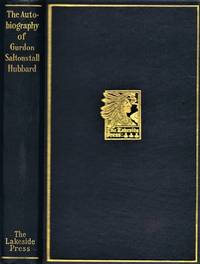
Hubbard, Gurdon Saltonstall; Caroline M McIlvaine (Intro)
The Autobiography of Gurdon Saltonstall Hubbard PA-PA-MA-TA-BE "The Swift Walker"
Chicago: R. R. Donnelley & Sons / The Lakeside Press. Very Good with no dust jacket. 1911. First Edition Thus. First Printing. Hard Cover. Publisher's full green cloth gilt lettering on spine gilt border and publisher's medallion gilt on cover t.e.g. fore-edge deckle. Illustrated with Tissue-Protected engraved portrait frontispiece. . Head of spine has very slight shelf-wear one faint scratch at the top edge of the front cover and a light scuff on the bottom edge of the rear cover else pristine unmarked tight square and clean. VERY GOOD. . The Lakeside Classics Series. Vol. 9. B&W Illustrations. 12mo 7" - 7½" tall. xxvii 182 pp . R. R. Donnelley & Sons / The Lakeside Press hardcover
Referenz des Buchhändlers : 19988
|
|
|
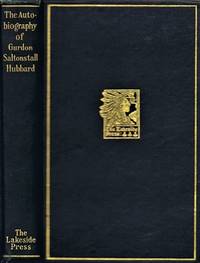
Hubbard, Gurdon Saltonstall; Caroline M McIlvaine (Intro)
The Autobiography of Gurdon Saltonstall Hubbard PA-PA-MA-TA-BE "The Swift Walker"
Chicago: R. R. Donnelley & Sons / The Lakeside Press. Near Fine with No dust jacket as issued. 1911. First Edition Thus. First Printing. Hard Cover. Publisher's full green cloth gilt lettering on spine gilt border and publisher's medallion gilt on cover t.e.g. fore-edge deckle. Illustrated with tissue-protected engraved portrait frontispiece. Gurdon Saltonstall Hubbard 1802 1886 was an American fur trader insurance underwriter and land speculator. Hubbard first arrived in Chicago on October 1 1818. He went on to build Chicago's first stockyard and help foment a land boom for Chicago in the East. On several trips throughout Illinois he became the adopted son of Chief Waba of the Kickapoo and married Watseka niece of Chief Tamin of the Kankakee Potawatomi. After he walked for 75 miles in a single night to warn the town of Danville of an impending raid by Indians he earned the nickname "Pa-pa-ma-ta-be" or "Swift-Walker." When a local Indian tribe questioned his ability to perform this feat he challenged their champion walker to a race. Hubbard's challenger lost by several miles and was unable to move the next day. Hubbard seemed to be unaffected. . Former owner's signature stamp on ffep otherwise unmarked gilt bright a few pages very lightly soiled corners sharp tight and square. NEAR FINE. . The Lakeside Classics Series. Vol. 9. B&W Illustrations. 12mo 7" - 7½" tall. xxvii 182 pp . R. R. Donnelley & Sons / The Lakeside Press hardcover
Referenz des Buchhändlers : 8463
|
|
|
Hubbard, Gurdon Saltonstall; Caroline M McIlvaine (Intro)
The Autobiography of Gurdon Saltonstall Hubbard
Chicago: R. R. Donnelley & Sons / The Lakeside Press. Near Fine with no dust jacket. 1911. First Edition Thus. First Printing. Hard Cover. Publisher's full dark green cloth with gilt lettering on spine gilt border on front cover embossed publisher's medallion on front cover in gilt t.e.g. fore-edge and bottom edge deckle. B&W portrait frontispiece with intact tissue guard. . Head and heel of spine and rear cover are very slightly rubbed gilt on spine is fading a tiny bit else pristine unmarked tight square and clean. NEAR FINE. . The Lakeside Classics Series. Vol. 9. B&W Illustrations. 12mo 7" - 7½" tall. xvii 182 pp . R. R. Donnelley & Sons / The Lakeside Press hardcover
Referenz des Buchhändlers : 15961
|
|
|
Hubbard, Gurdon Saltonstall.
THE AUTOBIOGRAPHY OF GURDON SALTONSTALL HUBBARD. Introduction by Caroline M. McIlvaine.
pp. xxvii, 182. Small 8vo. Original cloth spine over paper covered boards. Original priced dust jacket, soiled. Hardbound. Very good+. First published in 1911. This autobiography includes much on the American Fur Company, and the mid-West 1812 to 1830. Howes H-749. W12
|
|
|
Hubbuch, Karl
Frühe Zeichnungen, Druckgraphik, 30 er Jahre, Spätwerk
Michael Hasenclever München 1987. 78 n. n. Seitgen. Mit 137 teils farbigen Abbildungen. Farbig illustrierte Originalbroschur. 24x19 cm
Referenz des Buchhändlers : 139986

|
|
|
HUBER Alexander -
La montagna ed io.
Milano, Corbaccio, 2009, 8vo (cm 20 x 14) legatura editoriale con sovraccoperta illustrata a colori, pp. 270 con numerose fotografie a colori fuori testo.

|
|
|
Huber, Alexander und Karin Steinbach Tarnutzer
Der Berg in mir : Klettern am Limit. Mit Interviews von Karin Steinbach ERSTAUSGABE.
München : Malik, 2007. 312, [32] S. Mit zahlreichen farbigen Abbildungen ; 22 cm Originalpappband mit Originalumschlag
Referenz des Buchhändlers : 194502

|
|
|
Huber, Alfons und Huber Maier (Hrsg.)
Jahresbericht des Historischen Vereins für Straubing und Umgebung. 120.Jahrgang.
Straubing , Oskar Beck, 2018. 391 Seiten. Mit zahlreichen, teils farbigen Abbildungen. Originalpappband.22 cm
Referenz des Buchhändlers : 264545

|
|
|
Huber, Alfons und Johannes Prammer (Hrsg.)
Historischer Verein für Straubing und Umgebung. 103. Jahrgang. 2001..
Straubing, Historischer Verein für Straubing u. Umgebung, 2002. 560 Seiten mit zahlreichen Abbildungen im Text und auf Tafeln 24 cm. Originalbroschur.
Referenz des Buchhändlers : 245637

|
|
|
Huber, Alfons und Johannes Prammer (Hrsg.)
Historischer Verein für Straubing und Umgebung. 103. Jahrgang. 2001..
Straubing, Historischer Verein für Straubing u. Umgebung, 2002. 560 Seiten mit zahlreichen Abbildungen im Text und auf Tafeln 24 cm. Originalbroschur.
Referenz des Buchhändlers : 247134

|
|
|
Huber, Christian
Vom Himmel in die Hölle. Zeitzeugenbericht eins Nachtfernaufklärers.
Rosenheim, Rosenheimer Verlag 2014. 206 Seiten., 8°. illustrierte OPappe.,
Referenz des Buchhändlers : 97067

|
|
|
Huber, Clara (Herausgeber)
"... Der Tod ... war nicht vergebens". Kurt Huber zum Gedächtnis. ERSTAUSGABE.
München : Nymphenburger, 1986. 180 Seiten, 20 cm, Mit einigen Schwarz-Weiß- Abbildungen. Originalpappband mit Original-Schutzumschlag.
Referenz des Buchhändlers : 306800

|
|
|
Huber, Hans Dieter
Niels Stensen. Aus seinem Forscher-, Wander-, Priesterleben
Paderborn: Bonifatiuswerk der deutschen Katholiken, 1983. 20 cm ; kart.
Referenz des Buchhändlers : 98237

|
|
|
Huber, Inge
Curnonsky oder das Geheimnis des Maurice-Edmond Sailland. [Übers. der franz. Orig.: Regine Schmidt]
München : Coll. Rolf Heyne 2010. 255 S. : Ill. ; 26 cm Pappe 0
Referenz des Buchhändlers : 75738

|
|
|
Huber, Inge
Curnonsky oder das Geheimnis des Maurice-Edmond Sailland,
München, Collection Rolf Heyne, 2010. 4°, 255 S. mit zahlreichen s/w- und Farbabbildungen, original Leineneinband (Hardcover) mit original Schutzumschlag, Erstausgabe wie neu - noch original verschweißt.
Referenz des Buchhändlers : 15850CB

|
|
|
Huber, Inge
Curnonsky oder Das Geheimnis des Maurice-Edmond Sailland
München: Collection Rolf Heyne, 2010. 255 S. ; 25,5 x 20 cm ; Pp. ;
Referenz des Buchhändlers : 130244

|
|
|
Huber, Johannes
Biographische Skizzen und kulturhistorische Aufsätze.
Leipzig, Duncker & Humblot 1873. HLn. d. Zt. 447 S. 8°. Ebd. etw. berieb. Rücken aufgehellt. Stellenw. stockfl.
Referenz des Buchhändlers : 9896
|
|
|
Huber, Kurt
Stationen seines Lebens in Dokumenten und Bildern. Hrsg.: Kurt-Huber-Gymnasium, Gräfelfing. Für den Inhalt verantwortlich: Toni Liebl. Erstausgabe.
Gräfelfing: Albrecht, ohne Jahresangabe. 116 Seiten, mit dokumentarischen Abbildungen, Originalleinen mit Originalumschlag, ca. 22 x 28 cm.
Referenz des Buchhändlers : 308758

|
|
|
Huber, P. Engelbert
Marie Gabrielle, Prinzessin von Bayern.
Diessen, Jos. C. Huber, 1914. 3. Aufl. Mit 130 Bildern und 2 Faksimiles, 181 S. 8°, OLnbd. mit Goldprägung und Wappensupralibro.
Referenz des Buchhändlers : 193611
|
|
|
HUBER, Stephan
Stephan Huber 1987. (Ausstellung) Galerie Beatrix Wilhelm, Stuttgart 30 Januar bis 5. März 1988.
(Stuttgart) 1988. 24 n. n. Seiten. Mit meist ganzseitigen, farbigen Abbildungen. Originalbroschur. 24x17 cm
Referenz des Buchhändlers : 141124

|
|
|
Huber, Wolfgang
Dietrich Bonhoeffer.
München : C.H. Beck, 2020. Auf dem Weg zur Freiheit (Ein Porträt) 336 S. (22 cm) Pappband mit Umschlag / gebundene Ausgabe
Referenz des Buchhändlers : 56935
|
|
|
Huber-Greub, Barbara (Herausgeber)
Johann Jakob Bachofen : (1815 - 1887) ; eine Begleitpublikation zur Ausstellung im Historischen Museum Basel 1987. ERSTAUSGABE.
Basel : Historisches Museum, 1987. 152 Seiten : Mit Schwarz-Weiß- Abbildungen. ; 24 cm Originalbroschur.
Referenz des Buchhändlers : 295959

|
|
|
Hubert Seipel
Putin ora parla lui
Opera in buono stato di conservazione. Qualche segno sulla sovra copertina, interno ottimo

|
|
|
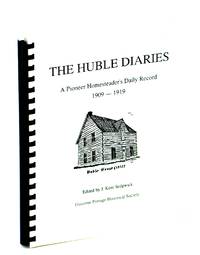
Huble, Al; Sedgwick, J Kent [Editor]
The Huble Diaries: A Pioneer Homesteader's Daily Record 1909-1919
Prince George BC: GIScome Portage Historical Society 1992. Book. Illus. by Bathy Stephen; Schaber Darrell. Good. Plastic Comb. Second Printing. 4to - over 9¾" - 12" tall. 217 pages. Index. Reprint of the 1989 first edition. Albert James Huble was born at Oak Lake Ontario in 1872. In 1903 he took up a trapline on a creek which came to bear his name to the northeast of Giscome Portage British Columbia. Provides excellent insight into the daily lives of settlers in northern B.C. Average wear. Unmarked. A sound copy. GIScome Portage Historical Society Paperback
Referenz des Buchhändlers : 463H3776
|
|
|
Huc, Evariste Regis (Abbe)
Travels In Tartary Thibet and China During The Years 1844-5-6
Chicago & London: Open Court Publishing 1900. First edition thus. Hardcover. Very Good. Octavos; xv 326; x 342 v pages black cloth with pictorial designs in yellow. spines a bit scuffed <br/><br/>Huc was a Vincentian missionary to Beijing and later Hei Shui beyond the Great Wall. Then he travelled to Tibet and opened a church at Lhasa. It was a remarkable journey. His considered remarks on Buddhism resulted in this memoir being put on the Index of Banned Books by the Catholic Church. This work exhibits "for the first time a complete representation of countries previously almost unknown to Europeans and indeed considered practically inaccessible . - publisher's Preface." Folding map 50 woodcuts Open Court Publishing hardcover
Referenz des Buchhändlers : 0006171
|
|
|
Huch, Ricarda
Die Geschichten von Garibaldi in 3 Teilen HIER : ZWEI (2) Bände. Band I : Die Verteidigung Roms . Roman. Viertes Tausend. ( 1906) Band II : Der Kampf um Rom . Roman. Dritte Auflage (1907). MIt Buchschmuck von Eduard Pfennig.
Stuttgart/Leipzig, Deutsche Verlags-Anstalt, 1907. 1907. 375, 371 Seiten. Rote Originalleinenbände mit reicher Deckel-und Rückenvergoldung. 20 cm
Referenz des Buchhändlers : 237776

|
|
|
Huch, Ricarda
In einem Gedenkbuch zu sammeln ... Bilder deutscher Widerstandskämpfer hrsg. und eingeleitet von Wolfgang-Matthias Schwiedrzik.
Leipzig, Leipziger Universitäts-Verlag, 1997. 251 S. MIt zahlr. s/w Abb. 25 cm. OPp.
Referenz des Buchhändlers : 96250

|
|
|
Huch, Ricarda
Michael Bakunin und die Anarchie. ERSTAUSGABE.
Leipzig, Insel Verlag, 1923. 271 Seiten. Originalleinen. 19,5 cm
Referenz des Buchhändlers : 306914

|
|
|
Huchthasen, Peter A.;Nguyen, Thi Lung
Echoes of the Mekong
Excellent copy, as-new in every respect with dust jacket showing light shelfwear only. "Autographed copy" sticker to front, signed on title page.
|
|
|
Huchting, Detmar
Beethoven : Ein biografischer Bilderbogen.
Hamburg : Edel Classics, 2007. 120 Seiten ; Mit zahlreichen farbigen Abbildungen ; Originalpappband mit Original-Schutzumschlag.
Referenz des Buchhändlers : 282242

|
|
|
Huck, Gerhard
Joseph Dietzgen : (1828 - 1888) ; e. Beitrag zur Ideengeschichte d. Sozialismus im 19. Jh. Geschichte und Gesellschaft ; Bd. 22. 1. Aufl.
Stuttgart : Klett-Cotta, 1979. 194 S.; 23 cm. Originalleinen.
Referenz des Buchhändlers : 1077901

|
|
|

 Per e-mail erhalten
 Als pdf-Dokument herunterladen
 RSS feed
 Permanenter link


