|
GUHA, ANDREAS.
Der Tod in der Grauzone. Ist Europa noch zu verteidigen.
|
|
|
GUIA.
MUSEO DEL EJERCITO. GUIA DEL VISITANTE.
24x17. 13p. Anotaciones a lápiz. Falta foto de cubierta. Fotogr.

|
|
|
GUIBERT (Comte de).-
Stratégiques. Introduction de Jean-Paul Charnay.
1977 Paris, L'Herne (Collection "Classiques de la Stratégie"), 1977, fort volume in 8° broché, 727 pages ; 12 cartes hors-texte ; couvetrure illustrée.
书商的参考编号 : 85454
|
|
|
GUIBERT (Jacques, comte de).
Stratégiques.
L'Herne, 1977, fort in-8°, 727 pp, introduction de Jean-Paul Charnay, 11 planches hors texte in fine et 2 dépliants de planches volants, chronologie, broché, couv. illustrée à rabats (très lég. salie), bon état (Coll. Classiques de la stratégie)
书商的参考编号 : 18156
|
|
|
GUIBERT (Jacques-Antoine-Hippolyte de)
Journal d'un voyage en Allemagne, fait en 1773,. par G.A.H. [sic] Guibert, de l'ancienne Académie française, auteur de l'Essai général de tactique. Ouvrage posthume, publié par sa veuve, et précédé d'une notice historique sur la vie de l'auteur, par F.E. Toulongeon
A Paris, an XI - 1803., chez Treuttel et Würtz,, an XI - 1803 2 tomes en 1 volume in-8, 326 pp. et 299 pp., demi-veau havane glacé, dos lisse orné de filets dorés et de fleurons à froid, tranches cailloutées (Gaudard).
书商的参考编号 : 241586
|
|
|
GUIBERT (Jacques-Antoine-Hippolyte de)
Écrits militaires. 1772-1790. Préface et notes du général Ménard
Paris, Copernic, 1977 in-8, 306 pp., biblio., demi-chagrin orange, dos à nerfs orné d'un fleuron et de filets noirs. Souligné et annoté au stylo rouge sur quelques pages. Ex-libris Collection Ulrich.
书商的参考编号 : 224367
|
|
|
GUIBERT (Jacques-Antoine-Hippolyte de).
Oeuvres militaires de Guibert. publiées par sa veuve, sur les manuscrits et d'après les corrections de l'auteur
Paris, Magimel, an XII - 1803 5 vol. in-8, demi-veau fauve marbré, dos lisses richement cloisonnés et fleuronnés, pièces de titre vertes, plats de cartonnage fauve raciné, tranches citron (reliure de l'époque). Quelques rousseurs.
书商的参考编号 : 242318
|
|
|
Guibert Adrien
Dictionnaire géographique et statistique
in4. Sans date. Relié.
书商的参考编号 : 176491

|
|
|
GUIBERT Comte De
Stratégiques
Paris L'Herne 1977 Fort Petit In-8 737 pp et fac simile de planches, introduction de Jean-Paul Charnay
书商的参考编号 : 24744
|
|
|
GUIBERT Jacques Antoine hippolyte Comte de.
Essai général de tactique
précédé d’un discours sur l’état actuel de la politique & de la science militaire en EuropeTome 1er,première édition in 8 plein cuir fauve raciné à nerfs,titre,fers,roulette dorés.Roulette dorée sur coupes d’époque. Faux-titre, titre CLX 411 pages,tranches rouges, complet des 12 planches dépliantes en fin de volume.A Londres 1772,très bon état.L'un des meilleurs essais sur la guerre qui fût produit par un soldat durant cette période. Il fut abondamment commenté dans les salons jusqu'en 1871. Indépendamment des questions techniques,son point de vue éclairé fut largement repris à travers toute l'Europe, spécialement dans la période 1763-1792.Il présentait ainsi la révolution imminente dans l'art de la guerre,une révolution que les tacticiens,eux-mêmes,n'avaient pas vu venir comme le service militaire.Une prévision accomplie presque à la lettre vingt ans après la mort de Guibert.
书商的参考编号 : 5608

|
|
|
GUICHARD (Auguste-Charles)
Méthode à l'usage des écoles régimentaires.
Paris, chez l'auteur, 1831 in-8, 24 pp., plan d'une salle d'école régimentaire h.t., broché, couv. papier rose de l'époque. Tache brune dans l'angle supérieur droit.
书商的参考编号 : 164497
|
|
|
GUICHARD (Charles-Théophile)
Mémoires critiques et historiques sur plusieurs points d'antiquités militaires. Réimpression de l'édition 1774. Avec introduction par H. Zopf
Osnabrück, Biblio Verlag, 1974 4 vol. in-8, XXVII-[8]-383, [6]-385, [6]-393 et [6]-359-[5]-32 pp., avec 19 planches (dont 2 frontispices et 17 planches dépliantes), bradel cartonnage vert (rel. éditeur). Gorge sup. feudue (petit mque) et dos détaché du T. I.
书商的参考编号 : 163624
|
|
|
GUICHARD Louis
La bouée de Cliff. Collection : Témoignages des combattants français, N° 5.
Paris, Les Etincelles, 1930. 14 x 19, 73 pp., broché, non coupé, couverture rempliée, très bon état.
书商的参考编号 : 87301
|
|
|
GUICHARD, Louis.
La Guerre des Enseignes.
Paris, Renaissance du Livre. 1929. In-12. Broché. Etat d'usage, Coins frottés, Dos frotté, Quelques rousseurs. , 1929, in 12, broché, 240 pp.. . . . Classification Dewey : 359-Marine militaire
书商的参考编号 : R300262743
|
|
|
GUICHE (Comte de)
Mémoires du Comte de Guiche ; concernant les Provinces-Unies des Pays-Bas, tome 1
Utrecht, chez Vander-AA, 1744 - in-8, 332 pp. - br. couv. d'attente, non rogné
书商的参考编号 : 3250
|
|
|
Guichen
Pierre le Grand et le premier traite franco-russe (1682 à 1717) Préface du Baron de Courcel
Perrin et cie 1908 in8. 1908. Broché. ouvrage orné de 5 portraits
书商的参考编号 : 256231

|
|
|
Guide Album
Les plus beaux sites archéologiques de la france
Electis 1993 in4. 1993. Cartonné. avec boitier carton de rangement éditeur
书商的参考编号 : 187324 ???????? : 2092783998

|
|
|
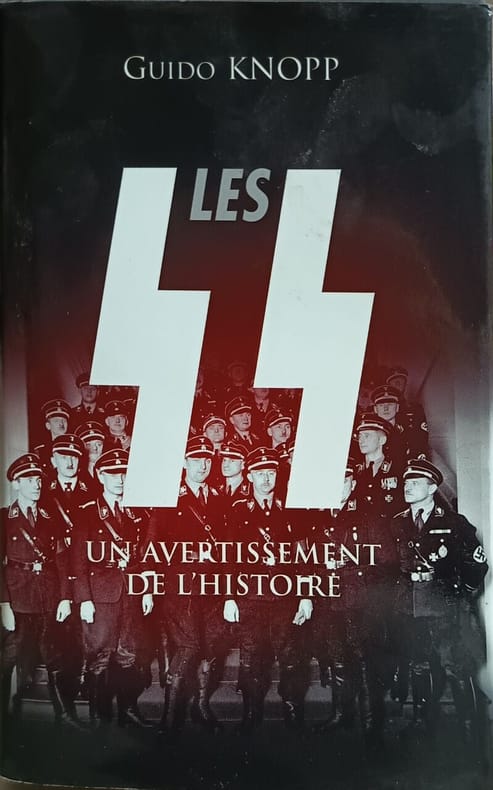
Guido Knopp
Les SS : Un avertissement de l'histoire
France loisirs 2004 562 pages in8. 2004. cartonné jaquette. 562 pages. Ce livre de l'historien allemand Guido Knopp dresse un bilan historique complet de la SS (Schutzstaffel) l'organisation nazie également appelée "Ordre Noir" créée comme garde personnelle d'Hitler et devenue une machine de mort essentielle au régime. L'auteur s'appuie sur des sources inédites et des témoignages de dernières victimes et bourreaux pour retracer avec rigueur sa naissance son organisation et ses crimes
书商的参考编号 : 10058
|
|
|
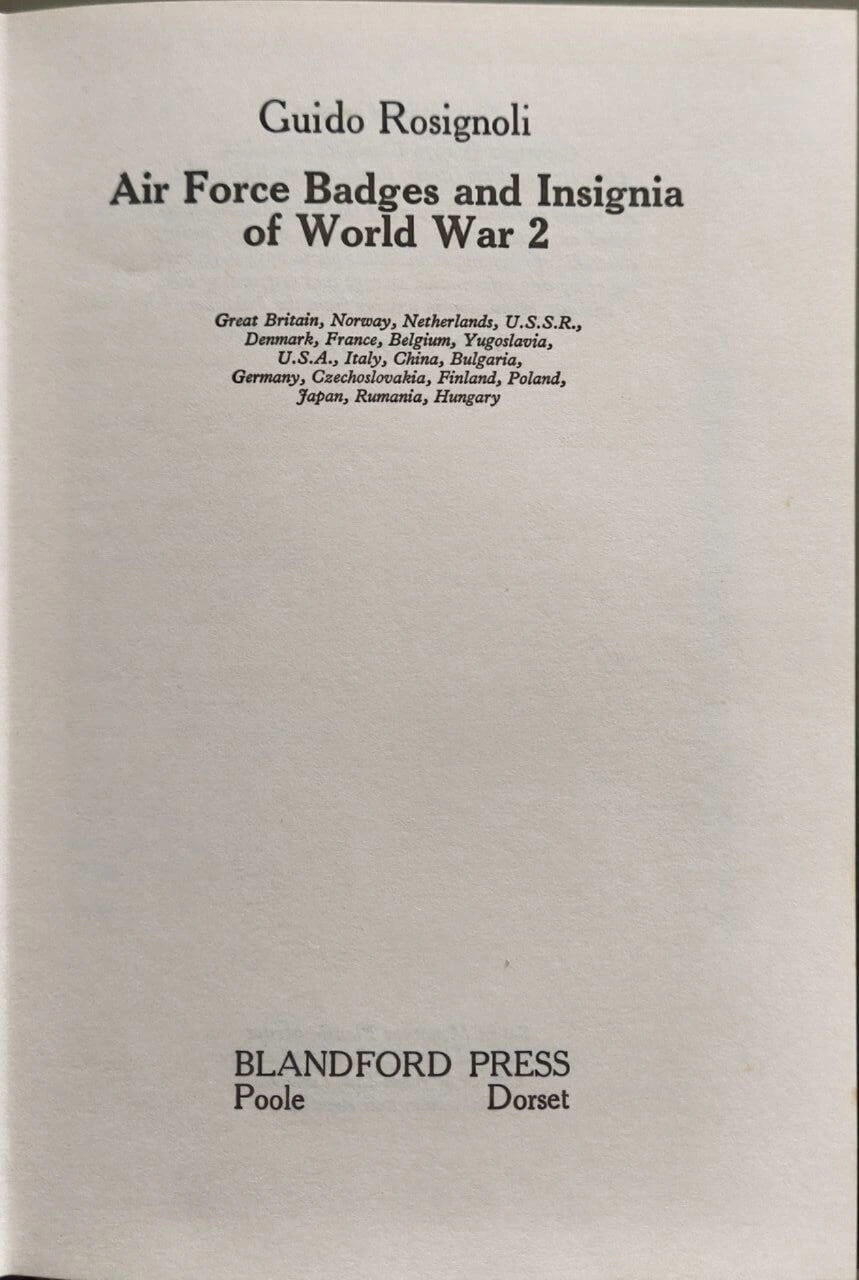
guido-rosignoli
Air Force badges and insignia of World War 2 - EO
Blandford Press 1976 200 pages 13 208x2 032x19 558cm. 1976. reliure editeur pleine toile. première édition. 200 pages. Ce livre de Guido Rosignoli publié par Blandford Press est un ouvrage de référence illustré qui recense les insignes badges ailes de qualification et emblèmes brodés portés par les personnels des forces aériennes des nations ayant participé à la Seconde Guerre mondiale. L'édition combinée inclut également les insignes des forces navales et des marines
书商的参考编号 : 18509 ???????? : 713707771
|
|
|
GUIERRE Maurice
La victoire des convois.
Paris, Amiot-Dumont, 1954. 16 x 21, 290 pp., quelques illustrations, broché, bon état (couverture défraîchie).
书商的参考编号 : 35571
|
|
|
GUIERRE, Maurice.
"L'épopée du ""Surcouf"" et le Commandant Blaison."
Bellenand. 1952. In-8. Broché. Etat d'usage, Coins frottés, Dos frotté, Intérieur frais. Paris, Bellenand, 1952, in 8, broché, 248 pp.. . . . Classification Dewey : 359-Marine militaire
书商的参考编号 : R300262747
|
|
|
GUIERRE, Maurice.
L'Andromède. Roman d'un sous-marin.
LA NOUVELLE SOCIETE D'EDITION. 1929. In-12. Relié. Bon état, Couv. convenable, Dos satisfaisant, Intérieur frais. Paris, La Nouvelle Société d'Edition, 1929, in 12, reliure demi-percaline, 285 pp. . . . . Classification Dewey : 359-Marine militaire
书商的参考编号 : R300262748
|
|
|
GUIERRE, Maurice.
La victoire des convois.
Amiot-Dumont. 1954. In-8. Broché. Etat d'usage, Couv. défraîchie, Mors fendus, Intérieur acceptable. Paris, Amiot-Dumont, 1954, in 8, broché, photos, 290 pp.. . . . Classification Dewey : 359-Marine militaire
书商的参考编号 : R300262745
|
|
|
GUIERRE, Maurice.
Marine Dunkerque.
Flammarion. 1942. in-12. Broché. Etat d'usage, Couv. défraîchie, Dos frotté, Intérieur frais. Paris, Flammarion, 1942, in 12, broché, 284 pp.. . . . Classification Dewey : 359-Marine militaire
书商的参考编号 : R300262744
|
|
|
GUIGNARD
L'École de Mars. ou Mémoires instructifs sur toutes les parties qui composent le corps militaire en France, avec leurs origines, & les différentes manoeuvres ausquelles elles sont employées. Dédiée au Roy
Paris, Simart, 1725 2 forts vol. in-4, titre-front. gravé, [10]-XXII-[2]-739 et [2]-642 pp., avec 31 pl. gravées, veau fauve raciné, dos lisse à caissons richement ornés, hachures dorées sur les coupes, tranches citron (rel. de la fin du XVIIIe ). Dos uniformément insolés.
书商的参考编号 : 156010
|
|
|
GUIGNARD (M. de)
L'école de Mars ou Mémoires instructifs sur toutes les parties qui composent le Corps militaire en France,avec leurs origines, & les différentes manœuvres auxquelles elles sont employées. Deux volumes in Quarto enrichis d'un grand nombre de Figures.
Bulletin de souscription de l'ouvrage paru deux ans plus tard. Plan des deux volumes en préparation et conditions proposées aux souscripteurs.
|
|
|
GUIGUES (Commandant).
L'instruction du soldat en vue du combat.
Charles-Lavauzelle, 1931, in-8°, 120 pp, tableaux indiquant les principaux exercices de dressage du soldat, broché, bon état
书商的参考编号 : 21031
|
|
|
GUILCHER J. M. LE
MACHINES ET APPAREILS AUXILIAIRES DE LA MARINE DE COMMERCE - DESCRIPTION, REGULATION, CONDUITE
AUGUSTIN CHALLAMEL. 1910. In-4. Relié. Etat d'usage, Couv. convenable, Mors fendus, Intérieur frais. 261 pages augmentées de nombreuses planches dépliantes d'illustrations en noir et blanc. . . . Classification Dewey : 359-Marine militaire
书商的参考编号 : RO30142760
|
|
|
Guilebon J. de (Colonel)
Leclerc le victorieux, 1902-1947
Fondation Maréchal Leclerc de Hauteclocque Dos agrafé In-8 (16 x 24 cm), dos agrafé, sous chemise cartonnée reliée par un amateur, 117 pages, sans date, avec une plaquette sur le Maréchal Leclerc et une carte des insignes de la 2e DB ; pliure au quatrième plat, rousseurs et traces sur les plats, ensemble du volume piqué de traces de mouillure et d'humidité, en l'état. Livraison a domicile (La Poste) ou en Mondial Relay sur simple demande.
书商的参考编号 : mz874
|
|
|
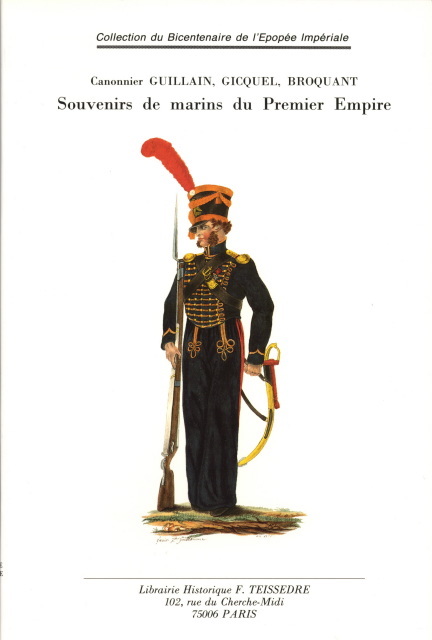
GUILLAIN , GICQUEL , BROQUANT
Souvenirs de marins du Premier Empire.
Paris, Librairie Historique F. Teissèdre, 1998 16 x 24 cm, 176 pp., broché.
书商的参考编号 : 8993
|
|
|
GUILLARD
L' Armée et la milice.
Tours, Ladevèze, 1871 in-8, 92 pp., demi-basane brune, dos lisse orné de filets dorés (reliure de l'époque). Dos et plats très frottés. Coupes et coins usés. Rousseurs. Charnière interne fendue. Cachets annulés.
书商的参考编号 : 186733
|
|
|
GUILLARD
L' Armée et la milice.
Tours, Ladevèze, 1871 in-8, 92 pp., demi-basane brune (reliure de l'époque). Accoc au dos, dos muet. Cachets annulés.
书商的参考编号 : 191747
|
|
|
GUILLAUME baron lt.-gen.
Histoire des régiments nationaux des Pays-Bas au service d'Autriche
xix + 420pp., 23cm., belle reliure plein-cuir en marocain rouge, titre et fleurons doré et monogramme royale de la Belgique dorés au dos, encadrement à froid aux plats, armoirie de la Belgique dorée au centre du premier plat, coins peu frottés, toutes tranches dorées, feuilles de garde marbrées, livre de prix, cachet sur la p.d.t., qqs. rousseurs occasionnelles, bon état, B95348
|
|
|
GUILLAUME baron lt.-gen.
Histoire des régiments nationaux des Pays-Bas au service d'Autriche
xix + 420pp., 23cm., brochure originale (peu tachée, dos renforcé aux bouts), texte frais, B95348
|
|
|
GUILLAUME baron lt.-gen.
Histoire des régiments nationaux des Pays-Bas au service d'Autriche
Bruxelles, Muquardt 1877 xix + 420pp., 23cm., belle reliure plein-cuir en marocain rouge, titre et fleurons doré et monogramme royale de la Belgique dorés au dos, encadrement à froid aux plats, armoirie de la Belgique dorée au centre du premier plat, coins peu frottés, toutes tranches dorées, feuilles de garde marbrées, livre de prix, cachet sur la p.d.t., qqs. rousseurs occasionnelles, bon état, B95348
书商的参考编号 : B95348
|
|
|
GUILLAUME baron lt.-gen.
Histoire des régiments nationaux des Pays-Bas au service d'Autriche
Bruxelles, Muquardt 1877 xix + 420pp., 23cm., brochure originale (peu tachée, dos renforcé aux bouts), texte frais, B95348
书商的参考编号 : B104326
|
|
|
Guillaume de Lamboy, Baron (1590-1659)
Porträt. Brustfigur nach halblinks, Unterrand mit Beschriftung. Kupferstich von Pieter de Jode.
Antwerpen, 1649. Format (Platte): 16,7 x 12,7 mm (Blattgröße: 290 x 222 mm).
书商的参考编号 : 119632

|
|
|
GUILLAUME G.
Histoire des régiments nationaux belges, pendant les guerres de la Révolution Française, 1792-1801, d'après des documents officiels et inédits
x + 244pp., avec frontispice en couleurs, 23cm., reliure cart. moderne (plats marbrés, dos en toile avec titre doré), bon état, B99251
|
|
|
GUILLAUME G.
Histoire des régiments nationaux belges, pendant les guerres de la Révolution Française, 1792-1801, d'après des documents officiels et inédits
x + 244pp., avec frontispice en couleurs, 23cm., reliure cart. d'époque (dos en cuir vert avec titre et nerfs dorés, plats marbrés), feuilles de garde marbrées, bon état, B104251
|
|
|
GUILLAUME G.
Histoire des régiments nationaux belges, pendant les guerres de la Révolution Française, 1792-1801, d'après des documents officiels et inédits
Bruxelles, Auguste Decq 1855 x + 244pp., avec frontispice en couleurs, 23cm., reliure cart. moderne (plats marbrés, dos en toile avec titre doré), bon état, B99251
书商的参考编号 : B99251
|
|
|
GUILLAUME G.
Histoire des régiments nationaux belges, pendant les guerres de la Révolution Française, 1792-1801, d'après des documents officiels et inédits
Bruxelles, Auguste Decq 1855 x + 244pp., avec frontispice en couleurs, 23cm., reliure cart. d'époque (dos en cuir vert avec titre et nerfs dorés, plats marbrés), feuilles de garde marbrées, bon état, B104251
书商的参考编号 : B104251
|
|
|
Guillaume Le Blond
Eléments de fortification, contenant la construction raisonnée des ouvrages de la fortification ; les systêmes des ingénieurs les plus célèbres ; la fortification irrégulière ; le tracé des redoutes, forts de campagne, &c. Avec un plan des principales instructions pour former les jeunes officiers dans la science militaire. Septième édition, augmenté d'un discours sur l'utilité des places fortes ; de nouvelles notes, & d'observations particulières sur différents objets de la fortification.
Charl. Ant. Jombert, Paris, 1775. Septième édition. In-8, relié plein cuir, dos à 5 nerfs, caissons ornés, pièce de titre grenat, filets sur coins et coiffes. 413 pages - 37 planches dépliantes. Coiffe de tête rognée. Dos bon. Mors convenables. Plats corrects. Coins émoussés. Gouttière partiellement usée. Intérieur très bon et complet. Planches très bonnes. Bon exemplaire de témoignage.
书商的参考编号 : STRAT342M

|
|
|
Guillaume Le Blond
Traité de la défense des places, avec un précis des observations les plus utiles pour procéder à la visite ou à l'examen des villes fortifiées; Un abrégé des principes généraux qui peuvent servir à l'établissement des quartiers d'hyver; et un dictionnaire des termes de l'Artillerie, de la Fortification, de l'Attaque & de la défense des places.
Chez Charl. Ant. Jombert, Paris, 1762. Seconde Édition retouchée et augmentée. In-12, relié plein cuir, dos à 5 nerfs, pièce de titre grenat, caissons ornés, filets sur tranches. XXIII + 318 + IV + 153 + 3 Illustrations 5 planches + 17 tableaux. Petites déchirures aux coiffes et quelques accrocs aux mors. Tranches bonnes. Coins émoussés. Plat avant convenable. Second plat fatigué et cogné. Dos dos. Planches en très bon état. Intérieur agréable et complet. Bon exemplaire à rafraîchir.
书商的参考编号 : STRAT340M

|
|
|
GUILLAUME M. (le Frère)
LE BOISTISSANDEAU
1980 broché (paperback) grand in-octavo, dos (spine) blanc légèrement défraîchi (lightly faded), première de couverture ornée d'une illustration photographique en bandeau (front cover illustrated with photographic illustration in headpiece), illustrations in et hors-texte (in text and full page engraving), 88 pages, 1980 Les Herbiers Imprimerie Verrier,
书商的参考编号 : 10003
|
|
|
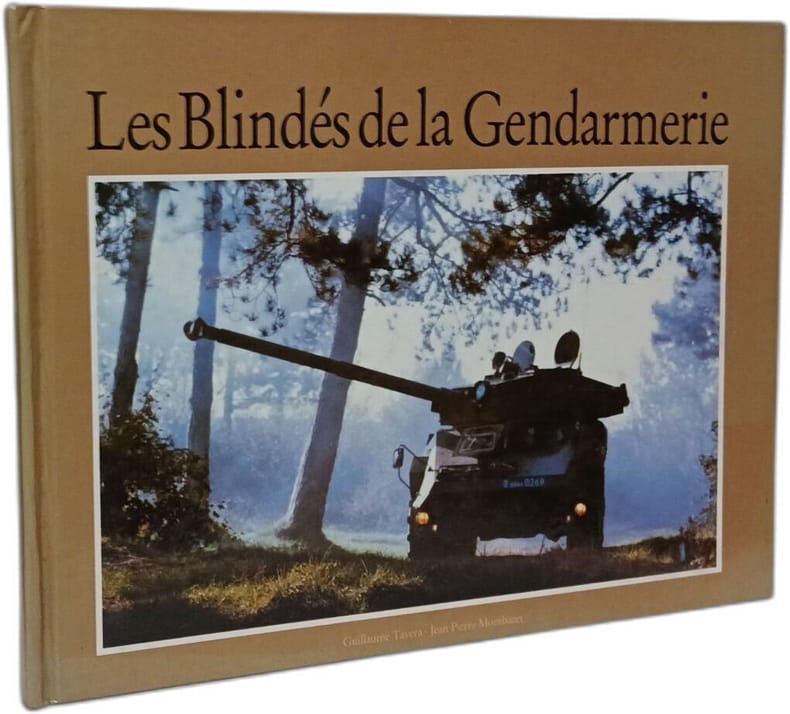
Guillaume Tavera
Les blindés de la Gendarmerie
Mdm 1992 511 pages in4. 1992. Cartonné. 511 pages.
书商的参考编号 : 100155308
|
|
|
Guillaume, P.
Machines auxiliaires en usage sur les batiments de la flotte. Tome III des planches seul.
Paris, Challamel, 1896. In-folio, pleine toile éditeur, dos lisse, titre doré, titre estampé à froid, sur le plat supérieur. Titre, 1 f non chiffré (table des planches), 95 planches doubles. Ouvrage contenant 95 planches doubles (93 + 3 bis et 72 bis). Etiquettes au dos, fente aux mors supérieur en tête, coins un peu abîmés, pliures sur la page de titre, la table, la planche I et la dernière planche.
书商的参考编号 : DEZ-8387

|
|
|
GUILLEME , Maire [LE PALLET]
CERTIFICAT DE GUILLEME, MAIRE DU PALLET, DECLARANT LA VEUVE DE RENE SORIN (TUE PENDANT LA GUERRE DE VENDEE PAR L'ARMEE REPUBLICAINE) , ETANT DANS L'INDIGENCE, DIGNE DES SECOURS DU GOUVERNEMENT - 1815
1815 un document Original Authentique d'un feuillet, manuscrit à l'encre brune sur papier vergé ligné bleuté filigrané (filigrane imperial), format : 13 centimètres de HAUT par 21 centimètres de LARGE, en Mairie du Pallet, le 8 Janvier 1815, lettre signée Guillemé maire avec cachet de la mairie,
书商的参考编号 : 18350
|
|
|
Guilleminault
Le roman vrai de la IIIe république six tomes: prélude à la belle époque; la belle époque; avant 14; les années folles; les années difficiles; les lendemains qui ne chantaient pas
Denoël 1957 in12. 1957. Cartonné. Le roman vrai de la IIIe république six tomes: prélude à la belle époque; la belle époque; avant 14; les années folles; les années difficiles; les lendemains qui ne chantaient pas - illustrations en noir et blanc manque la jeunesse de marianne
书商的参考编号 : 262109

|
|
|
Guilleminault Gilbert
La france de la madelon 1914-1918 le roman vrai de l'arrière
Denoël 1965 in8. 1965. Cartonné jaquette.
书商的参考编号 : 174041

|
|
|
Guilleminault Gilbert
Prélude à la belle époque -Le roman vrai de la IIIe république
Le livre de poche 1966 380 pages in12. 1966. Broché. 380 pages.
书商的参考编号 : 196059

|
|

 ?????????
 ?????PDF???
 RSS feed
 ??
??


