|
GAVARNI, [Paul] (di Hippolyte Sulpice Guillaume Chevalier). d i
Masques et visages.
Paris Paulin et Lechevalier 1857. Kl.-8°. 248 S. Mit ganzs. Porträt und über 400 figürlichen Textvignetten in Holzstich. Halbleinenbd. d. Zt. m. marmor. Überzugspapier u. goldgepr. Titel auf mont. farb. Rüschi.; unbeschnitten Orig.-Einbd. m. fig. Vign. in Beibindung. Einbd. etw. angestaubt an den Kanten abgewetzt Ecken bestoßen eine Ecke ausgebrochen Vorsätze gebräunt ein Vorsatzbl. lose Buchdeckel der OKart. angeschmutzt u. knittrig im Text stärker stockfl. Exlibris auf vord. Spiegel. Vicaire III 955; Carteret 264 nicht bei Sander. Erste Ausgabe. Im Anhang mit 25-seitigem Werkverzeichniss des Verfassers in alphabetischer Rheinfolge. Serie kleiner figürlicher Vignetten aus dem Spätwerk des französischen Zeichners Grafikers und Aquarellisten Paul Gavarni 1804-1866. Die Illustrationen entstanden zunächst als Lithographien für die Zeitschrift 'Paris' für die G. 1852 täglich verpflichtend eine Abbildung beisteuerte. - G. war als Illustrator für verschiedene Zeitungen tätig und gilt neben Daumier als bekanntester Mitarbeiter von 'Le Charivari'. Sein Interesse galt weniger der politischen Karikatur als dem Sittenbild. In seinen Illustrationen schildert er geistreich und treffsicher v. a. die frivole Seite des Pariser Kleinbürgerlebens und der Demimonde. Seine Auseinandersetzung mit dem Elendsleben des Proletariats in den Londoner Slums G. hielt sich 1847 und 1848-51 in England auf gipfelte 1849 in seiner berühmten Holzschnittfolge 'Gavarni in London'. Sein späterer Stil ist durch einen stärkeren linearen Ausdruck gekennzeichnet. G.s grafisches Werk umfasst mit seinen Buchillustrationen insgesamt 8000 Arbeiten. Paris, Paulin et Lechevalier 1857. unknown
Referentie van de boekhandelaar : STLA0040
|
|
|
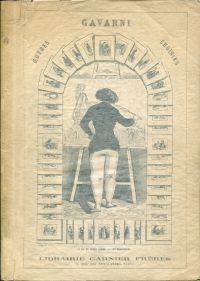
Gavarni, [Paul]
Oeuvres choisies de Gavarni.
1848 . 2 Werke in 1 Band. Paris: J. Hetzel Garnier Frères 1848. Lex.-8°. 1 Titelvignette. 30 50 Holzstiche auf 80 Taf. 1 Holzstich auf Einband. Bildverzeichnis Broschiert mit Percalinumschlag Papier altersbedingt leicht gebräunt; Ecken leicht bestossen und teilweise mit kleinen Fehlstellen ohne Textverlust; Pewrcalinumschlag mit leichten Randläsuren; sonst altersmässig gut erhalten unknown
Referentie van de boekhandelaar : 77667BB
|
|
|
GAVARNI, [Guillaume Sulpice Chevallier, known as] [1804-1866].
Oeuvres Choisies Édition Spéciale.
Paris: Librairie J.Hetzel c1846. Comprising: Les Enfants terribles Traduction en langue vulgaire Le Lorettes Les Actrices Fourberies des femmes en matière du sentiment Clichy Paris le soir Le Carnaval à Paris Paris le matin Les Étudiants de Paris Va Vie de jeune homme and Les Débardeurs. Preface by Théophile Gautier. folio. unpaginated. 520 wood-engraved text illus. with legends. title vignette. contemporary quarter roan spine wanting extremities worn some light spotting Paris: Librairie J.Hetzel, [c1846] unknown
Referentie van de boekhandelaar : elala5224
|
|
|
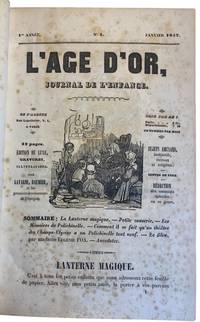
GAVARNI, DAUMIER et al
L'Age d'or : livre instructif et amusant deÌdi ÌaÌ€ la jeunesse
Paris: Chez prinipaux libraires 1842. First edition. A first printing of the full first year of this journal for children. full of engraved illustrations by Gavarni Daumier etc. The magazine was issued in 12 monthly parts throughout 1842. Here gathered together with a separate half title and title page date 1843. Burgundy leather spine with green paper covered boards. Gilt titles. The spine and boards are a little rubbed but sound and holding well. There is foxing to the first and last few pages but most of the text block is clean. A nice copy of a rare item. Each of the issues is 32 pages in length. Final page blank apart from printer's details to December issue. 25cm x 16.5cm. Conforms to WorldCat OCLC Number: 78219850. . Première édition. Premier tirage de la première année complète de ce journal pour enfants. Plein d'illustrations gravées par Gavarni Daumier etc. Le magazine a été publié en 12 parties mensuelles tout au long de l'année 1842. La revue a été publiée en 12 parties mensuelles tout au long de l'année 1842. Elle est ici réunie avec un demi-titre séparé et une page de titre datée de 1843. Dos en cuir bourguignon et plats recouverts de papier vert. Titres dorés. Le dos et les planches sont un peu frottés mais ils sont sains et tiennent bien. Il y a des rousseurs sur les premières et dernières pages mais la majeure partie du texte est propre. Un bel exemplaire d'un ouvrage rare. Chaque numéro compte 32 pages. La dernière page est vierge à l'exception des détails de l'imprimeur pour le numéro de décembre. 25 cm x 165 cm. Conforme à WorldCat Numéro OCLC : 78219850. Chez prinipaux libraires hardcover
Referentie van de boekhandelaar : 4876
|
|
|
GAVARNI, Guillaume Sulpice Chevallier, known as] [1804-1866]
Collection of 58 lithographs from the Oeuvres Nouvelles
Paris: Librairie Nouvelle c1853. 1853. folio. modern half pigskin worn joints cracked the lithographs themselves in very good clean condition original illus. wrs. of 6 parts bound in. The Oeuvres Nouvellles was issued in 1853-54 in a series of ten parts of ten lithographs each. This is a grouping of six parts two of which lack one plate each sub-title as given on front wrapper of each part or at head of caption: Les Maris Me Font Toujours Rire 9 plates only numbered from 21-30: lacking no. 22; Histoire De Politiquer 10 plates numbered from 11-20; Piano the sub-title a paste-over in manuscript; 10 plates numbered from 1-10; Bohêmes 10 plates numbered from 11-20; Les Parents Terribles 10 plates numbered from 11-20; Ce Qui Se Fait Dans Les Meilleurs Sociétés the sub-title a printed paste-over numbered from 1-9; lacking no. 10. Each plate has a caption title and heading title Masques Et Visages. Paris: Librairie Nouvelle, [c1853]. unknown
Referentie van de boekhandelaar : IVAllGAV17

|
|
|
Gavarni, Henri Monnier, Tony Johannot
Album Types Français. Cris de Paris .Gavarni Henri Monnier Tony Johannot . First edition.
Paris: Typographie Ernest Meyer circa 1850. 4to. Original wraps. worn around edges but intact 22x 33 cm. 30 plates each with two wood engravings of types of people in a variety of métiers.OCLC Number: 718632646Kaufrufe und Strassenhandler. Cries and Itinerant TradesHANNOT CHARLES. ALBUM TYPES…GAVANI MONNIER ET JOHANNOT Charles. Album types français. Paris Typographie Ernest Meyer vers 1850; in-4 oblong environ 50 pp. broché couverture imprimée. Paris: Typographie Ernest Meyer, circa 1850 paperback
Referentie van de boekhandelaar : 51-3597

|
|
|
Gavarni, ie, Sulpice-Guillaume Chevallier i e
Grand album Gavarni. 40 des plus jolies caricatures de Gavarni.
Paris: Beauger et Cie; Lith Coulon et Cie n.d. about 1850. Acceptable. 35 cm; Lithographed title page and 40 full-page lithographed plates with captions. Bound in plain black morocco with leather backstrip decorated in gilt. Head and tail worn with loss. Corners and edges worn with some fraying. Light scattered foxing. <br /><br />One of the great masters of lithography" says Gordon N. Ray. Beauger et Cie; Lith Coulon et Cie hardcover
Referentie van de boekhandelaar : 5995

|
|
|
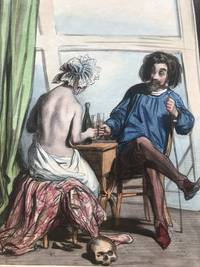
GAVARNI, Paul
'Les Artistes' plate No.3
Paris 1838. Hand coloured plate taken from the work Les Artistes by Gavarni. It shows an artist and his muse sharing some champagne. Under the image it reads: La Madelaine c'etait une femme qu'avait fait des betises n'est pas m'sieu Henry A Mort ! Page has a small water stain on the bottom left and adhesive residue mark to the outer top edge. Otherwise very good - and scarce - work. It would be perfect for framing. 340 x 260 mm 13½ x 10¼ inches. . Planche coloriée à la main tirée de l'oeuvre Les Artistes de Gavarni. Elle montre un artiste et sa muse partageant du champagne. Sous l'image on lit : La Madelaine c'était une femme qu'avait fait des betises n'est pas m'sieu Henry Un mort ! La page a une petite tache d'eau en bas à gauche et une marque de résidus d'adhésif sur le bord supérieur extérieur. Sinon très bon - et rare - travail. Ce serait parfait pour l'encadrement. 340 x 260 mm unknown
Referentie van de boekhandelaar : 3069
|
|
|
GAVARNI, Paul [pseudonym of Guillaume Sulpice Chevallier]; DAUMIER, Honore; VERNIER, Charles; TRAVIES, Charles Joseph
A fine album of thirty-three superb hand colored lithograph plates heightened with gum arabic
Paris: Chez Aubert 1837. An Amazing Collection of Thirty-Three Superb Hand Colored Lithographs <br /> By the Best French Caricaturists - From Some of their best Series<br /> <br /> GAVARNI Paul. pseudonym of Guillaume Sulpice Chevallier. DAUMIER Honoré. VERNIER Charles. TRAVIES Charles Joseph. <br /> <br /> A fine album of thirty-three superb hand colored lithograph plates heightened with gum arabic. Comprising 15 by Paul Gavarni; 7 by Honoré Daumier; 4 by Bouchot; 3 by Travies; 2 by Charles Vernier; 1 by Provost and 1 by Pruche. Paris: Chez Aubert ca. 1837-1850.<br /> <br /> Oblong quarto 9 5/8 x 12 7/8 inches; 244 x 237 mm. Thirty-three fine hand colored lithographs all heightened with gum arabic. The fifth plate Les Enfans Terribles slightly shorter at outer margin. Some very occasional marginal soiling otherwise a remarkably fine and clean suite.<br /> <br /> Contemporary quarter green scored calf over dark red cloth boards smooth spine elaborately decorated in gilt yellow endpapers.<br /> <br /> A very fine collection of hand colored lithographs by Gavarni Daumier Bouchot Travies Vernier Provost and Pruche.<br /> <br /> These are from the series Les Étudiens de Paris; Les Domestiques; Contributions Indirectes; Scenes Bachiques; Les Enfans Terribles; Les Debardeurs; Fourberries de Femmes; Le Carnaval; Émotions Parisiennes; Les Rues de Paris; Soins Tyranniques; Chasse et Peche; Les Francais Croqués par eux Mèmes; Ce Que Parler Veut Dire; Les Gamins de Paris; Paris le Soir; and Moeurs Conjugales.<br /> <br /> An amazing collection of thirty-three fine hand colored lithographs by the best artists from some of their best series.<br /> <br /> The Plates:<br /> <br /> 1. LES ÉTUDIANS DE PARIS.<br /> - Combien<br /> - Devine.<br /> - Trente francs.<br /> - Quatre francs!<br /> - Cré nom!<br /> Gavarni<br /> <br /> THE STUDENTS OF PARIS.<br /> - How much<br /> - Guess.<br /> - Thirty francs.<br /> - Four francs!<br /> - Create name!<br /> <br /> 2. LES DOMESTIQUES.<br /> Ah! Madame fait elle même son marche!! Eh bien elle aura la bonté de chercher une cuisinière car je ne veux pas me gâter la main dans une baraque!!! Pruche<br /> THE SERVANTS.<br /> Ah! Madam does her own walking!! Well she will be kind enough to look for a cook because I don't want to spoil my hand in a shack!!!<br /> <br /> 3. CONTRIBUTIONS INDIRECTES.<br /> Quand vous allez au bal n'oubliez pas l'impôt du portier si vous ne voulez pas coucher dans la rue. Bouchot<br /> INDIRECT CONTRIBUTIONS.<br /> When you go to the ball don't forget the porter's tax if you don't want to sleep in the street.<br /> <br /> 4. SCENES BACHIQUES.<br /> C'est ce polisson d'pavé qui est gras comme un moine!!!. Travies<br /> BACHIC SCENES.<br /> It's this prankster who is as fat as a monk!!!.<br /> <br /> 5. LES ENFANS TERRIBLES.<br /> - Décidément mon cher ami vous n'êtes pas de force au piquet: je vous enfonce.<br /> - Oui! Mais comme Papa vous a bien enfoncé aussi pas vrai père Dans l'affaire des suifs!<br /> Gavarni<br /> THE TERRIBLE CHILDREN.<br /> - Certainly my dear friend you are no match for the picket: I will push you down.<br /> - Yes! But as Daddy fucked you too right father In the tallow affair!<br /> <br /> 6. LES DEBARDEURS. <br /> Va dire à ta mère qu'a te mouche. Gavarni<br /> STEVEDORES.<br /> Go tell your mother what's wrong with you.<br /> <br /> 7. LES DEBARDEURS.<br /> Comment Lili ne reconnait pas son Nini! Gavarni<br /> STEVEDORES.<br /> How Lili doesn't recognize her Nini!<br /> <br /> 8. LES DEBARDEURS.<br /> - V'là trois heures Titine; filons! Faut que je sois levé au petit jour.<br /> - Moi dormir si peu! J'aimerais mieux pas.<br /> Gavarni<br /> STEVEDORES.<br /> - It's been three hours Titine; let's go! I have to be up at dawn.<br /> - Me sleeping so little! I'd rather not.<br /> <br /> 9. LES DEBARDEURS.<br /> Monter á cheval sur le cou d'un homme qu'on ne connait pas t'appelle çà plaisanter toi! Gavarni<br /> STEVEDORES.<br /> Riding a horse on the neck of a man you don't know that's a joke you!<br /> <br /> 10. Fourberies de Femmes.<br /> EXPLICATIONS.<br /> - Mais écoulez donc ce que vous avez éerit!. mon Gustave je.<br /> - eh! Bien oui Monsieur eh bien oui! Est-ce ma faute si bous ne comprenez pas tout ce qu'il y a d'amour pour vous dans ce billet écrit á un autre!.<br /> Gavarni<br /> Women's tricks.<br /> EXPLANATIONS.<br /> - But let go of what you have written!. my Gustave I.<br /> - hey! Well yes sir well yes! Is it my fault if you don't understand how much love there is for you in this note written to someone else!.<br /> <br /> 11. Fourberies de Femmes.<br /> DES REPROCHES.<br /> Comment C'est avec moi une amue intime Que tu agis amsi!. comment! Tu as ton Gustave Anatole Barbesau le pantalon garance le grand blond. Gavarni<br /> Women's tricks.<br /> CRITICISMS.<br /> How Is this an intimate affair with me That you act amsi!. how! You have your Gustave Anatole Barbesau the madder pants the tall blond.<br /> <br /> 12. Fourberies de Femmes.<br /> UN CABINET PARTICULIER.<br /> Le garçon a dit un chapeau roe un voile un châle noir. Gavarni<br /> Women's Tricks.<br /> A PRIVATE CABINET.<br /> The boy said a roe hat a veil a black shawl.<br /> <br /> 13. FOURBERIES DE FEMMES.<br /> En matière de Sentiment.<br /> 2e. Serie.<br /> - Comment ma petite je viens de rencontere ton mari avec Monsieur Edouard!.<br /> Gavarni<br /> WOMEN'S TRICKS.<br /> In matters of Feeling.<br /> 2nd. Series.<br /> - What my little one I just met your husband with Monsieur Edouard!.<br /> <br /> 14. FOURBERIES DE FEMMES.<br /> En matière de Sentiment.<br /> 2e. Serie.<br /> - Ce Mosieu Ernest est assez bien.<br /> - Ah! Dieu! Tu troves! Tu aimes donc les grandes barbes.<br /> Gavarni<br /> WOMEN'S TRICKS.<br /> In matters of Feeling.<br /> 2nd. Series.<br /> - This Mosieu Ernest is quite good.<br /> - Ah! God! You find it! So you like big beards.<br /> <br /> 15. Le Carnaval.<br /> - Ah! Mon Dieu!. c'est mon mari ma petite mon vrai mari! Le queux!<br /> - Voyons! Ne va pas le reveiller bête! Allons allons ailleurs.<br /> Gavarni<br /> The carnival.<br /> - Ah! My God!. he's my husband my little one my real husband! The one!<br /> - Let's see! Don't go waking him up stupid! Let's go somewhere else.<br /> <br /> 16. Le Carnaval.<br /> J'vous dis que vot femme a insulte la mienn M'sieu! - Jé vous dis qué noir Mosieu!. Gavarni<br /> The carnival.<br /> I tell you that your wife insulted mine Sir! - I tell you that black Mosieu!.<br /> <br /> 17. ÉMOTIONS PARISIENNES.<br /> Comment à Chaillot!. Mais en montant vous m'avez dit Bercy - vous m'avez payé et je vous ai dit merci!. <br /> - Cré nom de nom!. allons reconduisez-moi. - du tout il est minuit nous ne marchons plus. - Cré nom de nom!.<br /> DR 701 Daumier<br /> PARISIAN EMOTIONS.<br /> - What do you mean: to Chaillot! You wanted me to drive you to Bercy you paid me I thanked you. <br /> - Damned. Drive me back! <br /> - I can't we don't drive past midnight. <br /> - Damned damned.<br /> <br /> 18. LES RUES DE PARIS.<br /> - Ah! - Oh! - Pardon! - Excusez! - Eh bien! - Voyons! - Sapristi! - A la fin! Passerez-vous à droite ou à gauche Travies<br /> THE STREETS OF PARIS.<br /> - Ah! - Oh! - Pardon! - Excuse! - Well! - Let's see! - Sapristi! - At the end! Will you pass to the right or to the left<br /> <br /> 19. LES RUES DE PARIS.<br /> Mon Dieu Monsieur je vous demande mille pardons!. il y a erreur. je croyais faire une plaisanterie à mona mi que voilá! Travies<br /> THE STREETS OF PARIS.<br /> My God Sir I ask you a thousand pardons!. there is a mistake. I thought I was making a joke on my friend that there you go!<br /> <br /> 20. SOINS TYRANNIQUES.<br /> Encore un peu!. Allons donc! - Mais non mais non. - Laissez donc faire c'est bon encore un peu! - Vraiment je vous assure que non cela me fait mal. - Ah! Bah! Pas de façons tenez encore ça. Bouchot<br /> TYRANNIC CARE.<br /> A little more!. Come on! - But no but no. - Let it go it's okay just a little longer! - Really I assure you that no it hurts me. - Ah! Well! No way hold on to that again.<br /> <br /> 21. CHASSE ET PÊCHE.<br /> Votre fusil c'est bien mais j'ai encore besoin de votre bourse. DR 303 Daumier<br /> HUNTING AND FISHING.<br /> Your rifle is already something now I still need your purse.<br /> <br /> 22. LES FRANÇAIS CROQUÉS PAR EUX MÊMES.<br /> Mr. Alfred. ce n'est pas ici mesdames mais c'est égal si vous voulez entrer. Vernier<br /> THE FRENCH PICTURED BY THEMSELVES.<br /> Mr. Alfred. it's not here ladies but that's all the same if you want to come in.<br /> <br /> 23. LES FRANÇAIS CROQUÉS PAR EUX MÊMES.<br /> Effet de mirage. Vernier<br /> THE FRENCH PICTURED BY THEMSELVES.<br /> Mirage effect.<br /> <br /> 24. CE QUE PARLER VEUT DIRE.<br /> Je chante mon oncle parcequé je suis contente. Et que c'est notre signal. Bouchot<br /> WHAT TALK MEANS.<br /> I sing uncle because I am happy. And that is our signal.<br /> <br /> 25. LES GAMINS DE PARIS.<br /> C'est pas'ceque t'as des sabots. q'uien Gugusse prète-moi donc tes sou'iers j'vas lui tremper une soupe!. Provost<br /> THE KIDS OF PARIS.<br /> Don't you have clogs. Hey Gugusse lend me your shoes I'm going to dip some soup into him!.<br /> <br /> 26. CE QUE PARLER VEUT DIRE.<br /> Comment donc Madame mai nous réglerons ça quand vous voudrez. Ah! Si j'avais su je t'aurais fait manquer ta soirée. Bouchot<br /> WHAT TALK MEANS.<br /> So Madam we will sort it out whenever you want. Ah! If I had known I would have made you miss your evening.<br /> <br /> 27. PARIS LE SOIR.<br /> Amanda!. prête-mo ton tire-botte. Gavarni<br /> PARIS IN THE EVENING.<br /> Amanda!. lend me your boot jack.<br /> <br /> 28. PARIS LE SOIR.<br /> Angelique! Angelique!. elle n'y est pas. cependant sapristie! Je vois une paire de bottes. Gavarni<br /> PARIS IN THE EVENING.<br /> Angelique! Angelique!. she's not there. however sapristie! I see a pair of boots.<br /> <br /> 29. MŒURS CONJUGALES.<br /> Et les cinq francs de ce matin - Mais je te les dis: trois livres et demie de tranche au petit os deux sous de foie un ognon brûlé ça nous fait 58; une demi-once à priser un quarteron de sucre; six liards de graine de lin voila donc 3 francs 10 sous. - Eh bien! il reste trente sous - Oui mais les carottes! je connais vos carottes Madame Grimblot - je n'en avalerai plus!. DR 626 Daumier<br /> CONJUGAL MORES.<br /> - And the five francs from this morning <br /> - But I tell you 3 1/2 livres for a cut of a little bone. two sous for liver a burnt onion that makes 58 a half ounce of snuff a quarter pound of sugar six pennies for linseed. hence there is three francs 10 sous. <br /> - Eh well there remain 30 sous. <br /> - Eh but the carrots! <br /> - I know your carrots Madame Grimblot I won't swallow any of those any more. <br /> Note: Play on words. "carottes" means carrots and also to play a trick on someone<br /> <br /> 30. MŒURS CONJUGALES.<br /> Le trépas du caniche. <br /> Oh mon Dieu mon Dieu est il possible!. pauvre zozore ma joie ma consolation je ne le verrai plus!. ah! je vois que je n'y survivrai pas. - Malheureuse épouse! comme le tien mon cœur est navré. Viens sur mon sein nous confondrons nos larmes. Hélas! que veux tu: nous sommes tous mortels! DR 651 Daumier<br /> CONJUGAL MORES.<br /> The Demise of the Poodle. <br /> - Oh my God my God is it possible. my poor Zozore my joy my consolation I shall never see him again. ah! I shan't survive. <br /> - Wretched wife! like yours my heart is saddened. Come to my bosom and we shall mingle our tears. Alas what can we do. we are all mortal!<br /> <br /> 31. MŒURS CONJUGALES.<br /> Oui chère amie jaloux tant que tu voudras!. Mais j'ai quitté le Poste de la Mairie pour voir si personne n'est au mien. DR 633 Daumier<br /> CONJUGAL MORES.<br /> Yes love you may call me overly jealous. But I had to leave the post at City Hall in order to see whether anybody had taken mine here!<br /> <br /> 32. MŒURS CONJUGALES.<br /> C'est ma femme!! oh! scélérate pendant qu'on me fait la barbe elle me fait la queue! DR 645 Daumier<br /> CONJUGAL MORES.<br /> There goes my wife!! Oh the wretch while I'm having a shave she's making a cuckold of me!<br /> <br /> 33. MŒURS CONJUGALES.<br /> Le mari Bobonne veux-tu l'étrenne de ma barbe. <br /> La femme à part Dire que je suis unie à une pareille mâchoire!.<br /> DR 644 Daumier<br /> CONJUGAL MORES.<br /> Husband: My dear how about a first kiss on my chin <br /> The wife aside: To think that I am married to this face! Paris: Chez Aubert, 1837 unknown
Referentie van de boekhandelaar : 05940

|
|
|
GAVARNI, Paul [pseudonym of Guillaume Sulpice Chevallier]
Affiches Illustrèes & Gentilhommes Bourgeois & Des Mères de Famille
Paris: Chez Aubert 1846. Three Complete Series by Paul Gavarni<br /> <br /> GAVARNI Paul pseudonym of Guillaume Sulpice Chevallier. Affiches Illustrèes & Gentilhommes Bourgeois & Des Mères de Famille. Paris: Chez Aubert 1846-1848.<br /> <br /> Three complete series bound in one folio volume 13 5/8 x 10 3/8 inches; 345 x 268 mm. Fourteen fine lithograph plates. All plates mounted on stubs and interleaved. The last six plates with a light waterstain on the top blank margin not affecting image.<br /> <br /> Bound by Pagnant ca. 1925 in three-quarter red straight-grain morocco over red diced cloth ruled in gilt. Smooth spine decoratively tooled and lettered in gilt marbled endpapers top edge gilt. Rear cover with waterstain at top.<br /> <br /> The three series are: <br /> <br /> Affiches Illustrèes Illustrated Posters 6 plates complete: Armelhault & Bocher 998-1003 25 June 1844 - 28 May 1846<br /> <br /> Gentilhommes Bourgeois Bourgeois Gentlemen 3 plates complete: Armelhault & Bocher 1087-1089 9 August 1846 - 3 October 1846<br /> <br /> Des Mères de Famille Mothers of the Family 5 plates complete: Armelhault & Bocher 1076-1080 24 November 1847 - 5 February 1848<br /> <br /> Rare: OCLC/KVL locate just one example of Affiches Illustrèes The Morgan Library & Museum NY US.<br /> No examples of Gentilhommes Bourgeois and just one example of Des Mères de Famille Ohio State Univ. OH US<br /> <br /> Armelhault & Bocher 998-1003; 1087-1089 and 1076-1080. Paris: Chez Aubert, 1846 unknown
Referentie van de boekhandelaar : 06217

|
|
|
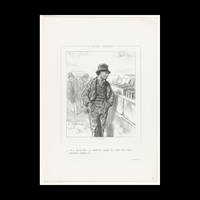
Gavarni, Paul
Alphabet views books displayed on a quay Museum Etching Museum Quality A2
Contentum Ltd. Loose sheet. New. High-quality art print based on an original work from the Rijksmuseum. Created in the 19th century 1858. Professionally printed on premium fine-art paper Museum Etching museum quality in size A2. The artwork is printed with a white border museum-style presentation. Contentum Ltd. unknown
Referentie van de boekhandelaar : 2171519
|
|
|
Gavarni, Paul
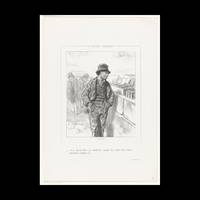
Alphabet views books displayed on a quay Photo Matt Fibre A2
Contentum Ltd. Loose sheet. New. High-quality art print based on an original work from the Rijksmuseum. Created in the 19th century 1858. Professionally printed on premium fine-art paper Photo Matt Fibre in size A2. The artwork is printed with a white border museum-style presentation. Contentum Ltd. unknown
Referentie van de boekhandelaar : 2171517
|
|
|
Gavarni, Paul
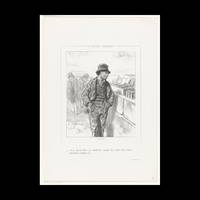
Alphabet views books displayed on a quay Photo Rag Bright White Premium Quality A2
Contentum Ltd. Loose sheet. New. High-quality art print based on an original work from the Rijksmuseum. Created in the 19th century 1858. Professionally printed on premium fine-art paper Photo Rag Bright White premium quality in size A2. The artwork is printed with a white border museum-style presentation. Contentum Ltd. unknown
Referentie van de boekhandelaar : 2171518
|
|
|
Gavarni, Paul
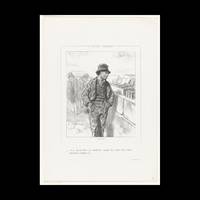
Alphabet views books displayed on a quay Museum Etching Museum Quality A3
Contentum Ltd. Loose sheet. New. High-quality art print based on an original work from the Rijksmuseum. Created in the 19th century 1858. Professionally printed on premium fine-art paper Museum Etching museum quality in size A3. The artwork is printed with a white border museum-style presentation. Contentum Ltd. unknown
Referentie van de boekhandelaar : 2171516
|
|
|
Gavarni, Paul (1804-1866); Lucien Stupulkowski (Engraver).
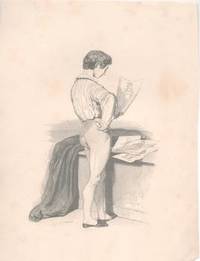
Art Collector.
Paris: French Publisher circa 1841. Book illustration. 196 x 152 mm. sheet. Good a few specks of foxing missing lower left sheet corner.Provenance: From the collection of the Late Frederick G. Ruffner Jr. founder of Gale Research Detroit. [Paris: French Publisher, circa 1841]. unknown
Referentie van de boekhandelaar : 71-3241
|
|
|
GAVARNI, Paul [pseudonym of Guillaume Sulpice Chevallier]
Baliverneries Parisiennes Parisian Gossip
Paris : Au Bureau du Charivari 1846. The Gossip of Paris as depicted by Gavarni<br /> <br /> GAVARNI Paul pseudonym of Guillaume Sulpice Chevallier. Baliverneries Parisiennes Parisian Gossip. Paris: Au Bureau du Charivari 1848. <br /> <br /> First edition complete. Folio 13 x 10 inches; 330 x 254 mm. Twenty-four fine lithograph plates.<br /> <br /> Publisher's yellow wrappers printed in dark brown. Some plates a little foxed one short 7/8 inch tear to outer margin of front wrapper otherwise near fine.<br /> <br /> Baliverneries Parisiennes is a series of lithographs originally issued in the journal Le Charivari between 14 August 1846 and 22 October 1847. The fine plates depict humorous and satirical scenes of everyday life in Paris particularly the city's working class and the social commentary of the time.<br /> <br /> Rare: OCLC/KVK locates just one complete example in libraries and institutions worldwide: The Morgan Library and Museum NY US. <br /> <br /> Armelhault & Bocher 1004-1023 & 1680-1683. Paris : Au Bureau du Charivari, 1846 unknown
Referentie van de boekhandelaar : 06216

|
|
|
Gavarni, Paul
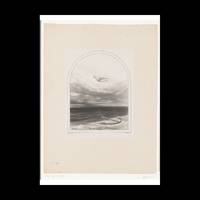
Beach view with anchor and white pigeon Museum Etching Museum Quality A2
Contentum Ltd. Loose sheet. New. High-quality art print based on an original work from the Rijksmuseum. Created in the 19th century 1841. Professionally printed on premium fine-art paper Museum Etching museum quality in size A2. The artwork is printed with a white border museum-style presentation. Contentum Ltd. unknown
Referentie van de boekhandelaar : 1249201
|
|
|
Gavarni, Paul
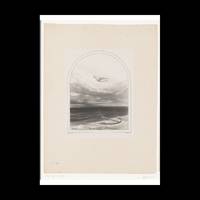
Beach view with anchor and white pigeon Museum Etching Museum Quality A3
Contentum Ltd. Loose sheet. New. High-quality art print based on an original work from the Rijksmuseum. Created in the 19th century 1841. Professionally printed on premium fine-art paper Museum Etching museum quality in size A3. The artwork is printed with a white border museum-style presentation. Contentum Ltd. unknown
Referentie van de boekhandelaar : 1249198
|
|
|
Gavarni, Paul
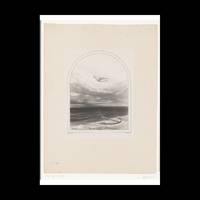
Beach view with anchor and white pigeon Photo Matt Fibre A2
Contentum Ltd. Loose sheet. New. High-quality art print based on an original work from the Rijksmuseum. Created in the 19th century 1841. Professionally printed on premium fine-art paper Photo Matt Fibre in size A2. The artwork is printed with a white border museum-style presentation. Contentum Ltd. unknown
Referentie van de boekhandelaar : 1249199
|
|
|
Gavarni, Paul
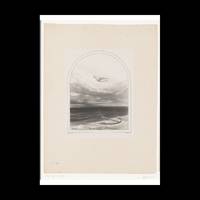
Beach view with anchor and white pigeon Photo Rag Bright White Premium Quality A2
Contentum Ltd. Loose sheet. New. High-quality art print based on an original work from the Rijksmuseum. Created in the 19th century 1841. Professionally printed on premium fine-art paper Photo Rag Bright White premium quality in size A2. The artwork is printed with a white border museum-style presentation. Contentum Ltd. unknown
Referentie van de boekhandelaar : 1249200
|
|
|
Gavarni, Paul
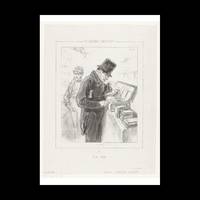
Bibliophile views books displayed on a quay Museum Etching Museum Quality A3
Contentum Ltd. Loose sheet. New. High-quality art print based on an original work from the Rijksmuseum. Created in the 19th century 1858. Professionally printed on premium fine-art paper Museum Etching museum quality in size A3. The artwork is printed with a white border museum-style presentation. Contentum Ltd. unknown
Referentie van de boekhandelaar : 2171744
|
|
|
Gavarni, Paul
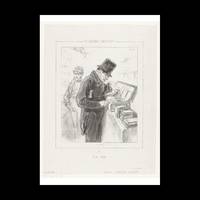
Bibliophile views books displayed on a quay Museum Etching Museum Quality A2
Contentum Ltd. Loose sheet. New. High-quality art print based on an original work from the Rijksmuseum. Created in the 19th century 1858. Professionally printed on premium fine-art paper Museum Etching museum quality in size A2. The artwork is printed with a white border museum-style presentation. Contentum Ltd. unknown
Referentie van de boekhandelaar : 2171747
|
|
|
Gavarni, Paul
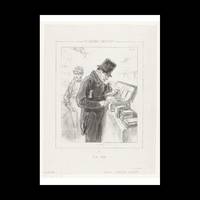
Bibliophile views books displayed on a quay Photo Matt Fibre A2
Contentum Ltd. Loose sheet. New. High-quality art print based on an original work from the Rijksmuseum. Created in the 19th century 1858. Professionally printed on premium fine-art paper Photo Matt Fibre in size A2. The artwork is printed with a white border museum-style presentation. Contentum Ltd. unknown
Referentie van de boekhandelaar : 2171745
|
|
|
Gavarni, Paul
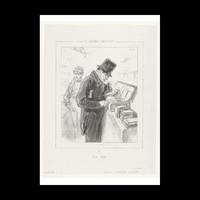
Bibliophile views books displayed on a quay Photo Rag Bright White Premium Quality A2
Contentum Ltd. Loose sheet. New. High-quality art print based on an original work from the Rijksmuseum. Created in the 19th century 1858. Professionally printed on premium fine-art paper Photo Rag Bright White premium quality in size A2. The artwork is printed with a white border museum-style presentation. Contentum Ltd. unknown
Referentie van de boekhandelaar : 2171746
|
|
|
Gavarni, Paul (pen name of Sulpice Guillaume Chevalier). (1804–1866); Aubert, printer
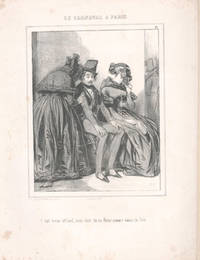
Bonjour mon Colonel! comment nous trouvons nous ce matin du coup d'epee d'hier au soir --Mais pas mal et toi mon auteur First edition of the lithograph.
Paris: Aubert. 1843 . Lithograph sur blanc. 33.3 x 24.5 cm. Armelhault and Bocher no. 242 second state of 3. . Paris: Aubert. 1843 unknown
Referentie van de boekhandelaar : 16-6138
|
|
|
Gavarni, Paul
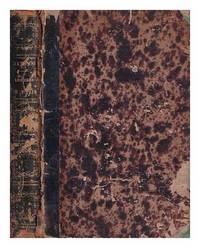
Bound set of 19th century French illustrations on Parisian characters and street scenes
Paris : N.I. 1800. 1st edition. Hardcover. Poor copy in the original half aniline calf leather over marbled boards. Spine bands and panel edges rubbed and bumped as with age. Spine and front board almost detached. Internally bright and clean. Physical description; 24 cm. Subjects; Paul Gavarni. French illustrator. Social life and customs. Paris : N.I. hardcover
Referentie van de boekhandelaar : 417219
|
|
|
Gavarni, Paul (pen name of Sulpice Guillaume Chevalier). (1804–1866); Aubert, printer
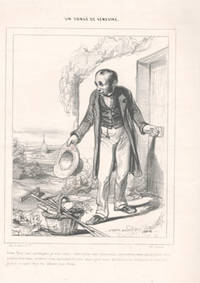
C'est vieux et laid mon cher; tu es floué comme dans un bois. from Le Carnaval à Paris. First edition of the lithograph.
Paris: Chez Bauger 1842. Lithograph sur blanc. 33.3 x 24.5 cm. Armelhault and Bocher no. 247. Paris: Chez Bauger, 1842 unknown
Referentie van de boekhandelaar : 16-6137
|
|
|
Gavarni, Paul
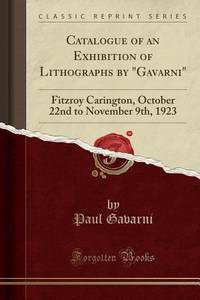
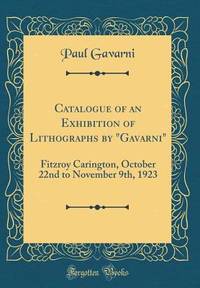
Catalogue of an Exhibition of Lithographs by ""Gavarni"": Fitzroy Carington October 22nd to November 9th 1923 Classic Reprint
paperback. Good. Access codes and supplements are not guaranteed with used items. May be an ex-library book. paperback
Referentie van de boekhandelaar : 1397365323.G ISBN : 1397365323 9781397365323
|
|
|
Gavarni, Paul
Catalogue of an Exhibition of Lithographs by ""Gavarni"": Fitzroy Carington October 22nd to November 9th 1923 Classic Reprint
hardcover. Good. Access codes and supplements are not guaranteed with used items. May be an ex-library book. hardcover
Referentie van de boekhandelaar : 1397365390.G ISBN : 1397365390 9781397365392
|
|
|
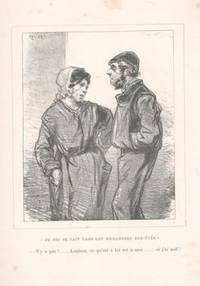
Gavarni, Paul (French, 1804-1866).
Ce qui se fait dans les meilleures societes. N’y a pas!. Louison ce qu’est a toi est a moi.et j’ai soif! from ‘Masques et Visages.’
Paris: Le Charivari 1853. Lithograph. 38 x 27 cm sheet. Good light specks of foxing throughout. [Paris: Le Charivari, 1853]. unknown
Referentie van de boekhandelaar : 76-0897
|
|
|
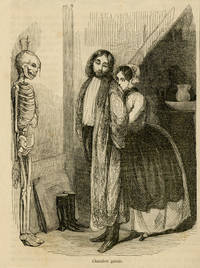
Gavarni, Paul
Chambre garnie a furnished room
Paris: Hetzel 1847. Engraving on light cream wove paper 6 5/8 x 4 5/8 inches 175 x 118 mm margins trimmed. On the verso is a partially trimmed printed image with accompanying text in French referencing the lifestyle of medical students in Paris. A drawing from the series The Students of Paris in Selected Works of Gavarni Studies of Contemporary Manners Hetzel Paris 1847. Hetzel unknown
Referentie van de boekhandelaar : 1413
|
|
|
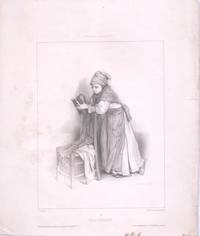
Gavarni, Paul (After, 1804-1866); Gihaut freres (Lithographer).
Claudine: Etudes d’Enfants.
London: Charles Tilt circa 1847. Hand-colored lithograph. 35 x 28.5 cm sheet. Good some foxing tear at right sheet edgeProvenance: ancienne galerie Vandevoorde 22 rue Vignon Paris. London: Charles Tilt, circa 1847. unknown
Referentie van de boekhandelaar : 71-6760
|
|
|
GAVARNI, Paul [pseudonym of Guillaume Sulpice Chevallier]
Clichy
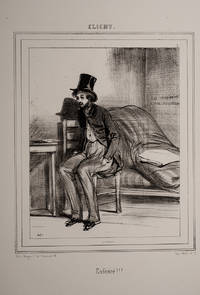
Paris: En vente Au Bureau du Journal Amusant.et au Bureau du Charivari 1840. Gavarni's Memories of his Time in the Debtors Prison 'Clichy'<br /> Depicted in Twenty-One Lithographed Plates<br /> <br /> GAVARNI pseudonym of Guillaume Sulpice Chevallier. Clichy. Album par Gavarni. Paris: Au Bureau du Charivari n.d. 1840-1841.<br /> <br /> Large quarto 13 3/4 x 10 1/2 inches; 349 x 267 mm. Publisher's yellow front wrapper with printed title. Twenty-one superb numbered lithographed plates. All plates in first printing second state with printed titles and "Chez Bauger" & "Imp. d'Aubert" with the exception of plates 17 & 19 which are in the third state.<br /> <br /> Modern quarter light blue cloth over light blue cockerel boards smooth spine lettered in gilt. Original yellow lithographed front wrapper bound in as title.<br /> <br /> These plates were initially published in Le Charivari with the exception of the nineteenth plate which was produced for La Caricature.<br /> <br /> "In 1835 Gavarni was arrested for debt and sent to Clichy. Far from being overwhelmed he saw this experience as a fresh opportunity for observation. Indeed he made a lithographic series from his memories: Clichy twenty-one lithographs 1840-1841" Ray The Art of the French Illustrated Book p. 217.<br /> <br /> "So assured did Gavarni's position seem at the end of 1833 that he began to publish the weekly Journal des gens du monde for which he also provided much of the text and illustrations. It failed after twenty numbers only eighteen of which were issued leaving him with obligations which were to embarass him for many years. In 1835 he was arrested for debt and sent to Clichy. Far from being overwhelmed he saw this experience as a fresh opportunity for observation. Indeed he made a lithographic series from his memories: Clichy twenty-one lithographs 1840-1841" Armelhault & Bocher p. 1-25<br /> <br /> On the 23rd of July 1867 the French government abolished the ancient law decreeing imprisonment for debt. In Paris the ninety-seven inmates of the Clichy Debtor's Prison were promptly released.<br /> <br /> Exceptionally rare. According to OCLC & KVK there are no copies in libraries and institutions worldwide. <br /> We have been unable to locate any copies at auction over the past 100 years.<br /> <br /> Armelhault & Bocher nos. 429-448.<br /> <br /> The Plates:<br /> <br /> 1. Enfoncé!!!.<br /> Sunk!!!.<br /> <br /> 2. Je viens déjeuner chez toi. Ah! bon! Et diner chez toi. Ah! bah!! Et coucher chez toi! Ah! fichtre!!!<br /> I'm coming to have lunch with you. Ah! Well! And have dinner at home. Ah! bah!! And sleep at home! Ah! damn!!!<br /> <br /> 3. "Au moins un Dieu sourit encore à la jeunesse et lui rend enc e lieu de ces jours qu'on lui prend. Qui n'aurait pas pitiè des beaux ans qu'elle y laisse"<br /> "At least one God still smiles at youth and gives them back in place those days that are taken from them. Who would not pity the beautiful years she leaves there"<br /> <br /> 4. Vous le voyez le chagrin ne m'aigrit pas! Et je donnerai un conseil à mes créanciers dans leur intèrêt: s'ils veulent me tirer d'ici qu'ils se hâtent car on ne pourrait bientôt plus me passer par la porte.<br /> You see grief does not embitter me! And I will give advice to my creditors in their interest: if they want to get me out of here let them hurry because soon they won't be able to get me out the door.<br /> <br /> 5. Petit homme nous t'apportons ta casquette ta pipe d'ecume et ton Montaigne.<br /> Little man we bring you your cap your meerschaum pipe and your Montaigne.<br /> <br /> 6. Enfin à la fin je l'ai tant mijotè je l'ai tant mijotè qu'il a dit: eh! bien qu'il paye seulement les frais et j'accorderai du tems pour le reste. Et encore il a dit voyez-vous Mademoiselle c'est par consideration pour vous. Le vieux gueux!.j'espère bien que quand tu sortiras tu lui ficheras une pile soignée à celui-là!<br /> Finally at the end I simmered him so much I simmered him so much that he said: hey! Well let him just pay the cost and I'll allow time for the rest. And again he said you see Mademoiselle it's out of consideration for you. The old beggar!. I really hope that when you go out you'll give him a neat pile on that one!<br /> <br /> 7. L'amour est parti V'là l'amitiè.<br /> Love is gone That's friendship.<br /> <br /> 8. Dites donc l'ancien c'est aujourd'ui Dimanche. Ou'est-ce que ça te fait Tiens! Le Dimanche on se fiche du Garde-du-commerce: çà me fait que je pourrais aller me promener si je pouvais sortir.<br /> Say the old one is today Sunday. What does it do to you Here! On Sundays we don't care about the Garde-du-commerce: that makes me think I could go for a walk if I could go out.<br /> <br /> 9. Ne donnez pas d'acomptes! Voyez vous le créancier qu'on ne paye pas n'est qu'un créancier; le créancier qu'on paye est un tigre!<br /> Do not give deposits! You see the creditor who is not paid is only a creditor; the creditor one pays is a tiger!<br /> <br /> 10. Dites donc voisin on a peu boissonné chez vous hier! ça allait rondement! ça va bien ce matin Pas mal et vous<br /> Say neighbour we had a little drink at your house yesterday! it was going smoothly! how are you this morning Not bad and you<br /> <br /> 11. Le portrait du créancier.<br /> The portrait of the creditor.<br /> <br /> 12. Voyons! Pour aller à Tivoli ce soir il faudrait d'abord payer au greffe dix-huit-mille-cinq-cents francs pour le capital et onze-cent-vingt-neuf francs cinquante centimes de frais.et encore non je suis bête! Tivoli coûte trois francs d'entrée et je n'ai que quarante deux sous.<br /> Let's see! To go to Tivoli this evening you would first have to pay the clerk's office eighteen thousand five hundred francs for the capital and eleven hundred and twenty-nine francs fifty centimes for costs.and again no I'm silly! Tivoli costs three francs to go and I only have forty-two sous.<br /> <br /> 13. Aux Gardes-du-Commerce: que le bon Dieu les patafiole!<br /> At the Gardes-du-Commerce: may the good Lord spoil them!<br /> <br /> 14. Quand nous voulons danser Tivoli est là mon cher: Entre Tivoli et nous il n'y que deux murs et un coup de fusil.<br /> When we want to dance Tivoli is there my dear: Between Tivoli and us there are only two walls and a gunshot.<br /> <br /> 15. Mon cher Monsieur je vous laisse la guérite comme je l'ai prise et la consigne comme on me l'a donnée: "de l'amour sur la conscience et du champagne dessous".rien de bon comme ça pour les rhumes de chagrin. Courte et bonne! c'est le mot d'ordre ici comme ailleurs.<br /> My dear sir I leave you the sentry box as I took it and the instructions as they gave it to me: "love on your conscience and champagne underneath".nothing good like that for the colds of sorrow. Short and good! this is the watchword here as elsewhere.<br /> <br /> 16. Moi j'ai signé pour cinq cents francs et je n'en ai eu que trois cents et encore en vin de champagne.et on m'a repris le vin pour les frais. Ils auraient mieux fait de t'amener ici tout de suite; au moins nous aurions les fioles.<br /> I signed for five hundred francs and I only got three hundred and again in champagne wine.and they took the wine back from me for the expenses. They would have done better to bring you here straight away. after; at least we would have the vials.<br /> <br /> 17. Mias comment as-tu pu te laisser prendre comme ça Demande aux Canards sauvages comment ils se laissent prendre!. Il a tire sur moi le premier Mars on m'a ramassé le cinq Avril: voilà comme çà se fait.<br /> Mias how could you let yourself be taken like that Ask the Wild Ducks how they let themselves be caught!. He shot me on the first of March they picked me up on the fifth of April: that's how it is done.<br /> <br /> 18. Voilà un Tilbury Pamela qui nous a menés en moins de trois mois de la rue Saint Jacques à Clichy. Hein le bon cheval!<br /> Here is a Tilbury Pamela who took us in less than three months from rue Saint Jacques to Clichy. Hein the good horse!<br /> <br /> 19. Ici on ne peut pas faire de farce à sa Ninie: v'la ce qui vous chiffonne!<br /> Here you can't prank your Ninie: that's what's bugging you!<br /> <br /> 20. Entends tu; à Tivoli. Il y en a deux ici des cavaliers seuls et qui ne demanderaient pas mieux que de faire la chaîne des Dames.<br /> Do you hear; at Tivoli. There are two here single riders who would like nothing better than to make the chain of Ladies.<br /> <br /> 21. Sans le mur cette boule - là irait loin. Et ton camarade aussi.<br /> Without the wall this ball - there would go far. And your friend too. Paris: En vente Au Bureau du Journal Amusant...et au Bureau du Charivari, 1840 unknown
Referentie van de boekhandelaar : 05405
|
|
|
Gavarni, Paul (1804-1866).
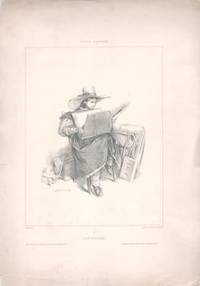
Clotilde from “Etudes d’Enfantsâ€.
Paris: French Publisher circa 1875. Lithograph. 39 x 27.5 cm. sheet. Very Good. Light toning along sheet edges. Some tearing along sheet edges. [Paris: French Publisher, circa 1875. unknown
Referentie van de boekhandelaar : 71-4412
|
|
|
Gavarni, Paul
Collector Photo Matt Fibre A2
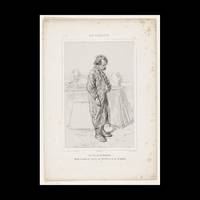
Contentum Ltd. Loose sheet. New. High-quality art print based on an original work from the Rijksmuseum. Created in the 19th century 1857. Professionally printed on premium fine-art paper Photo Matt Fibre in size A2. The artwork is printed with a white border museum-style presentation. Contentum Ltd. unknown
Referentie van de boekhandelaar : 2177338
|
|
|
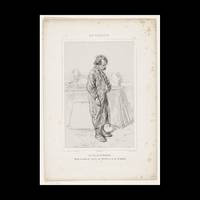
Gavarni, Paul
Collector Museum Etching Museum Quality A3
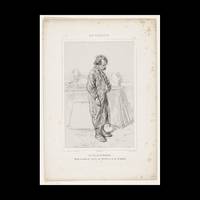
Contentum Ltd. Loose sheet. New. High-quality art print based on an original work from the Rijksmuseum. Created in the 19th century 1857. Professionally printed on premium fine-art paper Museum Etching museum quality in size A3. The artwork is printed with a white border museum-style presentation. Contentum Ltd. unknown
Referentie van de boekhandelaar : 2177337
|
|
|
Gavarni, Paul
Collector Museum Etching Museum Quality A2
Contentum Ltd. Loose sheet. New. High-quality art print based on an original work from the Rijksmuseum. Created in the 19th century 1857. Professionally printed on premium fine-art paper Museum Etching museum quality in size A2. The artwork is printed with a white border museum-style presentation. Contentum Ltd. unknown
Referentie van de boekhandelaar : 2177340
|
|
|
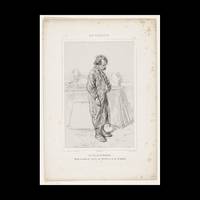
Gavarni, Paul
Collector Photo Rag Bright White Premium Quality A2
Contentum Ltd. Loose sheet. New. High-quality art print based on an original work from the Rijksmuseum. Created in the 19th century 1857. Professionally printed on premium fine-art paper Photo Rag Bright White premium quality in size A2. The artwork is printed with a white border museum-style presentation. Contentum Ltd. unknown
Referentie van de boekhandelaar : 2177339
|
|
|
Gavarni, Paul
Contes Du Chanoine Schmid. French Edition
paperback. Good. Access codes and supplements are not guaranteed with used items. May be an ex-library book. paperback
Referentie van de boekhandelaar : 1248044967.G ISBN : 1248044967 9781248044964

|
|
|
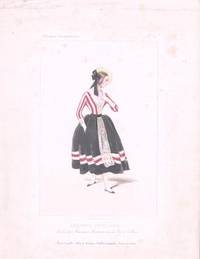
Gavarni, Paul (After, 1804-1866).
Coquette de Village
Paris: Hautecoeur Martinet circa 1875. Hand-colored etching and engraving. 28.5 x 17.5 cm sheet. Very Good some foxing in the margins missing lower right sheet corner.Provenance: ancienne galerie Vandevoorde 22 rue Vignon Paris. Paris: Hautecoeur Martinet, circa 1875. unknown
Referentie van de boekhandelaar : 71-6847
|
|
|
Gavarni, Paul et Adolphe Portier
Douze nouveaux travestissements
Paris. Au Bureau du Journal les Modes Parisiennes. 1856. Hardcover. Gut. C4 --- Recueil de 12 belles planches en couleurs représentant des femmes en robes gravées par Portier = 12 col. plates = kolorierte Stahlstichtafeln In-4 un peu taché sur les bords = a little stained at the edges = leicht fleckig an den Rändern Titel mit Wasserrand marmorierter Priv.-Hln.-Bd. dabei/avec ca: ALBUM KEEPSAKE des costumes de la cour francaise depuis Charles VII jusqu'a Louis XVI dessines par Compte-Calix sans page de titre juste 20 col. planches In-4 1854 Paris. Au Bureau du Journal les Modes Parisiennes. 1856 hardcover
Referentie van de boekhandelaar : 008813
|
|
|
Gavarni, Paul; Adolphe Portier
Douze Nouveaux Travestissements
Paris: Au Bureau du Journal les Modes Parisiennes 1856. Softcover. g. Folio. Unpaginated. Original wrappers with gold lettering on cover. 12 stunning color steel-plate engravings by A. Portier. The plates show females with costumes worn in Paris in the 1850's. Each plate is protected by a tissue guard. The author Paul Gavarni 1804-1866 also known as Sulpice-Guillaume Chevalier Gavarni was a French Realist engraver. Staining creasing and abrasion to wrappers. Minor waterstaining to part of tope edge on 4 pages not affecting plates. Text in French. Wraps in good- interior in very good condition. Rare. Au Bureau du Journal les Modes Parisiennes unknown
Referentie van de boekhandelaar : 15810
|
|
|
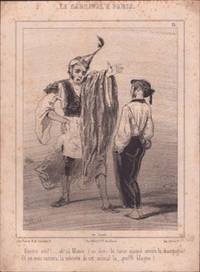
Gavarni, Paul (pen name of Sulpice Guillaume Chevalier). (1804–1866)
Encore soif !.ah ! ça Mimie t'as donc le torse assuré contre le champagne " . Original lithograph.
Paris: Pannier circa 1843. Lithograph sur blanc. 27. 5 x 20cm. Plate no. 33 from the series: "Le Carnaval a Paris." Armelhault and Bocher no. 415 State ii/iii. Paris: Pannier, circa 1843. unknown
Referentie van de boekhandelaar : 16-5526
|
|
|
Gavarni, Paul (1804-1866).
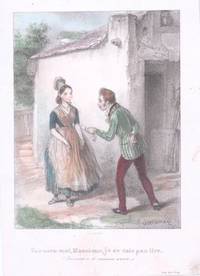
Excusez-moi Monsieur je ne sais pas lire.
Paris: Frey circa 1860. Hand-colored lithograph. 18.5 x 13.5 cm sheet. Very Good minor surface rubs and soiling in the margins.Provenance: ancienne galerie Vandevoorde 22 rue Vignon Paris. Paris: [Frey, circa 1860]. unknown
Referentie van de boekhandelaar : 71-6676
|
|
|
Gavarni, Paul (1804-1866).
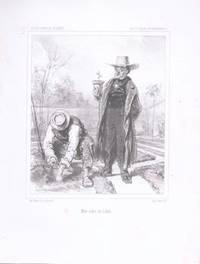
Faits et Gestes Proprietaire: Mon cedre du Liban. No. 1 from the series ‘Faits et Gestes Propreitarie’.
Paris: Chez Aubert circa 1847. Lithograph. 33 x 25 cm sheet. Good minor surface soiling light specks of foxing throughout. Paris: Chez Aubert, circa 1847. unknown
Referentie van de boekhandelaar : 71-8976
|
|
|
Gavarni, Paul (1804-1866).
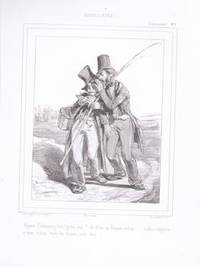
Fantaisies No. 3 - Voyons Salomon j’suis t’y ami.
Paris: Bauger et Cie. circa 1842. Lithograph. 34 x 25 cm sheet. Very Good minor surface soiling in margins.Provenance: ancienne galerie Vandevoorde 22 rue Vignon Paris. Paris: Bauger et Cie., circa 1842. unknown
Referentie van de boekhandelaar : 71-6686
|
|
|
Gavarni, Paul
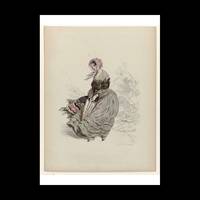
Female walking in the wind with parasol 1840 Museum Etching Museum Quality A3
Contentum Ltd. Loose sheet. New. High-quality art print based on an original work from the Rijksmuseum. Created in the 19th century 1840. Professionally printed on premium fine-art paper Museum Etching museum quality in size A3. The artwork is printed with a white border museum-style presentation. Contentum Ltd. unknown
Referentie van de boekhandelaar : 2091139
|
|
|
Gavarni, Paul
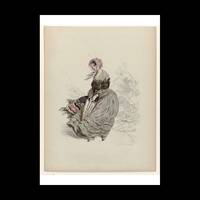
Female walking in the wind with parasol 1840 Photo Matt Fibre A2
Contentum Ltd. Loose sheet. New. High-quality art print based on an original work from the Rijksmuseum. Created in the 19th century 1840. Professionally printed on premium fine-art paper Photo Matt Fibre in size A2. The artwork is printed with a white border museum-style presentation. Contentum Ltd. unknown
Referentie van de boekhandelaar : 2091140
|
|
|
Gavarni, Paul
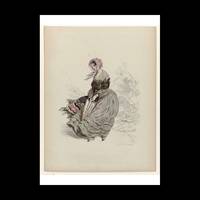
Female walking in the wind with parasol 1840 Photo Rag Bright White Premium Quality A2
Contentum Ltd. Loose sheet. New. High-quality art print based on an original work from the Rijksmuseum. Created in the 19th century 1840. Professionally printed on premium fine-art paper Photo Rag Bright White premium quality in size A2. The artwork is printed with a white border museum-style presentation. Contentum Ltd. unknown
Referentie van de boekhandelaar : 2091141
|
|
|
Gavarni, Paul
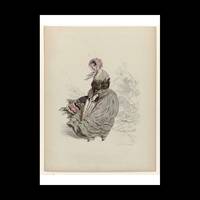
Female walking in the wind with parasol 1840 Museum Etching Museum Quality A2
Contentum Ltd. Loose sheet. New. High-quality art print based on an original work from the Rijksmuseum. Created in the 19th century 1840. Professionally printed on premium fine-art paper Museum Etching museum quality in size A2. The artwork is printed with a white border museum-style presentation. Contentum Ltd. unknown
Referentie van de boekhandelaar : 2091142
|
|

 De zoekresultaten per email ontvangen
 Zoekresultaten downloaden als PDF
 RSS feed
 Permanente link


