|
Marina Bichinsky
School Financing & Policy Creation
Paperback / softback. New. paperback
Référence libraire : B9781499751703 ISBN : 1499751702 9781499751703

|
|
|
U S Marine Corp Department of the Navy
Training and Readiness Manual Group TRMGI Charter Terms of Reference
Paperback / softback. New. paperback
Référence libraire : B9781491222225 ISBN : 1491222220 9781491222225
|
|
|
U S Marine Corps
Assault Amphibian Training and Readiness Manual
Paperback / softback. New. paperback
Référence libraire : B9781491232163 ISBN : 1491232161 9781491232163
|
|
|
Noaa Office of National Marine Sanctuari
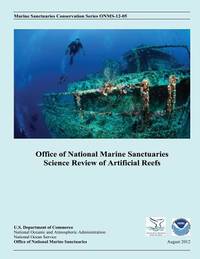
Office of National Marine Sanctuaries Science Review of Artificial Reefs
Paperback / softback. New. paperback
Référence libraire : B9781495334702 ISBN : 1495334708 9781495334702
|
|
|
U S Marine Corps
Non-Lethal Weapons NLW Training and Readiness T&R Manual
Paperback / softback. New. paperback
Référence libraire : B9781491225516 ISBN : 1491225513 9781491225516
|
|
|
United States Marine Corps Command Staff
Answer To The Most Likely Threat Into The Twenty-First Century
Paperback / softback. New. paperback
Référence libraire : B9781502877284 ISBN : 1502877287 9781502877284

|
|
|
Department of the Navy
Absent Authority: Failure to Plan Funding and Command Authorities in USAF Security Assistance
Paperback / softback. New. paperback
Référence libraire : B9781501065453 ISBN : 1501065459 9781501065453

|
|
|
Marina Lando
Dynamic Healing: A Practitioner's Guide to Reiki Applications
Hardback. New. hardcover
Référence libraire : B9781504338066 ISBN : 1504338065 9781504338066

|
|
|
Marina Lando
Dynamic Healing: A Practitioner's Guide to Reiki Applications
Paperback / softback. New. paperback
Référence libraire : B9781504338042 ISBN : 1504338049 9781504338042

|
|
|
Marina Seibert
only human
Paperback / softback. New. paperback
Référence libraire : B9781502361752 ISBN : 1502361752 9781502361752

|
|
|
Yvette Marina Nario (Urteaga)
Angelize
Paperback / softback. New. paperback
Référence libraire : B9781503546967 ISBN : 1503546969 9781503546967

|
|
|
Department of the Navy
A Report on Policies and Practices of the U.S. Navy for Naming the Vessels of the Navy
Paperback / softback. New. paperback
Référence libraire : B9781501065408 ISBN : 1501065408 9781501065408

|
|
|
Undersecretary of the Navy
The Littoral Combat Ship: How We Got Here and Why
Paperback / softback. New. paperback
Référence libraire : B9781503300262 ISBN : 1503300269 9781503300262

|
|
|
Marina Benjamin
Insomnia
Paperback / softback. New. paperback
Référence libraire : A9781911344933 ISBN : 1911344935 9781911344933

|
|
|
" A Gentleman of the Royal Navy "
Ad-----l M-----w's Conduct in the late Engagement Vindicated. etc
London: M.Cooper 1745. Book. Good. Pamphlet. 8vo - over 7¾" - 9¾" tall. pp 2 47 Deals with the outcome of the battle of Toulon and the dispute between the commander of the British fleet Thomas Mathews and his second in command Richard Lestock. Discound with evidence of having been bound with other material. M.Cooper unknown
Référence libraire : 3600046

|
|
|
Marina Warner
Once Upon a Time: A Short History of Fairy Tale
Paperback / softback. New. In ten succinct chapters Marina Warner guides us through the rich world of fairy tale from Cinderella and Hansel and Gretel to Snow White and Pan's Labyrinth. Exploring pervasive themes of folklore myth the supernatural imagination and fantasy Warner highlights the impact of the genre on human understanding history and culture. paperback
Référence libraire : A9780198779858 ISBN : 0198779852 9780198779858

|
|
|
Marina Robb
Learning with Nature: A How-to Guide to Inspiring Children Through Outdoor Games and Activities
Hardback. New. A book of fun activities from the Forest School to get your children outdoors to explore make things learn about nature and help them grow up happy and healthy. hardcover
Référence libraire : A9780857842381 ISBN : 0857842382 9780857842381

|
|
|
Jesus Marina
K:emptiness
Hardback. New. hardcover
Référence libraire : A9783868286007 ISBN : 3868286004 9783868286007

|
|
|
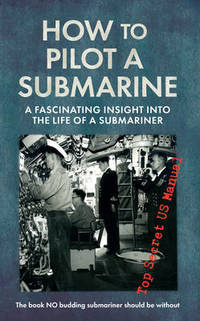
United States Navy
How to Pilot a Submarine: The Second World War Manual
Paperback / softback. New. How do you pilot a submarine The US Navy based this book on the USS Perch and it gives in depth detail on all aspects of submarine work. paperback
Référence libraire : A9781445635859 ISBN : 1445635852 9781445635859
|
|
|
Marina Anderson
Hotel of Seduction: The Complete Novel
Paperback / softback. New. Passionate seductive and thrilling this is the new novel from the bestselling author of The Dining Club and Haven of Obedience - perfect for true lovers of E. L. James Sylvia Day and Beth Kery. paperback
Référence libraire : A9780751558586 ISBN : 0751558583 9780751558586

|
|
|
Marina Adair
Last Kiss of Summer
Paperback / softback. New. In the tradition of New York Times bestselling authors Rachel Gibson Kristan Higgins Jill Shalvis and Candis Terry comes a funny and charming new small-town contemporary romance series by Marina Adair. paperback
Référence libraire : A9781455562275 ISBN : 1455562270 9781455562275

|
|
|
Kurian, Marina S.
Weight Loss Surgery For Dummies
UsedGood. SECOND EDITIONPages are free of writing Cover shows light wear from reading/handling. Clean good binding. Dog-Eared Books is an independent US-based woman owned and operated business. unknown
Référence libraire : 4E5QSJ00013E_ns ISBN : 1118293185 9781118293188

|
|
|
United States Merchant Marine Academy 1958 Yearbook Staff
Custom Reprint Yearbook: 1958 United States Merchant Marine Academy - Midships Yearbook
Content provided by E-Yearbook.com 1958. Hardcover. Very Good. May have limited writing in cover pages. Pages are unmarked. ~ ThriftBooks: Read More Spend Less.Dust jacket quality is not guaranteed. Content provided by E-Yearbook.com hardcover
Référence libraire : GB07HNSRMRRI4N00
|
|
|
Adair, Marina
Sugar on Top
Forever 2015. Mass Market Paperback. Acceptable. Former library book; Readable copy. Pages may have considerable notes/highlighting. ~ ThriftBooks: Read More Spend Less.Dust jacket quality is not guaranteed. Forever paperback
Référence libraire : G1455528684I5N10 ISBN : 1455528684 9781455528684

|
|
|
Fiorato, Marina
Daughter of Siena
Hodder & Stoughton. Used - Good. Ships from the UK. Used book that is in clean average condition without any missing pages. Hodder & Stoughton unknown
Référence libraire : 53136139-20 ISBN : 184854894x 9781848548947
|
|
|
Walker, Jonathan, Frolova-Walker, Marina
Music and Soviet Power 1917-1932
Boydell & Brewer Limited. Used - Good. Used book that is in clean average condition without any missing pages. Boydell & Brewer, Limited unknown
Référence libraire : 53146391-75 ISBN : 184383703x 9781843837039

|
|
|
Yaguello, Marina,Le V. Harris, Trevor A.
Language through the Looking Glass: Exploring Language and Linguistics
Oxford University Press 12/30/1998 12:00:01. paperback. Very Good. 0.4094 in x 8.6181 in x 6.8189 in. Very mild shelfwear. Oxford University Press paperback
Référence libraire : mon0000154685 ISBN : 0198700059 9780198700050

|
|
|
U. S. Department of the Navy, Office of the Chief of Naval Operations, Navy History Division
Dictionary of American Naval Fighting Ships Volume III; U. S. Department of the Navy Office of the Chief of Naval Operations Navy History Division
Washington DC: U. S. Department of the Navy Office of the Chief of Naval Operations Navy History Division 1977. Second printing stated. Hardcover. Good. Volume III ONLY. Quarto. xxvi 876 2 pages. Illustrated endpapers. Abbreviations and Symbols. List of Illustrations. Maps. Illustrations. Bibliography. Volume III includes Historical Sketches: Letters G H I J and K. Appendices I-VI: Historic Ship Exhibits Monitors. Civil War Naval Ordnance. Addenda to Appendix III IV and V of Volume I. Addenda to Appendix I of Volume II. Additional Ships named "A" through "f" Since publication of Volumes I and II. Errata Volumes I and II. Contents of earlier volumes. Cover has some wear and soiling. Some edge soiling noted. The Dictionary of American Naval Fighting Ships DANFS is the official reference work for the basic facts about ships used by the United States Navy. When the writing project was developed the parameters for this series were designed to cover only commissioned US Navy ships with assigned names. If the ship was not assigned a name it was not included in the histories written for the series. In addition to the ship entries. DANFS was published in print by the Naval Historical Center NHC as bound hardcover volumes ordered by ship name from Volume I A–B in 1959 to Volume VIII W–Z in 1981. Several volumes subsequently went out of print. In 1991 a revised Volume I Part A covering only ship names beginning with A was released. Work continues on revisions of the remaining volumes. As the DANFS is a work of the U.S. government its content is in the public domain and the text is often quoted verbatim in other works including in some cases Wikipedia articles. Many on-line resources organized by former and active crew members of U.S. Navy vessels include a copy of their ships' DANFS entries. The Dictionary limits itself largely to basic descriptions and brief operational notes and includes almost no analysis or historical context. Unless otherwise specified all the ships illustrated in this volume are commission ships of the United States Navy with their names preceded by the Identification USS. U. S. Department of the Navy, Office of the Chief of Naval Operations, Navy History Division hardcover
Référence libraire : 88968
|
|
|
US. Department of the Navy, Office of the Chief of Naval Operations, Naval History Division U. S.
Dictionary of American Naval Fighting Ships; Volume I - 1959
Washington DC: U. S. Government Printing Office 1959. Presumed First Edition First printing. Hardcover. Good. The format is approximately 8.25 inches by 10.5 inches. xvii 1 349 1 pages. Illustrated endpapers. Footnotes. Illustrations. This first edition is increasing scarce and highly sought after. The contents include Foreword by Admiral Arleigh Burke; Preface by Rear Admiral E. M Eller U.S.N. Ret. Director of Naval History; Bibliography. Abbreviations List of Ships; Appendices Battleships Cruisers Submarines Submarine Tenders Submarine Rescue Vessel Torpedo Boasts and Destroyers and Escort Vessels. This original edition depicts each ship in its historical setting. The Dictionary of American Naval Fighting Ships DANFS is the official reference work for the basic facts about ships used by the United States Navy. When the writing project was developed the parameters for this series were designed to cover only commissioned US Navy ships with assigned names. If the ship was not assigned a name it was not included in the histories written for the series. In addition to the ship entries DANFS and the online links have been expanded to include appendices on small craft histories of Confederate Navy ships and various essays related to naval ships. The Ships histories were edited by James G. Boland and K. Jack Bauer. The appendices were compiled by Lieutenant Dean C. Allard Jr. aided by Captain F. Kent Lewis Commander Richard C. Johnson and Mr. Loyd A. Olsson. The Histories Branch researched and wrote the multi volume Dictionary of American Naval Fighting Ships. Compiled like an encyclopedia each volume includes summary histories of U.S. Navy ships from certain sections of the alphabet. DANFS was published by the Naval Historical Center NHC as bound hardcover volumes ordered by ship name from Volume I A–B in 1959 to Volume VIII W–Z in 1981. Several volumes subsequently went out of print. In 1991 a revised Volume I Part A covering only ship names beginning with A was released. Work continues on revisions of the remaining volumes. As the DANFS is a work of the U.S. government its content is in the public domain and the text is often quoted verbatim in other works. Many resources organized by former and active crew members of U.S. Navy vessels include a copy of their ships' DANFS entries. The Dictionary limits itself largely to basic descriptions and brief operational notes and includes almost no analysis or historical context. Unless otherwise specified all the ships illustrated in this volume are commission ships of the United States Navy with their names preceded by the Identification USS. U. S. Government Printing Office hardcover
Référence libraire : 88886
|
|
|
U. S. Department of the Navy, Office of the Chief of Naval Operations, Navy History Division
Dictionary of American Naval Fighting Ships Volume II
Washington DC: U. S. Department of the Navy Office of the Chief of Naval Operations Navy History Division 1977. Reprint with corrections second printing stated. Hardcover. Good. Quarto. xxiii 1 591 1 pages. Volume II ONLY. Illustrated endpapers. Abbreviations and Symbols. List of Illustrations. Bibliography. Historical Sketches: Letters C D E and F. Aircraft Carriers. Confederate Forces Afloat. Cover has some wear and soiling. No dust jacket present. This revised edition depicts each ship in its historical setting; the original edition was published in 1959. The Dictionary of American Naval Fighting Ships DANFS is the official reference work for the basic facts about ships used by the United States Navy. When the writing project was developed the parameters for this series were designed to cover only commissioned US Navy ships with assigned names. If the ship was not assigned a name it was not included in the histories written for the series. In addition to the ship entries DANFS and the online links have been expanded to include appendices on small craft histories of Confederate Navy ships and various essays related to naval ships. Volume II has been changed somewhat from Volume I in format and scope of content to improve the value and utility of the series. the changes are a result of evaluation of comments on Volume I and from analysis by members of the Navy History Division. One of the most useful changes is the inclusion of the names f noncommissioned ships and craft in the alphabetical section of this volume. More than 10000 named vessels have served in the United States and Continental Navies. DANFS was published in print by the Naval Historical Center NHC as bound hardcover volumes ordered by ship name from Volume I A-B in 1959 to Volume VIII W-Z in 1981. Several volumes subsequently went out of print. In 1991 a revised Volume I Part A covering only ship names beginning with A was released. Work continues on revisions of the remaining volumes. As the DANFS is a work of the U.S. government its content is in the public domain and the text is often quoted verbatim in other works including in some cases Wikipedia articles. Many websites organized by former and active crew members of U.S. Navy vessels include a copy of their ships' DANFS entries. The Dictionary limits itself largely to basic descriptions and brief operational notes and includes almost no analysis or historical context. Unless otherwise specified all the ships illustrated in this volume are commission ships of the United States Navy with their names preceded by the Identification USS. U. S. Department of the Navy, Office of the Chief of Naval Operations, Navy History Division hardcover
Référence libraire : 88837
|
|
|
U. S. Department of the Navy, Office of the Chief of Naval Operations, Navy History Division
Dictionary of American Naval Fighting Ships Volume V; Historical Sketches--Letters N through Q Appendices--Stone Fleet Minecraft New Ships Aircraft
Washington DC: U. S. Department of the Navy Office of the Chief of Naval Operations Navy History Division 1979. Reprint stated. Hardcover. Good. Quarto. xxiv 639 3 pages. Volume V: Historical Sketches--Letters N through Q Appendices--Stone Fleet Minecraft New Ships Aircraft Illustrated endpapers. Abbreviations and Symbols. List of Illustrations. Maps. Illustrations. Bibliography. Cover and edges have some wear and soiling. No dust jacket present. Foreword by the Chief of Naval Operations Admiral Elmo R. Zumwalt USN and an Introduction by the Director of Naval History Rear Admiral Ernest McNeill Eller U. S. Navy Ret. This volume contains Historical Sketches of ships whose names start with N O P and Q. There are appendixes on Stone Fleet Minecraft New Ships A through M Aircraft and Errata previous volumes. DANFS was published in print by the Naval Historical Center NHC as bound hardcover volumes ordered by ship name from Volume I A-B in 1959 to Volume VIII W-Z in 1981. Several volumes subsequently went out of print. In 1991 a revised Volume I Part A covering only ship names beginning with A was released. Work continues on revisions of the remaining volumes. As the DANFS is a work of the U.S. government its content is in the public domain and the text is often quoted verbatim in other works including in some cases Wikipedia articles. Many websites organized by former and active crew members of U.S. Navy vessels include a copy of their ships' DANFS entries. The Dictionary limits itself largely to basic descriptions and brief operational notes and includes almost no analysis or historical context. Unless otherwise specified all the ships illustrated in this volume are commission ships of the United States Navy with their names preceded by the Identification USS. U. S. Department of the Navy, Office of the Chief of Naval Operations, Navy History Division hardcover
Référence libraire : 88838
|
|
|
Vaizey, Marina
Peter Blake The Royal Academy painters & sculptors
Weidenfeld & Nicolson 11/14/1985. Hardcover. Used; Very Good. WE SHIP WITHIN 24 HRS FROM LONDON UK 98% OF OUR ORDERS ARE RECEIVED WITHIN 7-10 DAYS. We believe you will be completely satisfied with our quick and reliable service. All orders are dispatched as swiftly as possible! Buy with confidence! Greener Books. Weidenfeld & Nicolson hardcover
Référence libraire : 4435870 ISBN : 0297787357 9780297787358

|
|
|
United States Navy, Naval Air Systems Command
NATOPS Flight Manual; Navy Model P-3A Aircraft NAVWEPS 01-75PAA-1
Washington DC: United States Navy Bureau of Naval Weapons 1965. This publication is a combined Change and Reprint with all unchanged as well as changed pages included. Stiff card cover and five-hole punched binder Two holes have screw-pins. Good. Vietnam War era Navy Flight Manual. Sections are individually paginated. Approximately 1.75 inches thick. Illustrations Tabular data figures photographs drawings. and fold-outs with some color. Cover has wear and soiling. Change notice worn soiled with frayed edge. Name of previous owner on front cover. This manual supersedes NAVWEPS 01-75PAA-1 dated 1 December 1963 Changed 1 December 1964. This manual is to be used in conjunction with Supplemental NATOPS Flight Manual NAVWEPS 01-75PAA-1A and Supplemental NATOPS Flight Manual NAVAIR 01-75PAA-1A The sections are: Aircraft General Normal Procedures Flight Characteristics Emergency Procedures All-Weather Operation Communication Procedures Flight Crew Duties and Procedures Standardization Evaluation Performance Data and Index. Information on Weapons System is located in NAVWEPS 01-75PAA-1A Supplemental NATOPS Flight Manual. Interim Change Summary listing numerous changes is at the front. There is a Letter of Promulgation dated 1 December 1963 and signed by Vice Admiral J. S. Thach Deputy Chief of Naval Operations Air. Table of Contents includes a note that the List of Illustrations--Titles Included in Alphabetical Index. This is the Flight Manual that was in use during a major portion of the U.S. Navy's involvement in the Vietnam War. The Lockheed P-3 Orion is a four-engine turboprop anti-submarine and maritime surveillance aircraft developed for the United States Navy and introduced in the 1960s. Lockheed based it on the L-188 Electra commercial airliner. The aircraft is easily distinguished from the Electra by its distinctive tail stinger or "MAD Boom" used for the magnetic detection of submarines. Over the years the aircraft has seen numerous design developments most notably in its electronics packages. Numerous navies and air forces around the world continue to use the P-3 Orion primarily for maritime patrol reconnaissance anti-surface warfare and anti-submarine warfare. A total of 757 P-3s have been built and in 2012 it joined the handful of military aircraft including the Boeing B-52 Stratofortress Boeing KC-135 Stratotanker Lockheed C-130 Hercules and the Lockheed U-2 that the United States military has been using for more than 50 years. In October 1962 P-3A aircraft flew several blockade patrols in the vicinity of Cuba. Having just recently joined the operational Fleet earlier that year this was the first employment of the P-3 in a real world "near conflict" situation. The only confirmed combat loss of a P-3 also occurred during Operation Market Time. In April 1968 a U.S. Navy P-3B of VP-26 was downed by anti-aircraft fire in the Gulf of Thailand with the loss of the entire crew. Two months earlier in February 1968 another one of VP-26's P-3B aircraft was operating in the same vicinity when it crashed with the loss of the entire crew. Originally attributed to an aircraft mishap at low altitude later conjecture is that this aircraft may have also fallen victim to anti-aircraft artillery AAA fire from the same source as the April incident. United States Navy, Bureau of Naval Weapons unknown
Référence libraire : 87719
|
|
|
United States Navy Department Office of the Chief of Naval Operations Director of Naval Intelligence
Warships of the British Commonwealth Box ONLY; ONI 201 RESTRICTED
Washington DC: United States Navy Department Office of the Chief of Naval Operations Director of Naval Intelligence 1943. Presumed First Edition and First printing thus. Worn box thatat one time held ONI 201 RESTRICTED. Fair. This is a worn red cloth box with corner and edge tears that was made to hold ONI 201 Warships of th British Commonwealth RESTRICTED. Currently empty. The Office of Naval Intelligence ONI is the military intelligence agency of the United States Navy. Established in 1882 primarily to advance the Navy's modernization efforts4 it is the oldest member of the U.S. Intelligence Community and serves as the nation's premier source of maritime intelligence. Since the First World War ONI's mission has broadened to include real-time reporting on the developments and activities of foreign navies; protecting maritime resources and interests; monitoring and countering transnational maritime threats; providing technical operational and tactical support to the U.S. Navy and its partners; and surveying the global maritime environment. ONI employs over 3000 military and civilian personnel worldwide and is headquartered at the National Maritime Intelligence Center in Suitland Maryland. William H. Hunt who served briefly as Secretary of the Navy under President James Garfield formed a Naval Advisory Board tasked with rebuilding the Navy and bringing it up to par to global standards. Largely in response to Mason's recommendations on March 23 1882 Hunt issued General Order No. 292 which read: "An "Office of Intelligence" is hereby established in the Bureau of Navigation for the purpose of collecting and recording such naval information as may be useful to the Department in time of war as well as in peace. To facilitate this work the Department Library will be combined with the "Office of Intelligence" and placed under the direction of the Chief of the Bureau of Navigation. Commanding and all other officers are directed to avail themselves of all opportunities which may arise to collect and to forward to the "Office of Intelligence" professional matters likely to serve the object in view." The new Office of Naval Intelligence would be headquartered in the State War and Navy Building now the Old Executive Office Building with Mason appointed as its first "Chief Intelligence Office" As originally conceived ONI assisted in the Navy's advancement by dispatching naval attachés around the world to acquire data and resources related to the latest in naval warfare. These findings would be analyzed interpreted and disseminated to Navy leaders and government officials helping to inform policies and programs related to naval development. The Second World War would see another expansion of ONI's duties and a subsequent increase in its budget and staff. The office established two intelligence schools that trained hundreds of Intelligence officers for the Navy. Its Special Activities Branch offered critical intelligence on German U-boat technology operations and tactics which proved decisive in the Battle of the Atlantic. ONI supplied U.S. forces with ship and aircraft recognition manuals provided photographic specialists for identifying enemy vessels assisted in naval mission planning and was responsible for the translation evaluation and dissemination of intercepted Japanese communications. United States Navy Department, Office of the Chief of Naval Operations, Director of Naval Intelligence unknown
Référence libraire : 86778
|
|
|
United States Navy, Bureau of Naval Personnel, Training, Standards and Curriculum Division
Fire Controlman 2c Vol. 2; RESTRICTED NAVPERS 100035 B from front cover
Washington DC: United States Government Printing Office 1945. Naval Training Courses Edition of 1945 stated. Wraps. Good. vii 1 307 5 pages. Illustrations. Fold-out. Cover has some wear and soiling. Some page discoloration at edges. This book was written for the purpose of aiding in the promotion of Fire Controlman 3c to Fire Controlman 2c. The use of this text must be accompanied by the actual operation of Fire Control equipment. Because of the extensive requirements in the qualifications for Fire Controlman 2c it was found advisable to divide the material into three distinct volumes. This book designated as Volume 2 is devoted to information on the remote control of guns by means of synchros servos and power drives. The qualifications for this position can be found in the appendix at the back of this book. Volume 2 begins with an explanation of the fundamentals of director control. Chapters on synchros and follow-ups lead into discussions of the amplidyne York Safe & Lock and Ford power drive systems. This book represents the joint endeavor of the training Courses Section of the Bureau of Naval Personnel and of those Naval establishments especially cognizant of the technical aspects of Fire Control. During their long service life rangekeepers were updated often as technology advanced and by World War II they were a critical part of an integrated fire control system. The incorporation of radar into the fire control system early in World War II provided ships the ability to conduct effective gunfire operations at long range in poor weather and at night. A fire-control system FCS is a number of components working together usually a gun data computer a director and radar which is designed to assist a ranged weapon system to target track and hit a target. It performs the same task as a human gunner firing a weapon but attempts to do so faster and more accurately. The original fire-control systems were developed for ships. The early history of naval fire control was dominated by the engagement of targets within visual range also referred to as direct fire. Rapid technical improvements in the late 19th century greatly increased the range at which gunfire was possible. Rifled guns of much larger size firing explosive shells of lighter relative weight compared to all-metal balls so greatly increased the range of the guns that the main problem became aiming them while the ship was moving on the waves. This problem was solved with the introduction of the gyroscope which corrected this motion and provided sub-degree accuracies. Guns were now free to grow to any size and quickly surpassed 10 inches caliber by the 1890s. These guns were capable of such great range that the primary limitation was seeing the target leading to the use of high masts on ships. Another technical improvement was the introduction of the steam turbine which greatly increased the performance of the ships. Combined with the long range of the guns this meant that the target ship could move a considerable distance several ship lengths between the time the shells were fired and landed. In naval engagements it is also necessary to control the firing of several guns at once.<br /> Naval gun fire control potentially involves three levels of complexity. Local control originated with primitive gun installations aimed by the individual gun crews. Director control aims all guns on the ship at a single target. Coordinated gunfire from a formation of ships at a single target was a focus of battleship fleet operations. Corrections are made for surface wind velocity firing ship roll and pitch powder magazine temperature drift of rifled projectiles individual gun bore diameter adjusted for shot-to-shot enlargement and rate of change of range with additional modifications to the firing solution based upon the observation of preceding shots. The resulting directions known as a firing solution would then be fed back out to the turrets for laying. If the rounds missed an observer could work out how far they missed by and in which direction and this information could be fed back into the computer along with any changes in the rest of the information and another shot attempted. United States Government Printing Office paperback
Référence libraire : 86783
|
|
|
United States Navy Department, Office of the Chief of Naval Operations, Division of Naval Intelligence, Identification and Chara
Russian Merchant Vessels; O. N. I. 208-R RESTRICTED
Washington DC: United States Navy Department Office of the Chief of Naval Operations Division of Naval Intelligence Identification and Characteristics Section 1942. Presumed First Edition and First printing thus. Loose-leaf string tied. Good. The format is approximately 10.25 inches by 6 inches. 102 pages Illustrated index. Alphabetical Index. It is three-hole punched and held together by cord tied between the first and third hole. Stiff blue card stock for front and back covers. Guide to Russian Merchant ships during World War II with major vessels identified by name others by class. Includes photos of each as well as some profiles specifications and descriptions. A loose-leaf arrangement has been adopted to facilitate the addition and substitution of sheets as issued. In order to permit free and general use of O. N. I. 54-R by the Forces Afloat a low classification has been assigned to it. The purpose for which O. N. I. 208-R has been prepared is for use of United States armed forces in the Pacific. Many of the vessels illustrated may be encounters in areas in which United States naval forces are now operating against the merchant marine of Japan. O. N. I. 208-R is intended as an aid to our submarines and other forces in the Pacific in avoiding errors of identification in this area. This work includes photographs silhouettes drawings and technical information. International radio signals accompany ships' names. Vessel tonnages shown herein are gross tonnage Waterline lengths are shown throughout. Drafts given represent mean loaded drafts with vessels fully loaded and down to official loadline. Normal cruising speeds as given are the known or estimated operating speeds. In the majority of cases horsepower figures are NHP or nominal horsepower. Where available BHP or brake horsepower figures have been shown. The Office of Naval Intelligence ONI is the military intelligence agency of the United States Navy. Established in 1882 primarily to advance the Navy's modernization efforts4 it is the oldest member of the U.S. Intelligence Community and serves as the nation's premier source of maritime intelligence. Since the First World War ONI's mission has broadened to include real-time reporting on the developments and activities of foreign navies; protecting maritime resources and interests; monitoring and countering transnational maritime threats; providing technical operational and tactical support to the U.S. Navy and its partners; and surveying the global maritime environment. ONI employs over 3000 military and civilian personnel worldwide and is headquartered at the National Maritime Intelligence Center in Suitland Maryland. William H. Hunt who served briefly as Secretary of the Navy under President James Garfield formed a Naval Advisory Board tasked with rebuilding the Navy and bringing it up to par to global standards. Largely in response to Mason's recommendations on March 23 1882 Hunt issued General Order No. 292 which read: "An "Office of Intelligence" is hereby established in the Bureau of Navigation for the purpose of collecting and recording such naval information as may be useful to the Department in time of war as well as in peace. To facilitate this work the Department Library will be combined with the "Office of Intelligence" and placed under the direction of the Chief of the Bureau of Navigation. Commanding and all other officers are directed to avail themselves of all opportunities which may arise to collect and to forward to the "Office of Intelligence" professional matters likely to serve the object in view." The new Office of Naval Intelligence would be headquartered in the State War and Navy Building now the Old Executive Office Building with Mason appointed as its first "Chief Intelligence Office".note 1 As originally conceived ONI assisted in the Navy's advancement by dispatching naval attachés around the world to acquire data and resources related to the latest in naval warfare. These findings would be analyzed interpreted and disseminated to Navy leaders and government officials helping to inform policies and programs related to naval development. The Second World War would see another expansion of ONI's duties and a subsequent increase in its budget and staff. The office established two intelligence schools that trained hundreds of Intelligence officers for the Navy. Its Special Activities Branch offered critical intelligence on German U-boat technology operations and tactics which proved decisive in the Battle of the Atlantic. ONI supplied U.S. forces with ship and aircraft recognition manuals provided photographic specialists for identifying enemy vessels assisted in naval mission planning and was responsible for the translation evaluation and dissemination of intercepted Japanese communications. United States Navy Department, Office of the Chief of Naval Operations, Division of Naval Intelligence, Identification and Chara unknown
Référence libraire : 86776
|
|
|
United States Navy Department, Office of the Chief of Naval Operations, Office of Naval Intelligence
U. S. Naval Ships and Aircraft; O. N. I. 54-R RESTRICTED
Washington DC: United States Navy Department Office of the Chief of Naval Operations Office of Naval Intelligence 1942. First Edition and First printing thus Supersedes O. N. I. 54--Silhouette of U.S. Naval Ships. Loose-leaf string tied. Good. The format is approximately 10.25 inches by 6 inches. Unpaginated approximately 150 pages plus tabs. It is three-hole punched and held together by cord tied between the first and third hole. Stiff blue card stock for front and back covers. Guide to US naval ships and aircraft during World War II with major vessels identified by name others by class. Includes photos of each as well as some profiles specifications and descriptions. A loose-leaf arrangement has been adopted to facilitate the addition and substitution of sheets as issued. Some pages have been substituted with updates and dated at the lower right corner. In order to permit free and general use of O. N. I. 54-R by the Forces Afloat a low classification has been assigned to it. The purpose for which O. N. I. 54-R has been prepared is to acquaint the officers and enlisted men of our Fighting Forces and our Allies with the appearance of the ships of the U.S. Navy. Tabbed sections are Battleships Aircraft Carriers Cruisers Destroyers Submarines Minor Combatant Vessels Auxiliaries Army Transports Aircraft Includes Supplement 2 11/19/42 U. S. Operational List. This includes photographs some drawings/silhouettes and limited technical detail. The Office of Naval Intelligence ONI is the military intelligence agency of the United States Navy. Established in 1882 primarily to advance the Navy's modernization efforts4 it is the oldest member of the U.S. Intelligence Community and serves as the nation's premier source of maritime intelligence. Since the First World War ONI's mission has broadened to include real-time reporting on the developments and activities of foreign navies; protecting maritime resources and interests; monitoring and countering transnational maritime threats; providing technical operational and tactical support to the U.S. Navy and its partners; and surveying the global maritime environment. ONI employs over 3000 military and civilian personnel worldwide and is headquartered at the National Maritime Intelligence Center in Suitland Maryland. William H. Hunt who served briefly as Secretary of the Navy under President James Garfield formed a Naval Advisory Board tasked with rebuilding the Navy and bringing it up to par to global standards. Largely in response to Mason's recommendations on March 23 1882 Hunt issued General Order No. 292 which read: "An "Office of Intelligence" is hereby established in the Bureau of Navigation for the purpose of collecting and recording such naval information as may be useful to the Department in time of war as well as in peace. To facilitate this work the Department Library will be combined with the "Office of Intelligence" and placed under the direction of the Chief of the Bureau of Navigation. Commanding and all other officers are directed to avail themselves of all opportunities which may arise to collect and to forward to the "Office of Intelligence" professional matters likely to serve the object in view." The new Office of Naval Intelligence would be headquartered in the State War and Navy Building now the Old Executive Office Building with Mason appointed as its first "Chief Intelligence Office".note 1 As originally conceived ONI assisted in the Navy's advancement by dispatching naval attachés around the world to acquire data and resources related to the latest in naval warfare. These findings would be analyzed interpreted and disseminated to Navy leaders and government officials helping to inform policies and programs related to naval development. The Second World War would see another expansion of ONI's duties and a subsequent increase in its budget and staff. The office established two intelligence schools that trained hundreds of Intelligence officers for the Navy. Its Special Activities Branch offered critical intelligence on German U-boat technology operations and tactics which proved decisive in the Battle of the Atlantic. ONI supplied U.S. forces with ship and aircraft recognition manuals provided photographic specialists for identifying enemy vessels assisted in naval mission planning and was responsible for the translation evaluation and dissemination of intercepted Japanese communications. United States Navy Department, Office of the Chief of Naval Operations, Office of Naval Intelligence unknown
Référence libraire : 86775
|
|
|
United States Navy, Bureau of Naval Personnel, Training, Standards and Curriculum Division
Use of Blueprints; Basic Navy Training Courses NAVPERS 10621
Washington DC: United States Government Printing Office 1944. Naval Training Courses Edition of 1944. Wraps. Good. The format is approximately 5.25 inches by 7.75 inches. vi 2 127 1 pages. Illustrations. Fold-out. Appendix I Abbreviations in common use. Appendix II. Appendix III Twist drill sizes. Appendix IV Standard wire gages. Quiz. Cover has some wear and soiling. This book was prepared as a basic reference for those enlisted men of the Navy whose duties required them to read and use blueprints. a knowledge of blueprint reading is of major importance to those men in the artificer and seaman branches responsible for the operations maintenance and repair of equipment. Whether the job involves work on engines gun mounts boilers steering gear winches or computers the Navy technician consults blueprints for the information he needs to keep the gear and equipment in shipshape condition. the book begins with a broad picture of the uses and kinds of blueprints. It explains fully the language of the blueprint--lines sections symbols dimensions conventions notes and titles. Emphasis is placed on the reading and use of orthographic detail drawings and the proper procedure to follow when making layouts on material. One practice layout job is described step-by-step and another is inserted as a challenge to the reader. A blueprint is a reproduction of a technical drawing or engineering drawing using a contact print process on light-sensitive sheets. Introduced by Sir John Herschel in 1842 the process allowed rapid and accurate production of an unlimited number of copies. It was widely used for over a century for the reproduction of specification drawings used in construction and industry. The blueprint process was characterized by white lines on a blue background a negative of the original. The process was not able to reproduce color or shades of grey.<br /> This is a simple process for the reproduction of any light transmitting document. Engineers and architects drew their designs on cartridge paper; these were then traced on to tracing paper using India ink for reproduction whenever needed. The tracing paper drawing is placed on top of the sensitized paper and both are clamped under glass in a daylight exposure frame which is similar to a picture frame. The frame is put out into daylight requiring a minute or two under a bright sun or about ten minutes under an overcast sky to complete the exposure. Where ultra-violet light is transmitted through the tracing paper the light-sensitive coating converts to a stable blue or black dye. Where the India ink blocks the ultra-violet light the coating does not convert and remains soluble. The image can be seen forming. When a strong image is seen the frame is brought indoors to stop the process. The unconverted coating is washed away and the paper is then dried. The result is a copy of the original image with the clear background area rendered dark blue and the image reproduced as a white line. United States Government Printing Office paperback
Référence libraire : 86788
|
|
|
United States Navy, Division of Naval Intelligence
Allied Sighting Guide; This folder illustrates major Allied warships aircraft fleet auxiliaries and representative minor combatant craft operation in the Pacific Theatres
Washington DC: Division of Naval Intelligence Printed by the U.S. Government Printing Office 1945. Presumed First Edition First printing. Single sheet printed on both sides. Good. Single sheet printed on both sides. RARE surviving copy/ephemera. The format is approximately 21 inches by 10 inches tri-folded resulting in six panels 3 per side. This has been further folded in half. First panel presents the Fleet Train with Passenger Passenger-Cargo and Cargo Types. Other panels present U.S. Warships British Warships Minor Combatant Craft and Two panels on Allied Aircraft. This is a guide for the recognition of U.S. and Allied warships and aircraft operating in the Pacific Theaters during WWII. Division of Naval Intelligence [Printed by the U.S. Government Printing Office] unknown
Référence libraire : 86781
|
|
|
United States Navy Department Office of the Chief of Naval Operations Director of Naval Intelligence
Warships of the British Commonwealth; ONI 201 RESTRICTED
Washington DC: United States Navy Department Office of the Chief of Naval Operations Director of Naval Intelligence 1943. Presumed First Edition and First printing thus. Loose-leaf string tied. Good. The format is approximately 10.25 inches by 6 inches. Unpaginated. Approximately 60 pages plus tabs. Some of the tabs remain at the back of the manual. It is three-hole punched and held together by cord tied between the first and third hole. Stiff blue card stock for front and back covers. Guide to Warships of the British Commonwealth during World War II. A loose-leaf arrangement has been adopted to facilitate the addition and substitution of sheets as issued. In order to permit free and general use of O. N. I. 201 by the Forces Afloat a low classification has been assigned to it. In this work emphasis is placed on the appearance of British vessels rather than on their tactical attributes. It will be noted that under the comprehensive title of this manual ships of the Royal Canadian Australian New Zealand Indian Navies and the Union of South Africa Naval Force as well as those of the Royal Navy are illustrated. Sequence of Design Classes is at the beginning of the manual ONI 201 Warships of the British Commonwealth presents a categorical description of the various ships that constituted the British fleet in World War II. The Office of Naval Intelligence produced an important series of recognition guides. ONI 201 covers battleships carriers cruisers destroyers submarines and minor combatant types. In addition to descriptive text the book contains numerous data tables designation information and photographs. When it was originally printed the information presented in this book was so important that it was classified as restricted. Now declassified. The Office of Naval Intelligence ONI is the military intelligence agency of the United States Navy. Established in 1882 primarily to advance the Navy's modernization efforts4 it is the oldest member of the U.S. Intelligence Community and serves as the nation's premier source of maritime intelligence. Since the First World War ONI's mission has broadened to include real-time reporting on the developments and activities of foreign navies; protecting maritime resources and interests; monitoring and countering transnational maritime threats; providing technical operational and tactical support to the U.S. Navy and its partners; and surveying the global maritime environment. ONI employs over 3000 military and civilian personnel worldwide and is headquartered at the National Maritime Intelligence Center in Suitland Maryland. William H. Hunt who served briefly as Secretary of the Navy under President James Garfield formed a Naval Advisory Board tasked with rebuilding the Navy and bringing it up to par to global standards. Largely in response to Mason's recommendations on March 23 1882 Hunt issued General Order No. 292 which read: "An "Office of Intelligence" is hereby established in the Bureau of Navigation for the purpose of collecting and recording such naval information as may be useful to the Department in time of war as well as in peace. To facilitate this work the Department Library will be combined with the "Office of Intelligence" and placed under the direction of the Chief of the Bureau of Navigation. Commanding and all other officers are directed to avail themselves of all opportunities which may arise to collect and to forward to the "Office of Intelligence" professional matters likely to serve the object in view." The new Office of Naval Intelligence would be headquartered in the State War and Navy Building now the Old Executive Office Building with Mason appointed as its first "Chief Intelligence Office" As originally conceived ONI assisted in the Navy's advancement by dispatching naval attachés around the world to acquire data and resources related to the latest in naval warfare. These findings would be analyzed interpreted and disseminated to Navy leaders and government officials helping to inform policies and programs related to naval development. The Second World War would see another expansion of ONI's duties and a subsequent increase in its budget and staff. The office established two intelligence schools that trained hundreds of Intelligence officers for the Navy. Its Special Activities Branch offered critical intelligence on German U-boat technology operations and tactics which proved decisive in the Battle of the Atlantic. ONI supplied U.S. forces with ship and aircraft recognition manuals provided photographic specialists for identifying enemy vessels assisted in naval mission planning and was responsible for the translation evaluation and dissemination of intercepted Japanese communications. United States Navy Department, Office of the Chief of Naval Operations, Director of Naval Intelligence unknown
Référence libraire : 86777
|
|
|
United States Navy Division of Naval Intelligence Identification and Characteristics Section
Axis Submarine Manual; O. N. I. 220-M NOT FOR SALE
Washington DC: United States Navy Division of Naval Intelligence Identification and Characteristics Section 1942. Presumed First Edition First printing. Wraps. Good. The format is approximately 10 inches by 6 inches. Unpaginated 32 pages plus covers Illustrated covers. Illustrations photographs drawings silhouettes. Tabular data. O. N. I. 220-M--Axis Submarine Manual--was designed primarily for the masters and seamen of our merchant marine and for armed guard crews. This publication is deliberately nontechnical. Its purpose is to acquaint seafaring men with some of the characteristics and tactics of the raider which approaches unseen and strikes without warning. There are included in this publication the principal types of Axis submarines. Vichy French submarines are included as well so that the coverage of the leading continental naval powers will be more complete. The techniques described are largely from what we know of German methods. However it is believed that the principles discussed apply to the submarine forces of Italy and Japan with due consideration for national traits--caution and prudence in the case of Italy; reckless fanaticism in the case of Japan. The principal methods which are available to the master of a ship for thwarting his attacker are those of concealment and evasion. Thus strict adherence to sailing instructions with regard to darkening ship zigzagging and similar precautions is clearly indicated. This publication is an unclassified public document. Distribution should be made of its contents so that those men who must the the gauntlet of a worldwide submarine blockade will know the nature to the enemy that seeks to destroy them. Submarines can proceed on the surface at a speed of 18 knots or better. The submarine carries sufficient fuel to travel around the world. She also carries food and supplies for a cruise of several months' duration. Consequently the German submarine operating along the American littoral does not need to be refueled or serviced by "mother ships." There have been press reports that German submarines operating off the Atlantic seaboard have been refueled and have obtained supplies from disguised supply ships. This is quite possible. <br /> What definitely sends the submarine back home if she is not sunk or damaged by her enemy is the expenditure of her torpedoes. When the last bolt has been shot she must return home to get a new supply. Torpedoes and the human factor determine the endurance of the submarine. This second fact which may be easily overlooked by even seafaring men who are not accustomed to the cramped quarters of a submarine is one of considerable important. Submarine crews are likely to be tough and courageous but under the continual stress of war conditions unless frequently relieved and given comparatively long periods of rest and relaxation their morale may show signs of deterioration. The loss of several famous U-boat captains who were an inspiration to the entire German submarine service has no doubt had its effect on the less experienced commanders. One or two torpedo hits if properly placed will sink a large merchant vessel although there are many instances of tankers and other ships which have come home after sustaining a torpedo attack from an enemy submarine. Submarines are equipped with very efficient underwater sound devices which permit them to discover the presence and bearings of large surface vessels within a range of 5 miles. This equipment also permits a submerged submarine to keep an accurate track of the position of attacking destroyers and other antisubmarine units. Evasive maneuvers are facilitated by the high maneuverability and the relatively small turning circle of the submarine. The German submarines are reputed to have made considerable progress in reducing the noise of their own machinery and a submarine proceeding submerged at a speed of less than 3 knots is very difficult to pick up by even the best and most modern listening gear. To destroy a modern submarine by means of depth charges the charge must be exploded very near the submarine's hull. To open up that hull a 100-pound depth charge must be exploded within 15 feet from the submarine. The lethal distance is somewhat greater with heavier charges but in all cases in order to insure a kill the depth charge must be exploded close aboard. United States Navy, Division of Naval Intelligence, Identification and Characteristics Section paperback
Référence libraire : 86875
|
|
|
United States Navy Division of Naval Intelligence Identification and Characteristics Section
Ship Shapes; Anatomy and Types of Naval Vessels. O. N. I. 223 For Official Use Only Stated as RESTRICTED on first page
Washington DC: United States Navy Division of Naval Intelligence Identification and Characteristics Section 1943. Revised Edition. Wraps. Good. The format is approximately 10 inches by 6 inches. Unpaginated 32 pages plus covers Illustrated front cover. Illustrations drawings silhouettes. Terminology. Technical data. Dated December 9 1942 on the first page but GPO printing date on last page is 1943. O. N. I 223 has been prepared in answer to a growing demand for a more generalized treatment of the subject of warship identification. Since the outbreak of war the Division of Naval Intelligence had issues a considerable number of publications dealing with the appearance of our own naval vessels with those of allied and neutral nationals and the fleets of our opponents. Written and illustrated by the officers and civilian personnel who have prepared material for O. N. I. Standard Navy Manuals O. N. I 223 represents an effort to simplify ship recognition for personnel in training and for the fighting forces. The first section of this publication may be regarded as a primer for those whose knowledge of the elements that constitute a fighting fleet is limited. This section describes briefly the functions of the more important combatant types and auxiliaries and their characteristics. It also contains a glossary of common marine terminology and illustrates the salient elements of warship design with the names and common variations. Additional sections of O. N. I. 223 were planned to be published as material was completed. United States Navy, Division of Naval Intelligence, Identification and Characteristics Section paperback
Référence libraire : 86876
|
|
|
United States Navy Division of Naval Intelligence Identification and Characteristics Section
U. S. Destroyers; ONI 54-D Restricted
Washington DC: United States Navy Division of Naval Intelligence Identification and Characteristics Section 1943. Presumed First Edition First printing. Wraps. Good. The format is approximately 10 inches by 6 inches. Cover is three hole punched and has some wear and soiling. Unpaginated 32 pages plus covers Illustrations photographs drawings silhouettes. Terminology. Technical data. This is part of the ONI 54 series of warship recognition manuals. It includes information on the Fletcher Class Farragut Class Mahan Class Sims Class Benson Class Livermore Class Sumner Class of Destroyers along with information on other Destroyer classes with fewer associated ships. In 1941 the US Navy began building a fleet of large destroyers its first design to rival the Japanese "special type" destroyers that had first entered service more than a decade before. These 175 flush-deck "2100-tonners" became "in retrospect . . . the most successful of all American destroyers: fast roomy capable of absorbing enormous punishment and yet fighting on."2 Thanks to postwar service in the US plus fourteen foreign navies they remained a familiar sight around the world into the 1990s. The fourth of June 1942 was a significant day for the US Navy. In the mid-Pacific its aircraft sank four of Japan's six front-line aircraft carriers while turning back the invasion fleet at the Battle of Midway. Meanwhile at nearly the same hour seven time zones to the east the first of the 2100-ton Fletcher-class destroyers was commissioned at the Boston Navy Yard. Their design was a fine achievement balancing ruggedness and seaworthiness armament speed and protection on a classically-proportioned 376½-foot flush deck hull. Known at first as "US Destroyer No. 445" for the hull number of the lead ship the design incorporated ten torpedo tubes in two quintuple centerline mounts plus five 5-inch/38 caliber dual purpose guns anti-aircraft weapons and depth charges. At 2050 tons standard displacement and approximately 2900 tons fully loaded the Fletchers were significantly larger than any preceding American destroyer classes. Authorized for fiscal year 1941 construction of the first ships was already under way when the United States entered the war. In an emergency program to expand capacity some shipyards were upgraded and other new ones were brought on line. Eventually eleven shipyards launched 175 ships over the next 32 months—the most numerous class of destroyer completed by any navy. They were also the first US destroyers fitted with radar as built.<br /> The pace of US destroyer construction accelerated with the wartime Fletcher class. Laid down beginning in 1941 all 175 Fletchers were completed between June 1942 and February 1945 launched an average of 212 days after keel laying and commissioned after an average of 152 days more or 364 days total—nearly 10 per cent faster than the repeat Bensons and Gleaves that preceded them. The Fletchers are remembered as the signature US Navy destroyer class of the Pacific war. There the earliest ones saw action in the nighttime surface battles in the Solomon Islands many fought at Leyte and all completed in time for fleet screening and shore bombardment assignments and the notorious anti-kamikaze radar picket duty at Okinawa. While 19 were lost and six damaged beyond repair 44 earned ten or more service stars 19 were awarded the Navy Unit Commendation and 16 received the Presidential Unit Citation. United States Navy, Division of Naval Intelligence, Identification and Characteristics Section paperback
Référence libraire : 86877
|
|
|
United States Navy Bureau of Naval Personnel
Basic Electronics; Navy Training Courses NAVPERS 10087
Washington DC: United States Government Printing Office 1960. Later printing first issued in 1955. Wraps. Good. The format is approximately 5 inches by 7.75 inches. v 3 728 pages. Illustrated front cover. Illustrations including drawings. Tables. Formulae. Appendix I. Answers to Quizzes. Appendix II. Electronic color coding and symbols. Index. Cover has some wear and soiling. Pencil notation inside front cover. A couple pages have creases. The contents include Tuned Circuits; Operating Principles of the Electron Tube; Power Supplies for Electronic Equipment; Introduction to Electron-Tube Amplifiers; Electron-Tube Amplifiers; Audio Power Amplifiers; Oscillators; Modulations and Demodulation; Transmitters; Transmission Lines; Antennas and Propagation; Elementary Communication Receivers; Electronic Test Equipment; and Introduction to Radar. This reflects the state of knowlege the state-of-the-art and standard training as the time the United States Navy was commencing increased operations in Southeast Asia and in the area of Vietnam in particular. Basic Electronics is written for men and women of the U.S. Navy and Naval Reserve whose duties require them to have a knowledge of the fundamentals of electronics. Electronics concerns itself with the emission behavior and effect of electrons in vacuums gases and semiconductors. Technically speaking electronics is a broad term extending into many fields of endeavor. Today electronics projects itself into Navy life at every turn. It facilitates a means of rapid communications navigates ships helps control engineering plants aims guns drops bombs and perform logistic functions. It is therefore important to become well informed in all areas of basic electronics in order to be able to qualify for any of the many applicable rates or ratings. The coverage of basic electronics principles is presented. United States Government Printing Office paperback
Référence libraire : 87097
|
|
|
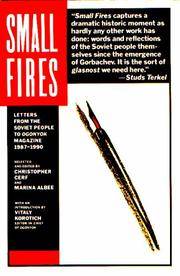
Cerf, Christopher (Editor), and Albee, Marina (Editor)
Small Fires; Letters From The Soviet People To Ogonyok Magazine 1987-1990
New York: Summit Books 1990. First Printing Stated. Hardcover. Very good/Very good. 303 1 pages. Illustrations. Glossary. Index. Introduction by Vitaly Korotich. Afterword by Andrei Sakharov. Afterword by Olzhas Suleimenov. There is an inscription on the fep signed by the Editor Albee The inscription reads To Senator Leahy: Russia is a long way from Vermont but at least I knew how to keep warm there. My best wishes to you and your family. Marina Albee. Christopher Cerf born August 19 1941 is an American author composer-lyricist voice actor and record and television producer. He has contributed music to Sesame Street and co-created and co-produced the PBS literacy education television program Between the Lions. Cerf's father was Random House co-founder publisher editor and TV panelist Bennett Cerf. Cerf also work as an author and satirist. In 1970 he helped launch the National Lampoon serving as a Contributing Editor from its first issue until the mid-1970s. Marina Albee was a Ph.D. student at The Harriman Institute at Columbia University in NYC in 1985. She decided to go there because of dynamic professor Jonathan Sanders who had organized the construction of an antenna on the roof of the Institute to watch Soviet television. Marina began to study the Soviet Union through its television and Mikhail Gorbachev's USSR was changing it every day. The inventor of the system went on tour to Moscow and she accompanied him to Gosteleradio. This led to a career spanning 30 years doing live satellite TV to TV and film production to music production to telecom servicing. She teaches at the European University at St. Petersburg. From Library Journal: This compendium of both published and unpublished letters sent to Ogonyok Russia's leading illustrated weekly provides vivid glimpses of Soviet citizens burning with rage at a state bureaucracy that has yet to experience glasnost and perestroika below the highest governmental levels. The Soviet substitute for Larry King Dear Abby and the Better Business Bureau this column serves a broader purpose than letters' columns in the United States and some of the stories recounted here--by retirees homemakers and parents of Soviet soldiers--are heartbreaking. Soviet society has never been portrayed in a more wretched light. - Robert Decker Columbia. Patrick Joseph Leahy born March 31 1940 is an American politician and attorney who represented Vermont in the United States Senate from 1975 to 2023 and also served as the president pro tempore of the United States Senate from 2012 to 2015 and from 2021 to 2023. A member of the Democratic Party he chaired the Senate Appropriations Committee the Senate Judiciary Committee and the Senate Agriculture Committee at various points during his 48-year tenure. Leahy is the third-longest-serving U.S. senator in history and is the longest-serving member of the United States Congress to solely serve as a U.S. senator. In April 2023 Mayor Miro Weinberger announced that Burlington International Airport would be renamed Patrick Leahy Burlington International Airport. Summit Books hardcover
Référence libraire : 86973 ISBN : 0671693972 9780671693978
|
|
|
Holstein, Marina
Konflikte und Konfliktlösungen in Organisationen German Edition
paperback. Good. Access codes and supplements are not guaranteed with used items. May be an ex-library book. paperback
Référence libraire : 3640131541.G ISBN : 3640131541 9783640131549

|
|
|
Ehrngruber, Marina
Die rauchende Frau: Eine historische Bildanalyse des Frauenrauchens anhand ausgewählter Beispiele aus der deutschsprachigen Plakatwerbung 1890-1964 German Edition
paperback. Good. Access codes and supplements are not guaranteed with used items. May be an ex-library book. paperback
Référence libraire : 3656974373.G ISBN : 3656974373 9783656974376

|
|
|
Schauer, Marina
Die irakische Verfassung und die Scharia: Geschichte und Verfassungen des modernen Irak seit 1920 German Edition
paperback. Good. Access codes and supplements are not guaranteed with used items. May be an ex-library book. paperback
Référence libraire : 3656672377.G ISBN : 3656672377 9783656672371

|
|
|
Bonanati, Marina
Lernentwicklungsgespräche und Partizipation: Rekonstruktionen zur Gesprächspraxis zwischen Lehrpersonen Grundschülern und Eltern German Edition
paperback. Good. Access codes and supplements are not guaranteed with used items. May be an ex-library book. paperback
Référence libraire : 3658187484.G ISBN : 3658187484 9783658187484

|
|
|
Kahne, Marina
Ich hatte doch nie zu hohen Blutdruck .: Wie Frauen ab 40 Hypertonie erfolgreich bekämpfen German Edition
paperback. Good. Access codes and supplements are not guaranteed with used items. May be an ex-library book. paperback
Référence libraire : 3744834131.G ISBN : 3744834131 9783744834131

|
|

 Recevoir par e-mail
 Télécharger en PDF
 Flux RSS
 Lien permanent


