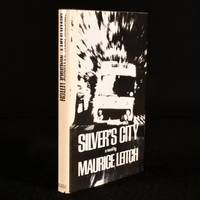
Simon & Schuster 1966. Book. Fine. Hardcover. 1st Edition. Fine Copy in a Near Fine Jacket Lightly Faded At the Spine.$5.00 on Flap.Stated First Edition. Rare Classic on Books About Books.Fresh Copy. Simon & Schuster Hardcover
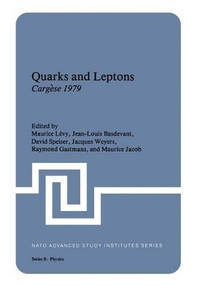
Paperback / softback. New. The theory of General Relativity after its invention by Albert Einstein remained for many years a monument of mathemati cal speculation striking in its ambition and its formal beauty but quite separated from the main stream of modern Physics which had centered after the early twenties on quantum mechanics and its applications. paperback
書籍販売業者の参照番号
: B9781461329572 ISBN : 1461329574 9781461329572
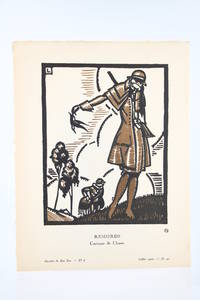
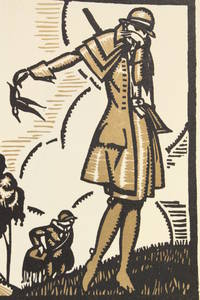
Paris: Lucien Vogel éditeur 1920. Fine. Lucien Vogel éditeur Paris Juillet 1920 18 x 24 cm une feuille Original color print pulled on laid paper signed upper left of the plate. Original engraving created for the illustration of La Gazette du bon ton one of the most beautiful and influential fashion magazines of the 20th century celebrating the talent of French creators and artists during the height of the Art Deco movement. Famous fashion magazine founded in 1912 by Lucien Vogel La Gazette du bon ton was published until 1925 with an interruption during the War from 1915 to 1920 due to the mobilization of its editor-in-chief. It consists of 69 issues printed in only 2000 copies and is illustrated notably with 573 color plates and 148 sketches representing models by great couturiers. From their publication these luxurious publications ""addressed bibliophiles and worldly aesthetes"" Françoise Tétart-Vittu ""La Gazette du bon ton"" in Dictionnaire de la mode 2016. Printed on fine laid paper they use a typeface specially created for the magazine by Georges Peignot the Cochin character adopted in 1946 by Christian Dior. The prints are created using the metal stencil technique heightened in colors and for some highlighted with gold or palladium. The adventure began in 1912 when Lucien Vogel man of the world and fashion - he had already participated in the magazine Femina - decided to found with his wife Cosette de Brunhoff sister of Jean the father of Babar the Gazette du bon ton whose subtitle was then ""Art modes et frivolités"". Georges Charensol reports the words of the editor-in-chief: ""En 1910 observe-t-il il n'existait aucun journal de mode véritablement artistique et représentatif de l'esprit de son époque. Je songeais donc à faire un magazine de luxe avec des artistes véritablement modernes . J'étais certain du succès car pour la mode aucun pays ne peut rivaliser avec la France."" ""In 1910 he observed there was no fashion journal that was truly artistic and representative of the spirit of its time. I was therefore thinking of making a luxury magazine with truly modern artists . I was certain of success because for fashion no country can rival France."" ""Un grand éditeur d'art. Lucien Vogel"" in Les Nouvelles littéraires n°133 May 1925. The success of the magazine was immediate not only in France but also in the United States and South America. Originally Vogel thus brought together a group of seven artists: André-Édouard Marty and Pierre Brissaud followed by Georges Lepape and Dammicourt; and finally his friends from the École des beaux-arts who were George Barbier Bernard Boutet de Monvel or Charles Martin. Other talents quickly joined the team: Guy Arnoux Léon Bakst Benito Boutet de Monvel Umberto Brunelleschi Chas Laborde Jean-Gabriel Domergue Raoul Dufy Édouard Halouze Alexandre Iacovleff Jean Émile Laboureur Charles Loupot Charles Martin Maggie Salcedo. These artists mostly unknown when Lucien Vogel called upon them would subsequently become emblematic and sought-after artistic figures. These same illustrators created the drawings for the Gazette's advertisements. The plates highlight and sublimate the dresses of seven creators of the period: Lanvin Doeuillet Paquin Poiret Worth Vionnet and Doucet. The couturiers provided exclusive models for each issue. Nevertheless some of the illustrations feature no real model but only the illustrator's idea of contemporary fashion. La Gazette du bon ton is a decisive step in fashion history. Combining aesthetic requirements and plastic unity it brought together for the first time the great talents from the worlds of arts letters and fashion and imposed through this alchemy a completely new image of women slender independent and audacious also carried by the new generation of couturiers Coco Chanel Jean Patou Marcel Rochas. Taken over in 1920 by Condé Montrose Nast the Gazette du bon ton would largely inspire the new composition and aesthetic cho Lucien Vogel éditeur unknown
Paris: Lucien Vogel éditeur 1920. Fine. Lucien Vogel éditeur Paris Juillet 1920 18 x 24 cm une feuille original print in color printed on laid paper signed upper left of the board. Original content produced for the illustration of The Gazette fashionable one of the finest and most influential twentieth century fashion magazines celebrating the talent of creators and artists French burgeoning art deco. Famous fashion magazine founded in 1912 by Lucien Vogel The Gazette fashionable appeared until 1925 with an interruption during the War of 1915 to 1920 due to mobilization of its editor. She is 69 Deliveries from just 2000 copies and is illustrated including 573 color plates and 148 sketches depicting models of fashion designers. Upon publication these luxury publications ""are for bibliophiles and worldly aesthetes"" Françoise Tétart-Vittu ""good Gazette of tone"" in the fashion dictionary 2016. Printed on fine laid paper they use a typeface created specifically for the magazine by Georges Peignot the Cochin character taken in 1946 by Christian Dior. The prints are made with the technique of metal stencil enhanced color and some outlined in gold or palladium. The adventure began in 1912 when Lucien Vogel man of the world and fashion - it has already participated in Femina magazine - decided to found with his wife Cosette de Brunhoff John's sister the father of Babar Gazette good tone in which the subtitle is then ""Art fashions and frivolities."" Georges Charensol quotes the editor: ""In 1910 he observed there was no truly artistic fashion magazine and representative of the spirit of his time. So I thought of making a glossy magazine with truly modern artists . I was certain of success because no country for fashion can compete with France. """" A great art editor. Lucien Vogel ""in Literary News No. 133 May 1925. The success of the magazine is immediate not only in France but also the US and South America. Originally Vogel therefore brings together a group of seven artists: André-Édouard Marty and Pierre Brissaud followed by Georges Lepape and Dammicourt; and finally his friends from the School of Fine Arts as are George Barbier Bernard Boutet de Monvel or Charles Martin. Other talents come quickly reach the equipped Guy Arnoux Léon Bakst Benito Boutet de Monvel Umberto Brunelleschi Chas Laborde Jean-Gabriel Domergue Raoul Dufy Edward Halouze Alexander Iacovleff Jean Emile Laboureur Charles Loupot Charles Martin Maggie Salcedo. These artists mostly unknown when Lucien Vogel appealed to them will eventually become iconic figures and artistic sought. These are the same illustrators who make the drawings advertisements Gazette. The boards highlight the dresses and sublime seven artists of the time: Lanvin Doeuillet Paquin Poiret Worth Vionnet and Doucet. The designers provide for each number of exclusive models. Nevertheless some of Illustrations contained no real model but only the idea that the illustrator is done in the fashion of the day. Gazette fashionable is a milestone in the history of fashion. Combining the aesthetic requirement and plastic unit it brings together for the first time the great talents of the world of arts literature and fashion and imposed by this alchemy a new image of women slender independent and bold also driven by the new generation of designers Coco Chanel Jean Patou Rochas Marcel . Recovery in 1920 by Condé Montrose Nast Gazette fashionable modeled for the new composition and the aesthetic choices of the ""little dying newspaper"" that Nast had bought a few years ago: the Vogue magazine. Lucien Vogel éditeur hardcover
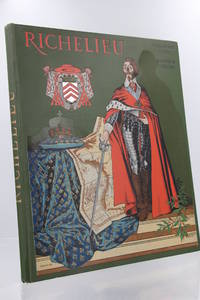
Paris: Combet & Cie 1904. Fine. Combet & Cie Paris 1904 28 x 36 cm reliure de l'éditeur Edition illustrated with color images by Maurice Leloir. Publisher's full green cloth binding smooth spine first cover illustrated with a polychrome plate depicting Cardinal Richelieu brandishing a sword edges gilt endpapers and pastedowns of blue paper marginally discolored without gravity binding signed Poënsin. Gift inscription in pen from a previous owner as a present. Handsome copy. Combet & Cie hardcover
London: Secker & Warburg 1981. First edition. Cloth. Fine/Very Good Indeed. 9" by 6". Not Stated. A fine first edition copy of this novel by Irish author Maurice Leitch winner of the 1981 Whitbread Book Award for novel of the year. A fine copy of this compelling novel which is a seminal fictional portrait of the Troubles an ethnographical conflict that occurred in Northern Ireland from approximately 1960 to 1998. The first edition of this work which was awarded the Whitbread Prize in 1981.Written by Irish author Maurice Leitch who wrote many novels about conflict and ethnography in Northern Ireland. Leitch was awarded a 'Most Excellent Order of the British Empire' for services to literature in 1998.Enclosed in the original dust wrapper. In the publisher's original cloth binding. Externally excellent. Original unclipped dust wrapper is very smart with just some light edgewear and light age-toning to the extremities. A small closed tear to the head of the front of the wrap. Internally firmly bound. Pages are bright and clean. Fine Secker & Warburg hardcover

 検索結果のメールを受信する
 PDFファイルの検索結果をダウンロード
 RSSフィード
 パーマネントリンク