|
|
|
Bartolini Luigi (Cupramontana 1892 – Roma 1963)
Genziane e cetonia dorata
Acquaforte. Lastra mm 160x245, foglio 350x500 mm. Firma e data in lastra in basso e in alto a sinistra Bartolini 1957. Tiratura a matita in basso al centro 9/50. Firma a matita in basso a destra Luigi Bartolini Altri titoli: Vaso di fiori, Fiori, I fiorellini. Le genziane, insieme alle fonti marchigiane, sono uno dei soggetti più amati da Bartolini. Dagli anni del confino politico meranese fino alla fine degli Anni Cinquanta, l’artista ne ha inciso almeno una ventina di versioni, dieci delle quali solo nel 1934. Il presente soggetto riprende, con alcune modifiche e un tratto diverso, una lastra del 1934 dal titolo Genziane. Luigi Bartolini è considerato uno dei maggiori incisori italiani del Novecento, insieme a Giorgio Morandi e Giuseppe Viviani. Oltre ad essere un prolifico incisore (al suo attivo oltre mille acqueforti), fu anche pittore e scrittore. Partecipò sia come pittore che come incisore a diverse edizioni della Biennale di Venezia dal 1928 al 1962. Presente a varie manifestazioni artistiche, sviluppò diverse maniere definite: ‘maniera bionda’, ‘lineare’ e ‘nera’. Ricordiamo soprattutto le acqueforti della serie Marche e della serie Sicilia. Iniziò la sua produzione grafica nel 1914 e il suo stile si rifà alla tradizione naturalistica dell’Ottocento. Molte sue incisioni si possono ricollegare ad alcune opere del Goya, di Telemaco Signorini e di Giovanni Fattori. Eccellente nella rappresentazione della natura morta e del paesaggio, spesso il Bartolini rappresentò dolcemente le cose e gli oggetti più umili, i soggetti di natura più dimessi. In essi ritroviamo il sentimento che diviene immagine e la forma che si sviluppa in espressione. Con Bartolini l’incisione torna ad essere un mezzo di espressione poetica libera dal simbolismo e dal vedutismo allora in voga presso le accademie. Nelle sue acqueforti prevale ora un tratteggio leggero (genere biondo), ora una ricerca del chiaroscuro alla Rembrandt (genere nero). Magnifica prova, con margini, in ottime condizioni. Bibliografia L. Palumbo Scalzi, Luigi Bartolini Incisioni, Galleria Flaviostocco, Castelfranco Veneto, 1998, pag. 69 (variante tirata a 30 esemplari). Etching. Plate 160x245 mm, sheet 350x500 mm. Signature and date on plate at bottom and top left Bartolini 1957. Pencil print run at bottom center 9/50. Signature in pencil at lower right Luigi Bartolini. Other titles: Vaso di Fiori (Vase of Flowers), Fiori (Flowers), I Fiorellini (The Little Flowers). The gentians, together with the Marche sources, are one of the subjects most loved by Bartolini. From the years of political exile in Merano until the end of the 1950s, the artist engraved at least twenty versions, ten of which in 1934. The present subject is taken, with somechanges, from a 1934 plate entitled Genziane. Born in Cupramontana near Ancona, Luigi Bartolini was the twentieth century Italian etcher, who came closest to the stature of his great rival, Morandi. As a teenager, he saw the collection of etchings, including work by Callot, owned by the Corradi family in Iesi. From 1907 to 1910 Bartolini studied at the Istituto di Belle Arti in Siena, and started to etch c. 1909. He moved to Rome in 1910, where until 1912 he frequented the Accademia di Belle Arti, while also attending lectures on literature and the history of art, and courses on anatomy at the University in Rome. Bartolini studied the etchings of Goya and took lessons on drawing at the Accademia di Spagna. From there, he went to Florence in 1913, where he attended the Scuola del nudo. Bartolini continued his anatomical research, as well as studying architecture, making himself the most assiduous student of all Italian twentieth century printmakers. He also visited the Uffizi and Florentine print dealers to look at the etchings of Rembrandt and Fattori. Bartolini painted his first oils just before the outbreak of the First World War. Although he painted pictures throughout the rest of his career, and was awarded the Premio Marzotto for them in 1956, they have been far eclipsed in fame by his etchings and writings. During the First World War, Bartolini published his first collection of poetry. A very prolific and accomplished writer, in this field he is best known today as the author of the novel, 'Ladri di biciclette' (Bicycle thieves), of 1946, which was quickly turned into a celebrated film by Vittorio de Sica and Cesar Zavattini. After the First World War, Bartolini held a series of minor teaching posts in Macerata, Sassari, Avezzano, Pola, and Caltagirone, while he continued to etch, and started a long career as a polemical journalist and critic of art and architecture. From 1923 to 1929, he wrote for the Naples periodical, 'Cimento', but he also contributed to 'Il Selvaggio', 'Quadrivio', 'Italia letteraria', and 'L'Ambrosiana'. Bartolini's 1924 exhibition of etchings at the Casa d'Arte Bragaglia in Rome was a great success, and later that year he showed 70 etched landscapes of the Marches at the Casa Palazzo di Roma. The following year he visited Paris, where he paid particular attention to the paintings of Van Gogh. Bartolini's political convictions led him to being assaulted by Fascists and hospitalised in 1928. Two years later, he won a prize at the Venice Biennale, where he had exhibited a portfolio of etchings. In 1930, the Turin publisher, Buratti, began to issue a series of portfolios of etchings by contemporary Italian artists under the editorship of Cipriano Oppi, selecting Bartolini for the first album. The following year, Buratti published 'Le carte parlanti', a portfolio of 10 of Bartolini's etchings, which was published in an edition of 20. In 1932, Bartolini shared the first prize at the Prima mostra dell'incisione moderna at the Uffizi with Morandi and Boccioni. His close friend, the leading anti-Fascist art historian, Lionello Venturi, acted as his agent selling his etchings in Paris. Bartolini's correspondence with his compatriots in exile led to his imprisonment, from which he was released on Mussolini's personal intervention. He was then placed under political surveillance. From 1933 to 1938, Bartolini taught in Merano, wh...

|
|
|
Bartolini Luigi (Cupramontana 1892 – Roma 1963)
Gli amanti crucciati 2
Acquaforte,1952. Lastra mm. 148x82. Firma a matita in basso a destra Luigi Bartolini. Dedica a matita in basso “Auguri per il 1954”. Tiratura a 20 esemplari, inserita nelle copie di testa del libro Ombre fra le metope, Schwarz Editore 1953, stampato da Luigi Maestri, Milano. Luigi Bartolini è considerato uno dei maggiori incisori italiani del Novecento, insieme a Giorgio Morandi e Giuseppe Viviani. Oltre ad essere un prolifico incisore (al suo attivo oltre mille acqueforti), fu anche pittore e scrittore. Partecipò sia come pittore che come incisore a diverse edizioni della Biennale di Venezia dal 1928 al 1962. Presente a varie manifestazioni artistiche, sviluppò diverse maniere definite: ‘maniera bionda’, ‘lineare’ e ‘nera’. Ricordiamo soprattutto le acqueforti della serie Marche e della serie Sicilia. Iniziò la sua produzione grafica nel 1914 e il suo stile si rifà alla tradizione naturalistica dell’Ottocento. Molte sue incisioni si possono ricollegare ad alcune opere del Goya, di Telemaco Signorini e di Giovanni Fattori. Eccellente nella rappresentazione della natura morta e del paesaggio, spesso il Bartolini rappresentò dolcemente le cose e gli oggetti più umili, i soggetti di natura più dimessi. In essi ritroviamo il sentimento che diviene immagine e la forma che si sviluppa in espressione. Con Bartolini l’incisione torna ad essere un mezzo di espressione poetica libera dal simbolismo e dal vedutismo allora in voga presso le accademie. Nelle sue acqueforti prevale ora un tratteggio leggero (genere biondo), ora una ricerca del chiaroscuro alla Rembrandt (genere nero). Bibliografia https://www.luigibartolini.com/gli_amanti_crucciati_74.html Etching,1952. Plate mm. 148x82. Signature in pencil at lower right Luigi Bartolini. Dedication in pencil at the bottom "Auguri per il 1954". Limited edition of 20 copies, inserted in the leading copies of the book Ombre fra le metope, Schwarz Editore 1953, printed by Luigi Maestri, Milan. Born in Cupramontana near Ancona, Luigi Bartolini was the twentieth century Italian etcher, who came closest to the stature of his great rival, Morandi. As a teenager, he saw the collection of etchings, including work by Callot, owned by the Corradi family in Iesi. From 1907 to 1910 Bartolini studied at the Istituto di Belle Arti in Siena, and started to etch c. 1909. He moved to Rome in 1910, where until 1912 he frequented the Accademia di Belle Arti, while also attending lectures on literature and the history of art, and courses on anatomy at the University in Rome. Bartolini studied the etchings of Goya and took lessons on drawing at the Accademia di Spagna. From there, he went to Florence in 1913, where he attended the Scuola del nudo. Bartolini continued his anatomical research, as well as studying architecture, making himself the most assiduous student of all Italian twentieth century printmakers. He also visited the Uffizi and Florentine print dealers to look at the etchings of Rembrandt and Fattori. Bartolini painted his first oils just before the outbreak of the First World War. Although he painted pictures throughout the rest of his career, and was awarded the Premio Marzotto for them in 1956, they have been far eclipsed in fame by his etchings and writings. During the First World War, Bartolini published his first collection of poetry. A very prolific and accomplished writer, in this field he is best known today as the author of the novel, 'Ladri di biciclette' (Bicycle thieves), of 1946, which was quickly turned into a celebrated film by Vittorio de Sica and Cesar Zavattini. After the First World War, Bartolini held a series of minor teaching posts in Macerata, Sassari, Avezzano, Pola, and Caltagirone, while he continued to etch, and started a long career as a polemical journalist and critic of art and architecture. From 1923 to 1929, he wrote for the Naples periodical, 'Cimento', but he also contributed to 'Il Selvaggio', 'Quadrivio', 'Italia letteraria', and 'L'Ambrosiana'. Bartolini's 1924 exhibition of etchings at the Casa d'Arte Bragaglia in Rome was a great success, and later that year he showed 70 etched landscapes of the Marches at the Casa Palazzo di Roma. The following year he visited Paris, where he paid particular attention to the paintings of Van Gogh. Bartolini's political convictions led him to being assaulted by Fascists and hospitalised in 1928. Two years later, he won a prize at the Venice Biennale, where he had exhibited a portfolio of etchings. In 1930, the Turin publisher, Buratti, began to issue a series of portfolios of etchings by contemporary Italian artists under the editorship of Cipriano Oppi, selecting Bartolini for the first album. The following year, Buratti published 'Le carte parlanti', a portfolio of 10 of Bartolini's etchings, which was published in an edition of 20. In 1932, Bartolini shared the first prize at the Prima mostra dell'incisione moderna at the Uffizi with Morandi and Boccioni. His close friend, the leading anti-Fascist art historian, Lionello Venturi, acted as his agent selling his etchings in Paris. Bartolini's correspondence with his compatriots in exile led to his imprisonment, from which he was released on Mussolini's personal intervention. He was then placed under political surveillance. From 1933 to 1938, Bartolini taught in Merano, where he painted and etched in the open air, finding subjects on the banks of the fast flowing Adige. Despite being under political suspicion, he was given a one - man show of 50 etchings at the second Rome Quadriennale in 1935, when he was awarded the first prize for printmaking. Bartolini still encountered political difficulties, and his ...

|
|
|
Bartolini Luigi (Cupramontana 1892 – Roma 1963)
I guerrieri
Acquaforte e punta secca, 1939. Misure della lastra, 260x 185 mm misure del foglio 283x203 mm. Esemplare unico, come da iscrizione a matita “p. e. u” (prova esemplare unico) in basso. Variante dell’opera I guerrieri dello stesso anno (Marino, 866, Ficacci, 85), con numerose modifiche e su una lastra di dimensioni diverse. Firma e data incise sulla lastra in basso a sinistra, firma e titolo a matita in basso “I guerrieri P. e. u Luigi Bartolini”. Luigi Bartolini è considerato uno dei maggiori incisori italiani del Novecento, insieme a Giorgio Morandi e Giuseppe Viviani. Oltre ad essere un prolifico incisore (al suo attivo oltre mille acqueforti), fu anche pittore e scrittore. Partecipò sia come pittore che come incisore a diverse edizioni della Biennale di Venezia dal 1928 al 1962. Presente a varie manifestazioni artistiche, sviluppò diverse maniere definite: ‘maniera bionda’, ‘lineare’ e ‘nera’. Ricordiamo soprattutto le acqueforti della serie Marche e della serie Sicilia. Iniziò la sua produzione grafica nel 1914 e il suo stile si rifà alla tradizione naturalistica dell’Ottocento. Molte sue incisioni si possono ricollegare ad alcune opere del Goya, di Telemaco Signorini e di Giovanni Fattori. Eccellente nella rappresentazione della natura morta e del paesaggio, spesso il Bartolini rappresentò dolcemente le cose e gli oggetti più umili, i soggetti di natura più dimessi. In essi ritroviamo il sentimento che diviene immagine e la forma che si sviluppa in espressione. Con Bartolini l’incisione torna ad essere un mezzo di espressione poetica libera dal simbolismo e dal vedutismo allora in voga presso le accademie. Nelle sue acqueforti prevale ora un tratteggio leggero (genere biondo), ora una ricerca del chiaroscuro alla Rembrandt (genere nero). Bibliografia C. Barsanti, Catalogo ragionato dell’opera grafica di Luigi Bartolini, Galleria Marino Roma (1972), n. 866; Ficacci, Luigi Bartolini alla Calcografia, n. 85. Etching and drypoint, 1939. Plate size, 260x 185 mm sheet size 283x203 mm. A unique example, as per pencil inscription "p. e. u" at bottom. Variant of the work I guerrieri of the same year (Marino, 866, Ficacci, 85), with numerous changes and engraved on a plate of different size. Signature and date engraved on the plate at lower left, and signature and title in pencil at bottom "I guerrieri P. e. u Luigi Bartolini". Born in Cupramontana near Ancona, Luigi Bartolini was the twentieth century Italian etcher, who came closest to the stature of his great rival, Morandi. As a teenager, he saw the collection of etchings, including work by Callot, owned by the Corradi family in Iesi. From 1907 to 1910 Bartolini studied at the Istituto di Belle Arti in Siena, and started to etch c. 1909. He moved to Rome in 1910, where until 1912 he frequented the Accademia di Belle Arti, while also attending lectures on literature and the history of art, and courses on anatomy at the University in Rome. Bartolini studied the etchings of Goya and took lessons on drawing at the Accademia di Spagna. From there, he went to Florence in 1913, where he attended the Scuola del nudo. Bartolini continued his anatomical research, as well as studying architecture, making himself the most assiduous student of all Italian twentieth century printmakers. He also visited the Uffizi and Florentine print dealers to look at the etchings of Rembrandt and Fattori. Bartolini painted his first oils just before the outbreak of the First World War. Although he painted pictures throughout the rest of his career, and was awarded the Premio Marzotto for them in 1956, they have been far eclipsed in fame by his etchings and writings. During the First World War, Bartolini published his first collection of poetry. A very prolific and accomplished writer, in this field he is best known today as the author of the novel, 'Ladri di biciclette' (Bicycle thieves), of 1946, which was quickly turned into a celebrated film by Vittorio de Sica and Cesar Zavattini. After the First World War, Bartolini held a series of minor teaching posts in Macerata, Sassari, Avezzano, Pola, and Caltagirone, while he continued to etch, and started a long career as a polemical journalist and critic of art and architecture. From 1923 to 1929, he wrote for the Naples periodical, 'Cimento', but he also contributed to 'Il Selvaggio', 'Quadrivio', 'Italia letteraria', and 'L'Ambrosiana'. Bartolini's 1924 exhibition of etchings at the Casa d'Arte Bragaglia in Rome was a great success, and later that year he showed 70 etched landscapes of the Marches at the Casa Palazzo di Roma. The following year he visited Paris, where he paid particular attention to the paintings of Van Gogh. Bartolini's political convictions led him to being assaulted by Fascists and hospitalised in 1928. Two years later, he won a prize at the Venice Biennale, where he had exhibited a portfolio of etchings. In 1930, the Turin publisher, Buratti, began to issue a series of portfolios of etchings by contemporary Italian artists under the editorship of Cipriano Oppi, selecting Bartolini for the first album. The following year, Buratti published 'Le carte parlanti', a portfolio of 10 of Bartolini's etchings, which was published in an edition of 20. In 1932, Bartolini shared the first prize at the Prima mostra dell'incisione moderna at the Uffizi with Morandi and Boccioni. His close friend, the leading anti-Fascist art historian, Lionello Venturi, acted as his agent selling his etchings in Paris. Bartolini's correspondence with his compatriots in exile led to his imprisonment, from which he was released on Mussolini's personal intervention. He was then placed under political surveillance. From 1933 to 1938, Bartolini taught in Merano, where he painted and etched in the open air, finding subjects on the banks of the fast flowing Adige. Despite being under political suspicion, he was given a one - man show of 50 etchings at the second Rome Quadri...

|
|
|
Bartolini Luigi (Cupramontana 1892 – Roma 1963)
La fonte (Tre donne alla fontana)
Acquaforte e punta secca, 1924. Misure della lastra 85x130 mm. Prova d’autore, firmata a matita in basso “L. Bartolini”. Esemplare rifilato al rame ed applicato su cartoncino coevo. Perfetto stato di conservazione. All’incisione, databile al 1924-25 come altre opere analoghe dell’artista, Bartolini assegnerà poi il titolo definitivo di Tre donne alla fontana. Un’esemplare dell’opera definitiva è passato in asta a Berna nel novembre del 2007: https://www.mutualart.com/Artwork/Tre-donne-alla-fontana/591860B3A0845475 Luigi Bartolini è considerato uno dei maggiori incisori italiani del Novecento, insieme a Giorgio Morandi e Giuseppe Viviani. Oltre ad essere un prolifico incisore (al suo attivo oltre mille acqueforti), fu anche pittore e scrittore. Partecipò sia come pittore che come incisore a diverse edizioni della Biennale di Venezia dal 1928 al 1962. Presente a varie manifestazioni artistiche, sviluppò diverse maniere definite: ‘maniera bionda’, ‘lineare’ e ‘nera’. Ricordiamo soprattutto le acqueforti della serie Marche e della serie Sicilia. Iniziò la sua produzione grafica nel 1914 e il suo stile si rifà alla tradizione naturalistica dell’Ottocento. Molte sue incisioni si possono ricollegare ad alcune opere del Goya, di Telemaco Signorini e di Giovanni Fattori. Eccellente nella rappresentazione della natura morta e del paesaggio, spesso il Bartolini rappresentò dolcemente le cose e gli oggetti più umili, i soggetti di natura più dimessi. In essi ritroviamo il sentimento che diviene immagine e la forma che si sviluppa in espressione. Con Bartolini l’incisione torna ad essere un mezzo di espressione poetica libera dal simbolismo e dal vedutismo allora in voga presso le accademie. Nelle sue acqueforti prevale ora un tratteggio leggero (genere biondo), ora una ricerca del chiaroscuro alla Rembrandt (genere nero). Rara. Etching and drypoint, 1924. Plate size 85x130 mm. Artist's proof, signed in pencil at the bottom "L. Bartolini". Example trimmed to copper and applied on contempoary paperboard. Excellent state of preservation. Rare. Born in Cupramontana near Ancona, Luigi Bartolini was the twentieth century Italian etcher, who came closest to the stature of his great rival, Morandi. As a teenager, he saw the collection of etchings, including work by Callot, owned by the Corradi family in Iesi. From 1907 to 1910 Bartolini studied at the Istituto di Belle Arti in Siena, and started to etch c. 1909. He moved to Rome in 1910, where until 1912 he frequented the Accademia di Belle Arti, while also attending lectures on literature and the history of art, and courses on anatomy at the University in Rome. Bartolini studied the etchings of Goya and took lessons on drawing at the Accademia di Spagna. From there, he went to Florence in 1913, where he attended the Scuola del nudo. Bartolini continued his anatomical research, as well as studying architecture, making himself the most assiduous student of all Italian twentieth century printmakers. He also visited the Uffizi and Florentine print dealers to look at the etchings of Rembrandt and Fattori. Bartolini painted his first oils just before the outbreak of the First World War. Although he painted pictures throughout the rest of his career, and was awarded the Premio Marzotto for them in 1956, they have been far eclipsed in fame by his etchings and writings. During the First World War, Bartolini published his first collection of poetry. A very prolific and accomplished writer, in this field he is best known today as the author of the novel, 'Ladri di biciclette' (Bicycle thieves), of 1946, which was quickly turned into a celebrated film by Vittorio de Sica and Cesar Zavattini. After the First World War, Bartolini held a series of minor teaching posts in Macerata, Sassari, Avezzano, Pola, and Caltagirone, while he continued to etch, and started a long career as a polemical journalist and critic of art and architecture. From 1923 to 1929, he wrote for the Naples periodical, 'Cimento', but he also contributed to 'Il Selvaggio', 'Quadrivio', 'Italia letteraria', and 'L'Ambrosiana'. Bartolini's 1924 exhibition of etchings at the Casa d'Arte Bragaglia in Rome was a great success, and later that year he showed 70 etched landscapes of the Marches at the Casa Palazzo di Roma. The following year he visited Paris, where he paid particular attention to the paintings of Van Gogh. Bartolini's political convictions led him to being assaulted by Fascists and hospitalised in 1928. Two years later, he won a prize at the Venice Biennale, where he had exhibited a portfolio of etchings. In 1930, the Turin publisher, Buratti, began to issue a series of portfolios of etchings by contemporary Italian artists under the editorship of Cipriano Oppi, selecting Bartolini for the first album. The following year, Buratti published 'Le carte parlanti', a portfolio of 10 of Bartolini's etchings, which was published in an edition of 20. In 1932, Bartolini shared the first prize at the Prima mostra dell'incisione moderna at the Uffizi with Morandi and Boccioni. His close friend, the leading anti-Fascist art historian, Lionello Venturi, acted as his agent selling his etchings in Paris. Bartolini's correspondence with his compatriots in exile led to his imprisonment, from which he was released on Mussolini's personal intervention. He was then placed under political surveillance. From 1933 to 1938, Bartolini taught in Merano, where he painted and etched in the open air, finding subjects on the banks of the fast flowing Adige. Despite being under political suspicion, he was given a one - man show of 50 etchings at the second Rome Quadriennale in 1935, when he was awarded the first prize for printmaking. Bartolini still encountered political difficulties, and his 'Modi', published by Edizioni del Cavallino in 1938, was censured by Al...

|
|
|
Bartolini Luigi (Cupramontana 1892 – Roma 1963)
La quaglia
Acquaforte, 1932, esemplare unico terminato ad acquarello. Lastra 130x220 mm. Firmata e datata in lastra 1932. Titolo autografo a matita in basso a sinistra dove riportata l’iscrizione “unica a colori”. Firma a matita in basso a destra “Luigi Bartolini”. Un esemplare unico della stampa viene descritto in diversi repertori (vedi bibliografia sotto) e riprodotto ne Gli esemplari unici o rari (Casini editore, Roma 1952). Il presente esemplare sarebbe dunque l’unico terminato a colori da Bartolini. Luigi Bartolini è considerato uno dei maggiori incisori italiani del Novecento, insieme a Giorgio Morandi e Giuseppe Viviani. Oltre ad essere un prolifico incisore (al suo attivo oltre mille acqueforti), fu anche pittore e scrittore. Partecipò sia come pittore che come incisore a diverse edizioni della Biennale di Venezia dal 1928 al 1962. Presente a varie manifestazioni artistiche, sviluppò diverse maniere definite: ‘maniera bionda’, ‘lineare’ e ‘nera’. Ricordiamo soprattutto le acqueforti della serie Marche e della serie Sicilia. Iniziò la sua produzione grafica nel 1914 e il suo stile si rifà alla tradizione naturalistica dell’Ottocento. Molte sue incisioni si possono ricollegare ad alcune opere del Goya, di Telemaco Signorini e di Giovanni Fattori. Eccellente nella rappresentazione della natura morta e del paesaggio, spesso il Bartolini rappresentò dolcemente le cose e gli oggetti più umili, i soggetti di natura più dimessi. In essi ritroviamo il sentimento che diviene immagine e la forma che si sviluppa in espressione. Con Bartolini l’incisione torna ad essere un mezzo di espressione poetica libera dal simbolismo e dal vedutismo allora in voga presso le accademie. Nelle sue acqueforti prevale ora un tratteggio leggero (genere biondo), ora una ricerca del chiaroscuro alla Rembrandt (genere nero). Magnifica prova, con margini, in ottime condizioni. Il presente esemplare proviene dalla mostra di Bartolini presso la Galleria d’Arte Moderna Viotti di Torino, tenutasi il 22 febbraio 1969. Viene allegata la targhetta della galleria. Etching, 1932, unique example finished in watercolor. 130x220 mm plate. Signed and dated on plate 1932. Autograph title in pencil at lower left where inscribed "unique in color". Signature in pencil at lower right "Luigi Bartolini". A unique example of the print is described in several repertories and is reproduced in (Casini editore, Roma 1952). The present example would therefore be the only one finished in color by Bartolini. Magnificent proof, with margins, in excellent condition. The present example comes from Bartolini's exhibition at the Galleria d'Arte Moderna Viotti in Turin, on February 22, 1969. The gallery plaque is enclosed. Born in Cupramontana near Ancona, Luigi Bartolini was the twentieth century Italian etcher, who came closest to the stature of his great rival, Morandi. As a teenager, he saw the collection of etchings, including work by Callot, owned by the Corradi family in Iesi. From 1907 to 1910 Bartolini studied at the Istituto di Belle Arti in Siena, and started to etch c. 1909. He moved to Rome in 1910, where until 1912 he frequented the Accademia di Belle Arti, while also attending lectures on literature and the history of art, and courses on anatomy at the University in Rome. Bartolini studied the etchings of Goya and took lessons on drawing at the Accademia di Spagna. From there, he went to Florence in 1913, where he attended the Scuola del nudo. Bartolini continued his anatomical research, as well as studying architecture, making himself the most assiduous student of all Italian twentieth century printmakers. He also visited the Uffizi and Florentine print dealers to look at the etchings of Rembrandt and Fattori. Bartolini painted his first oils just before the outbreak of the First World War. Although he painted pictures throughout the rest of his career, and was awarded the Premio Marzotto for them in 1956, they have been far eclipsed in fame by his etchings and writings. During the First World War, Bartolini published his first collection of poetry. A very prolific and accomplished writer, in this field he is best known today as the author of the novel, 'Ladri di biciclette' (Bicycle thieves), of 1946, which was quickly turned into a celebrated film by Vittorio de Sica and Cesar Zavattini. After the First World War, Bartolini held a series of minor teaching posts in Macerata, Sassari, Avezzano, Pola, and Caltagirone, while he continued to etch, and started a long career as a polemical journalist and critic of art and architecture. From 1923 to 1929, he wrote for the Naples periodical, 'Cimento', but he also contributed to 'Il Selvaggio', 'Quadrivio', 'Italia letteraria', and 'L'Ambrosiana'. Bartolini's 1924 exhibition of etchings at the Casa d'Arte Bragaglia in Rome was a great success, and later that year he showed 70 etched landscapes of the Marches at the Casa Palazzo di Roma. The following year he visited Paris, where he paid particular attention to the paintings of Van Gogh. Bartolini's political convictions led him to being assaulted by Fascists and hospitalised in 1928. Two years later, he won a prize at the Venice Biennale, where he had exhibited a portfolio of etchings. In 1930, the Turin publisher, Buratti, began to issue a series of portfolios of etchings by contemporary Italian artists under the editorship of Cipriano Oppi, selecting Bartolini for the first album. The following year, Buratti published 'Le carte parlanti', a portfolio of 10 of Bartolini's etchings, which was published in an edition of 20. In 1932, Bartolini shared the first prize at the Prima mostra dell'incisione moderna at the Uffizi with Morandi and Boccioni. His close friend, the leading anti-Fascist art historian, Lionello Venturi, acted as his agent selling his etchings in Paris. Bartolini's correspondence with his compatriots in exile led to his imprisonment, from which he was released on Mussolini's personal intervention. He was then placed under political surveillance. From 1933 to 1938, Bartolin... Gli esemplari unici o rari, Casini editore, Roma 1952; C.A. Petrucci, Le incisioni di Luigi Bartolini, Calcografia Nazionale Roma (1951), n. 379 (e.u.); G. Ronci, Le incisioni di Luigi Bartolini, Calcografia Nazionale Roma (1962), n. 379 (e.u.); C. Barsan

|
|
|
Bartolini Luigi (Cupramontana 1892 – Roma 1963)
Vaso con fiori dedicato a Vincenzo Cardarelli
Acquaforte, 1930 circa. Lastra mm 125x165, figlio mm 355x505. Firma a matita in basso a destra “L. Bartolini”. Dedica incisa in lastra, in basso “V. Cardarelli”. Dalla biografia di Luigi Bartolini si evince che nel gennaio 1928 ha inizio la corrispondenza epistolare con Vincenzo Cardarelli, che durerà fino al febbraio 1930. Pertanto, la datazione della lastra viene ricondotta a tale periodo. Luigi Bartolini è considerato uno dei maggiori incisori italiani del Novecento, insieme a Giorgio Morandi e Giuseppe Viviani. Oltre ad essere un prolifico incisore (al suo attivo oltre mille acqueforti), fu anche pittore e scrittore. Partecipò sia come pittore che come incisore a diverse edizioni della Biennale di Venezia dal 1928 al 1962. Presente a varie manifestazioni artistiche, sviluppò diverse maniere definite: ‘maniera bionda’, ‘lineare’ e ‘nera’. Ricordiamo soprattutto le acqueforti della serie Marche e della serie Sicilia. Iniziò la sua produzione grafica nel 1914 e il suo stile si rifà alla tradizione naturalistica dell’Ottocento. Molte sue incisioni si possono ricollegare ad alcune opere del Goya, di Telemaco Signorini e di Giovanni Fattori. Eccellente nella rappresentazione della natura morta e del paesaggio, spesso il Bartolini rappresentò dolcemente le cose e gli oggetti più umili, i soggetti di natura più dimessi. In essi ritroviamo il sentimento che diviene immagine e la forma che si sviluppa in espressione. Con Bartolini l’incisione torna ad essere un mezzo di espressione poetica libera dal simbolismo e dal vedutismo allora in voga presso le accademie. Nelle sue acqueforti prevale ora un tratteggio leggero (genere biondo), ora una ricerca del chiaroscuro alla Rembrandt (genere nero). Opera rarissima, non descritta dai repertori. Etching, circa 1930. Plate mm 125x165, son mm 355x505. Pencil signature at lower right "L. Bartolini". Dedication engraved on plate, at bottom "V. Cardarelli". From Luigi Bartolini's biography it is clear that in January 1928 he began his correspondence with Vincenzo Cardarelli, which lasted until February 1930. Therefore, the dating of the plate can be traced back to that period. Born in Cupramontana near Ancona, Luigi Bartolini was the twentieth century Italian etcher, who came closest to the stature of his great rival, Morandi. As a teenager, he saw the collection of etchings, including work by Callot, owned by the Corradi family in Iesi. From 1907 to 1910 Bartolini studied at the Istituto di Belle Arti in Siena, and started to etch c. 1909. He moved to Rome in 1910, where until 1912 he frequented the Accademia di Belle Arti, while also attending lectures on literature and the history of art, and courses on anatomy at the University in Rome. Bartolini studied the etchings of Goya and took lessons on drawing at the Accademia di Spagna. From there, he went to Florence in 1913, where he attended the Scuola del nudo. Bartolini continued his anatomical research, as well as studying architecture, making himself the most assiduous student of all Italian twentieth century printmakers. He also visited the Uffizi and Florentine print dealers to look at the etchings of Rembrandt and Fattori. Bartolini painted his first oils just before the outbreak of the First World War. Although he painted pictures throughout the rest of his career, and was awarded the Premio Marzotto for them in 1956, they have been far eclipsed in fame by his etchings and writings. During the First World War, Bartolini published his first collection of poetry. A very prolific and accomplished writer, in this field he is best known today as the author of the novel, 'Ladri di biciclette' (Bicycle thieves), of 1946, which was quickly turned into a celebrated film by Vittorio de Sica and Cesar Zavattini. After the First World War, Bartolini held a series of minor teaching posts in Macerata, Sassari, Avezzano, Pola, and Caltagirone, while he continued to etch, and started a long career as a polemical journalist and critic of art and architecture. From 1923 to 1929, he wrote for the Naples periodical, 'Cimento', but he also contributed to 'Il Selvaggio', 'Quadrivio', 'Italia letteraria', and 'L'Ambrosiana'. Bartolini's 1924 exhibition of etchings at the Casa d'Arte Bragaglia in Rome was a great success, and later that year he showed 70 etched landscapes of the Marches at the Casa Palazzo di Roma. The following year he visited Paris, where he paid particular attention to the paintings of Van Gogh. Bartolini's political convictions led him to being assaulted by Fascists and hospitalised in 1928. Two years later, he won a prize at the Venice Biennale, where he had exhibited a portfolio of etchings. In 1930, the Turin publisher, Buratti, began to issue a series of portfolios of etchings by contemporary Italian artists under the editorship of Cipriano Oppi, selecting Bartolini for the first album. The following year, Buratti published 'Le carte parlanti', a portfolio of 10 of Bartolini's etchings, which was published in an edition of 20. In 1932, Bartolini shared the first prize at the Prima mostra dell'incisione moderna at the Uffizi with Morandi and Boccioni. His close friend, the leading anti-Fascist art historian, Lionello Venturi, acted as his agent selling his etchings in Paris. Bartolini's correspondence with his compatriots in exile led to his imprisonment, from which he was released on Mussolini's personal intervention. He was then placed under political surveillance. From 1933 to 1938, Bartolini taught in Merano, where he painted and etched in the open air, finding subjects on the banks of the fast flowing Adige. Despite being under political suspicion, he was given a one - man show of 50 etchings at the second Rome Quadriennale in 1935, when he was awarded ...

|
|
|
BARTRAM SCHOOL
Perspectives Fifty Years Of Bartram School 1934-1984 Jacksonville Florida
Bartram School 1984-01-01. hardcover. Good/NO JACKET. 0x0x0. GREEN HARDCOVER WITH NO JACKET. HAS 106 PAGES WITH SOME PICTURES INFORMATION AND HISTORY OF BARTRAM SCHOOL IN JACKSONVILLE FLORIDA Bartram School hardcover
書籍販売業者の参照番号
: 240909004
|
|
|
BASTIEN Alfred, BAUTIER Pierre
"Alfred Basstien : Le paysage et la marine dans l'uvre de Rubens/Pierre Bautier : Jean-Antoine Van Der Baren et les peintres de fleurs; conférences (1940-1941)."
Bruxelles, Patrimoine des Musées Royaux des Beaux-Arts de Belgique, 1941. 21 x 27, 20 pp., 11 planches, broché, bon état.
書籍販売業者の参照番号
: 83072
|
|
|
BASE ECOLE DES TELECOMMUNICATIONS
COURS DE LIGNES - TOME I : LIGNES DE CAMPAGNE / EXEMPLAIRE N°128 - JUIN 1960 / C 9 TEL/FIL 10.
BASE ECOLE DES TELECOMMUNICATIONS - DIVISION D'INSTRUCTION TECHNIQUE - SUBDIVISION FIL. 1960. In-4. Broché. Etat d'usage, Couv. convenable, Dos satisfaisant, Intérieur frais. 77 pages agraffées - Augmenté de nombreuses figures en noir et blanc in texte.. . . . Classification Dewey : 358-Artillerie. Forces aériennes et spatiales
書籍販売業者の参照番号
: R320061483
|
|
|
BASE ECOLE DES TELECOMMUNICATIONS
COURS DE LIGNES - TOME II : LIGNES AERIENNES / EXEMPLAIRE N°145 - JUIN 1960 / C 17 TEL/FIL 11.
BASE ECOLE DES TELECOMMUNICATIONS - DIVISION D'INSTRUCTION TECHNIQUE - SUBDIVISION FIL. 1960. In-4. Broché. Etat d'usage, Couv. convenable, Dos abîmé, Intérieur frais. 133 pages agraffées - Augmenté de nombreuses figures en noir et blanc in texte.. . . . Classification Dewey : 358-Artillerie. Forces aériennes et spatiales
書籍販売業者の参照番号
: R320061484
|
|
|
BASE ECOLE DES TELECOMMUNICATIONS
COURS DE LIGNES - TOME III : LIGNES SOUTERRAINES / EXEMPLAIRE N°145 - AOUT 1960 / C 32 TEL/FIL 12.
BASE ECOLE DES TELECOMMUNICATIONS - DIVISION D'INSTRUCTION TECHNIQUE - SUBDIVISION FIL. 1960. In-4. Broché. Etat d'usage, Couv. convenable, Dos abîmé, Intérieur frais. 173 pages agraffées - Augmenté de nombreuses figures en noir et blanc in texte.. . . . Classification Dewey : 358-Artillerie. Forces aériennes et spatiales
書籍販売業者の参照番号
: R320061485
|
|
|
BASE ECOLE DES TELECOMMUNICATIONS
COURS D'ELECTRONIQUE - LIVRE 2 /C 6 TEL/FIL 14.
BASE ECOLE DES TELECOMMUNICATIONS - DIVISION D'INSTRUCTION TECHNIQUE - SUBDIVISION FIL. 1961. In-4. Broché. Etat d'usage, Couv. défraîchie, Dos abîmé, Intérieur frais. 92 pages agraffées - Nombreuses figures en noir et blanc in et hors texte.. . . . Classification Dewey : 358-Artillerie. Forces aériennes et spatiales
書籍販売業者の参照番号
: R320061494
|
|
|
BASSI Elena
Giotto, Chapelle des Scrovegni.
Milan, Aldo Martello, 1969. 12 x 19, 17 pp., 22 planches en couleurs, broché, bon état.
書籍販売業者の参照番号
: 47072
|
|
|
Bastien CAZALS
JE SUIS PROF ET JE DESOBEIS
Une plaquette de 24 pages, format 125 x 210 mm, illustrée, brochée couverture couleurs, publiée en 2009, Indigène Editions, bon état
書籍販売業者の参照番号
: LFA-126728891
|
|
|
BASE ECOLE DES TELECOMMUNICATIONS
SOMMAIRE : ENSEMBLE SAGEM / S 34 TEL/FIL 6.
BASE ECOLE DES TELECOMMUNICATIONS - DIVISION D'INSTRUCTION TECHNIQUE - SUBDIVISION FIL. 1960. In-4. Broché. Bon état, Couv. convenable, Dos satisfaisant, Intérieur frais. environ 100 pages agraffées.. . . . Classification Dewey : 358-Artillerie. Forces aériennes et spatiales
書籍販売業者の参照番号
: R320061492
|
|
|
Basco, Monica Ramirez, PhD (Associate Professor & Clinical Associate Professor, University of Texas SW Medical School)
Cognitive-Behavior Therapy for Severe Mental Illness
Paperback / softback. New. New Book; Fast Shipping from UK; Not signed; Not First Edition; A proven effective treatment for patients with severe mental illness CBT is illuminated in an insightful volume that boasts an abundance of learning exercises worksheets and checklists that offer an inside look at CBT methods in use paperback
書籍販売業者の参照番号
: ria9781615374595_inp ISBN : 1615374590 9781615374595

|
|
|
Bastard, Professor (Swimming Master to the Government Model School)
The Autobiography of 'Cockney Tom' showing his struggles through life and proving the truth of the old saying 'that honesty is the best policy'
Adelaide: McClory and Masterman Printers: 1881 First Edition. Published under the patronage of H.E. Sir W.F.D. Jervois G.C.M.G. Ferguson 6788. Cloth that is hard covers pp. 67 and 1 advertisement for the City Baths managed by Charles Bastard. Frontispiece and one other plate. Part II of the book pp. 21-47 is concerned mainly with Cockney Toms experiences on the Victorian goldfields. The plate opposite p. 37 is captioned On the Diggings at Tarrangower. At the foot of the frontispiece portrait Professor Bastard has written in ink With the Authors Comps To a recipient whose name has been largely blacked out. The recipient whose name is blacked out may well have been Captain J.W. Smith who was one of the subscribers. Front inner hinge split. The book is loosened in its casing though still firmly attached; otherwise a very good copy. hardcover
書籍販売業者の参照番号
: 249454
|
|
|
BASTIDE, Huguette.
Institutrice de village.
in-8, 198 pp., broché, couv. ill. Bel exemplaire [CL-6]
|
|
|
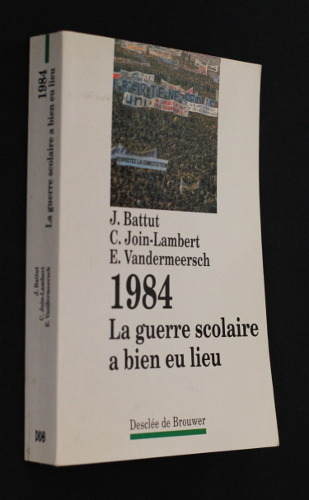
Battut Jean,Join-Lambert Christian,Vandermeersch Edmond
1984, la guerre scolaire a bien eu lieu
Desclée de Brouwer Formation Broché 1995 In-8 (14x21.5 cm), broché, premier plat illustré, 325 pages ; pliures au dos, très bon état. Livraison a domicile (La Poste) ou en Mondial Relay sur simple demande.
書籍販売業者の参照番号
: ny612
|
|
|
BATTISTI Eugenio
Cimabue. Collection : Art et Pensée.
Paris, La Bibliothèque des Arts, 1963. 23 x 31, 127 pp., 38 figures en N/B, 68 images (contrecollées) en couleurs, reliure d'édition pleine toile + jaquette, bon état.
書籍販売業者の参照番号
: 73794
|
|
|
BATAILLON Marcel - BERGE André - WALTER François
Rebâtir L'école.
Couverture souple. Broché. 344 pages. Couverture défraîchie. Rousseurs
書籍販売業者の参照番号
: 201780

|
|
|
BATAILLON Marcel - BERGE André - WALTER François
Rebâtir l'école
Payot Paris, Payot, 1970. In-8 broché de 376 pages. Collection Etudes et documents. Très bon état
書籍販売業者の参照番号
: 149961

|
|
|
BATAILLON Marcel - BERGER André - WALTER François
Rebatir l'école
Payot Payot, 1967. In-8 broché de 348 pages. Bon état
書籍販売業者の参照番号
: 152347

|
|
|
BATAILLON Marcel - BERGE André - WALTER François
Rebâtir l'école
Paris, Payot, 1970. In-8 broché de 376 pages. Collection Etudes et documents. Très bon état
|
|
|
BATAILLON Marcel - BERGER André - WALTER François
Rebatir l'école
Payot, 1967. In-8 broché de 348 pages. Bon état
|
|
|
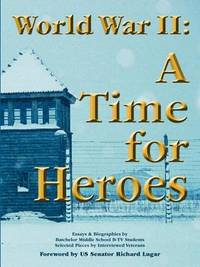
Batchelor Middle School B-TV Students
World War II: A Time for Heroes
paperback. Good. Access codes and supplements are not guaranteed with used items. May be an ex-library book. paperback
書籍販売業者の参照番号
: 0977953076.G ISBN : 0977953076 9780977953073
|
|
|
Bateman Homemaker's Club; Lightbody, Irene [Editor]
Journey to Yesteryear: Reminiscences of Bateman [Saskatchewan] District Pioneers 1907-1967 [Local History]
76 pages. Numerous black and white reproductions of wonderful archival photos. "It is hoped that this story will help the younger generations to understand better the way in which this country was opened and settled by their forefathers - the trials, hardships and pride in accomplishment and ownership." - Introduction. Few markings to contents. Average wear. Binding intact. A sound vintage copy of this very informative and engaging local history. Arora 258. Book

|
|
|
Bates, Kyle; Craig, Barbara; Krieger, Deanna: Editors
The Reef - 1976 Yearbook of Pacifica High School, Garden Grove, California - Volume XI
280 pages. Lots of autographs and written comments. Average wear. Binding intact. A sound copy of this wonderful Pacifica yearbook. Book

|
|
|
Bates, M.; Buchanan, D.W.; Bresky, D.; Ayre, R.; Olwyer, P.; Shadbolt, Doris; Boux, Rene; De Tonnancour, Jacques; Lefort, A.; Filion, G.
Canadian Art Magazine, Autumn 1955 - The Birds of Louis Archambault / James MacDonald
Pages 181-220 Illustrated in colour and black and white. Features: Some reflections on art in Alberta ; My Native Province; The Arts and the Vanishing Frontier; Summer School Under the Pines; The Birds of Louis Archambault;; A Canadian Sculptor in Mexico; James MacDonald - of people and the city; An Artist Relates his skills to architecture; A Symposium on Framing; and more. Printed on glossy stock. Moderate wear. Unmarked. A sound vintage copy. Magazine

|
|
|
Bateson Ecole Pratique des Hautes Etudes
Structural continuity in poetry
Hardcover. New. New Book; Fast Shipping from UK; Not signed; Not First Edition; No detailed description available for "Structural continuity in poetry". hardcover
書籍販売業者の参照番号
: ria9783111187808_inp ISBN : 3111187802 9783111187808
|
|
|
Bateson Ecole Pratique des Hautes Etudes
Structural continuity in poetry
De Gruyter Mouton April 1970. Hardcover . Used Very Good/yes . Trade paperback damp ring on front cover light dings no writing or marks in text which is tight despite the wear. De Gruyter Mouton hardcover
書籍販売業者の参照番号
: 223243 ISBN : 3111187802 9783111187808
|
|
|
Bateson, John (Cass Business School, independent consultant)
Services Marketing
Paperback / softback. New. New Book; Fast Shipping from UK; Not signed; Not First Edition; Explore the latest industry trends and issues as you examine services marketing from a unique broad perspective with SERVICES MARKETING: CONCEPTS STRATEGIES AND CASES 6e. Fifteen streamlined chapters present services marketing as bot paperback
書籍販売業者の参照番号
: ria9780357718308_inp ISBN : 0357718305 9780357718308

|
|
|
Battista, Ludwig (Hrsg.)
Die neuen Bestimmungen für die Hauptschule und für die Abschlußklassen. Das novellierte Hauptschulgesetz, die Durchführungsverordnung hiezu, der Lehrplan für Hauptschulen und Abschlußklassen.
Wien u. Lpz., Österr. Bundesvlg. 1935. 4°, 79 S., OKart., abgegriffen, angestaubt, gebr., Umschlarücken mit größerem Einriss sowie kl. Fehlst., vord. RüKante am ob. Kap. eingerissen m. Fehlst., Vorderdeckel an allen Ecken aufgebogen, li. ob. Kante eingerissen u. aufgebogen, papierbed. stark gebr., Stellspuren.
書籍販売業者の参照番号
: PAED0020
|
|
|
Battle Creek Union School Furniture Company
Descriptive Catalogue of School Furniture and Supplies Manufactured by the Union School Furniture Company Classic Reprint
hardcover. Good. Access codes and supplements are not guaranteed with used items. May be an ex-library book. hardcover
書籍販売業者の参照番号
: 0656716525.G ISBN : 0656716525 9780656716524

|
|
|
Battle Creek High School
Paean 1922
hardcover. Good. Access codes and supplements are not guaranteed with used items. May be an ex-library book. hardcover
書籍販売業者の参照番号
: 0260950742.G ISBN : 0260950742 9780260950741
|
|
|
Battle Creek High School
The Paean 1921
paperback. Good. Access codes and supplements are not guaranteed with used items. May be an ex-library book. paperback
書籍販売業者の参照番号
: 0265018765.G ISBN : 0265018765 9780265018767
|
|
|
Battle Creek High School
The Paean 1921
hardcover. Good. Access codes and supplements are not guaranteed with used items. May be an ex-library book. hardcover
書籍販売業者の参照番号
: 0260631000.G ISBN : 0260631000 9780260631008
|
|
|
Battle Creek Central High School
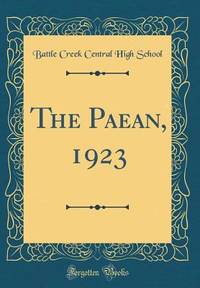
The Paean 1923 Classic Reprint
paperback. Good. Access codes and supplements are not guaranteed with used items. May be an ex-library book. paperback
書籍販売業者の参照番号
: 0365941352.G ISBN : 0365941352 9780365941354
|
|
|
Battle Creek Central High School
The Paean 1923 Classic Reprint
hardcover. Good. Access codes and supplements are not guaranteed with used items. May be an ex-library book. hardcover
書籍販売業者の参照番号
: 0366228714.G ISBN : 0366228714 9780366228713
|
|
|
BAUDOUIN Frans, DE BRUYN Jean-Pierre, VERVAET Julien, et autres
"De Bruegel à Rubens; l'école de peinture anversoise (1550-1650)."
Anvers, Snoeck-Ducaju en Zoon/Ministère de la Communauté Flamande, 1993. 25 x 31, 335 pp.,144 planches en couleurs et en N/B, quelques autres illustrations, broché, très bon état.
書籍販売業者の参照番号
: 92236
|
|
|
BAUTIER Pierre, CARTON de WIART (Comtesse)
"Pierre Bautier : Les tableaux italiens du Musée de Bruxelles/Comtesse Carton de Wiart : Gaspar De Crayer et la corporation des poissonniers de Bruxelles; conférences (1940-1941)."
Bruxelles, Patrimoine des Musées Royaux des Beaux-Arts de Belgique, 1941. 21 x 27, 31 pp., 14 planches, broché, bon état.
書籍販売業者の参照番号
: 83073
|
|
|
Baudouin, Charles :
Ame (L') enfantine et la psychanalyse. Livre I : Les complexes. Livre II : Les cas. Livre III : La méthode.
Neuchatel et Paris, Delachaux et Niestlé (Actualités pédagogiques et psychologiques), 1954 ; 1951 ; trois livres en deux volumes in-8, brochés ; 174, (2) pp. ; 307, (3) pp.
書籍販売業者の参照番号
: 5373
|
|
|
Baudeau (Nicolas ; Amboise 1730-1792) :
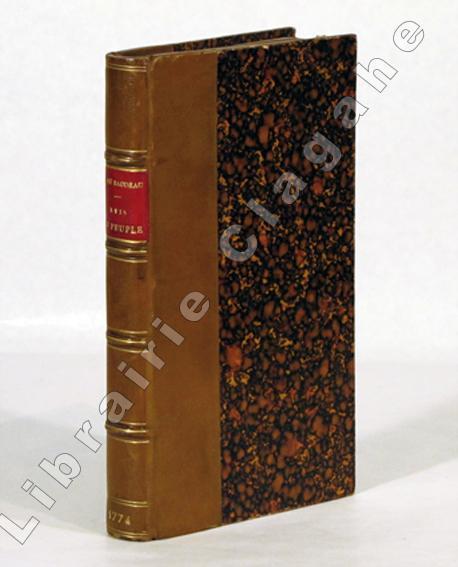
Avis au Peuple sur son premier besoin. Nouvelle édition, Revue et corrigée par l’auteur.
Amsterdam et Paris, Fr. Ambr. Didot aîné, 1774 ; in-12 (178 mm), demi-veau caramel, dos à nerfs décorés de filets dorés, pièce de titre rouge, date en queue, non rogné (reliure du XIXe) ; 324 pp.
書籍販売業者の参照番号
: 18311
|
|
|
Baudelaire Charles Le Scanff Yvon
Bibliolycée - Les Fleurs du Mal Charles Baudelaire
HACHETTE EDUC 2014 288 pages 12 2x1 4x17 8cm. 2014. Broché. 288 pages.
書籍販売業者の参照番号
: 500202440

|
|
|
Baudelaire Charles Le Scanff Yvon
Bibliolycée - Les Fleurs du Mal Charles Baudelaire
HACHETTE EDUC 2014 288 pages 12 2x1 4x17 8cm. 2014. Broché. 288 pages.
書籍販売業者の参照番号
: 500202490

|
|
|
Baudelaire Charles Le Scanff Yvon
Bibliolycée - Les Fleurs du Mal Charles Baudelaire
HACHETTE EDUC 2014 288 pages 12 2x1 4x17 8cm. 2014. Broché. 288 pages.
書籍販売業者の参照番号
: 500328929

|
|
|
BAURE L.
Cours d'influence personnelle d'hypnotisme et de magnétisme.
Société Psychique de France, Ecole de Magnétisme et d'Hypnotisme Pratique, sans date, broché oblong, environ 23x28cm, des déchirures le long de la couverture, intérieur propre.
書籍販売業者の参照番号
: 90463
|
|
|
Baussan, Charles :
De Frédéric Le Play à Paul Bourget.
Paris, Flammarion (Collection "Chefs de File"), 1935 ; in-8, broché ; 247 (1f.).
書籍販売業者の参照番号
: 6997
|
|
|
BAUTAIN L.-E. (abbé)
De l'éducation publique en France au XIXe siècle.
Paris, Bray et Retaux, 1876. 14 x 22, 326 pp., reliure dos cuir, bon état (peu de rousseurs sauf sur les 10 dernières pages, reliure légèrement usagée, 1 étiquette papier sur le 1er plat, cachets du Collège jésuite Saint Stanislas à Mons)
書籍販売業者の参照番号
: 12075
|
|
|
BAUTIER Pierre, FIERENS Paul, DELEVOY Robert L., et autres
Dictionnaire des peintres. Petits dictionnaires des Lettres et des Arts en Belgique.
Bruxelles, Maison Ferdinand Larcier, s.d. (ca 1960). 11 x 17, 694 pp., broché, bon état.
書籍販売業者の参照番号
: 91462
|
|
|

 検索結果のメールを受信する
 PDFファイルの検索結果をダウンロード
 RSSフィード
 パーマネントリンク


