8,124 results
1850Six Volumes. Portrait frontis in Volume One. Bookseller's label in Volume Three. All volumes age stained. Inked ownership of Joseph V. Diehl all volumes. Large 12mo. Original full publisher's cloth bindings, embossed in blind and lettered in gold. Volumes worn with loss at head of spines. Hardbound. Though some wear, this is a nice set of Gibbon's Decline and Fall. **PRICE JUST REDUCED! SET/W46
2017New New Turkish Original bdg. Dust wrapper. Folio. (33 x 24 cm). Edition in Turkish. 148 p., richly illustrated in b/w and color. Abdurresid Ibrahim (Abdrashit Gumerovich Ibragimov [Gabderrashit bin Gumer bin Ibrahim bin Gabderrashid bin Gabderrahim]), (1853-1944) was a Russia-born Tatar Muslim Alim (singular of Ulama), journalist, and traveller who initiated a movement in the first decade of the 20th century to unite the Crimean Tatars. He visited Japan in Meiji period and became the first imam of Tokyo Camii (Tokyo Mosque). born on April 23, 1857, in the Tara town of the Tarski district of the Tobolsk province of the West-Siberian General Government, now the administrative center of the Tarsky district of the Omsk Oblast. His ancestors by language and origin were Turkic peoples. He has the brother Ishmael. Abdrashit Ibrahimov attributed himself to the Tatars, and his father Gumer was Siberian Bukharans. His father's grandfather Gabdrashit was the Akhoond of the Tara town, one of the founders of the town's stone mosque. Mother - Gafafa Bin Ibragim Bin Zhagfar (?-1871), teacher for about 40 years, and mother's father Ibragim came from the Bashkirs of the Almenevo, Kurgan Oblast village, in the Tara city served as Mullah. He studied since the age of seven, received his primary education from a teacher Zeinalbashir, and at the age of 10 he studied in the madrasa of the Almenevo village. At the age of 17, he became an orphan and left for the Tyumen city where he continued his studies at the Yana Avyl Madrasa, and then, at the Madrasa of the Kshkar village (now in the Arsky District of Tatarstan. In 1878-1879, he was a teacher in the Akmolinsk Oblast (Russian Empire). In 1879-1885, he continued his education in Medina, Mecca and Istanbul. He returned to Russia in 1885. From 1885, he served as the imam-khatib of the cathedral mosque in Tara, where he was also a mudarris of madrasa. In 1892-1894, he served as the qadi of the Orenburg Muslim Spiritual Assembly. In his youth, A. Ibragimov adhered to the Jadid ideas. A. Ibrahimov, who led the anti-czarist propaganda work from the Pan-Islamism standpoint among the Muslims of Russia, set as its goal the liberation of all Muslim peoples from any kind of colonial oppression by the "infidels". In this situation, Japan, a longtime rival of Russia in the Far East - like the Ottoman Empire in the west - was a natural ally of the Pan-Islamists. Japan's rapid industrial ascension fascinated him - as did for the many others anti-imperialist-minded nationalists of the East. Counting on creating a united anti-Russian Muslim front of action, Ibragimov visited the Ottoman Empire in 1897. In 1897-1900 travels from Istanbul to Egypt, Palestine and Hejaz, then to France, Italy, Austria, Serbia, Bulgaria. Through the south of Russia to the Caucasus, along the Caspian coast to Bukhara, Turkestan, Semirechye region. Siberian caravan route returns to Tara. In 1902, Ibragimov, becoming an uncomfortable figure for Turkey, received the order from Sultan Abdul-Hamid II to leave the Ottoman Empire. In 1902-1903, he visited Japan for the first time, where he participated in anti-Russian propaganda. In this regard, Ibragimov, at the request of the Russian consul in Japan, was expelled from the country. Arriving in Istanbul in 1904, he was arrested, handed over to the Russian consul and sent under guard to Odessa. At the turn of 1905-1906 Ibrahimov was released. Being the former board member of the Muslim community of Orenburg, he became one of the leaders of the Ittifaq al-Muslimin movement and the organizer of several Muslim congresses. At the First All-Russian Muslim Congress in Nizhny Novgorod, A. Ibragimov's main rival was Ayaz Ishaki. ISBN: 9786056693892.
2017New New Japanese Original bdg. Dust wrapper. Folio. (33 x 24 cm). Edition in Japanese. 148 p., richly illustrated in b/w and color. Abdurresid Ibrahim (Abdrashit Gumerovich Ibragimov [Gabderrashit bin Gumer bin Ibrahim bin Gabderrashid bin Gabderrahim]), (1853-1944) was a Russia-born Tatar Muslim Alim (singular of Ulama), journalist, and traveller who initiated a movement in the first decade of the 20th century to unite the Crimean Tatars. He visited Japan in Meiji period and became the first imam of Tokyo Camii (Tokyo Mosque). born on April 23, 1857, in the Tara town of the Tarski district of the Tobolsk province of the West-Siberian General Government, now the administrative center of the Tarsky district of the Omsk Oblast. His ancestors by language and origin were Turkic peoples. He has the brother Ishmael. Abdrashit Ibrahimov attributed himself to the Tatars, and his father Gumer was Siberian Bukharans. His father's grandfather Gabdrashit was the Akhoond of the Tara town, one of the founders of the town's stone mosque. Mother - Gafafa Bin Ibragim Bin Zhagfar (?-1871), teacher for about 40 years, and mother's father Ibragim came from the Bashkirs of the Almenevo, Kurgan Oblast village, in the Tara city served as Mullah. He studied since the age of seven, received his primary education from a teacher Zeinalbashir, and at the age of 10 he studied in the madrasa of the Almenevo village. At the age of 17, he became an orphan and left for the Tyumen city where he continued his studies at the Yana Avyl Madrasa, and then, at the Madrasa of the Kshkar village (now in the Arsky District of Tatarstan. In 1878-1879, he was a teacher in the Akmolinsk Oblast (Russian Empire). In 1879-1885, he continued his education in Medina, Mecca and Istanbul. He returned to Russia in 1885. From 1885, he served as the imam-khatib of the cathedral mosque in Tara, where he was also a mudarris of madrasa. In 1892-1894, he served as the qadi of the Orenburg Muslim Spiritual Assembly. In his youth, A. Ibragimov adhered to the Jadid ideas. A. Ibrahimov, who led the anti-czarist propaganda work from the Pan-Islamism standpoint among the Muslims of Russia, set as its goal the liberation of all Muslim peoples from any kind of colonial oppression by the "infidels". In this situation, Japan, a longtime rival of Russia in the Far East - like the Ottoman Empire in the west - was a natural ally of the Pan-Islamists. Japan's rapid industrial ascension fascinated him - as did for the many others anti-imperialist-minded nationalists of the East. Counting on creating a united anti-Russian Muslim front of action, Ibragimov visited the Ottoman Empire in 1897. In 1897-1900 travels from Istanbul to Egypt, Palestine and Hejaz, then to France, Italy, Austria, Serbia, Bulgaria. Through the south of Russia to the Caucasus, along the Caspian coast to Bukhara, Turkestan, Semirechye region. Siberian caravan route returns to Tara. In 1902, Ibragimov, becoming an uncomfortable figure for Turkey, received the order from Sultan Abdul-Hamid II to leave the Ottoman Empire. In 1902-1903, he visited Japan for the first time, where he participated in anti-Russian propaganda. In this regard, Ibragimov, at the request of the Russian consul in Japan, was expelled from the country. Arriving in Istanbul in 1904, he was arrested, handed over to the Russian consul and sent under guard to Odessa. At the turn of 1905-1906 Ibrahimov was released. Being the former board member of the Muslim community of Orenburg, he became one of the leaders of the Ittifaq al-Muslimin movement and the organizer of several Muslim congresses. At the First All-Russian Muslim Congress in Nizhny Novgorod, A. Ibragimov's main rival was Ayaz Ishaki.
1919ref. 362253A.I.F printing Section. H.M.A.T 1919. First Edition. Softcover. Good copy in the original stiff-card wrappers; edges slightly nicked and dust-dulled as with age. Physical description; 8 pages. Subjects; British Navy. Australian Navy. H.M.A.T. Nestor. British Military. A.I.F printing Section. H.M.A.T paperback
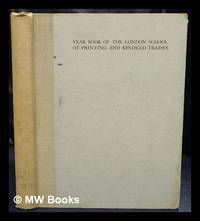
1932ref. 439688London : London school of printing and Kindred trades 1932. Hardcover. Very good copy in the original cloth-backed paper-covered boards. Spine bands and panel edges somewhat dulled and dust-toned as with age. Hinge starting. Remains quite well-preserved overall. Physical description: 129p. : ill. some col. London : London school of printing and Kindred trades hardcover
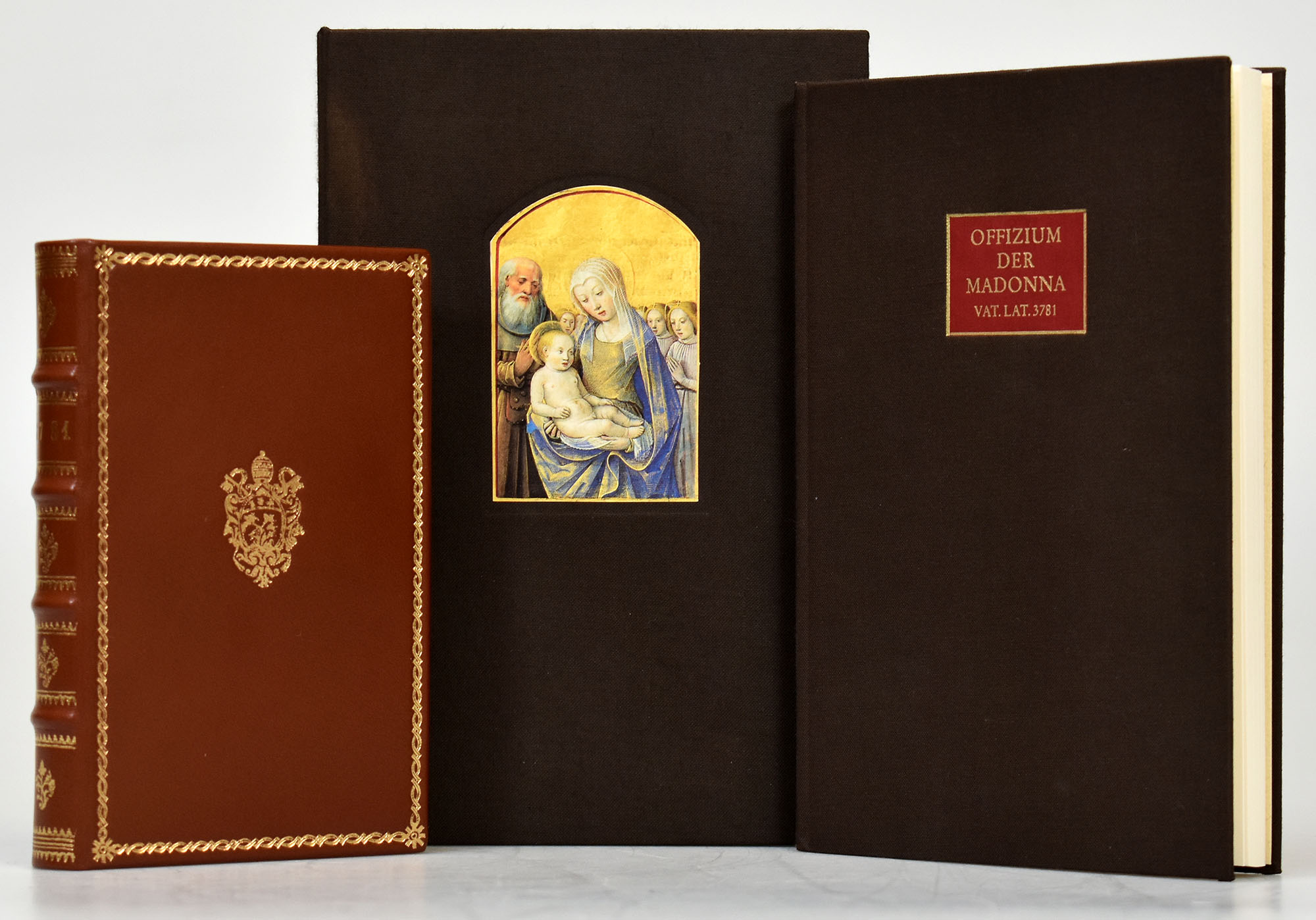
1984ref. 4046FBStuttgart, Belser Verlag, 1984. Faksimile: 17 x 11 cm. Kassette: 23 x 16 cm. 113 Blatt; 136 Seiten. Original-Lederband mit Goldprägung und Rundum-Goldschnitt und Original-Leinenband mit goldgeprägtem Titel auf rotem Deckelschild in Original-Leinenkassette mit montierter Deckelillustration. [6 Warenabbildungen] (= Codices e Vaticanis selecti, Band 67).
1984ref. 62937BBStuttgart, Belser Verlag, 1984. Faksimile: 17 x 11 cm. Kassette: 23 x 16 cm. 113 Blatt; 136 Seiten. Original-Lederband mit Goldprägung und Rundum-Goldschnitt und Original-Leinenband mit goldgeprägtem Titel auf rotem Deckelschild in Original-Leinenkassette mit montierter Deckelillustration. (= Codices e Vaticanis selecti, Band 67).
1926Hardcover, 21-39 pages, Folio, 33 x 25 cm. In German. Contents: Zur einfuhrung. --In memoriam Rafael Frank. --Uber hebraische typen und schriftarten, von Rafael Frank. --Die renaissance des hebraischen, von dr. Jacques Adler. SUBJECT (S) : Hebrew type. Hebrew language. "Sechzehnter Bertholddruck. " "Hergestellt in einer beschrankten auflage fur einem kreis von freunden. "--Leaf at end. Reprinted from Archiv fur buchgewerbe, 48. Jg. , hft. 11. Ex-library. Water stain to front and back cover. Slight browning on edges of pages. Hinge repair. Otherwise, good condition. (BIB-11-7)xx
ref. c3663Londini, Typis T. Bensley, Anno 1795; in-8°, demi-basane grenat , dos lisse orné de jeux de triples filets dorés, auteurs dorés ( reliure début XXe); (8), 33, (1),(80), (2)pp.Petites traces de colle jaunies au titre, piqûres à quelques feuillets. Reliure du début XXe.
1851ref. 118561851 1 Texte sur deux colonnes. 4 ff. n.ch. (bl., planche dépl., fx-titre, titre) - colonnes 557 à 922 - 4 planches gravées. Paris, Typographie de Firmin Didot frères & fils, 1863, in-8° de XIV-316 colonnes, relié demi-basane bleue, titre, décor romantique et encadrement or sur dos lisse, tête dorée, gardes marbrées, couvertures jaunes illustrées et dos conservés ; petits frottis et légères éraflures sur les plats, mouillure très claire marginale aux 12 derniers feuillets. Couverture illustrée d'un riche ornement, repris au titre, de Catenacci gravé par Huyot. Texte et pagination sur deux colonnes. Table des matières en tête, index des artistes et monogrammes in fine.
ref. c4017A Dijon, De l' Imprimerie de P. Causse, 1791 ; 2 volumes in-8°,pleine basane racinée fauve de l' é poque, roulette dorée encadrement des plats, dos lisse orné de petites palettes dorées en place des plats et de petites rosaces et amphores dorées,petite dentelle intérieure, roulette sur les coupes, tranches dorées, titre doré sur étiquette de maroquin vieux rouge, tomaison dorée sur médaillon de maroquin vieux-rouge; 2ff.,417pp.; 2ff.,1402pp.,1f. On a collé sur le 1er feuillet de garde du Tome 1 un portrait de Fénelon " volé "à une autre édition.Marges internes un peu jaunies à une dizaine de feuillets, dos très légèrement frotté, coupes et coins un peu frottés (avec très petits manques).
1995ref. 4439FBBerlin/Leipzig, Faber & Faber Verlag, 1995. 4°. 30 x 22 cm. 288 Seiten. Original-Pappband mit halbtransparentem Original-Schutzumschlag. (= Literarische Bilderwelten des 20. Jahrhunderts, Band 3).
ref. 10836A Corneville, chez Cornutus, l'An de l'ère nouvelle des cornes 9781 (Vierzon, impr. de Celerier, 1879). In-16° broché, couverture jaune imprimée en grenat au 1er plat, dos muet. 80 pp. Couverture salie avec manques, petite tache rousse bord externe de la marge supérieure du dernier feuillet, bon état intérieur. Ouvrage imprimé sur papier jaune. Rare édition originale.
1965ref. 28187NANTES IMPRIMERIE MODERNE DE NANTES - BEUCHET & VANDEN BRUGGE 1965 une affichette imprimée en bleu-marine et noir et illustrée d'une photocomposition d'une aquarelle en couleurs de MARIN-MARIE, format : 47,5 x 40 cm, 1965 Nantes IMPRIMERIE MODERNE DE NANTES - BEUCHET & VANDEN BRUGGE Editeurs,
1928ref. 024369Paris 1928 Henri Jonquières Soft cover
ref. 60514, Brepols - Harvey Miller, 2022 Pages: xviii + 278 pages, Size:220 x 280 mm, Illustrations:87 col. Language(s):English. ISBN 9781912554058.
1896ref. 27540paris Imprimerie Chaix 1896 Une Affichette Publicitaire [Fac-similé réduit de l'affiche originale], lithographiée en couleurs, format : 40 x 28,6 cm, Signé en bas à gauche : Gaston NOURY , Timbre sec dans le coin inférieur droit : "Les Maîtres de l'affiche // Imprimerie Chaix", 1896 [Paris] : Les Maîtres de l'Affiche Editeur,
1892ref. 162502Paris, Picard, 1892. M. 23 Faks.-Taf. 2 Bl., 403 S. Hldr. d. Zt. Rücken leicht beschabt. Kanten betsoßen. 1 (Doppel)-Taf. lose.
1997ref. 9721997 - broché - Imprimerie Bretin - 18 juin 1997 - In-8 (21 x 15 cm) broché - 214 pages - Ouvrage réalisé avec l'aide de la Fédération Nationale des Amicales Chasseurs à Pieds, Alpins et Mécanisés Région Lyonnaise, Ain, Bugey, Nord Dauphiné - Introduction de Daniel Morfin - Préface du Colonel de Malaussène, commandant le 13e Bataillon de chasseurs alpins
1993ref. 60421993 Lyon, 1993, Imprimerie Brunaud à Saint-Priest (Rhône), 1 volume in-folio de 320x320x20 mm environ, dos toilé, Plats en gros carton avec titre en creux ( estampé).
ref. 65995, Brepols, 2019 Paperback, 301 pages, Size:220 x 280 mm, Illustrations:3 b/w, 112 col., 5 tables b/w., Languages: French, English. ISBN 9782503566351.
1952ref. 002885(Genève) (Imprimerie La Sirène) 1952 In-8 Broché, couv. illustrée Edition originale
ref. 65956, Brepols, 2019 Hardback, xv + 530 pages, Size:156 x 234 mm, Illustrations:77 b/w, 13 tables b/w., 4 maps b/w, Languages: French, English. ISBN 9782503584331.
1936ref. 2091502135500264Not Available 1936. Soft Cover. Fine. Number of pages: 446 pages Size: A4 size 21x29 cm Not Available paperback
1939ref. 2091502135500700Not Available 1939. Soft Cover. Fine. Number of pages: 1486 pages Thick book size: 21x29 cm Not Available paperback