3.561 resultados
ref. 500327362Ugc 13 4x1 2x17cm. Sans date. blu_ray.
ref. 500329311Bac Films Distribution 13 76x1 48x18 03cm. Sans date. blu_ray.
ref. 500326523Bac Films Distribution 13 76x1 48x18 03cm. Sans date. blu_ray.
ref. 500263995Studio Canal 13 6x17 4x1 4cm. Sans date. blu_ray. 2 volume(s).
ref. 500321388AB Vidéo 13 6x17 1x1 2cm. Sans date. blu_ray.
ref. 500323242AB Vidéo 13 6x17 1x1 2cm. Sans date. blu_ray.
1986Near Fine First Edition. No significant faults with book or DJ. Inscription from the author on the front endpaper. Octavo 297pp. Comedic look at the events of the 1984 Olympics in Los Angeles and sport in general.
2025ref. 500298655The Walt Disney Company (Benelux) B.V 2025 13 4x16 8x1cm. 2025. blu_ray.
1947ref. 5600Calmann-Lévy 1947 277 pages in8. 1947. reliure editeur. 277 pages.
1957ref. 4421Le Club du meilleur Livre 1957 178 pages in8. 1957. Reliure éditeur pleine toile sous rodhoid. 178 pages.
ref. 500379448Gaumont 13 4x17 2x1 2cm. Sans date. blu_ray.
ref. 500471567Gaumont 13 4x17 2x1 2cm. Sans date. blu_ray.
ref. 104.111Paris, Henri Laurens, 1931. 13 x 18, 64 pp., nombreuses illustrations en N/B, broché, bon état.
1950A clean, unmarked book with a tight binding. 446 pages. Full dark red cloth boards. Slight edge wear to dust jacket. Attractive small format: 4 3/4"w x 7 1/2"h. Modern Library #158. Rockwell Kent torch bearer design on endpapers and embossed on cover.
ref. 894- broché - Editions Gallimard nrf - Collection Le Manteau d'Arlequin - 1975 - In-12 (16,5 x 11 cm) broché - 176 pages - Ouvrage sous titré : Miracle en dix tableaux
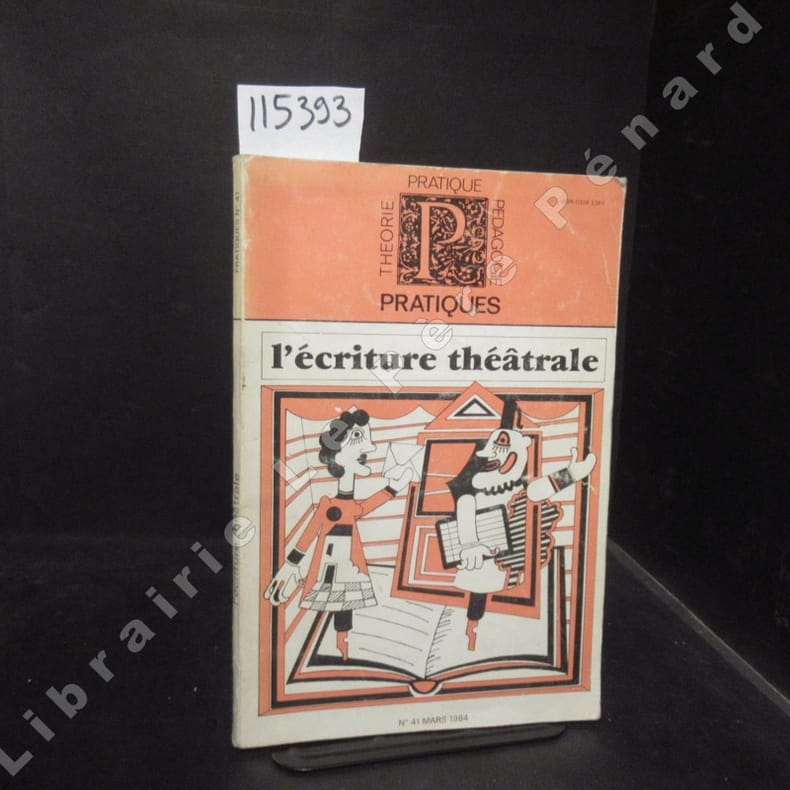
1984ref. 1153931984 N° 41 - Mars 1984 - Revue militante publiée par le CRESEF, publiée avec le concours du Centre National des Lettres - In-8, broché couverture illustrée - 128 pages
ref. 500269908Gaumont 13 4x17 2x1 2cm. Sans date. blu_ray.
in-12, 253 p., ill. h.t. n., tabl. et listes en ap [CL-1]
ref. 500326569Fip 13 4x1 2x17cm. Sans date. blu_ray.
1996Scholars' name to halftitle (Mark Golden). Very light shelfwear. ; In this volume William S. Anderson sets Plautus, who wrote Rome's earliest surviving poetry, in his rightful place among the Greek and Roman writers of what we know as New Comedy (fourth to second centuries). Anderson begins by defining major innovations that Plautus made on inherited Greek New Comedy (Menander, Philemon, and Diphilus) , transforming it from romantic domestic drama to a celebration of rollicking family anarchy. He shows how Plautus diminished the traditional importance of love and replaced it with a new major theme: 'heroic badness,' especially embodied in the rogue slave (ancestor of the impudent servant, valet, or maid). Anderson then examines the unique verbal texture of Plautus' drama and demonstrates his revolt against realism, his drive to have his characters defy everyday circumstances and pit their intrepid linguistic wit against social order, their Roman extravagant impudence against Greek self-control. Finally, Anderson explores the special form of metatheatre that we admire in Plautus, by which he undermines the assumptions of his Greek models' and replaces them with a new, confident Roman comedy. ; Robson Classical Lectures; 194 pages
1996Faint creasing to spine. Light shelfwear. Scholar's name to half-title (Robert Brown). ; In this volume William S. Anderson sets Plautus, who wrote Rome's earliest surviving poetry, in his rightful place among the Greek and Roman writers of what we know as New Comedy (fourth to second centuries). Anderson begins by defining major innovations that Plautus made on inherited Greek New Comedy (Menander, Philemon, and Diphilus) , transforming it from romantic domestic drama to a celebration of rollicking family anarchy. He shows how Plautus diminished the traditional importance of love and replaced it with a new major theme: 'heroic badness,' especially embodied in the rogue slave (ancestor of the impudent servant, valet, or maid). Anderson then examines the unique verbal texture of Plautus' drama and demonstrates his revolt against realism, his drive to have his characters defy everyday circumstances and pit their intrepid linguistic wit against social order, their Roman extravagant impudence against Greek self-control. Finally, Anderson explores the special form of metatheatre that we admire in Plautus, by which he undermines the assumptions of his Greek models' and replaces them with a new, confident Roman comedy. ; Robson Classical Lectures; 194 pages
1958Creasing to spine. Light edgewear. Minor shelfwear. ; Parallel text in French and Greek. ; Collection Des Universités De France. Association Guillaume Budé; Vol. 2; 156 pages
1948Browning to spine. Small chips and light creasing to spine. Pages tanned. Scholars' name to half-title (Daniel de Montmollin). ; Parallel text in French and Greek. ; Collection Des Universités De France. Association Guillaume Budé; Vol. 2; 156 pages
1958Creasing to spine. Pages tanned. ; Parallel text in French and Greek. ; Collection Des Universités De France. Association Guillaume Budé; Vol. 2; 156 pages