Simmel, PaulMareMagnum
Comedie en un ActeBiblio.com
Au Bout du Fil
ref. 0282205276.Gpaperback. Good. Access codes and supplements are not guaranteed with used items. May be an ex-library book. paperback

Bonita · United States$50.12≈ €44.69
3,539 results
1928Of All Things - An album of work of Paul Simmel, one of Germany's most successful cartoonists and caricaturists of the 1920s. 64 pages. Text in German. Dirt marks on covers. Name in ink on title page.
ref. 106.741Paris, Marcel Chapelon, 1936. 12 x 19, 200 pp., broché, bon état.
ref. 0282205276.Gpaperback. Good. Access codes and supplements are not guaranteed with used items. May be an ex-library book. paperback
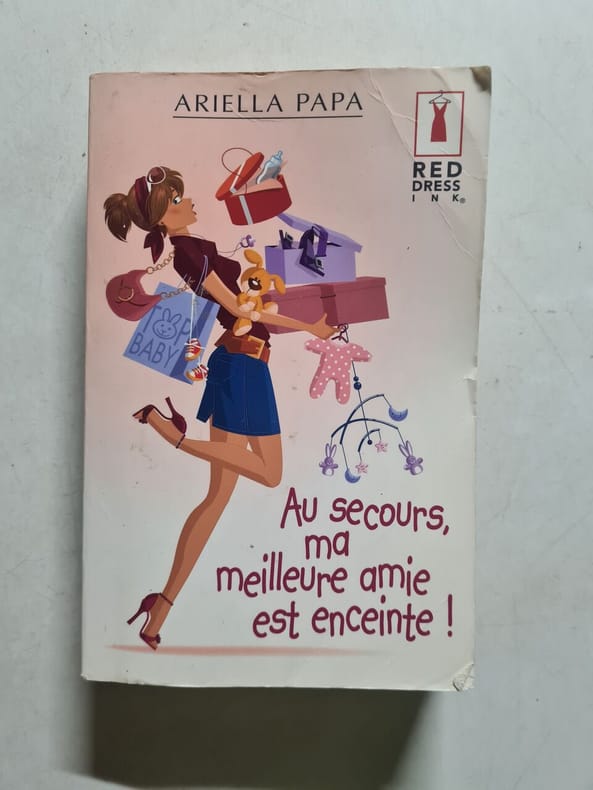
ref. 500310773Red Dress Ink Sans date.
ref. 11669Affiche du film musical, sorti le 27 février 1946. Avec ALIBERT et GORLETT- René GENIN-Hélène GARAUD CHAMPI-AMATO … Francine BESSY. Musique de Vincent SCOTTO. Tiré de l’opérette de Marc CAB René VINCY et ALIBERT. Films Fernand RIVERS format 59,5x79,5 cm. Synopsis : Un éditeur de chansons Marseillais(GORLETT) rencontre la fille d’un forain Mariette (Francine BESSY), qu’un concurrent veut ruiner pour obtenir la main de la jeune femme… Après quelques péripéties, Henri finit par convoler sur un dernier refrain
ref. RO80019421COINTREAU, Anger. Non daté. In-16. Broché. Etat d'usage, Couv. légèrement passée, Agraffes rouillées, Intérieur frais. Environ 10/15 pages. Quelques dessins en noir et blanc. . . . Classification Dewey : 850-Littératures italienne, roumaine, rhéto-romane
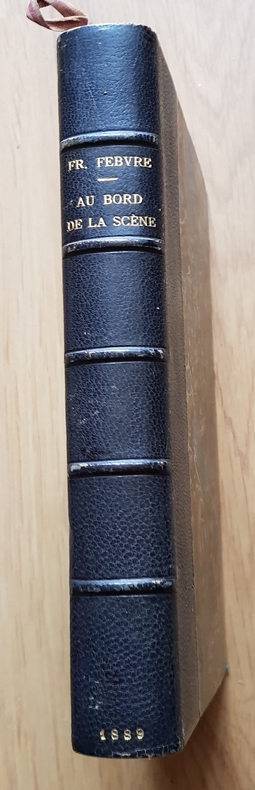
ref. 30492Paris, Paul Ollendorff, 1889. In-12, 250 pp plus 1 ff de table. Demi-chagrin bleu-nuit, dos à nerfs,tête dorée, auteur, titre, date en lettres dorées. (Couvertures et dos conservés). Reliure signée V. Champs. Bel exemplaire.
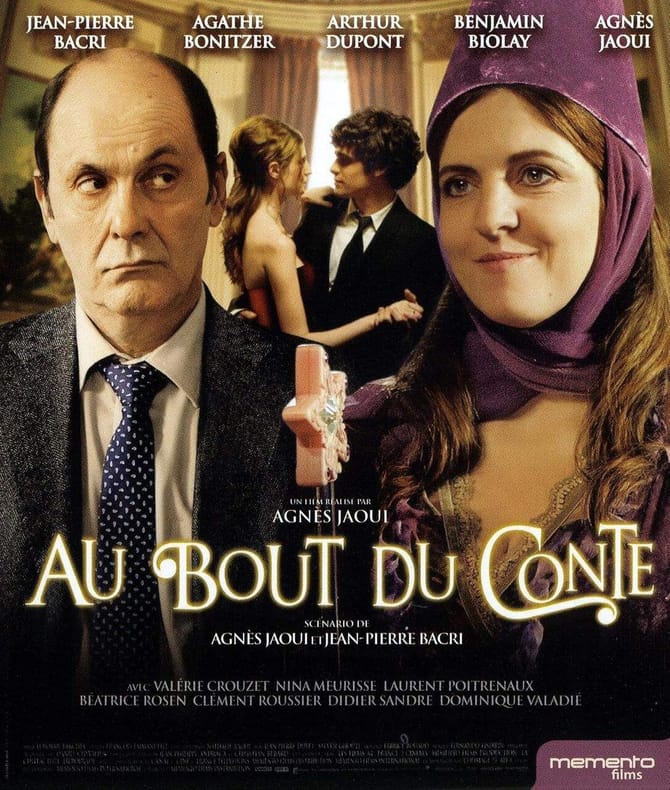
ref. 500352162Memento 13 6x1x17 2cm. Sans date. blu_ray.
1959No marks or inscriptions. No creasing to covers or to spine. A very clean very tight copy with bright unmarked boards, very slight rubbing to spine and no bumping to corners. 93pp. Starting with Sunday Night at the London Palladium, this lovely condition book covers all the stars and the shows at the end of the 1950s on Associated Television. Very well illustrated in black & white.
ref. 1334860912.Gpaperback. Good. Access codes and supplements are not guaranteed with used items. May be an ex-library book. paperback
ref. 0483626481.Gpaperback. Good. Access codes and supplements are not guaranteed with used items. May be an ex-library book. paperback
ref. 1390666808.Gpaperback. Good. Access codes and supplements are not guaranteed with used items. May be an ex-library book. paperback
ref. 0243311907.Gpaperback. Good. Access codes and supplements are not guaranteed with used items. May be an ex-library book. paperback
ref. 1332764118.Gpaperback. Good. Access codes and supplements are not guaranteed with used items. May be an ex-library book. paperback
ref. 139008597X.Gpaperback. Good. Access codes and supplements are not guaranteed with used items. May be an ex-library book. paperback
ref. 0365562572.Gpaperback. Good. Access codes and supplements are not guaranteed with used items. May be an ex-library book. paperback
1889ref. 102046Century Magazine. Very Good with no dust jacket. 1889. Magazine. ; 11 pages . Century Magazine unknown
ref. 0428997791.Gpaperback. Good. Access codes and supplements are not guaranteed with used items. May be an ex-library book. paperback
1932ref. KOS04400146Azusa Kobo 1932. Soft Cover. Fine. KOS04400146 Azusa Kobo paperback
ref. 500318150Bac Films Distribution 13 76x18 03x1 48cm. Sans date. blu_ray.
ref. c3683Paris, Librairie des Bibliophiles, 1879 ; 1 volume in-12° broché, couverture beige imprimée en noir, (4)pp., ( dont titre en noir et rouge), XXII, 83pp. et 1 frontispice à l'eau-forte.Environ 10 feuillets jaunis au centre de l' ouvrage, infime manque de papier angulaire au 2 ème plat de la couverture.
ref. 105.750Paris, Société d'Editions Littéraires et Artistiques, 1903. 14 x 20, 140 pp., broché, bon état (couverture légèrement défraîchie).
1972Top corners lightly bumped. Else fine. DJ spine a little discolored. Light edgewear with 1 small tear (1 cm). DJ is price-clipped. ; 280 pages; Professor Dover's book is designed for those who are interested in the history of comedy as an art form but who are not necessarily familiar with the Greek language. The eleven surviving plays of Aristophanes are treated as representative of a genre. Old Attic Comedy, which was artistically and intellectually homogeneous and gave expression to the spirit of Athenian society in the late fifth and early fourth centuries B. C. Aristophanes is regarded primarily not as a reformer or propagandist but as a dramatist who sought, in competition with his rivals, to win the esteem both of the general public and of the cultivated and critical minority. He succeeded in this effort by making people laugh, and the book pays more attention than has generally been paid to the technical means, whether of language or of situation, on which Aristophanes' humor depends. Particular emphasis is laid on his indifference-positively assisted by the physical limitations of the Greek theatre and the conditions of the Athenian dramatic festivals-to the maintenance of continuous "dramatic illusion" or to the provision of a dramatic event with the antecedents and consequences which might logically be expected. More importance is attached to Aristophanes' adoption of popular attitudes and beliefs, to his creation of uninhibited characters with which the spectators could identify themselves, and to his acceptance of the comic poet's traditional role as a mordant but jocular critic of morals, than to any identifiable and consistent elements in his political standpoint.
1972Creasing to spine. Chipping to spine ends. Tear to base of spine cover (3 cm). Scholar's bookplate to inner cover (Robert Brown). Scholar's name to ffep (Robert Brown). Else VG. ; 280 pages; Professor Dover's book is designed for those who are interested in the history of comedy as an art form but who are not necessarily familiar with the Greek language. The eleven surviving plays of Aristophanes are treated as representative of a genre. Old Attic Comedy, which was artistically and intellectually homogeneous and gave expression to the spirit of Athenian society in the late fifth and early fourth centuries B. C. Aristophanes is regarded primarily not as a reformer or propagandist but as a dramatist who sought, in competition with his rivals, to win the esteem both of the general public and of the cultivated and critical minority. He succeeded in this effort by making people laugh, and the book pays more attention than has generally been paid to the technical means, whether of language or of situation, on which Aristophanes' humor depends. Particular emphasis is laid on his indifference-positively assisted by the physical limitations of the Greek theatre and the conditions of the Athenian dramatic festivals-to the maintenance of continuous "dramatic illusion" or to the provision of a dramatic event with the antecedents and consequences which might logically be expected. More importance is attached to Aristophanes' adoption of popular attitudes and beliefs, to his creation of uninhibited characters with which the spectators could identify themselves, and to his acceptance of the comic poet's traditional role as a mordant but jocular critic of morals, than to any identifiable and consistent elements in his political standpoint.
1972light foxing to top of textblock. Scholar's name to ffep (Philippa Goold née Forder). Minor shelfwear to DJ. ; 280 pages; Professor Dover's book is designed for those who are interested in the history of comedy as an art form but who are not necessarily familiar with the Greek language. The eleven surviving plays of Aristophanes are treated as representative of a genre. Old Attic Comedy, which was artistically and intellectually homogeneous and gave expression to the spirit of Athenian society in the late fifth and early fourth centuries B. C. Aristophanes is regarded primarily not as a reformer or propagandist but as a dramatist who sought, in competition with his rivals, to win the esteem both of the general public and of the cultivated and critical minority. He succeeded in this effort by making people laugh, and the book pays more attention than has generally been paid to the technical means, whether of language or of situation, on which Aristophanes' humor depends. Particular emphasis is laid on his indifference-positively assisted by the physical limitations of the Greek theatre and the conditions of the Athenian dramatic festivals-to the maintenance of continuous "dramatic illusion" or to the provision of a dramatic event with the antecedents and consequences which might logically be expected. More importance is attached to Aristophanes' adoption of popular attitudes and beliefs, to his creation of uninhibited characters with which the spectators could identify themselves, and to his acceptance of the comic poet's traditional role as a mordant but jocular critic of morals, than to any identifiable and consistent elements in his political standpoint.