8 359 résultats
2005réf. 49886Warner, 2005. DVD DVD Digipack
1985réf. 7451Warszawa, Wroclaw: Panstwowe Wydawnictwo Naukowe, 1985. 436 Seiten , 24 cm, kart.,
1969réf. 6244Paris: Aubier Éditions Montaigne, (1969). 112 Seiten , 19 cm, kart.,
1967DISPONIBILITÀ GARANTITA AL 99%; SPEDIZIONE ENTRO 12 ORE DALL'ORDINE. MAI SFOGLIATO, LIEVISSIMI SEGNI DEL TEMPO, LIEVE BRUNITURA. Raymond Williams (Llanfihangel Crucorney, 31 agosto 1921 – Saffron Walden, 26 gennaio 1988) è stato uno scrittore e sociologo britannico, figura influente all'interno della nuova sinistra. Raymond Williams è una delle figure di maggior prestigio della saggistica anglosassone. [...] egli è un attento ed acuto osservatore delle trasformazioni che si attuano in Europa ed in Inghilterra nel periodo compreso tra la fine dell'Ottocento ed i primi del Novecento ed ha dedicato a questo problema diversi studi ed almeno un paio di volumi tra cui anche il ben noto Drama from Ibsen to Eliot. A questo disegno mancava però finora la prospettiva del romanzo. Con la pubblicazione di The English Novel from Dickens to Lawrence Williams colma anche questa lacuna. Descrizione bibliografica Titolo: Drama, from Ibsen to Eliot Autore: Raymond Williams Editore: Harmondsworth: Penguin Books (In Associations with Chatto & Windus), 1967 Edizione: Reprinted from the revised edition published in 1964. (Ristampa) Lunghezza: 315 pagine; 21 cm ISBN: 0140214925, 9780140214925 Collana: Peregrin Books Y46 Soggetti: Literary Critic, Literature, Drama, History and criticism, Essays, Saggi, Libri in inglese, Drammaturgia, Critica letteraria, Letteratura anglosassone, Classici, Poetica, Poesia, Theatre, Teatro, Marxismo, New Left, Henrik Ibsen, August Strindberg; Anton Pavlovic Čehov, George Bernard Shaw, William Butler Yeats, Thomas Stearns Eliot; John Millington Synge, Gerhart Hauptmann, Ernst Toller, Luigi Pirandello, Jean Anouilh, 19th century, 20th, Ottocento, Novecento, Dramatists, Opere, Works, Studi, Bibliografia, Bibliography, Vintage Parole e frasi comuni achievement action actors Allmers Antigone artist Ascent of F6 attempt audience Brand characters Chekhov Checov Cherry Orchard child comedy communication consciousness contemporary theatre convention criticism Dead Awaken death Deirdre device Doll's House dramatic form dramatic method dramatist elements Eliot Elizabethan emotion Emperor and Galilean emphasis essential example experience expression Family Reunion fantasy Ghosts Hedda Gabler human Ibsen illusion important John Gabriel Borkman judgment Julian kind Lady Julie language limited literature Little Eyolf living Marchbanks modern naturalism naturalist pattern Peer Gynt performance phrase Pirandello's poetic poetry prose play question realisation rejection relation Road to Damascus romantic drama Rosmersholm Rubek Samhain scene seagull seems sense Shaw situation soul speech stage Stranger Strindberg success Sweeney symbolism Synge T. S. Eliot theatrical theme thing Treplef verse Weavers whole Wild Duck words writing Yeats
1976réf. 184638Frankfurt a. M.: Suhrkamp, 1976. Jeder Bd. rd. 350 S. Leinen, gebundene Ausgabe, SU.
1941réf. 85108[Hamburg], Gustav Petermann, 1941]. [12] S. Mit 11 s/w Fotos. in Kupfertiefdruck. 20 cm. OBroschur.
1957réf. 51908(Hamburg, J. Groot, 1957). 128 S. Mit zahlr. Abb. OBrosch.
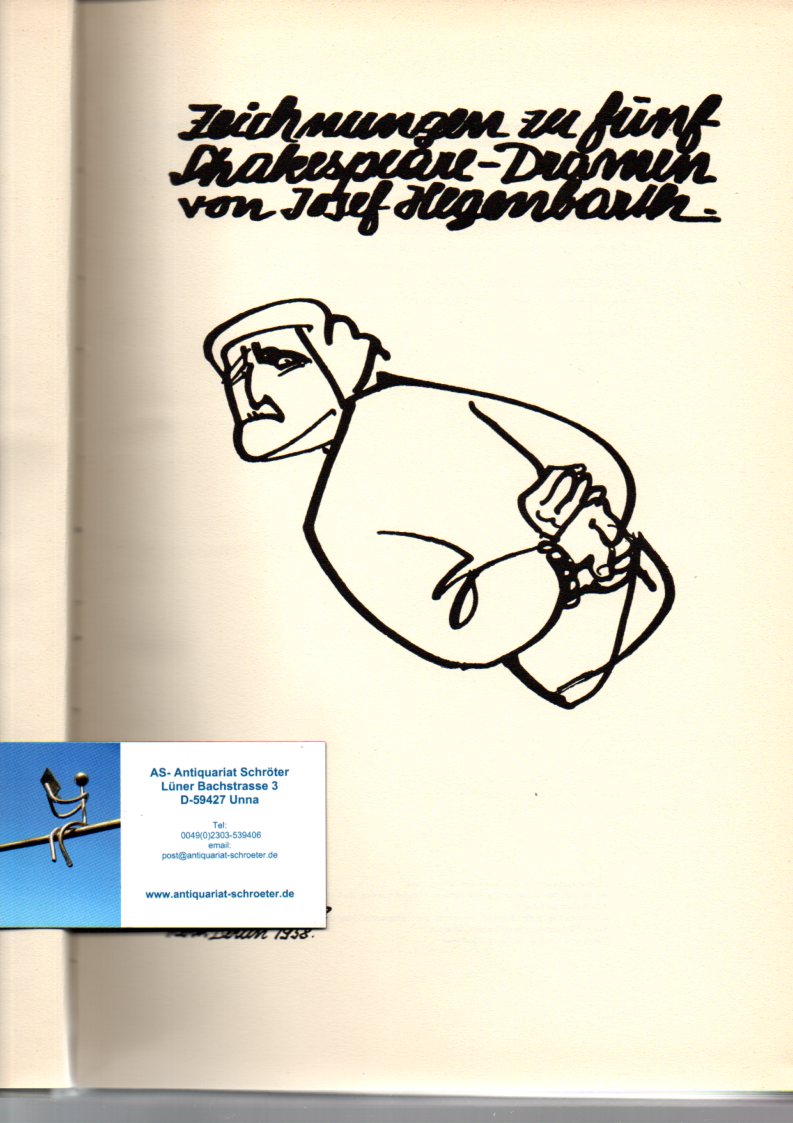
1958réf. 11048N.J. Hoffmann Verlag, Köln-Berlin, 1958. 307(1) Seiten, 30x20 cm, OLeinen m. OU, der Schutzumschlag unfrisch und mit mehreren Einrissen. Innen ein gutes Exemplar. Lizenzausgabe des Rütten & Loening Verlages, Berlin (Ost). Good copy. Illustrated by Hegenbarth.
1983réf. 38353(Frankfurt a. M.), Verlag der Autoren, (1983). Kl.-8°. 86 S., 5 Bll., OKart.
1961réf. 79208Paris, The Citadel Press - The Olympia Press , 1961, in-12, broché, Bon état.
1979In 8° quadrato br. fig. col. pp. 156, con numerose ill.ni anche col. ben tenuto
1957réf. 8896Club du Livre Religieux 1957 330 pages in8. 1957. reliure editeur pleine toile. 330 pages. Le roman suit le révérend Stephen Kumalo un pasteur noir d'un village d'Afrique du Sud qui se rend à Johannesburg pour aider sa sœur en difficulté. À travers son voyage l'œuvre explore les divisions raciales et sociales du pays sous l'apartheid tout en cherchant des thèmes d'espoir et de réconciliation. Publié en 1948 ce roman est devenu une œuvre majeure de la littérature engagée contre le racisme
2001réf. 71069Dortmund : Harenberg 2001. 2. vollständig überarbeitete und erweiterte Auflage 1296 S., 25cm Leinen 0
2003In 4° leg. edit. fig. pp. 239 con num. ill.ni anche col. ; ben tenuto
192522pp., 22cm., stempeltje op titelblad, onopengesneden
1925réf. T65365Brussel, Gudrun 1925 22pp., 22cm., stempeltje op titelblad, onopengesneden
1983réf. 18840Hildesheim : Georg Olms Verlag, 1983. 106 S. 8°, Obrosch.
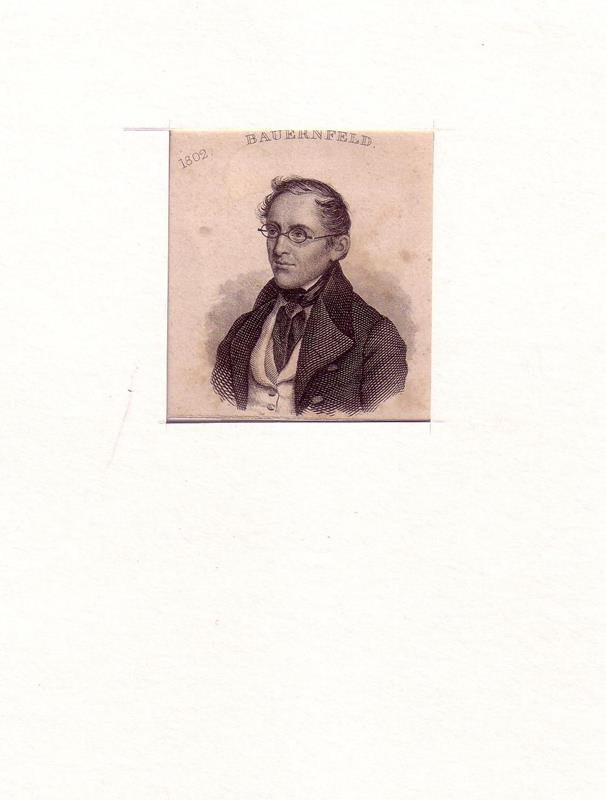
1850réf. 58049[Ca. 1850]. 5 x 4,5 cm. Feinkartonpassepartout.
1989réf. 83345Frankfurt a. M. Suhrkamp, (1989). 161 S. (= Bibliothek Suhrkamp, Bd. 870). 19 cm. OPp. mit SU.
1983réf. 1208952Hildesheim ; New York : Olms Verlag, 1983. 11 S., 29, 24 Bl. [zweiseitig bedr.] ; 21 cm; kart.
1983Gutes Ex. - Handschriften-Faksimile. - The author of Mercurius Rusticans is not known, but from the internal evidence of the play, which is set in the University of Oxford and deals with the escapades of students from that University, it seems certain that the author was a member of Oxford University. The date of the play may likewise be arrived at within approximate limits from internal evidence. A terminus ante quem is provided by the English lines on the play on the last page of the MS. by "Mr Sellar of C.C.C." (i.e., of Corpus Christi College). Joseph Foster's Alumni Oxonienses: The Members of the University of Oxford 1 SOP-1714 (Oxford, 1891-T) lists only four people of this name at Corpus Christi College, Oxford: John Sellar (1568-1581), his son John Sellar (1608-1614), Henry Sellar (1611-1618), and George Sellar (1577-1587). This would suggest a terminal date of not later than 1618, if the third of the above were the author of the English lines. Another bit of evidence is the allusion to Simon Forman, the Astrologer and Doctor, in Act V, scene 1 (1339) . The fact that Forman was a figure of public note from the time when he started to practice necromancy in 1588 until his death in 1611 would suggest a date later than say about 1587 for the play, and thus rule out the first and last of the Sellars listed above as the author of the English verses listed on the last page of the MS. Furthermore, the name "Dulcinea" mentioned by Nichades in Act III, scene 5 (868) was probably inspired by the Dulcinea of Don Quixote, of which the first part was published in 1605 and translated into English in 1612. Finally, in Act III, scene 1, there is a discussion about the evils of tobacco. The controversy about the use of tobacco, which was not introduced to England until 1586, reached its peak with the Counter-blaste to Tobacco (1604) by King James. The inference from the internal evidence would then suggest a date of between 1610 and 1618 . The Latin of Mercurius Rusticans is racy and colloquial. The "low" characters, such as Dawson and Cullie, speak in a free and easy Plautine manner. The students scatter classical tags, learned quotations, and academic jargon throughout their speeches. The author makes frequent use of medieval Latin words, words derived from Greek, words of his own coinage, and interjections in English. There are also many rare and unusual words from the ante- and post-classical periods. The syntax of the play is likewise relaxed and easy, and this, combined with the vocabulary, successfully reinforces the carefree and informal atmosphere. The play opens with the entrance of an allegorical figure, the Genius of the University, who says that the theme of the play will be one of light-hearted merriment and that the play will be presented in a free fashion, with scant regard for the laws of comedy (1-32). … (Seite 5) ISBN 9783487072074
1924Prima edizione in 16° br. fig. pp. 242, usuali tracce d'uso alle cop.ne interno ben tenuto
réf. 500326453Carlotta 13 8x18x1 5cm. Sans date. blu_ray.
1947réf. 138755Wien, Continental Edition. Verlag A. Sexl. 1947. 256 Seiten u. 2 Bll. OKart.-Einband. (Einband teilsw randgebräunt u. berieben). 21x14 cm
réf. 41706Douzième année - Tome XII, n° 5 - 1912 - Hanoi. Imprimerie d'Extrême-Orient - "Hommage de l'auteur" (avec signature) en page de garde - in-4 - Broché