6 970 résultats
1983Minor shelfwear. Old price sticker to front wrap. ; Reprint of Second Edition. Alternate ISBN: 0862921555
19737.7 X 5.0 X 0.7 inches; 256 pages
1973A bit of creasing to wraps. Edgewear to spine ends with slight colour loss. Old price sticker to rear wrap. ; 7.7 X 5.0 X 0.7 inches; 256 pages
19641 corner very lightly bumped. Very light pencil marginalia to about 2 pages. Very light shelfwear. ; Unveränderter photomechanischer nachdruck der ausgabe von 1927.; 223 pages
1958Inner hinges reinforced with clear tape (now browned). Some browning to wraps. Scholar's bookplate to inner cover (G. P. Goold). ; Unveränderter photomechanischer nachdruck der ausgabe von 1927.; 223 pages
1985Scholars' name to halftitle (Mark Golden). Light shelfwear. ; The Comedies of Aristophanes: Vol. 5; 196 pages
1964Sticker damage to rear wrap over barcode. Else VG. ; Penguin Classics; 7.0 X 4.3 X 0.5 inches; 224 pages
1972Top corners lightly bumped. Else fine. DJ spine a little discolored. Light edgewear with 1 small tear (1 cm). DJ is price-clipped. ; 280 pages; Professor Dover's book is designed for those who are interested in the history of comedy as an art form but who are not necessarily familiar with the Greek language. The eleven surviving plays of Aristophanes are treated as representative of a genre. Old Attic Comedy, which was artistically and intellectually homogeneous and gave expression to the spirit of Athenian society in the late fifth and early fourth centuries B. C. Aristophanes is regarded primarily not as a reformer or propagandist but as a dramatist who sought, in competition with his rivals, to win the esteem both of the general public and of the cultivated and critical minority. He succeeded in this effort by making people laugh, and the book pays more attention than has generally been paid to the technical means, whether of language or of situation, on which Aristophanes' humor depends. Particular emphasis is laid on his indifference-positively assisted by the physical limitations of the Greek theatre and the conditions of the Athenian dramatic festivals-to the maintenance of continuous "dramatic illusion" or to the provision of a dramatic event with the antecedents and consequences which might logically be expected. More importance is attached to Aristophanes' adoption of popular attitudes and beliefs, to his creation of uninhibited characters with which the spectators could identify themselves, and to his acceptance of the comic poet's traditional role as a mordant but jocular critic of morals, than to any identifiable and consistent elements in his political standpoint.
1972Creasing to spine. Chipping to spine ends. Tear to base of spine cover (3 cm). Scholar's bookplate to inner cover (Robert Brown). Scholar's name to ffep (Robert Brown). Else VG. ; 280 pages; Professor Dover's book is designed for those who are interested in the history of comedy as an art form but who are not necessarily familiar with the Greek language. The eleven surviving plays of Aristophanes are treated as representative of a genre. Old Attic Comedy, which was artistically and intellectually homogeneous and gave expression to the spirit of Athenian society in the late fifth and early fourth centuries B. C. Aristophanes is regarded primarily not as a reformer or propagandist but as a dramatist who sought, in competition with his rivals, to win the esteem both of the general public and of the cultivated and critical minority. He succeeded in this effort by making people laugh, and the book pays more attention than has generally been paid to the technical means, whether of language or of situation, on which Aristophanes' humor depends. Particular emphasis is laid on his indifference-positively assisted by the physical limitations of the Greek theatre and the conditions of the Athenian dramatic festivals-to the maintenance of continuous "dramatic illusion" or to the provision of a dramatic event with the antecedents and consequences which might logically be expected. More importance is attached to Aristophanes' adoption of popular attitudes and beliefs, to his creation of uninhibited characters with which the spectators could identify themselves, and to his acceptance of the comic poet's traditional role as a mordant but jocular critic of morals, than to any identifiable and consistent elements in his political standpoint.
1972light foxing to top of textblock. Scholar's name to ffep (Philippa Goold née Forder). Minor shelfwear to DJ. ; 280 pages; Professor Dover's book is designed for those who are interested in the history of comedy as an art form but who are not necessarily familiar with the Greek language. The eleven surviving plays of Aristophanes are treated as representative of a genre. Old Attic Comedy, which was artistically and intellectually homogeneous and gave expression to the spirit of Athenian society in the late fifth and early fourth centuries B. C. Aristophanes is regarded primarily not as a reformer or propagandist but as a dramatist who sought, in competition with his rivals, to win the esteem both of the general public and of the cultivated and critical minority. He succeeded in this effort by making people laugh, and the book pays more attention than has generally been paid to the technical means, whether of language or of situation, on which Aristophanes' humor depends. Particular emphasis is laid on his indifference-positively assisted by the physical limitations of the Greek theatre and the conditions of the Athenian dramatic festivals-to the maintenance of continuous "dramatic illusion" or to the provision of a dramatic event with the antecedents and consequences which might logically be expected. More importance is attached to Aristophanes' adoption of popular attitudes and beliefs, to his creation of uninhibited characters with which the spectators could identify themselves, and to his acceptance of the comic poet's traditional role as a mordant but jocular critic of morals, than to any identifiable and consistent elements in his political standpoint.
1972Spine slightly sunned. Very minor shelfwear. ; 280 pages; Professor Dover's book is designed for those who are interested in the history of comedy as an art form but who are not necessarily familiar with the Greek language. The eleven surviving plays of Aristophanes are treated as representative of a genre. Old Attic Comedy, which was artistically and intellectually homogeneous and gave expression to the spirit of Athenian society in the late fifth and early fourth centuries B. C. Aristophanes is regarded primarily not as a reformer or propagandist but as a dramatist who sought, in competition with his rivals, to win the esteem both of the general public and of the cultivated and critical minority. He succeeded in this effort by making people laugh, and the book pays more attention than has generally been paid to the technical means, whether of language or of situation, on which Aristophanes' humor depends. Particular emphasis is laid on his indifference-positively assisted by the physical limitations of the Greek theatre and the conditions of the Athenian dramatic festivals-to the maintenance of continuous "dramatic illusion" or to the provision of a dramatic event with the antecedents and consequences which might logically be expected. More importance is attached to Aristophanes' adoption of popular attitudes and beliefs, to his creation of uninhibited characters with which the spectators could identify themselves, and to his acceptance of the comic poet's traditional role as a mordant but jocular critic of morals, than to any identifiable and consistent elements in his political standpoint.
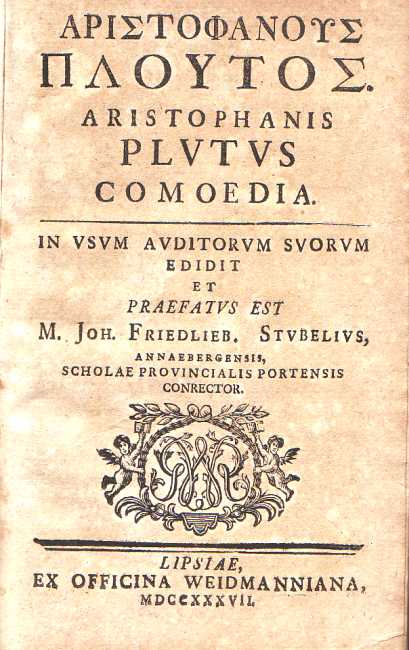
1737réf. 305389ABLipsiae (Leipzig), Weidmanniana (Weidmann), 1737. kl.8°. 11 Bll., 99 S. Einfacher Original-Pappband d. Zt. (Tlw. etw. gebräunt, sonst gut).
191394pp., 22cm., stempeltje op titelblad, onopgesneden
1913réf. T65362Brugge, Kerlinga 1913 94pp., 22cm., stempeltje op titelblad, onopgesneden
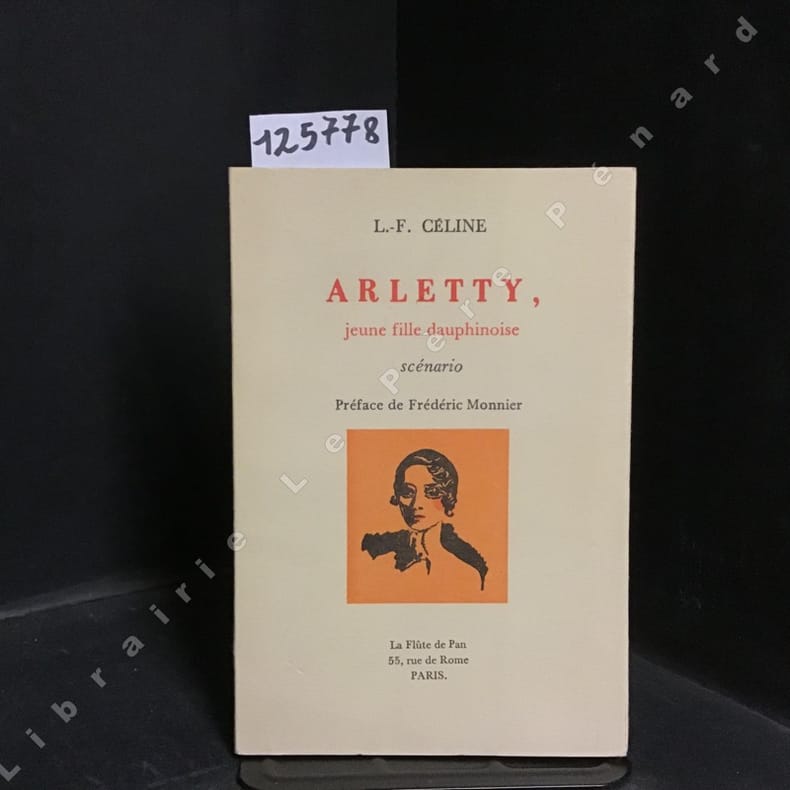
1983réf. 1257781983 La Flûte de Pan, Paris - 1983 - In-8 broché, couverture illustrée à rabats - 39 pages
1948réf. 202620CBMünchen, Willi Weismann, 1948. 8° 128 S. Brosch. m. Umschlag. 1. A. WG 12. (Papierbed. gebräunt, Umschlag stärker vergilbt).
1948réf. 66866München, Willi Weismann, (1948). 95 S. OBrosch.
réf. 19414Splendid Film/WVG, 2017. 1 Blu-ray Blu-ray
1924réf. 95849Hamburg, Vera-Verlag, ( 1924). 126 (4) S., 1 Fronstispiz. 19 cm. OPp. mit Deckel- u. Rückenschild.
1994Dustjacket is protected in mylar. Moderate bump to top of spine of both DJ and book. Otherwise this would be NF; A collection of essays offering original arguments in a number of areas. Papers cluster around two topics: the writing of Langland and Chaucer, and writing as historical process. These reflect Frank's own wide-ranging work. The papers contain a refreshing ideological diversity while maintaining coherence of intellectual concerns. There is a discussion of the working of memory in The Knights Tale. On debt, on Langland's Christology and on revelry, some very interesting ideas are put foward. In addition, literary contexts for the two major poets are usefully and thoroughly mapped out, and three papers illustrate how historical events and processes may be perceived in stimulatingly different ways. Included is an introduction from the editor and bibliography of Robert Worth Frank, Jnr. Contributors: ELIZABETH KIRK, C. DAVID BENSON, ANNA BALDWIN, M. TERESA TAVORMINA, MONICA McALPINE, MARY CARRUTHERS, KATHRYN L. LYNCH, CAROLYN P. COLLETTE, MARY HAMEL, PAUL STROHM, THOMAS J. HEFFERMAN, PEGGY KNAPP; 219 pages
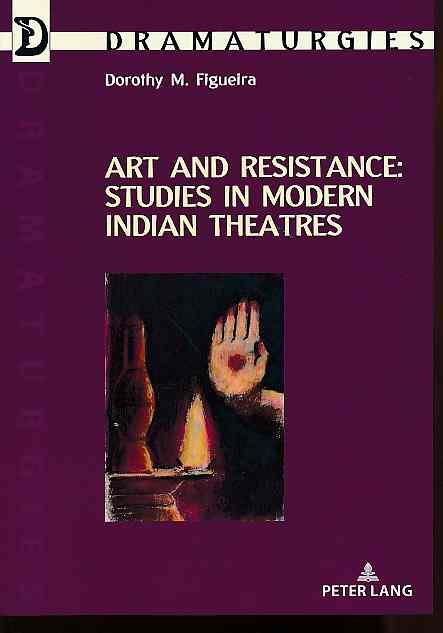
réf. 1126035Bruxelles ; Bern ; Berlin ; Wien : Peter Lang, 2019. 327 S. Originalbroschur.
2010réf. 2-2981197029dhArt-Editions 2010. Paperback. New. 232 pages. French language. 8.30x5.10x0.55 inches. dhArt-Editions paperback
1933réf. 2092902137306134Azusa shobo 1933. Soft Cover. Fine. Number of pages: 70p Size: 22cm Azusa shobo paperback
1933réf. 2092902137306237Azusa shobo 1933. Soft Cover. Fine. Number of pages: 69p Size: 22cm Azusa shobo paperback
1933réf. 2092902137305301Azusa shobo 1933. Soft Cover. Fine. Number of pages: 81p Size: 22cm Azusa shobo paperback