CONTE - SCHROEDER (sculpsit)Biblio.com

14 558 résultats
1809réf. 26348Paris: Imprimerie Impériale 1809. Fine. Imprimerie Impériale Paris 1809-1829 53.50 x 71 cm une feuille Original etching in plano format untrimmed extracted from the so-called ""Imperial"" edition of the Description de l'Égypte ou Recueil des observations et recherches faites en Égypte pendant l'expédition française publié par les ordres de Sa Majesté l'Empereur Napoléon le Grand. Produced between February 1802 and 1829 by order of Napoleon Bonaparte and published from 1809 actually 1810 it was printed in 1000 copies on laid paper watermarked ""Égypte ancienne et moderne"" and presented to institutions. Light and marginal foxing not affecting the engraving otherwise very fine state of freshness and preservation. VOLUME ETAT MODERNE II: The genius of the scholars of the Institute is particularly revealed through the plates of the section called Egypte Moderne. Architecture industry social structures health conditions water management music craftsmanship are presented with exceptional precision and graphic quality. The spirit of L'Encyclopédie by Diderot and d'Alembert remains underlying in the approach of the draftsmen of the Description de L'Egypte who accompany the text volumes with numerous detailed plates endeavoring to create a portrait of the populations imbued with beauty and respect. Rich pashas or simple potter craftsmen are represented with sensitivity going about their occupations in the midst of aesthetic compositions without falling into idealism or caricature. LA DESCRIPTION DE L'EGYPTE IMPERIAL edition 1809-1829: La Description de l'Egypte is one of the masterpieces of French publishing and the starting point of a new science: Egyptology. A titanic exposition of Egypt at the time of Bonaparte's conquests between 1798 and 1799 it is divided into 23 volumes including 13 volumes of engravings gathering nearly 1000 black plates and 72 in color. The 6 volumes of plates entitled Antiquités are devoted to the splendors of pharaonic Egypt. L'Histoire naturelle is divided into 3 volumes of engravings. One volume is devoted to Cartes géographiques et topographiques while the 3 volumes : Etat Moderne present a striking portrait of Coptic and Islamic Egypt as it was seen by Bonaparte's Army of the Orient. The ""Egyptian campaign"" a military disaster reveals through the engravings of the Description de l'Egypte the scientific success it became thanks to the some 167 scholars members of the Commission of Sciences and Arts of the Institute of Egypt who followed Napoleon's army. The Institute brought together in Egypt the mathematician Monge the chemist Berthollet the naturalist Geoffroy Saint-Hilaire as well as numerous artists engineers architects doctors. They were charged with rediscovering modern and ancient Egypt showing its natural riches and the know-how of its inhabitants. The first edition called ""Imperial"" of the Description de l'Egypte was produced in four large formats two of them specially created for it and named ""Moyen-Egypte"" and ""Grand-Egypte"" formats. A specific press was built for its printing which extended over twenty years between 1809 and 1829. The Imperial edition proved so popular that a second edition in 37 volumes entirely in black and without the watermark ""Égypte ancienne et moderne"" called the ""Panckoucke"" edition was published from 1821 by the C.-L.-F. Panckoucke printing house Paris. The realization of this monument of erudition owes much to Baron Dominique Vivant Denon illustrator diplomat collector and subsequently director of the Napoleon Museum at the Louvre who accompanied Napoleon to Egypt with numerous other scholars but decided alone to venture into the South of the country while the other invited scientists remained confined to the Cairo region. The fabulous sketches brought back by Denon from his romantic ride gave Bonaparte the idea to send the other members of the Institute there and thus create a faithful and complete portrait of the territory. Following Denon it Imprimerie Impériale unknown
1809réf. 26388Paris: Imprimerie Impériale 1809. Fine. Imprimerie Impériale Paris 1809-1829 71 x 53.50 cm une feuille Original etching in plano untrimmed extracted from the so-called ""Imperial"" edition of the Description de l'Égypte ou Recueil des observations et recherches faites en Égypte pendant l'expédition française publié par les ordres de Sa Majesté l'Empereur Napoléon le Grand. Executed between February 1802 and 1829 by order of Napoleon Bonaparte and published from 1809 actually 1810 it was printed in 1000 copies on watermarked laid paper ""Égypte ancienne et moderne"" and offered to institutions. Light and marginal foxing not affecting the engraving otherwise in very fine fresh condition and preservation. Volume MODERN STATE II: The genius of the scholars of the Institute is particularly revealed through the plates of the section called Modern Egypt. Architecture industry social structures health conditions water systems music crafts are displayed with exceptional precision and graphic quality. The spirit of Diderot and d'Alembert's Encyclopédie remains underlying in the approach of the draftsmen of the Description de L'Egypte who accompany the text volumes with numerous detailed plates endeavoring to create a portrait of the populations imbued with beauty and respect. Wealthy pachas or simple potter craftsmen are represented with sensitivity going about their occupations amid aesthetic compositions without falling into idealism or caricature. THE DESCRIPTION DE L'EGYPTE IMPERIAL edition 1809-1829: La Description de l'Egypte is one of the masterpieces of French publishing and the starting point of a new science: Egyptology. A titanic exposition of Egypt at the time of Bonaparte's conquests between 1798 and 1799 it is divided into 23 volumes including 13 volumes of engravings gathering nearly 1000 plates in black and 72 in color. The 6 volumes of plates titled Antiquités are devoted to the splendors of Pharaonic Egypt. Natural History is divided into 3 volumes of engravings. One volume is devoted to Geographic and topographic maps while the 3 volumes : Modern State present a striking portrait of Coptic and Islamic Egypt as it was seen by Bonaparte's Army of the Orient. The ""Egyptian campaign"" a military disaster reveals through the engravings of the Description de l'Egypte the scientific success it became thanks to the some 167 scholars members of the Commission of Sciences and Arts of the Institute of Egypt who followed Napoleon's army. The Institute brought together in Egypt the mathematician Monge the chemist Berthollet the naturalist Geoffroy Saint-Hilaire as well as numerous artists engineers architects physicians. They were charged with rediscovering modern and ancient Egypt showing its natural riches and the know-how of its inhabitants. The first edition called ""Imperial"" of the Description de l'Egypte was executed in four large formats two of them specially created for it and named ""Middle-Egypt"" and ""Grand-Egypt"" formats. A specific press was built for its printing which extended over twenty years between 1809 and 1829. The Imperial edition proved so popular that a second edition in 37 volumes entirely in black and without the ""Ancient and modern Egypt"" watermark called the ""Panckoucke"" edition was published from 1821 by the C.-L.-F. Panckoucke printing house Paris. The realization of this monument of erudition owes much to Baron Dominique Vivant Denon illustrator diplomat collector and subsequently director of the Napoléon Museum at the Louvre who accompanied Napoleon to Egypt with numerous other scholars but decided alone to venture into the South of the country while the other invited scientists remained confined to the Cairo region. The fabulous sketches brought back by Denon from his romantic ride gave Bonaparte the idea to send the other members of the Institute there and thus create a faithful and complete portrait of the territory. Following Denon it was therefore the greatest French scientis Imprimerie Impériale unknown
1809réf. 26393Paris: Imprimerie Impériale 1809. Fine. Imprimerie Impériale Paris 1809-1829 71 x 53.50 cm une feuille Original unshaved full-page etching from the Imperial edition of the Description de l'Égypte or Recueil des observations et recherches faites en Égypte pendant l'expédition française publié par les ordres de Sa Majesté l'Empereur Napoléon le Grand A Collection of the observations and research carried out in Egypt during the French expedition published on the orders of his Majesty the Emperor Napoleon the Great'.Produced between February 1802 and 1830 on the orders of Naopleon Bonaparte and published between 1809 and 1828 1000 copies were printed and distributed to institutions on vergé paper with an 'Égypte ancienne et moderne' watermark visible when held up to the light. Light marginal spotting not touching image otherwise in very fresh fine condition. An engraving from the Description de l'Egypte one of the masterpieces of French printing and the birth of a new field: Egyptology. A gigantic survey of Egypt at the time of Bonaparte's conquests in 1798 and 1799 the work is divided into 13 volumes of engravings making up 892 plates of which 72 colored as well as presenting the splendors of the Egypt of the Pharaohs in 9 volumes. The other volumes discuss natural history and present a fascinating portrait of Coptic and Islamic Egypt as it was seen by Bonaparte's Eastern Armies. The Egyptian campaign' militarily a disaster demonstrates through the engravings of the Description d'Egypte the scientific success it nonetheless became thanks to the 167 expert members of the Commission of the Sciences and Arts of the Institut d'Egypte Egyptian Institute who followed Napoleon's army. The Institut gathered together in Egypt the mathematician Monge the chemist Berthollet the naturalist Geoffroy Saint-Hilaire as well as numerous artists engineers architects and doctors. They were tasked with re-discovering modern and ancient Egypt and displaying its natural treasures as well as the know-how of its inhabitants.This edition the so-called Imperial edition of the plates for the Description de l'Egypte was printed in four large formats two of which were specially created for it and christened Moyen-Egypte and Grand-Egypte. A special press was built to print it the process extending over 20 years from 1809 to 1829. The Imperial edition proved so popular that a second edition this time in black and white and without the Egypte ancienne et moderne watermark known as the Royal Edition was published during the Restoration by the printing house of C.-L.-F. Panckoucke Paris.The engravings of the Description d'Egypte owe a great deal to Baron Dominique-Vivant Denon illustrator diplomat collector and later Director of the Musée Napoléon the Louvre. His exploration of the South of Egypt gave Bonaparte the idea of sending the experts of the Institut there thus creating a faithful and complete portrait of the area. This was the research gathered together from 1802 in the mammoth Description de L'Egypte.Denon embarked on this story of archeological exploration at the age of 51 reaching first Alexandria and then Cairo before exploring Upper Egypt. Along with the members of the Institut d'Egypte the Natural History Museum's painter H.J. Redouté brother of Pierre-Joseph Redouté author of Roses the mineralogist Dolomiue and the draughtsman Joly Denon then explored the Nile Delta and Lower Egypt. When however he joined the 21st Light Infantry Regiment as it marched across Upper Egypt in pursuit of the retreating Mameluks in November 1798 he found himself the only civilian. In the very midst of the battle itself he reeled off sketches of the works of art that peppered his path right up to the threshold of the Sudan. He said that he had crossed a country that is apart from its name entirely unknown to Europeans and therefore everything was worth describing Voyages dans la Basse et la Haute Egypte pendant les campagnes Imprimerie Impériale unknown
1865réf. biblio268"The Old Blacksmith Jacob's Stories" in 19th century German an excellent copy from a prolific story teller. A treasure. Photo on request. Robler hardcover
2003réf. L247Dervy, 2003, 232 p.
2007réf. 240053Geste Éditions, 1 volume broché de format 20 x 20 cm, 311 pages, illustrations de Simone et Henri Jean, envoi manuscrit de l'Auteure, petite déchirure au plat arrière, bon état. Frais de port en supplément.
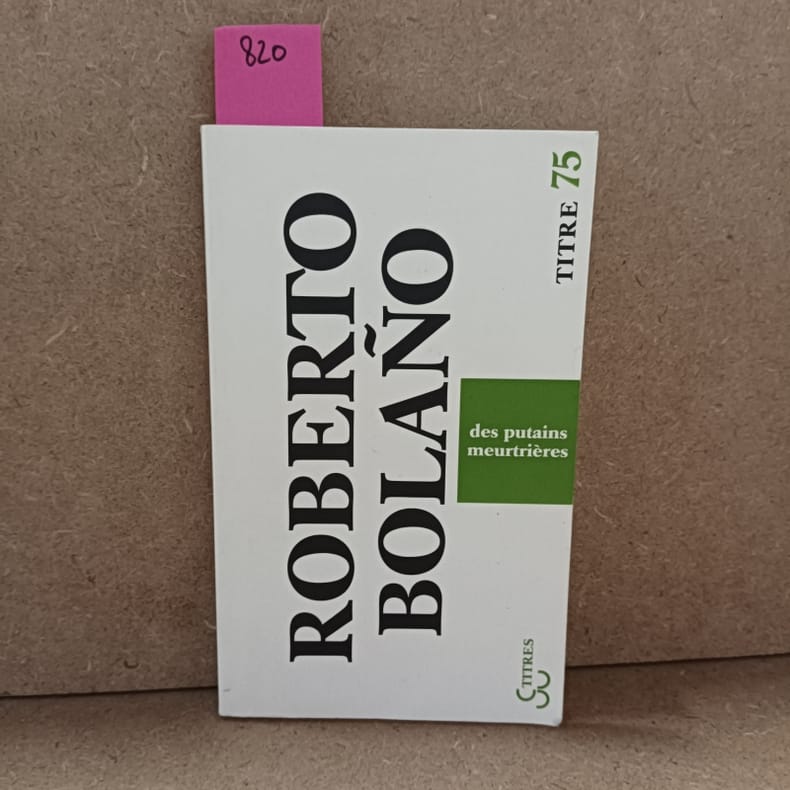
2008réf. 8202008 - broché - Christian Bourgois éditeur - Collection Titres, N° 75 - 2008 - In-12 (format poche) broché - 286 pages - ISBN : 9782267019742 - Traduction de Robert Amutio
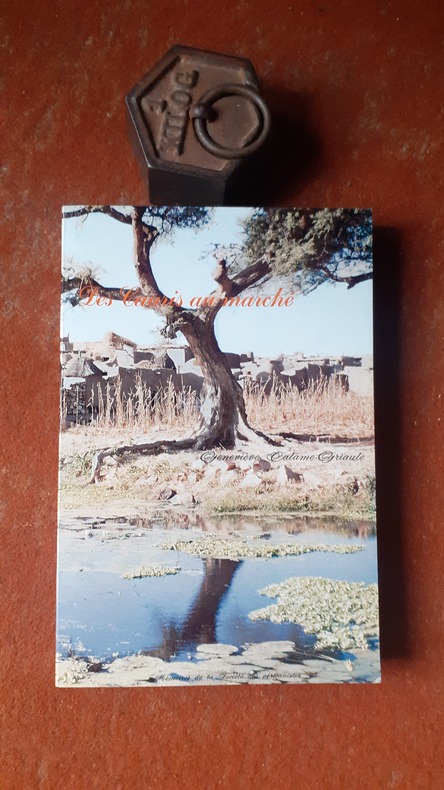
1987réf. AFRIQUEEE2511016Paris, Société des africanistes, "Mémoires", 1987, 16 x 24, 296-XII pages cousues sous couverture illustrée. Avec XII pages d'illustrations couleurs.
réf. QWA-21683Société des Africanistes, 1987, in-8 br. (16 x 24), 293 p., coll. "Mémoires de la Société des Africanistes", 19 illustrations h.-t. en n. et en coul., dessins, très bon état.
1933réf. 80497s. l. 1933 | 16.50 x 25 cm | une feuille
réf. 59850Paris, Bruxelles, Dutilleul, 1958, in-12, br., couv. ill. en noir éd., 96 pp., très nb. dessins en noir d'enfants, sommaire : poésie - A la source des contes de fées - les images d'Epinal - la littérature enfantine - De la mère l'oye au Roi Babar - le monde de Dandinet - Printemps de l'art - L'heure du dessin - Dessins d'enfants réfugiés, + ENVOI de l'auteur sur une carte indépendante, Bonne étude sur le conte et sa psychologie. Chapitre sur les images d'Epinal. Pas courant Très bon état
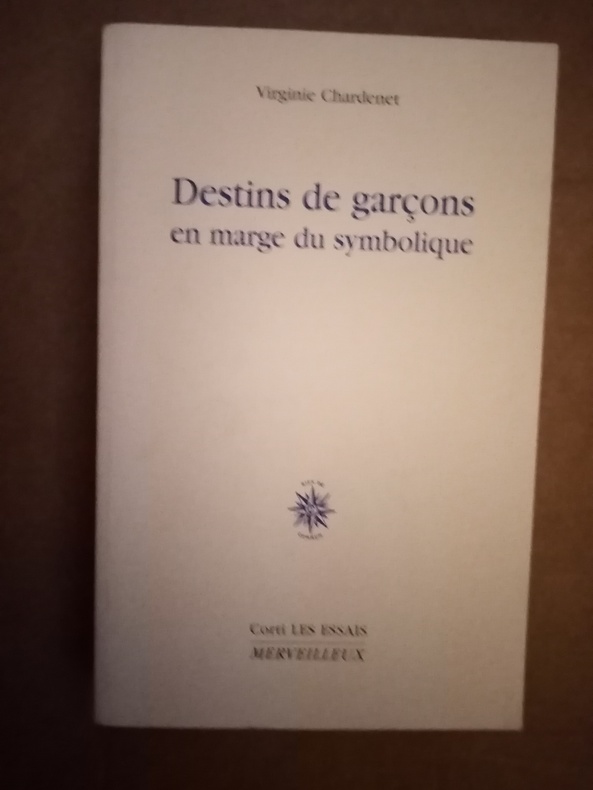
2010réf. CONTES6661020Paris, Editions José Corti, "Les essais - Merveilleux", 2010, 13,5 x 21,5, 304 pages cousues sous couverture imprimée.
1809réf. 25427Imprimerie Impériale | Paris 1809-1829 | 53.50 x 70 cm | une feuille
réf. R160201265EDITIONS ARNAUD. NON DATE. In-4. Cartonné. Etat d'usage, Coins frottés, Dos frotté, Quelques rousseurs. 26 pages - Nombreuses illustrations en couleurs dans et hors texte - Quelques rousseurs naturelles. . . . Classification Dewey : 398.2-Conte populaire
1992réf. sc1136Gallimard Connaissance de l'Orient Dos carré collé 1992 In-8 (12,5 x 19 cm), dos carré collé, 320 pages ; couverture un peu jaunie, par ailleurs intérieur frais, bon état. Livraison a domicile (La Poste) ou en Mondial Relay sur simple demande.
1974réf. qb1593Balland Dos carré collé 1974 RARE. In-8 (20 x 20,5 cm), dos carré collé, 117 pages, illustrations en couleur ; pliures au dos, mouillures aux plats et sur le dernier tiers du corps d'ouvrage, quelques feuillets désolidarisés, en l'état. Livraison a domicile (La Poste) ou en Mondial Relay sur simple demande.
1809réf. 25342Imprimerie Impériale | Paris 1809-1829 | 53.50 x 70 cm | une feuille
1809réf. 25343Imprimerie Impériale | Paris 1809-1829 | 53.50 x 70 cm | une feuille
1809réf. 25348Imprimerie Impériale | Paris 1809-1829 | 53.50 x 70.50 cm | une feuille
1809réf. 25376Imprimerie Impériale | Paris 1809-1829 | 53.50 x 70 cm | une feuille
1809réf. 25431Imprimerie Impériale | Paris 1809-1829 | 70 x 53.50 cm | une feuille
1809réf. 26294Imprimerie Impériale | Paris 1809-1829 | 71 x 53.50 cm | une feuille
1809réf. 26302Imprimerie Impériale | Paris 1809-1829 | 53.50 x 71 cm | une feuille
1809réf. 26319Imprimerie Impériale | Paris 1809-1829 | 71 x 53.50 cm | une feuille
1809réf. 26321Imprimerie Impériale | Paris 1809-1829 | 71 x 53.50 cm | une feuille