9133 risultati
1647rif. IMAGINI16474to approx. 23 cm later quarter calf over marbled boards gilt-tooled spine rubbed with small losses at head and foot corners worn. 16 ff. text complete with both large folding plates and numerous in-text woodcut illustrations of the pagan gods and related emblems. Title printed in red and black with large woodcut device; early ink ownership inscription "… Ruggero" at head of title. Occasional light damp-staining notably to title and a few prelims scattered foxing and minor soiling but text and images generally crisp and well-inked; folds of plates with a few small handling creases and short closed tears no major losses. Classic 17th-century Venetian edition of Cartari's influential illustrated handbook of classical mythology and iconography enlarged with Lorenzo Pignoria's antiquarian notes and Cesare Malfatti's allegories. A complete solid working copy with both folding plates present. Presso il Tomasini
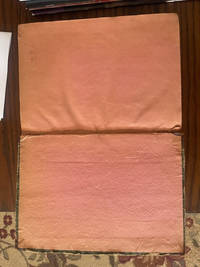
rif. 54497New York: Raphael Fodde Editions 2000. Limited edition. Hardcover. Fine condition. 40/60. Elephant Folio 19 3/4 x 14 1/4". 34 1 incl. four full page etchings. Original orange quarter-leather over orange-gold silk covered boards housed in orange board slipcase with silk-covered edges. Color prints with tissue guards. With introduction and translated from the Italian by Anthony Oldcorn. A selection of Carnival Songs by Lorenzo De' Medici was frist frinte in Florence in 1515 to honor the triumphal entrance of Lorenzo's son Leo X into the city. The verse translation by Anthony Oldcorn the first version in English was done over the course of the last four years in Rhode Island and Bologna Italy. The text of this edition and all the etchings were printed by Raphael Fodde in his Officina in New York with the help of Elizabeth Fodde-Reguer. 60 numbered copies were printed on Hahnemuhle paper with the colophonsigned by the artists. The first etchings are by the American artist William T. Wiley. The third etching is by Italian artist Mimmo Paladino and the fourth by Australian artist Jörg Schmeisser. 15 copies numbered _-XV were printed with an extra suite on large paper. This is copy no. 40. Signed by the three artists on colophon. Raphael Fodde Editions hardcover
rif. 54497New York: Raphael Fodde Editions 2000. Limited edition. Hardcover. Fine condition. 40/60. Elephant Folio 19 3/4 x 14 1/4". 34 1 incl. four full page etchings. Original orange quarter-leather over orange-gold silk covered boards housed in orange board slipcase with silk-covered edges. Color prints with tissue guards. With introduction and translated from the Italian by Anthony Oldcorn. A selection of Carnival Songs by Lorenzo De' Medici was frist frinte in Florence in 1515 to honor the triumphal entrance of Lorenzo's son Leo X into the city. The verse translation by Anthony Oldcorn the first version in English was done over the course of the last four years in Rhode Island and Bologna Italy. The text of this edition and all the etchings were printed by Raphael Fodde in his Officina in New York with the help of Elizabeth Fodde-Reguer. 60 numbered copies were printed on Hahnemuhle paper with the colophonsigned by the artists. The first etchings are by the American artist William T. Wiley. The third etching is by Italian artist Mimmo Paladino and the fourth by Australian artist Jörg Schmeisser. 15 copies numbered _-XV were printed with an extra suite on large paper. This is copy no. 40. Signed by the three artists on colophon. Raphael Fodde Editions hardcover books
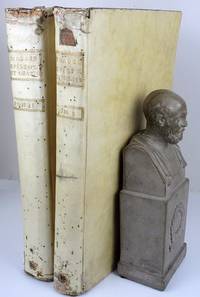
1759rif. 11054Florence: Ex Typographio Caesareo. Good with no dust jacket. 1759. First Edition. Vellum. 4 cccclxiv and 4 pp 1188 columns. With a full page engraved portrait of Ambrose by Carlo Gregori 1719-1759 before the title red and black title page with an elaborate printer's mark with puti doing things to various printing implements. 2 large folios in full parchment of the time with gilt stamped titles on the spines engraved initials nicely printed. Red marbled edges. Stiff parchment covers are normally worn boards slightly bowed top of spines pulled with some vellum chipped away some cracking of the parchment at the edges. Interiors have institutional stamps from a monastery in Philadelphia along with a personal stamp from a Pennsylvania theologian some minor foxing and aging but otherwise clean and strong. Surprisingly hard to find in commerce no auction records in the last 70 years. Ambrogio Travesari 1386-1439 was an Italian monk and great proponent of papal supremacy. But he is particularly interesting because he became convinced that the knowledge and wisdom of the Greek fathers was important to the modern church and he decided to learn Greek so that he could read them in the original. He worked with a Byzantine refugee from Constantinople for 10 years translating Basil Athanasius Gregory of Nazianzus and of course John Chrysostom among others. As a result of his great respect for the Greek fathers he attempted to bring the Eastern and Western churches together at least to mediate the differences. "He supported the pope at Ferrara and Florence and worked hard in the attempt to reconcile the Eastern and Western Churches. Bt in this council and later in that of Florence Ambrose by his efforts and charity toward some poor Greek bishops greatly helped to bring about a union of the two Churches the decree for which 6 July 1439 he was called on to draw up. He died soon after. His feastday is celebrated by the Camaldolese Order on 20 November." Heavy and oversized for international shipping. ; Ex-Library; Folio 13" - 23" tall . Ex Typographio Caesareo hardcover
1834rif. 351919Paris: Imprenta De Decourchant 1834. First edition. vii 374pp. Scattered annotations. 12mo. Contemporary red morocco marbled endpapers. Minor foxing and toning. First edition. vii 374pp. Scattered annotations. 12mo. Exiled from Mexico in 1830 Zavala came to New York to seek colonization for his empresario grants in southeastern Texas transferring his interests to the Galveston Bay and Texas Land Company. "From December 1832 until October 1833 he again served as governor of the state of Mexico before returning to the Congress as a deputy for his native state of Yucatán. Named by President Antonio López de Santa Anna in October 1833 to serve as the first minister plenipotentiary of the Mexican legation in Paris he reported to that post in the spring of 1834. When he learned that Santa Anna had assumed dictatorial powers in April of that year Zavala denounced his former ally and resigned from his diplomatic assignment. Disregarding Santa Anna's orders to return to Mexico City he traveled to New York and then to Texas where he arrived in July 1835. From the day of his arrival he was drawn into the political caldron of Texas politics. Although he first advocated the cause of Mexican Federalism within a few weeks he became an active supporter of the independence movement; he served in the Permanent Council and later as the representative of Harrisburg in the Consultation and the Convention of 1836. At the convention he signed the Texas Declaration of Independence along with Jose Francisco Ruiz Jose Antonio Navarro and fifty-six other delegates" Handbook of Texas. The present work described his journey and impressions of the United States during his visit from 1830-1831 and was published while stationed in Paris in 1834. Raines praises the work as "One of the few books of travel in the U.S. worth reading. A fine picture of American manners customs and institutions by a Mexican republican with some notice of Austin's colonization in Texas . A true patriot and uncompromising lover of liberty" Raines. The work is further noted as "an incredibly important although little known.meticulously written narrative about the democratic culture and institutions of the United States. Zavala's narrative not only stands as a major document of early Mexican-American letters but also as one of the first theoretical and ethnographic examinations of democracy as a political and cultural institution. Thus Zavala's book challenges the widespread acceptance by American scholars that Alexis de Toqueville's Democracy in America 1835 is the first book to take United States democracy as a focus of political and cultural study . Zavala's story of democratic peoplehood will no doubt in time be read as one of the founding political texts of U.S. and Mexican democratic culture" John-Michael Rivera in the introduction of the 2005 English translation of the present work published by Arte Público Press University of Houston 2005. Clark Old South III:118; Howes Z3; Palau 378349; Raines p. 224; Sabin 106280; Streeter Texas 1156 Imprenta De Decourchant unknown
1834rif. 351919Paris: Imprenta De Decourchant 1834. First edition. vii 374pp. Scattered annotations. 12mo. Contemporary red morocco marbled endpapers. Minor foxing and toning. First edition. vii 374pp. Scattered annotations. 12mo. Exiled from Mexico in 1830 Zavala came to New York to seek colonization for his empresario grants in southeastern Texas transferring his interests to the Galveston Bay and Texas Land Company. "From December 1832 until October 1833 he again served as governor of the state of Mexico before returning to the Congress as a deputy for his native state of Yucatán. Named by President Antonio López de Santa Anna in October 1833 to serve as the first minister plenipotentiary of the Mexican legation in Paris he reported to that post in the spring of 1834. When he learned that Santa Anna had assumed dictatorial powers in April of that year Zavala denounced his former ally and resigned from his diplomatic assignment. Disregarding Santa Anna's orders to return to Mexico City he traveled to New York and then to Texas where he arrived in July 1835. From the day of his arrival he was drawn into the political caldron of Texas politics. Although he first advocated the cause of Mexican Federalism within a few weeks he became an active supporter of the independence movement; he served in the Permanent Council and later as the representative of Harrisburg in the Consultation and the Convention of 1836. At the convention he signed the Texas Declaration of Independence along with Jose Francisco Ruiz Jose Antonio Navarro and fifty-six other delegates" Handbook of Texas. The present work described his journey and impressions of the United States during his visit from 1830-1831 and was published while stationed in Paris in 1834. Raines praises the work as "One of the few books of travel in the U.S. worth reading. A fine picture of American manners customs and institutions by a Mexican republican with some notice of Austin's colonization in Texas . A true patriot and uncompromising lover of liberty" Raines. The work is further noted as "an incredibly important although little known.meticulously written narrative about the democratic culture and institutions of the United States. Zavala's narrative not only stands as a major document of early Mexican-American letters but also as one of the first theoretical and ethnographic examinations of democracy as a political and cultural institution. Thus Zavala's book challenges the widespread acceptance by American scholars that Alexis de Toqueville's Democracy in America 1835 is the first book to take United States democracy as a focus of political and cultural study . Zavala's story of democratic peoplehood will no doubt in time be read as one of the founding political texts of U.S. and Mexican democratic culture" John-Michael Rivera in the introduction of the 2005 English translation of the present work published by Arte Público Press University of Houston 2005. Clark Old South III:118; Howes Z3; Palau 378349; Raines p. 224; Sabin 106280; Streeter Texas 1156 Imprenta De Decourchant unknown books
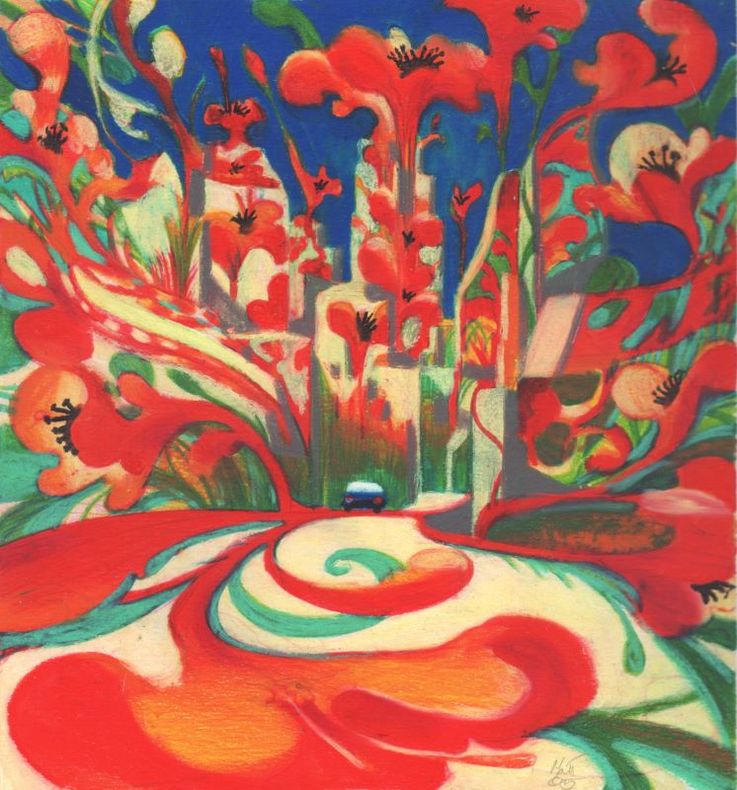
1995rif. 221441995 Dessin au crayon et pastel signé en bas à droite, 1995, 25 x 23 cm., encadré.
2008rif. 78669Silvana Editoriale. New. 2008. Paperback. 8836612385 . FREE UPGRADE to Courier/Priority Shipping Upon Request - IN STOCK AND IMMEDIATELY AVAILABLE FOR SHIPMENT - Flawless copy brand new pristine never opened -- Text in Italian. 176 pp. With 145 ills. 129 col. . 28 x 24 cm. Silvana Editoriale paperback
2002rif. C91157Edifir. As New. Hardcover. FREE UPGRADE to Courier/Priority Shipping Upon Request - IN STOCK AND IMMEDIATELY AVAILABLE FOR SHIPMENT - Flawless copy brand new pristine never opened -- 392 pages; well-illustrated in black and white and in color. Catalogue Raisonne Catalog Raisonné Complete Works Catalogo Ragionato Catalogo delle Opere L'Opera Completa Raisonnee -- with a bonus offer-- - May be EITHER: out of print OOP and extremely rare in this pristine condition; signed by author or contributor; or a first or special edition; inquire for details . 2002. 8879701509 . Edifir hardcover
Tempera su carta incollata su cartone cm. 40,5x30,4. Non firmata ma corredata da autentica di Enrico Dei archiviata nel 2015
1985rif. C93583Rizzoli. As New. Hardcover. FREE UPGRADE to Courier/Priority Shipping Upon Request - IN STOCK AND IMMEDIATELY AVAILABLE FOR SHIPMENT - Flawless copy brand new pristine never opened -- Text in English. 378 pages; well-illustrated. Catalogue Raisonne Catalog Raisonné Complete Works Life and Work Raisonnee -- with a bonus offer-- - May be EITHER: out of print OOP and extremely rare in this pristine condition; signed by author or contributor; or a first or special edition; inquire for details . 1985. 0847805093 . Rizzoli hardcover
1993rif. C91199Stefano Patacconi Editore. As New. Hardcover. FREE UPGRADE to Courier/Priority Shipping Upon Request - IN STOCK AND IMMEDIATELY AVAILABLE FOR SHIPMENT - Flawless copy brand new pristine never opened -- Text in Italian and English. 414 pages; 174 illustrations. Catalogue Raisonne Catalog Raisonné Complete Works Catalogo Ragionato Catalogo delle Opere L'Opera Completa Life and Work Raisonnee -- with a bonus offer-- - May be EITHER: out of print OOP and extremely rare in this pristine condition; signed by author or contributor; or a first or special edition; inquire for details . 1993. Stefano Patacconi Editore hardcover
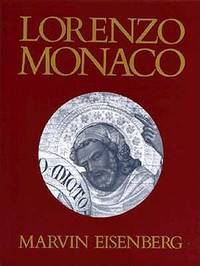
1981rif. C93582Cornell Univ Pr. As New. Hardcover. FREE UPGRADE to Courier/Priority Shipping Upon Request - IN STOCK AND IMMEDIATELY AVAILABLE FOR SHIPMENT - Flawless copy brand new pristine never opened -- 290 pages; well illustrated. Catalogue Raisonne Catalog Raisonné Complete Works Life and Work Raisonnee -- with a bonus offer-- - May be EITHER: out of print OOP and extremely rare in this pristine condition; signed by author or contributor; or a first or special edition; inquire for details . 1981. 080141430X . Cornell Univ Pr hardcover
1989rif. C102431Princeton Univ Pr. As New. Hardcover. FREE UPGRADE to Courier/Priority Shipping Upon Request - IN STOCK AND IMMEDIATELY AVAILABLE FOR SHIPMENT - Flawless copy brand new pristine never opened -- 243 pages; well-illustrated including 16 plates in color. Catalogue Raisonne Catalog Raisonné Complete Works Life and Work Raisonnee -- with a bonus offer-- - May be EITHER: out of print OOP and extremely rare in this pristine condition; signed by author or contributor; or a first or special edition; inquire for details . 1989. 0691040427 . Princeton Univ Pr hardcover
2006rif. C102552Ugo Bozzi. As New. Hardcover. FREE UPGRADE to Courier/Priority Shipping Upon Request - IN STOCK AND IMMEDIATELY AVAILABLE FOR SHIPMENT - Flawless copy brand new pristine never opened -- Text in Italian. 496 pages; illustrated. Catalogue Raisonne Catalog Raisonné Complete Works Catalogo Ragionato Catalogo delle Opere L'Opera Completa Raisonnee -- with a bonus offer-- - May be EITHER: out of print OOP and extremely rare in this pristine condition; signed by author or contributor; or a first or special edition; inquire for details . 2006. 8870030423 . Ugo Bozzi hardcover
1676rif. 64886Finaro ma Firenze Nella Stamperia di Gio. Tommaso Rossi 1676. In 12° legatura artigianale novecentesca in piena pelle con cornice ai piatti a doppio largo filetto nervi fregi e titolo al dorso dentelle con fregio. Pagine 16 n.n. con Lettera scritta dall'A. alla Sereniss. Arciduchessa Claudia di Ispruch . Vita dell'A. . Giovanni Cinelli a chi legge. Seguono poi pp. 300 ma 240 per errata numerazione sempre riscontrabile in quest'opera pp. 32 non numerate con la dicitura: Giovanni Cinelli al Cortese Lettore. VERA ED INTEGRA edizione originale contenente queste ultime 32 pagine che portano l'epistola detta e due sonetti di Antonio Malatesta. Queste ultime pagine non numerate e senza indicazione di segnatura caddero sotto la censura furono proibite e quindi tolte dal testo; solo un numero molto limitato le bibliografie parlano di sole 50 copie contengono questo finale. Si veda il Parenti Luoghi di stampa falsi a pag. 86. Il Malmantile risultò una burlesca parodia della Gerusalemme Liberata che in dodici canti in ottava rima racconta la fantastica contesa di Celidora e Bertinella per il reame di Malmantile castello diroccato presso Signa. Gli argomenti di ogni canto furono redatti da A. Malatesti. Rarissime come detto sono le copie rimaste di quest'opera così complete. Si veda oltre al Parenti il Gamba e lo Choix di Olschki dove viene definito "molto raro" unknown
1669rif. ABC_50527Amsterdam: Andreas Frisius 1669. Contemporary vellum with the gold-stamped coat of arms of Arnhem on both boards faded manuscript title on the spine remnants of green ties. 4to. With an engraved frontispiece with Egyptian and other antiquities a general title page with a small engraved scene 3 divisional title pages the first two with the same larger engraving a small scene similar to that on the general title page but flanked by figures of Minerva/Athena and Mercury/Hermes the frontispiece large engraving and probably the unsigned small engraving by A. Blotelingh. The first work with 11 folding engraved plates with hieroglyphics 1 full-page engraved plate outside of collation 5 full-page engraved plates in the text and 16 smaller engravings in the text. The second work in two parts with 3 full-page engraved plates and several smaller engravings in the text. Further with woodcut decorated initials throughout and several woodcut head- and tailpieces. 2 works published and bound as 1 the second in 3 parts. Including: PIGNORIUS Laurentius Lorenzo PIGNORIO. Magnae deum matris idaeae & attidis initia.And: TOMASINUS Jacobus Philippus. Manus aeneae cecropii votum referentis dilucidatio. First issue of the third and best edition of two important works on Egyptian archaeology the first edition with this title and form originally published together written by Lorenzo Pignorius. The first work a famous study of the Egyptian artefact known as the Mensa Isiaca or Bembine Tablet devoted to the Egyptian goddess Isis is the first notable work on Egyptology first published at Venice in 1605 titled Vetustissimae tabulae Aeneae sacris Egyptiorum simulacris . The Mensa Isiaca was a bronze table top discovered in the ruins of the temple of Isis in Rome at around 1525 and now believed to have been executed in Rome in the first century CE. Pignorius studied this very famous artefact when it was in the possession of Cardinal Bembo. Pignorius believed that it depicted the sacrificial ceremonies according to the Egyptian rites. The bronze is now in the collection of the Torino Museum.The text of the second work consists of two parts with two separate title pages on O3r and e1r plus a divisional title without imprint i3r. The first part is an essay on the deity Great Mother of Gods by Pignorius first published in 1623. The second part titled ''Manus Aenae cecropii votum referentis dilucidatio'' by Jacobus Philippus Tomasinus contains a description of a small votive statue of a hand. At the end pp. 63-96 it includes a biography of Lorenzo Pignorius and a description of his museum and library and its contents including ancient coins and portrait busts of classical figures by Tomasini.The boards are somewhat scuffed and browned remnants of ties the gold-stamped centrepiece remains very clear. The sewing supports have broken and the pastedowns have separated from the inside of the boards meaning that the bookblock is only connected to the binding through the headband at the top of the spine. Occasional minor browning a occasionally large tear in the gutter margin of the folding plates the edges of the folding plates are somewhat frayed two folding plates are loose but still present. Leaf with pp. 7-8 in the second work with a large tear slightly affecting the text.l Blackmer 1312; Gay 1567; Ibrahim-Hilmy II 119; STCN 097598674 9 copies; USTC 1806033 same as STCN; cf. STCN 097598186 4 copies 1670 issue; USTC 180743 1670 issue same as STCN. Andreas Frisius, hardcover
1827rif. 48697Napoli : Cuciniello & Bianchi 1827. Album di cm. 35 x 26. Con 29 litografie in bella coloritura coeva. Legatura coeva in piena percallina marrone. Ex libris. Esemplare genuino e ben conservato. Descrizione dettagliata a richiesta. Cuciniello & Bianchi, unknown
1974rif. 86580Rizzoli Editore. As New. 1974. Hardcover. FREE UPGRADE to Courier/Priority Shipping Upon Request - IN STOCK AND IMMEDIATELY AVAILABLE FOR SHIPMENT - AS NEW THE TEXT BLOCK IS PRISTINE CLEAN UNMARKED AND IN EXCELLENT CONDITION - - 128 pages; many illustrations including 64 plates in color. Catalogue Raisonné Catalogue Raisonne Catalog Raisonnee Complete Works -- with a bonus offer . Rizzoli Editore hardcover
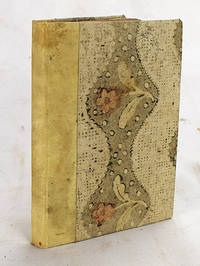
1548rif. 2607310016Venice: Michele Tramezzino 1548. Hardcover. Very Good. 16th Century Horse Veterinary Book Rebound in 20th-century three-quarters vellum paste paper sides. Pastepaper has a repeating motif of a flower. Speckled red edges. Printers mark on title leaf and verso of final leaf. Minor worming to lower margin. 5 3/4 x 4 inches 14.5 x 10 cm; 102 5 ff. collating A-N8 O4 -O4 blank. Lorenzo Rusio was a 15th Century friar and veterinarian who wrote on the treatment of horses and the diseases they suffer from. Heavily based on ancient Greek and Byzantine texts Rusio's work was originally published in Germany in 1489. Michele Tramezzino hardcover
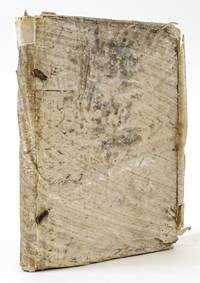
1675rif. 1398897n.p.: n.p c. 1675. Hardcover. Octavo 324 pages. In Good condition. Bound in full contemporary vellum "boards" composed of multiple sheets of 17th-century sheets. Vellum is beginning to separate from composite-sheet boards along fore-edges. Boards have moderate plus staining overall with moderate plus chipping and wear to vellum along edges. Textblock shows moderate age toning and light wear to untrimmed edges with occasional light staining to pages not impacting legibility. Undated ink manuscript in an unidentified 17th-century Italian hand. Shelved Room A. An early handwritten manuscript of Lippi's Il Malmantile Racquistato which appears to predate the second printed edition in 1688 and possibly the first printed edition in 1676. The present manuscript differs from one or both of the 17th-century editions in multiple points please see notes for further analysis of contrast with the published manuscript tradition of the text. Title page includes a dedication to Cardinal Leopoldo de Medici lacking in the first printed edition and attributes the work to Lippi's pseudonym Perlone Zipoli - unlike both 17th-century editions. The title page is followed by the prefatory Disfatto here attributed to the anagrammatic pseudonym Amostante Latoni Antonio Malatesti. The work is then prefaced by an index revealing the "true identities" of all the figures appearing pseudonymously in the work. Contrary to both printed editions each book is here referred to as canto rather than cantare and each stanza is numbered similarly to the 1688 edition and unlike the 1676 edition. Shelved Room A. The mock-heroic epic Malmantile Racquistato was written by Florentine painter Lorenzo Lippi 1606–1665 during the 1640s. Writing under the anagrammatic pseudonym Perlone Zipoli Lippi composed the poem while serving Cardinal Leopoldo de’ Medici and his wife at Innsbruck. Il Malmantile is often read as a parodic response to contemporary literary conventions particularly the epic stylings of Tasso’s Gerusalemme Liberata. Yet beyond its burlesque tone the work serves as a celebration of the Tuscan—specifically Florentine—dialect and is still studied today as a rich repository of regional idioms and turns of phrase. While the core of the poem was composed in Innsbruck between 1643 and 1644 reports from Lippi’s contemporaries many of whom were members of the informal literary academy degli Apatisti suggest that substantial additions and refinements were made after his return to Florence in 1648. Lippi wary of scandal or public backlash resisted calls to publish the poem during his lifetime. Nonetheless it circulated widely among members of the Apatisti the Accademia degli Svogliati and even the Accademia della Crusca. It was not published until 1676 eleven years after Lippi’s death in a flawed and limited edition only 50 copies issued by Giovanni Rossi. That edition was viewed by Lippi’s admirers as a distorted presentation of the poem—possibly even an act of literary revenge. A more authoritative version was published in 1688 under the editorial guidance of Paolo Minucci and the posthumous patronage of Leopoldo de’ Medici. The present manuscript appears to have been produced prior to the 1688 edition but after the completion of the poem before Lippi’s death in 1665. Based on textual evidence it is unlikely to have been copied from either printed edition. Instead it likely reflects a version circulating independently—perhaps within Lippi’s literary circle or among manuscript readers close to the Medici court. Several features underscore the manuscript’s significance as a witness to the early textual transmission of Malmantile Racquistato. Please note that this list is not comprehensive or exhaustive. Dedication to Cardinal Leopoldo de’ Medici 1617-1675 The manuscript bears a dedication “al Serenissimo Princeps Cardinal Leopoldo de’ Medici”—a form appropriate only during Leopoldo’s lifetime. The 1676 edition includes no dedication. The 1688 edition dedicates the work “alla gloriosa memoria” of the deceased cardinal. This places the present manuscript’s source text prior to Leopoldo’s death in 1675 supporting an early dating. Attribution of the “Malmantile Disfatto Enigma” The manuscript attributes the poem’s enigma to Latoni a fictional character in the narrative and anagram of Antonio Maltesti author of the argomentos. The enigma in the present manuscript follows the 1688 edition’s title: “Malmantile Disfatto Enigma” as opposed to the 1676 edition which title it simply the “Malmantile Disfatto”. Unlike the present manuscript both printed editions attribute the Disfatto to Malatesti friend of Lippi and author of the the argomentos prefacing each canto/cantare. Lexical Variant in the Enigma’s First Line The manuscript and the 1676 edition share the rare form inospite inhospitable whereas the 1688 edition substitutes the more conventional indomite untamed. The retention of inospite aligns the manuscript with the earlier textual variants prior to normalization. Dialectal Verb Form: “dalli” vs. “dagli” The manuscript occasionally makes use of the form dalli a dialectal or colloquial variant of dagli. This reflects non-standard or pre-Cruscan orthography and suggests a version of the poem less filtered by formal editorial revision. “Canto” vs. “Cantare” The manuscript titles the poem’s sections as “Cantos” contrasting with the “Cantare” found in both printed editions. While “Cantare” evokes the popular cantari tradition the manuscript’s use of “Canto” suggests either scribal normalization or an attempt to frame the work more in line with classical epic conventions. Book Seven Stanza 73 The present manuscript lacks the seventy-third stanza of the seventh canto/cantare which appears in both the 1676 and 1688 editions. Various Textual Differences including: The Argomento of the eighth canto/cantare: Lines 2-5 of the present manuscript have elements that appear to be either hybrids of the two printed editions or are unique to the manuscript. Line 2 matches the second edition of 1688 Line 3 matches the first edition of 1676 Line 4 is a unique rendering more closely aligned with the 1676 edition Line 5 matches the first edition of 1676 Book 7 Stanza 104 105 of the printed editions has in distinction to both print editions burlando for brillando. . 1398897. Special Collections. [n.p] hardcover
1675rif. 1398897n.p.: n.p c. 1675. Hardcover. Octavo 324 pages. In Good condition. Bound in full contemporary vellum "boards" composed of multiple sheets of 17th-century sheets. Vellum is beginning to separate from composite-sheet boards along fore-edges. Boards have moderate plus staining overall with moderate plus chipping and wear to vellum along edges. Textblock shows moderate age toning and light wear to untrimmed edges with occasional light staining to pages not impacting legibility. Undated ink manuscript in an unidentified 17th-century Italian hand. Shelved Room A. An early handwritten manuscript of Lippi's Il Malmantile Racquistato which appears to predate the second printed edition in 1688 and possibly the first printed edition in 1676. The present manuscript differs from one or both of the 17th-century editions in multiple points please see notes for further analysis of contrast with the published manuscript tradition of the text. Title page includes a dedication to Cardinal Leopoldo de Medici lacking in the first printed edition and attributes the work to Lippi's pseudonym Perlone Zipoli - unlike both 17th-century editions. The title page is followed by the prefatory Disfatto here attributed to the anagrammatic pseudonym Amostante Latoni Antonio Malatesti. The work is then prefaced by an index revealing the "true identities" of all the figures appearing pseudonymously in the work. Contrary to both printed editions each book is here referred to as canto rather than cantare and each stanza is numbered similarly to the 1688 edition and unlike the 1676 edition. Shelved Room A. The mock-heroic epic Malmantile Racquistato was written by Florentine painter Lorenzo Lippi 1606–1665 during the 1640s. Writing under the anagrammatic pseudonym Perlone Zipoli Lippi composed the poem while serving Cardinal Leopoldo de’ Medici and his wife at Innsbruck. Il Malmantile is often read as a parodic response to contemporary literary conventions particularly the epic stylings of Tasso’s Gerusalemme Liberata. Yet beyond its burlesque tone the work serves as a celebration of the Tuscan—specifically Florentine—dialect and is still studied today as a rich repository of regional idioms and turns of phrase. While the core of the poem was composed in Innsbruck between 1643 and 1644 reports from Lippi’s contemporaries many of whom were members of the informal literary academy degli Apatisti suggest that substantial additions and refinements were made after his return to Florence in 1648. Lippi wary of scandal or public backlash resisted calls to publish the poem during his lifetime. Nonetheless it circulated widely among members of the Apatisti the Accademia degli Svogliati and even the Accademia della Crusca. It was not published until 1676 eleven years after Lippi’s death in a flawed and limited edition only 50 copies issued by Giovanni Rossi. That edition was viewed by Lippi’s admirers as a distorted presentation of the poem—possibly even an act of literary revenge. A more authoritative version was published in 1688 under the editorial guidance of Paolo Minucci and the posthumous patronage of Leopoldo de’ Medici. The present manuscript appears to have been produced prior to the 1688 edition but after the completion of the poem before Lippi’s death in 1665. Based on textual evidence it is unlikely to have been copied from either printed edition. Instead it likely reflects a version circulating independently—perhaps within Lippi’s literary circle or among manuscript readers close to the Medici court. Several features underscore the manuscript’s significance as a witness to the early textual transmission of Malmantile Racquistato. Please note that this list is not comprehensive or exhaustive. Dedication to Cardinal Leopoldo de’ Medici 1617-1675 The manuscript bears a dedication “al Serenissimo Princeps Cardinal Leopoldo de’ Medici”—a form appropriate only during Leopoldo’s lifetime. The 1676 edition includes no dedication. The 1688 edition dedicates the work “alla gloriosa memoria” of the deceased cardinal. This places the present manuscript’s source text prior to Leopoldo’s death in 1675 supporting an early dating. Attribution of the “Malmantile Disfatto Enigma” The manuscript attributes the poem’s enigma to Latoni a fictional character in the narrative and anagram of Antonio Maltesti author of the argomentos. The enigma in the present manuscript follows the 1688 edition’s title: “Malmantile Disfatto Enigma” as opposed to the 1676 edition which title it simply the “Malmantile Disfatto”. Unlike the present manuscript both printed editions attribute the Disfatto to Malatesti friend of Lippi and author of the the argomentos prefacing each canto/cantare. Lexical Variant in the Enigma’s First Line The manuscript and the 1676 edition share the rare form inospite inhospitable whereas the 1688 edition substitutes the more conventional indomite untamed. The retention of inospite aligns the manuscript with the earlier textual variants prior to normalization. Dialectal Verb Form: “dalli” vs. “dagli” The manuscript occasionally makes use of the form dalli a dialectal or colloquial variant of dagli. This reflects non-standard or pre-Cruscan orthography and suggests a version of the poem less filtered by formal editorial revision. “Canto” vs. “Cantare” The manuscript titles the poem’s sections as “Cantos” contrasting with the “Cantare” found in both printed editions. While “Cantare” evokes the popular cantari tradition the manuscript’s use of “Canto” suggests either scribal normalization or an attempt to frame the work more in line with classical epic conventions. Book Seven Stanza 73 The present manuscript lacks the seventy-third stanza of the seventh canto/cantare which appears in both the 1676 and 1688 editions. Various Textual Differences including: The Argomento of the eighth canto/cantare: Lines 2-5 of the present manuscript have elements that appear to be either hybrids of the two printed editions or are unique to the manuscript. Line 2 matches the second edition of 1688 Line 3 matches the first edition of 1676 Line 4 is a unique rendering more closely aligned with the 1676 edition Line 5 matches the first edition of 1676 Book 7 Stanza 104 105 of the printed editions has in distinction to both print editions burlando for brillando. . 1398897. Special Collections. [n.p] hardcover books
1685rif. 21967Appresso Nicolo Pezzanna Venetia 1685. First Italian Edition. Hardback. Full contemporary vellum-backed boards good. Half inch sq tear with loss to the half-title inch sq cut from the bottom of the title page. Remains an exceptional example overall; scans &c on request. ; 312 pages; Printer's device to the title. Double columned type - minor foxing and worming. Appresso Nicolo Pezzanna, Venetia hardcover
1589rif. 7795Venetiis. Apud Aldum. 1589. 1589 12 211 1 p. Later 18th centurycontinental half vellum with marbled boards. The spine with four raised bands and two labels. A large armorial bookplate c. 1900 on the front pastedown of Harry Bertram McCaskie M.A.M.D. The title page is a little dusty with two pinholes of worm one penetrating only the title the other through the prelims to A1. Otherwise a clean crisp copy with good margins. "Anania believed in the existence of both arial and subterranean demons. He held that demons only pretend to shun certain constellations and regarded both astrological and necromantic images as operative only by demon aid. He believed that demons are terrified by relics of the saints but that they are cast out now less than formerly" Thorndike. Venetiis. Apud Aldum. hardcover
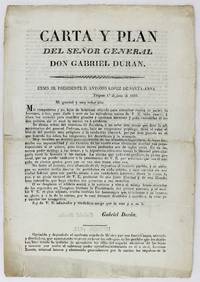
1833rif. 3694Mexico City 1833. About very good. Broadsheet approximately 12 x 8.5 inches. Previously folded. Light wear at edges and along old fold. Moderate dust soiling. In a red cloth slipcase. An animated and rare 1833 broadsheet attack on the political beliefs and actions of Lorenzo de Zavala one of the foundational figures of the Texas Republic. Zavala was a prominent liberal Mexican politician who helped to draft the Constitution of 1824 and served as president of Congress and Secretary of Finance. In 1829 he began investing in Texan lands thus beginning his close involvement in Texas. When this document was issued Zavala was serving as Governor of the State of Mexico. The present address styled as an open letter to Mexican president Santa Anna and dated June 1 1833 from Tlalpan was authored by conservative General Gabriel Durán who makes a vehement attack on Zavala's patriotism and character urging Santa Anna to cut ties with Zavala completely. In translation Duran urges the Mexican president to defend "The State of Mexico oppressed and degraded by an impious audacious and insolent faction.that took by assault the sovereign executive powers enabling Lorenzo Zavala a famous criminal despised in general by the nation." In order to "Sustain the sovereignty of the nation in spite of the violent jolt and ill-fated attacks of the anarchy" Duran offers Santa Anna the military support needed to halt "A schism and the violation of our sacred religion and the restlessness of proprietors of being despoiled of their properties will be forever dissipated." He completes his address by offering an eight-point plan to "annul the elections where de Zavala was triumphant" and to regain power in the region surrounding Mexico City. Durán's message was not at first heeded by Santa Anna who appointed Zavala as Minister to France in October 1833. However in reaction to Santa Anna's dictatorial proclivities Zavala resigned his position in 1834 and never returned to Mexico. He settled in Texas in 1835 when it was on the cusp of revolution and helped to draft the Texas Constitution before serving as the Republic's first Vice President. We locate only two copies at the Sutro and British Libraries. Sutro Collection Pamphlets p.690. unknown