BALTHAZAR, Hans Urs von.Livre Rare Book

3 228 résultats
réf. 83232Paris, Beauchesne et ses Fils 1952, 230x140mm, 262pages, broché. Bon état.
1965réf. 7004Genève, Galerie Krugier, 1965. In-folio de 14 pages sous chemise gaufrée imprimée en deux tons.
réf. 97741aafParis, Hachette, 1894, in-8vo, IX + 339 + 1 f. (tables des matières) non rogné. Rousseurs, Reliure en toile orange récente, couv. devant de la brochure orig. cons.
1968PRESSES UNIVERSITAIRES DE FRANCE PUF 1968 345 PP. SEGNI DEL TEMPO ALLA COPERTINA (MACCHIA DI LUCE AL MARGINE ESTERNO, COME DA FOTO), PER IL RESTO PERFETTO, PROBABILMENTE MAI SFOGLIATO.
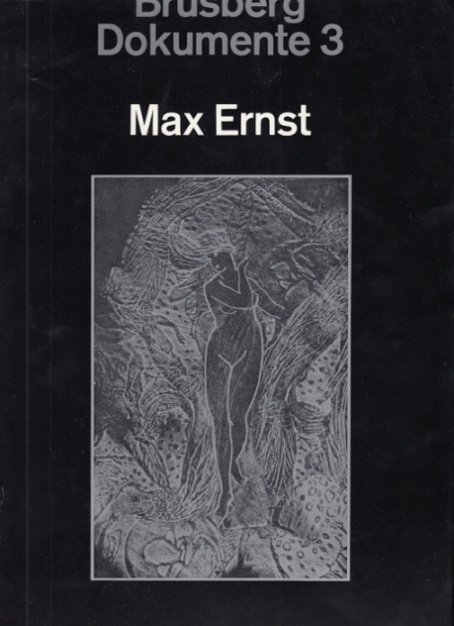
1972réf. 78871Hannover, Galerie Brusberg 1972. Mit Abbildungen., keine Paginierung., 4°. OBroschur mit schwarzem OSchutzumschlag (dieser mit Gebrauchsspuren).,
2008Editions Grégoriennes 2008, 2 forts volumes In-8 brochés, couvertures à rabats. 606 + 599 pages. Parfait état.
19282 volumi, cm. 21,8, br. edit., pag. (4) 395 (3); (4) 365 (3). Ottimi esemplari.
1950Mm 245x320 Volume nella sua brossura originale con bella figura di G. Balla in copertina, 276 pagine con centinaia di illustrazioni in nero dell'Arte italiana della prima metà del novecento. Dorso restaurato, leggere tracce d'uso esterne, legature ben salde. Spedizione in 24 ore dalla conferma dell'ordine.
réf. DADAX0801491789New unknown
1999brossura Essere finito e Essere eterno è ormai annoverato tra i classici della filosofia del nostro secolo. L'analisi di Husserl ha comportato un richiamo dell'attenzione sul tema dell'essenza che non contrasta con una ripresa dei temi classici: così inserendosi nel solco della tradizione metafisica di tipo Aristotelico-tomista, la Stein propone un originale incontro con le analisi fenomenologiche, originate da un 'impostazione chiaramente diversa. Dall'analisi dell'essere reale ed essenziale all'Essere assoluto e di nuovo all'essere singolare, seguendo una linea di sviluppo parabolica, si dipana una ricerca lucida e aperta, che chiama in causa pressoché tutte le principali questioni filosofiche in riferimento alle tappe della storia del pensiero. Ne nasce una sorta di Summa legata da una rielaborazione personale, che non si avvale di un procedimento "deduttivo" bensì "ostensivo" e che, soprattutto, non presume mai di dire la parola definitiva. L'esigenza di una filosofia cristiana, l'utilizzazione del metodo fenomenologico e la rilettura del tema dell'essere, soprattutto in riferimento alla speculazione medievale, rendono l'opera di Edith Stein interessante e attuale, testimoniando altresì un 'indagine aperta, coerente e libera, ma non per questo priva di certezze e di principi dai quali muovere, nell'intento costante di restare fedele a un' analisi autenticamente filosofica e a una verità accolta come dono.
réf. SONG1610976584Used: Good unknown
1962A whole collection of mimeographed Cayce materials, contained in a binder. Large 4to. Really quite unusual and scarce. The COMMENTARY ON THE BOOK OF THE REVELATION. is a 2nd printing - issued just a year after the first. OCC 14
1902Vol. 1 pp. xii, 388, 12mo. 220mm. Original publisher's pictorial full green cloth binding lettered in gilt and black and decorated in black and gilt. Cover depicts a mountainous scene with lightening coming from the sky framed by gilt flowers. Spine lettered and decorated similarly. Cover gilt bright and boards are clean. Spine clean. Corners mildly bumped. Contents clean. Hardbound. Very Good. George Chainey began his public career in the middle 1870s as a Christian minister in Evansville, Indiana, eventually becoming the pastor of something called the Church of the Unity. Chainey 'de-churched' into free thought in April of 1880 (announcing from the pulpit that he was no longer a Christian, and recommending that the hymnals in his church be sold for their value as waste paper, and getting kicked out of Freemasonry for infidelity for his troubles), and moved his family (wife Martha, and sons Ralph, Clair and Earl) to Boston, where he becomes a powerful propagandist for free thought, lecturing under the auspices of the Ethical Society of Boston. He starts a magazine, This World, which is notable in secular cultural history for its advocacy of Walt Whitman's Leaves of Grass (which gets it banned from the mails by the Postal Service), and becomes friendly with Bright, Ingersoll, Putnam and other free thought luminaries. Booksellers label on inside pastedown 'For Sale by Phila. Occult Book co. 2838 N. Eleventh St. Philadelphia, Pa.' NW63
1902Vol. 30 pp. xii, 388, 12mo. 220mm. Original publisher's pictorial full green cloth binding lettered in gilt and black and decorated in black and gilt. Cover depicts a mountainous scene with lightening coming from the sky framed by gilt flowers. Spine lettered and decorated similarly. Cover gilt bright and boards are clean. Spine clean. Corners mildly bumped. contents clean. Hardbound. Very Good. George Chainey began his public career in the middle 1870s as a Christian minister in Evansville, Indiana, eventually becoming the pastor of something called the Church of the Unity. Chainey 'de-churched' into free thought in April of 1880 (announcing from the pulpit that he was no longer a Christian, and recommending that the hymnals in his church be sold for their value as waste paper, and getting kicked out of Freemasonry for infidelity for his troubles), and moved his family (wife Martha, and sons Ralph, Clair and Earl) to Boston, where he becomes a powerful propagandist for free thought, lecturing under the auspices of the Ethical Society of Boston. He starts a magazine, This World, which is notable in secular cultural history for its advocacy of Walt Whitman's Leaves of Grass (which gets it banned from the mails by the Postal Service), and becomes friendly with Bright, Ingersoll, Putnam and other free thought luminaries. Booksellers label on inside pastedown 'For Sale by Phila. Occult Book co. 2838 N. Eleventh St. Philadelphia, Pa.' NW63
1931pp. xiv, 332. Color frontis. 8vo. Original full cloth binding. Worn and soiled. New Era Library Series. Roerich was a remarkable character: Born in St.Petersburg (1874); Director of Imperial School for Encouragement of Arts 1899-1916; led expeditions to Central Asia: Sikkim, Kashmir, Ladakh, Chinese Turkestan, Altai, Mongolia, crossing Tibet from North to South (1923-1928). In 1929 he settled in Naggar, Kullu Valley, India, and later led expeditions in Manchuria and Inner Mongolia. His greatest fame probably comes from the Roerich Pact (1935) an inter-American treaty on the Protection of Artistic and Scientific Institutions and Historic Monuments. The most important idea of the Roerich Pact is the legal recognition that the defense of cultural objects is more important than military defense, and the protection of culture always has precedence over any military necessity. He died in 1947 at Naggar, India **PRICE JUST REDUCED! SCARCE. OCC 4
1984Minor shelfwear. ; Elementa. Schriften Zur Philosophie Und Ihrer Problemgeschichte 35; 214 pages
réf. SONG1441107134Used: Good unknown
réf. SONG1405125861Used: Good unknown
réf. DADAX0548179735New unknown
réf. SONG0485121638Used: Good unknown
réf. DADAX0198709439New unknown
réf. DADAX0548145253New unknown
réf. DADAX0262516268New unknown
réf. DADAX0268103534New unknown
réf. SONG0801474884Used: Good unknown