ANONYMOUS .:Biblio.com

4 470 résultats
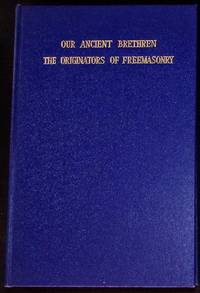
réf. 42461Hertford: Printed By Simson And Co. Ltd. no date c. 1929 . First and only edition of this scarce lodge history. Well bound in the original blue cloth with bright gilt titles to both the front board and the spine.Clean endpapers no marks or previous owners signatures. Black and white portrait frontis: "R.Wor. Bro. C. E. Keyser P.G.W." Clear English text throughout just the odd brown spot or small blemish. Well illustrated with a further 5 full-page plates 3 coloured and showing the designs for the tracing boards. A very good copy of this scarce book. "Hertford Lodge No. 403. The Warrant of the Lodge is dated the 31st August 1829 and the Lodge was consecrated at the Salisbury Arms Inn Hertford on the 8th September 1829 by W. Bro. John Bott P.G.D. When consecrated its number was 849 in 1832 it became No.578 and in 1863 No.403. It would appear that no mention is made in the minutes of the fact that the number was altered. It is the oldest Lodge in the Province of Hertfordshire the next oldest - the Watford Lodge - having been consecrated as the Bamborough Lodge on the 13th November 1829. At the time of its consecration there appears to have been no other Lodge existing in the County." - See Hertford Lodge No. 403. Hertford: Printed By Simson And Co. Ltd., [no date c. 1929?] . hardcover
réf. 50232London: Rider & Co. 1933. 1st edition. "The subject of Secret Societies is one which has inspired the pen of many authors.Many have been formed for revolutionary purposes and few have escaped a political tinge. One of these Societies has however developed in a special manner on British soil. It has avoided the objectionable features of similar bodies on the mainland of Europe and steered clear of all the pitfalls of polemical and political controversy. This body is the Masonic Fraternity which in all its branches has taught its members to reverence patriotism to respect law to tolerate the failings of others and generally to be good citizens." Pp.288 black & white photo frontispiece 15 further plates owner's name and small bookseller's label John M. Watkins London to front free endpaper toning to endpaper occasional spotting throughout. Blue cloth gilt motIf to front gilt title to spine spine dulled uneven fading to boards. Scarce. G. London: Rider & Co., 1933. hardcover
réf. 51039London: A. Lewis Masonic Publishers Limited nd. c.1932. An Introduction to the History of Rosicrucianism dealing with the period A.D. 1300-1600. Pp.308 owner's label to front free endpaper minor spotting to closed page edges rarely encroaching onto margins. Blue cloth gilt title to front and spine. Scarce. G. London: A. Lewis (Masonic Publishers) Limited, nd. (c.1932). hardcover
réf. 38871London: John Russell Smith 4 Old Compton Street Soho Square. M.DCCC.XLIV. 1844 . A very good tight binding. 12mo. 8" x 5". Original dark brown cloth covered boards but preserving the original printed label to the front board. Inner hinges carefully strengthened. Original yellow endpapers lightly soiled. Frontispiece: "Fac-simile of the first page of an ancient poem on Masonry." Followed by printed title. Text ends with a four page Glossary of ancient English words. Bound with a 24 pages of adverts for: "Valuable and Interesting Books Published Or Sold By John Russell Smith." . Clean text throughout just the odd page chip or corner crease. A very good copy of this scarce publication. "James Orchard Halliwell 1820-1889 published over 600 books during his life ranging from 16-page monographs many of which first appeared as magazine articles to a 14-volume commentary on Shakespeare. Born on June 21 1820 Halliwell was the youngest of 4 children of a successful leathercraftsman and merchant. One of his older brothers became a lawyer a profession James was to have frequent dealings with over the years. The young Halliwell was noted as a mathematical prodigy. He also had a special interest in collecting medieval manuscripts at that time still plentiful and cheap at ordinary booksellers. He combined these two traits in his writing and at 16 was producing a column of brief biographies of scientists mainly mathematicians for his school paper. These included such greats as Isaac Newton Roger Bacon Ren� Descartes and Archimedes; and also Charles Butler a notable mathematician but also Halliwell's mentor before he went on to the University. And also Euclid of Alexandria a biography that probably influenced his brief appearance in Masonic lore." - see Masonic Poets " The Halliwell Poem .It was first published in 1840 by Mr James Orchard Halliwell a non-Mason under the title �A Poem on the Constitutions of Masonry�. Mr Halliwell used the only known existing manuscript copy of the original that was kept in the King�s Library of the British Museum; before that it belonged to a well-known collector of the seventeenth century Charles Theyer. Most experts believe that this manuscript originates from between 1425 and 1450 and Mr Halliwell says that it was copied in 1390. A few other people even believe that it is a transcript of the Book of Constitutions adopted by the General Assembly held in York in 926 but this seems very unlikely. The manuscript is in rhythmic verses has 794 lines and the language is very archaic even in relation to other manuscripts of this period." - see An Outsider�s View of Freemasonry by Giles C. H. Nullens . London: John Russell Smith, 4, Old Compton Street, Soho Square. M.DCCC.XLIV. [ 1844 ]. hardcover
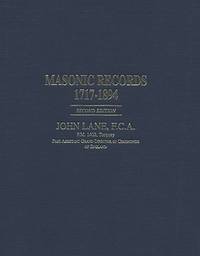
réf. 46202London: Lewis Msonic 2000 . A very good reprint of the Second Edition printed in 1895 by John Lane F. C. A. . with an introduction by William James Hughan . Published under the authority of the United Grand Lodge of England. A very good and tight binding. Large 4to. 11" x 9" x 1.75" pp.544 . Original navy blue cloth coverd boards. Front board and spine with bright gilt tiles. previos owner's signature to front endpaper: "John Acaster 13 Novemeber 2008". Portrait frontis of John Lane. Clean text throughout. A well preserved book. Please note this is a heavy book. So there will be an extra charge for posting outside of the UK. London: Lewis Msonic, 2000 . hardcover
réf. 38355London: Loyal Society Of Friends 21st February 1845 . Hand coloured Initiation Certificate for Thomas Walker dated 21st day of February 1845. Edn. John Bull President; William Smart Deputy; Geo. Challass Wickings Secretary. Loyal United Friends: This society was founded in London at 19 Princelet Street Spitalfields. The Loyal United Friends wer formed by a group of Jewish immigrants mostly from Poland. If indeed the Loyal United Friends were indeed Polish Jews the iconography of their artefacts is remarkable for its Englishness; each individual symbol is typical of the English friendly-society tradition as is the general layout and style. Certainly the membership of the society must have become more general very quickly as all the named artefacts the author has seen have traditional English names. The Loyal United Friends' emblem depicts a temple on a chequered carpet with a figure of Charity a woman with children in the doorway and the Dove of the Holy Spirit descending in the pediment between two pillars the left hand pillar bearing the letter 'C' Caelum on the base and the celestial globe on top the right-hand pillar bearing the letter 'T' Terra on the base and a terrestial globe on top. Between the pillars are a four-runged ladder the rungs being labelled wiuth the four cardinal virtues a raised hand a crown an open Bible a rose on a branch a rayed sun surrounded by the letters 'TEVRPMDNIMEH' the meaning of these letters is obscure the moon and seven stars all below a rayed eye." - See Discovering Friendly and Fraternal Societies By Victoria Solt Dennis . London: Loyal Society Of Friends, 21st February, 1845 . unknown
réf. 36893Leicester: Lodge of Research No. 2429 Freemasons' Hall 1935 . Illustrated by Fourty-one Plates Consisting of Fac-similes of Original Documents &c." . A very good original binding. 4to. 8pp./pp.304/4pp. - List of Subscribers . 10" x 7.75" x 1.25" . Very clean blue cloth with gilt titles to spine just a few scuff marks and light rubbing to corners. Very clean throughout and well illustrated. VG. N.B. This is a heavy book so there will be an extra charge for posting overseas. Leicester: Lodge of Research No. 2429, Freemasons' Hall, 1935 . hardcover
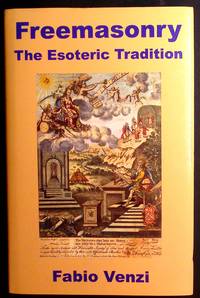
réf. 52406Addlestone: Lewis Masonic 2016. 1st edition. "Covers all aspects of the work involved in being a Freemason including ritual philosophy and symbolic work. It's also an enthralling exploration of Masonic esoteric philosophy past present an with visions of what it could be in the future." Pp.280. Black boards dustwrapper. VG/VG. Addlestone: Lewis Masonic, 2016. hardcover
1923réf. 15313Usa: Christopher Publishing Hse. . Very Good with no dust jacket. First Edition. Hardcover. Blue cloth silver titles boards a little soiled abd rubbed at edges page edges a little yellowed. The endpaper is stamped 'Prperty Of The Lincoln Research Foundation Cleveland Ohio - Gift Of Louis S. Vosburg. A very good tight copy.; 8vo; 261. pages . 1923. Christopher Publishing Hse. hardcover
1999112 pages. Most text in English plus some in French. Features: Between Cheerleaders and Skeptics; Diagrams and Determinants - New Technologies and Design research in Architecture; Between the Measurablility of Bytes and Beats; Architectural Photogenicity and the Aesthetics of Time; Anatomie Comparee et Anatomie Philosophiqaue - L'Unite du Monde Selon Viollet-le-Duc; Fields and Theatre Churches - The Non-traditional Space of Evangelism; Transitional Practices - Marosi + Troy Architectes; Marosi + Troy Architectes in Conversation; Memoirs of a Man I Never Met. Light wear. A quality copy. Book
2012DISPONIBILITÀ GARANTITA AL 99%; SPEDIZIONE ENTRO 12 ORE DALL'ORDINE. RIMANENZA DI MAGAZZINO PARI AL NUOVO. Questo libro intende rileggere in una prospettiva interdisciplinare coniugando l'analisi storico-artistica con l'interpretazione filosofica e sociologica - una delle vicende più appassionanti del XX secolo costituita dal noto fenomeno delle avanguardie artistiche (Espressionismo, Cubismo, Futurismo, Astrattismo, Dadaismo, Surrealismo...). La storia delle avanguardie si è declinata nel Novecento dagli inizi del secolo fino agli anni Trenta, ma la loro presenza estetica ed ideale non solo è proseguita in senso forte per almeno due decenni posteriori, cioè fino agli Cinquanta, ma è restata assai viva - nonostante i riflussi indifferenti dell'età postmoderna - anche nell'arte successiva in un percorso che giunge ai giorni nostri. Attraverso il loro rifiuto più o meno radicale dei valori delle società esistenti e dell'arte del passato, nonché tramite la ricerca e la sperimentazione di nuove forme e tecniche espressive, le avanguardie rigettarono romanticamente le regole della classicità. Le istituzioni e il pubblico restarono sconcertati e gridarono allo scandalo. Tuttavia è bene non dimenticare che tali avanguardie non sono state solo un fenomeno estetico, bensì anche, nella loro globalità, qualcosa di più ampio e profondo, nella misura in cui si impegnarono (ora a livello stilistico e formale, ora a livello ideologico e contenutistico) nella ricerca di uno spazio non inquinato dalla miseria morale del proprio tempo. Uno spazio di autentica libertà – contro (come nel presente più attuale) la manipolazione e il livellamento delle coscienze – che auspicava, nelle sue più significative declinazioni, l’unione fra la forma estetica e il mondo storico della vita, tematica che ha attraversato, secondo dinamiche differenti ed ancora aperte e vive, tutta la storia al contempo contraddittoria, appassionante ed enigmatica dell’arte contemporanea. This book intends to reread in an interdisciplinary framework-combining art-historical analysis with philosophical and sociological interpretation-one of the most exciting events of the 20th century made by the well-known phenomenon of the Avant-garde art (Expressionism, Cubism, Futurism, abstract art, Dadaism, surrealism ...). The history of the Avant-garde has declined in the 20th century, the beginning of the century until the 1930s, but their presence and an ideal not only continued in the strong sense for at least two decades back, that's up to Fifty, but remained quite alive-despite the postmodern age indifferent-also in the art backflow later on a path that leads to the present day. Through their more or less radical rejection of the values of existing companies and the art of the past, as well as through research and experimentation of new forms and expressive techniques, the vanguard rejected romantically classical rules. The institutions and the public were shocked and cried foul. However it is well not to forget that these were not just an avant-garde aesthetic phenomenon, but also, in their entirety, something more broad and deep, insofar as pledged (now at stylistic level and formal, ideological level and content now) in the search for a space not polluted by the moral misery of their time. Informazioni bibliografiche Titolo: Il tempo delle avanguardie: movimenti artistici, poetiche e visioni del mondo dagli inizi del Novecento all'Informale, Volumi 1, 2 Autore: Alfredo De Paz Editore: Napoli: Liguori, Gennaio 2012 Collana: Volumi 21 di Storia dell'arte e della critica d'arte ISBN: 8820753707, 9788820753702 Lunghezza: 919 pagine, 23 cm VOLUME 1: Testo; VI, 423 pagine VOLUME 2: Illustrazioni e bibliografia; 427-919 pagine : ill. Soggetti: Arte, Movimenti, Pittura, Pittori, Opere generali, Stili artistici, Avanguardia, Contemporaneità, Nichilismo, Espressionismo germanico, Fauvismo, Cubismo, Dufy, Schiele, Kokoschka, Kirchner, Braque, Picasso, Gris, Boccioni, Severini, Futurismo, Malevic, Dadaismo, Kandinskij, Man Ray, Picabia, Pollock, Matisse, Bonito Oliva, Filosofia, Ideologie politiche, Automatismo, Surrealismo, Paul Delvaux, Francis Bacon, Pablo Picasso, Bibliografia, Illustrazioni, André Breton, Alquié, Estetica, Dufrenne, Formaggio, Oggetto estetico, Lyotard, Freud, Eros, Civiltà, Marinetti, Psicanalisi, Suprematismo, Citazionismo, Transavanguardia, Mario Schifano, Argan, Kounelis, Hristo, Guernica, Prospettiva, Scomposizione, Guggenheim, MOMA, Dalì, Duchamp, Morandi, Cesare Brandi, 900, Libri illustrati, Libri Vintage Fuori catalogo, Collezionismo, Manuali, Art, Movements, Painting, Painters, General works, Art styles, Avant-garde, Contemporaneity, Nihilism, Germanic expressionism, Fauvism, Cubism, Futurism, Dadaism, Philosophy, Political ideologies, Automatism, Surrealism, Bibliography, Illustrations, Aesthetics, Aesthetic object, Civilization, Psychoanalysis, Suprematism, Quotationism, Transavantgarde, Perspective, Decomposition, Illustrated books, Out of print books, Collectibles, Manuals
2007DISPONIBILITÀ GARANTITA AL 99%; SPEDIZIONE ENTRO 12 ORE DALL'ORDINE. VOLUMI NUOVI. Questo libro (strutturato in due volumi: il primo contenente il testo, il secondo le illustrazioni e la bibliografia) tematizza l'arte contemporanea nella fattispecie l'arte del XX secolo - seguendo un percorso per così dire classico, storico - diacronico; un percorso che, partendo dalle incandescenze espressioniste, giunge fino alle poetiche dell'arte più attuale (Bad Painting, Transavanguardia, Citazionismo, Post human...), poetiche sovente "ciniche" e "ripetitive" in rapporto alle creazioni dei movimenti dei primi decenni del Novecento. Tuttavia, parallelamente a tale itinerario manualistico (ma particolarmente sensibile ai concetti delle scienze umane: filosofia, sociologia, psicanalisi...) l'autore fa emergere una preoccupazione teorica che, non dimenticando la magistrale lezione delle avanguardie storiche (Espressionismo, Futurismo, Astrattismo, Dadaismo, Surrealismo...), troppo pesantemente svalutate dalla Postmodernità, pone l'esigenza non marginale di rendere operativa una dimensione critica - oggi spesso obliata - sia a livello creativo (artistico) che a livello interpretativo della critica d'arte. Alfredo De Paz Insegna Metodologia della critica d'arte e Fenomenologia degli stili nell'Università di Bologna. Ha scritto numerosi saggi e libri teorici e storici sull'arte dell'Ottocento e del Novecento. Pur non trascurando i suoi molteplici interessi disciplinari, in una direzione che si dimostra assai sensibile alla storia delle idee, da molti anni è, fra l´altro, impegnato con passione analitica a interpretare l´arte e la cultura del romanticismo europeo in una prospettiva di proiezione contemporanea e postmoderna. Informazioni bibliografiche Titolo: L'arte contemporanea. Tendenze, poetiche e ideologie dall'espressionismo tedesco alla postmodernità; Volumi 1-2. Volume 1: Testo; 716 pagine; 23 cm Volume 2: Illustrazioni e bibliografia; 683 pagine; 23 cm Collana: Volumi 17 di Storia dell'arte e della critica d'arte Autore: Alfredo De Paz Editore: Napoli: Liguori, 2007 ISBN: 8820739062, 9788820739065 Lunghezza: 1424 pagine; 22 cm; ill. Soggetti: Arte Contemporanea, Movimenti, Stili artistici, Manuali, Critica, Estetica, Bibliografia, Opere generali, Illustrazioni, Storia, Espressionismo, Surrealismo, Novecento, Giulio Carlo Argan, Morandi, Balthus, Breton, Dalì, Picasso, Cubismo, Bonito Oliva, Federico Zeri, Proust, Benjamin, Estetica, Adorno, Marcuse, Suprematismo, Psicologia, Boccioni, Futurismo, Manierismo, Goya, Gericault, Libri illustrati, Libri Vintage Fuori catalogo, Contemporary Art, Movements, Art Styles, Manuals, Criticism, Aesthetics, Bibliography, General Works, Illustrations, History, Expressionism, Surrealism, Twentieth Century, Cubism, Aesthetics, Suprematism, Psychology, Futurism, Mannerism, Illustrated books, Vintage books Out of print, Graffitismo, Ideologie politiche, Graffiti, Political ideologies Indice VOLUME PRIMO Prologo Fisionomie e destini dell'arte contemporanea 1. L'arte del secolo breve; 2. Arte, società e storia; 3. Identità e contraddizioni. Parte prima Avanguardie storiche e dintorni Capitolo primo Caratteri dell'avanguardia 1. Una differente visione del mondo. Avanguardia e modernità; 2. Dalla Rivoluzione alla normalizzazione. Capitolo secondo Drammaticità, spiritualità e rivolta vitalistica del colore. Espressionismo e Fauvismo 1. Premessa; 2. Espressionismo. I fondamenti culturali; 3. Aspetti generali dell'espressionismo artistico; 4. Die Brücke e Der Blaue Reiter; 5. Itinerari austriaci; 6. Fauvismo. Capitolo terzo Il mondo tecnico-scientifico come ori estetico. L'esperienza cubista e futurista 1. Premessa; 2. Cubismo; 3. Precubismo; 4. Cubismo analitico; 5. Cubismo sintetico; 6. Aspetti della pittura di Braque, Picasso e Gris; 7. Oltre il cubismo: orfismo e dintorni; 8. Identità teoriche; 9. Futurismo. Origini e aspetti generali; 10. Estetica e teorie dell'arte futurista; 11. Le poetiche dei protagonisti dentro/fuori il futurismo Capitolo quarto Forme e tendente dell'arte astratta. Da Kandinskij a Malevic Capitolo quinto Nichilismo, creatività, progetto. Intenzionalità e pratiche dei movimenti dada e surrealista 1. Premessa; 2. Dadaismo. Identità storica e teorica; 3. Nichilismo e creatività; 4. Aspetti e caratteri dell'arte dada in Europa e in America; 5. Dada: morte e rinascita; 6. Dada e la critica della ragione; 7. Surrealismo. Identità e progetti; 8. La rivoluzione surrealista tra anarco-marxismo, psicanalisi e soggettivismo creativo; 9. Caratteri dell'arte surrealista: dai precursori alle creazioni selvagge (primitive e psicopatologiche); 10. Aspetti generali della pittura surrealista; 11. Le poetiche dei protagonisti. Parte seconda Dentro/fuori le esperienze delle avanguardie. Una polifonia di posizioni, dalla coscienza dell´“impegno” al “disincanto” della postmodernità Capitolo primo L'età postespressionista. Aspetti dell'arte tedesca degli anni Venti e Trenta 1. Premessa; 2. La Repubblica di Weimar; 3. Alle origini del realismo; 4. Forme, declinazioni e poetiche della Nuova Oggettività. Capitolo secondo Stigmate e rigetti delle avanguardie 1. Premessa; 2. Fari nel cuore del secolo: da Picasso a Balthus; 3. Dalla Metafisica al Muralismo messicano. Capitolo terzo Progetti per vivere, abitare, socializzare. Itinerari attraverso alcune esemplari esperienze architettoniche Capitolo quarto Fenomenologia e protagonisti dell'arte occidentale contemporanea 1. Dall'Espressionismo astratto alle Nuove figurazioni; 2. Definizioni e critica dell'età postmoderna; 3. “Grandezze” e “miserie” della libertà: dalla “Bad Painting” agli “YBA”. Epilogo Responsabilità, critica, speranza VOLUME SECONDO Illustrazioni Bibliografia Fino a dove arriva l'arte contemporanea? Nei manuali sui quali si studia a scuola la storia del lavoro degli artisti, c'è lo stesso limite che esiste nei libri di storia o di storia della letteratura. La questione non è secondaria. L'inglese Rachel Whiteread è l'ultima artista cronologicamente presa in considerazione, nel suo tematizzare le questioni del contemporaneo, da Alfredo De Paz, professore a Bologna di Metodologia della critica d'arte e di Fenomenologia degli stili ed autore di libri su Goya, Gericault, Impressionismo e Postimpressionismo, e ora di questa monumentale (in due volumi, di cui uno solo di immagini, peccato che per il 50 per cento in bianco e nero) L'arte contemporanea. Tendenza, poetiche e ideologie dall'Espressionismo tedesco alla Postmodernità edito con sforzo non piccolo da Liguori. Andando a ritroso, partendo cioè dalla fine del volume di testi, potremo incontrare gli artisti Hirst, Kiefer, Nauman, Cindy Sherman, Jeff Koons. Troveremo poi, sempre andando indietro nel tempo, la Transavanguardia, fino alla Bad Painting e Citazionismo e Neo-Geo seguita dal Graffitismo di Basquiat, tendenze che occupano l'arco degli anni Ottanta. Utilmente l'ultimo capitolo, dal quale siamo partiti non a caso perché i primi sono canonici per scelte compiute barricarsi dietro un diplomatico è preceduto da uno su Definizioni e critica dell'età postmoderna che è un riepilogo sulle teorie estetiche e sociologiche sull'arte contemporanea e che farà da vademecum agli studenti e ai semplici lettori che sperano di smettere di pensare quella sarebbe arte? Mio figlio lo farebbe meglio, o di barricarsi dietro un diplomatico sono profano in materia. Il gap però resta: la storia raccontata nelle università si ferma agli YBA, gli Young British Artists, di cui fanno parte tanto Hirst, quello delle mucche e degli squali tagliati a pezzi, quanto la Whitehead, tanto storicizzata da aver a da poco una importante antologica al Madre. C'è da chiedersi se sia il mestiere di un manuale scolastico arrivare fino al non storicizzato, a quanto cioè avviene negli anni Novanta e dopo il Duemila, fino a oggi insomma. Ma la risposta potrebbe anche assomigliare a questa: forse è presto per cercare di dare un nome al lavoro degli artisti di oggi, tuttavia con un po' di elasticità si potrebbe tentare di registrare un qualche avanzamento dello stato dei lavori. Abitudine che gli anglosassoni hanno fatto propria da sempre. In Italia, anche dopo i libri sul contemporaneo finora adottati (come quello di Dorfles Le ultime tendenze nell'arte d'oggi dall'Informale al Postmoderno, prima edizione uscita nel 1961) oltre la definizione di Lyotard non si va, come si può vedere. Questo si deve anche alla scarsa propensione della critica italiana, a differenza di quella anglosassone, a procedere in assenza di una classificazione per movimenti e per ismi. Purtuttavia suggeriremo la lettura del bel capitolo di De Paz su Picasso, che, in linea con quanto Lionello Venturi sosteneva a proposito delle Demoiselles d'Auvignon (l'arte moderna comincia da lì), nell'economica del volume è uno dei più consistenti: 30 pagine. Sta nel ribaltamento (ora visto come blasfemo) dei numeri dieci righe a Picasso e trenta pagine alla Whiteread o, perché no, a Matthew Barney e a Giulio Paolini il segreto per far pensare sempre a meno persone che i loro figli sono più bravi a disegnare degli artisti contemporanei.
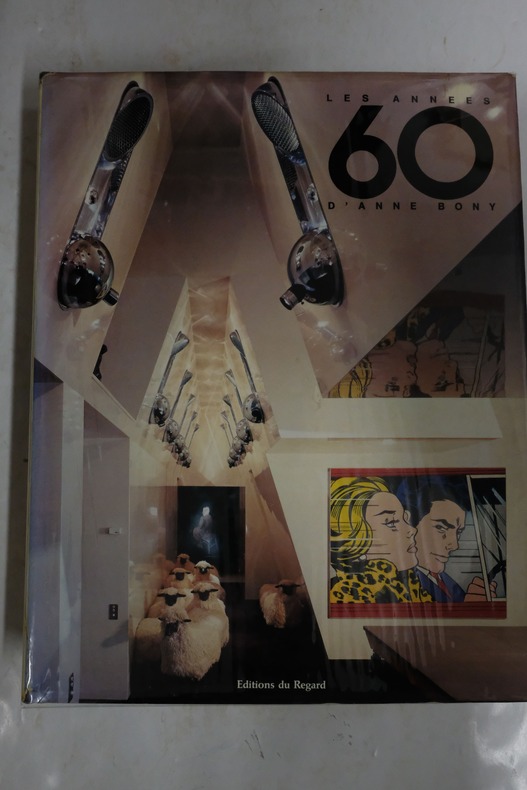
1991réf. ART5711MRelié, 770 pages, paru le 1er août 1991 chez Éditions du regard, livre en très bon état général.
1882réf. 1152131882 A Paris, Alphone Lemerre, éditeur - M DCCC LXXXII (1882) - In-8, feuillets non reliés sous chemise cartonnées avec fermoir en tissu - Complet, 41 eaux-fortes hors texte - Inclus un article de journal découpé et collé sur feuillets volants au sujet d'Eisen
réf. 13981466Bruxelles: Editions de la Libre Esthétque, 1901 in-8, 39 pages, broché, petite tache d'encre sur la couverture, autrement bon état. Tiré à 100 exemplaires sur hollande Van Gelder. Conférence faite par M. M. Beaubourg au salon de la Libre Esthétique le 13 mars 1901. EDITION ORIGINALE.
réf. 20476Grand in-8, broché (dos renforcé, couverture défr. rempliée), x, 356 p., non coupé, frontispice et 4 portraits hors texte. Paris, Quantin, 1881.
Grand in-8, broché (dos renforcé, couverture défr. rempliée), x, 356 p., non coupé, frontispice et 4 portraits hors texte. Édition originale. Frontispice de Paul Avril et 4 portraits gravés à l'eau-forte. A partir des listes de réservation à l'année des loges de l'Opéra, biographie et anecdotes sur les différents occupants, "depuis le rez-de-chaussée jusqu'aux cinquièmes loges", sur trois saisons. (Vicaire, I, 919). Imprimé sur Hollande.
1991réf. 7081991 - reliure - Editions Phébus - Adam Biro - 1991 - In-folio (31 x 24,5 cm) reliure pleine toile noire sous jaquette de l'éditeur, dans son emboîtage cartonné - 358 pages - Riche iconographie (illustrations et photographies) en couleurs et en noir et blanc - ISBN : 9782859402150 - Ouvrage initulé "L'Art magique. Une histoire de l'art" - Avec le concours de Gérard LEGRAND
réf. 35059In-8, broché, couverture papier bleu moderne, 6 p. Paris, Imprimerie Nationale, 1793.
In-8, broché, couverture papier bleu moderne, 6 p. Edition originale. Le 20 messidor, la Commission des Arts se faisait présenter, par le plus éminent géographe et cartographe de son temps, Buache de la Neuville (1700-1773), un rapport dans lequel celui-ci donne son opinion sur l'évolution de la cartographie et les meilleurs procédés de représentation pour la cartographie de la terre. (Martin & Walter, I, 5512). Bon exemplaire.
1767In 16. Dim. 17,5x11,5 cm. Pp. 78. Rara opera completa in un volume del filosofo francese Charles Batteux (1713-1780), personaggio di fondamentale importanza nell'ambito dell'estetica. Batteux divenne membro dell'Academie Francaise nel 1761. L'opera, in risposta al grammatico francese Nicolas Beauzèe (1717-1789) prende in esame il pregiudizio dell'inversione in grammatica Autore, editore e luogo di stampa anonimi al frontespizio. In buone condizioni. Note manoscritte al frontespizio. Tagli rossi. Raro, alto valore. Copertina in piena pelle a cinque nervi con titolo e decorazioni in oro al dorso in buone condizioni generali con usure e parti mancanti ai margini e dorso. Legatura in buone condizioni. All'interno le pagine si presentano in ottime condizioni con rare fioriture. Scarce complete work in one volume by the french phylosopher Charles Batteux (1713-1780), carachter of main important in the field of aestethics. Batteux became member fo the Academie Francaise in 1761. The work, in response to the french grammarian Nicolas Beauzèe (1717-1789) takes into examination the prejudice of the inversion in grammar. Author, editor and place of publishing anonymous in the title page. In good conditions. Manuscripted notes in the title page. Red external edges of pages. Scarce work, high value. Full leather cover with five nerfs with golden title and decorations in the spine in good general conditions with wearings and missing parts in the edges and spine. Binding in good conditions. Inside pages are in very good conditions with occasional foxings.
Bari, Gius. Laterza & Figli, 1912. Quarta edizione riveduta. Volume N. I appartenente alla Collana: Filosofia come scienza dello Spirito - Estetica. In 8vo (cm. 22); brossura originale con titoli al piatto e al dorso; pp. XXIII, (1), 587, (5). Firma di appartenenza. Brossura un pò sciupata con piccole fioriture; fascicoli staccati causa dorso rovinato. Alcune sottolineature nel testo con matita colorata blu e rossa. PAx
réf. 2072Publications Chitra , Hogman éditeur, Paris, 1930.
1845in-8°, pp. 315-(1). Leg. in mezza pelle con tit. in oro al dorso tra nervature e fregi a secco. Lievi tracce del tempo e d'uso sui piatti. Buono l'interno.
réf. 31541In-8, pleine toile grise de l'éditeur, titre en long au dos, illustration sur le plat sup., xiv, 253 p., 10 planches hors texte. Wien, Bermann-Fischer, 1937.