4.470 Ergebnisse
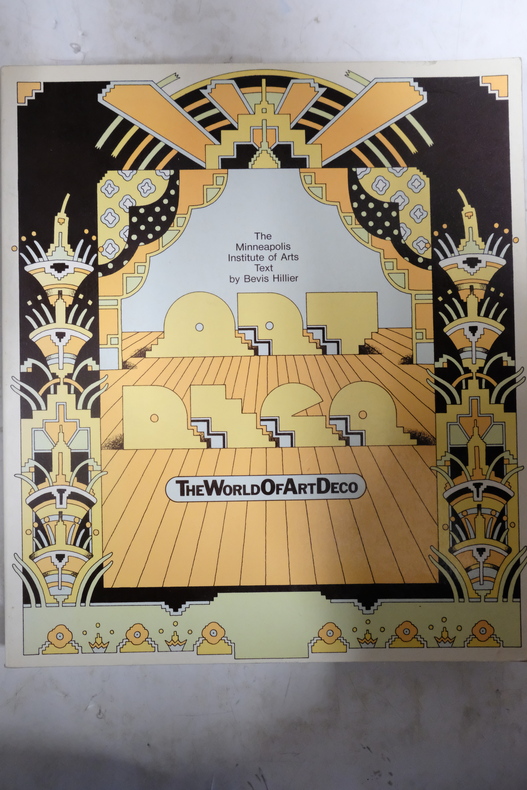
1980Best.-Nr. KOS01206226TBD 1980. Soft Cover. Fine. KOS01206226 TBD paperback
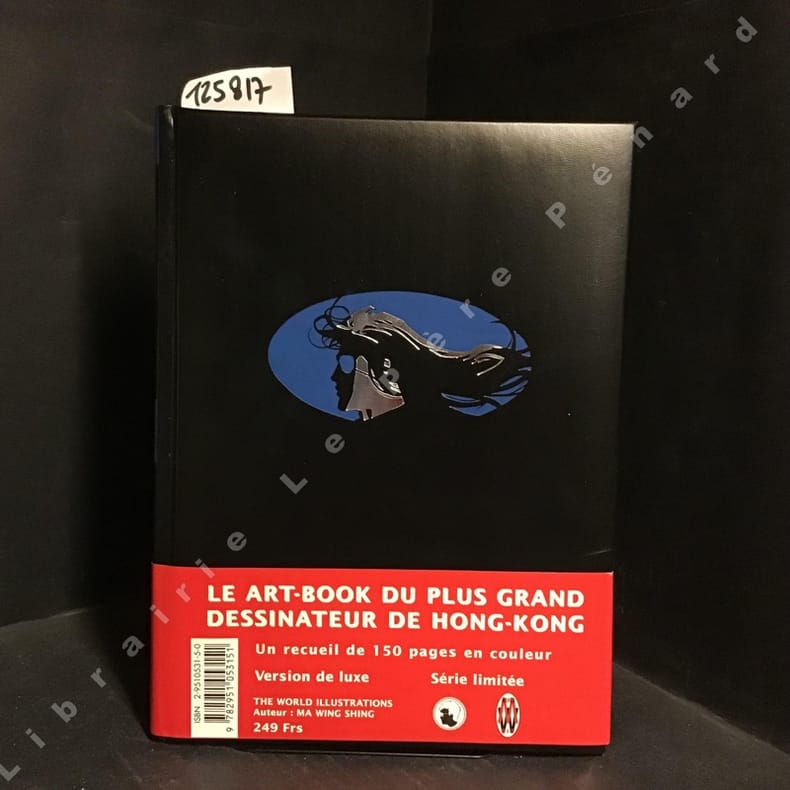
1996Best.-Nr. 1258171996 Ma Wing-Shing/ Magnan Consultant Limited, Hong Kong - 1996 - In-4, reliure simili cuir, titre et illustrations estampés à froid - Nombreuses illustrations en N&B et couleurs hors texte
1981Best.-Nr. ART5972MBroché, 224 pages, paru en 1981 chez E. P. Dutton, livre en très bon état général.
1989Very Good English Paperback. Pbo. Roy. 8vo. (24 x 17 cm). In English and Turkish. 40 p. Theatrical structure after 12th September the esthetics analysis of theatrical spectator questionnaire and its results.= 12 Eylül sonrasi teatral yapi teatral seyircinin estetik çözümlemeleri anket ve sonuçlari.
1965In-78° (cm. 24,2), pp. da p. 257 a p. 265). Bross. edit. DEDICA AUTOGRAFA FIRMATA dell'Autore al mazziniano Vittorio PARMENTOLA. Censito alla sola Biblioteca comunale dell'Archiginnasio - Bologna
1802Best.-Nr. 1193921Tübingen, Cotta, 1801 - 1802. 12, 312 S., 5 Bl. u. 3 Bl., 330 S. Dekorative Hldrbde d. Zeit m. reicher floraler Rverg. (St. a. d. T., etwas braunfl., gelegentl. schwache Anstreichungen m. Bleistift).
1824Best.-Nr. GITg031A Paris chez Firmin Didot Père et Fils 1824. In-8 broché 372pp. Orné de 2 tableaux dépliants. Dos brisé, 1er plat de la couverture renforcé aux angles par du scotch, quelques pâles rousseurs par endroits.
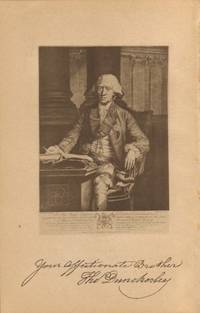
Best.-Nr. 42329London: Diprose & Bateman Sheffield Street; Spencer & Co.; 15 Great Queen Street; George Kenning 16 & 16A Great Queen Street W.C. 1891 . First Edition. A very good original Victorian binding. 8vo. 8.75" x 5.75" x 1.25". pp.24/pp.316/2pp. - Adverts. Blue cloth over bevelled boards with bright gilt titles to front board and to spine wear to top and tail of spine and edges rubbed. Brown patterned endpapers illustrated owner's bookplate Peter Saunders to verso of the front board: Clean text throughout with subscriber's list and adverts at the end. 4 plates as called for: Portrait frontis of Dunckerley; Portrait of Frederick Prince of Wales; Portrait of King George II.; and Dunckerley's Seal of the Knights Kadosh. A very good copy of this scarce book. "Thomas Dunckerley was born on 23 October 1724 and died on 19 November 1795. After a naval career Dunckerley became a prominent freemason being appointed Provincial Grand Master of several provinces promoting Royal Arch Masonry introducing Mark Masonry to England and instituting a national body for Templar masonry. This was made possible by an annuity of �100 rising to �800 which he obtained from King George III by claiming to be his illegitimate half brother. Albert Mackey blamed Dunckerley for inventing Royal Arch Masonry and splitting the third degree in the process removing the true word of a mason to the new degree and losing the original "pure" form of the ritual forever. This is unlikely as the Royal Arch degree was worked for at least a decade before Dunckerley's initiation. He published a number of Charges Lectures and songs related to different branches of Freemasonry. Together with Grand Secretary Heseltine and William Preston he campaigned and raised funds for the first dedicated headquarters of English Freemasonry the first Freemason's Hall. During his lifetime he held various high masonic offices: Past Senior Grand Warden of England Provincial Grand Master for the Counties above mentioned and Past Grand Master and Grand Superintendent of Royal Arch Masons over eighteen counties. His major contribution was to the emerging "higher degrees" the Templar Royal Arch Ark Mariner and Mark degrees. Not only did he successfully promote them he organised them standardised their ritual and forced them to keep proper records. For this alone historians of Freemasonry have cause to be grateful to him." - See Wikipedia. London: Diprose & Bateman, Sheffield Street; Spencer & Co.; 15, Great Queen Street; George Kenning, 16 & 16A, Great Queen Stree hardcover
1976GYORGY LUKACS THOMAS MANN E LA TRAGEDIA DELL'ARTE MODERNA FELTRINELLI 1976 181 PP. FONDO DI MAGAZZINO: SEGNI DEL TEMPO, DUE PICCOLI FORI (1 MILLIMETRO: VEDI FOTO ALL'INTERNO DELL'INSERZIONE) ALLA QUARTA DI COPERTINA, CHE SI ESTENDONO ALLE ULTIME 6 PP (SENZA COMPROMETTERE IN ALCUN MODO LA LETTURA DEL TESTO), MA IL VOLUME è INTONSO, MAI SFOGLIATO.
1956In-8°, pp. 180, tela editoriale. Tracce di sporco alla tela.
2012br. Perché Thomas Mann, oggi? Una figura complessa e inquietante, insieme composta e lacerata, rimasta spesso confinata nei limiti della critica letteraria, e dunque per molti versi una figura ancora non indagata e sicuramente inattuale. Questo libro tenta una ricognizione estetica e filosofica del romanziere tedesco, articolata dagli autori (come già nei due precedenti libri su G. Bataille e F. Nietzsche) attraverso un reale dialogo che lascia emergere, all'interno dell'opera manniana, sia le sfaccettature mitologiche sia le numerose connessioni col pensiero filosofico. Partito dalla classica triade del 'pessimismo' tedesco Schopenhauer-Wagner-Nietzsche, col sempre presente e pressante modello goethiano alle spalle, Mann si avventura nella vastità dei territori dello spirito attraverso la necessità della narrazione, presagendo però consapevolmente di essere un 'ultimo', uno che chiude e conclude un intero periodo dell'Occidente. La crisi della coscienza di un'epoca avviata verso la notte e l'oblio; il problema del male e della malattia in relazione all'esistenza stessa dell'arte; la possibilità di un nuovo, difficile umanesimo per poter uscire dalla 'decadenza'; infine, il rapporto col mito come emblema di ciò che è universalmente umano: perciò questo libro è anche uno studio sull'ermetico, ovvero quel peculiare e segreto elemento mitologico che accompagna il 'mago' Mann lungo tutto l'arco della sua opera.
Best.-Nr. 53069034like new. unknown
Best.-Nr. 53069034-nnew. unknown
2026Best.-Nr. __0198791518Oxford University Press 2026. Hardcover. New. Oxford University Press hardcover
2026Best.-Nr. x-0198791518Oxford University Press 2026. Hardcover. New. 272 pages. 6.22x0.75x9.41 inches. Oxford University Press hardcover
In-4 carré, broché, couverture illustrée en couleurs, 31 planches de reproductions en couleurs, 254 p., 378 reproductions dans le texte. An Exhibition Arranged in Celebration of the Century of Confederation. De la bibliothèque de la famille d'Otto Dix, avec la mention manuscrite "Ms. Dix" sur la couverture. Bon exemplaire.
Best.-Nr. 31548In-4 carré, broché, couverture illustrée en couleurs, 31 planches de reproductions en couleurs, 254 p., 378 reproductions dans le texte. Ottawa, National Gallery of Canada, 1967.
2017Autori: Joseph Margolis. Curatori: Roberta Dreon.
Best.-Nr. 19601Paris, La Renaissance du Livre, 1973. 13 x 19, 95 pp., 1 illustration, broché, très bon état.
195423 cm, brossura editoriale con tracce d'uso; pp. 324, (8), intonso
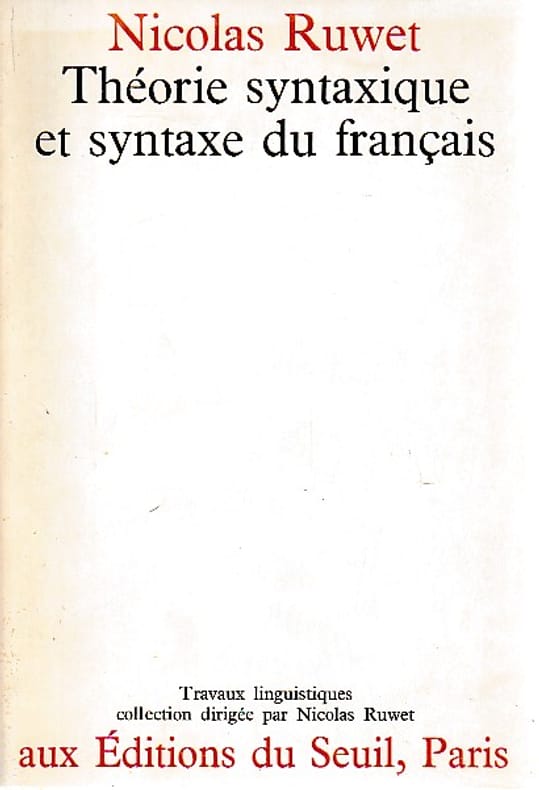
Best.-Nr. 28049Seuil, collection Poétique, 1972, 247 pp., broché, couverture légèrement défraîchie, ex-dono en troisième page, bon état.
In-4, broché, couverture illustrée rempliée, xvi, 195 p., non coupé. 17 planches photographiques hors texte, figures dans le texte. Nombreuses transcriptions musicales. Bibliographie. Index français-chinois. Très bon exemplaire.
Best.-Nr. 21322In-4, broché, couverture illustrée rempliée, xvi, 195 p., non coupé. Paris, Paul Geuthner, 1926.
2021br. Attraverso la morfologia di Goethe, la riflessione estetica di Nietzsche e la Lebensphilosophie di Simmel si è inteso sviluppare una filosofia delle "forme di vita" nei termini di un'articolazione di tipi umani, modelli esistenziali, personificazioni esemplari e concrezioni simboliche in cui si concentra, come in una monade, un intero universo storico di pratiche, comportamenti, opzioni morali, attitudini culturali e disposizioni artistiche. Il genio, il poeta, l'eroe, il filisteo, il dotto, il giornalista, lo spirito libero, il buon europeo, lo scienziato, il prete, l'asceta, il criminale, il saggio o ancora l'operaio, l'uomo della folla, il bohémien, il flâneur, il dandy e il blasé diventano l'incarnazione plastica di forme di pensiero e di visioni del mondo di grande (in)attualità. Mentre il goethiano "fenomeno originario", nella sua relazione con l'archetipo, rivela la presenza di una legge stabile - ancorché fluida e anti-essenzialistica - a fondamento del processo vitale di formazione, la casistica tipologica e psicologica di Nietzsche trova espressione nella stilizzazione provvisoria e nella condensazione dinamica della volontà di potenza in figure euristiche, che donano un volto - o meglio una maschera - all'intreccio prospettico dei nostri impulsi. Il carattere metamorfico e irriducibile del Leben, che si svincola completamente dalla rigidità del paradigma e dalla staticità dello stereotipo, ricorre nell'indagine estetico-sociologica di Simmel, la quale rivela, attraverso una sensibilissima analisi della metropoli moderna e dell'arte del ritratto, la contesa perenne tra la vita e le forme storico-culturali da essa prodotte.
1865Best.-Nr. GITg151Paris Hachette 1865. In-12 VIII 300pp. Demi chagrin brun, dos à nerfs, relié vers 1900. Bel exemplaire frais, complet, dans une reliure sobre de qualité, en très bon état.