Nataf AndréLivre Rare Book
8.476 Ergebnisse
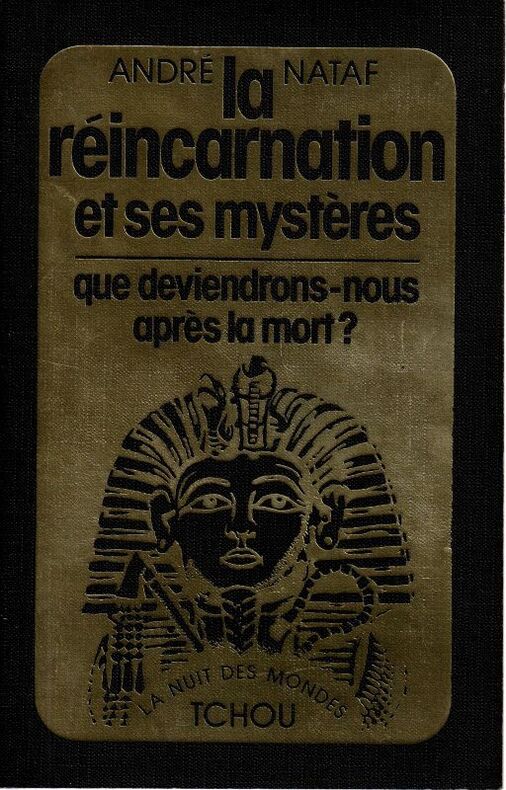
Best.-Nr. 16300TCHOU - " La nuit des mondes" - 1978 - Grand In-8, br, couve. noire et or de la collection,280 pages, l'exemplaire est très beau.
1984Best.-Nr. 30928Encre 1984 In-8 201 pp
grand in-8°, 279 pages, -, relie cartonnage edition, jaquette illustree plastifiee. Bel exemplaire. [CA31-3]
1967Mm 125x195 Collana "Critica". Brossura editoriale di VIII-209 pagine. Esemplare in buone condizioni. SPEDIZIONE IN 24 ORE DALLA CONFERMA DELL'ORDINE.
Best.-Nr. B9781020786099Hardback. New. hardcover
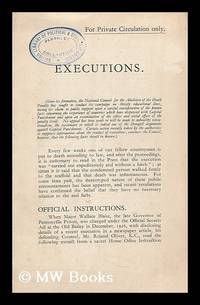
1884Best.-Nr. 196334London : National Council for the Abolition of the Death Penalty 1884. First Edition. Paperback. Fine paperback copy. Particularly and surprisingly well-preserved; tight bright clean and especially sharp-cornered. Ex-libris copy with minor marks remaining. ; 8vo 8"" - 9"" tall; 15 pages; Description: 15 p. ; 20 cm. Subjects: Death penalty --Capital punishment --Pamphlets --Great Britain. London : National Council for the Abolition of the Death Penalty paperback
Best.-Nr. 25144March 1948. National Council for the Abolition of the Death Penalty 14 Victoria Street London SW1. ‘Printed for Edgar G. Dunstan & Co. Draycot House Gordon Street W.C.1 by The Hereford Times Ltd. London and Hereford. See Dawtry’s entry in the Oxford DNB. The present item is scarce: no copies traced on JISC or WorldCat. 4pp 4to. Bifolium printed in small type. In fair condition lightly aged with creasing and nicking to both leaves at bottom outer edge. Begins: ‘The Home Secretary in introducing the Criminal Justice Bill to the House of Commons in November last promised that there should at a later stage be a free vote of the House on an amendment to suspend the death penalty and said that he had no doubt that discussions on the subject of capital punishment would continue in the press and in meetings throughout the country. That he was right in his forecast has been proved by the articles and very heavy correspondence in many newspapers by the reports of discussions in many parts of the country and by the numerous calls we have had for meetings or notes for speakers taking part in meetings and debates. The subject is no longer regarded as one of academic interest and its full discussion as an issue of immediate politics has been helpful. The results have shown a very substantial growth of opinion in favour of abolition which must ultimately have some effect on the decision to be made in parliament within the next few weeks.’ Subsections are: ‘Letters to the editor’ Times Daily Telegraph Daily Mirror Evening Standard provincial newspapers ‘Leading articles’ ‘Debate and discussion’ ‘More abolitionist countries’ Luxemburg Mexico Panama Channel Islands New Zealand ‘The Shot Policeman’ i.e. PC Nathaniel Edgar shot by Donald George Thomas 13 February 1948 ‘Oscar Slater’ and ‘Books and Pamphlets’. March 1948. National Council for the Abolition of the Death Penalty, 14 Victoria Street, London, SW1. ‘Printed for Edgar G. Du unknown
Best.-Nr. 26437Nancy, Berger-Levrault (Collection "Pour ou Contre"), 1967, in 12 étroit broché, 79 et 79 pages.
Best.-Nr. 054483Paris Morgan 1959 in 8 (19x14) 1 volume broché, jaquette illustrée, 307 pages [2]. Plaidoyer contre la peine de mort. Bel exemplaire ( Photographies sur demande / We can send pictures of this book on simple request )
Best.-Nr. 2368la table ronde 1963 in 8 broché 282 pages
2013ill., ril. Due cuccioli, una Giraffa e un Ghepardo, si incontrano nella savana. Non si conoscono, ma si osservano, si cercano. Si guardano con gli occhi, ma anche con il cuore. Così comincia la storia: una storia tenera ed emozionante che non ha bisogno di parole e di segni ma solo di immagini. Le immagini di una Giraffa e di un Ghepardo che ascoltano e comunicano come solo loro sanno fare: con lo sguardo che scopre le meraviglie del mondo. Un libro di sole immagini, un racconto delicato, poetico e dal ritmo coinvolgente per parlare dell'incontro speciale tra due mondi solo apparentemente lontani: quello dei sordi e quello degli udenti. Età di lettura: da 3 anni.
Best.-Nr. 0282713468.Gpaperback. Good. Access codes and supplements are not guaranteed with used items. May be an ex-library book. paperback
Best.-Nr. DADAX0307279359New unknown
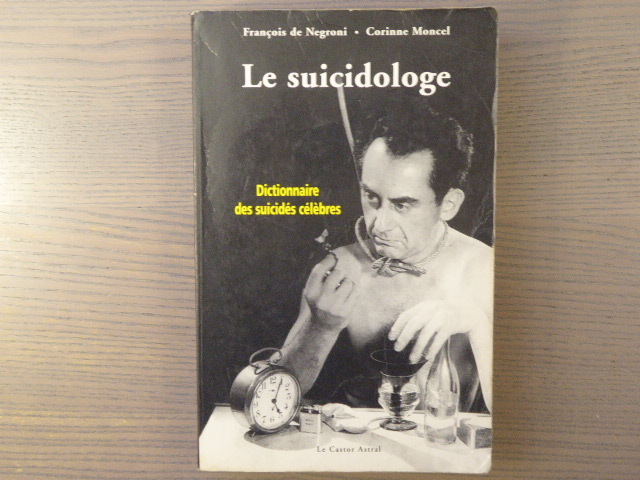
Best.-Nr. 675770Le Castor Astral Paris 1997 Fort in-8 ( 240 X 155 mm ) de 571 pages, broché sous couverture imprimée. Etat correct.
Best.-Nr. 19444, Elmar, z.d., Gebonden, zwart linnen, geillustreerde stofomslag, 195 x 220mm., 224pp., zeer mooie en uitgebreide kleurillustratie. ISBN 90 389 0329 4.
Best.-Nr. awd-1178Veilhes, Le Bouquet, 1971. In-16 en feuilles à l’italienne, couverture imprimée (30 pp.). Tirage à 50 ex. numérotés et signés, 1/ 10 Rives contenant une gravure de Pierre Fichet.
1805Best.-Nr. 358595Annual Register London 1805. Softcover Booklet - Unbound Pages. Very Good Condition. 56 pages. An authentic standalone article extracted from a larger volume. Not a reprint or reproduction but an original work in its own right. Preserved in a modern card cover prepared for practicality - an unassuming but serviceable presentation that favours function over finery. Size: 13 x 20 cms. Category: Annual Register;. Annual Register paperback
2025Best.-Nr. x-303197266XPalgrave Macmillan 2025. Hardcover. New. 250 pages. 8.26x5.82x8.27 inches. Palgrave Macmillan hardcover
Best.-Nr. 51065231-nnew. unknown
Best.-Nr. 51065231like new. unknown
1930Best.-Nr. 107632um 1930.
Best.-Nr. DADAX1555841732New unknown
1859Best.-Nr. 3833A. Cadart, 3 Rue St Fiacre Paris 1859 Eau-forte, XIXème siècle, 14,3 x 22,4, sur papier fort, cuvette 18,2 x 26, marges 31,4 x 44,5, "Léopold Flameng fecit 1859" en bas à gauche, N°1 en haut à gauche, tampon sec sur la cuvette en bas à gauche "A. Cadart, 3 rue St Fiacre", "imp Delatre" à droite à peine visible. Représentation par Léopold Flameng (1831-1911) de la rue où se pendit Gérard de Nerval en 1855, tirée de l'ouvrage in-folio "Paris qui vient, Paris qui s'en va" publié en 1860 par Alphonse Cadart. Petites déchirures sans conséquence en marge droite. PHOTOS NUMERIQUES DISPONIBLES PAR EMAIL SUR SIMPLE DEMANDE-DIGITAL PHOTOGRAPS MAY BE AVAILABLE ON REQUEST Estampes - Gravures - Dessins
1859Best.-Nr. 3833A. Cadart, 3 Rue St Fiacre Paris 1859 Eau-forte, XIXème siècle, 14,3 x 22,4, sur papier fort, cuvette 18,2 x 26, marges 31,4 x 44,5, "Léopold Flameng fecit 1859" en bas à gauche, N°1 en haut à gauche, tampon sec sur la cuvette en bas à gauche "A. Cadart, 3 rue St Fiacre", "imp Delatre" à droite à peine visible. Représentation par Léopold Flameng (1831-1911) de la rue où se pendit Gérard de Nerval en 1855, tirée de l'ouvrage in-folio "Paris qui vient, Paris qui s'en va" publié en 1860 par Alphonse Cadart. Petites déchirures sans conséquence en marge droite. PHOTOS NUMERIQUES DISPONIBLES PAR EMAIL SUR SIMPLE DEMANDE-DIGITAL PHOTOGRAPS MAY BE AVAILABLE ON REQUEST Estampes - Gravures - Dessins
2020brossura Una "dignità" profana non può che significare la realizzazione della libertà che una filosofia profana ha creato, quest'indeterminazione metafisica, un infinito metafisico che apre alle infinite possibilità dei campi storici dei possibili. Questa libertà profana è la cultura per eccellenza del rispetto dell'altro, un "altro" radicalmente indefinito, che questa cultura della libertà obbliga a costruire storicamente come un'uguaglianza totale. Un "diritto di morire" ne è l'espressione più perfetta, la concezione etica più alta. La libertà viene affermata e nel rispetto dell'uguaglianza tra chi chiede di morire e chi si trova nella situazione di poter aiutare a realizzare tale implorazione. Ma questo "diritto" non è un obbligo, è una possibilità come la cultura profana definisce giuridicamente questo termine, cioè un "diritto". Questa "possibilità" si accompagna con indicazioni giuridiche alla quale danno storicamente tutto il suo senso, ad esempio l'illegittimità di comportamenti simili agli "accanimenti terapeutici" o invece l'incoraggiare "cure palliative". Prima di tutto, però, questa "possibilità" apre a una ricomposizione della relazione tradizionalmente gerarchica, "paternalista", tra un medico e i suoi pazienti, a una cultura dell'uguaglianza che significa rispetto dell'altro e l'etica della dignità. I medici sono chiamati ad affrontare questa vera rivoluzione culturale (comma 3, art. 1, legge 219/2017), il loro sapere non può ovviamente diventare il sapere dei pazienti, ciò che implica una relazione, sotto questo aspetto, ovviamente gerarchizzata. Questo squilibrio, tuttavia, non può significare né giustificare un potere gerarchico, ma al contrario un'uguaglianza etica, la dignità dei pazienti che incita, in queste tragiche situazioni, medici e pazienti a trovare insieme, in un mutuo rispetto, la trascendenza storica alla quale la libertà-immanenza profana ci invita.