Plato [Socrates]Biblio.com

709 Ergebnisse
1907Best.-Nr. 151306London: Arthur L. Humphreys 1907. Finely bound edition of this collection of Plato's Socratic dialogues including “Euthyphro” “Apology” “Crito” and “Phaedo”. Octavo bound in half morocco over marbled boards with gilt titles to the spine in six compartments within raised gilt bands top edge gilt. In near fine condition. Plato c. 427–347 BCE and Socrates c. 470–399 BCE were central figures in the development of ancient Greek philosophy and the foundations of Western intellectual thought. Socrates who left no written works of his own is known primarily through the dialogues of Plato and the writings of contemporaries such as Xenophon; he is remembered for his method of philosophical inquiry based on questioning dialectic and the pursuit of ethical truth. Plato Socrates’ most famous student preserved and developed many of his teacher’s ideas in a series of philosophical dialogues that explored topics including justice knowledge virtue and the nature of reality. Through works such as The Republic Plato both commemorated Socrates’ intellectual legacy and expanded it into a comprehensive philosophical system that would shape later traditions in metaphysics ethics and political theory. Arthur L. Humphreys hardcover
1980Classic texts in a "Collectors Edition" in elegant binding, pages gilded, Book
2003Best.-Nr. 30231Newburyport Massachusetts U.S.A.: Focus Pub R Pullins & Co. New. Paperback. FREE UPGRADE to Courier/Priority Shipping Upon Request - IN STOCK AND IMMEDIATELY AVAILABLE FOR SHIPMENT - FLAWLESS COPY PRISTINE NEVER OPENED -- 140 pages; clean and crisp tight and bright pages with no writing or markings to the text. -- DESCRIPTION: This new translation provides a careful introduction to one of Plato’s most widely studied dialogues. -- -- IMPORTANT / UNIQUE FEATURE: Included is a unique series of illustrations graphically describing step by step the geometrical argument central to understanding the Meno. Extensive endnotes provide guidance to understanding the structure and content of the dialogue. -- The endnotes annotating the text of the dialogue are keyed to our new Speech numbers along with the old Stephanus numbers but without reference to those notes in the text itself to distract the reader of the dialogue. Many readers once it is understood who is talking and perhaps where and when should be able to go through this dialogue without consulting any notes except perhaps for the geometrical illustrations provided in the note for Speech 356 86E-87B and Appendix B of this volume. Thus an attempt has been made by us to permit the reader of English to come to our text much as the reader of Greek might come to Plato’s original text. Some of the endnotes provide elementary information about now-obscure references in the text other of them are about implications of Greek words and wordplay that no translation can convey; still others are designed to help the reader address some of the more difficult questions raised by the dialogue. The endnotes also include references to other Platonic dialogues and to some ancient and modern texts where various questions touched upon in the Meno are treated in much greater detail than it is useful to do here. More than one-fourth of the Speeches in the Meno have at least one endnote provided for them in this volume. -- AUTHORS: George Anastaplo is a Professor of Law at Loyola University of Chicago. He has published numerous wide ranging works in law philosophy and humanities. Laurence Berns is a faculty member of St John’s College Annapolis where he has enjoyed a long and distinguished career. -- with a bonus offer--; 520-Anast; PLATO SOCRATES ; Anastaplo George; Berns Laurence transl. intro Plato's MENO ; PLATO ; SOCRATES PHILOSOPHY This new translation provides a careful introduction to one of Plato’s most widely studied dialogues. -- -- IMPORTANT / UNIQUE FEAT . 2003. 0941051714 . Focus Pub R Pullins & Co paperback
2003Best.-Nr. 35325Newburyport Massachusetts U.S.A.: Focus Pub R Pullins & Co. New. Paperback. FREE UPGRADE to Courier/Priority Shipping Upon Request – – IN STOCK AND IMMEDIATELY AVAILABLE FOR SHIPMENT - FLAWLESS COPY PRISTINE NEVER OPENED -- 140 pages; clean and crisp tight and bright pages with no writing or markings to the text. -- DESCRIPTION: This new translation provides a careful introduction to one of Plato’s most widely studied dialogues. -- -- IMPORTANT & UNIQUE FEATURE: Included is a unique series of illustrations graphically describing step by step the geometrical argument central to understanding the Meno. Extensive endnotes provide guidance to understanding the structure and content of the dialogue. -- The endnotes annotating the text of the dialogue are keyed to our new Speech numbers along with the old Stephanus numbers but without reference to those notes in the text itself to distract the reader of the dialogue. Many readers once it is understood who is talking and perhaps where and when should be able to go through this dialogue without consulting any notes except perhaps for the geometrical illustrations provided in the note for Speech 356 86E-87B and Appendix B of this volume. Thus an attempt has been made by us to permit the reader of English to come to our text much as the reader of Greek might come to Plato’s original text. Some of the endnotes provide elementary information about now-obscure references in the text other of them are about implications of Greek words and wordplay that no translation can convey; still others are designed to help the reader address some of the more difficult questions raised by the dialogue. The endnotes also include references to other Platonic dialogues and to some ancient and modern texts where various questions touched upon in the Meno are treated in much greater detail than it is useful to do here. More than one-fourth of the Speeches in the Meno have at least one endnote provided for them in this volume. -- AUTHORS: George Anastaplo is a Professor of Law at Loyola University of Chicago. He has published numerous wide ranging works in law philosophy and humanities. Laurence Berns is a faculty member of St John’s College Annapolis where he has enjoyed a long and distinguished career. -- with a bonus offer--; 520-Anast2; Plato; SOCRATES ; Anastaplo George; Berns Laurence transl. intro Plato's MENO ; PLATO ; SOCRATES PHILOSOPHY This new translation provides a careful introduction to one of Plato’s most widely studied dialogues. -- -- IMPORTANT / UNIQUE FEA . 2003. 0941051714 . Focus Pub R Pullins & Co paperback
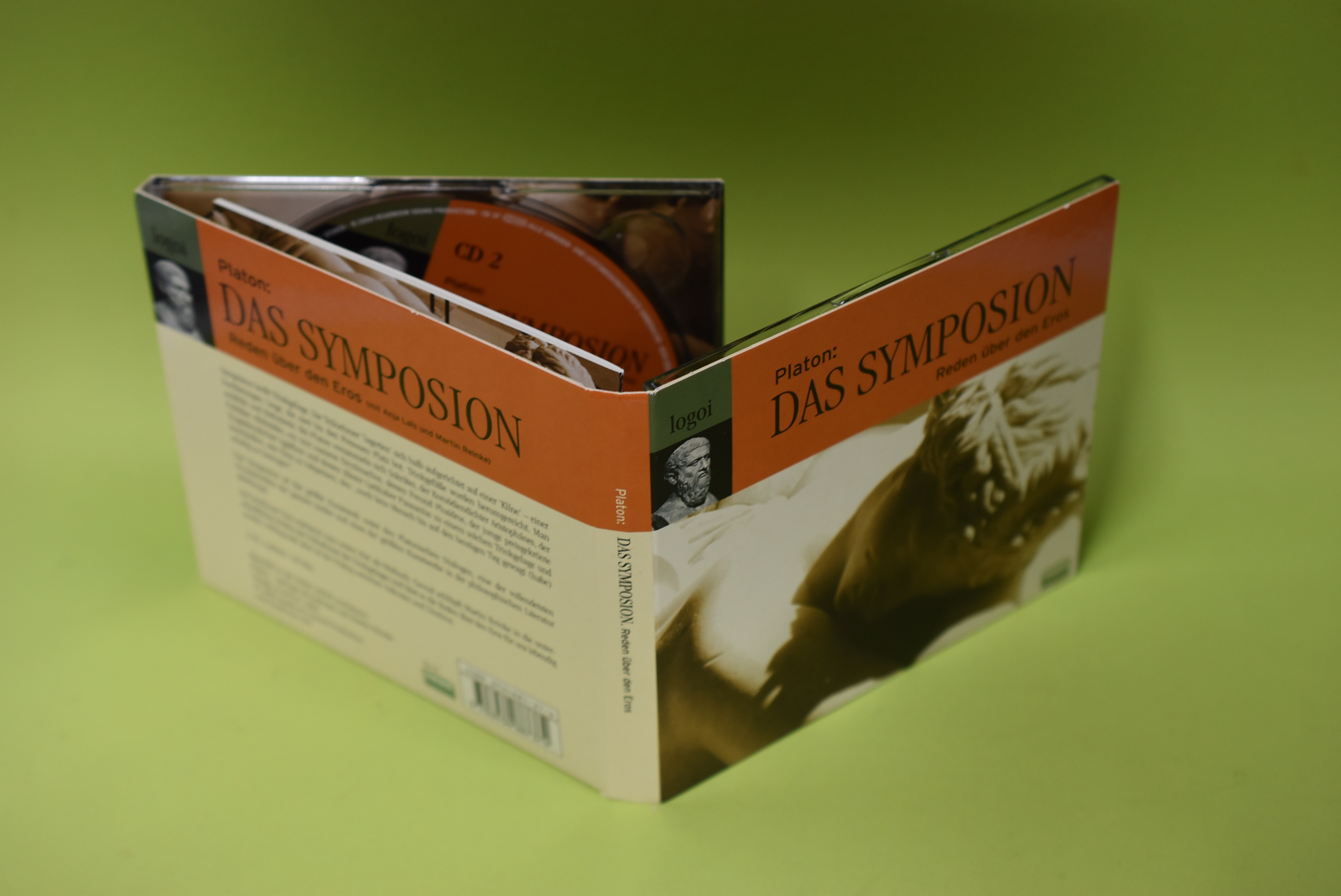
2004Best.-Nr. 72678[Köln] : Headroom 2004. 2 CDs : digital ; 12 cm, in Mappe 13 x 14 cm + Booklet ([19] S.) Mappe 0
1954Dampstaining to spine. Else minor shelfwear. DJ has chipping and a few small tears. ; Everyman's Library No. 457; 364 pages
195670p, Neat Tight unmarked text. Book
1986Translated with an introduction by Walter Hamilton. 160p. bibliography. Crisp tight unmarked copy Book
Typescript (? photocopied?) stapled into green paper wrapper.No date or place or publisher given. 21p.Some handwritten notes inside front cover and in margins, [Alan D Bloom 1936-1992 Author - b.Indianapolis, Indiana, USA. Educated at the University of Chicago, he joined the Chicago liberal arts faculty in 1955, moved on to Cornell and the University of Toronto (1963-79), and returned to Chicago in 1979 to teach political philosophy. He remained an obscure translator of Plato until the publication of his Closing of the American Mind (1987), a neoconservative polemic against what he perceived as the politicization of academia and the decline of liberal education in the Western tradition.] Book
1987Ceisp,unmaeked copy 157p. Book
1955(The Modern Student's Library) Contains texts of : Apology, Crito, Phaedo,Ion and extracts from other works. First published 927 448p.. Neat, tight student reading copy, some underlinings. Book
1956Stabdard translation (No underlinings ) Book
1929Roy. 8vo., First Edition thus, on laid paper, some light and occasional spotting; blue buckram, gilt back, uncut, a very good, bright, crisp copy. EDITION LIMITED TO 500 COPIES (450 FOR SALE).
1980A clean, unmarked book with a tight binding. Full green cloth boards show edge wear. 1743 pages. Edited by Edith Hamilton and Huntington Cairns with introduction and prefatory notes.
1971405p. Student copy clean unmarked text, over a little scuffed Book
1968Translated with introduction and notes by Francis MacDonald Cornford. 366p. Index.Neat and complete, paper covers slightly scuffed' Book
1968Translated with introduction and notes by Francis MacDonald Cornford. 366p. Index. Book
1951Original first vintage Penguin Classics edition. [L24] Book
1985Neat crisp student reading copy with a few underlinings 121p. Book
1963[Everyman's Library. no. 457]Vintage copy, clean and crisp. The first printing of this translation, with an introduction by John Warrington in the Everyman series , Book
1965Best.-Nr. LFA-126731861Un ouvrage de 190 pages, format 110 x 180 mm, broché couverture couleurs, publié en 1965, Garnier - Flammarion
1994Best.-Nr. LFA-126738211Un ouvrage de 249 pages, format 110 x 180 mm, broché couverture couleurs, publié en 1994, Editions Gallimard, Collection "Folio", bon état
1963Best.-Nr. 48271Les Belles Lettres Couverture souple Paris 1963
Best.-Nr. 46499Paris : Rey libraire, imprimé chez Paul Renouard, 1846. In-8 demi-chagrin, dos à nerfs avec pièce de titre et de tomaison dorés, 368 pages. Comprend : Euthyphron ou De la sainteté, Apologie de Socrate, Criton ou Le devoir du citoyen et Phédon ou De l'âme. Bon état.
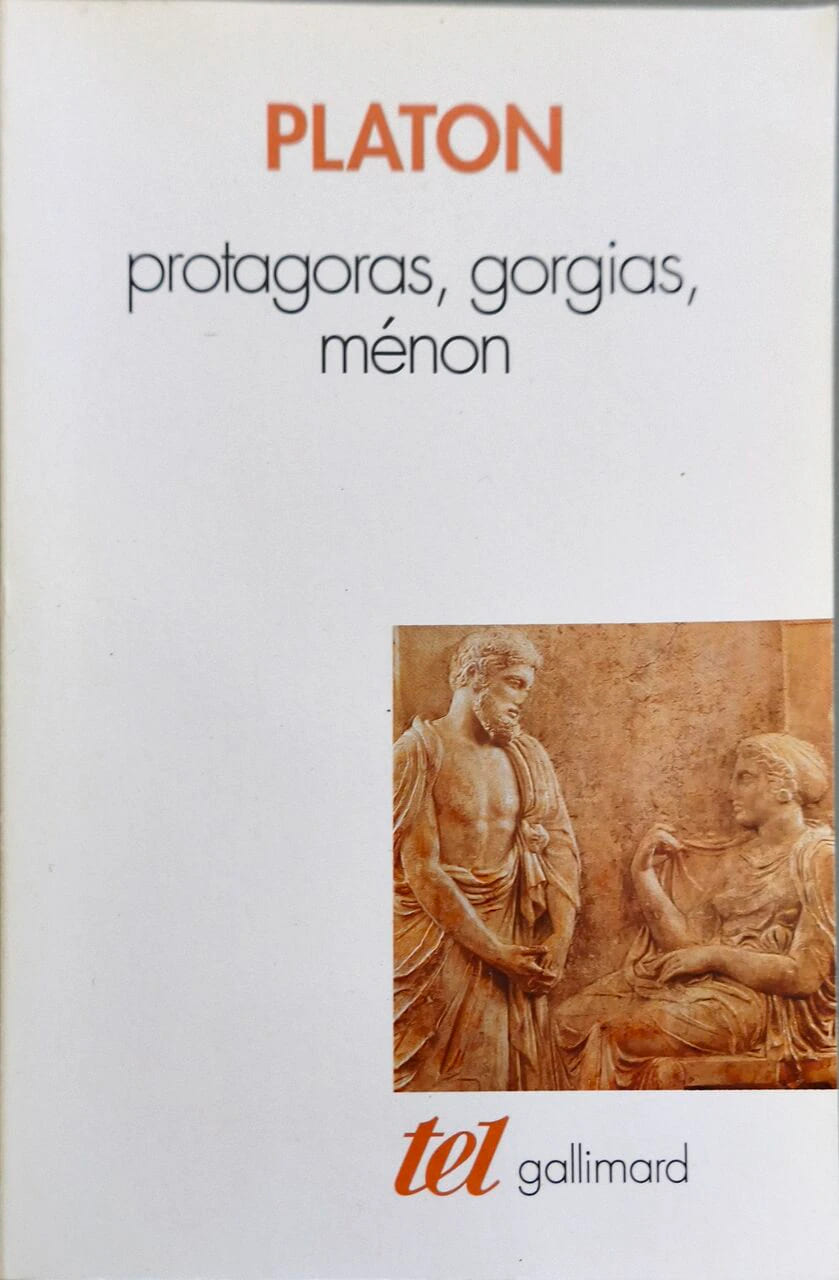
1991Best.-Nr. 18415GALLIMARD 1991 210 pages collection Tel. 12 4x19x1 3cm. 1991. broché. 210 pages. Dans ce dialogue de jeunesse de Platon Socrate cédant à la demande du jeune Hippocrate interrompt une réunion de sophistes pour s'entretenir avec le célèbre Protagoras. La discussion porte sur la question de savoir si la vertu peut s'enseigner et oppose les conceptions de Socrate à celles des sophistes notamment à travers le mythe de Prométhée réinterprété par Protagoras