Walser, MartinAntiquariat.de
3 217 résultats
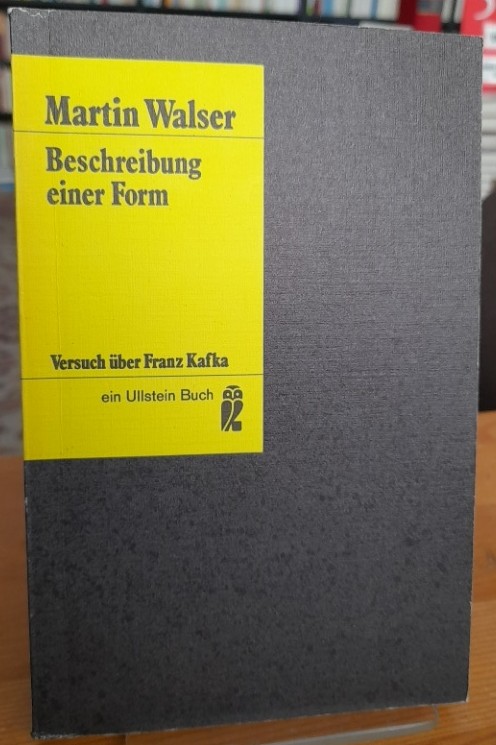
1972réf. 100747Frankfurt, Ullstein 1972. 124 Seiten. Softcover/Paperback
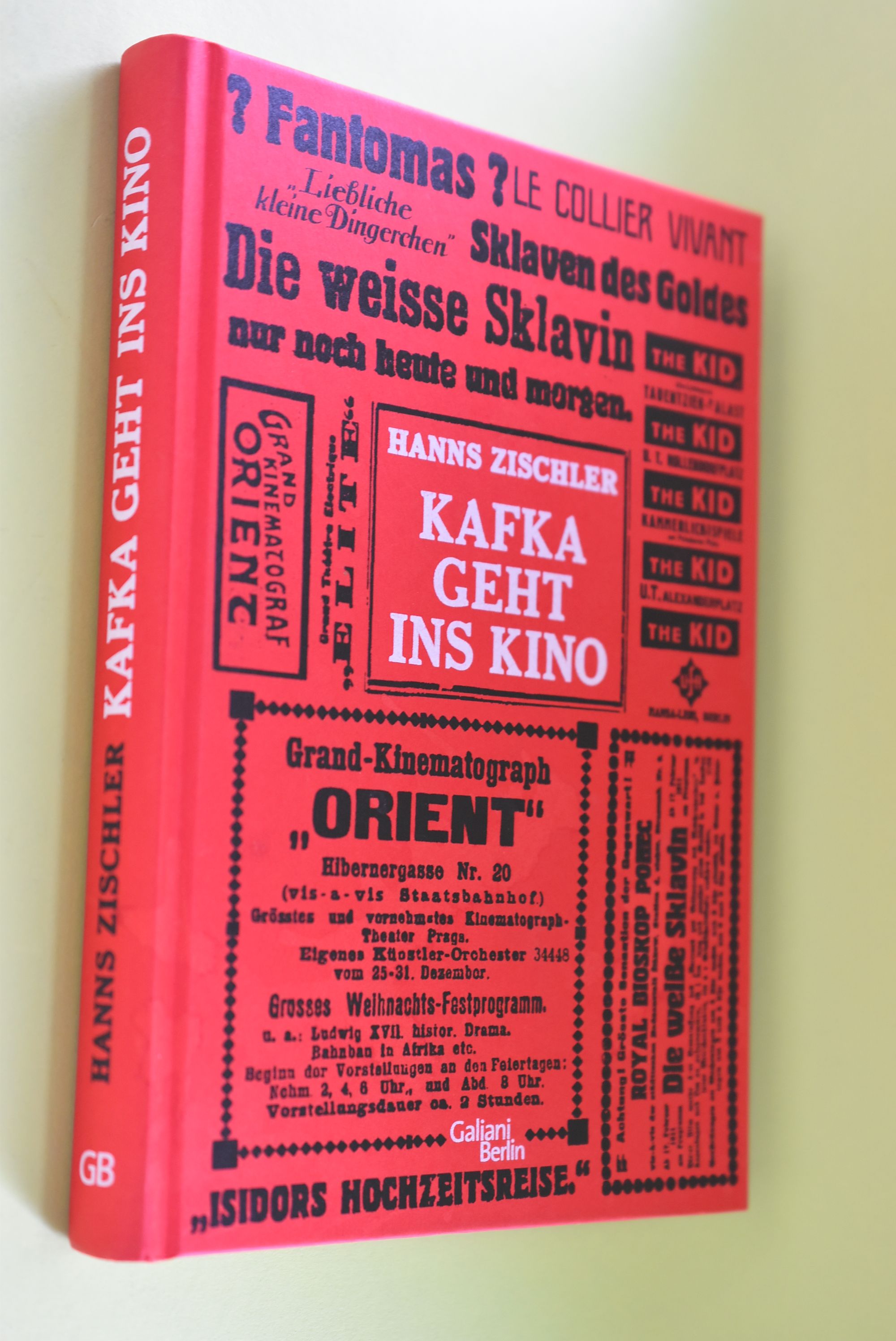
réf. 68523[Berlin] : Galiani Berlin 2017. 1. Auflage 216 Seiten : Illustrationen ; 25 cm + 1 DVD-Video Pappe 0
1998réf. 526432Annandale on Hudson New York: Bard College 1998. Softcover. Fine. First edition. Illustrated in black and white. Fine in glossy wrappers. Signed by Breon Mitchell translator of Franz Kafka's contribution to this issue below his printed name at his contribution. Contributions by: Kafka Günter Grass Jorie Graham Susan Sontag Robert Coover Joyce Carol Oates Robert Kelly John Ashbery John Barth William H. Gass William T. Vollmann and many more. Bard College unknown books
2008réf. 579859United Kingdom: Oneworld Classics 2008. Softcover. Near Fine. Reprint. Translated by Hannah and Richard Stokes. 111pp. Pictorial wrappers. Very faint foxing on page edges near fine. Oneworld Classics unknown books
1977réf. 34215New York: Schocken Books. Very Good in Very Good dust jacket. 1977. 1st American Edition; First Printing. Hardcover. Very good and slightly cocked in very good dust jacket with internally mended dust jacket showing wear and tears.; 8vo 8" - 9" tall; 509 pp . Schocken Books hardcover books
1957réf. 206897New York: Alfred A. Knopf 1957. Definitive edition. Hardcover. 340 pages. Kafka's classic novel translated from the German by Willa and Edwin Muir and revised and with additional materials translated by E.M. Butler. A very good copy in cloth boards that are lightly soiled but an internally clean copy and in very good plus George Salter dust jacket with some edge tears and other light wear. Alfred A. Knopf unknown books
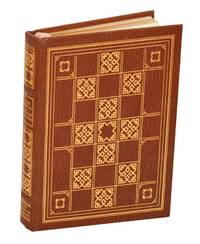
1977réf. 211505Franklin Center PA: The Franklin Library 1977. Limited edition. 341 pages. Part of the 100 Greatest Books of All Time series. Translated from the German by Willa and Edwin Muir revised and with additional material translated by E.M. Butler. Features illustrations by Phero Thomas. A very near fine copy in a decorated full leather binding with all edges gilt and a silk book marker. An attractive edition of this classic. The Franklin Library unknown books
réf. SLIVCN-9782370841025NOUS EDITIONS
réf. 12438Frontispice dAndré Masson. Georges Bataille (« Postulat initial »), Benjamin Fondane (« Kafka et la rationalité absolue »), Emmanuel Levinas, Hannah Arendt, Roland Caillois, Lionel Abel (« Georges Bataille et la répétition de Nietzsche »), etc. Bon état.
1965réf. 26415ABWien, Stuttgart, Zürich, Hans Deutsch Verlag 1965. Erste Ausgabe. 4°. 188 S. m. zahlreichen s/w Photos im Text. OLeinen m. Aufschrift a. Deckel u. Rü., Schutzumschlag hinterlegt u. m. Randläsuren, geringe Gebrauchsspuren, gut erhalten. 1
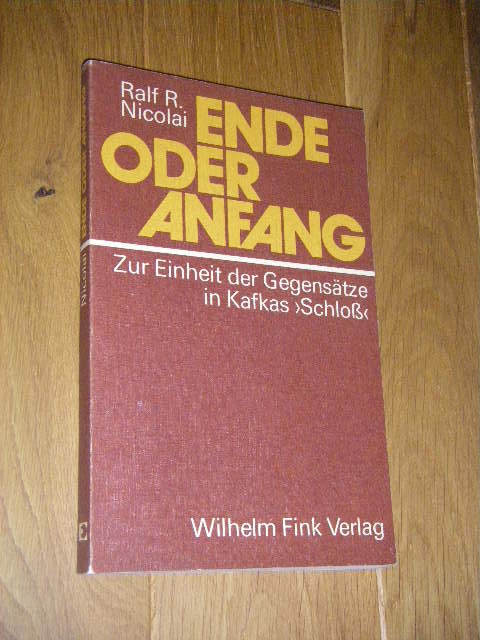
1977réf. 072883München, Fink, 1977. 205 S.; mit Bibliographie u. Register Kartoniert 21 cm Erste Auflage Gut
réf. 11898Lausanne, Cahiers de la Renaissance Vaudoise, 1962. In-8°, 109p. Broché, couverture illustrée rempliée.
1946réf. AUB-3686La Guilde du Livre, Lausanne 1946. Bel exemplaire relié, reliure ornée d'éd., in-8 numéroté, 247 pages avec table.
réf. 30465aafLausanne, Cahiers de la Renaissance vaudoise, 1962, in-8°, 109 p., dessins d’Etienne Delessert, brochure originale illustrée.
réf. 118506Paris, G. L. M. 1939, 165x125mm, broché. Un des 500 exemplaires sur papier velin, numéroté n.° 141 / 517. Bel exemplaire.
réf. 24585Gallimard, collection Enfantimages, 1981. In-8, cartonnage couleurs, en belle condition.
réf. 29752aafParis, Gallimard, 1984, in-8°, XVI + 1695 p., rel. de l'éd. + jaquette.
réf. 9780241573730Penguin Books UK
1946réf. 1375226New York: Schocken Books 1946. Third edition. Hardcover. Octavo 287 pages. In Good condition with a Poor dust jacket. Spine is brown with gold print. Dust jacket in pieces with torn edges missing spine peripheral toning laid in. Boards in brown cloth with gold print. Light wear to spine caps and corners. Text block has brown tinted top edge. Tanning to endpapers. Text in German. NOTE: Shelved in Netdesk Column C. 1375226. FP New Rockville Stock. Schocken Books hardcover books
1991réf. KNY1165581991. Softcover (paperback). Language: Russian. Condition: fair. Black-and-white illustrations. Original title: Pisma Milene. The photos show the actual copy offered. Ships from Ukraine by Nova Post with tracking after receipt of payment (bank transfer or PayPal); delivery time 12–28 business days including customs clearance. Shipping for this book (up to 1 kg): Netherlands €24.70, Belgium €29.60, Germany €19.90, France €29.10, Austria €29.10, Switzerland €46.00; other countries on request. The exact amount is confirmed when we accept your order. The parcel is sent from outside the EU/UK/Switzerland. Import VAT on books (e.g. Netherlands 9 %, Germany 7 %, Belgium 6 %, France 5.5 %, Switzerland 2.6 %, UK 0 %) and a customs handling fee of the carrier may be charged to the buyer on delivery; they are not included in the price. Consumers in the EU have the statutory 14-day right of withdrawal (see the seller terms). If the book does not match the description or is damaged in transit, please contact us right after receipt.
1946réf. 6034NY: Twice a year press 1946. 2nd edition revised enlarged. 8vo pp. 120. A VG copy. Includes miscellaneous translations of Kafka's work by Sophie Prombaum from Biography of Franz Kafka by Max Brod etc. Twice a year press unknown books
1983GUIDO OLDRINI A CURA DI IL MARXISMO DELLA MATURITà DI LUKACS INTERVENTI DI CESARE CASES, ISTVAN HERMANN, GUIDO OLDRINI, SEFAN MORAVSKI, MIKOLS ALMASI, ISTVAN FEHéR, NICOLAE TERTULIAN, PRISMI 1983, 225 PP. FONDO DI MAGAZZINO: PARI AL NUOVO, PERFETTO. Chi vada sfogliando la saggistica italiana - ma non italiana soltanto - su Lukacs ne riceve in genere l'una o l'altra di queste impressioni: o che storicamente non esista se non il Lukacs giovane, l'autore (premarxista) della Storia del dramma moderno, dei saggi apparsi col titolo L'anima e le forme, dei lavori estetici di Heidelberg, della Teoria del romanzo, e quello (protomarxista) di Storia e coscienza di classe; oppure che ci sia bensì in lui anche un'ulteriore fase storica di sviluppo, ma che essa, lungi dal segnarne la maturità, ne segni piuttosto l'irreversibile decadenza e involuzione. Entrambe queste impressioni sono, a nostro giudizio, sbagliate. Non solo perché di fatto esiste, dopo Storia e coscienza di classe, un secondo (o terzo) periodo dell'attività di Lukacs, il suo periodo di attività matura; ma perché, una volta caduti in lui i pregiudizi idealistici di quel libro, egli è in grado di elaborare e portare a chiarezza sistematica una varietà molto più ricca di categorie: dapprima, a partire dagli anni '30, sul terreno della teoria della letteratura, poi con riferimento anche ad altre oggettivazioni sociali di grado superiore, ad altre - e sempre più vaste - sfere categoriali della struttura della realtà oggettiva (estetica, etica, ontologia dell'essere sociale ecc.). Misconoscere o sottovalutare l'importanza della elaborazione di questo gruppo di problemi è smarrire l'asse centrale della maturazione creativa e della più specifica originalità del pensiero di Lukacs: proprio quanto gli assicura una netta e decisa superiorità rispetto al marxismo di un Korsch o di un Bloch (anche per via dello stretto legame da lui costantemente mantenuto con i problemi e le lotte del movimento operaio organizzato). Se Lukacs non si riduce a essere soltanto quel «weberiano critico» che pare a molti, se egli è qualcosa più che non un semplice precursore della sociologia della conoscenza» o anche della «teoria critica della società», ciò lo si deve proprio al fatto che egli va con la maturità oltre le analisi, pur geniali, del suo capolavoro giovanile. Indice L'uomo buono di Cesare Cases L'itinerario intellettuale di Lukacs dopo "Storia e coscienza di classe" di Istvan Hermann Le basi teoretiche del Lukacs della maturità di Guido Oldrini L'evoluzione della teoria lukacsiana matura dell'estetica di Stefan Morawski La prospettiva ontologica di Lukacs di Miklos Almasi Lukacs e Sartre, due itinerari filosofici a confronto di Istvan István Feher Appunti su Lukacs, Adorno e filosofia classica tedesca di Nicolae Tertulian. Parole e frasi comuni Adorno analisi Anna Seghers artistica base Bloch borghese Brecht Budapest carattere categoria complesso concetto concezione del mondo concreto confronti contraddizioni coscienza di classe costituisce Critica della ragione dell'arte dell'estetica dell'Ontologia dell'uomo determinazioni Ernst Bloch esso estetica fascismo fenomeni Fichte filosofia fondamentale fondo forma generale Georg Lukàcs giovane Hegel hegeliana Ibid ideologica individuale infatti intellettuale Kant l'essere l'estetica l'Ontologia lavoro Lenin letteraria letteratura Lifsic Literaturnyj kritik lukacsiana Marx Marx e Engels marxiana marxismo metodo metodologica mimesis natura Nicolai Hartmann nuovo oggettiva oggettivazione ontologica pensiero periodo politica di Fronte posizione possibilità prassi principio problema processo proprio punto questione ragione dialettica rapporti razionale reale realismo realtà rispetto risultati rivoluzionario romanzo saggio Sartre sartriana Schelling scritti scrittori senso sfera società soggetto-oggetto identico soltanto stalinismo Storia e coscienza storico storico-sociale struttura sviluppo tale tedesca teleologica tendenza teoria Teoria del romanzo teorico Thomas Mann totalità trad umana ungherese valore Soggetti: Filosofia, György Lukács, Saggi, Le basi teoretiche, Marxism and Form, Philosophy, Essays, Adorno, alienazione, astratto, Balzac, Don Chisciotte, Dostoevskij, dramma, Engels, epica, Estetica, Flaubert, Goethe, Grecia, Hegel, idealismo, ideologie, James, Joyce, Kafka, Kant, Lassalle, Lenin, modernismo, narrazione, reificazione, ricordo, rispecchiamento, Sartre, simbolismo, soggettività, Sollen, Sontag, spazio, Steiner, Tempo, romanzo, Tolstoj, Utopia, Wesen, Zola, Ontologie: Hermeneutik der Faktizität, Relativer und absoluter Idealismus, Theologische Jugendschriften, Communism, Hungary, 1885-1971, Novecento, Ermeneutica, Ontologia
réf. 1578Marseille. Cahiers du Sud. 1950. Grand in-8° broché. 439 pages. E.O. sur papier ordinaire. Etat neuf, pages non coupées.
réf. 1447N° 26. Hiver 1930. Grand in-8° broché. 211 pages.
réf. 9980L'HEURE NOUVELLE. N° 2. ([Avril] 1946). Arthur Adamov, Karl Jaspers, Franz Kafka, Roger Gilbert-Lecomte, Camille Bryen, Henri Thomas, Georges Ribemont-Dessaignes, Antonin Artaud, Jacques Prévert, René Char, etc. /// Quelques défauts à la couverture.