Hoffmann, FrankBiblio.com

12 923 résultats
2000réf. d0789012201Routledge 2000. paperback. Used-Very Good/n/a. Routledge paperback
2000réf. Q-0789012200Routledge 2000-06-08. Paperback. New. In shrink wrap. Looks like an interesting title! Routledge paperback
2000réf. DADAX0789012200Routledge 2000-10-31. 1. paperback. New. 6.01x1.02x8.40. Buy with confidence. Excellent Customer Service & Return policy. Routledge paperback
réf. 6432576The Haworth Press Incorporated . Papeback. New. pp. 458 The Haworth Press, Incorporated unknown
réf. 0208019812.Ghardcover. Good. Access codes and supplements are not guaranteed with used items. May be an ex-library book. hardcover
1985réf. UTL13-2475Library Professional Pubns 1985-02-01. Hardcover. Good. 9x6x1. Ex-Library hardcover no dj blue boards with all the usual markings possible attachments and library wear. Library Professional Pubns hardcover
réf. 0260859338.Ghardcover. Good. Access codes and supplements are not guaranteed with used items. May be an ex-library book. hardcover
réf. 132964-nnew. unknown
1994réf. Q-0879758899Prometheus 1994-07-01. Hardcover. New. In shrink wrap. Looks like an interesting title! Prometheus hardcover
réf. 61002149Prometheus Books Publishers . Hardback. New. Prometheus Books, Publishers hardcover
1994réf. 9029506New York: Prometheus 1994. 1st. Hardcover. Fine/fine. Bound in publisher's original black boards with spine stamped in gilt. 6 x 9 inches. 181 pages. Prometheus hardcover books
1985réf. Q-0831770856Hoffman and Campe Verlag 1985-01-01. Hardcover. New. New. In shrink wrap. Looks like an interesting title! Hoffman and Campe Verlag hardcover
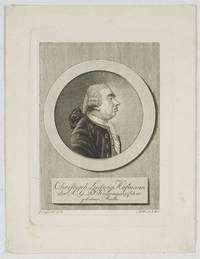
1788réf. 554041788. Frontispiz zu: Goeckingk L.F.G. v.: Journalvon und für Deutschland 1799 10 stück. Plattengröße: 170 x 125 mm. Blattgröße: 214 × 165 mm. - Johann de Giorgi del. 1783 Christoph Wilhelm Bock sc. Johann de Giorgi 1788 del. Zeichner vermutlich im deutschsprachigen Raum tätig; Christoph Wilhelm Bock ca. 1755-1830 deutscher Kupferstecher in Leipzig und Umgebung spezialisiert auf Porträt und Buchillustrationsstiche. Als selbständige gelehrtenbildnerische Porträtgraphik geschaffen vermutlich für den regional medizinhistorischen Kontext in Westfalen; diente der repräsentativen Darstellung Hoffmanns als hochfürstlicher Medizinalbeamter und Gelehrter. Profilbüste im Rundmedaillon vor dicht schraffiertem Fond mit betont nüchterner spätaufklärerischer Kostümierung; die sauber kalligraphierte Kartusche verbindet Bild und Amtsbezeichnung und verankert Hoffmann im administrativen Umfeld der fürstbischöflichen Medizinalverwaltung. Christoph Ludwig Hoffmann 3.12.1721 Rheda - 27.07.1807 Eltville am Rhein Kuhrmainzischer geheimer Rath war deutscher Arzt und Medizinalbeamter. Er promovierte 1746 zum Dr. med. und wirkte zunächst als Landphysikus und Leibarzt in Rheda und Detmold. 1756 wurde er Lehrer der Medizin und Philosophie sowie Bibliothekar am Akademischen Gymnasium Burgsteinfurt später Leibarzt und Medizinalbeamter in Münster. 1773 gründete er das Collegium medicum in Münster und wurde später Direktor des Medizinalkollegiums in Kassel; seine Schriften zur Medizinalgesetzgebung und Volksgesundheit fanden überregionale Beachtung. Lit.: Flaskamp Franz: Der kurfürstlich-kölnische Leibarzt Christoph Ludwig Hoffmann 1721-1807. Münster: Aschendorff 1937. Terhalle Hermann: Hoffmann Christoph Ludwig. In: Westfälische Lebensbilder 14. Münster: Aschendorff 1987: pp.129-146. Lippe Landesarchiv Hg.: Hoffmann Christoph Ludwig 1721-1807. In: Lippische Biographien online. Wolfenbüttel Herzog August Bibliothek Inventar-Nr. A 9832; Mortzfeld A 9832 Drugulin Ä. 2535; Diepenbroick 11927 Porträtsammlung Diepenbroick 5 833 unknown
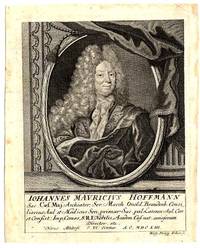
1710réf. 342801710. Wolfg. Phillip Kilian Sc. Kupferstich ca. 1710 184 x 14 4 cam auf 205 x 175 cm. Johann Moritz Hofmann 1653-1727 "als Sohn des Anatomen Moritz Hofmann 1622-1698 in Altdorf am 6. October 1653 geboren studirte Philosophie in Hersbruck Mittel-franken Bayern dann Medicin in Altdorf Frankfurt a. 0. und Padua. In letzterer Stadt verweilte er zwei Jahre lang bereiste von hier aus Italien und kehrte 1674 nach seiner Vaterstadt zurück wo er 1675 den Doctortitel annahm und 1677 zum Prof. e. o. der Anatomie ernannt wurde. Später 1681 wurde er ordentlicher Professor dieses Faches und etwa 1686 erhielt er auch den Lehr-stuhl für Chemie und Botanik. 1709 entsagte er der Lehrthätigkeit für Anatomie behielt nur die Professur für Arzneimittellehre die er schliesslich 1713 ebenfalls aufgab um als Leibmedicus in den Dienst des Markgrafen von Ansbach zu treten wo er am 31. October 1727 starb. Hofmann war seit 1684 Mitglied und seit 1727 Präsident der Leopoldinischen Akademie der Naturforscher. Er verfasste eine beträchtliche Zahl von kleineren akademischen Abhandlungen meist Dissertationen die in Altdorf während der Jahre 1680-1703 erschienen so: "De aegro asthmatico" - "De ossium carie" - "De naso faciei promontorio" 1681 - "De dolore" - "De glandulis renalibus" 1682 - "De rnedicamentis martialibus" - "De anorexia" - "Dissertationes anatomico physiologicae ad Joh. van Horne microcosmum annotatae" 1685 - "De odoramentis et suffimentis" 1686 - "De vena portae" 1687 u. A.; ferner eine Sammlung von 20 Dissertationen vereinigt u. d. T.: "Idea machinae humanae anatomico-pysiologica ad observationes recentiores conformata etc." Ebenda 1703; ferner mehrere nicht unbedeutende chemische und botanische Schriften so: "De differentits alimentorum" Ebenda 1677 - "Laboratorium novum chemicum apertum medicinae cultoribus" 1683 - "Acta laboratorii chymici Altorfini" 19 - "Florae Altorfinae deliciae hortenses" 1703 u. A. m" -Pagel Hirsch III p.249 Biogr. méd. V pag. 261. - Dict. hist. III pag. 225. - Poggendorff I pag. 1122." unknown
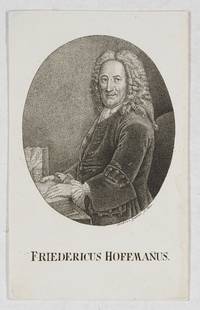
1750réf. 709281750. um 1800. Punktierstich. Blattgröße: 175 x 110 mm.; A. Gabler sc. nach A. Pesne. Dieser seltene Punktierstich geht auf ein Gemälde Antoine Pesnes zurück und wurde von A. Gabler gestochen; ähnliche Blätter kursierten in medizinischen Porträtsammlungen und illustrierten biographische oder panegyrische Texte zu Hoffmann. Als gelehrtenbildnerisches Repräsentationsblatt bzw. als Beigabe zu biographischen oder medizinhistorischen Drucken geschaffen; präsentiert Hoffmann als akademischen Autor dessen Schriften auf dem Tisch angedeutet sind. Die Darstellung zeigt Hoffmann in barockem Gelehrtenhabit mit reich gelockter Perücke die Hände auf einem aufgeschlagenen Buch wodurch seine Rolle als schreibender und lehrender Arzt hervorgehoben wird. Der fein getönte Punktiergrund im Oval hebt Figur und Kostüm plastisch hervor und entspricht der im späten 18. Jahrhundert beliebten Reproduktionsgraphik nach Gemälden Pesnes. Friedrich Hoffmann 19.02.1660 Halle/Saale - 12.11.1742 Halle/Saale war ein deutscher Arzt und Chemiker der Frühaufklärung. Er studierte Medizin u. a. in Jena und Erfurt und wurde 1693 erster Professor der Medizin an der neu gegründeten Universität Halle; später wirkte er als Leibarzt Friedrichs I. und Friedrich Wilhelms I. von Preußen. Hoffmann veröffentlichte zahlreiche Lehrbücher und entwickelte ein mechanistisches Medizinsystem das Körperfunktionen als Bewegungen der Körpersäfte deutete. Berühmt wurde er durch den "Liquor anodynus" bzw. die Hoffmannstropfen ein Beruhigungs- und Kreislaufmittel das seit 1706 weite Verbreitung fand. Hoffmann zählt zu den prägenden Ärzten der deutschen Frühaufklärung; seine Lehre beeinflusste die akademische Medizin im deutschsprachigen Raum und darüber hinaus. Das Porträt trug zur ikonographischen Fixierung seines Bildes als höfisch geehrter zugleich praktisch-klinisch tätiger Arzt bei und wurde in späteren medizinhistorischen Sammlungen häufig reproduziert. R. Burgess Portraits of doctors & scientists in the Wellcome Institute London 1973 no. 1418.10 unknown
réf. 53778Kupferstich Daniel Preusler = Preissler pinx. Philip Kilian sculp. 263 x 141 auf 312 x 196 mm; zarter Wasserrand in unterer linken Ecke. Moritz Hoffmann 20.09.1621 in Fürstenwalde Brandenburg - 20.04.1698 in Altdorf Arzt. Stud. Altdorf/Padua 1648 a. o. und 1649 o. Prof. der Anatomie Chirurgie 1653 auch der Botanik in Altdorf prakt. Arzt in Nürnberg kurfürstl. u. markgräfl. brandenburg. sowie hzgl. württemberg. Leibarzt. "Hüftb. nach hr. in der Rechten Lilie haltend im Hintergrund l. Säule auf hohem Postament daran Wappen unter lat. Devise "SPERANDUM et FERENDUM" Man muß hoffen und ertragen. Über dem Bildrechteck 5zeil. lat. Suprascriptio "MAURICIUS HOFFMANN Fürstenwaldensis Marchicus Medicinae Doctor in Universitate Altdorffinâ Anatomes Chirurgiae et Botanices Professor Publicus Hortique Medici Praefectus et Reipublicae Norimbergensis Practicus. AEtatis XLIII." - Unter dem Bild 8 distich. lat. Verse mit Widmung "Publicum hoc Amoris Honorisque Monumentum Fidelissimo Mentis Parenti et Societatis Medicae Altorffinae Auctori observantiae testandae gratiâ sacrarunt Intimi Mentis Filij Anno Christi M. DCLXIV": En! quem suspirant AEgri sperantque salutem Quo visô visit pristinus ossa calor. En vultum! cultum verò quis pectoris alti Exprimat in Cyprio frons velut aere nitet Quis dignè Genium dignè quâ seminat artes Arte suas celebret praedicet inde fidem Annis posterior multis prior omnibus usu O longum felix Optime Doctor ave! Sehr hier den nach dem die Kranken seufzen und von dem sie sich Heilung erhoffen bei dessen Anblick ihnen die frühere Lebenswärme in die Glieder zurückkehrt Wortspiel viso/visit. Seht hier sein Gesicht! Wer indessen könnte den inneren Adel des Herzens so ausdrücken wie die Stirn in zyprischem Kupfer erglänzt Wer könnte angemessen seinen Geist rühmen die Kunst mit der seine Kenntnisse weitergibt und das daraus entspringende Vertrauen gebührend preisen An Jahren vielen unterlegen an Erfahrung aber allen überlegen: o mögest Du bester Arzt noch lange glücklich leben!" Die Porträtsammlung der Herzog August Bibliothek Wolfenbüttel. Bearbeitet von Peter Mortzfeld. No. 9888 Panzer 108 10; Drugulin Ä.2564; Diepenbroick 11995; Hollstein G.1814 Nr. 202; Burgess 1420.1. unknown
1900réf. 534751900. Med. Dtsch. - Berlin-Charlottenburg Adolf Eckstein o.J. ca.1900 30 x 46 cm; beigelegt 1 Blatt Biographie. Dr. Hugo von Hoffmann 12. November 1846 - Grossherzoglich badischer Hofrat Baden-Baden Augenarzt. unknown
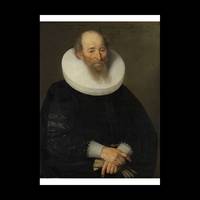
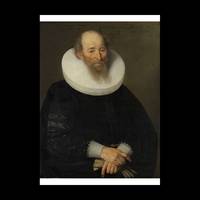
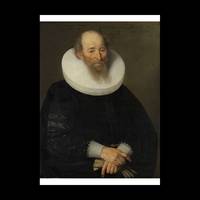
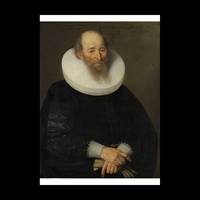
réf. 3599694Contentum Ltd. Loose sheet. New. High-quality art print based on an original work from the Rijksmuseum. Created in the 17th century 1638. Professionally printed on premium fine-art paper Photo Rag 308 in size A2. The artwork is printed with a white border museum-style presentation. Contentum Ltd. unknown
réf. 3599695Contentum Ltd. Loose sheet. New. High-quality art print based on an original work from the Rijksmuseum. Created in the 17th century 1638. Professionally printed on premium fine-art paper Photo Rag Bright White premium quality in size A2. The artwork is printed with a white border museum-style presentation. Contentum Ltd. unknown
réf. 3599696Contentum Ltd. Loose sheet. New. High-quality art print based on an original work from the Rijksmuseum. Created in the 17th century 1638. Professionally printed on premium fine-art paper Museum Etching museum quality in size A2. The artwork is printed with a white border museum-style presentation. Contentum Ltd. unknown
réf. 3599693Contentum Ltd. Loose sheet. New. High-quality art print based on an original work from the Rijksmuseum. Created in the 17th century 1638. Professionally printed on premium fine-art paper Museum Etching museum quality in size A3. The artwork is printed with a white border museum-style presentation. Contentum Ltd. unknown
réf. 51-7121Berlin: circa 1923. Original silver print. 30 x 21.5cm. Signed and titled verso in pencil by the photographer who was also the cinematographer of the fil. .Carl Hoffmann's cinematography profoundly shaped German Expressionism particularly through his innovative use of lighting and composition in films like F.W. Murnau's Faust 1926 where he crafted atmospheric visuals blending stark shadows and ethereal effects to evoke supernatural themes. His techniques also influenced epic filmmaking during the Weimar Republic emphasizing dynamic camera movements and visual storytelling that prioritized mood over realism. Following World War II these Expressionist methods were carried to Hollywood by émigré filmmakers impacting the stylistic development of American genre films including film noir and fantasy productions.Posthumously his work has been acknowledged in key film scholarship such as Lotte H. Eisner's The Haunted Screen: Expressionism in the German Cinema 1952 which praises the technical prowess of Expressionist cinematographers like Hoffmann for advancing cinematic aesthetics. Contemporary recognition includes the restoration and screening of his silent films at festivals underscoring his enduring influence on visual narrative techniques.He alos orked as a film and theater photographer. Lucie Mannheim was a principal actress of the Berlin Theatre until expelled by the Nazis. She sang "Lili Marleen" a anti-Hitler version for BBC in 1943 in G.reat Britain. Lucie Mannheim was married to Marius Goring until her death. .Mannheim was born in Berlin–Köpenick where she studied drama and quickly became a popular figure appearing on stage in plays and musicals. Among other roles she played Nora in Ibsen's A Doll's House Marie in Büchner's Woyzeck and Juliet in Shakespeare's Romeo and Juliet. She also began a film career in 1923 appearing in several silent and sound films including Atlantik 1929 – the first of many versions of the story of the ill-fated RMS Titanic. The composer Walter Goetze wrote his operetta Die göttliche Jette 1931 especially for Mannheim. However as a Jew she was obliged to stop acting in 1933 when her contract at the State Theatre was cancelled. She promptly left Germany first to Czechoslovakia then to Britain. She appeared in several films there notably as the doomed spy Annabella Smith in Alfred Hitchcock's 1935 version of The 39 Steps.During World War II she appeared in several films as well as broadcasting propaganda to Germany – including performing an anti-Hitler version of Lili Marleen in 1943. In 1941 she married the actor Marius Goring.She returned to Germany in 1948 and resumed her career as an actress on stage and in film. In 1955 she joined the cast of the British television series The Adventures of the Scarlet Pimpernel as Countess La Valliere. She made her final English-language film appearance in the 1965 film "Bunny Lake Is Missing." Her last appearance was in a 1970 TV movie. She died in the German spa town Braunlage.Provenance: Estate of Lucie Mannheim Berlin: circa 1923 unknown
réf. 51-7122Berlin: circa 1923. Original silver print. 30 x 23.5cm. Signed recto in pencil by the photographer who was also the cinematographer of the fil. .Carl Hoffmann's cinematography profoundly shaped German Expressionism particularly through his innovative use of lighting and composition in films like F.W. Murnau's Faust 1926 where he crafted atmospheric visuals blending stark shadows and ethereal effects to evoke supernatural themes. His techniques also influenced epic filmmaking during the Weimar Republic emphasizing dynamic camera movements and visual storytelling that prioritized mood over realism. Following World War II these Expressionist methods were carried to Hollywood by émigré filmmakers impacting the stylistic development of American genre films including film noir and fantasy productions.Posthumously his work has been acknowledged in key film scholarship such as Lotte H. Eisner's The Haunted Screen: Expressionism in the German Cinema 1952 which praises the technical prowess of Expressionist cinematographers like Hoffmann for advancing cinematic aesthetics. Contemporary recognition includes the restoration and screening of his silent films at festivals underscoring his enduring influence on visual narrative techniques.He alos orked as a film and theater photographer. Lucie Mannheim was a principal actress of the Berlin Theatre until expelled by the Nazis. She sang "Lili Marleen" a anti-Hitler version for BBC in 1943 in G.reat Britain. Lucie Mannheim was married to Marius Goring until her death. .Mannheim was born in Berlin–Köpenick where she studied drama and quickly became a popular figure appearing on stage in plays and musicals. Among other roles she played Nora in Ibsen's A Doll's House Marie in Büchner's Woyzeck and Juliet in Shakespeare's Romeo and Juliet. She also began a film career in 1923 appearing in several silent and sound films including Atlantik 1929 – the first of many versions of the story of the ill-fated RMS Titanic. The composer Walter Goetze wrote his operetta Die göttliche Jette 1931 especially for Mannheim. However as a Jew she was obliged to stop acting in 1933 when her contract at the State Theatre was cancelled. She promptly left Germany first to Czechoslovakia then to Britain. She appeared in several films there notably as the doomed spy Annabella Smith in Alfred Hitchcock's 1935 version of The 39 Steps.During World War II she appeared in several films as well as broadcasting propaganda to Germany – including performing an anti-Hitler version of Lili Marleen in 1943. In 1941 she married the actor Marius Goring.She returned to Germany in 1948 and resumed her career as an actress on stage and in film. In 1955 she joined the cast of the British television series The Adventures of the Scarlet Pimpernel as Countess La Valliere. She made her final English-language film appearance in the 1965 film "Bunny Lake Is Missing." Her last appearance was in a 1970 TV movie. She died in the German spa town Braunlage.Provenance: Estate of Lucie Mannheim Berlin: circa 1923 unknown
1997réf. 35170MOEWIG ARTHUR 01/04/1997. 1. softcover. Thoregon: 1 Die Tolkander Homer G. Adams / Relebo / Boober / Flame Gorbend / Cistolo Khan Computer: Tolkandische Geheimnisse! DIE GRÖßTE WELTRAUMSERIE! MOEWIG, ARTHUR paperback
réf. 38514931like new. unknown