NERUDA Pablo.MareMagnum

512 résultats
Disegno su carta, cm. 31,5x23,5. -(Pablo Neruda, pseudonimo di Ricardo Eliécer Neftalí Reyes Basoalto, (Parral, 12 luglio 1904 – Santiago del Cile, 23 settembre 1973, è stato un poeta, diplomatico e politico cileno, considerato una delle più importanti figure della letteratura latino-americana del Novecento.
«Nessun poeta dell'emisfero occidentale del nostro secolo - ha scritto Harold Bloom - regge un confronto aperto con lui». Il libro ricostruisce le tappe esistenziali e le opere di Neruda, a partire dalle raccolte giovanili "Crepusculario" e "Veinte poemas de amor..." e racconta gli incontri con Borges, lo scrittore Guillermo de Torre e il poeta César Vallejo nel viaggio verso Oriente, dove Pablo soggiorna come console, mentre nascono le prime liriche di "Residencia en la tierra" che inaugurano una nuova scrittura. Quindi descrive la stagione di Neruda a Madrid, accolto con successo da García Lorca e i rappresentanti della Generazione del '27 e la maturazione politica del poeta a favore dell'impegno sociale e della Repubblica durante della guerra civile spagnola, che ispira il libro "España en el corazón". Negli anni Cinquanta, inseguito da un ordine di cattura del Presidente González Videla, Neruda raggiunge Parigi, quindi l'Italia e l'isola di Capri, dove vive il romanzo d'amore con Matilde Urrutia, reso noto dal film Il postino. Il capitolo finale, dopo la scoperta dei crimini di Stalin e l'adesione all'utopia socialista di Salvador Allende, racconta l'ultimo amore segreto del poeta, descrive il libro inedito "Álbum de Isla Negra", ricostruisce i giorni della morte e la leggenda del suo possibile avvelenamento... Autori: Gabriele Morelli.
Se la morte del grande poeta cileno Pablo Neruda, di cui ricorre il 40° anniversario, fu naturale o indotta saranno a breve i risultati delle analisi sui suoi resti a svelarlo. Ma è storia che, a una manciata di giorni dal golpe militare, il suo funerale raccolse, nonostante il coprifuoco, una folla sterminata, trasformandolo da atto d'amore e stima per il cantore della cultura latinoamericana nell'unica manifestazione di massa di quei giorni contro il regime. Autori: Luis Sepúlveda, Renzo Sicco. Prefazione: Fernando Sáez, Gabriele Romagnoli.
br. Nel 1949 Pablo Neruda, deputato comunista, è costretto a fuggire dal Cile. Inizia per lui un periodo di esilio che lo porterà infine a Capri, al fianco della cantante Matilde Urrutia. Il poeta dedicò liriche appassionate alla donna amata e all'isola che li accolse, riunendole in due splendide raccolte: "Las uvas y el viento" e la mitica "Los versos del capitán", uscita in forma anonima a Napoli nel 1952 grazie alla sottoscrizione degli esponenti più in vista dell'intellighenzia italiana. Da Renato Guttuso a Luchino Visconti, da Carlo Levi a Giulio Einaudi, senza dimenticare Elsa Morante, Palmiro Togliatti, Giorgio Napolitano, Antonello Trombadori. Quarantaquattro sottoscrittori per quarantaquattro copie numerate di un libro che Neruda riconobbe come proprio solo dieci anni più tardi. Dopo lunghe ricerche José Goñi ripercorre con dovizia le tappe della permanenza dell'artista cileno in Italia, delineando il contesto politico e culturale irripetibile che lo vide protagonista e restituendoci la figura di un poeta civile completamente immerso nel proprio tempo.
br. Cile, 11 settembre 1973, l'instaurazione della dittatura militare di Pinochet, la fine di un sogno. Le case di Pablo Neruda devastate, i suoi libri incendiati nei falò per le strade. Ovunque terrore e morte. Anche la poesia è considerata sovversiva. A dodici giorni dal golpe che depone l'amico Allende, il premio Nobel per la letteratura 1971, il poeta dell'amore e dell'impegno civile, amato nel mondo intero, muore nella Clinica Santa María di Santiago. La stessa in cui, anni dopo, morirà avvelenato anche l'ex presidente Frei Montalva, oppositore del regime. Il decesso di Neruda avviene alla vigilia della sua partenza per il Messico, ufficialmente per un cancro alla prostata. Ma la cartella clinica è scomparsa, manca l'autopsia, il certificato di morte è sicuramente falso. Ippolito ha raccolto le prove sostenibili, gli indizi e il movente della fine non naturale di Neruda, sulla scorta dell'inchiesta giudiziaria volta ad accertare l'ipotesi di omicidio, e per questo contrastata in ogni modo da nostalgici e negazionisti. Per la sua drammatica ricostruzione, l'autore si è avvalso di una vasta documentazione proveniente dalle fonti più disparate: archivi, perizie scientifiche, testimonianze, giornali cartacei e online, radio, televisioni, blog, libri, in Cile, Spagna, Brasile, Messico, Perù, Stati Uniti, Germania, Regno Unito e Italia. Il libro è scritto con il rigore dell'inchiesta e lo stile di un thriller. Protagonista, una figura simbolo della lotta per la libertà, non solo in Cile, vittima al pari di García Lorca, suo grande amico e illustre poeta, ucciso dal regime franchista.
br. «Nessun poeta dell'emisfero occidentale del nostro secolo - ha scritto Harold Bloom - regge un confronto aperto con lui». Il libro ricostruisce le tappe esistenziali e le opere di Neruda, a partire dalle raccolte giovanili "Crepusculario" e "Veinte poemas de amor..." e racconta gli incontri con Borges, lo scrittore Guillermo de Torre e il poeta César Vallejo nel viaggio verso Oriente, dove Pablo soggiorna come console, mentre nascono le prime liriche di "Residencia en la tierra" che inaugurano una nuova scrittura. Quindi descrive la stagione di Neruda a Madrid, accolto con successo da García Lorca e i rappresentanti della Generazione del '27 e la maturazione politica del poeta a favore dell'impegno sociale e della Repubblica durante della guerra civile spagnola, che ispira il libro "España en el corazón". Negli anni Cinquanta, inseguito da un ordine di cattura del Presidente González Videla, Neruda raggiunge Parigi, quindi l'Italia e l'isola di Capri, dove vive il romanzo d'amore con Matilde Urrutia, reso noto dal film Il postino. Il capitolo finale, dopo la scoperta dei crimini di Stalin e l'adesione all'utopia socialista di Salvador Allende, racconta l'ultimo amore segreto del poeta, descrive il libro inedito "Álbum de Isla Negra", ricostruisce i giorni della morte e la leggenda del suo possibile avvelenamento...
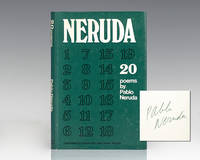
1968réf. 109354London: Rapp & Whiting 1968. First edition of Neruda's classic work. Octavo original cloth. Boldly signed by Pablo Neruda on the half-title page. Fine in a near fine dust jacket. Jacket design by Lawrence Edwards. Translated by Robert Bly and James Wright. Housed in a custom half morocco clamshell box. Neruda's second published work Twenty Love Poems and a Song of Despair initially appeared in Santiago in 1924; Neruda was 19 years old. The work gained a controversial reputation for its arresting eroticism especially considering its author's very young age. The work remains the best selling poetry book in the Spanish language ever published. "Pablo Neruda is the greatest poet of the twentieth century-in any language" Gabriel Garcia Marquez. Rapp & Whiting hardcover books
1961réf. 172626Chicago IL: December Magazine 1961. First edition. Softcover. An early issue of this literary and arts journal. Includes contributions by Surpreme Court Justice William O. Douglas Pablo Neruda Tristan Tzara John Taylor and others. Also features an interview with Tristan Tzara by Leslie Singer and illustrations of works by Survage De Chirico Picabia and others. A very good plus copy in lightly soiled wrappers. December Magazine unknown books
2004réf. WELLER9780872864283City Lights Books c2004. New. New book. City Lights Books unknown books
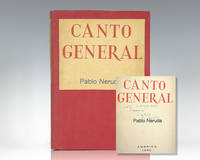
1950réf. 82604Santiago: Imprenta Juarez 1950. Clandestine first Chilean edition of Neruda's stunning epic poem published underground by the Communist party in Chile under a false imprint one month after the true first edition published in Mexico from a different manuscript. Quarto bound into contemporary red linen boards with parts of original printed wrappers serving as titles to the front panel and spine. Copyright leaf mounted to front pastedown bearing the false imprint "Imprenta Juarez Reforma 75 Ciudad de Mexico D.F." half tone portraits of Neruda tipped in at front and back. Inscribed by Neruda on the title page "Al camarada Americo Pablo Neruda." The recipient Americo Zorilla was a close friend of Neruda's and editor of the Chilean Communist daily newspaper El Siglo. Zorilla facilitated the clandestine publication of five thousand copies of Neruda's Canto General in Chile published under a false imprint and based on a manuscript Neruda had left behind before he went into hiding with the banning of the Communist Party under the Ley de Defensa Permanente de la Democracia in 1948. Neruda had officially joined the Communist Party of Chile in 1945 and served as campaign manager for the radical party's presidential candidate Gabriel Gonzalez Videal in 1946. Once in office Gonzalez Videla turned against the Communist Party and Neruda was forced into hiding and later exile in Buenos Aires to avoid arrest. An exceptional association. "Canto General" "General Song" consists of 15 sections 231 poems and more than 15000 lines. It is the stunning epic of an entire continent and its people. The Canto speaks of the destiny of Latin American peoples and the life of the poet himself. Without question this is one of the most important and powerful long poems written in the century. "Neruda was a kind of King Midas. Everything he touched turned to poetry" says Gabriel García Márquez who also considers the Chilean Nobel laureate "the greatest poet of the twentieth century in any language." Imprenta Juarez hardcover books
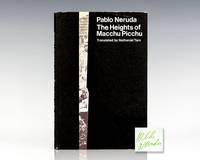
1966réf. 74017London: Jonathan Cape 1966. First edition in English of Neruda's masterpiece. Octavo original cloth. Signed by Pablo Neruda on the half-title page in green ink. Fine in a near fine price-clipped dust jacket with light rubbing. Jacket design by Peter Barber and Nathaniel Tarn. Translated by Nathaniel Tarn. Preface by Robert Pring-Mill. Rare and desirable signed. "The Heights of Machu Picchu" has been called Pablo Neruda's greatest contribution to poetry--a search for the "indestructible imperishable life" in all things. Inspired by his journey to the ancient ruins Neruda calls the lost Incan civilization to "rise up and be born" and also empowers the people of his time. Jonathan Cape hardcover books
1954réf. 135561Chile: Nascimento 1954. First printing of this edition. One of 1000 numbered copies this being No. 680 SIGNED by the author. This copy retains the scarce insert on green paper that was issued with all copies a bibliographic note on the genesis and publication history of the poem by Jorge Sanhueza. The first definitive edition of the poems including the Chambi photographs referenced in "The Latin American Photobook." The poems first appeared as "Canto II" in Neruda's "Canto General" 1950 and have regularly been translated into English. Moderate toning and light rubbing overall with light bumps at the extremities else Near Fine. A superior example of a title not often found in collectible condition. Becco 84. Loyola 292. Fernandez "The Latin American Photobook" p. 57. Nascimento unknown books
1995réf. 22260Boston: Little Brown and Company 1995. First Thus. Octavo 23.5cm.; original cloth-backed boards pictorial plate mounted to upper cover spine lettered in silver; 149pp.; illus. Fine. A Bullfinch Press Book. Bilingual edition. Book designed by Christopher Kuntze printed at the Stinehour Press and bound by the Book Press. Little, Brown and Company unknown books
1979réf. 3685Surrey: Circle Press 1979. Hardcover. Fine. Christie John. Illustrated by John Christie. One of 300 numbered copies signed by the author and the artist. Folio-sized. 11 folded sheets i.e. 22 fol. un-sewn in a wrapper all contained in a cloth chemise with a lettered spine. Slipcase. The work is illustrated with ten color screenprints each initialed by Christie and a color print entitled "Notes 1" one of 300 numbered and signed by the artist. Minor wear to the slipcase cloth otherwise fine condition. Signed by Author and Artist. Signed by author and artist Circle Press hardcover books
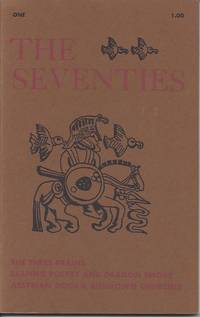
1972réf. 2664Madison: Seventies Press No 1972. 1st edition original printed paperwraps as issued. Includes three sections of Rilke's "Sonnets of Orpheus" and poems by Federico Garcia Lorca Vallejo Neruda Greg Orr Bill Knott Allen Ginsberg Gary Snyder and many others. A chock-full issue in fine condition. Seventies Press, No unknown books
1970réf. 18923Santiago Chile: Editorial Lord Cochrane 1970. Very Good /Very Good. Mario Toral. The 1970 limited illustrated edition in its massive square folio. Issued out of Santiago by Editorial Lord Cochrane and very nicely illustrated in vivid watercolor by Mario Toral. 4782 copies issued all told. Solid and VG in its oatmeal cloth with light bowing to the front board. And in a bright VG dustjacket with light creasing along the panel edges and flap-folds. Still though an attractive very presentable copy of this lavish edition of Neruda's timeless "20 Poemas de Amor" Editorial Lord Cochrane hardcover books
réf. P5425Brno: Vydává Kateřina Slavatová 1937. Octavos 18 × 12.8 cm. Original printed wrappers; 30 and 30 1 pp. Very good copies. Two first issues of this series of anti-semitic pamphlets containing a re-edition of Jan Neruda's famous "Pro strach židovský" For the Fear of Jews originally 1870 and a pamphlet of six short essays by the author. They include: "Nacionalismus a židovství" "Rozdíly mezi lidskými rasami" and "Dva kteří vyrostli v Kremlu" and "Sexuologie a Nacktkultur" and two others. See also Livia Rothkirchen The Jews of Bohemia and Moravia p. 58: "A new series of Czech anti-semitic pamphlets was issued by Jaroslav Slavata entitled Tracts of Young Czechoslovakia. Slavata's own contribution. published in 1937 had a new approach to offer arguing that the so-called Czech-Jew was a 'double renegade: from Judaism to Germandom and from Germandom to Czechdom.' Anti-Semitism according to Slavata can exist only on a racial basis; it has no meaning otherwise." A particularly vile manifestation of Czech anti-semitism published shortly before the Munich Pact and the annexation of Germany in 1938 followed by the stablishment of the Protectorate during the war years. Second edition of Slavata's pamphlet not shortened by censors. Both are rare. KVK OCLC show the copies at the Czech National Library Syracuse University Harvard and the National Library of Israel. unknown books
2013réf. 24388New York: Farrar Straus & Giroux. Near Fine in Very Good dust jacket. 2013. First Edition; First Printing. Hardcover. 0374115281 . Blue cloth lettered along the spine. An unmarked copy in a slightly edgeworn dust jacket. Collects English translations facing the Spanish originals of all 226 odas or odes written by the Nobel Prize-winning poet. Bibliography indexes of Spanish titles and first lines.; 861 pages . Farrar, Straus & Giroux hardcover books
1926réf. 32451Santiago Chile: Editorial Nascimento 1926. First Edition. Paperback. Near fine in original wrappers printed in red and green. Duodecimo. 5.125 x 7.5 in. 76 pp. Editorial Nascimento paperback books
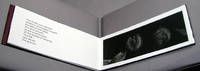
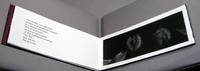
2013réf. 10763Octon France: Verdigris Press 2013. Signed limited edition one of 6 semi-deluxe copies with an original print all on Hahnemulhe paper additional print each numbered and signed by the artist and printer Judith Rothchild and Mark Lintott. Page size: 4-3/4 x 12-1/2 inches; 17pp. Bound: loose as issued leporello format housed in publisher's clamshell box of screen-printed paper over boards the paper printed in shades of brown with chestnut leaves author and title printed in black on spine slipcase and sleeve by Mark Lintott. Pablo Neruda's poem is handset and printed letterpress in Univers on an Adana 8 x 5 by Mark Lintott chestnut-colored ink. There are three mezzotints by Judith Rothchild as well as embossings to accompany the text. These images capture the texture and complexity of this remarkably large delicious and beautiful seed with its "bristly foliage" protecting it. Judith Rothchild's printed papers and engraved images are a wonderful homage to the natural world. This is the deluxe edition with in an edition of 4 with the additional mezzotint and an original copper plate in addition to the regular copy which is one of 50 and the special copies which are one of 6 with an addtional mezzotint with a list price of $1500. Verdigris Press unknown books
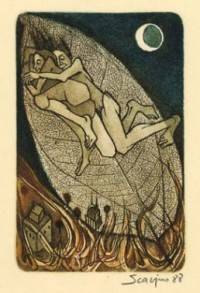
1989réf. 10693Buenos Aires: Ediciones Dos Amigos 1989. Artist's book one of 50 copiesall on Canson paper in several colors blue cream beige grey lavender signed by the artist on each of the two etchings in pencil and dated "88". Page size: 9-13/16 x 6-1/2 inches; 32pp. Bound: loose as issued in red wrappers printed in black with author and title; housed in custom-made orange cloth over boards clamshel box with "a sus amigo" printeded in dark orange and the name of the press and paraphe box a bit rubbed but book is fine. These two poems by Pablo Neruda printed by Ruben Paul LaPolla in black red green blue and brown ink often two colors per page were set by hand by Samuel Cesar Palui in 12pt Garamond. Ernesto Lowenstein oversaw the printing of this lovely New Year's greeting for friends of the press. This is a lovely book of verse complemented with two stunning etchings by Alicia Scavino - mystical magical and a loving homage to the poet. Ediciones Dos Amigos unknown books
2013réf. 10653Octon France: Verdigris Press 2013. Signed limited edition one of 50 copies all on Hahnemulhe paper each numbered and signed by the artist and printer Judith Rothchild and Mark Lintott. Page size: 4-3/4 x 12-1/2 inches; 17pp. Bound: loose as issued leporello format housed in publisher's slipcase and sleeve of screen-printed paper over boards the paper printed in shades of brown with chestnut leaves author and title printed in black on spine slipcase and sleeve by Mark Lintott. Pablo Neruda's poem is handset and printed letterpress in Univers on an Adana 8 x 5 by Mark Lintott chestnut-colored ink. There are three mezzotints by Judith Rothchild as well as embossings to accompany the text. These images capture the texture and complexity of this remarkably large delicious and beautiful seed with its "bristly foliage" protecting it. Judith Rothchild's printed papers and engraved images are a wonderful homage to the natural world. A deluxe edition with an additional mezzotint and clamshell box is to be produced in an edition of 6 at $1500 and a deluxe copy in an edition of 4 with the additional mezzotint and an original copper plate is to be produced at $2100. Verdigris Press unknown books
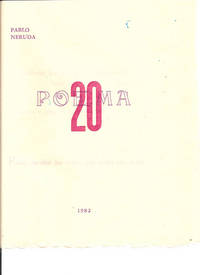
1982réf. 9718Buenos Aires Argentina: Ediciones Dos Amigos 1982. One of 30 copies all on buff Okawara hand-made paper printed in purple ink. Bound: loose in original buff wrappers housed in blue and black paper over boards clamshell box fine. Page size: 24 leaves; 10-1/2 inches x 8-5/8 inches. Handset in Garamond 20pt. by Claudio R. Lopolla and printed letterpress under the supervision of Cesar Palui. An elegant edition of this poem of love and sadness from TWENTY POEMS OF LOVE AND A DESPERATE SONG originally published in 1924. Ediciones Dos Amigos unknown books
2013réf. 43893Octon France: Verdigris January 30 2013. Edition limited to 50 copies signed and numbered by Rothchild and the letterpress printer Mark Lintott; this is the issue of 10 copies "édition de tête" with an additional mezzotint not duplicated in the edition and in a clamshell box the paper printed in shades of brown with chestnut leaves; oblong 4to i.e. in leporello format approx. 5" x 13" 16 french-fold pages 3 original mezzotints and 3 blindstamped embossments by Judith Rothchild printed on Hahnemulhe paper original paper-covered boards with screenprints by Rothchild; absolutely fine throughout. Verdigris, January 30 hardcover books
1998réf. CNJL385New York: The Limited Editions Club 1998. Limited Edition. Hardcover. Fine. Ranney Edward. Quarto size 30 pp. signed by Edward Ranney. Chilean poet Pablo Neruda born Ricardo Eliecer Neftali Reyes y Bosoalto 1904-1973 became known as a poet at the young age of 10 years and began publishing his verse at 15; Gabriel Garcia Marquez once called Neruda "the greatest poet of the 20th century in any language" and he was awarded the Nobel Prize for Literature in 1971. This volume is a portion of the Canto General General Song which consists of more than 15000 lines being a telling of the entire American Western Hemisphere from an Hispanic American perspective; it is a beautiful poem of praise to the continent as it flourished before the arrival of the Spanish. Wonderfully brought to life by the photogravures of the work of Edward Ranney b. 1942 who has been internationally recognized for his images of Inca and Mayan landscapes and architecture; Scientific American commented that Ranney did "more than any other photographer to show the works of the Incas as they are set into numinous mountain landscapes that somehow called forth those superb forms into stone" N.B. above info from Wiki and the monthly newsletter. ___DESCRIPTION: Bound in rough green linen over boards black leather spine label with gilt lettering text presented in both Spanish and English in two columns the ten photogravures bound in throughout the text; type Monotype Centaur on Velin Arches printed at the Golgonooza Letter Foundry with the photogravures made and printed by Jon Goodman oblong being approximately 12" tall and 14.5" wide unpaginated with fifteen printed leaves; limited edition of 300 this no. 56 signed by Edward Ranney; monthly newsletter loosely laid in. The clamshell box is covered in black linen cloth black leather spine label with gilt lettering lined inside with black velvet. ___CONDITION: Fine the dark green binding bright and unfaded with a strong square text block solid hinges perfectly straight corners with no rubbing the interior is clean and bright and it is entirely free of prior owner markings - crisp as new. The monthly newsletter is also fine as is the clamshell box. ___POSTAGE: International customers please note that additional postage may apply as the standard does not always cover costs; please contact us for details. ___Swan's Fine Books is pleased to be a member of the ABAA ILAB and IOBA and we stand behind every book we sell. Please contact us with any questions you may have we are here to help. The Limited Editions Club hardcover books