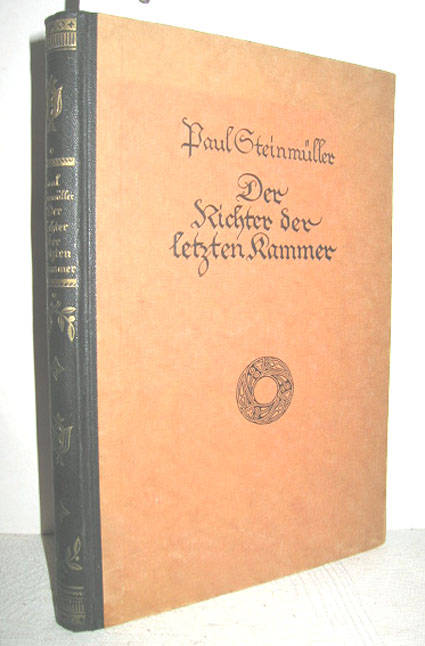
1994ref. 9488Stolzalpe, Wolfgang Hager 1994. Broschiert, 8°, 212 S., Publikationsreihe "Zeitschrift" Band 31, Beitäge ua. Von: Kurt Steinkrauss (Erinnerungen an Hans Albers), Margret Körber-Neuhauser - Wilhelm Rüdel - Karl Seemann - Petra Labahn - Carola Lepping - Joachim Ewert - Karl Lehmann - Angelika Jakob - Bruno Herr, mit Illustrationen von Traute Bühler-Kistenberger.
1857ref. 322909Prag, Leipzig: Kober. 1857. Mit dem Porträt und zwei Autographen H.Heine`s, XI. 18x12 cm. (III : Buchrücken deutlich berieben, innen durchgehend stockfleckig, die ersten Bätter stark stockfleckig, akzeptables Exemplar) - ZUSTAND : Betrifft nur die Bücher mit der Nummer 300000 bis 330000 (III) Exemplar mit deutlichen Gebrauchs- bzw. Altersspuren. Die wesentlichen Mängel werden angegeben HLdr der Zeit
1939ref. 15473Berlin, Im Deutschen Verlag 1939. Ganzleinen mit Schutzumschlag, 8°, 272 S., Umschlagbild von H. Malchert
1920ref. A623Stuttgart, Greiner & Pfeiffer 1920. Halbleinen, 8°, 207 S., fünfte Auflage
1925ref. 12062Stuttgart, Greiner & Pfeiffer, o. J 1925. Ganzleinen mit Goldprägung, 8°, 110 S., wahrscheinlich 1. Auflage, Inhalt: Im Forsthaus - Los-Nächte - Unter der Last - Das Schwert durch die Seele - Am Saum der Milchstraße.
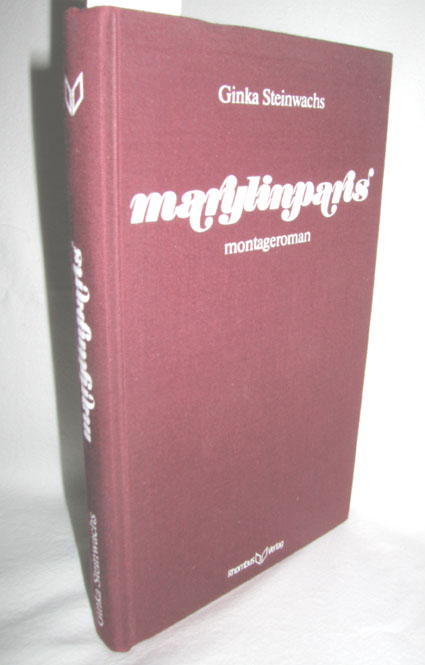
1978ref. X2997Wien, Rhombus Verlag 1978. Ganzleinen, 8°, 242 S., mit zahlr. Illustrationen im Text, mit einem Nachwort von Til Stegmann, ein Compendium der Spracherotik
2006brossura
1988ref. C734Zürich, orte-Verlag 1988. Kartoniert, 8°, 117 S., »Wieder soll ein schöner Tag angedroht werden. Ich hasse mich für die guten Wünschen. Ihr seid eine Pest wie die Radiomusik in der Kaffeebar. Von mir bekommt ihr alle das Ungenügend meiner Kindheit. Ihr Lebertranbubis, jetzt mit Bausparvertrag. In einem anderen Leben hätte ich euch auspeitschen lassen. Bleibt mir fern. (aus dem Inhalt).«
1950ref. 2544Gütersloh, Bertelsmann Lesering, o. J 1950. Oleinen, 8 , 255 S., Erlebnisse eines kleinen Mannes im 3. Reich. Einband leichte Gebrauchsspuren. Hardcover
1983Mm 170x245 Brossura editoriale di 201 pagine. Esemplare in ottime condizioni. SPEDIZIONE IN 24 ORE DALLA CONFERMA DELL'ORDINE.
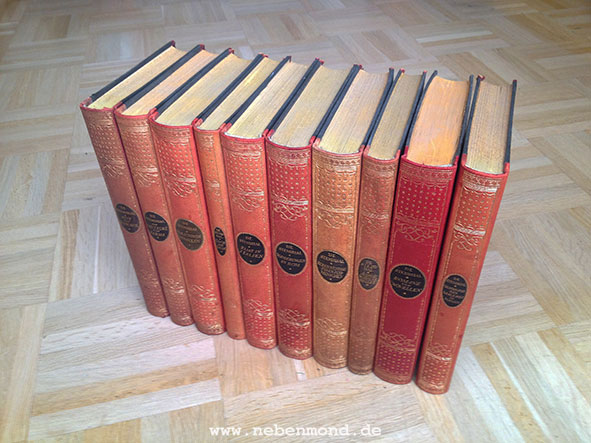
ref. 004858Berlin, Propyläen, 0. Orig.-Halblederbände, XVIII-572 / XVIII-570 / LV-664 / XXIV-386 / LVII-518 / LXXI-552 / XXXIII-622 / XXVII-429 / XXVI-716 / XXXI-480 Seiten, 8°. Komplette Ausgabe in zehn Bänden. Einbände etwas berieben, angestaubt und ausgeblichen. Seiten papierbedingt leicht gebräunt. Insgesamt handelt es sich um noch gut erhaltene Exemplare. Band 1 (Fünfte Auflage): Rot und Schwarz. Band 2 (Erste Auflage 1921): Die Kartause von Parma. Band 3 (Vierte, durch neue Funde vermehrte Auflage): Italienische Novellen und Chroniken. Band 4 (Zweite erweiterte Auflage 1922): Über die Liebe. Band 5 (Dritte Auflage): Reise in Italien. Band 6 (Dritte, durchgesehene und erweiterte Auflage 1922): Wanderungen in Rom. Band 7 (Erste Auflage 1923): Bekenntnisse eines Ichmenschen / Selbstbiographien, Tagebücher, Nekrologe. Band 8 (Zweite, durchgesehene und erweiterte Auflage 1923): Ausgewählte Briefe Stendhals. Band 9 (1923 / ohne Reihentitel): Romane und Novellen. Band 10 (Erste deutsche Ausgabe 1924): Geschichte der Malerei in Italien. Herausgegeben und ins Deutsche übertragen von Friedrich von Oppeln-Bronikowski und Arthur Schurig. Schöne Halblederausgabe mit Kopffarbschnitt, reicher Rückenvergoldung (Einbandentwurf von Hugo Steiner-Prag) und vielen Abbildungen auf Tafeln.
1935ref. 100153803Calmann-Lévy Editeurs 1935 in12. 1935. Broché. Racine et Shakespeare est un pamphlet de Stendhal (1823-1825) où il prend parti pour le romantisme contre le classicisme. Il défend l'idée d'une littérature moderne rejette la règle des trois unités et fait l'apologie du théâtre en prose pour offrir plus de plaisir au spectateur
1982ref. 370694Berlin: Propyläen-Verlag. 1982. 774 S. 22,5 cm. Zustand: Sehr Gut, eher ungelesen (Innen); Einband (Außen) hat min. Gebrauchsspuren; Kopfschnitt in Farbe, min. angestaubt; Schutzumschlag fehlt, oder es gibt keinen; Ppbd.
ref. 5892Leipzig, Insel-Verlag, o.J o.J. Insel-Bücherei Nr. 65, 8 , 78 S., dritte Auflage 31.-40. Tausend. Einband leicht braunfleckig, Rücken leicht angebräunt und ein wenig bestoßen.
1959ref. 9795Berlin, Rütten & Loening 1959. Gelbes Ganzleinen mit Zellophanumschlag, 8°, 530 S., 1. Auflage, Gesammelte Romane in Einzelbänden, ins Deutsche übertragen von Dr. Elida Maria Szarota, Inhalt: Erinnerungen eines italienischen Edelmannes - Die Truhe und das Gespenst - Minna von Wangel - Der Liebestrank - Der Jude - Eine gesellschaftliche Stellung - Rosa und Grün - Der Chevalier de Saint-Ismier - Feder oder Der Geldgatte - Sir John Armitages Tagebuch - Der Genfer See - Paul Sergar - Maria Fortunata - Madame Tarins Geschichte - Der Verschworene - Einbildungskraft - Don Pardo - Philibert Lescale - Anhang (Stendhals Bemühung um die Wirklichkeit, Chronologie, Anmerkungen).
1959ref. 9793Berlin, Rütten & Loening 1959. Gelbes Ganzleinen mit Zellophanumschlag, 8°, 698 S., 1. Auflage, Gesammelte Romane in Einzelbänden, ins Deutsche übertragen von Rudolf Lewy.
2003br. I "Ricordi di egotismo", qui proposti nella traduzione d'autore di Massimo Bontempelli, furono iniziati da Stendhal nell'ozio di Civitavecchia allo scopo di fissare i momenti di felicità che lo scrittore francese era riuscito a cogliere nel decennio della sua vita parigina tra il 1821 e il 1830, successivo al felice periodo milanese e all'infelice amore per Matilde Dembowski. Ma l'intento autobiografico di Stendhal si frantuma in tutta una serie di descrizioni della vita e della società parigine, e soprattutto di incursioni nelle tre grandi passioni dello scrittore francese, l'amore, la musica e la pittura.
2013ill., br. Il fondatore del romanzo psicologico moderno indaga il proprio animo e quello dei suoi affetti più cari in uno splendido epistolario, vivace e commovente, finora in larga parte inedito in Italia. In confessioni e confidenze di brillante tenerezza Stendhal condivide entusiasmi e struggimenti con i suoi amati happy few.
2016br. Dall'adolescente che invia le sue lettere a Grenoble come tante dichiarazioni di guerra contro il padre, fino al console disilluso di Civitavecchia che gioca un'ultima partita d'esprit, passando per l'intellettuale dell'anno X che redige il suo breviario di Ideologo in erba, o ancora per l'amante respinto da Métilde che mormora le sue malinconiche monodie, lunga è la lista di questa opera plurale che è la Corrispondenza di Stendhal. Questa maieutica epistolare è soprattutto attiva negli anni giovanili, ma è attraverso lo scambio epistolare che Beyle si apre la via che lo condurrà fino a Stendhal.
1946In 16? (cm 18), Brossura, pagg.345 fioriture, lieve menda ai piatti, mancanza alla cerniera, legatura leggermente allentata, firma d'appartenenza con data coeve alla sguardia e a frontespizio, peraltro buon es. Flavia Steno (Lugano, 1877 ? Genova, 1946) pseudonimo di Amelia Cottini Osta, fu giornalista e scrittrice italiana di romanzi d'appendice.
1920ref. 218657Berlin: Otto von Holten. 1920. 53; Mit 11 montierten Zeichn. von Sebastian Lucius. 24,5x20cm. Zustand: Gut min. bis gering gebräunt (Innen); Einband (Außen) hat leichte Gebrauchsspuren; Buchrückenbereich und Hinterdeckel leicht lichtrandig; Vorderdeckelgelenk hat oben sehr kleines Loch; Schutzumschlag fehlt, oder es gibt keinen; Ppbd.
192841p. Uncut. Endpapers paste stained. Printed by William Edwin Rudge. Typography by Frederic Warde. Small 8vo. Attractive original full paper binding with color cloud like design. Original gold paper spine label. Hardbound. Limited to only 1,000 copies. Very good. James Stephens (1882-1950) was left fatherless in the Dublin slums at the age of two. His mother remarried or took up with another man when James was about six years of age. She abandoned her young son and he was forced to go to the Meath Protestant Industrial School for Boys. The Meath School was cruel and harsh and he ran away to live in the streets or live with families that took to the likely boy. In 1905 'The Greatest Miracle' was published by Arthur Griffith in The United Irishman. Griffith became good friends with Stephens and published his works in his magazine know as the Sinn Fein. From 1905-1910, Stephens attended Gaelic League classes and become involved with political meetings. During this time he published several pieces which focused on Irish national pride, the importance of learning one's Irish language and customs, and remembering the ancient saga heroes. Stephens met many of his great contemporaries during this period including George Russell (AE), George Moore, W.B. Yeats, Lady Gregory, etc. In the year 1912, Stephens published The Charwoman's Daughter and later in the same year his noted work The Crock of Gold. The Crock of Gold was a great success and Stephens moved to Paris so he could concentrate on writing full time. Cynthia Kavanagh who had been his lover since 1907 accompanied him. He later married her in 1919. The Demi-Gods was published in 1914 and in 1915 he moved back to Dublin to become the Registrar of the National Gallery of Ireland (and stayed in that position till 1924). Stephens witnessed the shooting of a man as a result of the Easter Uprising in Dublin in 1916. This became a turning point for him as the event intensified his patriotic feelings and renewed his interest in old Irish literature. Stephens moved to London in the year 1925. He began a series of lecture tours which extended to the United States. In 1935 Stephens began a literary and personal friendship with James Joyce. His colleagues considered Stephens to be a genius who easily embraced fantasy, philosophy, and comedy - those who read him today will still be struck by his genius. **PRICE JUST REDUCED! STEPHENS/W77