(FUMAGALLI Angelo)MareMagnum

177 results
1778In-8 gr. (mm. 250x188), mz. pelle coeva con ang. (dorso restaurato), fregi e tit. oro su tassello al dorso, tagli marmorizzati, pp. (4),XL,300, con bella antiporta figur. incisa; il frontesp. è inquadrato in preziosa cornice che riproduce il portale marmoreo della Cappella di S. Aquilino in S. Lorenzo; il testo è ornato da grandi testate (alc. raffigurano vedute), grandi capilett. figur. a vignetta e finalini; il tutto magistralmente inc. in rame da Domenico Aspari L’opera è illustrata da 1 tav. che riproduce un diploma di Federico e da 1 bellissima carta topografica di Milano (mm. 590x640), pure inc. in rame, f.t. "Prima edizione" su carta azzurrina. Cfr. Lozzi,I,2633 - Brunet,VI,25374 - Cat. Hoepli,696 che precisa: "E' questo il primo lavoro della Tipografia del Monastero di S. Ambrogio. L'opera incontrò molte ostilità, che ne ritardarono la pubblicazione, ma alla fine ebbe il riconoscimento e l'elogio del Conte Firmian, che era stato incaricato dalla Corte Imperiale di esaminarla". Esemplare molto ben conservato.
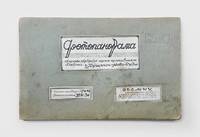
1943ref. 190315Leningrad: 3rd Military-Topographic Detachment Leningrad Front 17 June 1943. Soviet eyes on the German headquarters at Leningrad A fascinating and extremely rare Soviet photo-reconnaissance piece from the siege of Leningrad recording in detail the defensive works on a 10 km sector of the German line around the area of their headquarters at Tsarskoye Selo. Leningrad was a key objective of Nazi Germany's invasion of the Soviet Union: base of the Soviet Baltic Fleet a major military-industrial centre and a city of immense symbolic importance as both the former imperial capital and the cradle of Bolshevism. When hopes of a rapid Soviet collapse evaporated the campaign became one of the longest and costliest sieges in history. The panorama follows the German front around Pushkin south of Leningrad passing through the former imperial palace complexes of Tsarskoye Selo including the area around the White Tower and Alexander Palace which was used as the German headquarters. Such visual intelligence was vital and copies were presumably produced as needed yet we have been unable to trace another example; their rapid obsolescence and the conditions of active service must have ensured a very low survival rate. Though apparently improvised in the field the panorama conveys its information with precision and clarity. By the time Pushkin was liberated in January 1944 the imperial residences had been largely destroyed. Landscape quarto 210 x 330 mm 22 sheets of olive card jointed leporello-style with blue cloth printed labels neatly completed in ink to the front cover 51 original silver gelatine prints numbered in the negative c. 100 x 150 mm mounted as a continuous panorama c. 7260 mm inked identifications of villages significant landmarks and defensive structures machine gun dug outs bunkers reconnaissance posts. Relevant section of a detailed map mounted inside the front cover neatly keyed in manuscript to the images. Externally rubbed and soiled front panel with accession wet stamp and inked details some marks internally latter half hole-punched where previously laced together a bit shaken images clean and with good contrast: in very good condition. hardcover