[PACIFISME] PECQUEUR (Constantin)Livre Rare Book

932 résultats
réf. 235538Paris, Capelle, 1842 in-8, XVI-456 pp., demi-chagrin noir, dos lisse, filets dorés et à froid, couv. cons. (reliure de l'époque). Rousseurs. Mors supérieur un peu frotté.
1419réf. 55423London: Union of Democratic Control 1914-1921. Collection of 63 publications including 25 numbered pamphlets ca 12-32pp each and 38 leaflets 1-16pp each. Generally ca 20cm x 14cm with slight variations; printed paper wrappers. Variable light to moderate wear but complete Good or better overall. A comprehensive collection of materials published under the auspices of the Union of Democratic Control a British political advocacy group which sought during the years of the First World War and its aftermath to increase the role of democratic processes and parliamentary control in British government especially with regards to its foreign relations. During the Great War the UDC stopped short of outright pacifism; after 1918 the organization plotted a more intentionally anti-war course ultimately publishing its pacifist manifesto Arthur Ponsonby's Now is the Time in 1925 not included here. The Union's members included many of the most prominent liberal and labour politicians and intellectuals of the era including Arthur Ponsonby Bertrand Russell Norman Angell Ramsay MacDonald and others. Given the prominence of its members the Union exerted considerable influence on British foreign policy in the interwar period and though its influence waned steeply after the Thirties the Union survived well into the post-WW2 era finally dissolving in 1966. While UDC publications are not generically rare this is the largest collection of their publications we have encountered at one time offering a representative view of the group's political advocacy over its most active period. A catalog of the collection follows all published London: Union of Democratic Control unless otherwise specified:. Pamphlet Series: 1. The Morrow of the War. 16pp. n.d. 1914 2. Angell Norman. Shall This War End German Militarism 24pp. n.d. 1914 3. Russell Bertrand. War: the Offspring of Fear. n.d. 16pp. 1914 4. Brailsford H.N. The Origins of the Great War. 24pp. 1914 5. Ponsonby Arthur. Parliament and Foreign Policy. 12pp. n.d. 1914 5a. Ponsonby Arthur. The Control of Foreign Policy. 16pp. 1918 6. Asquith H.H.; Winston Churchill Edward Grey et al. The National Policy As Set Forth By. 16pp. 1914 7. The International Industry of War. n.d. 16pp. 8. MacDonald J. Ramsay. War and the Workers: a Plea for Democratic Control. 20pp. n.d. 1915 9. Why we should state Terms of Settlement. 8pp. n.d. 10. Rolland Romain et al. Towards an International Understanding. Being the Opinions of some Allied & Neutral Writers. 28pp. n.d. 11. Swanwick H.M. Women and War. 16pp. NOTE: Covers detached but present. 1915. 12. By "A Pole." The Polish Problem. 20pp. n.d. 13. Angell Norman. The Prussian in our Midst. 28pp. 1915 14a. The Balance of Power. 2nd Edition. 24pp. 1915. 15a. Hobson J.A. A League of Nations. 20pp. 1915. 16a. Hobson J.A. Labour and the Costs of War. 16pp. 1916. 18a. Brailsford H.N. Turkey and the Roads of the East. 24pp. 1916. 19a. Dickinson G. Lowes. Economic War After the War. 20pp. 1916. 20a. Angell Norman. America and the Cause of the Allies. 16pp. 1916. 21a. "By a Soldier." The War to End War: a Plea to Soldiers by a Soldier. 20pp. 1917. 22a. Morel E.D. The African Problem and the Peace Settlement. 32pp. 1917. 23a. Gooch G.P. The Races of Austria-Hungary. 24pp. 1917. 27a. Peace Overtures and Their Rejection December 1916 - March 1918. 21pp. 1918. 42a. Demartial M. Georges. Patriotism Truth and War Guilt. 30pp. 1921. Leaflet Series: Unnumbered. Fundraising Prospectus. Broadside 1pp. N.d. ca 1914-15. Signed in print by E.A. Morel. No. 3: Why Have the People take no Interest in Foreign Affairs. Broadside 1pp. n.d. 1914 No. 4: What is the Balance of Power Broadside 1pp. n.d. 1914 No. 5: "Crushing Germany". 4pp. n.d. 1914 No. 6: What is a Treaty Broadside 1pp. n.d. 1914 No. 8: Our Soldiers and the Union of Democratic Control. Letters from Officers and Men. 4pp. 1915. No. 9: Do Nations Want to Fight Broadsheet 2pp. n.d. 1915 No. 10. Ponsonby Arthur. Why We Should Think About Peace. 4pp. n.d. 1915 No. 11. Morel E.D. War and Diplomacy. Being a Speech delivered at a Public Meeting.May 14th 1915. 12pp. 1915. No. 14b. The Union of Democratic Control What It Is and What It Is Not. Second Edition. Broadsheet 2pp. 1915. No. 15b. Mr. Ponsonby and Mr. Trevelyan in the House of Commons. 11pp. 1915. No. 16b. Earl Loreburn & Lord Courtney of Penwith in the House of Lords. 8pp. 1915. No. 17b. What the Press Now Says: More Support for the U.D.C. Broadsheet 2pp. 1915. No. 18b. Terms of Peace. Mr. C.R. Buxton on a Basis for Discussion. 4pp. n.d. 1915. No. 19b. Secret Diplomacy a Menace to the Security of the State. The National and Imperial Problem. 8pp. 1915 No. 20b. The Attack upon Freedom of Speech. The Broken-Up Meeting at the Memorial Hall 29th November 1915. 3rd ed. 24pp. 1915 No. 21b. The Attack upon Freedom of Speech. Astound Official Defence. House of Commons Sequel to the Broken up Meeting. 2nd ed. 28pp. 1915. No. 22b. Our Ultimate Objects in the War. From a Speech by Mr. E.D. Morel.November 22nd 1915. 4pp. 1915 No. 26b. The Prime Minister's Declaration. Its Effect on Germany. 4pp. 1916 No. 27b. Trevelyan Charles. The Case for Negotiation. 4pp. 1916. No. 28b. What Our Allies Think About Economic War. 8pp. 1916. No. 29b. Ponsonby Arthur. Why Must the War Go On 4pp. 1916. No. 30b. Resolutions Passed at the Second Annual Meeting of the General Council of the Union of Democratic Control. Broadside 1p. 1916. No. 31b. America and Permanent Peace. Speech of President Wilson to the American League to Enforce Peace.4pp. 1916. No. 32b. Must the War go on till Russia gets Constantinople Broadside 1pp. 1916. No. 33b. President Wilson's Message to the World. 8pp. 1917 No. 34b. British Working-Men - Observe! French Workers Support Wilson. Broadside 1pp. 1917 No. 35b. French Members of Parliament and the "Knock-out Blow." Broadside 1pp. 1917 No. 36b. Manifesto of Russian Workers & Soldiers. Broadside 1pp. 1917 No. 37b. Free Russia and the Union of Democratic Control. A Common Policy. 4pp. 1917 No. 38b. Then Why Go On Broadside 1pp. 1917 No. 39b. Russia's Real Aims: an Appeal to British Democracy. By the Minister of Agriculture in the Russian Provisional Government. Broadsheet 2pp. 1917. No. 40b. Secret Diplomacy No. 1. Lies That Helped to Make the War. 4pp. 1917. No. 41b. Secret Diplomacy No. 2. Peace Proposals: What are the Real Facts. Broadsheet 2pp. 1917 No. 42b. Vindication of Mr. Morel in the House of Commons. 4pp. 1917 No. 43b. Secret Diplomacy No. 3. Secret Treaties Between the Allies. 4pp. 1917. No. 44b. How to Get a Permanent Peace. Being a short statement of the objects and policy of the Union of Democratic Control. 16pp. 1917. No. 45b. How to Get Permanent Peace.With Full Particulars Showing You How You Can Help. 14pp. 1917. Union of Democratic Control unknown
1419réf. 55423London: Union of Democratic Control 1914-1921. Collection of 63 publications including 25 numbered pamphlets ca 12-32pp each and 38 leaflets 1-16pp each. Generally ca 20cm x 14cm with slight variations; printed paper wrappers. Variable light to moderate wear but complete Good or better overall. A comprehensive collection of materials published under the auspices of the Union of Democratic Control a British political advocacy group which sought during the years of the First World War and its aftermath to increase the role of democratic processes and parliamentary control in British government especially with regards to its foreign relations. During the Great War the UDC stopped short of outright pacifism; after 1918 the organization plotted a more intentionally anti-war course ultimately publishing its pacifist manifesto Arthur Ponsonby's Now is the Time in 1925 not included here. The Union's members included many of the most prominent liberal and labour politicians and intellectuals of the era including Arthur Ponsonby Bertrand Russell Norman Angell Ramsay MacDonald and others. Given the prominence of its members the Union exerted considerable influence on British foreign policy in the interwar period and though its influence waned steeply after the Thirties the Union survived well into the post-WW2 era finally dissolving in 1966. While UDC publications are not generically rare this is the largest collection of their publications we have encountered at one time offering a representative view of the group's political advocacy over its most active period. A catalog of the collection follows all published London: Union of Democratic Control unless otherwise specified:. Pamphlet Series: 1. The Morrow of the War. 16pp. n.d. 1914 2. Angell Norman. Shall This War End German Militarism 24pp. n.d. 1914 3. Russell Bertrand. War: the Offspring of Fear. n.d. 16pp. 1914 4. Brailsford H.N. The Origins of the Great War. 24pp. 1914 5. Ponsonby Arthur. Parliament and Foreign Policy. 12pp. n.d. 1914 5a. Ponsonby Arthur. The Control of Foreign Policy. 16pp. 1918 6. Asquith H.H.; Winston Churchill Edward Grey et al. The National Policy As Set Forth By. 16pp. 1914 7. The International Industry of War. n.d. 16pp. 8. MacDonald J. Ramsay. War and the Workers: a Plea for Democratic Control. 20pp. n.d. 1915 9. Why we should state Terms of Settlement. 8pp. n.d. 10. Rolland Romain et al. Towards an International Understanding. Being the Opinions of some Allied & Neutral Writers. 28pp. n.d. 11. Swanwick H.M. Women and War. 16pp. NOTE: Covers detached but present. 1915. 12. By "A Pole." The Polish Problem. 20pp. n.d. 13. Angell Norman. The Prussian in our Midst. 28pp. 1915 14a. The Balance of Power. 2nd Edition. 24pp. 1915. 15a. Hobson J.A. A League of Nations. 20pp. 1915. 16a. Hobson J.A. Labour and the Costs of War. 16pp. 1916. 18a. Brailsford H.N. Turkey and the Roads of the East. 24pp. 1916. 19a. Dickinson G. Lowes. Economic War After the War. 20pp. 1916. 20a. Angell Norman. America and the Cause of the Allies. 16pp. 1916. 21a. "By a Soldier." The War to End War: a Plea to Soldiers by a Soldier. 20pp. 1917. 22a. Morel E.D. The African Problem and the Peace Settlement. 32pp. 1917. 23a. Gooch G.P. The Races of Austria-Hungary. 24pp. 1917. 27a. Peace Overtures and Their Rejection December 1916 - March 1918. 21pp. 1918. 42a. Demartial M. Georges. Patriotism Truth and War Guilt. 30pp. 1921. Leaflet Series: Unnumbered. Fundraising Prospectus. Broadside 1pp. N.d. ca 1914-15. Signed in print by E.A. Morel. No. 3: Why Have the People take no Interest in Foreign Affairs. Broadside 1pp. n.d. 1914 No. 4: What is the Balance of Power Broadside 1pp. n.d. 1914 No. 5: "Crushing Germany". 4pp. n.d. 1914 No. 6: What is a Treaty Broadside 1pp. n.d. 1914 No. 8: Our Soldiers and the Union of Democratic Control. Letters from Officers and Men. 4pp. 1915. No. 9: Do Nations Want to Fight Broadsheet 2pp. n.d. 1915 No. 10. Ponsonby Arthur. Why We Should Think About Peace. 4pp. n.d. 1915 No. 11. Morel E.D. War and Diplomacy. Being a Speech delivered at a Public Meeting.May 14th 1915. 12pp. 1915. No. 14b. The Union of Democratic Control What It Is and What It Is Not. Second Edition. Broadsheet 2pp. 1915. No. 15b. Mr. Ponsonby and Mr. Trevelyan in the House of Commons. 11pp. 1915. No. 16b. Earl Loreburn & Lord Courtney of Penwith in the House of Lords. 8pp. 1915. No. 17b. What the Press Now Says: More Support for the U.D.C. Broadsheet 2pp. 1915. No. 18b. Terms of Peace. Mr. C.R. Buxton on a Basis for Discussion. 4pp. n.d. 1915. No. 19b. Secret Diplomacy a Menace to the Security of the State. The National and Imperial Problem. 8pp. 1915 No. 20b. The Attack upon Freedom of Speech. The Broken-Up Meeting at the Memorial Hall 29th November 1915. 3rd ed. 24pp. 1915 No. 21b. The Attack upon Freedom of Speech. Astound Official Defence. House of Commons Sequel to the Broken up Meeting. 2nd ed. 28pp. 1915. No. 22b. Our Ultimate Objects in the War. From a Speech by Mr. E.D. Morel.November 22nd 1915. 4pp. 1915 No. 26b. The Prime Minister's Declaration. Its Effect on Germany. 4pp. 1916 No. 27b. Trevelyan Charles. The Case for Negotiation. 4pp. 1916. No. 28b. What Our Allies Think About Economic War. 8pp. 1916. No. 29b. Ponsonby Arthur. Why Must the War Go On 4pp. 1916. No. 30b. Resolutions Passed at the Second Annual Meeting of the General Council of the Union of Democratic Control. Broadside 1p. 1916. No. 31b. America and Permanent Peace. Speech of President Wilson to the American League to Enforce Peace.4pp. 1916. No. 32b. Must the War go on till Russia gets Constantinople Broadside 1pp. 1916. No. 33b. President Wilson's Message to the World. 8pp. 1917 No. 34b. British Working-Men - Observe! French Workers Support Wilson. Broadside 1pp. 1917 No. 35b. French Members of Parliament and the "Knock-out Blow." Broadside 1pp. 1917 No. 36b. Manifesto of Russian Workers & Soldiers. Broadside 1pp. 1917 No. 37b. Free Russia and the Union of Democratic Control. A Common Policy. 4pp. 1917 No. 38b. Then Why Go On Broadside 1pp. 1917 No. 39b. Russia's Real Aims: an Appeal to British Democracy. By the Minister of Agriculture in the Russian Provisional Government. Broadsheet 2pp. 1917. No. 40b. Secret Diplomacy No. 1. Lies That Helped to Make the War. 4pp. 1917. No. 41b. Secret Diplomacy No. 2. Peace Proposals: What are the Real Facts. Broadsheet 2pp. 1917 No. 42b. Vindication of Mr. Morel in the House of Commons. 4pp. 1917 No. 43b. Secret Diplomacy No. 3. Secret Treaties Between the Allies. 4pp. 1917. No. 44b. How to Get a Permanent Peace. Being a short statement of the objects and policy of the Union of Democratic Control. 16pp. 1917. No. 45b. How to Get Permanent Peace.With Full Particulars Showing You How You Can Help. 14pp. 1917. Union of Democratic Control unknown books
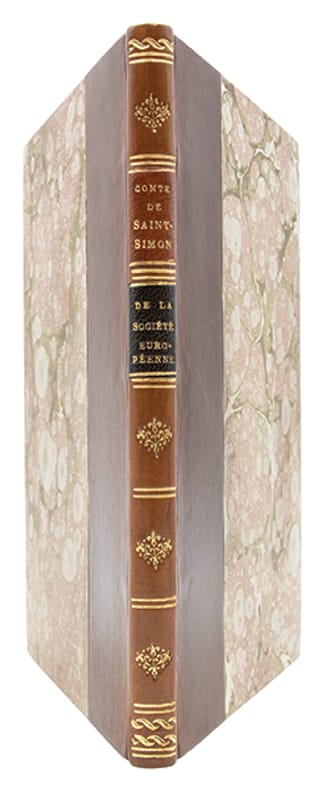
réf. 39406Paris, Adrien Égron, Delaunay, 8bre 1814. In-8 (190 x 125 mm), demi-veau havane, dos lisse orné d’un riche décor de compartiments garnis des doubles filets en place des nerfs, fer spécial répété au centre et palettes en tête et pied, pièces d’auteur et de titre de maroquin havane et bronze (rel. Devauchelle dans le goût de l’époque), xviij, 19-112 pages.
1908In -8°, due voll. mezza pelle e carta marmorizzata; cc. (2), 195, (1); (1), 196-413, (2). Interessante manoscritto inedito di Edmond Tardif, outsider e intellettuale provenzale, che nel 1908 lo presenta in forma di manoscritto (così rilegato) all’amico Joseph (de Fabre) de Mazan. Nella prefazione si specifica che lo scritto (o comunque un suo precedente analogo) aveva trovato editore e stava per essere pubblicato: “Je venai en 1894 d’achever un livre sur la question du militarisme; les accords étaient presque conclus avec l’éditeur et l’ouvrage était déjà annoncée, quand l’anarchiste Vaillant lança une bombe dans la chambre des députés”. L’attentato spinge le autorità a prendere misure “energiche” e lo scritto viene valutato come suscettibile di censura. Il trattato è socio-politico e s’inscrive in un dibattito molto vivace all’epoca, in Francia, su militarismo e antimilitarismo (con sbilanciamento in favore del secondo) e che comprende dissertazioni su anarchia e socialismo, economia, politica internazionale e obbligo di leva, analizzato in questo ampio scritto anche sotto il punto di vista economico. Scritto pregevole e originale, da studiare: il manoscritto è molto chiaro e privo di correzioni, l’aspetto è di una versione definitiva pronta alla pubblicazione. An interesting unpublished manuscript bu Edmond Tardif, an outisider french writer, who in 1908 is sending it (in this binding) to a friend, Joseph de Mazan. In the introduction it’s specified that an earlier version of the work was to be published in 1894, but because of an attack (a bomb put by an anarchist in French Parliament) the work is judged as at censorship risk by the publisher. The socio-politic treaty is part of a wide debate at the time very vibrant, about militarism and anti-militarism (Tardif is unbalanced towards the latter think), including dissertations on socialism, anarchy, economy, international politics. An original and interesting work, to be studied, the manuscript is very clear and readable, and almost lacking corrections; the appearance is of a definitive version, ready to be published.
1789réf. 11350S.l., s.n., 1789 ; in-8 ; demi-chagrin rouge à petits coins, dos à nerfs, titre doré (reliure moderne) ; 206 pp. y compris le faux-titre et le titre (INED, 578 ; Barbier, I-531).
réf. AMA-190Le Chant du Monde, 1950. in 8°, menus manques en pied. 4 pp., la première illustrée.