16.531 risultati
rif. 36554aafDresden, H. Klemm, o.J., (1898), gr. in-8°, X + 152 S., Stempel a.d. Titelbl., Original-Pappband.
rif. 0428497829.Ghardcover. Good. Access codes and supplements are not guaranteed with used items. May be an ex-library book. hardcover
rif. 0428497748.Gpaperback. Good. Access codes and supplements are not guaranteed with used items. May be an ex-library book. paperback
1939223, 16 (ads) pp. Index. "The problem of the Jews in Britain, and the power they wield in public affairs, is a matter of the most absorbing interest in these days when propaganda has clouded the issue and made it almost impossible for the ordinary man to see the subject in its true perspective. This book is a critical but strictly impartial analysis written by a well-known Fleet Street journalist who has studied the whole problem for a number of years in the light of events since the Great War." - from dust jacket. Unmarked with moderate wear to publisher's orange cloth. Binding intact. Small contemporary Buenos Aires bookseller's sticker inside front board. Above-average wear to dust jacket, now preserved in archival-grade Brodart. A sound copy. Singerman 494. Book
1880rif. 237851880. Ceylon colonial photo archive depicting tea cultivation estate labor transportation and urban life circa 1880s to 1910s documenting the plantation economy that made the island one of Britain's principal sources of tea as British merchants shifted the enormous domestic tea market away from China and toward production within the Empire. Coffee leaf rust appeared in Ceylon in 1869 and spread rapidly through the island's coffee districts precipitating the collapse of the crop that had dominated the colonial export economy and accelerating planters' conversion of the central highlands to tea. James Taylor had established commercial tea cultivation at Loolecondera Estate near Kandy in 1867 and the new industry expanded rapidly as coffee failed; by 1900 some 380000 acres in Ceylon were planted in tea. By 1879 the results showed that in more than 70 percent of tea sold in London still came from China while by 1900 China supplied only about 10 percent and black teas from British controlled India and Ceylon constituted the bulk of the market. Photo archive of albumen and silver gelatin photographs and photographic postcards ranging from approximately 3½ x 5 to 4 x 6 inches Ceylon circa 1880s to 1910s. Tea production forms the strongest body of imagery. Women and men stand among densely planted tea bushes or work through rows of plants with women carrying the large woven baskets used to collect leaves; individual and group views are captioned "Tea plucker" "Tea picking Ceylon" "Pruning tea Kandy" and in French "Cueillette du thé à Ceylan." One Skeen & Co. Colombo card numbered 84 and captioned "Tea plucker" isolates a woman at work with a large basket strapped behind her while another shows a large group of workers seated with baskets and gathered tea in a plantation clearing. A card captioned "Estate coolies Ceylon" depicts an estate employee in European dress standing with women and a child outside a thatched dwelling preserving in its printed terminology the racial and labor classifications through which plantation workers were presented to contemporary consumers of colonial imagery. Other photographs move from plantation production into the roads vehicles and cities of colonial Ceylon: rickshaw pullers pose with European passengers and beside their vehicles; a street scene records "Native town Kandy Ceylon"; Colombo appears in views of the "Colpetty Road near Galle Face Colombo" a crowded procession captioned in French "Colombo départ des troupes Anglaises" and a civic monument among palms. Another postcard depicts "Royal visitors leaving Ceylon" while a country road scene shows pedestrians carts and roadside activity. Skeen & Co. one of the principal commercial photographic firms operating from Colombo in the late nineteenth and early twentieth centuries is identified on several cards but no single photographer can be assigned to the archive as a whole. The tea scenes record the labor at the center of one of the fastest agricultural conversions in the nineteenth century British Empire. Coffee rust Hemileia vastatrix was first observed in Ceylon in 1869 and within little more than a decade had destroyed the commercial basis of the coffee plantation system; tea already demonstrated commercially by Taylor replaced it across much of the highlands. Ceylon tea exports to Britain rose from only 282 pounds in 1875 to more than 4.3 million pounds in 1885 while the plantation landscape expanded until almost all former coffee districts had been replanted with tea during the 1890s. That expansion depended on a large year round plantation workforce much of it composed of Tamil laborers brought from southern India and on the colonial infrastructure that connected the highlands with Colombo and overseas markets. Roads and the railway between Kandy and Colombo had initially served the coffee economy and could be redirected toward tea after the blight while Colombo developed as the commercial and shipping center through which the crop entered imperial markets. The archive therefore records several stages and social spaces of the same colonial economy from plucking and pruning in the highlands to estate communities road transport Kandy and the metropolitan port city of Colombo while the postcards themselves show how plantation labor and colonial development were converted into commercial images for circulation beyond the island. Light to moderate surface wear toning occasional fading and creasing with some photographs showing age related discoloration and edge wear. Overall in good condition. A visual record of the plantation labor and colonial infrastructure behind Ceylon's transformation from a failed coffee economy into a major tea producer that helped Britain replace Chinese tea with supplies produced under imperial control. unknown
1880rif. 237851880. Ceylon colonial photo archive depicting tea cultivation estate labor transportation and urban life circa 1880s to 1910s documenting the plantation economy that made the island one of Britain's principal sources of tea as British merchants shifted the enormous domestic tea market away from China and toward production within the Empire. Coffee leaf rust appeared in Ceylon in 1869 and spread rapidly through the island's coffee districts precipitating the collapse of the crop that had dominated the colonial export economy and accelerating planters' conversion of the central highlands to tea. James Taylor had established commercial tea cultivation at Loolecondera Estate near Kandy in 1867 and the new industry expanded rapidly as coffee failed; by 1900 some 380000 acres in Ceylon were planted in tea. By 1879 the results showed that in more than 70 percent of tea sold in London still came from China while by 1900 China supplied only about 10 percent and black teas from British controlled India and Ceylon constituted the bulk of the market. Photo archive of albumen and silver gelatin photographs and photographic postcards ranging from approximately 3½ x 5 to 4 x 6 inches Ceylon circa 1880s to 1910s. Tea production forms the strongest body of imagery. Women and men stand among densely planted tea bushes or work through rows of plants with women carrying the large woven baskets used to collect leaves; individual and group views are captioned "Tea plucker" "Tea picking Ceylon" "Pruning tea Kandy" and in French "Cueillette du thé à Ceylan." One Skeen & Co. Colombo card numbered 84 and captioned "Tea plucker" isolates a woman at work with a large basket strapped behind her while another shows a large group of workers seated with baskets and gathered tea in a plantation clearing. A card captioned "Estate coolies Ceylon" depicts an estate employee in European dress standing with women and a child outside a thatched dwelling preserving in its printed terminology the racial and labor classifications through which plantation workers were presented to contemporary consumers of colonial imagery. Other photographs move from plantation production into the roads vehicles and cities of colonial Ceylon: rickshaw pullers pose with European passengers and beside their vehicles; a street scene records "Native town Kandy Ceylon"; Colombo appears in views of the "Colpetty Road near Galle Face Colombo" a crowded procession captioned in French "Colombo départ des troupes Anglaises" and a civic monument among palms. Another postcard depicts "Royal visitors leaving Ceylon" while a country road scene shows pedestrians carts and roadside activity. Skeen & Co. one of the principal commercial photographic firms operating from Colombo in the late nineteenth and early twentieth centuries is identified on several cards but no single photographer can be assigned to the archive as a whole. The tea scenes record the labor at the center of one of the fastest agricultural conversions in the nineteenth century British Empire. Coffee rust Hemileia vastatrix was first observed in Ceylon in 1869 and within little more than a decade had destroyed the commercial basis of the coffee plantation system; tea already demonstrated commercially by Taylor replaced it across much of the highlands. Ceylon tea exports to Britain rose from only 282 pounds in 1875 to more than 4.3 million pounds in 1885 while the plantation landscape expanded until almost all former coffee districts had been replanted with tea during the 1890s. That expansion depended on a large year round plantation workforce much of it composed of Tamil laborers brought from southern India and on the colonial infrastructure that connected the highlands with Colombo and overseas markets. Roads and the railway between Kandy and Colombo had initially served the coffee economy and could be redirected toward tea after the blight while Colombo developed as the commercial and shipping center through which the crop entered imperial markets. The archive therefore records several stages and social spaces of the same colonial economy from plucking and pruning in the highlands to estate communities road transport Kandy and the metropolitan port city of Colombo while the postcards themselves show how plantation labor and colonial development were converted into commercial images for circulation beyond the island. Light to moderate surface wear toning occasional fading and creasing with some photographs showing age related discoloration and edge wear. Overall in good condition. A visual record of the plantation labor and colonial infrastructure behind Ceylon's transformation from a failed coffee economy into a major tea producer that helped Britain replace Chinese tea with supplies produced under imperial control. unknown books
1913Unread. As new. Number 216 of limited edition of 350 copies. Signed by co-author R.E. Gosnell. "Few publications, if any, of similar size and excellence have been produced in Canada." - From Editor's Foreword. Part I includes 210 pages and eighteen chapters which constitute "a survey of events from the earliest times down to the Union of the Crown Colony of British Columbia with the Dominion of Canada." Part II is "a history, mainly political and economic, of the Province since Confederation up to the present time." Part I is preceded and followed by dozens of tissue-protected black and white portraits of individuals influential in the early history of the province, complete with their brief biographies upon the tissue. Part II comprises eighteen chapters over 226 pages plus 5 pages of addenda followed by dozens of tissue protected portraits of "some of the men conspicuous as present day factors in development." Top edge gilt. Gilt lettering upon backstrip. Marbled endpapers. Exceptionally clean, bright, and unmarked with zero wear. Brown suede exterior appears as fresh as the day it was applied over 100 years ago. This majestic fourteen pound tome measures 13" x 10.5" x 4". A magnificent acquisition for any serious collector of British Columbia history. A better copy will not be found. [Lowther 1607, Hale 2523, Edwards & Lort 3177, Strathern 495] Book
1980pp. 400. Adds seven years of additional research to prior publications issued by a dedicated group of researchers. Black and white illustrations/rubbings throughout. Includes list of mavericks attributed to B.C. An old/new numbering cross-reference for 1969-1973 and current numbering system is also included. Errata list affixed inside front cover. Unmarked with average external wear and soiling. Binding intact. A sound copy of this superlative reference. Book
200348 pages. Features: The Meaning of the Sexual Labour of Slaves in the Nuu-chah-nulth-European Sex Trade at Nootka Sound in the Eighteenth Century; A Little Known Account of "Charles Haick's" Missionary; The Station Agent's Wife; Early Prince George - Through the eyes of a young boy; and more. Average wear. Few markings. Sound copy. Book
1958Half-leather binding. Telephone Talk was the glossy bimonthly publication of the British Columbia Telephone Company. It was written by employees for employees to present information of interest to those engaged in the plant, traffic, commercial, operating, accounting and other departments of the service. Each issue is replete with black and white photos and information on topics such as: company, industry and technological news, traffic levels, expansion plans, personnel announcements, publicity and social events, deaths, weddings, lists of exchanges, and more. As such, these issues serve as a vital preserve of rare and fascinating British Columbia history. This volume covers topics including: Laying cable for the new United States - Alaska telephone link; Working around the sudden collapse of a 150-foot span of the Mission Abbotsford Bridge in 1955(photos); New truck digs its own post holes in the Peace River area; Storm cripples telephone plant; Overseas Rates Cut; More Long Distance Circuits; Repeater key to Trans-Atlantic Cable; Telephone man (Clifford Sherlock) treads trapline on weekends; 1956 review; Recruiting Program; microwave towers to carry second Radio Telephone system - article and photo; List of Exchanges i.e. # of phones operating in each community; photo of microwave relay truck; Dog Mountain tramway completed - text and photos; Howe Sound Line Rebuild -photos with captions; Squamish Exchange - photos; Private radiotelephone system feeds sawmill operations - two pages of photos and text; Nanaimo to be SATT dialing center - article; photos of 'microwaves across the mountains; passing of Mr. R.S. Argue; Great photos of the Vedder Crossing; Ladner goes automatic; Photos of Terrace staff; 'floating phones' - nice set of photos of phones at work at sea; Training; photos from atop Promontory Mountain and Greenstone Mountain; Gordon Farrell now Board Chairman (Karsh photo); Cyrus H. McLean now President (photo); B.C. Microwave to open 1 July - great photos; microwave opening previewed; 1958 big year for radiotelephone - article and map; 7,000 mile trade goodwill call; picture of a Moore "Formorama"; Coverage of the Ripple Rock Blase - with photo; increasew will not give required revenue; Microwave Skyway - text and photos; B.C. Centennial coverage facilities very complex; Oliver cutover; photo of men at work over the Sumas River; TOC - the Television Operating Center, inside the Farrell Building in Vancouver; Lloyd Purdy and John Martin retire; Creston Cutover; Photos of the radiotelephon serving an active paving company; Meet Fred Feeney - article with photo; Ladysmith converts to Automatic - photos; Lloyd Purdy and Percy Crute retire after a combined 82 years of service; Victoria 2-5 conversion; photos of microwave sites readying for onslaught of winter; and more. Unmarked with moderate wear. Binding tight and square. Marbled endpapers. Name of E.P. LaBelle stamped on bottom- and fore-edges of text. Mr. Labelle was a second-generation employee off the company. Book
1924Telephone Talk was the glossy bimonthly publication of the British Columbia Telephone Company. It was written by employees for employees to present information of interest to those engaged in the plant, traffic, commercial, operating, accounting and other departments of the service. Each issue is replete with black and white photos and information on topics such as: company, industry and technological news, traffic levels, expansion plans, personnel announcements, publicity and social events, deaths, weddings, lists of exchanges, and more. As such, these issues serve as a vital preserve of rare and fascinating British Columbia history. This volume covers topics including: Great cover photo of Duncan operating room; Several photos of new interior plant equipment at Duncan; Sensational 9-page feature on Duncan and district with great photos of the area including Duncan Station, Maple Bay, Genoa Bay, and an aerial view; Fire deprives downtown Vancouver of service - photos and text; Grand Forks office and staff; Table showing "Exchanges in order of Per Cent Good Calls Out"; Statement of Development as of 1 January 1924 showing number of phones per community; Cover photo of steamer Jacques Cartier; Nice full-page showing two views of Vancouver Harbour with many ships in port; 7 page feature on the Port of Vancouver with several great photos; Possibilities of both radio and wire telephony; Exchanges in order of percent good out calls; Excellent full-page photo of Ballantyne pier, Burrard Inlet; Take advantage of company's new savings plan; Fine addition to shipping facilities on Burrard Inlet - Ballantyne Pier - 5 great photos with text; Greater Vancouver will benefit by reduced telephone rate; Repair shop has greatly expanded in recent years - 6 pages with nice photos; nice full-page photo of the Empress of Australia in port; Greater Vancouver Inter-Exchange Telephone Service; Fold-out map of Vancouver area exchanges, complet with great statistics; Telephone extenstion to Campbell River; 8 page feature on the flow of commerce through Canada's western port with many absolutely smashing photos; Cover photo of Glenburn office; 6-page feature on the B.C. Herring fishery with excellent photos (re: sea lions, contains the following quote "The government is undertaking to greatly lessen the numbers of this prey animal"); archival photo of laying the first underground cable in Vancouver; Statement of Development - # of phones operating in each community; Cover photo of Milner office; photo mosaic of 5 lower valley exchange offices; Wonderful 8 page feature on the great supply district (i.e. the lower Fraser Valley) of BC coastal cities - excellent photos including a shot of the only remaining original Hudson's Bay Company building at Langley; New Gordon Head Exchange cut over; New Point Grey office under way; new observation office aids efficiency; Electrical Communication Development; Full-page photo of sailors from the battleship H.M.S. Repulse marching through Vancouver; Multiple photos of British warships docked at Victoria; Article and photos of the visit of the Royal Navy to Vancouver; The Traffic Department and the Public it serves; Tennis Tournaments; Printing a phone directory; Great feature on Ship Salvors (Salvagers) with many photos; A motoring trip through the U.S., with photos; Biggest cable will cross False Creek; Oxygen Farms; Cornelius Vanderbilt writes of his long distance call from Alberni to Los Angeles; P.B.X. serves interesting purposes - 5 pages with photos; Early motor tourists to B.C., with photos; Full-page photo of the Empress of Canada; 5 page illustrated article on the reclamation of the Sumas; The switchboard as a newspaper; Health secrets of the telephone pole - 3 illustrated pages; new Victoria equipment; Bayview library proves popular; cover photo of a long-distance operator timing a call with a calculagraph; Billing toll and inter-exchange calls keeps eight clerks busy - 3 pages with photos; 7 page a Book
1921Telephone Talk was the glossy bimonthly publication of the British Columbia Telephone Company. It was written by employees for employees to present information of interest to those engaged in the plant, traffic, commercial, operating, accounting and other departments of the service. Each issue is replete with black and white photos and information on topics such as: company, industry and technological news, traffic levels, expansion plans, personnel announcements, publicity and social events, deaths, weddings, lists of exchanges, and more. As such, these issues serve as a vital preserve of rare and fascinating British Columbia history. This volume covers topics including: Greatest growth of company was during past year; Sound - a non-technical talk on a technical subject; Accidents which a careless workman may cause; Graph of the number of phones in service from 1903 through 1920; Table listing the exchanges in order of percent good toll calls; Statement of development - a table listing the number of phones in service per exchange across the province; Photo montage of three of the Agents of lower mainland offices; Proposed central office extensions indicate a busy year; Snow and wind storms seriously damage toll leads on Vancouver Island; Repairing submarine cable near Friday Harbor was trying experience; Preparing to lay a third cable between the mainland and Vancouver Island; Magnets - non-technical talk on a technical subject; Statistical Review of the province's industries; Nice photo montage of 5 lady Vancouver Island company representatives; Planned additions; Start of Export Trade in Bulk Wheat - nice photos; Naming a telephone office; Fourty Years of the Telephone; Photo montage of 4 lady company representatives on southern Vancouver Island; The Gathering of Material for Use of Telephone Men - 5-page illustrated article; Application for increased rates before Railway Board; Shipping railway ties to Egypt; Plant activities; Excellent 10-page article describes the laying of the second submarine cable to Vancouver Island (Point Grey to Nanaimo) - many great photos; Photo montage of four lovely ladies who serve as supervising officials in the traffic department; Railway board accedes to request for rate increase; Repair job on North Vancouver Submarine Cable - photos and map; First Convention of Canadian telephone companies very successful - 10 page article with photos; Convention Delegates tour Capilano Timber Company operations - photo montage; Photo montage of chief operators of mainland two-number offices; new Kerrisdale exchange opens; New P.B.X at Spencers (Department Store); Current phone directory is an improvement; 2 pages of samples of past phone directories; Construction of switchboard cords; laying conduit along Georgia St., Vancouver (2 photos); Emergency reveals bravery of B.C. telephone operators; photos of Port Coquitlam flood; amazing photo of washed out bridge over Capilano River; Pioneer line construction - telegraph line between Toronto and Buffalo, NY in 1846; Good Qualities of Loud Speakers; photo of timber cutting to clear a right-of-way to give service to the Broadview district; photo of underground conduit being laid in downtown Nanaimo, with horses and wagon in picture; What constitutes Central's activities at the Capital City Exchange - 4 pages with photos; Rubber covered wires and cables - 3 page article with photos; and more. Half-leather binding. Average wear. Backstrip loose along front edge. Ink stamp of company executive E.P. LaBelle upon top edge else unmarked. Binding intact. Aside from backstrip, a sound copy. Book
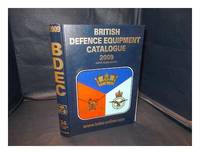
2009rif. 338033Farnborough : Published by authority of the Ministry of Defence Defence Sales Organisation by Combined Service PublicationsMerstham : BDEC 2009. 34th Edition. Hardcover. Near fine copy in the original gilt-blocked pictorial cloth. Slightest suggestion only of dust-dulling to the spine bands and panel edges. Remains particularly well-preserved overall; tight bright clean and strong. Physical description; vol. 34 only: 432 pages : ill. ; 31 cm. Notes; SIGNED by Richard Paniguian with a letter loosely inserted and signed by Robin Johnson. Subjects; Armies Great Britain Equipment ; Catalogs. Farnborough : Published by authority of the Ministry of Defence (Defence Sales Organisation) by Combined Service PublicationsMe hardcover
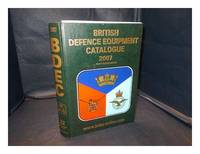
2007rif. 338036Farnborough : Published by authority of the Ministry of Defence Defence Sales Organisation by Combined Service PublicationsMerstham : BDEC 2007. 32th Edition. Hardcover. Near fine copy in the original gilt-blocked pictorial cloth. Slightest suggestion only of dust-dulling to the spine bands and panel edges. Remains particularly well-preserved overall; tight bright clean and strong. Physical description; vol. 32 only: 455 pages : ill. ; 31 cm. Notes; SIGNED by Alan Garwood with a letter loosely inserted and signed by Robin Johnson. Subjects; Armies Great Britain Equipment ; Catalogs. Farnborough : Published by authority of the Ministry of Defence (Defence Sales Organisation) by Combined Service PublicationsMe hardcover
rif. 0364208643.Gpaperback. Good. Access codes and supplements are not guaranteed with used items. May be an ex-library book. paperback
198832 tables, 2 charts, gilt lettering to spine. Light bump to corners of boards, text is clean, bright and tight throughout. Clean Copy
1987No marks or inscriptions. No creasing to covers or to spine. A very clean crisp tight copy with bright unmarked boards and no bumping to corners. Price clipped dust jacket not torn with light indenting and faint creasing to upper edge. Index plus 203pp. A suberbly illustrated book which celebrates the history of the 'horseless carriage' in Lord Montagu's inimitable style. With a splendid array of posters, paintings and photographs plus engaging anecdotes and text.
1930London, Sport and sportsmen vers 1930. Grand in-4 pleine reliure éditeur bordeaux, titre doré sur le plat et le dos. Tranches dorées. 538 pages illustrées. Edition limité à 1000 exemplaires celui ci n° 627. Bel exemplaire.
1930rif. 34416Sport and sportsmen London, Sport and sportsmen vers 1930. Grand in-4 pleine reliure éditeur bordeaux, titre doré sur le plat et le dos. Tranches dorées. 538 pages illustrées. Edition limité à 1000 exemplaires celui ci n° 627. Bel exemplaire.
rif. 33439773like new. unknown
rif. 33439773-nnew. unknown
rif. 0331724693.Ghardcover. Good. Access codes and supplements are not guaranteed with used items. May be an ex-library book. hardcover
rif. 1334428751.Gpaperback. Good. Access codes and supplements are not guaranteed with used items. May be an ex-library book. paperback
19471st edition. VG hbk in blue cloth, gilt. Pages browning.15537. eng
19478vo., First Edition, page-edges browning as usual; original series binding of red boards lettered in black, a good, clean copy.