13 842 résultats
1902pp. (4), 120. 8 vo. 240 mm. XLib. Original full cloth binding. Manuscript in pencil on front pastedown: 'Compliments of Joseph Moreland, Sept. 15. 1908.' Morland wrote the 50 p. section 'Pioneer History, Tales, Legends, and Jokes'. The breezy style in this part makes this history most interesting, as well as informative. Scarce. OVERSIZE 5/6 / YORK HS
1977In-8° (cm. 21,2x14,9), pp. (2), 131 con una riprod. b.n. e 2 fac-simile. 1. Eleonora Vincenti. La "quête" di Sant'ALESSIO. 36 pagine sulla leggenda del principe mendicante in Siria "Mar Riscia" e i suoi sviluppi in varie versioni, incunaboli, canti ecc. 2. Concetto S. Del Popolo. Storie e "storia" del VENERDì. (12 pagine sulle tradizioni pololari del venerdì). 3. Bice Mortara Garavelli. Testo del MANOSCRITTO INEDITO "mnss. 212" della Bibl. Civica di Alessandria e commento filologico (26 pagine). 4. Claudio Marazzini. sulle "FIGURINE" di FALDELLA (18 pagine). 5. Elisabetta Soletti. sulle CANZONI in PIEMONTESE sulla Grande Guerra apparse in fogli volanti. (18 pagine) 6. Pier Marco Bertinetto sul non fortuito incontro di LUZI con RONSARD (15 pagine). Censito in 10 bibl.
1963BILINGUAL EDITION HEBREW-ENGLISH. Contains illustrations taken from the book "Jewish ceremonies", published in Nuremberg in 1734. 20x28.5 cm. Not paginated. Hardcover. Yellowing cover, slightly stained. Cover edges and corners rubbed. Pen writing on the first page - no damage to text. Dry glue residue on rear inner cover. Else in good condition.
196519.5x27 cm. 166 pages. Hardcover in dust jacket. Stamp on title page. Else in good condition.
1968pp. vii, 70. Illustrated with photographs and drawings. Tall 8vo. Original pictorial wraps. PA PAMPH 20_15 BX5
1966réf. 33150Don Mills, ON Longmans Canada 1966 In-4 bien illustré, quelques planches couleurs, 112p. Cartonnage de l'éditeur, toile (sans la jaquette).
2013réf. 1220Unknown 2013. Paperback. Acceptable. No dustjacket as issued. Cover has wear in the lower right front corner and a long slight crease lengthwise along the left side. Eight consecutive pages have a crease in lower right corner. Gift inscription on inside front cover. It appears that the front endpaper and title page are missing because the first page is number three Table of Contents. Possible production error because it does not appear that they were removed. Unknown paperback
1866575p. 8vo. Original full brown cloth binding. Slight foxing on first few leaves. Text on four pages stained by newspaper clippings. Includes chapters on Continental, English, Scottish, Linlithgowshire , Fife and Stirlingshire, Tweed-dale and Clydesdale, and Border Gypsies; as well as chapters on Marriage and Divorce Ceremonies, Language, and the Present Condition and Number of the Gipsies in Scotland. **PRICE JUST REDUCED! GYPSY 2
1971Stockholm, 1971-85. 8vo. Illustrated.
1971réf. 13809Stockholm, 1971-85. 8vo. Illustrated.
1920réf. GIT012bcNîmes Imprimerie malachanne 1920. In-12 broché 98pp. Manques en bordure de la couverture.
2019ill., br. Uno, nessuno e centomila Gianduja. La storia del burattino simbolo del Piemonte è talmente vasta e variegata da meritare un libro che la affronti analizzandola sotto tutti i punti di vista. Il lettore potrà scoprire chi furono gli inventori di Gianduja - dei quali si forniscono forse per la prima volta degli spunti biografici precisi e documentati - e si sorprenderà della complessità degli spettacoli che lo videro protagonista. Immagini d'epoca delle Giandujeidi e dei carnevali ottocenteschi permetteranno di "immergersi" in una Torino molto, molto diversa da quella odierna. Ed oggi? Gianduja vive ancora nell'arte di marionettisti e burattinai che, intervistati dall'autore, narreranno il loro particolarissimo mondo. Per concludere con la realtà delle associazioni, la Famija Turinèisa e l'Associassion Piemontèisa che mantengono viva l'immagine del Gianduja simbolo di Torino; in modo particolare, questo volume ha il pregio di contenere l'autobiografia di Andrea Flamini, per oltre mezzo secolo il Gianduja dell'Associassion, dettata all'autore con il desiderio di vederla, prima o poi, pubblicata.
réf. 125182aafCahiers du Musée Gruérien, 2013, gr. in-8vo, 224 p., richement ill. par des photographies de Mélanie Rouiller et Nadja Kilchhofer, brochure originale.
1968réf. 18077Nanteuil-lès-Meaux, Chez l'auteur, s.d. (1968), in-4°, 84 pp, 19 pages de croquis, texte dactylographié, dos toilé muet
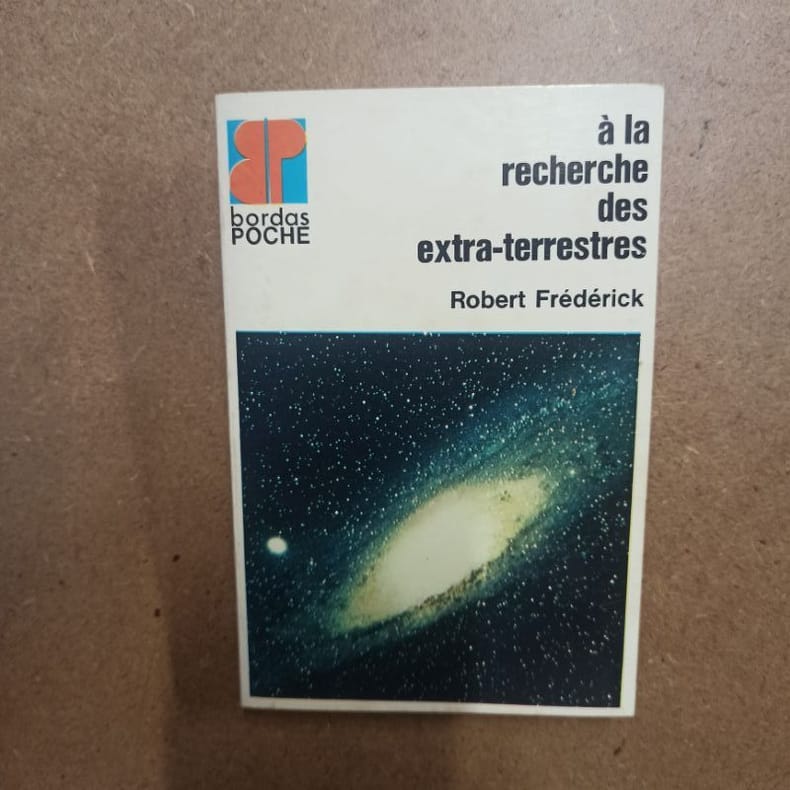
1973réf. 5611973 - broché - Editions Bordas - Collection Bordas Poche, N° 3 - 1973 - In-12 (16,5 x 11 cm) broché - 126 pages - Illustrations et photographies principalement en noir et blanc
réf. c6578Paris, La Connaissance, 1959 ; in-8°, broché, couverture rempliée de papier couché blanc, titre en boir et bleu ; 47pp., ( 15)pp.
2016br. Vernacolo e linguaggio livornese, lo spirito caustico che caratterizza una città aperta al mondo, quando molte altre erano chiuse nel loro particulare medievale. Il significato e l'origine di parole come traccheggiare, che nel 600 indicava una precisa manovra navale o di battipotta chiarissimo e significativo. La storia di termini come torta, cinque e cinque, ponce, ormai conosciuti ben al di là della città, senza dimenticare gli scagliozzi e i frati. L'Unghero, prima moneta livornese fatta coniare nel XVII° secolo dal Granduca con la scritta Diversis Gentibus Una, anticipazione più che europea. Le Terme del Corallo, "Acque della Salute" che meritarono alla città l'appellativo di Montecatini al mare. Questo e tanto altro in questa raccolta di Saffioti, livornese di foravìa.
1914In 16 gr, pp.(8) + 298. Con dedica autografa dell'autore alla sguardia: ...e cosi', carissimo Enrico Del Re, mio secondo maestro di tic-tac, si passa la vita, alternando al gioco...il gioco. Con 8 fot. in b/n f. t. Br. ed. ill. Testo brunito. Ediz. originale
1847réf. 000110London: Longman. Brown Green & Longmans 1847. First Edition. . Hardcover. See Description. 2 volumes. Vol. I. pp. viii xxxviii 2 391 1. Vol. II. pp. 4 vii 1 xxii 2 447 1. Frontispiece in each volume. Wood engravings by F.W. Fairholt. Green cloth with gilt front cover image of Medieval knights. Some shelf wear and rubbing. Hinges and corner tips carefully repaired. Inner joints strengthened. Name and date 1858 written in an old hand on front fly leaf of each volume. Some foxing to frontispieces and title pages. Occasional mild marginal soiling on several pages. Otherwise a generally clean copy. An excellent source book of Robin Hood lore. Volume I contains J.M. Gutch's biography of Robin Hood; a printing of the Middle English ballad "The Lytell Geste of Robin Hode" accompanied by a modern English version; W. Hone's "Dissertation upon the Morris Dance and Maid Marian" taken from his "Year Book"; Francis Douce's "A Dissertation on the ancient English Morris Dance" from his "Illustrations of Shakspeare"; "The Lament of Simon de Montfort" in Anglo-Norman French with a translation by Sir Walter Scott; "Life of Robin Hood" - taken from Sloane MS No. 715 - an early biographical sketch of Robin Hood. Volume II contains a collection of many other ballads songs and poems about Robin Hood; "Musical Illustrations of the Robin Hood Ballads" edited by E.F. Rimbault. Lowndes p.2108; CBEL I p.272. Longman. Brown, Green, & Longmans hardcover
Album in 4° oblungo (31,2x23,6), pp. 220 impresse solo recto, totalmente illustrati con 785 figure (di cui 129 a colori) di oggetti ceramiche legni mobili case interni ricami costumi arredi tessuti legature arnesi; moduli ornamentali, alfabeto, stampi, calchi ecc. ecc. dell'ARTE POPOLARE UNGHERESE. Rari testi introduttivi delle varie sezioni, puntuali didascalie illustrano stili e usi. Tela originale, grande ornamento oro al piatto (sbiadito il tit. oro al ds.; gora al piatto ant.; lievissime tracce di gora agli estremi margini inferiori, ma ricco e bell'esemplare.
1921La Domenica del Corriere del 27/11/1921
2014brossura "Fa minga la figüra del cicculatée", "Lasal in dal so broeud", "El dorma da la quarta", "Tutt a 'n bott": ormai non capita quasi più neanche in campagna di sentire queste belle espressioni dialettali. Poche parole e una grande efficacia comunicativa: "Sun mezz in gèsa" per dire che uno non stava tanto bene, mentre a mettere pace quando moglie e marito avevano avuto da discutere tutto il giorno arrivava "l'avucatt Cuerta". L'autore, che per il dialetto prova infinite emozioni, ci accompagna in un nuovo viaggio fra i pensionati del "canton di ball" che ci raccontano storie, aneddoti e tradizioni popolari della cultura meneghina che si vanno perdendo.
1982240x210 mm. 119 pages. Softcover. Cover slightly wrinkled. Cover corners slightly worn. Sticker remains on rear cover. Pages yellowing. Else in good condition.
2010réf. 36752Oxford University Press. Very Good in Very Good dust jacket. Hardcover. Some pencilling. DJ has some creasing along upper edge. DJ spine sunned.; 9.3 X 1.2 X 6.5 inches; 224 pages . 2010. 0195339363 . Oxford University Press hardcover
1925pp. vi, 36, (1)[Publisher's catalogue]. Uncut. Endpapers age stained. Small 8vo. Original full paper binding. Hardbound. First Edition. Very Good plus. James Stephens (1882-1950) was left fatherless in the Dublin slums at the age of two. His mother remarried or took up with another man when James was about six years of age. She abandoned her young son and he was forced to go to the Meath Protestant Industrial School for Boys. The Meath School was cruel and harsh and he ran away to live in the streets or live with families that took to the likely boy. In 1905 'The Greatest Miracle' was published by Arthur Griffith in The United Irishman. Griffith became good friends with Stephens and published his works in his magazine know as the Sinn Fein. From 1905-1910, Stephens attended Gaelic League classes and become involved with political meetings. During this time he published several pieces which focused on Irish national pride, the importance of learning one's Irish language and customs, and remembering the ancient saga heroes. Stephens met many of his great contemporaries during this period including George Russell (AE), George Moore, W.B. Yeats, Lady Gregory, etc. In the year 1912, Stephens published The Charwoman's Daughter and later in the same year his noted work The Crock of Gold. The Crock of Gold was a great success and Stephens moved to Paris so he could concentrate on writing full time. Cynthia Kavanagh who had been his lover since 1907 accompanied him. He later married her in 1919. The Demi-Gods was published in 1914 and in 1915 he moved back to Dublin to become the Registrar of the National Gallery of Ireland (and stayed in that position till 1924). Stephens witnessed the shooting of a man as a result of the Easter Uprising in Dublin in 1916. This became a turning point for him as the event intensified his patriotic feelings and renewed his interest in old Irish literature. Stephens moved to London in the year 1925. He began a series of lecture tours which extended to the United States. In 1935 Stephens began a literary and personal friendship with James Joyce. His colleagues considered Stephens to be a genius who easily embraced fantasy, philosophy, and comedy - those who read him today will still be struck by his genius. **PRICE JUST REDUCED! STEPHENS/W77