1042 risultati
2002rif. LFA-126718393Un ouvrage de 141 pages, format 150 x 210 mm, illustré, relié cartonnage couleurs, publié en 2002, Editions de Vecchi, bon état
rif. 33740Tours, Association pour l'Université Libre Européenne, A.P.U.L.E., 1990 15 x 21, 60 pp., broché, très bon état.
1960rif. FRM001C031960 / 53 pages. Broché. Editions Union Latine
1976rif. LFA-126721336Un ouvrage de 318 pages, format 110 x 180 mm, broché, publié en 1976, Bernard Grasset, collection "10.18", bon état
1992rif. LFA-126723476Un ouvrage de 131 pages, format 175 x 240 mm, illustré, broché, publié en 1992, Editions De Vecchi, bon état
1934rif. LFA-126722837Un ouvrage de 302 pages, format 125 x 190 mm, broché, publié en 1934, Bernard Grasset, bon état
1941rif. LFA-126723477Un ouvrage de 87 pages, format 120 x 190 mm, broché, publié en 1941, Librairie Plon, bon état
rif. 1334208204.Gpaperback. Good. Access codes and supplements are not guaranteed with used items. May be an ex-library book. paperback
rif. 1149778717.Gpaperback. Good. Access codes and supplements are not guaranteed with used items. May be an ex-library book. paperback
1958rif. 20212Paris, Pierre Horay, 1958 ; petit in-8, broché ; 289, [3] pp., couverture rouge illustrée d'une gravure ancienne de scène de sabbat.
rif. 1020109467.Ghardcover. Good. Access codes and supplements are not guaranteed with used items. May be an ex-library book. hardcover
rif. 5500Printed at The Crown Press. Caxton Street Reading by Bradley & Son Ltd. 1933. Octavo 16 pages. In original cream wraps tied with blue ribbon and with the insignia of the Lodge printed on the front. Good if a little aged. Creased where folded in half. With the signatures of seven of the Lodge's members in pencil on front wrap Bob Bradley P. H. Crozier Herbert L. Hawkes and others. From the collection of the pamphlet's printer Robert W. Bradley who is listed among the Lodge's Officers as 'Organist' and who signs 'Bob Bradley'. Printed at The Crown Press. Caxton Street, Reading, by Bradley & Son, Ltd. [1933.] paperback
1999rif. 62607Augsburg : Pattloch 1999. 463 S. : Ill. ; 24 cm, mit Schutzumschlag Pp., gebundene Ausgabe, Hardcover/Pappeinband
rif. LFA-126720078Un ouvrage de 96 pages, format 220 x 280 mm, illustré, relié cartonnage sous jaquette couleurs, s.d., Ch. Massin Editeur, bon état
2015rif. Gyan-9789333472333Facsimile Publisher 2015. Vol. 10. Paperback. New. 24.13 x 17.78 x 2.324 cm. English Facsimile Publisher paperback
2015rif. Gyan-9789333685627Facsimile Publisher 2015. Vol. 10. Hardcover. New. 25.13 x 18.78 x 3.32 cm. English Facsimile Publisher hardcover
2015rif. Gyan-9789333472333Facsimile Publisher 2015. Vol. 10. Paperback. New. 24.13 x 17.78 x 2.324 cm. English Facsimile Publisher paperback
2015rif. Gyan-9789333685627Facsimile Publisher 2015. Vol. 10. Hardcover. New. 25.13 x 18.78 x 3.32 cm. English Facsimile Publisher hardcover
1901rif. 14974Paris, Bibliothèque Chacornac (La-Roche-sur-Yon, Petite Imprimerie Vendéenne), 1901 ; in-8, broché ; (4), VII, (1 bl.), 267 pp., (4) pp. de table et imprimeur, couverture beige clair rempliée, dessinée par Alexandre Séon et imprimée en violet.
rif. 0265216168.Gpaperback. Good. Access codes and supplements are not guaranteed with used items. May be an ex-library book. paperback
rif. 0331230658.Ghardcover. Good. Access codes and supplements are not guaranteed with used items. May be an ex-library book. hardcover
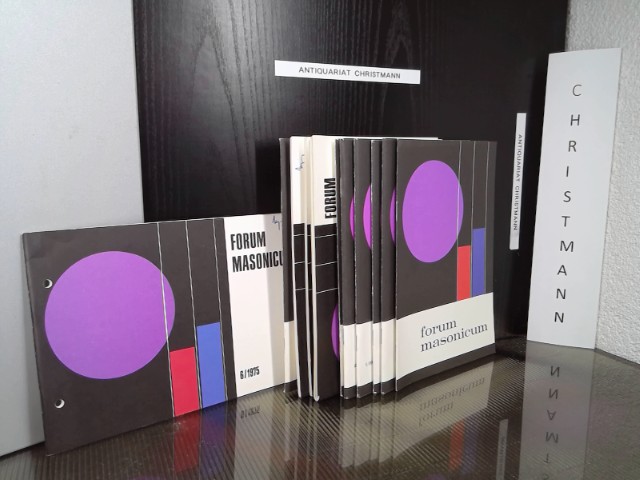
rif. 44869Celle. 15 Hefte, einige Hefte gelocht, sonst Exemplar in gutem Erhaltungszustand
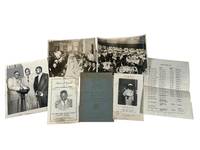
1969rif. 214941969. African American Fraternal Organizations Prince Hall Freemasonry Archive documenting Prince Hall Freemasonry and African American fraternal life from the 1940s through the 1990s illustrating the role of Black Masonic organizations as enduring centers of fellowship leadership mutual support and community organization. Spanning approximately five decades and including material from Pennsylvania Louisiana and Illinois the collection traces Prince Hall activities from formal lodge banquets and Grand Lodge meetings to membership records and the funerary traditions surrounding members of the broader Masonic community. Archive of 7 pieces including three approximately 8.5 x 11 inch press photographs dating from the 1940s through the 1960s a 1969 Golden Star Lodge No. 143 yearbook two 1993 funeral programs and a birthday roster containing members' names and contact information. Together the material provides a cross-section of the institutional and social life sustained by African American fraternal organizations during the mid- and late twentieth century. A 1946 photograph records a large gathering of Pittsburgh's Golden Shield Lodge No. 69. Black lodge members and their female guests fill two long banquet tables beneath a prominent "Golden Shield Lodge No. 69" banner. The image provides a striking visual record of the lodge as a social institution extending beyond formal Masonic ritual into the wider community of members spouses families and guests. A 1969 photograph taken at the annual workshop of the M.W. Prince Hall Grand Lodge of Louisiana in New Orleans shows three African American Masons in suits conferring during the proceedings. They are identified on the verso as W.S. Finister Jr. Rufus Mayfield and Richard Turnley. The photograph documents the administrative and leadership structure of Prince Hall Masonry and the organized exchange between members that helped sustain its network of local lodges. Also included is the 1969 yearbook of Golden Star Lodge No. 143 of Pittsburgh Pennsylvania. Its cover bears the Masonic square and compass and records the lodge's meeting place at 143 Orr Street in Pittsburgh. The volume contains membership information meeting schedules guiding principles and tributes to past Worshipful Masters and other members documenting the importance placed upon institutional continuity leadership and collective memory within Black Freemasonry. Two funeral programs from 1993 illustrate the close relationship between African American fraternal religious and community life. A "Home Going Service" for Sister Mattie White was held at Central Baptist Church in Pittsburgh under the direction of Dr. Isaac Green and includes a portrait of White dressed in white. Her identification as "Sister" may indicate participation in a Masonic-affiliated women's organization although a specific affiliation cannot be established from the program alone. A "Service of Triumph" for John Columbus Coger held at New Hope Temple Baptist Church in Philadelphia similarly preserves the dignified commemorative traditions through which African American communities memorialized their members. A September birthday roster listing individuals' names addresses and telephone numbers further documents the interpersonal networks maintained through such organizations. Although utilitarian in purpose records of this kind provide unusually direct evidence of the everyday social infrastructure underlying fraternal organizations: the personal connections through which members maintained relationships beyond formal meetings and ceremonies. Prince Hall Freemasonry developed from the efforts of Prince Hall and other free Black men in eighteenth-century Massachusetts who sought participation in a Masonic tradition from which African Americans were largely excluded. African Lodge No. 459 received its charter from the Premier Grand Lodge of England in 1784 establishing the institutional foundation from which Prince Hall Freemasonry developed. Over subsequent generations its lodges became important institutions within African American communities fostering networks of fellowship mutual assistance civic engagement and leadership at a time when racial segregation excluded Black Americans from many white civic and fraternal organizations. Spanning the 1940s through the 1990s the present archive demonstrates the continuity of those networks across the transformations of the Civil Rights and post-Civil Rights eras. The photographs lodge publication membership material and funeral programs document Prince Hall Freemasonry not simply as a ceremonial organization but as part of a broader infrastructure of Black civic and community life connecting fraternal affiliation with social gatherings institutional leadership churches families and remembrance. Minor edge wear and age-related handling. Photographs retain original editorial markings in margins and on versos. Overall very good condition. unknown books
1958rif. 214081958. Archive of Prince Hall Freemasonry souvenir programs documenting African American fraternal organization networks and civic leadership in Portland Oregon during the mid- to late twentieth century. The material consists of official annual communication programs issued by the Most Worshipful Prince Hall Grand Lodge of Oregon documenting Black fraternal governance mutual aid ceremonial leadership and community organization through structured leadership hierarchies public ceremonies youth initiatives scholarship programs and affiliated women's organizations. The archive provides evidence for the study of African American civic institutions in the Pacific Northwest particularly within Oregon where exclusionary racial laws and a comparatively small Black population historically limited the development of Black organizational infrastructure. Archive consists of three illustrated souvenir programs issued by the Most Worshipful Prince Hall Grand Lodge of Portland Oregon in 1958 1973 and 1977. Programs measure between approximately 6 x 9 inches and 8.5 x 11 inches and range from 44 to 73 pages. Staple-bound in illustrated wrappers each volume contains numerous black-and-white photographic portraits of lodge officers affiliated members and organizational leadership. The programs document annual communications in which Masonic leadership convened to establish organizational priorities and reaffirm community initiatives. Several full-page portraits depict high-ranking officials in formal Masonic regalia including William B. Odom Jr. identified as "Most Worshipful Grand Master of Masons of the Most Worshipful Prince Hall Grand Lodge of Oregon F. & A.M. Inc." Additional material includes photographs and addresses by Thomas R. Vickers whose remarks in the 1977 program emphasize anti-crime efforts youth mentorship scholarship support and civic engagement. One section is devoted to Grand Worthy Matron Lenora E. Gaskin pictured wearing an embroidered ceremonial sash over formal attire documenting the role of women's auxiliary leadership within Prince Hall organizational structures. The 1977 cover prominently features themes including "Community Involvement" "Youth Civic Affairs" "Education" and "Family" underscoring the lodge's broader social mission beyond ritual practice. No copies located in OCLC at the time of cataloging. Founded in 1784 Prince Hall Freemasonry became one of the most significant African American fraternal systems in the United States fostering leadership networks educational initiatives mutual aid structures and civic engagement during periods of racial exclusion from mainstream white institutions. These Oregon programs document the continuity of Black institutional life in a state historically shaped by exclusionary racial legislation and limited African American migration patterns. The archive documents Prince Hall lodges as centers of community leadership youth development and social responsibility within Black civic life during the postwar and post-Civil Rights eras. Minor foxing and light fading to covers occasional edgewear and curled corner to the 1977 program; bindings remain secure and interiors clean. Overall very good condition. Documentary record of African American fraternal organization and community leadership in the Pacific Northwest. unknown books
1969rif. 214941969. African American Fraternal Organizations Prince Hall Freemasonry Archive documenting Prince Hall Freemasonry and African American fraternal life from the 1940s through the 1990s illustrating the role of Black Masonic organizations as enduring centers of fellowship leadership mutual support and community organization. Spanning approximately five decades and including material from Pennsylvania Louisiana and Illinois the collection traces Prince Hall activities from formal lodge banquets and Grand Lodge meetings to membership records and the funerary traditions surrounding members of the broader Masonic community. Archive of 7 pieces including three approximately 8.5 x 11 inch press photographs dating from the 1940s through the 1960s a 1969 Golden Star Lodge No. 143 yearbook two 1993 funeral programs and a birthday roster containing members' names and contact information. Together the material provides a cross-section of the institutional and social life sustained by African American fraternal organizations during the mid- and late twentieth century. A 1946 photograph records a large gathering of Pittsburgh's Golden Shield Lodge No. 69. Black lodge members and their female guests fill two long banquet tables beneath a prominent "Golden Shield Lodge No. 69" banner. The image provides a striking visual record of the lodge as a social institution extending beyond formal Masonic ritual into the wider community of members spouses families and guests. A 1969 photograph taken at the annual workshop of the M.W. Prince Hall Grand Lodge of Louisiana in New Orleans shows three African American Masons in suits conferring during the proceedings. They are identified on the verso as W.S. Finister Jr. Rufus Mayfield and Richard Turnley. The photograph documents the administrative and leadership structure of Prince Hall Masonry and the organized exchange between members that helped sustain its network of local lodges. Also included is the 1969 yearbook of Golden Star Lodge No. 143 of Pittsburgh Pennsylvania. Its cover bears the Masonic square and compass and records the lodge's meeting place at 143 Orr Street in Pittsburgh. The volume contains membership information meeting schedules guiding principles and tributes to past Worshipful Masters and other members documenting the importance placed upon institutional continuity leadership and collective memory within Black Freemasonry. Two funeral programs from 1993 illustrate the close relationship between African American fraternal religious and community life. A "Home Going Service" for Sister Mattie White was held at Central Baptist Church in Pittsburgh under the direction of Dr. Isaac Green and includes a portrait of White dressed in white. Her identification as "Sister" may indicate participation in a Masonic-affiliated women's organization although a specific affiliation cannot be established from the program alone. A "Service of Triumph" for John Columbus Coger held at New Hope Temple Baptist Church in Philadelphia similarly preserves the dignified commemorative traditions through which African American communities memorialized their members. A September birthday roster listing individuals' names addresses and telephone numbers further documents the interpersonal networks maintained through such organizations. Although utilitarian in purpose records of this kind provide unusually direct evidence of the everyday social infrastructure underlying fraternal organizations: the personal connections through which members maintained relationships beyond formal meetings and ceremonies. Prince Hall Freemasonry developed from the efforts of Prince Hall and other free Black men in eighteenth-century Massachusetts who sought participation in a Masonic tradition from which African Americans were largely excluded. African Lodge No. 459 received its charter from the Premier Grand Lodge of England in 1784 establishing the institutional foundation from which Prince Hall Freemasonry developed. Over subsequent generations its lodges became important institutions within African American communities fostering networks of fellowship mutual assistance civic engagement and leadership at a time when racial segregation excluded Black Americans from many white civic and fraternal organizations. Spanning the 1940s through the 1990s the present archive demonstrates the continuity of those networks across the transformations of the Civil Rights and post-Civil Rights eras. The photographs lodge publication membership material and funeral programs document Prince Hall Freemasonry not simply as a ceremonial organization but as part of a broader infrastructure of Black civic and community life connecting fraternal affiliation with social gatherings institutional leadership churches families and remembrance. Minor edge wear and age-related handling. Photographs retain original editorial markings in margins and on versos. Overall very good condition. unknown