Rosenkreuzer-Gemeinschaft [Hrsg.] und Georg VollmerAntiquariat.de
1720 resultados
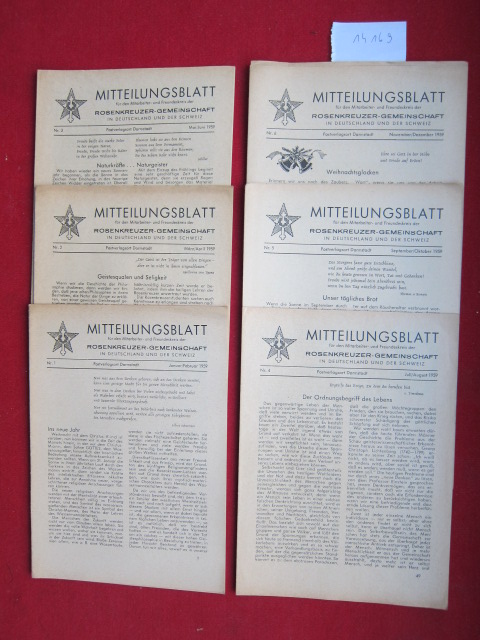
1959ref. 14196Darmstadt : Selbstverlag, 1959. 96 S. ; 8°, gefaltet
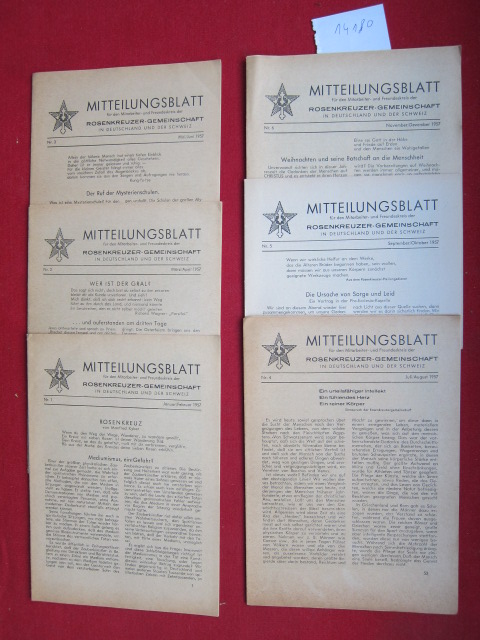
1957ref. 14180Düsseldorf : Selbstverlag, 1957. 100 S. ; 8°, broschur, geheftet
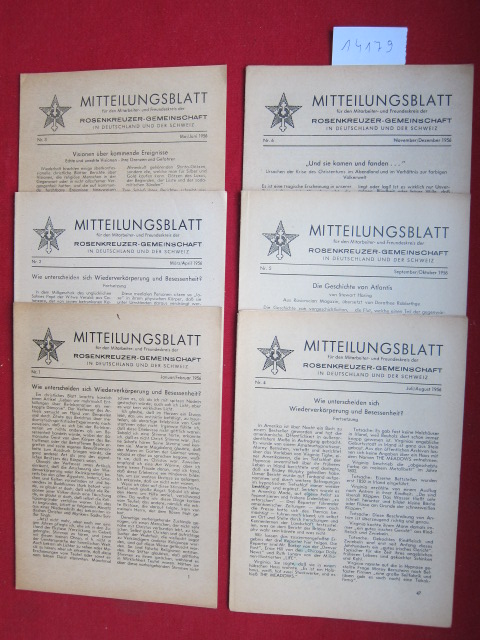
1956ref. 14179Düsseldorf : Selbstverlag, 1956. 98 S. ; 8°, broschur, geheftet
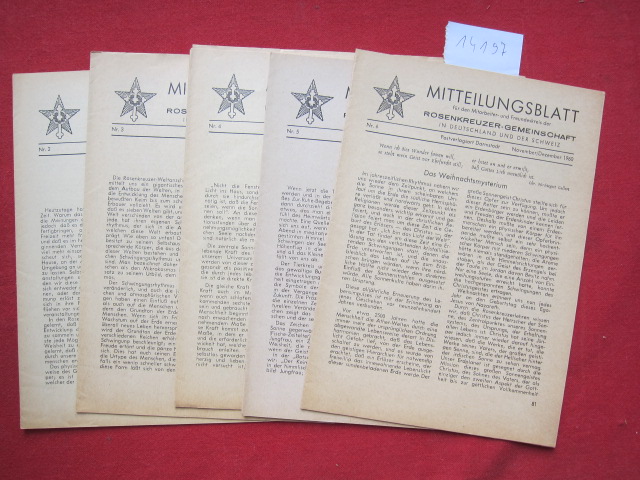
1960ref. 14197Darmstadt : Selbstverlag, 1960. S. 17 - 96; 8°, broschur,
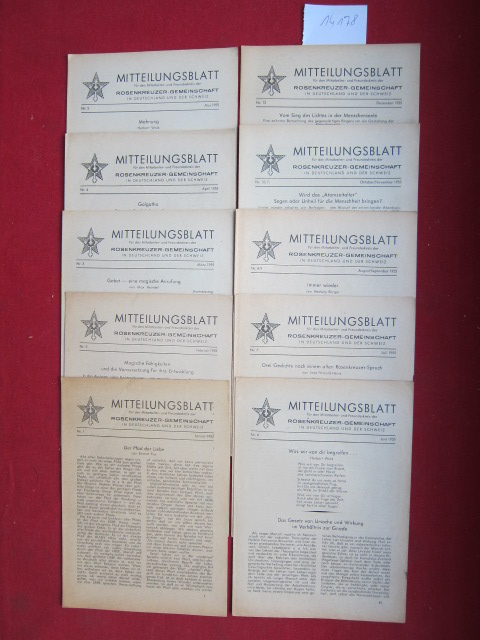
1955ref. 14178Düsseldorf : Selbstverlag, 1955. 100 S. ; 8°, broschur, geheftet
2020br.
2015br. Partendo dall'evoluzione della Terra e dai rapporti dell'uomo con il cosmo, si giunge a esaminare la separazione dei sessi, il mito di Osiride e di Iside, l'essenza dell'iniziazione egizia, l'impulso del Cristo al superamento della materia.
ref. 29991o.J. S. 71 12° , Broschur , Schönes Exemplar
1917ref. 3295Paris, Publications Théosophiques (Bibliothèque Théososphique), 1917 ; in-12, broché ; (2) ff., 173 pp., (1) f. et couverture jaune paille imprimée.
2014ill., br. Le "scuole steineriane", oggi piuttosto diffuse in Italia, hanno fatto sì che il nome di Rudolf Steiner sia conosciuto quasi universalmente; non sempre, però, si ha l'occasione di conoscere la ricchezza multiforme del suo pensiero, un pensiero "totale" che si estende dalla biologia all'antropologia, dalla religione all'estetica, dalla letteratura alla musica, dall'architettura all'agricoltura, con l'ambizione di aiutare l'umanità a entrare in un'era di maggiore consapevolezza. Ma il pensiero di Steiner è anche una chiave formidabile per conoscere meglio i fermenti e le contraddizioni della cultura mitteleuropea nella prima metà del Novecento. Le sei conferenze raccolte in questo volume offrono le coordinate fondamentali del pensiero steineriano e alcuni squarci tematici: una visione alternativa della teoria dell'evoluzione e del futuro della specie umana, le fasi della vita e le loro priorità, i quattro elementi dell'antica medicina galenica come base della morale, i principi di una nuova arte e architettura basate non sulla linea retta ma sulle forme organiche. Ciascuna conferenza è autonoma e tuttavia strettamente legata alle altre da alcune linee portanti che tracciano, per quanto possa apparire paradossale, i tratti di un "metodo dell'antroposofia". Postfazione di Cristiano Casalini.
2000br.
1965Presentazione di Ernesto Bratina. Ottimo esemplare. Brossura editoriale, pp. 24, in 16°
1943ref. 066399Theosohical University Press 1943. Book. Very Good. Hardcover. Some age toning to pages owner bookplate on fly price-clipped toned dust jacket in mylar. 251pp. Theosohical University Press Hardcover
1947ref. E706Graz, Selbstverlag, 1947. 8°, 55 S., kart, 2. Aufl. Gut erhaltene Broschur, Einband lichtrandig, eine Signaturschild mit Tesafilm aufgeklebt. Innen eine Visitenkarte unschön als Exlibris eingeklebt.
1958In 8°; 249, (5) pp. Brossura editoriale con sopraccoperta (piccola mancanza al margine alto della sopraccoperta). Prima edizione italiana di questa raccolta di meditazioni del grande mistico indiano. All'interno in buono stato di conservazione.
2005br. Questo libro, scritto da uno dei più noti medici antroposofici inglesi in collaborazione con un giornalista della Bbc, illustra scopi e potenzialità di una pratica che mira all'ampliamento dell'arte medica, considerando della malattia non solo gli aspetti fisico-sensibili, ma anche quelli spirituali, sovrasensibili. Con un linguaggio semplice e accessibile a tutti, chiarisce i principali concetti dell'antroposofia e presenta le basi teoriche e i numerosi rimedi usati dalla medicina antroposofica. Il libro, infine, fornisce suggerimenti per curare i disturbi più comuni e per approntare, a casa propria, una piccola farmacia antroposofica.
1970ref. 066335Theosophical Pub House 1970. Book. Fair. Hardcover. 2nd Edition. Book is warped from improper storage and does not lay flat slightly musty aroma 221pp. Edgewear to dust jacket which is now in protective mylar oversized. Theosophical Pub House Hardcover
2016br. "L'antroposofia è una via della conoscenza che vorrebbe condurre lo spirituale che è nell'uomo allo spirituale che è nell'universo. Sorge nell'uomo come un bisogno del cuore e del sentimento. Deve trovare la sua giustificazione nel fatto che essa è in grado di offrire a questo bisogno un soddisfacimento. Può riconoscere l'antroposofia solo chi trova in essa quel che egli deve cercare per una propria esigenza interiore. Possono perciò essere antroposofi soltanto quegli uomini che sentono certi problemi sull'essere dell'uomo e del mondo come una necessità vitale, come si sente fame e sete." Nelle lettere ai soci della Società Antroposofica e nelle massime pubblicate settimanalmente Rudolf Steiner ridà alla fine della sua vita il contenuto dell'antroposofia, con speciale accento sulla missione dell'arcangelo Michele.
2003DISPONIBILITÀ GARANTITA AL 99%; SPEDIZIONE ENTRO 12 ORE DALL'ORDINE. FONDO DI MAGAZZINO PARI AL NUOVO. LIEVI SEGNI DEL TEMPO. La profonda consapevolezza di un'unica fondazione metafisica e dell'umanità, che caratterizza l'intero percorso di Maria Adelaide Raschini, la guida ad attraversare il frammentarismo moderno e il nichilismo post-moderno, traendo frutto anche dalle loro laceranti divisioni interne. Il suo continuo dialogo con i protagonisti della filosofia - da Platone ad Agostino, da Tommaso a Rosmini e a Sciacca - condotto con rigore polemico e con dialettica serrata, include posizioni diverse in una superiore sintesi: non c'é infatti riflessione umana che vada dispersa così come non c'é pensiero che possa pretendersi conclusivo, perché "la storia non procede per negazioni ma per integrazioni positive" secondo lo spirito della filosofia di Rosmini dopo Nietzsche. The deep awareness of a single metaphysical Foundation and humanity, which characterizes the entire path of Marie-Adelaide Raschini, driving across the frammentarismo modern and postmodern nihilism, taking fruit from their lacerating internal divisions. Its continued dialogue with the protagonists of philosophy-from Plato to Augustine, from Thomas to Rosmini and Sciacca-conducted rigorously argumentative and with different positions includes a higher dialectic serrata summary: there is indeed human reflection that goes missing just as there is thought that may be required, because "the story does not proceed by negatives but for positive integration". Descrizione bibliografica Titolo: Maria Adelaide Raschini: l'intelligenza della carità. Lo spirito della filosofia di Rosmini dopo Nietzsche Autore: Roberto Rossi Editore: Venezia: Marsilio, Aprile 2003 Lunghezza: 156 pagine; 22 cm ISBN: 8831782584, 9788831782586 Collana: Volume 24 di Ricerche. Collana del Dipartimento di studi sulla storia del pensiero europeo "Michele Federico Sciacca," Università di Genova: Sezione "Saggi filosofici" Soggetti: Filosofia, Libri universitari, Umanistica, Dialettica e poiesi nel pensiero di Rosmini, Il principio dialettico, Teosofia, Progresso, Prospettive rosminiane, Critica, Pedagogia, Cultura, Responsabilità, Carità intellettuale, Alterità, Kant, Etica caritativa, Apologetica, Soggettivismo, Limitazione, Negazione, Laicismo, Coscienza, Verità, Carlo Michelstaedter, Illuminismo, Pensiero filosofico, Natura umana, Restaurazione, Morale, Risorgimento, Chiesa, Metafisica, Educazione, Vita cristiana, Cinque Piaghe, Teodicea, Massime, Perfezione cristiana, Beatificazione, Sant'Agostino, San Tommaso d'Aquino, Platone, Aristotele, Europa, Thomas Mann, Margherite Yourcenar, Nichilismo, Razionalità, Postmodernismo, Irrequietezza, Giovanni Gentile, Giovanni Paolo II, Cartesio, Kierkegaard, Leopardi, Benedetto Croce, Lutero, Socrate, Nietzsche, Pascal, Rousseau, Hegel, Lessing, Antipedagogia, Cultura europea, Psicologia, Voltaire, Libri Vintage Fuori catalogo, Meditazioni filosofiche, Philosophy, University Books, Humanities, Dialectics and Poiesis in Rosmini's Thought, The Dialectical Principle, Theosophy, Progress, Rosminian Perspectives, Criticism, Pedagogy, Culture, Responsibility, Intellectual Charity, Otherness, Charitable Ethics, Apologetics, Subjectivism, Limitation, Denial, Secularism, Consciousness, Truth, Enlightenment, Philosophical Thought, Human nature, Restoration, Moral, Church, Metaphysics, Education, Christian life, Five Wounds, Theodicy, Maxims, Christian perfection, Beatification, St. Augustine, St. Thomas Aquinas, Plato, Aristotle, Europe, Nihilism, Rationality, Postmodernism, Restlessness, John Paul II, Descartes, Luther, Socrates, Anti-pedagogy, European culture, Psychology, Out of print books, Philosophical meditations Parole e frasi comuni Aristotele assoluto astrazione capacità carità causa compimento comune concetto concezione condizione consapevole consapevolezza conseguenza coscienza costituisce critica cultura definisce essere dialettica differenza filosofia finito fondamento Hegel immanente Kant idea uomo legge libertà limite M. A. RASCHINI metafisica Michelstaedter molteplicità mondo morale motivo natura nega negazione Nietzsche ontologica opera parole Pedagogia antipedagogia pensare pensiero Platone politica portato positività possibile presente principio profonda progresso prospettiva radici ragione rapporto reale realtà relazione Responsabilità storica ricerca riflessione rispetto risposta risultato Rosmini rosminiana sapere scelta Sciacca scienza segno senso significa sintesi sistema soggetto spirito storia storica Studi superamento Teosofia termini testimonianza umana unità verità vero
1950(teosofia)[GIORDANO GIUSEPPE.]Manuale di Teosofia. Torino, Viglongo, 1950, in 16, 270 pp, cop. edit.cartoncino figurato. [Euro 14,00]
1930Roma, Soc. Teosofica Italiana, senza data, (1930 ?) cm. 17 x 11,6 brossura originale, pp. 160
2019The idea that clairvoyant observation is possible is no longer regarded as entirely insane. It is not generally accepted, nor indeed is it accepted to any large extent. A constantly growing minority, however, of fairly intelligent people believe clairvoyance to be a fact, and regard it as a perfectly natural power, which will become universal in the course of evolution. They do not regard it as a miraculous gift, nor as an outgrowth from high Spirituality, Lofty Intelligence, or Purity of character may any or all of these be manifested in a person who is not in the least clairvoyant. They know that it is a power latent in all men, and that it can be developed by anyone who is able and willing to pay the price demanded for its forcing, ahead of the general evolution. Annie Besant nee Wood was born on 1st October 1847 and was Died on 20th September 1933. In 1867 Annie at the age of 20 got married Frank Besant, a clergyman and they had two children. Annies increasingly anti religious views led to their legal septer just saw the source from which a universe proceeds is a manifested divine being to action in 1873. She then became a prominent speaker for the National Secular Society as well as a wrtier and a close friend of Charles Bradlaugh and in 1877 they were prosecuted for publishing a book by birth controler Campaigner. The scandel made them famous, and Bradlaugh was subsequently elected M.P. For Northampton in 1880. Thereafter she became involved with union action, including the bloody Sunday demonstration and the London match girls strike of 1898. She was a leading speaker for both the Fabian Society and the Marxist Social Democratic Federation. She was also elected to the London School Board for tower hamlets, topping the poll ,even though few women were qualified to vote at that time. She started the Central Hindu School in Benares as a chief means of achieving her objects. The Title 'Man: Whence, How and Whither: A Record of Clairvoyant Investigation written/authored/edited by Annie Besant, Charles Webster Leadbeater', published in the year 2019. The ISBN 9788121218900 is assigned to the Hardcover version of this title. This book has total of pp. 550 (Pages). The publisher of this title is Gyan Publishing House. This Book is in English. The subject of this book is Theosophy. Size of the book is 14.34 x 22.59 cms Vol:-
2019The idea that clairvoyant observation is possible is no longer regarded as entirely insane. It is not generally accepted, nor indeed is it accepted to any large extent. A constantly growing minority, however, of fairly intelligent people believe clairvoyance to be a fact, and regard it as a perfectly natural power, which will become universal in the course of evolution. They do not regard it as a miraculous gift, nor as an outgrowth from high Spirituality, Lofty Intelligence, or Purity of character may any or all of these be manifested in a person who is not in the least clairvoyant. They know that it is a power latent in all men, and that it can be developed by anyone who is able and willing to pay the price demanded for its forcing, ahead of the general evolution. Annie Besant nee Wood was born on 1st October 1847 and was Died on 20th September 1933. In 1867 Annie at the age of 20 got married Frank Besant, a clergyman and they had two children. Annies increasingly anti religious views led to their legal septer just saw the source from which a universe proceeds is a manifested divine being to action in 1873. She then became a prominent speaker for the National Secular Society as well as a wrtier and a close friend of Charles Bradlaugh and in 1877 they were prosecuted for publishing a book by birth controler Campaigner. The scandel made them famous, and Bradlaugh was subsequently elected M.P. For Northampton in 1880. Thereafter she became involved with union action, including the bloody Sunday demonstration and the London match girls strike of 1898. She was a leading speaker for both the Fabian Society and the Marxist Social Democratic Federation. She was also elected to the London School Board for tower hamlets, topping the poll ,even though few women were qualified to vote at that time. She started the Central Hindu School in Benares as a chief means of achieving her objects. The Title 'Man: Whence, How and Whither: A Record of Clairvoyant Investigation written/authored/edited by Annie Besant, Charles Webster Leadbeater', published in the year 2019. The ISBN 9788121218917 is assigned to the Paperback version of this title. This book has total of pp. 550 (Pages). The publisher of this title is Gyan Publishing House. This Book is in English. The subject of this book is Theosophy. Size of the book is 13.34 x 21.59 cms Vol:-
1913ref. 057186India: Theosophical Publishing House 1913. Book. Good. Hardcover. Owner name/address on fly mild age toning to pages with darker toning to endpapers. Publisher explanatory sheet tucked in.101pp. Scarce! No jacket. Theosophical Publishing House Hardcover