DEBUCOURT Philibert-LouisLivre Rare Book

116 résultats
1812réf. 56411812 Eau-forte et aquatinte 51 x 67 avec le cadre. Déposé à la Bibliothèque le 31 janvier 1812 par Bance. Aquatinte et eau-forte imprimée en deux tons noir et bleu dans les fonds et la neige. Cette pièce encadrée dans une large marge noire à l’aquatinte ne porte pas de titre. Fenaille n° 307 - 2è état (sur 2) Cadre de l’époque en pin marqueté de filets plus clairs. 51 x 67 avec le cadre. 1812
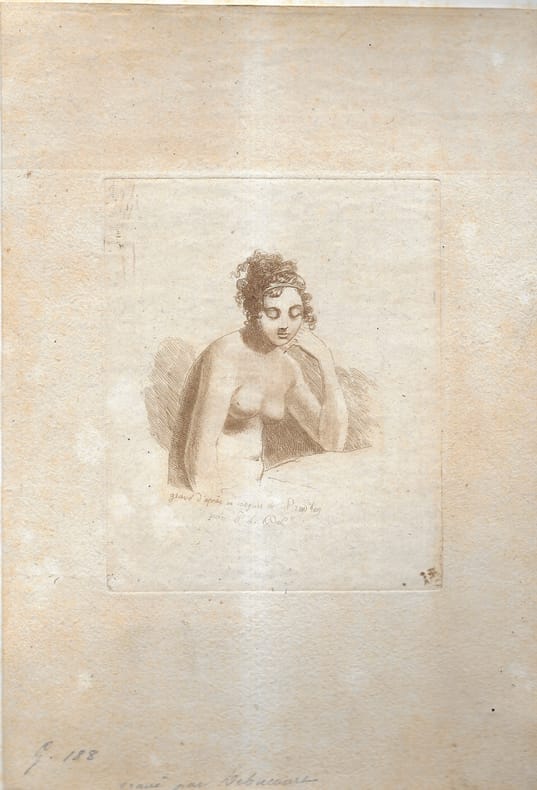
1800réf. 5652Gravé à l’eau-forte d’après un croquis de Prud’hon. Une jeune femme nue, baissant les yeux, coiffée en papillotes, est représentée à mi-corps, la joue appuyée sur sa main gauche. Signature en bas à la pointe. Eau-forte imprimée en bistre, décrite dans le catalogue de Prud’hon (n° 188, page 296) par E. et J. de Goncourt. Fenaille n° 132. Très belle épreuve, grande de marges ( 27,3 x 19,2). Rare. 14,4 x 11,8 Bon circa 1800
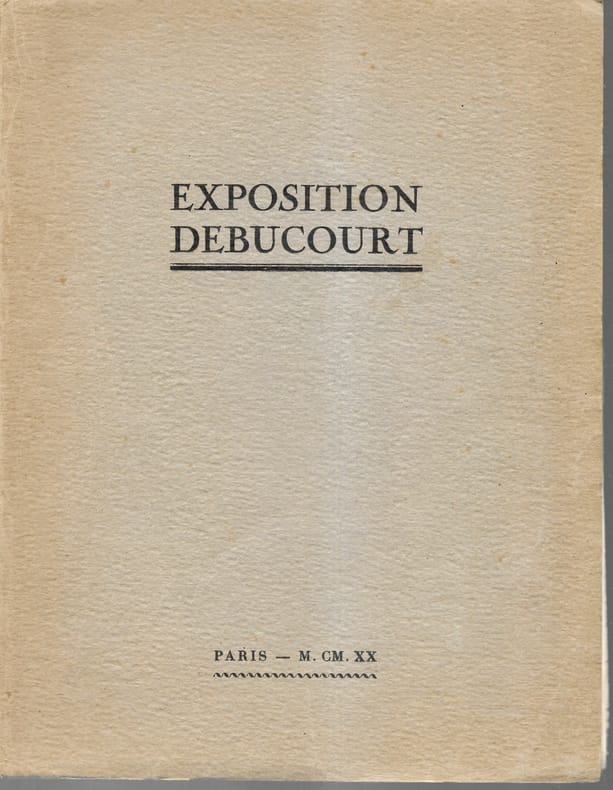
1920réf. 15002Catalogue des tableaux, dessins, gravures exposés au Musée des Arts Décoratifs du 11 juin au 11 juillet 1920. Pakais du Louvre. Important catalogue avec de nombreuses photos. Broché Très bon Paris 1920 1 plaquette In-4°
1987réf. RO90079779EDITIONS LIVRE DE POCHE N° 6414. 1987. In-8. Broché. Bon état, Couv. convenable, Dos satisfaisant, Intérieur frais. 255 pages.. . . . Classification Dewey : 840.091-XX ème siècle
1787réf. 015884Paris 1787. Early Printing . Single Sheet. Very Good. 25 1/2" x 18. Color Engraving. Laid Paper. Printed In Color Not With Later Coloring. Complete With Full Margins As Issued With Title In English And French Below The Image Which Is Approximately 21" X 11". This State Of The Plates Has The Third Large Female Figure From The Left In A Grey Dress With A Pink Waist. Philibert-Louis Debucourt 1755 - 1832 Was A French Painter And Engraver. Debucourt Was Born In Paris In 1755 And Became A Pupil Of Vien. He Executed A Few Plates In Mezzotint Such As The Heureuse Famille The Benediction De La Mariée And The Cruche Cassée After His Own Designs. Most Of His Work Was However In Aquatint. He Became The Leading Maker Of Multi-Plate Colour Prints Combining Washes Of Aquatint With Line-Engraving.2 He Used A Number Of Different Techniques But Most Involved Three Colour Plates And A Fourth Key Plate Outlining The Design In Black. Debucourt's Father-In-Law Was The Sculptor Louis-Philippe Mouchy. In The Marriage Contract Mouchy Generously Offered To Provide A Three-Room Apartment At The Louvre Where Debucourt Lived For Twelve And A Half Years. The Address Of This Apartment Is Often Given On His Prints. Some Of His Work Was Satirical Such As La Promenade Publique An Aquatint Of 1792 Showing A Crowd In The Gardens The Palais-Royal. As Well As Work From His Own Designs He Made Aquatints After Carle Vernet Including The Horse Frightened By A Lion The Horse Frightened By Lightning And The Strayed Huntsman. Debucourt Was Assisted For Some Years By His Pupil And Nephew Jean-Pierre-Marie Jazet. unknown
1805réf. 015891Paris: Louis-Philibert Debucourt 1805. Early Printing . Single Sheet. Very Good . 22 3/4" x 15. Color Engraving. A Fine Engraving By Debucourt. Laid Paper. Complete With Full Margins As Issued With Lettering Below "Desine Et Grave Par P. L. D. B.Rt / Les Courses Du Matin / Ou / La Porte Dun Riche / Depose A La Bib.Que Nat.Ale Ventose An 13 1805. " Image Is Approximately 18" X 11". Philibert-Louis Debucourt 1755 - 1832 Was A French Painter And Engraver. Debucourt Was Born In Paris In 1755 And Became A Pupil Of Vien. He Executed A Few Plates In Mezzotint Such As The Heureuse Famille The Benediction De La Mariée And The Cruche Cassée After His Own Designs. Most Of His Work Was However In Aquatint. He Became The Leading Maker Of Multi-Plate Colour Prints Combining Washes Of Aquatint With Line-Engraving.2 He Used A Number Of Different Techniques But Most Involved Three Colour Plates And A Fourth Key Plate Outlining The Design In Black. Debucourt's Father-In-Law Was The Sculptor Louis-Philippe Mouchy. In The Marriage Contract Mouchy Generously Offered To Provide A Three-Room Apartment At The Louvre Where Debucourt Lived For Twelve And A Half Years. The Address Of This Apartment Is Often Given On His Prints. Some Of His Work Was Satirical Such As La Promenade Publique An Aquatint Of 1792 Showing A Crowd In The Gardens The Palais-Royal. As Well As Work From His Own Designs He Made Aquatints After Carle Vernet Including The Horse Frightened By A Lion The Horse Frightened By Lightning And The Strayed Huntsman. Debucourt Was Assisted For Some Years By His Pupil And Nephew Jean-Pierre-Marie Jazet. Louis-Philibert Debucourt unknown
1787réf. 015962Paris: Louis-Philibert Deboucourt 1787. Early Printing . Single Sheet. Very Good . 18 1/2" x 12 3/4. Color Engraving. An Important Eighteenth Century Engraving One Of The First To Be Printed In Color By The Use Of Several Different Impressions Each Precisely Aligned. Laid Paper. Complete With Full Margins As Issued With Plate Mark 11" X 15" Overall Size 18 3/8" X 12 3/4". This State Of The Plates Has The Stone Beneath The Lamb Colored Blue With The Three Stones To The Right Colored Successively Brown Blue And Brown. Text Is "Peint Et Grave Par De Bucourt Peitre Du Roy 1727 Sic" To Left With Text At Center "Heur Et Malheur / Ou / La Cruce Cassee / A Paris Chez L'auteur Cour Du Louvre La 5Eme Porte Agauche En Entrant Par La Colonade Au 1Er." Plate Mark On All Four Sides With Adjustment Reference Marks. Philibert-Louis Debucourt 1755 - 1832 Was A French Painter And Engraver. Debucourt Was Born In Paris In 1755 And Became A Pupil Of Vien. He Executed A Few Plates In Mezzotint Such As The Heureuse Famille The Benediction De La Mariée And The Cruche Cassée After His Own Designs. Most Of His Work Was However In Aquatint. He Became The Leading Maker Of Multi-Plate Colour Prints Combining Washes Of Aquatint With Line-Engraving.2 He Used A Number Of Different Techniques But Most Involved Three Colour Plates And A Fourth Key Plate Outlining The Design In Black. Debucourt's Father-In-Law Was The Sculptor Louis-Philippe Mouchy. In The Marriage Contract Mouchy Generously Offered To Provide A Three-Room Apartment At The Louvre Where Debucourt Lived For Twelve And A Half Years. The Address Of This Apartment Is Often Given On His Prints. Some Of His Work Was Satirical Such As La Promenade Publique An Aquatint Of 1792 Showing A Crowd In The Gardens The Palais-Royal. As Well As Work From His Own Designs He Made Aquatints After Carle Vernet Including The Horse Frightened By A Lion The Horse Frightened By Lightning And The Strayed Huntsman. Debucourt Was Assisted For Some Years By His Pupil And Nephew Jean-Pierre-Marie Jazet. Louis-Philibert Deboucourt unknown
1787réf. 015885Paris 1787. Early Printing . Single Sheet. Very Good. 25 1/2" x 18. Color Engraving. Laid Paper. Printed In Color Not Colored Later. Complete With Full Margins As Issued With Title In English And French Below The Image Which Is Approximately 21" X 11". This State Of The Plates Has The Third Large Female Figure From The Left In A Greenish-Blue Dress With A Blue Waist. Philibert-Louis Debucourt 1755 - 1832 Was A French Painter And Engraver. Debucourt Was Born In Paris In 1755 And Became A Pupil Of Vien. He Executed A Few Plates In Mezzotint Such As The Heureuse Famille The Benediction De La Mariée And The Cruche Cassée After His Own Designs. Most Of His Work Was However In Aquatint. He Became The Leading Maker Of Multi-Plate Colour Prints Combining Washes Of Aquatint With Line-Engraving.2 He Used A Number Of Different Techniques But Most Involved Three Colour Plates And A Fourth Key Plate Outlining The Design In Black. Debucourt's Father-In-Law Was The Sculptor Louis-Philippe Mouchy. In The Marriage Contract Mouchy Generously Offered To Provide A Three-Room Apartment At The Louvre Where Debucourt Lived For Twelve And A Half Years. The Address Of This Apartment Is Often Given On His Prints. Some Of His Work Was Satirical Such As La Promenade Publique An Aquatint Of 1792 Showing A Crowd In The Gardens The Palais-Royal. As Well As Work From His Own Designs He Made Aquatints After Carle Vernet Including The Horse Frightened By A Lion The Horse Frightened By Lightning And The Strayed Huntsman. Debucourt Was Assisted For Some Years By His Pupil And Nephew Jean-Pierre-Marie Jazet. unknown
1787réf. 0159631787. Original Art Work . Single Sheet. Very Good . 18 1/2" x 12 3/4. Color Engraving. An Important Eighteenth Century Color Engraving One Of The First To Be Produced In Color By Plates. Laid Paper. Complete With Full Margins As Issued With Plate Mark 11" X 15". This State Of The Plates Has The Stone Beneath The Lamb Colored Brown With The Three Stones To The Right Colored Successively Blue Brown And Part Blue/Part Brown. Text Is "Peint Et Grave Par De Bucourt Peitre Du Roy 1727 Sic" To Left With Text At Center "Heur Et Malheur / Ou / La Cruce Cassee / A Paris Chez L'auteur Cour Du Louvre La 5Eme Porte Agauche En Entrant Par La Colonade Au 1Er." Plate Mark On All Four Sides With Adjustment Reference Marks. Philibert-Louis Debucourt 1755 - 1832 Was A French Painter And Engraver. Debucourt Was Born In Paris In 1755 And Became A Pupil Of Vien. He Executed A Few Plates In Mezzotint Such As The Heureuse Famille The Benediction De La Mariée And The Cruche Cassée After His Own Designs. Most Of His Work Was However In Aquatint. He Became The Leading Maker Of Multi-Plate Colour Prints Combining Washes Of Aquatint With Line-Engraving.2 He Used A Number Of Different Techniques But Most Involved Three Colour Plates And A Fourth Key Plate Outlining The Design In Black. Debucourt's Father-In-Law Was The Sculptor Louis-Philippe Mouchy. In The Marriage Contract Mouchy Generously Offered To Provide A Three-Room Apartment At The Louvre Where Debucourt Lived For Twelve And A Half Years. The Address Of This Apartment Is Often Given On His Prints. Some Of His Work Was Satirical Such As La Promenade Publique An Aquatint Of 1792 Showing A Crowd In The Gardens The Palais-Royal. As Well As Work From His Own Designs He Made Aquatints After Carle Vernet Including The Horse Frightened By A Lion The Horse Frightened By Lightning And The Strayed Huntsman. Debucourt Was Assisted For Some Years By His Pupil And Nephew Jean-Pierre-Marie Jazet. unknown
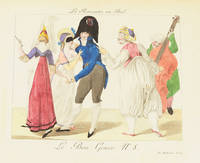
réf. 05714Paris: Chez l'Editeur 1827. Parisian Life in All Its Splendor and Absurdity One Hundred and Fifteen Superb Hand-Colored Plates Depicting the Fashions Foibles and Amusements of Post-Revolutionary Paris The Exceptionally Rare Complete Third Edition of Le Bon Genre BON GENRE LE. Observations sur les Modes et les Usages de Paris pour Servir d'Explication aux 115 Caricatures Publiées Sous le Titre de Bon Genre Depuis le Commencement du Dix-Neuvième Siècle. Paris: Chez l'Éditeur Pierre de la Mésangère 1827. Third edition containing 115 hand-colored plates eleven more than the first edition of 1817. Large folio 14 7/8 x 10 7/8 inches; 378 x 277 mm. 4 24 pp. of descriptive text. One hundred and fifteen finely engraved and beautifully hand-colored plates by Georges-Jacques Gatine after designs by various artists including George Dutailly François-Joseph Bosio Louis-Marie Lanté and Horace Vernet. Printed by Vassal et Essling. A duplicate of plate 16 loosely inserted. Some occasional light foxing principally confined to the blank margins the plates generally fresh and clean with excellent contemporary coloring. Contemporary half crimson straight-grain morocco over marbled boards smooth spine elaborately decorated and lettered in gilt. Some light wear to head and foot of spine. An excellent copy of one of the rarest and most delightful collections of early nineteenth-century French fashion and social caricature. An exceptionally rare complete copy of the third edition of Le Bon Genre one of the most important and entertaining pictorial records of Parisian society in the opening decades of the nineteenth century. With 115 superbly hand-colored plates depicting the fashions customs occupations recreations and social eccentricities of the emerging French bourgeoisie. First published in 1817 Le Bon Genre represents a remarkable development in the history of French illustrated books. At once a fashion portfolio a social panorama and an affectionate frequently mischievous satire of contemporary manners it offers an extraordinarily vivid picture of Parisian life during the years following the French Revolution and the Napoleonic era. Unlike conventional fashion publications whose principal purpose was to illustrate the latest modes of dress Le Bon Genre places its fashionable subjects within the social situations that gave their clothing meaning. Its elegant ladies and gentlemen attend parties exchange compliments promenade in public gardens flirt dance dine quarrel and indulge in an astonishing variety of amusements. The result is a wonderfully revealing portrait of a society in which fashion leisure and public display had become essential expressions of social identity. The series is particularly significant for its depiction of the expanding urban middle class. The upheavals of the Revolution and the subsequent transformations of French society had altered established distinctions of rank and privilege. Wealth fashionable appearance manners and participation in the social life of the capital increasingly provided alternative means of establishing status. Le Bon Genre captures this changing world with exceptional wit and delicacy. Its subjects include fashionable young women in the latest Parisian dresses extravagantly attired gentlemen awkward suitors eccentric visitors and an almost inexhaustible procession of entertainers and fashionable characters. The collection is equally remarkable for its representation of popular entertainment. Among the many delightful subjects are performances by the celebrated rope-dancing troupes of Forioso and Ravel Indian jugglers acrobats performing dogs magic lantern exhibitions and elaborate amusement-park attractions. These images offer a fascinating record of entertainments that were enormously popular in their day but are seldom illustrated with such immediacy and charm. Particularly engaging are the plates depicting three ladies enjoying sorbets no. 4 a magic lantern entertainment no. 31 performing dogs no. 35 a balancing act no. 91 an extraordinary performer capable of swallowing almost anything no. 93 and an enormous amusement slide no. 97. The series encompasses subjects as varied as domestic pastimes fashionable entertainments theatrical performances courtship public promenades and the curious diversions of the Parisian pleasure grounds. The English provide another recurring source of amusement. Their clothing manners and social conventions are frequently represented as awkward or eccentric when contrasted with the supposedly superior elegance of Parisian society. Such images reflect the long-standing rivalry between France and England and the enduring French conviction that Paris was the undisputed capital of European fashion. The humor however is not confined to foreigners. French society itself is subjected to a gentle but persistent scrutiny its pretensions and absurdities exposed through exaggerated gestures incongruous situations and carefully observed details of dress and behavior. The illustrations are distinguished by their delicacy of line animated compositions and exceptionally attractive hand-coloring. Many plates contain several figures engaged in lively social interaction while others concentrate upon individual costumes or eccentric characters. Together they form a remarkable visual record of the manners and amusements of the early nineteenth century. Of particular importance is the accompanying descriptive text which provides explanations of the individual caricatures and their social significance. This commentary transforms the collection from a series of attractive prints into a coherent and unusually informative document of contemporary French life. The publication was conceived and directed by Pierre-Joseph-Antoine Le Bouc de la Mésangère 1761-1830 one of the most influential figures in the history of French fashion journalism. Born in Anjou La Mésangère originally pursued an ecclesiastical and academic career entering the Congregation of the Brothers in 1784 and subsequently teaching philosophy and literature at the Collège de La Flèche. During the revolutionary Terror he was forced into hiding but following the fall of Robespierre in 1794 he established himself in Paris as a writer and journalist. In 1799 he became associated with the influential Journal des Dames et des Modes eventually directing a publication that exercised an extraordinary influence upon contemporary standards of elegance and taste. Under his guidance fashion illustration developed into an increasingly sophisticated form of cultural commentary recording not merely clothing but the manners aspirations and changing social habits of fashionable society. For Le Bon Genre La Mésangère brought together designs by several accomplished artists including George Dutailly François-Joseph Bosio Louis-Marie Lanté and Horace Vernet. Their compositions were engraved by Georges-Jacques Gatine one of the foremost costume engravers of the period whose elegant line and sensitive rendering of detail were ideally suited to the fashionable subjects. Gatine had already established a considerable reputation through his work for the Journal des Dames et des Modes. His engravings for Le Bon Genre display the same refinement and precision combined with a greater freedom of expression and an unmistakable sense of humor. The importance of the collection was recognized by Gordon N. Ray who described Gatine as the leading costume engraver of his time and characterized Le Bon Genre as a lively mixture of caricatures of contemporary people and scenes. Vyvyan Holland in Hand Coloured Fashion Plates 1770 to 1899 noted the particular attention paid to the contrast between English and French fashions with the former frequently represented in deliberately unflattering terms. Millia Davenport in The Book of Costume emphasized the distinction between these lively social caricatures and conventional fashion plates noting that the series was accompanied by explanatory paragraphs describing the scenes represented. The first edition of Le Bon Genre published in 1817 contained 104 plates. Eleven additional plates were incorporated into the expanded series by the time of the 1822 edition and the present third edition of 1827 retains the full complement of 115 plates. The complete series is exceptionally scarce. Earlier bibliographical research located only four institutional copies of the 1827 edition two copies of the 1822 edition and no copies of the first edition in the OCLC/KVK records consulted. These figures should be regarded as a historical search result rather than an exhaustive census of surviving examples. The present copy complete with all 115 beautifully hand-colored plates and preserved in its handsome contemporary crimson morocco binding is a particularly desirable example of this celebrated and increasingly difficult-to-obtain work. A remarkable combination of fashion history social satire and popular entertainment Le Bon Genre stands among the most engaging illustrated records of Parisian life during the first quarter of the nineteenth century. References: Colas 2240; Vicaire I pp. 839-842; Rahir 332; Davenport 2280A-2281; Ray The Art of the French Illustrated Book p. 141; Vyvyan Holland Hand Coloured Fashion Plates 1770 to 1899 p. 51. Paris: Chez l'Editeur, 1827 unknown
1820réf. 240991820. A Paris chez Rolland s.d. circa 1800. Dimensions vue : 444 x 328 mm passe-partout cadre. Rare et superbe preuve grave par Louis-Philibert Debucour sic d'aprÂs un dessin de Carle Vernet ; ici propose en premier tirage. Etiquette d'exposition contrecolle au revers L'Art et l'quitation en 1936 Bruxelles. ''Fils de Joseph Vernet Carle montra trÂs tt de grandes aptitudes pour le dessin et la peinture. Pour utiliser sa connaissance profonde des chevaux il va devenir peintre de batailles. Ses oeuvres sont vivantes et exactes. La plus clÂbre d'entre elles est La Bataille de Marengo dans laquelle le dessein du peintre est de reprsenter une bataille vraisemblable o chacun des personnages participent une action logique et ordonne suivant un plan stratgique rigoureux .''. in Bnzit. ''Debucour renonÂa dÂs 1785 la peinture pour se consacrer exclusivement la gravure l'aquatinte. Sa vogue fut considrable en ce genre et lui valut une rputation norme son poque. Momentanment oubli au cours du XIXÂme Debucourt a reconquis aujourd'hui toute sa gloire d'antan'' in Bnzit. Prsente sous cadre. Bnzit X Dictionnaire des peintres p. 464 puis III p. 409 - Osterwalder I Dictionnaire des illustrateurs p. 1086. Papier lgÂrement oxyd. Claires rousseurs affectant la composition. Laquelle prsente en outre une petite dchirure en marge gauche sans doute restaure au revers. Altrations parses affectant le cadre. b42961 unknown
1800réf. 12763Paris: Charles Bance & Aumont 1800. Aquatint engraving printed in colour à la poupée on wove paper. Very good condition apart from some overall light soiling and minor foxing. Trimmed close to plate mark on all sides. A striking beautifully coloured engraving after the renowned 16th-century Venetian Mannerist Tintoretto. A representation of the Italian painter's enigmatic mistress this plate is part of a series of three aquatints Debucourt completed after paintings by Tintoretto Rubens and Raphael depicting their respective mistresses. This print is a stunning example of the single plate colour printing technique used in France beginning in the 18th century. The effect is achieved by inking a single plate with several different colours by using a rag stump a process known as à la poupée. The outcome achieved by this laborious method of inking has a wonderful painterly effect and creates a delicacy of image which is charming to behold. Although a painter by training Philibert-Louis Debucourt is primarily renowned as one of the most innovative colour printmakers of the eighteenth century. Born in 1781 he studied with Joseph Marie Vien at the French Academy. After several years of exhibiting his paintings at the Salon he turned to printmaking in 1781. During the mid 1780s he began experimenting with the complicated multiple-plate colour printing process a technique that was refined and revolutionized by Jean-François Janinet. Debucourt found success with his colour intaglio prints of Parisian high society and he quickly earned a reputation as a skilled and prolific engraver. The bulk of his prints however were based on paintings by other artists and completed after the turn of the century. Despite his intense focus on printmaking he continued to exhibit his paintings alongside his engravings at the Salon throughout his life. Cf. Benezit Dictionnaire des Peintres Sculpteurs Dessinateurs et Graveurs vol. 4 p. 323; cf. Regency to Empire: French Printmaking 1715-1814 p. 346; Fenaille L'oeuvre gravé de P.-L. Debucourt 1755-1832 pp. 257-8. Charles Bance & Aumont unknown
1800réf. 12765Paris: Charles Bance & Aumont 1800. Aquatint engraving printed in colour à la poupée on wove paper. Very good condition apart from some overall light soiling minor foxing and a skillfully repaired small loss in the left margin. Trimmed close to plate mark on all sides. A striking beautifully coloured engraving after the renowned 17th-century Flemish painter Peter Paul Rubens. A representation of Rubens' sister-in-law Susanna Lunden this plate is part of a series of three aquatints Debucourt completed after paintings by Tintoretto Rubens and Raphael. Susan Lunden was the daughter of the Antwerp silk merchant Daniel Fourment and the sister of Rubens' second wife Helena. Originally titled 'Le Chapeau de Paille' The Straw Hat the painting after which this plate is engraved dates from around 1622-25 and may have been a marriage portrait intended for Lunden's second husband Arnold. This print is a stunning example of the single plate colour printing technique used in France beginning in the 18th century. The effect is achieved by inking a single plate with several different colours by using a rag stump a process known as à la poupée. The outcome achieved by this laborious method of inking has a wonderful painterly effect and creates a delicacy of image which is charming to behold. Although a painter by training Philibert-Louis Debucourt is primarily renowned as one of the most innovative colour printmakers of the eighteenth century. Born in 1781 he studied with Joseph Marie Vien at the French Academy. After several years of exhibiting his paintings at the Salon he turned to printmaking in 1781. During the mid 1780s he began experimenting with the complicated multiple-plate colour printing process a technique that was refined and revolutionized by Jean-François Janinet. Debucourt found success with his colour intaglio prints of Parisian high society and he quickly earned a reputation as a skilled and prolific engraver. The bulk of his prints however were based on paintings by other artists and completed after the turn of the century. Despite his intense focus on printmaking he continued to exhibit his paintings alongside his engravings at the Salon throughout his life. Cf. Benezit Dictionnaire des Peintres Sculpteurs Dessinateurs et Graveurs vol. 4 p. 323; cf. Regency to Empire: French Printmaking 1715-1814 p. 346; Fenaille L'oeuvre gravé de P.-L. Debucourt 1755-1832 pp. 257-8. Charles Bance & Aumont unknown
1798réf. 87502A Paris: Au Bureau du Journal des Dames Rue Montmartre N° 183 au coin du Boulevart 1798. Fine. Au Bureau du Journal des Dames Rue Montmartre N° 183 au coin du Boulevart A Paris s.d. 1798-1808 10.80 x 17.60 cm 52 planches en feuilles montées sous marie-louise en étui Set of 52 original plates etched and enhanced with watercolours at the time numbered 1 to 52 mounted in pairs under mats. Leaves in red half calf slipcase early 20th century red shagreen boards. The plates vary in size 10.8 x 17.6 cm to 28.1 x 18.8 cm and paper stock as was often the case with La Mésangère's publications. Unbound engraved title on a bifolium printed separately absent from most copies. It is replaced here by its identical reprint by Gosselin 1893-1903 on antique watermarked paper and bears the publisher's 'G' mark characteristic of this reprint a century later. All the plates however are in their first edition without the G mark added by Gosselin to the lower corners of the engravings in the figure or the bowl occasionally accompanied by a date. Some foxing a few rare engravings showing traces of pasted tabs on the reverse. Plate 42 restored without missing. A green stain in plate 11 probably due to the watercolour of the landscape. Twelve plates are trimmed to the plate mark: pl. 12 12.7 x 19.2 cm pl. 15 12.4 x 18.7 cm pl. 19 11.9 x 19.8 cm pl. 29 11.9 x 19 cm pl. 30 12.5 x 19 cm pl. 39 12.1 x 18.4 cm pl. 41 12.5 x 19.1 cm pl. 42 12.5 x 19.1 cm pl. 48 11.9 x 18.3 cm pl. 49 12.9 x 19.9 cm pl. 51 12.5 x 18.4 cm and pl. 52 12 x 18.1 cm. Plate 37 is trimmed around the black border 10.8 x 17.6 cm. More pronounced foxing in the margins of plates 4 28 30 31 35 44 45 and 47. A rare and precious complete suite of 52 original costume prints from the Directoire and First Empire periods. Deemed ""unfindable"" by Gaudriault in his study of women's fashion engravings in France this is the only complete set of first editions currently available. This series of elegant silhouettes was published on the initiative of the bookseller Sellèque and Pierre La Mésangère a clergyman who returned to the press after the turmoil of the Revolution. In 1800 La Mésangère took over the management of the renowned Journal des Dames et des Modes a pioneering publication in the history of the women's press and produced a few standalone series such as this one aimed at 'a category of connoisseurs with an interest in a more refined and luxurious interpretation of fashion than that offered by the plates in the newspapers' Philippe Séguy Histoire des modes sous l'Empire. The plates are the work of Philippe-Louis Debucourt a painter of French elegance since 1787 and a regular contributor to the Journal des Modes. The first 38 date from Year VIII the next 12 from Year IX and the last two from 1808. Through these 52 costumes unfolds a veritable grammar of dress a precious alphabet of the gown and hat - a language in which Parisian women were particularly well versed. Shepherdesses sultanas Etruscan princesses. the trend leaned towards exoticism even eroticism with the occasional bare breast. We find the fashions brought to the fore by the Merveilleuses following the Revolution inspired by Antiquity and mythology - gowns of iridescent muslin light and form-fitting alongside coats bandeau hairstyles and Grecian tunics. The captions accompanying the etchings often provide detailed descriptions of the attire hairstyles and headwear meticulously enhanced with watercolour. Some figures even double as biting social commentary verging on caricature featuring characters such as the ludicrously pretentious Turcaret a recurring theatrical figure since the early 18th century or genre scenes teeming with amorous intrigues. The significance of this series in the history of colour engraving is noteworthy albeit underappreciated by bibliographers. Some plates bear tiny black dots in the margins indicating the process of colour engraving by superimposing intaglio plates. These mark Au Bureau du Journal des Dames, Rue Montmartre, N° 183, au coin du Boulevart hardcover
1827réf. 87629Paris: chez l'éditeur boulevard Montmartre no 1Vassalet EsslingImprimeurs 1827. Fine. Princess Murat's copy chez l'éditeur boulevard Montmartre no 1 Vassal et EsslingImprimeurs Paris 1801-1827 ; 1827 pour le texte 41.20 x 27.80 cm relié Complete set of 115 copper-engraved plates with an additional plate 116 plates all printed on either laid or wove paper all hand-colored with watercolor. Two entirely different plates 39 follow each other in first issue: ""Les Titus et les cache-folies"" was published in the 1817 and 1822 sets and the other ""La Politicomanie"" appeared in 1827. This is the most complete series which also includes the 11 new plates published from 1818 to 1822 numbered 105 to 115. According to Vicaire the plates were probably all printed between 1801 and 1822 and only the text preceding the plates was reprinted in 1827. 3/4 long-grained cherry half-morocco smooth spine elaborately framed in gilt lentghwise gilt tooled center of spine gilt lettered title at head of spine framed in gilt marbled boards marbled paper endpapers and flyleaves. Minor brown spots are mainly confined to the 24 pp. of text with very few on the plates mainly on the margins and versos. A rare and famous collection of costumes genre and entertainment scenes from the French First Empire and Restoration eras with very wide margins and magnificently hand-colored at the time. A veritable encyclopedia of thrills pleasures and pageantry published by Pierre de la Mésangère leading fashion editor at the turn of the century. This copy includes two versions of plate 39 both of which are extremely scarce. These magnificent copper-engraved prints by Georges Jacques Gatine Schenker and others were based on drawings by the greatest painters of Parisian fashion: Carle Vernet Philippe-Louis Debucourt Jean-Baptiste Isabey Louis-Marie Lanté Dutailly. They were initially sold as a supplement to the successful magazine Le Journal des Modes before being published as a collection. Some plates bear the engraver's name and several the draftsmen's. This gallery of figures is singularly representative of a period of upheaval in French history in terms material but also moral and intellectual values - depicting a frivolous and daring part of feminine society eager to please and well-versed in the games of love. The ensemble perfectly combines social satire with the refinement expected of fashion engravings. It includes the famous portraits of the extravagantly dressed Directoire women called ""Merveilleuses"" and ""Incroyables"" - representations that have henceforth served as a reference. From beautiful silhouettes reclining on Greek-style beds to provocative and undressed courtesans everything is designed to illustrate the finery of these pretty coquettes often followed by a host of suitors and servants. Dresses hats and furs rub shoulders with elegant male figures in frock coats and even a few transvestites Trois grâces parisiennes no. 16. Many of the scenes have a clear erotic connotation especially the salon games featuring suggestive embraces and positions. Dancing takes pride of place: no fewer than twenty plates feature fashionable ballroom dances ""Danse du Schall"" named after the popular scarf quadrille figures such as ""La Poule"" ""La Trénis"" or more daring ones like ""La Sauteuse"" ballets or even the famous tightrope dancers Ravel and Forioso. The movement of the characters is reflected in the drapery of the large Empire muslin gowns and hair flowing in the wind. Among the dozens of hand-colored plates a great many are devoted to leisure and entertainment activities available at the beginning of the 19th century. Gastronomy games of skill sports acrobatics circus tricks music and even real sensational attractions: several plates depict the very first Parisian roller coaster installed in Belleville then at the Odeon for the 1817 Carnival. Clowns pierrots and masked figures are seen dancing in front of the structures and hurtling down steep slopes on small carriages. Anothe chez l'éditeur, boulevard Montmartre, no 1Vassalet EsslingImprimeurs hardcover
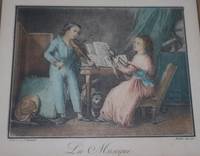
1800réf. 21178Paris presumed 1800. Near Fine. A handsome and scarce hand-colored aquatint from the Age of Enlightenment as a boy and girl essay a duet he on the violin she a lute as a cat skulks under the music table. The hallmarks of the Enlightenment are the globe and telescope in the background but also the idealized presentation of childhood we think. N.d. circa early 19th century. The frame measures about 35 by 39 cm. The print itself including the visible portion of the margin is 16.5 by 19.5 cm. The frame and matting are attractive and we thus think virtually any buyer would be happy to retain it. The frame is gilt and green and some red speckling and it has an Rococo band or Rinceaux ornate but in no way upstaging the picture. The matting has width with ruled lines adjacent to the print itself and drawing us in as well as picking up the framing ruled line of the print itself. Debucourt 1755-1835 was a versatile painter and engraver. Mallet 1759-1835 too was both a painter and engraver who collaborated with Debucourt often we believe. The Latin credits at the base of the picture tell us that Debucourt did the original piece of artwork upon which the print was based and Mallet took care of the printing. We should think though that there was some blurring of the roles of the two artists. We note that this isn't the only print the two collaborated on with the title of "La Musique". We haven't been able to locate another copy of this one though. The print has a few faint stains virtually unnoticeable unless one looks very closely. unknown
réf. 2383510157.Gpocket_book. Good. Access codes and supplements are not guaranteed with used items. May be an ex-library book. unknown
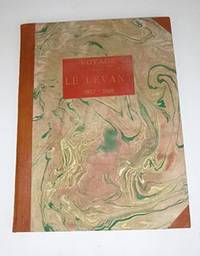
réf. 51-3962Paris: Imprimerie royale 1819. Large folio. 67 x 50 cm. New half Sakora goatskin with marbled boards preserving the original label by the artisan binder Sasha Mosalov. Plate volume only with 71 of 80 plates lacking plates 3 15 17 25 40 52 55 73. Lacking the title page. Some stains in the margins. Very good.Colas 1089; Brunet II 1337; not in OCLC.Written by Nicolas Nicolaides: Baron Louis Nicolas Philippe Auguste de Forbin later count de Forbin la Roque-d'Anthéron 1777 – ΠαÏίσι 1841 was a French painter author and antiquarian. He was also a pupil of painter Jacques-Louis David. During the Bourbon restauration Forbin served as general director of the Louvre Museum and other museums of France.Inspired by the travels of François-René de Chateaubriand Forbin sailed out from Toulon on 22 August 1817 to tour the eastern Mediterranean. Like Chateaubriand Forbin travelled on his own initiative without an order from the French government; however since the aim of his journey was to discover Greek and Roman antiquities and to draw landscapes of the places he would visit he was able to travel on the ships of the French fleet of the Levant Flotte du Levant.In his venture Forbin was accompanied by painters Pierre Prevost and Léon Matthieu Cochereau also a pupil of David and a nephew of Prévost as well as architect Jean-Nicolas Huyot. Abbé de Forbin-Janson later bishop of Nancy was also a member of the company for the first part of the journey while Huyot had to retire when he fractured his leg on Milos island. In addition twenty-four year old Cochereau died of dysentery off the coast of Cythera and was replaced by Linant de Bellefonds who at the time was a mate on "Cleopatra" the mission's ship. De Bellefonds resigned from his position on the ship and participated in the expedition as a painter and chartographer. When the expedition ended in December of 1817 de Bellefonds decided to stay on in Egypt and explored its territory as member of several missions. From 1831 to 1869 he served the kingdom of Egypt as chief engineer of several public works including the Suez Canal. The expedition sailed to Acre Galilee and thenceforth travelled by land. While in Palestine the travellers visited the Dead Sea and Jordan river reached Cairo and sailed the Nile down to Upper Egypt. The main places they visited includde Milos island Athens Constantinople Ephesus Acre Jerusalem Gaza Damietta Cairo Luxor Thebes Rosetta and Alexandria. When the expedition returned to France in April 1818 Forbin had spent approximately 28.000 francs on the purchase and transportation of antiquities some of which ended up in the Louvre collections at the time Royal Museum of France. Prevost drew panoramic views of Jerusalem and Athens but succumbed to pneumonia in 1823 without completing his panorama of Constantinople.The descriptions of Forbin show him to be a mature observer in possession of deep humanistic culture. His style sometimes resembles a clumsy imitation of Chateaubriand's "Journey to the Holy Land" 1806. However as Forbin was not a professional author but a painter his descriptions are way more exact than those of Chateaubriand.Forbin also travelled to Sicily in 1820 and published his travel account as he had done with his expedition of 1817. Paris: Imprimerie royale, 1819. hardcover
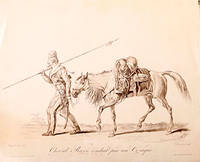
réf. 51-1937Paris: Basset circa 1820. Aquatine on rag paper. 27 x 42 cm. on sheet size 38.5 x 46 cm. Dayot 99b. 2nd state of 2 with lettering. Paris: Basset, circa 1820. unknown
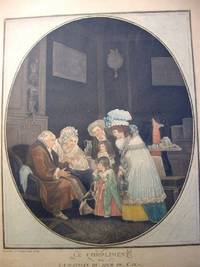
réf. 18249Very Good with no dust jacket. First Edition. Non-Book. This very rare engraving by Philibert-Louis Debucourt entitled "Le Compliment ou La Matinée du jour de l'an" The Compliment or New Year's Morning ca1787. This Etching was printed in blue red yellow carmine and black inks and 11 13/16 × 9 7/8 in 30 × 25.1 cm. It is printed on woven paper which has been framed and shows light sunning. We believe this to be an original etching as we have been unable to confirm the existence of restrikes and as such is very scarce. Most engravings by Debucourt of this subject are in museums and national galleries. The engraving is offered unframed.; 12" x 10" . unknown
1820réf. 015887Paris Circa 1820 1820. Early Printing . Single Sheet. Near Fine. Color Engraving. Nineteenth Century Engraving 25 5/8" X 19 3/4" On Laid Paper Watermarked Mbm Produced In Color. Complete With Full Margins As Issued With Title In French Below The Image Which Is Approximately 39.5 X 30 Cm. The Engraver's Name Is Also Present At Lower Right. Philibert-Louis Debucourt 1755 - 1832 Was A French Painter And Engraver. Debucourt Was Born In Paris In 1755 And Became A Pupil Of Vien. He Executed A Few Plates In Mezzotint Such As The Heureuse Famille The Benediction De La Mariée And The Cruche Cassée After His Own Designs. Most Of His Work Was However In Aquatint. He Became The Leading Maker Of Multi-Plate Colour Prints Combining Washes Of Aquatint With Line-Engraving.2 He Used A Number Of Different Techniques But Most Involved Three Colour Plates And A Fourth Key Plate Outlining The Design In Black. Debucourt's Father-In-Law Was The Sculptor Louis-Philippe Mouchy. In The Marriage Contract Mouchy Generously Offered To Provide A Three-Room Apartment At The Louvre Where Debucourt Lived For Twelve And A Half Years. The Address Of This Apartment Is Often Given On His Prints. Some Of His Work Was Satirical Such As La Promenade Publique An Aquatint Of 1792 Showing A Crowd In The Gardens The Palais-Royal. As Well As Work From His Own Designs He Made Aquatints After Carle Vernet Including The Horse Frightened By A Lion The Horse Frightened By Lightning And The Strayed Huntsman. Debucourt Was Assisted For Some Years By His Pupil And Nephew Jean-Pierre-Marie Jazet. unknown
réf. 2086239Contentum Ltd. Loose sheet. New. High-quality art print based on an original work from the Rijksmuseum. Created in the 18th century 1799. Professionally printed on premium fine-art paper Photo Matt Fibre in size A2. The artwork is printed with a white border museum-style presentation. Contentum Ltd. unknown
réf. 251278Contentum Ltd. Loose sheet. New. High-quality art print based on an original work from the Met. Created in the 19th century 1850–80. Professionally printed on premium fine-art paper Photo Rag 308 in size A2. The artwork is printed with a white border museum-style presentation. Contentum Ltd. unknown
réf. 2086240Contentum Ltd. Loose sheet. New. High-quality art print based on an original work from the Rijksmuseum. Created in the 18th century 1799. Professionally printed on premium fine-art paper Photo Rag Bright White premium quality in size A2. The artwork is printed with a white border museum-style presentation. Contentum Ltd. unknown
réf. 2172621Contentum Ltd. Loose sheet. New. High-quality art print based on an original work from the Rijksmuseum. Created in the 18th century 1791. Professionally printed on premium fine-art paper Museum Etching museum quality in size A3. The artwork is printed with a white border museum-style presentation. Contentum Ltd. unknown