ALLOWAY LAWRENCELivre Rare Book
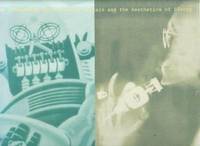
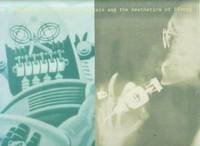
The Independent Group: Postwar Britain and the Aesthetics of Plenty
1990réf. 19351"The Independent Group or the IG as it was called is best known for having launched Pop Art. But the young artists architects and critics who met informally at London's Institute of Contemporary Arts in the early 1950s were actually embarked on a far more subversive and constructive mission than the founding of an art movement. Street-smart anti-academic and iconoclastic they embraced Hollywood and Madison Avenue and rejected the traditional dichotomies between high and low culture British and American values. They used their meetings and exhibitions to challenge the official modernist assumptions of British aesthetics and to advocate instead a media-based consumer-based aesthetics of change and inclusiveness - an aesthetics of plenty. In doing so they drew upon Dadaist Futurist and Surrealist strategies to invigorate their alternative version of modernism - a version that today can be said to have insinuated the terms of postmodernism. This book provides the first comprehensive view of the IG's aims and significance. The texts and illustrations fully represent the achievements of its leaders including artists Richard Hamilton and Eduardo Paolozzi architects Alison and Peter Smithson and critics Lawrence Alloway and Reyner Banham. The historic exhibitions that publicized the ideas of IG members are also documented - "Parallel of Life and Art" "Man Machine and Motions" "This Is Tomorrow" and "An Exhibit." Above all the book emphasizes the interaction between the exhibitions discussions art and writings of IG members showing the ways in which they established a new aesthetic horizon. " Text: Robbins David Baas Jacquelynn Alloway Lawrence. pp. 256; COL and BW; paperback. Near fine condition. M.I.T. Press, paperback
artecontemporanea · Italie70,00 €