838 resultados
ref. 66622Choisy-le-Roy, L. Legros, bronzier-ciseleur, 1939. 26 x 32, sans pagination, 24 planches en N/B, broché,
1970112 p., 56 planches hors-texte (Prähistorische Bronzefunde. Abteilung IX, Band 3). Inv. 10134.
ref. 57928Paris, Pierre Terrail, 1991, gd. In-4, br., couv. photos coul. éd., 224 pp., papier galcé, très nb. Photos coul.,en fin de volume une carte avec les noms des ethnies, une biographie, Un tour d'horrizon des masques, des terres cuites, des bronzes, de l'ivoire, de l'or, des statues d'ancêtres, reliquaires et bijoux des ethnies de f'Afrique noire. De superbes photographies mais aussi une bonne approche ethnologique du sujet. Un livre de référence. Très bon état
ref. 47242P., Hachette (Collection "Plaisir des Images"), 1965, in 8° carré, cartonnage illustré en couleurs de l'éditeur, 128 pages ; innombrables illustrations, en noir et en couleurs.
2000193 p., 153 fig. n/b. Revue du Nord. Hors série. Collection Art et Archéologie n°6. Inv. 25463
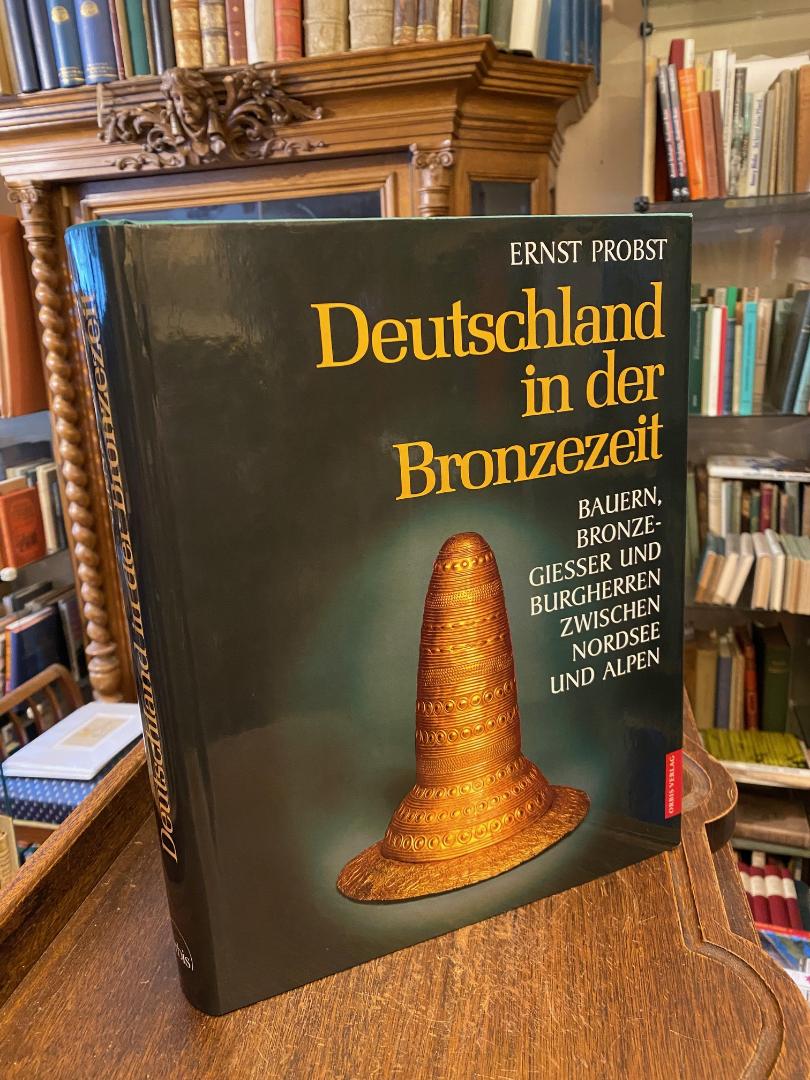
1999ref. 58403ABMünchen, Orbis Verlag, 1999. 4° (32x25),, 559 S., reich illustriert mit 485 (davon 60 farb) fotograf Aufnahmen, 23 Originalzeichnungen, 66 Reproduktionen von Zeichnungen und 14 Karten, OPbd mit ill OU, (Lizenzausgabe mit Genehmigung des C. Bertelsmann nahezu ungelesen, schönes gepflegtes Exemplar,
1897ref. 3432293Greifswald, 1897. 121 S. OBroschur.
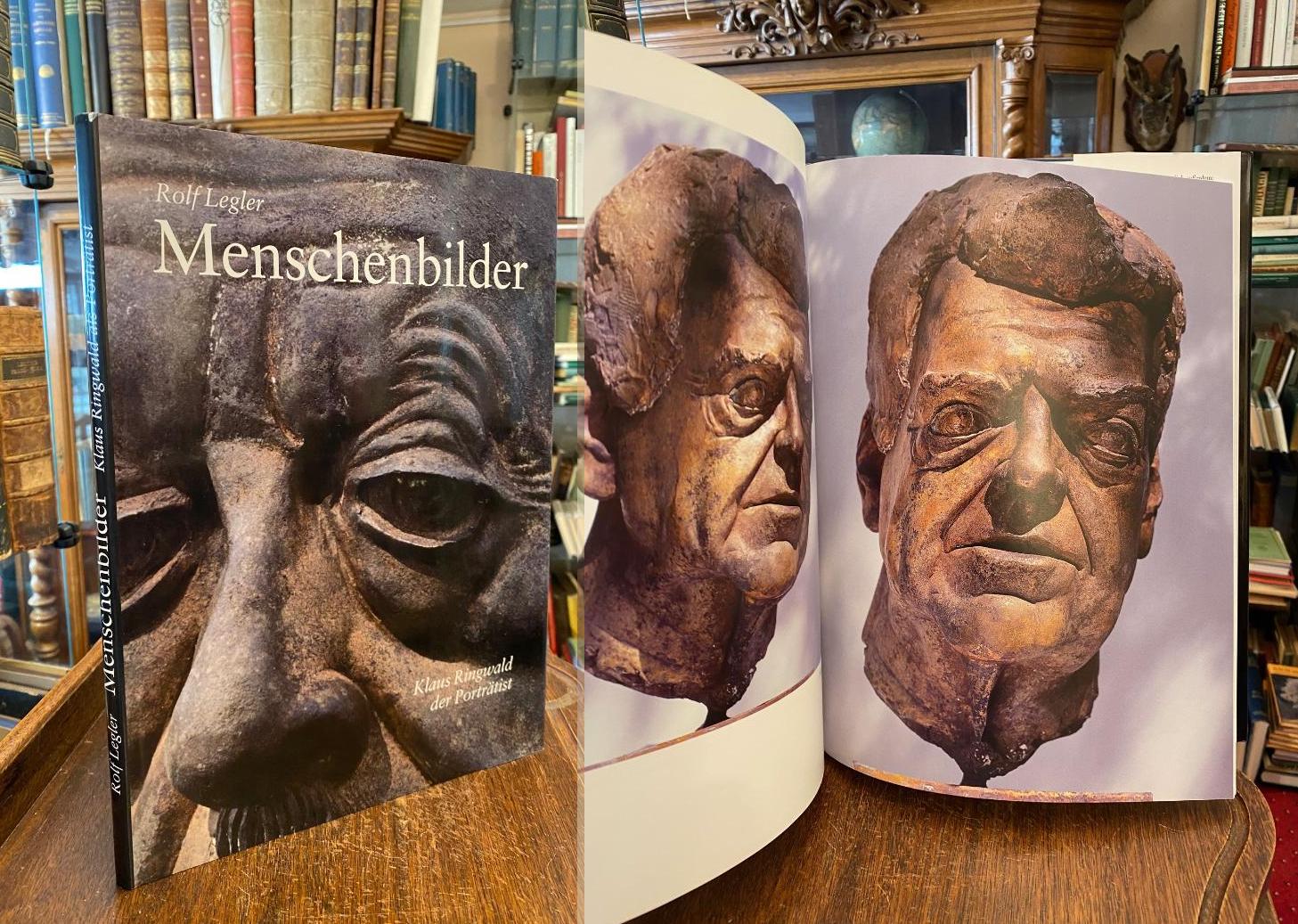
1999ref. 54662ABLindenberg, Kunstverlag Josef Fink, 1999. 4° (33x24), 83 S., mit 53 WerkAbb., sowie dokumentarischen Aufnahmen, OPbd mit fotoill OU, 1. Aufl. Umschlag marginal berieben, nahezu ungelesen, schönes gepflegtes Exemplar,
2007Very faint shelfwear. ; Following Oliver Dickinson’s successful The Aegean Bronze Age, this textbook is a synthesis of the period between the collapse of the Bronze Age civilization in the thirteenth and twelfth centuries BC, and the rise of the Greek civilization in the eighth century BC. With chapter bibliographies, distribution maps and illustrations, Dickinson’s detailed examination of material and archaeological evidence argues that many characteristics of Ancient Greece developed in the Dark Ages. He also includes up-to-date coverage of the 'Homeric question'. This highly informative text focuses on: the reasons for the Bronze Age collapse which brought about the Dark Ages the processes that enabled Greece to emerge from the Dark Ages the degree of continuity from the Dark Ages to later times. ; 9.1 X 6.1 X 0.8 inches; 320 pages
ref. 19668Éditions Errance, - Collection des Hespérides, 1985 - Grand in octavo, reliure cartonnage noir ill. de l'éd, .211 pages, nombreuses illustrations et fig. souvent légendées en marge en noir et au trait, in et hors texte. Très agréable exemplaire.
1987ref. 1262451987 Editions Bordas - 1987 - In-4, reliure pleine toile sous jaquette illustrée - 319 pages - Nombreuses illustrations en N&B et en couleurs, in et hors texte
1980ref. 3460620Paris, Hachette, 1980. 295 S. Mit Abbildungen auf Tafeln. OKart.
2000ref. 20704Augsburg und Heidelberg, Umschau / Braus, (2000). OKart. OU. 432 S. 4°. Mit zahlr. tls. farb. Abb. Gut erhalten.
ref. 71074Paris, AFAA Association Française d’Action Artistique 1992, 300x230mm, 171pages, broché. Couverture à rabats. Bel exemplaire.
ref. 31779New York, Cooper Square Publishers 1970, 260X185mm, XXXII- 302pages, editor's binding.
ref. 55794Neuchâtel, La Baconnière 1977, 205x150mm, 239pages, broché. Petite tache sur couverture. Nom de possesseur.
1950ref. 34421950 percale grise grand in-octavo, dos long - titre rouge en partie effacé, premier plat illustré, illustrations : 134 figures photographiques in-texte, 201 pages, sans date (les années 1950 environ) à Paris H. Laurens Editeur,
1968279p. illus (some col) fold out time chart. bibliography index Book
2009Very light shelfwear else fine. ; The Routledge History of the Ancient World; 377 pages; Richly illustrated and with new information which gives access to the latest scholarship on the subject, Greece in the Making, 1200–479 BC shows how to write a history of this period, and the insights that can be gained by doing so. The latest volume in The Routledge History of the Ancient World series, presents a successful history of Greece in a field that is dependent on stories the Greeks told about their past. Robin Osborne goes beyond tradition and explores the literature, art and archaeology of the period. As an introduction to Greek history, and as a resource for degree course studies, Greece in the Making, 1200–479 BC is an essential read for all students of classical studies and those interested in the fascinating history of Greece.
1999Nigel Spivey sets the formation of the classical style in its proper historical context. He considers how Greek art was inextricably bound up with the social, religious, philosophical and political factors of the period and explains the art not only in terms of those who commissioned and created it, but also with reference to the archaeology of the places which hosted it. 448p. illus bibliography. index, Publishers postcard laid in. Book
1969Very light shelfwear else fine. ; Reprint of the 1897 ed. xxxi, 417pp, illustrated, + 22pls.; 8vo - over 7¾" - 9¾" tall; 417 pages
197479 unnumbered pages : illustrations, map . Book
1970Illustrated account of the legends surrounding Theseus, Ariadne and the Labyrinth of Crete, with a survey of the Bronze Age in Crete and the Aegean. 281p. plates (some col) bibliography.index. Book
1958Using evidence from archaeology and the recently deciphered Linear B tablets the author examines Mycenean civilization and the subsequent literary traditions in the Homeric epics. 312p.+ 26 of plates, bibliography index. fold-out map. Book
1974English translation by Richard Winston of "Whoin der stier Europs Trug' "Hans Wunderlich is a geologist who happened to be in Crete in 1970, when he took the opportunity of visiting Sir Arthur Evan's celebrated reconstruction of the so-called Palace of King Minos at Knossos - the legendary labyrinth where Theseus once defeated the dreaded Minotaur. This chance visit drew him into one of the greatest archaeological mysteries of all time, for one contradiction struck him after another in the 'established' interpretations of the Minoan culture. His geologist's eye found clues that the early archaeologists had missed, the technical man asked questions to which no-one seemed to have the answer. He soon concluded that what he was gazing at was not a palace at all, but something more sombre and perhaps even more significant. This book is the author's attempt to resolve the paradoxes that have obsessed the archaeological world ever since Evan's spectacular find." An interesting theory ."that the Palace of King Minos was not the bustling centre of gay courtly life but was, instead, a necropolis - a city of the dead "" 367p. illus. diagrs. maps. bibliography. index. Book