Gold, E JBiblio.com

16 396 résultats
2002réf. DADAX0895560992Gateways Books & Tapes 2002-11-01. paperback. New. 8.50x0.82x11.00. Buy with confidence. Excellent Customer Service & Return policy. Gateways Books & Tapes paperback
1934réf. 019540Portland OR: The Oregon Journal 1934. Hardcover. Very Good-. 8-1/2" x 12" Hardcover; 112pp; Black boards with silver titling to front minor scuffing & edgewear to boards text unmarked binding is sound VG- condition. Scarce vintage volume devoted to educating the public about the building of the Bonneville Dam on the Columbia River in order to generate electric power for the region. Illustrated with photos. The Oregon Journal hardcover
réf. BN271861More than a Star More than a Star Lucy Gold unknown
Madrid, Espasa Calpe, 1961 ("Clásicos Castellanos"). 4to.; LI pp., 233 pp. Intonso. Cubiertas originales.
réf. 1332760813.Gpaperback. Good. Access codes and supplements are not guaranteed with used items. May be an ex-library book. paperback
réf. 19184London,la belle assemblée fashionable magazine,J.BELL 1807,color print
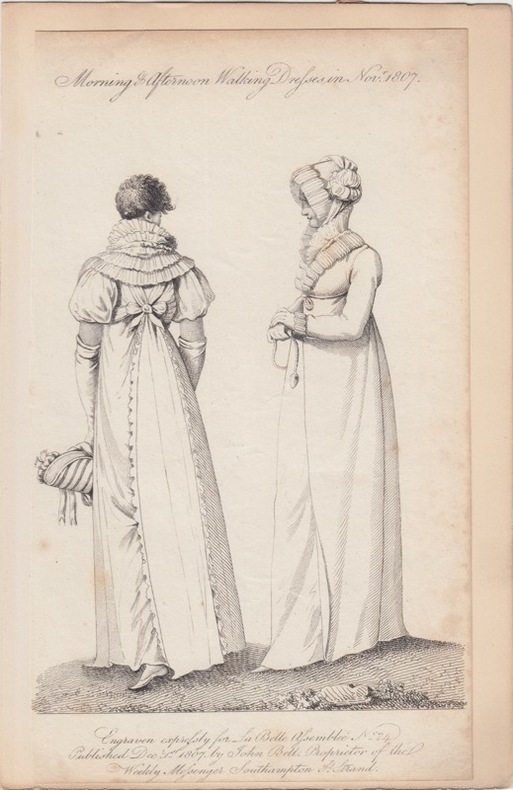
1807réf. 255891807 London,la belle assemblée fashionable magazine,J.BELL 1807 - black and white print,line engraving,
réf. 19190London,la belle assemblée fashionable magazine,J.BELL 1807,color print
réf. 19188London,la belle assemblée fashionable magazine,J.BELL 1807,color print
réf. 19183London,la belle assemblée fashionable magazine,J.BELL 1807,color print
1985réf. Q-8437809177Editorial Escudo De Oro S.A 1985-01-01. Paperback. New. New. In shrink wrap. Looks like an interesting title! Editorial Escudo De Oro, S.A paperback
Barcelona, Bellaterra, 2010. 4to.; 465 pp. y 16 láminas. Cubiertas originales.
1947réf. 101287New York: Willard Gallery 1947. Softbound. VG. Green stapled printed wraps. 16 pp. 7 bw plates. Lists 15 works each accompanied by a short or long ethereal essay. An early gallery catalogue on this artist. Willard Gallery paperback books
1936réf. 015728Paris EDITION ORIGINALE. Tirage à 1012 exemplaires numérotés. Un des 35 sur Hollande van Gelder mis dans le commerce, second papier après vingt-cinq Japon . Bel exemplaire relié à l'époque : demi-maroquin noir à coins et filets or, dos à nerfs et pièce de titre rouge et lettre or, tête dorée, couverture et dos conservés. 1936 fort in-8 Broché Edition originale
2010Collana: Rizzoli Best, gennaio 2010. Traduzione di Adria Tissoni. Titolo originale: Terminal Freeze. Rilegato con sovraccoperta. Prima edizione. Spedizioni tracciabili con raccomandata entro 24 ore dall'ordine. First edition. Hardback cover with dust jacket in fine conditions, no price clipped, no inscriptions or markings inside. Worldwide delivery.
1991Milano, 1991; cartonato, pp. 80, ill. b/n e col., cm 22,5x29,5. (I Quaderni dell'Antiquariato. Arti Decorative. 0021. Anno II). italiano I Nuovi Quaderni dell'Antiquariato. Arti Decorative. 0020
réf. 057699197X.Ghardcover. Good. Access codes and supplements are not guaranteed with used items. May be an ex-library book. hardcover
1970réf. 222316Farnborough Hants : Gregg International Publishers 1970. Reprint. Hardback. Very good copy in the original gilt-blocked cloth. Spine bands and panel edges somewhat rubbed and dust-toned as with age. Remains quite well-preserved overall; tight bright clean and strong.; 8vo 8"" - 9"" tall; 392 pages; Facsimile reprint of original published: Coloniae Agrippinae : In Officina Birckmannica 1587. Other titles; Antonio Possevino sociestatis ies V Moscovia et alia opera de statu huius seculi adversus Catholicae Ecclesiae hostes nunc primo in unum volumen collecta atq abipsomet auctore emendata & aucta. Physical description; 392 pages ; 32 cm. Subjects; Catholic Church - Foreign relations - Soviet Union. Soviet Union - Foreign relations - Poland. Tatars - Early works to 1800. Transylvania Romania - Moldavia - Hungary -Description and travel - Early works to 1800. Farnborough, Hants : Gregg International Publishers hardcover
1550réf. 5044Rome: ca 1550. SECOND STATE of three with the addition of "Romae" incised at lower right. Hardcover. Fine. A very fine example with high contrast of this rare print. This is the first published engraving dedicated to Michelangelo's Moses and one of only two made in the 16th century. The funerary monument of Julius II occupied Michelangelo in various phases from 1505 to the 1540s. Prints of the entire monument are few. In them the figure of Moses is necessarily reduced in size and imperfectly executed. Later prints of the statue in isolation such as that by the Netherlandish artist Jacob Matham 1571-1631 in which the figure is shown in reverse fail to match the standard set by this early engraving. The inscription reads: Moysis ingens ex marmore simulacrum in Julij Secundi/ Pontificis Maximi ad petri in Exquilijs uincula sepulcro / præstanti Michaelis Angeli Bonarotae manu fictum. The immense marble statue of Moses in the Church of San Pietro in Vincoli on the Esquiline Hill sculpted by the hand of Michelangelo Buonarroti for the tomb of Pope Julius II. Michelangelo's design for the tomb of Pope Julius II with the master's iconic figure of Moses was originally intended for St. Peter's but was ultimately installed in the church of San Pietro in Vincoli in Rome. The work was commissioned by Pope Julius in 1505 at which time Michelangelo received an initial payment of 100 gold ducats but was not completed until March 1545. Michelangelo re-worked his initial design numerous times first in 1513 after Julius' death and again in 1516 1525/1526 1532 and 1542. The final monument includes three figures carved by Michelangelo: the aforementioned Moses and Leah and Rachel symbols respectively of the active and contemplative life. Michelangelo's sculptures of the dying and rebellious slaves now in the Louvre and the Genius of Victory Palazzo Vecchio Florence were not used in the final design. On the second tier of the monument as it stands is an effigy of the reclining Julius II attributed to Tommaso di Pietro Boscoli 1503-1574 but with the face possibly the work of Michelangelo watched over by the Madonna and Child carved by Alessandro Scherano di Settignano after a model by Michelangelo and flanked by a sibyl and a prophet; these last two sculptures were carved by Michelangelo's pupil Raffaello da Montelupo ca. 1504-ca. 1567. "The engraving reproduces accurately in the same direction and without substantial variations the sculpture of the tomb of Julius II identifying the light source at the top left. The work attributed by Bottari to Beatrizet Heinecken 1768 was treated as anonymous by Heinecken in the Nachrichten of 1768 but later included by him in the list of Beatrizet's works Dictionnaire 1788. Nagler recorded it both under the monogram of Cornelis Bos and as the work of Beatrizet. Appearing in the Hollstein repertoire as Bos it was subsequently treated among works of doubtful attribution both of Bos Schéle 1965 and of Beatrizet Bianchi 2004. "Due to the fact that copies of this print are found in volumes of Roman composition on the model of the Speculum Romanae Magnificentiae El Escorial; Madrid Biblioteca Nacional; both datable between the mid-1580s and the 1590s one would be led to believe that the plate was engraved in Rome where in the last decade of the 16th century it was acquired by Van Aelst. This does not however exclude Cornelis Bos as a possible author since more than one of his plates is known to bear a Roman address in late editions even if it makes it more likely -in our opinion- the identification with a Flemish engraver active in Italy. In the sparse and luminous texture and in the clean geometries one could also perceive the burin of Niccolò della Casa."Alberti Rovetta and Salsi "D'après Michelangelo"2015 p. 219 ff. ca hardcover
1550réf. 5044Rome: ca 1550. SECOND STATE of three with the addition of "Romae" incised at lower right. Hardcover. Fine. A very fine example with high contrast of this rare print. This is the first published engraving dedicated to Michelangelo's Moses and one of only two made in the 16th century. The funerary monument of Julius II occupied Michelangelo in various phases from 1505 to the 1540s. Prints of the entire monument are few. In them the figure of Moses is necessarily reduced in size and imperfectly executed. Later prints of the statue in isolation such as that by the Netherlandish artist Jacob Matham 1571-1631 in which the figure is shown in reverse fail to match the standard set by this early engraving. The inscription reads: Moysis ingens ex marmore simulacrum in Julij Secundi/ Pontificis Maximi ad petri in Exquilijs uincula sepulcro / præstanti Michaelis Angeli Bonarotae manu fictum. The immense marble statue of Moses in the Church of San Pietro in Vincoli on the Esquiline Hill sculpted by the hand of Michelangelo Buonarroti for the tomb of Pope Julius II. Michelangelo's design for the tomb of Pope Julius II with the master's iconic figure of Moses was originally intended for St. Peter's but was ultimately installed in the church of San Pietro in Vincoli in Rome. The work was commissioned by Pope Julius in 1505 at which time Michelangelo received an initial payment of 100 gold ducats but was not completed until March 1545. Michelangelo re-worked his initial design numerous times first in 1513 after Julius' death and again in 1516 1525/1526 1532 and 1542. The final monument includes three figures carved by Michelangelo: the aforementioned Moses and Leah and Rachel symbols respectively of the active and contemplative life. Michelangelo's sculptures of the dying and rebellious slaves now in the Louvre and the Genius of Victory Palazzo Vecchio Florence were not used in the final design. On the second tier of the monument as it stands is an effigy of the reclining Julius II attributed to Tommaso di Pietro Boscoli 1503-1574 but with the face possibly the work of Michelangelo watched over by the Madonna and Child carved by Alessandro Scherano di Settignano after a model by Michelangelo and flanked by a sibyl and a prophet; these last two sculptures were carved by Michelangelo's pupil Raffaello da Montelupo ca. 1504-ca. 1567. "The engraving reproduces accurately in the same direction and without substantial variations the sculpture of the tomb of Julius II identifying the light source at the top left. The work attributed by Bottari to Beatrizet Heinecken 1768 was treated as anonymous by Heinecken in the Nachrichten of 1768 but later included by him in the list of Beatrizet's works Dictionnaire 1788. Nagler recorded it both under the monogram of Cornelis Bos and as the work of Beatrizet. Appearing in the Hollstein repertoire as Bos it was subsequently treated among works of doubtful attribution both of Bos Schéle 1965 and of Beatrizet Bianchi 2004. "Due to the fact that copies of this print are found in volumes of Roman composition on the model of the Speculum Romanae Magnificentiae El Escorial; Madrid Biblioteca Nacional; both datable between the mid-1580s and the 1590s one would be led to believe that the plate was engraved in Rome where in the last decade of the 16th century it was acquired by Van Aelst. This does not however exclude Cornelis Bos as a possible author since more than one of his plates is known to bear a Roman address in late editions even if it makes it more likely -in our opinion- the identification with a Flemish engraver active in Italy. In the sparse and luminous texture and in the clean geometries one could also perceive the burin of Niccolò della Casa."Alberti Rovetta and Salsi "D'après Michelangelo"2015 p. 219 ff. ca hardcover books
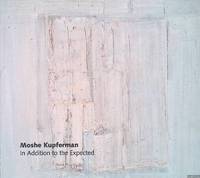
2012réf. 422420-AD32Ein Harod : Museum of Art/The Kupferman Collection 2012. Softcover. Fair. Paperback numerous full page illustrations in colour and b/w 52124 pages text in Hebrew and English oblong circa 24x28cm.; Portion cut from title page else fine. Ein Harod : Museum of Art/The Kupferman Collection paperback
2001Roma, Palazzo dei Congressi, 2001. Roma, 2001; br., pp. 160, ill. col., tavv. col., cm 22x24. (Arte, Arredamento, Disegno). (Roma e Lazio).
1965(Codice VS/0326) In 16° oblungo (15x21 cm) 61 pp. Con 42 foto in nero e a colori. Una cartina geografica. Brossura originale. ~~~ SPEDIZIONE IN ITALIA SEMPRE TRACCIATA
1911réf. 004030Washington DC: The Gridiron Press 1911. First edition. Wraps. Very Good. Inscribed by C.K. Berryman the cartoonist to H.W. Berryman. The inscription states "This book is inscribed by the illustrator C.K. Berryman". 8vo. 20 by 16.5 cm. 74 1 pp. Cartoons are of the political luminaries of the day including many names still recognizable such as Elihu Root William Borah Taft TR Robert LaFolette Gifford Pinchot Henry Stimson Woodrow Wilson and on and on. Clever rhymes for the ABC and then clever variants of well-known nursery rhymes. The drawings capture the persons depicted with great fidelity yet impressive economy. Berryman began his career as an artist for the patent office before joining the staff of "The Washington Post" in 1891 as an understudy for its chief cartoonist then becoming its official cartoonist in 1896. In 1907 he left the Post for "The Washington Star" where he drew cartoons until his death. He is probably best known for inspiring the Teddy Bear. The Gridiron Club was founded in 1885 and remains one of the most prestigious press clubs in the nation. The Gridiron Dinner is an annual rite in Washington often attended by the sitting President. This book is uncommon in the original printing. The Gridiron Press unknown
1911réf. 004030Washington DC: The Gridiron Press 1911. First edition. Wraps. Very Good. Inscribed by C.K. Berryman the cartoonist to H.W. Berryman. The inscription states "This book is inscribed by the illustrator C.K. Berryman". 8vo. 20 by 16.5 cm. 74 1 pp. Cartoons are of the political luminaries of the day including many names still recognizable such as Elihu Root William Borah Taft TR Robert LaFolette Gifford Pinchot Henry Stimson Woodrow Wilson and on and on. Clever rhymes for the ABC and then clever variants of well-known nursery rhymes. The drawings capture the persons depicted with great fidelity yet impressive economy. Berryman began his career as an artist for the patent office before joining the staff of "The Washington Post" in 1891 as an understudy for its chief cartoonist then becoming its official cartoonist in 1896. In 1907 he left the Post for "The Washington Star" where he drew cartoons until his death. He is probably best known for inspiring the Teddy Bear. The Gridiron Club was founded in 1885 and remains one of the most prestigious press clubs in the nation. The Gridiron Dinner is an annual rite in Washington often attended by the sitting President. This book is uncommon in the original printing. The Gridiron Press unknown books