Barber, P JBiblio.com

11 019 résultats
réf. 19759250like new. unknown
réf. UJune2019-1138196800-264CRC Press 2017-10-16. Hardcover. Good. Textbook May Have Highlights Notes and/or Underlining BOOK ONLY-NO ACCESS CODE NO CD Ships with Emailed Tracking CRC Press hardcover
1992réf. DADAX0792316096Springer 1992-01-31. 1992. hardcover. New. 7.00x1.00x10.00. Buy with confidence. Excellent Customer Service & Return policy. Springer hardcover
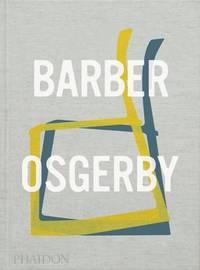
2017réf. 1-0714874833Phaidon Inc Ltd 2017. Hardcover. New. 312 pages. 14.00x11.00x1.25 inches. Phaidon Inc Ltd hardcover
réf. ria9780859916332_inpHardcover. New. New Book; Fast Shipping from UK; Not signed; Not First Edition; With the appearance in 1999 of the very extensive interim volume covering the years 1978 to 1992 the 'Arthurian Bibliography' became once more the critical source for Arthurian Scholars. This fourth volume of entries culled in the mai hardcover
2016réf. 2-032324338XW B Saunders Co 2016. Hardcover. New. 6th edition. 1280 pages. 11.00x9.00x1.50 inches. W B Saunders Co hardcover
réf. A9781138691612Hardback. New. hardcover
1872réf. 1231018.06Paul Daffis Paris 1872. Hardcover. As New. 8vo hardcovers. Near fine condition. Quarter leather leather still supple; Leather spine Volume I mended. covers and contents clean unworn no marking or writing. Bindings square and tight with no cracking at endpaper seams. Paul Daffis, Paris hardcover
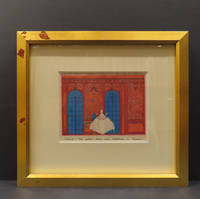
1919réf. 6630Original Barbier pochoir in black gold green red pink blue and orange. Pink trim surrounds image. Paper 19.1 x 24.2 cm; Window: 17.2 x 22 cm. Lucien Vogel
2020réf. x-1526147106Manchester University Press 2020. Hardcover. New. 304 pages. 9.25x6.25x0.75 inches. Manchester University Press hardcover
réf. A9781849713498Hardback. New. Update to: Blueprint for a green economy / a report by David Pearce Anil Markandya Edward B. Barbier for the UK Department of the Environment. 1989. hardcover
réf. A9781138538085Hardback. New. hardcover
réf. A9781620367476Hardback. New. Given that students will be more successful in college and in life if they can integrate their learning James Barber offers a guide on how to promote students' integration of learning and help them connect knowledge and insights across contexts whether in-class or out in co-curricular activities or across courses and disciplinary boundaries. hardcover
réf. A9781138121140Hardback. New. hardcover
réf. A9780415892223Hardback. New. hardcover
réf. A9780415429610Hardback. New. Historians are looking beyond the traditional and turning to visual oral aural and virtual sources to inform their work. The challenges these sources pose require new skills of interpretation and require historians to consider alternative theoretical and practical approaches. This book explains why when and how these sources can be used. hardcover
réf. A9780415928182Hardback. New. Eve Kosofsky Sedgwick is one of the most important figures in the history of modern gender studies. This book which features an interview with Sedgwick is a collection of new essays by established scholars hardcover
réf. A9780202250045Hardback. New. hardcover
réf. A9781138522640Hardback. New. hardcover
2022réf. x-0198852312OUP Oxford 2022. Hardcover. New. 368 pages. 8.50x5.50x1.25 inches. OUP Oxford hardcover
réf. A9781138907881Hardback. New. hardcover
réf. 15993471like new. unknown
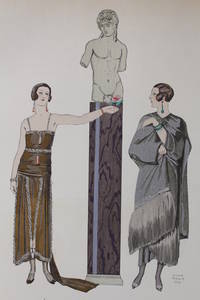
1924réf. 55097Paris: Lucien Vogel éditeur 1924. Fine. Lucien Vogel éditeur Paris 1924 18 x 24 cm une feuille Original color print heightened with palladium printed on vergé paper signed in the plate. An original print used to illustrate the Gazette du bon ton one of the most attractive and influential 20th century fashion magazines featuring the talents of French artists and other contributors from the burgeoning Art Deco movement. A celebrated fashion magazine established in 1912 by Lucien Vogel La Gazette du bon ton appeared until 1925 with a hiatus from 1915 to 1920 due to the war the editor-in-chief having been called up for service. It consisted of 69 issues printed in only 2000 copies each and notably illustrated with 573 color plates and 148 sketches of the models of the great designers. Right from the start this sumptuous publication was aimed at bibliophiles and fashionable society Françoise Tétart-Vittu La Gazette du bon ton in Dictionnaire de la mode 2016 and was printed on fine vergé paper using a type cut specially for the magazine by Georges Peignot known as Cochin later used in 1946 by Christian Dior. The prints were made using stencils heightened in colors some highlighted in gold or palladium. The story began in 1912 when Lucien Vogel a man of the world involved in fashion he had already been part of the fashion magazine Femina decided with his wife Cosette de Brunhoff the sister of Jean creator of Babar to set up the Gazette du bon ton subtitled at the time: Art fashion frivolities. Georges Charensol noted the reasoning of the editor-in-chief: In 1910 he observed there was no really artistic fashion magazine nothing representative of the spirit of the time. My dream was therefore to make a luxury magazine with truly modern artists I was assured of success because when it comes to fashion no country on earth can compete with France. Un grand éditeur dart. Lucien Vogel in Les Nouvelles littéraires no. 133 May 1925. The magazine was immediately successful not only in France but also in the United States and Latin America. At first Vogel put together a team of seven artists: André-Édouard Marty and Pierre Brissaud followed by Georges Lepape and Dammicourt as well as eventually his friends from school and the School of Fine Arts like George Barbier Bernard Boutet de Monvel and Charles Martin. Other talented people soon came flocking to join the team: Guy Arnoux Léon Bakst Benito Boutet de Monvel Umberto Brunelleschi Chas Laborde Jean-Gabriel Domergue Raoul Dufy Édouard Halouze Alexandre Iacovleff Jean Émile Laboureur Charles Loupot Chalres Martin Maggie Salcedo. These artist mostly unknown when Lucien Vogel sought them out later became emblematic and sought-after artistic figures. It was also they who worked on the advertising drawings for the Gazette. The plates put the spotlight on and celebrate dresses by seven designers of the age: Lanvin Doeuillet Paquin Poiret Worth Vionnet and Doucet. The designers provided exclusive models for each issue. Nonetheless some of the illustrations are not based on real models but simply on the illustrators conception of the fashion of the day. The Gazette du bon ton was an important step in the history of fashion. Combining aesthetic demands with the physical whole it brought together for the first time the great talents of the artistic literary and fashion worlds; and imposed through this alchemy a completely new image of women: slender independent and daring which was shared by the new generation of designers including Coco Chanel Jean Patou Marcel Rochas and so on Taken over in 1920 by Condé Montrose Nast the Gazette du bon ton was an important influence on the new layout and aesthetics of that little dying paper that Nast had bought a few years earlier: Vogue. Lucien Vogel éditeur unknown
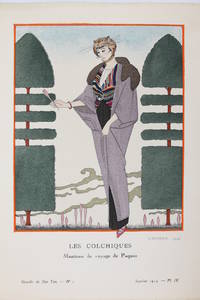
1914réf. 84687Paris: Lucien Vogel éditeur 1914. Fine. Lucien Vogel éditeur Paris Janvier 1914 19 x 24.50 cm une feuille Original color print heightened with gold printed on laid paper signed at bottom right of the plate. Original engraving created for the illustration of La Gazette du bon ton one of the most beautiful and influential fashion magazines of the 20th century celebrating the talent of French creators and artists in the full bloom of Art Deco. Famous fashion magazine founded in 1912 by Lucien Vogel La Gazette du bon ton was published until 1925 with an interruption during the War from 1915 to 1920 due to the mobilization of its editor-in-chief. It consists of 69 issues printed in only 2000 copies and is illustrated notably with 573 color plates and 148 sketches representing models by great couturiers. From their publication these luxurious publications ""addressed bibliophiles and worldly aesthetes"" Françoise Tétart-Vittu ""La Gazette du bon ton"" in Dictionnaire de la mode 2016. Printed on fine laid paper they use a typeface specially created for the magazine by Georges Peignot the Cochin character adopted in 1946 by Christian Dior. The prints are created using the metal stencil technique heightened in colors and for some highlighted with gold or palladium. The adventure begins in 1912 when Lucien Vogel man of the world and fashion - he had already participated in the magazine Femina - decides to found with his wife Cosette de Brunhoff sister of Jean father of Babar the Gazette du bon ton whose subtitle was then ""Art modes et frivolités"". Georges Charensol reports the words of the editor-in-chief: ""In 1910 he observes there existed no fashion journal truly artistic and representative of the spirit of its time. I therefore thought of making a luxury magazine with truly modern artists . I was certain of success because for fashion no country can rival France."" ""Un grand éditeur d'art. Lucien Vogel"" in Les Nouvelles littéraires n°133 May 1925. The magazine's success is immediate not only in France but also in the United States and South America. Originally Vogel thus brings together a group of seven artists: André-Édouard Marty and Pierre Brissaud followed by Georges Lepape and Dammicourt; and finally his friends from the École des beaux-arts who are George Barbier Bernard Boutet de Monvel or Charles Martin. Other talents quickly come to join the team: Guy Arnoux Léon Bakst Benito Boutet de Monvel Umberto Brunelleschi Chas Laborde Jean-Gabriel Domergue Raoul Dufy Édouard Halouze Alexandre Iacovleff Jean Émile Laboureur Charles Loupot Charles Martin Maggie Salcedo. These artists mostly unknown when Lucien Vogel calls upon them will subsequently become emblematic and sought-after artistic figures. These same illustrators create the drawings for the Gazette's advertisements. The plates highlight and sublimate the dresses of seven creators of the era: Lanvin Doeuillet Paquin Poiret Worth Vionnet and Doucet. The couturiers provide exclusive models for each issue. Nevertheless some of the illustrations feature no real model but only the idea that the illustrator has of the fashion of the day. La Gazette du bon ton is a decisive step in fashion history. Combining aesthetic demands and plastic unity it brings together for the first time the great talents of the world of arts letters and fashion and imposes through this alchemy a completely new image of woman slender independent and audacious also carried by the new generation of couturiers Coco Chanel Jean Patou Marcel Rochas. Taken over in 1920 by Condé Montrose Nast La Gazette du bon ton will largely inspire the new composition and aesthetic choices of the ""small dying journal"" that Nast had bought a few years earlier: Vogue magazine. Lucien Vogel éditeur unknown