John Henry CutlerBiblio.com
2.179 Ergebnisse
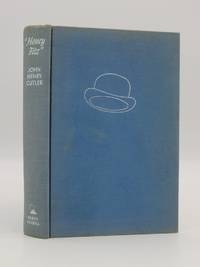
1962Best.-Nr. 19575The Bobbs-Merrill Company Inc. . Good with no dust jacket. Hardcover. Light blue cloth cover is lightly soiled sunned along spine caps are rubbed corners are lightly worn but cover is in good condition. Boards and spine are straight. Binding is tight. Pages are clean and in very good condition. Several B&W photographic images. . 1962. The Bobbs-Merrill Company, Inc. hardcover
Best.-Nr. 26774474-nnew. unknown
Best.-Nr. 0806153377.Ghardcover. Good. Access codes and supplements are not guaranteed with used items. May be an ex-library book. hardcover
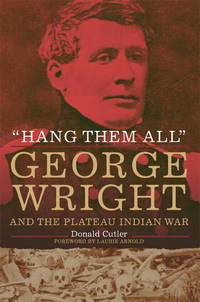
Best.-Nr. B9780806153377Hardback. New. Col. George Wright's campaign against the Yakima Spokane Coeur d'Alene Palouse and other Indian peoples of eastern Washington Territory was intended to punish them for a recent attack on another U.S. Army force. Wright had once appeared to respect the Indians of the Upper Columbia Plateau but in 1858 he led a brief war noted for its violence bloodshed and summary trials and executions. Today many critics view his actions as war crimes but among white settlers and politicians of the time Wright was a patriotic hero who helped open the Inland Northwest to settlement. "Hang Them All" offers a comprehensive account of Wright's campaigns and explores the controversy surrounding his legacy. Over thirty days Wright's forces defeated a confederation of Plateau warriors in two battles destroyed their food supplies slaughtered animals burned villages took hostages and ordered the hanging of sixteen prisoners. Seeking the reasons for Wright's turn toward mercilessness Cutler asks hard questions: If Wright believed he was limiting further bloodshed why were his executions so gruesomely theatrical and cruel How did he justify destroying food supplies and villages and killing hundreds of horses Was Wright more violent than his contemporaries or did his actions reflect a broader policy of taking Indian lands and destroying Native cultures Stripped of most of their territory the Plateau tribes nonetheless survived and preserved their cultures. With Wright's reputation called into doubt some northwesterners question whether an army fort and other places in the region should be named for him. Do historically based names honor an undeserving murderer or prompt a valuable history lesson In examining contemporary and present-day treatments of Wright and the incident "Hang Them All" adds an important informed voice to this continuing debate. hardcover