8 034 résultats
réf. 0521080649.Ghardcover. Good. Access codes and supplements are not guaranteed with used items. May be an ex-library book. hardcover
réf. 0521180139.Gpaperback. Good. Access codes and supplements are not guaranteed with used items. May be an ex-library book. paperback
2011réf. DADAX0521180139Cambridge University Press 2011-02-17. Reissue. paperback. New. 6.00x0.43x9.00. Buy with confidence. Excellent Customer Service & Return policy. Cambridge University Press paperback
1975réf. 24542Cincinnati OH: B. B. & Co 1975. 1st. Hardcover. Fine. 10.3x7.3x0.7in. Inscribed by Authors. not issued with a dust jacket inscribed by author. 168pp 1.36lb 10.3x7.3x0.7in B. B. & Co hardcover
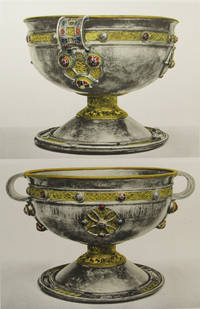
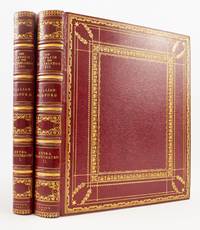
First edition, 2 vols., folio, xxxviii, [ii], 466; [iv], 467-1085pp., with coloured frontispiece, 76 photogravure plates and 1,500 other illustrations, cont. half green morocco, gilt, a very good set.
2005réf. 63192Thames & Hudson Ltd 2005 In-8 broché 25,1 cm sur 17. 368 pages. Très bon état d’occasion.
Bound, blue cloth, illustrated dustjacket, 175 x 260mm., 367pp., profoundly illustrated in colour and b/w. ISBN 0500281963. 2373 entries relating to British and North American wares, decorative techniques, styles, leading designers and makers, principally from c. 1500 to the present. Book is in good condition.
1987367 pages. "2,373 entries relating to British and North American wares, decorative techniques, styles, leading designers and makers, principally from c.1500 to the present." - from dust jacket. With 725 illustrations, 16 in color. Clean and unmarked with very light wear. Unread. Quality copy. Book
1911réf. 35082London: Country Life 1911. 2 volumes. First Edition. With a coloured frontispiece and 76 photogravure plates and 1500 other illustrations. Folios publisher's original calf over green cloth lettered in gilt between gilt bordered compartments and raised bands on the spine. xxxviii 466; 468-1085 pp. A handsome and very well preserved copy with minor edgewear to the spines. FIRST EDITION OF THIS LAVISH WORK ON ENGLISH PLATE. Fine plates are contained throughout the work. A very handsome edition in bindings. Time periods include the Earliest English and Irish periods the Roman Period the Anglo-Saxon and Norman periods the Gothic the Renaissance the Stuart and Commonwealth periods the Late Stuart and Rococo periods and finely the late Georgian period. A superb reference and illustrated work. Country Life hardcover
réf. 1961359227.Gpaperback. Good. Access codes and supplements are not guaranteed with used items. May be an ex-library book. paperback
1817réf. ST19508aLondon: Henry Colburn 1817. FIRST EDITION. 322 x 274 mm. 12 3/4 x 10 3/4". One volume extended to two. SUMPTUOUS CRIMSON STRAIGHT-GRAIN MOROCCO GILT BY MORRELL stamp-signed on front turn-ins covers with wide frame decorated with Neoclassical ornaments raised bands spine compartments framed by volutes and flowers gilt lettering gilt-framed turn-ins scarlet watered silk endleaves leather hinges top edges gilt. WITH 30 HAND-COLORED PLATES as called for including a double-page view of the Battle of Waterloo a folding battle plan for Ligny and a folding map of the route from Brussels to Paris the last two expertly repaired and backed in linen and EXTRA-ILLUSTRATED WITH 66 PLATES eight of these hand-colored most portraits of military leaders. With "Portraits of General Officers" used as the frontispiece as in Abbey in place of the seldom-seen plate "Waterloo in Memory of Shaw of the Life Guards" that appears in some copies but is not on the list of plates. With an ALS dated Dublin Castle 1st Oct 1819 signed by Lord Whitworth. Front flyleaves with engraved armorial bookplate of Frederick S. Peck. Abbey "Life" 372; Tooley 336; Cohn "Cruikshank" 556. ◆Joints edges and corners with visible but not serious wear one plate with neatly repaired marginal tear just touching edge of image occasional mild foxing additional trivial imperfections otherwise fine--clean and fresh internally with richly colored plates in a lustrous binding bright with gilt. This is a very attractively illustrated celebration of Wellington's victorious campaign against Napoleon offered here in a special copy enhanced by additional plates many depicting principal actors in the conflict and a stately Neoclassical binding. Famed illustrator George Cruikshank drew the frontispiece depicting the seven general officers for the British side along with the ebullient illustrated title depicting victory the double-page plate of the fateful Battle of Waterloo and the ignominious "Flight of Bonaparte." The plates contributed by James Rouse mostly depict the countryside and villages in the area where fighting was taking place. Journalist and novelist William Mudford 1782-1848 wrote the text with assistance from primary sources among these the Duke of Wellington himself to whom the work is dedicated. Mudford was the editor of the "Courier" an evening journal with a conservative stance on politics. His prose is described as "vigorous" by the "Dictionary of Literary Biography" which also notes his flair for creating atmosphere. These gifts were brought to bear on the present account rendering this historic campaign in vivid terms. The manuscript letter inserted into the second volume was written by Lord Charles Whitworth 1752-1825 Lord Lieutenant of Ireland at the time of writing. He had been the British Ambassador to France when Napoleon was first consul and had gained much respect for the determination and dignity with which he had handled the mercurial Bonaparte's tirades against his country. Here he recommends to an unknown recipient the person who had conducted financial affairs for him in France. The present bindings are the work of the London bindery of W. T. Morrell established about 1861 as successor to the firm begun by Francis Bedford who in turn had taken over the famous bindery of Charles Lewis. Prideaux in her "Modern Bookbindings" says that Morrell at that time had a very large business that supplied "all the booksellers with bindings designed by his men" which were "remarkable for their variety and merit." The scion of an old and prosperous New England family former owner Frederick Stanhope Peck 1868-1947 was an avid collector of books and manuscripts amassing a collection of more than 8000 titles. When his library went to auction in 1944 it was noted for its fine bindings and excellent condition. Henry Colburn unknown books
1817réf. ST19508aLondon: Henry Colburn 1817. FIRST EDITION. 322 x 274 mm. 12 3/4 x 10 3/4". One volume extended to two. SUMPTUOUS CRIMSON STRAIGHT-GRAIN MOROCCO GILT BY MORRELL stamp-signed on front turn-ins covers with wide frame decorated with Neoclassical ornaments raised bands spine compartments framed by volutes and flowers gilt lettering gilt-framed turn-ins scarlet watered silk endleaves leather hinges top edges gilt. WITH 30 HAND-COLORED PLATES as called for including a double-page view of the Battle of Waterloo a folding battle plan for Ligny and a folding map of the route from Brussels to Paris the last two expertly repaired and backed in linen and EXTRA-ILLUSTRATED WITH 66 PLATES eight of these hand-colored most portraits of military leaders. With "Portraits of General Officers" used as the frontispiece as in Abbey in place of the seldom-seen plate "Waterloo in Memory of Shaw of the Life Guards" that appears in some copies but is not on the list of plates. With an ALS dated Dublin Castle 1st Oct 1819 signed by Lord Whitworth. Front flyleaves with engraved armorial bookplate of Frederick S. Peck. Abbey "Life" 372; Tooley 336; Cohn "Cruikshank" 556. ◆Joints edges and corners with visible but not serious wear one plate with neatly repaired marginal tear just touching edge of image occasional mild foxing additional trivial imperfections otherwise fine--clean and fresh internally with richly colored plates in a lustrous binding bright with gilt. This is a very attractively illustrated celebration of Wellington's victorious campaign against Napoleon offered here in a special copy enhanced by additional plates many depicting principal actors in the conflict and a stately Neoclassical binding. Famed illustrator George Cruikshank drew the frontispiece depicting the seven general officers for the British side along with the ebullient illustrated title depicting victory the double-page plate of the fateful Battle of Waterloo and the ignominious "Flight of Bonaparte." The plates contributed by James Rouse mostly depict the countryside and villages in the area where fighting was taking place. Journalist and novelist William Mudford 1782-1848 wrote the text with assistance from primary sources among these the Duke of Wellington himself to whom the work is dedicated. Mudford was the editor of the "Courier" an evening journal with a conservative stance on politics. His prose is described as "vigorous" by the "Dictionary of Literary Biography" which also notes his flair for creating atmosphere. These gifts were brought to bear on the present account rendering this historic campaign in vivid terms. The manuscript letter inserted into the second volume was written by Lord Charles Whitworth 1752-1825 Lord Lieutenant of Ireland at the time of writing. He had been the British Ambassador to France when Napoleon was first consul and had gained much respect for the determination and dignity with which he had handled the mercurial Bonaparte's tirades against his country. Here he recommends to an unknown recipient the person who had conducted financial affairs for him in France. The present bindings are the work of the London bindery of W. T. Morrell established about 1861 as successor to the firm begun by Francis Bedford who in turn had taken over the famous bindery of Charles Lewis. Prideaux in her "Modern Bookbindings" says that Morrell at that time had a very large business that supplied "all the booksellers with bindings designed by his men" which were "remarkable for their variety and merit." The scion of an old and prosperous New England family former owner Frederick Stanhope Peck 1868-1947 was an avid collector of books and manuscripts amassing a collection of more than 8000 titles. When his library went to auction in 1944 it was noted for its fine bindings and excellent condition. Henry Colburn unknown
réf. B9781016587785Hardback. New. hardcover
1998réf. 319741Munich: Prestel 1998. First. paperback. fine. Soutine Chaim. 32 color illustrations 84 in black-and-white plus a photo essay. 207 pages. glossy pictorial wrappers. New York: Prestel Jewish Museum 1998. First softcover edition. A fine copy. With contributions by Romy Golan Donald Kuspit Colette Giraudon et al. Prestel unknown books
1998réf. stela379Munich & New York: Prestel 1998. 1998. 4to. pp. 207. 32 full-colour illus. & 84 b/w illus. biblio. cloth. dw. minor edge wear 1 inch tear at top edge of front cover. Published in conjunction with an exhibition. Hardcover. Very Good/Dust Jacket Included. Munich & New York: Prestel, [1998]. Hardcover
1998réf. 907636Munich And New York: Prestel And The Jewish Museum 1998 A Very Solid Tight Clean Book Which Was Published In Conjunction With The Exhibition Of Chaim Soutine In New York Los Angeles And Cincinnati. A Biographical Look At His Art With Regards To The Cultures And Politics At The Time. With A Chronology And Colour Prints. No Marks Or Inscriptions. A Glossy Card Cover Showing A Portion Of His Painting 'Gorge Du Loup'. Very Little Shelf Or Reading Wear.This Book Is Oversized And Heavy So Dependent Upon Destination M Extra Shipping May Be Requested. Prestel And The Jewish Museum paperback
1987réf. 72761San Francisco: Peter Plate 1987. First edition. 76 pp. Fine in illustrated wrappers. Prose with photographs by Dana F. Smith. San Francisco: [Peter Plate] unknown books
1979réf. 4iiiBa0018Woodstock NY: The Overlook Press 1979. Book. Very Good. Hardcover. 4to or 4° Quarto: over 9¾" x 12" tall. 393 pp. Over-sized and/or over weight book; may require extra postage. Please note that large and/or heavy items may incur an additional shipping charge. A great almost spotlessly clean copy and dust jacket! Solidly and tightly bound essentially and nearly flawless copy and dust jacket with minimal internal and external wear and use. Copy with crisp pages clean text and light shelf wear. Smooth covers. Dust jacket shows minimal wear around edges. The Overlook Press Hardcover
1750réf. 4310The binding probably Augsburg 1750. Agenda-format binding size 155 x 78 x 24 mm. Contents: 143 small engravings all but the first 48-50 x 35-37 mm. the first mounted sideways measuring 50 x 97 mm. consisting of 11 engravings for each saint trimmed to borders and mounted on 78 leaves of wove paper. 18th-century German silver-gilt embossed binding regilt in the 19th century both covers with a large oval cartouche containing a scene of the Crucifixion on the upper cover and the Resurrection on lower cover both covers with cherubs within ornamental foliage at the four corners the pair at top holding a cartouche with a scene of the Entombment on upper cover and the Ascension on lower cover the pair at the foot holding laurel wreaths and flanking a winged angel’s head; spine with embossed flowers ribbons and foliate ornaments above and below a central scene of Moses with the brazen serpent at top a monogram of the letters CJ; two chased metal fore-edge clasps attaching on upper cover; lined in later 19th-century green watered silk edges gilt and gauffered. Housed in a folding cloth felt-lined folding case upper cover with morocco gilt label with Abbey’s named coat of arms; his paper shelf-mark label JA 2680 on lower cover. Provenance: unidentified monogram on binding; Major John Roland Abbey 1894-1969 bookplate on case; see Hayward Silver Bindings no. 17; Bernard Breslauer anonymous sale Sotheby’s 10 May 1985 “Silver and Enamel Bindings” lot 26 unsold. A stunning embossed silver-gilt binding almost certainly produced in Augsburg from the collection of Major Abbey. The binding dates from the “last phase of baroque and the fully developed rococo” Hayward the final culminating period of Augsburg craftsmanship in embossed silver. Describing this binding and two others from the collection Hayward wrote: “the most finely worked book-covers in the Abbey Collection date from the second quarter of the Eighteenth Century. The subjects are the familiar scenes from the life of Christ but treated even in the small compass of a book-cover with extraordinary dramatic force. The designs were probably derived from a contemporary illustrated Bible but their effectiveness is greatly enhanced by the relief in which they are rendered and by the strong contrasts of light and shade” p. 3. To accentuate the pathos the silversmith or designer chose to highlight minor characters: in the dramatic Crucifixion scene the most deeply embossed figures occupying the foreground are two soldiers throwing dice at the foot of the cross; similarly the centurion is the largest and most solid figure in the Resurrection scene on the lower cover. The binding encloses an album of 143 fine small unsigned 17th-century probably Flemish engravings of Franciscan saints neatly mounted on wove paper. The Antwerp engraver and print publisher Philips Galle had initiated the vogue for “Franciscan” prints with his series of engravings of the Life of St. Francis first produced before 1580 cf. Sellink pp. 129-131. The present suite contains 13 series each with 11 small engravings depicting a saint or group of saints as follows: St. Francis The 5 Martyred Saints the 7 Martyred Saints Anthony of Padua Bonaventura Ludovicus Episcopius Bernardino of Siena John of Capestrano Didacus Diego of Alcalá Clare of Assisi Elizabeth of Hungary S. Elizabeth vidua Louis of France and Elzear. With one exception John of Capestrano instead of St. Ivo of Brittany these were the saints chosen by Hendrik Sedulius guardian of the Antwerp Franciscans for his Imagines Sanctorum Francisci printed and illustrated by Philips Galle in 1602 but that quarto-format work only includes one large engraving per saint each accompanied by a page of text. The exact source of this more extensive small format suite remains to be identified. Each engraving has a caption citing a chapter number. Major John Roland Abbey assembled the largest English book collection of his generation. His first love was bindings and among these he brought together an exceptional group of silver bindings some of which were described and illustrated by John F. Hayward in an article published in The Connoisseur in 1952. The present binding is number 17; Hayward noted its earlier regilding as well as the “fine quality” of the embossing. Bernard Breslauer later bought the collection en bloc from Abbey’s widow “and in 1985 Bernard consigned the collection with some additions from his own stock to Sotheby’s London. Despite Sotheby’s well-illustrated and informative catalogue the sale was calamitous: of the fifty-eight silver and enamel bindings only fourteen met the reserve” Laird p. 67. This binding was not one of them. Cf. M. S. Sellink Philips Galle 1537-1612: engraver and print publisher in Haarlem and Antwerp PhD ThesisVrije Universiteit Amsterdam 1997 online. J. F. Hayward Silver Bindings from the J. R. Abbey Collection offprint from The Connoisseur October 1952. Cf. M. Laird “Bernd Bernard Hartmut Breslauer 1918-2004: A Personal Memoir” Gazette of the Grolier Club 72 2023 59-92. Thanks to Mr. Laird for sharing the sale results from B. Breslauer’s own catalogue in his possession. unknown books
1750réf. 4310The binding probably Augsburg 1750. Agenda-format binding size 155 x 78 x 24 mm. Contents: 143 small engravings all but the first 48-50 x 35-37 mm. the first mounted sideways measuring 50 x 97 mm. consisting of 11 engravings for each saint trimmed to borders and mounted on 78 leaves of wove paper. 18th-century German silver-gilt embossed binding regilt in the 19th century both covers with a large oval cartouche containing a scene of the Crucifixion on the upper cover and the Resurrection on lower cover both covers with cherubs within ornamental foliage at the four corners the pair at top holding a cartouche with a scene of the Entombment on upper cover and the Ascension on lower cover the pair at the foot holding laurel wreaths and flanking a winged angel’s head; spine with embossed flowers ribbons and foliate ornaments above and below a central scene of Moses with the brazen serpent at top a monogram of the letters CJ; two chased metal fore-edge clasps attaching on upper cover; lined in later 19th-century green watered silk edges gilt and gauffered. Housed in a folding cloth felt-lined folding case upper cover with morocco gilt label with Abbey’s named coat of arms; his paper shelf-mark label JA 2680 on lower cover. Provenance: unidentified monogram on binding; Major John Roland Abbey 1894-1969 bookplate on case; see Hayward Silver Bindings no. 17; Bernard Breslauer anonymous sale Sotheby’s 10 May 1985 “Silver and Enamel Bindings” lot 26 unsold. A stunning embossed silver-gilt binding almost certainly produced in Augsburg from the collection of Major Abbey. The binding dates from the “last phase of baroque and the fully developed rococo” Hayward the final culminating period of Augsburg craftsmanship in embossed silver. Describing this binding and two others from the collection Hayward wrote: “the most finely worked book-covers in the Abbey Collection date from the second quarter of the Eighteenth Century. The subjects are the familiar scenes from the life of Christ but treated even in the small compass of a book-cover with extraordinary dramatic force. The designs were probably derived from a contemporary illustrated Bible but their effectiveness is greatly enhanced by the relief in which they are rendered and by the strong contrasts of light and shade” p. 3. To accentuate the pathos the silversmith or designer chose to highlight minor characters: in the dramatic Crucifixion scene the most deeply embossed figures occupying the foreground are two soldiers throwing dice at the foot of the cross; similarly the centurion is the largest and most solid figure in the Resurrection scene on the lower cover. The binding encloses an album of 143 fine small unsigned 17th-century probably Flemish engravings of Franciscan saints neatly mounted on wove paper. The Antwerp engraver and print publisher Philips Galle had initiated the vogue for “Franciscan” prints with his series of engravings of the Life of St. Francis first produced before 1580 cf. Sellink pp. 129-131. The present suite contains 13 series each with 11 small engravings depicting a saint or group of saints as follows: St. Francis The 5 Martyred Saints the 7 Martyred Saints Anthony of Padua Bonaventura Ludovicus Episcopius Bernardino of Siena John of Capestrano Didacus Diego of Alcalá Clare of Assisi Elizabeth of Hungary S. Elizabeth vidua Louis of France and Elzear. With one exception John of Capestrano instead of St. Ivo of Brittany these were the saints chosen by Hendrik Sedulius guardian of the Antwerp Franciscans for his Imagines Sanctorum Francisci printed and illustrated by Philips Galle in 1602 but that quarto-format work only includes one large engraving per saint each accompanied by a page of text. The exact source of this more extensive small format suite remains to be identified. Each engraving has a caption citing a chapter number. Major John Roland Abbey assembled the largest English book collection of his generation. His first love was bindings and among these he brought together an exceptional group of silver bindings some of which were described and illustrated by John F. Hayward in an article published in The Connoisseur in 1952. The present binding is number 17; Hayward noted its earlier regilding as well as the “fine quality” of the embossing. Bernard Breslauer later bought the collection en bloc from Abbey’s widow “and in 1985 Bernard consigned the collection with some additions from his own stock to Sotheby’s London. Despite Sotheby’s well-illustrated and informative catalogue the sale was calamitous: of the fifty-eight silver and enamel bindings only fourteen met the reserve” Laird p. 67. This binding was not one of them. Cf. M. S. Sellink Philips Galle 1537-1612: engraver and print publisher in Haarlem and Antwerp PhD ThesisVrije Universiteit Amsterdam 1997 online. J. F. Hayward Silver Bindings from the J. R. Abbey Collection offprint from The Connoisseur October 1952. Cf. M. Laird “Bernd Bernard Hartmut Breslauer 1918-2004: A Personal Memoir” Gazette of the Grolier Club 72 2023 59-92. Thanks to Mr. Laird for sharing the sale results from B. Breslauer’s own catalogue in his possession. unknown
réf. ria9780521381499_inpHardcover. New. New Book; Fast Shipping from UK; Not signed; Not First Edition; The Silvers examine the shift of attention in Britain from social class and the secondary school to poverty and the primary and preschool stage and use extensive archive and interview material to analyse in-depth transatlantic interact hardcover